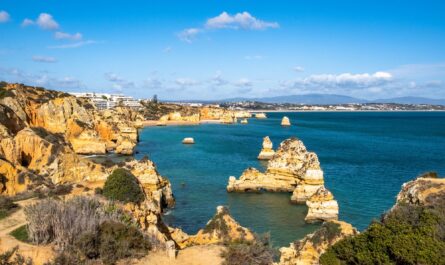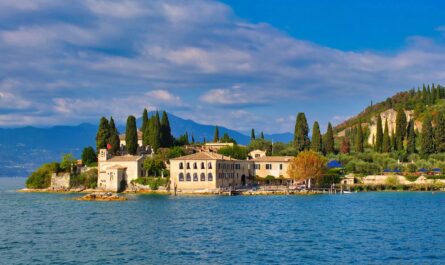

Croatia is a very popular tourist destination for vacations. In summer, the number of people and accommodation prices here increase dramatically. But apart from summer, Croatia is also great for holidays in other seasons.
Let’s figure out when and for what it’s best to go to Croatia.
Summer – the hottest time to visit

Summer, especially July and August, is peak season, when the Adriatic sea gets pleasantly warm (+23-25 degrees), and the beaches are covered with tourists’ bodies from all over the world. To book accommodation for these months, you have to do it already at the end of winter. Croatia is a classic destination for early booking – if you don’t do this in advance, you’ll be left with the worst options at crazy prices.

In July and August, there are reeeeeally a lot of people in Croatia. Boat parties are held here, medieval fairs, and in front of the most popular resorts stand huge millionaire yachts. If you go to the mountains or inland in summer, it will be very hot. Even Croatians themselves try to move to the sea – it’s more pleasant here, and at any moment you can cool off in the seawater.
Tip: if you can only travel to Croatia in summer – for example, you are tied to school holidays – it’s better to choose the second half of June. Accommodation prices are still quite affordable, there aren’t as many people at resorts and in cities or historical sites. But you should understand that the sea is still quite cool (maximum +20-21 degrees). If you’re not afraid of the brisk water temperature, then June is the best summer month for a trip to Croatia.
Autumn
From September to October it’s sunny, cheap, and there are far fewer people

Early autumn is probably the best time to visit Croatia. In September it is very warm, the water is also as warm as in summer, and there’s plenty of sun. But unlike summer, there’s already plenty of space on the pebbly beaches and it’s quite peaceful. With a limitless quiet sea, September is a wonderful time for swimming in Croatia. Accommodation in September becomes 20-30% cheaper than in summer – there are many available apartments at popular resorts.

Why is that? Because Germans love to holiday in Croatia. But school attendance is enforced very strictly there. Children cannot skip lessons – there are big fines for that. So all German families disappear from Croatia’s beaches as early as August 31. The same goes for Czechs – they love vacationing in Croatia, but flee from here in the first days of September.
October
In October it gets cooler, after September 20 it may occasionally rain. But if you don’t swim in the sea, this is the best time for hiking or visiting national parks, for example, Krka Park, or visits to wineries – to taste local wine in the quiet of the vineyards. And in October there’s plenty of available accommodation at low prices.

In October, some ferry lines also stop operating, and most hotels close. The coast is quite warm with cool evenings and a mild atmosphere, so you can still get anywhere you want, but enjoy peace on the islands or explore the walls of Dubrovnik without the crowds.
In November (at the beginning of the month), the temperature can still be pleasant – up to +20 degrees Celsius. But hotels and restaurants on the coast are most likely closed. The sea is already too cool for swimming. But if you happen to be here in November, look for accommodation in big cities – Split or Dubrovnik, where there will definitely be accommodation options. This is a good time to see the cities even with an umbrella, but without a lot of tourists, and not stand in queues for museums or search for parking spaces.
Spring in Croatia – a time to see lots of water in the waterfalls

Bright sun and fairly dry weather in March – this is a good time to visit historical sites and explore nature. It’s already great for walking along the coast – a wonderful 15 km trail leads from Makarska to the town of Brela. If you plan to visit the national parks Krka and Plitvice – you’ll see the full power of the waterfalls, filled with meltwater. The trails between the lakes and waterfalls are already covered with the first green of emerald leaves – it’s very beautiful and worth seeing with your own eyes.
In April or early May in Croatia, you can witness Easter rituals. The sea is still cold, but the trees are blooming brightly, and the sun shines vividly. This is a good time to see the mountain or seaside towns of Istria – a good time to try young wine and fresh asparagus that grows on the mountain slopes.

In May it gets warmer, the resort towns heat up, but there is no crowd like in summer. This month is perfect for strolling through squares and promenades and for a short swim in the cool sea. This is compensated by low accommodation prices. Try activities like rafting in Omiš on the river Cetina – a very good idea for May.
Winter in Croatia – cold and empty, but even in this season there’s something to see

What’s the weather in Croatia in winter? Cold, wet, and windy. But still, if you find yourself in this country during winter, there are things to do. First of all, on sunny days, plan to walk around small coastal towns. For example, Trogir – here you can have a delicious meal on the waterfront under palm trees that grow here year-round.
Or find time to visit the capital – Zagreb, which is almost always skipped in the warm season. Visit the city’s impressive galleries and museums, where you can get to know Croatian culture. Or visit the carnival in the city of Rijeka – it is the biggest in Croatia, with a costume parade, bells, and orchestras. And also, winter and Christmas mean mulled wine and fairs for those ready to boldly walk the winter streets.
As for nature – catch the time when real frosts come to the inland. In such weather you can see the Plitvice waterfalls freeze. Instead of water, millions of icicles flow down the slopes – an amazing and unusual phenomenon that is reason enough to visit Croatia in winter.
How to get to Croatia
By plane to Croatia – this is already more interesting, especially if you look for tickets from airports located in countries sharing borders with Ukraine. For example,
- to Zadar Ryanair flies from Krakow, Vienna, Prague.
- to Dubrovnik Ryanair from Vienna.
- to Split – Wizz Air from many cities of Poland, Vienna.
- to Dubrovnik also Wizz Air – from Vienna, Warsaw, and Wroclaw.
Useful articles and links:
- Zadar – the city and airport where it’s worth starting your journey through Croatia
- Itinerary for an independent trip through Croatia
- Primošten – a review of a beach holiday in Croatia
- Šibenik, Croatia – where to relax on the beaches, what to see in the city
- Brela – the most beautiful beaches of the Makarska Riviera
Travel medical insurance – HotlineFinance
Hotel and apartment bookings – Booking.com