
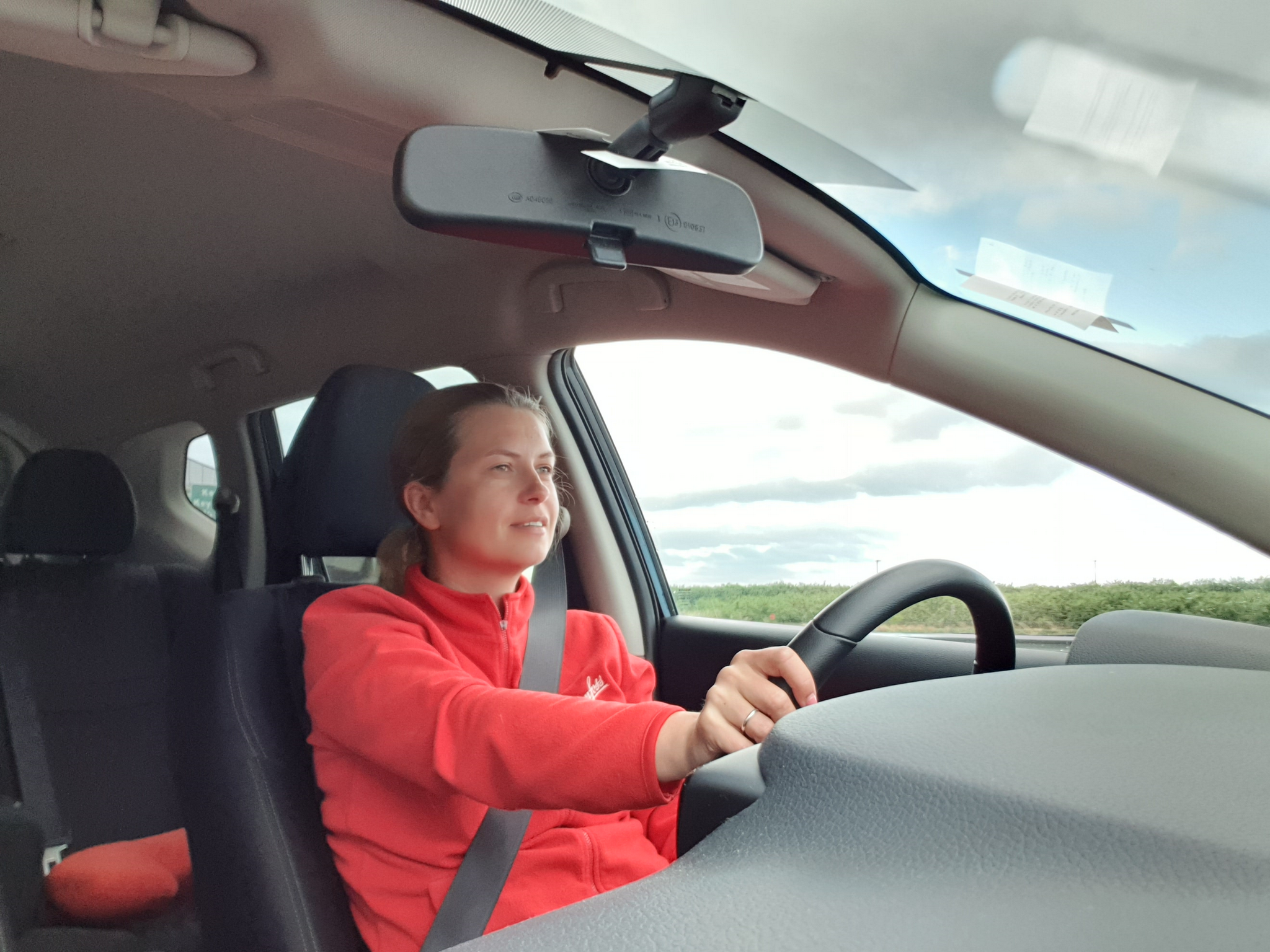
We have traveled around Italy several times by car – our own and rented.
I will tell you about the features of renting a car and driving in this wonderful country.
What documents are needed to rent a car in Italy?
In principle, this is a standard set of documents that is required for renting in almost all European countries. Namely:
- Driver’s license – plastic license with English transliteration, which has an expiration date.
- International passport – for car rental.
- Named credit card (issued in the driver’s name) – most (99%) rental companies require a credit bank card. Some small local rental companies also accept debit cards. But it is better to have a credit card with an amount that covers the cost of the rental + deposit (if it is in the rental conditions).
- Voucher for online car booking.
The credit card must have a credit limit that will be sufficient to block the deposit – from 200 Euros and above, depending on the car class, at least double the rental amount. To find out the amount to block the deposit, you can contact the rental office in advance or read the information in the rental conditions on the aggregator’s website.
Choosing a rental office
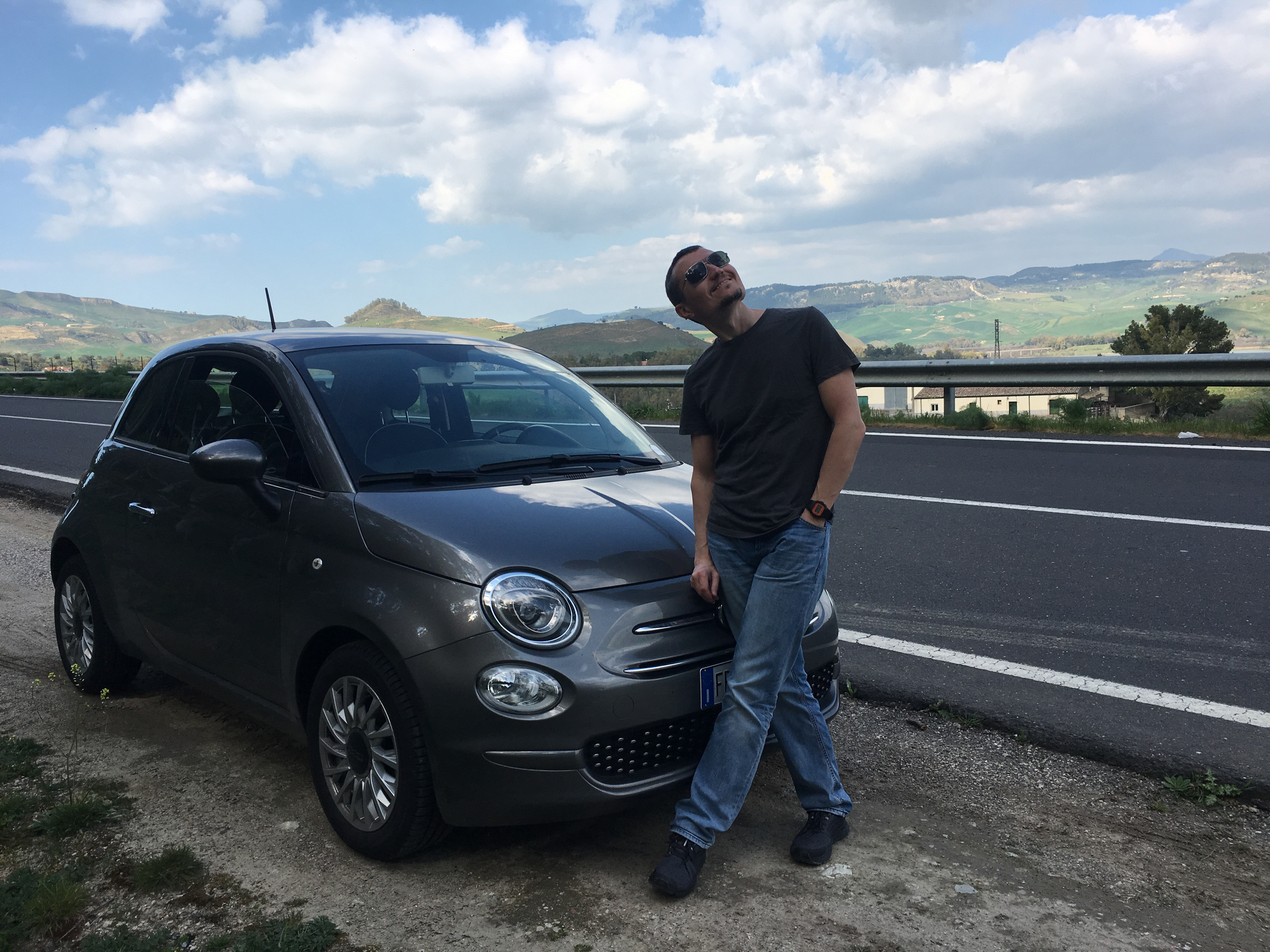
I recommend to use DiscoverCars. A good aggregator where I book cars. I compared prices directly on rental websites, as well as on other aggregators – I couldn’t find better conditions.
When traveling in Northern Italy, I choose Maggiore, a budget division of Avis. Not the cheapest option, but I read reviews on various sites and concluded that it is better to pay extra, but take it from a higher-level office. Cheap companies take a larger deposit (and often do not return it), and give bad cars. You can take a risk, but it is your choice.
Maggiore took a deposit of 200 euros (blocked on the card) and about 250 euros for the rental itself. We chose a Nissan Micra – we got exactly this car. No mileage restrictions, fuel policy – you return with the same level of gasoline with which you took it.
You can pick up and return the car in different cities, but the surcharge will be quite large. Therefore, focus in advance on the circle you will need to make.
Parameters that I pay attention to when choosing a specific option:
- Price;
- Car class – depends on whether or I’m going to the mountains, because there I need a more powerful engine;
- Minimum deposit when booking without full insurance;
- Reputation of the agency;
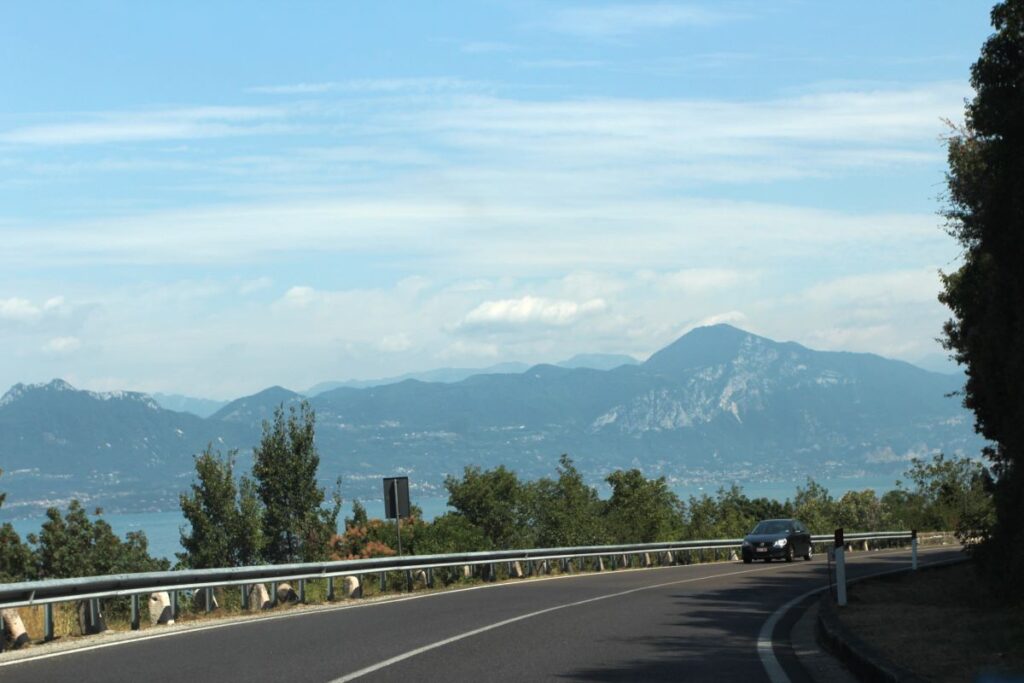
In Sicily we rented from Sicily Rent Car – it was very cheap in March, about 12 euros per day of rental, for a week it came out to about 100 euros. The deposit was about 200 euros. We rented a small Fiat 500, but I do not advise doing so on this island if you are planning to go to Etna. The engine is weak, without oxygen at altitude it sputters and chokes. So, do not save on engine power at high altitudes and on serpentines!
We booked a car about a month before the trip, so that there were no surprises with a limited selection of cars. In addition, during the season, cars can be quite expensive – so it makes sense to book in advance.
After successful registration on the website, a voucher will be sent to your email. We print it and take it with us.
Receiving the car and starting the rental

Most often, rental offices are based at airports. I rented in Venice, Treviso airport, and also at Catania airport. There are rental offices near train stations in large cities.
I always set the time to pick up the car about an hour after arrival. To have time to go through control and just in case – to find the office, get luggage, if there is any. I come to the rental office counter by the time indicated in the voucher. It is better not to be late – in the season they can leave you with nothing (when there is a high demand for cars). Have the documents with you, which I wrote about above in the list of documents.
You give the voucher, documents, write your mailing address and phone number (home address – where exactly you currently live). Then read the contract, sign, make a deposit from the card. You receive the keys and a copy of the contract (it is often sent to your email now). Don’t forget to take a ticket for leaving the parking lot from the rental company – otherwise you will be stuck at the exit in front of the barrier (like some).
Check a car
Then go to the parking lot to pick up the car. Check for damage to the car and enter them in a special section of the contract – together with a representative of the rental company. I also always take photos of all the damage – demonstratively so that the company employee can see it. If there are disputes about old damage when returning the car – will you have evidence? photos with the time and date taken when you received the car.
We check the headlights, glass, be sure to look at the fuel level – it must be fully refueled. You will also return it with a full tank, provided that you have it specified in the contract full-to-full.
Insurance and deductible
About insurance – I advise you to buy full insurance in the south of Italy, for example, if you plan to rent a car in Naples or Sicily. Drivers there drive very carelessly and sometimes inadequately! They will easily damage your bumper or rip out your mirror. In the north, it is somehow more adequate – at least there we did not buy full insurance and did not notice a big difference in driving style.
Before renting a car, you need to know a few terms that indicate the type and content of car insurance.
Collision damage waiver (CDW) and Loss damage waiver (LDW) types of insurance are an analogue of “CASCO”, which limits liability in case of damage. Although, to be more precise, CDW is not insurance, but a reduction in financial liability for damage to the car. In case of damage to the rented car, the renter’s liability will not exceed a fixed amount (deductible) specified in the contract. The deductible can vary from 200 Euros and above – it depends on the rules of the rental company and the class of the car rented.
Theft Protection (TP) – limitation of liability in case of theft.
Personal Accident Insurance – compensation for damages in case of an accident. This is an analogue of medical insurance, but applies only to accidents in road accidents that occur with people in the car or when getting on and off the car.
Third Party Liability Insurance (TPL) – this is insurance of the car of third parties who suffered due to the fault of the renter.
Return of the machine
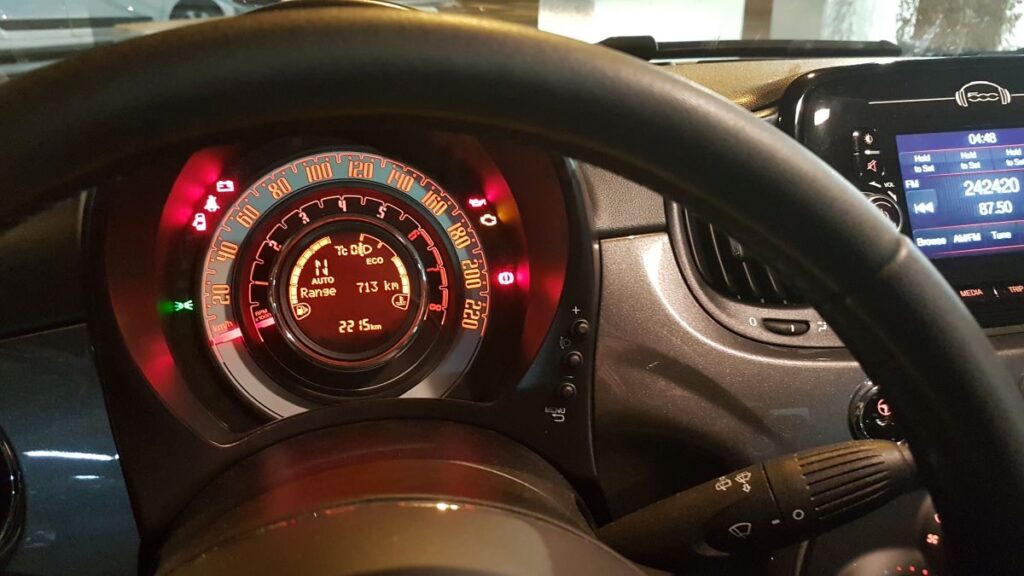
You need to return the car before the rental period ends – so set a reasonable time. I always return it at the airport, so I set it an hour before check-in. To be sure to catch my flight. And I return it a little earlier than the specified time.
You need to return it with the same level of gasoline that you took it with – full-to-full. I advise you to refuel in advance “with a top-up”, because gas stations at airports have higher fuel prices. Return the car where you took it. Or at the place that was indicated to you before the rental started – be sure to put a dot on the map where to return the car so as not to look for it and not waste time.
In theory, when returning it, the manager who accepts it should check the condition of the car. But no one ever checked anything with us. I parked the car, handed over the keys, went to the airport terminal. That’s it.
After 3-7 days, the deposit was returned to the card. And the fine for the ZTL zone was removed after 1.5 years.
Traffic rules in Italy – how to behave on the road
Traffic rules in Italy are almost no different from European. But for drivers they are more of a recommendation, cameras that restrain the emotionality of Italian drivers work better.
By the way, in the north of Italy, drivers behave more restrained than in the south – there you can see driving on red lights, speed limits are almost never observed. In towns and villages you will be honked at for following the speed limit.
As for speed limits, everything is obvious here. in cities – 50 km/h. On highways, the limit is 110 and 130 (for toll motorways) km/h – if it is raining heavily or there is fog, then we focus on the signs and reduce speed. Cameras are always marked in advance, so we reduce speed. Sometimes there are 3-4 cameras in a row.
But on the highways, everything is quite adequate, because at high speeds everyone gets into the appropriate lane and drives at the same rhythm and speed. If you are moving between large cities, I advise you to use toll highways. This is justified for many reasons, but the main one is that you take less risk. Drive calmly in the right lane within the limit – you will be safer. People drive more in the left lane when they want to drive faster, just like in our country they flash their headlights. But it is better not to react to this and not to exceed the speed limit.
My key advice is to plan your route in advance. Don’t be lazy to study the map and route. Put a navigator on your phone – I use Google Maps and maps.me.
Zona Trafico Limitato – ZTL

It is very important to plan your route in advance.
ZTL – limited traffic zone. Many cities (large ones always have such zones). These are separate streets or blocks, entry to which is allowed only to those who have a special pass, for which you have to pay. Such zones, most often – the historic center of the city.
The entrance to such zones is marked with a red circle with the letters ZTL. The entrance is controlled by cameras. There are also temporary ZTL – large signs indicating the period of validity of the zone. If you just see this sign – you should not go there anyway. The fine for cars without a permit to travel under this sign is at least 70 euros.
If you are not in the database of permits to travel under this sign, but have crossed the border of the zone, your license plates are quickly photographed and checked against the database. After that, the local commune issues a fine without talking (from 70 to 300 euros in total). If you see one in front of you – we quickly turn around (if possible). If you saw it too late and drove in, you can relax, because you’ve definitely gotten a fine.
Where to check ZTL in Italian city
ZTL maps are poorly integrated with navigators and change periodically. So we look in advance and remember – for example, here: www.accessibilitacentristorici.it. A map is not a 100% panacea – turn your head and look for signs.
If your hotel, for example, is in the ZTL zone, but has parking, you can ask the owner to make a temporary pass in advance. This process should be monitored. This was the case with us: the hotel was in the ZTL zone, but it did not have parking. But we did not know about this trick with fines at the time – we drove under a sign in Palermo and got a fine. Only the rental office later removed it from the card (after 1.5 years).
Toll highways
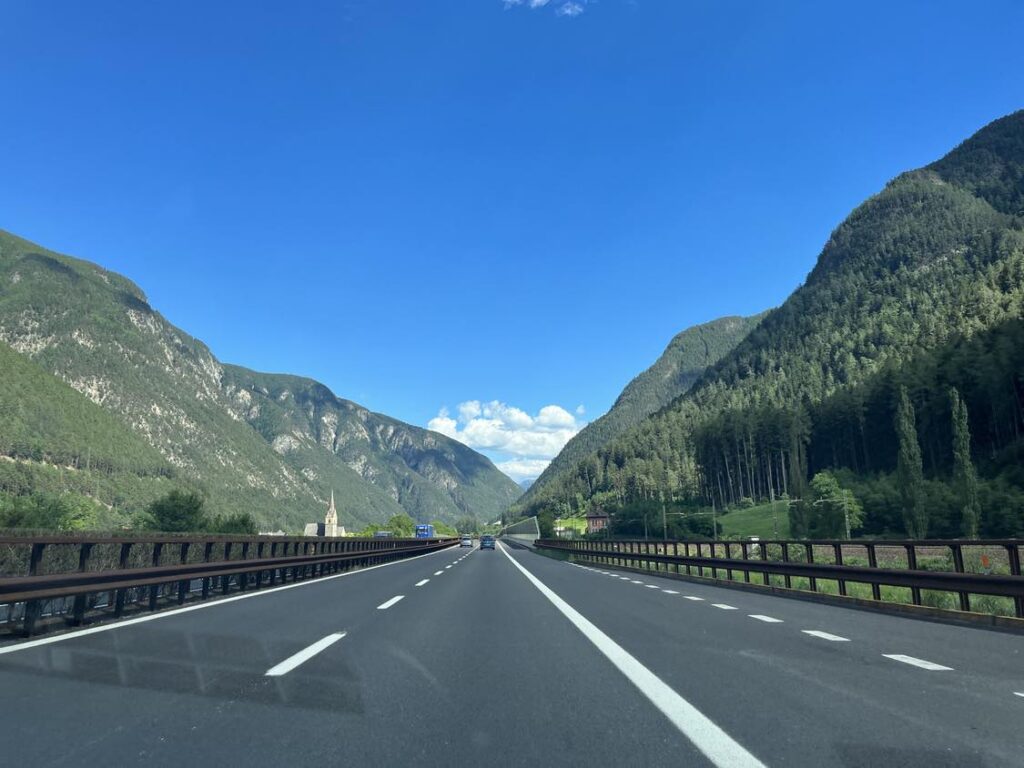
In Italy, there are no vignettes, like in Austria, Slovakia or the Czech Republic. There are barriers here. At the entrance you get a ticket, at the exit you pay. This is probably the best option for moving between cities, since on regular roads there are many speed limits, pedestrian crossings and problems in general.
So the algorithm for using motorways is as follows:
- When you see the control booths at the entrance to the highway, look for the booths where it says “Biglietti“.
- At the exit, look for the booths where it says “Cash” or three cards are drawn in a row. Insert the ticket into the receiver with the arrows forward, apply the card to the terminal. The barrier opens, and you can drive off the toll road.
- You drive up and take a ticket. You don’t need to press anywhere, it sticks out right away. The barrier rises, and you drive.
The most expensive leg from Trieste to Siena cost us about 60 euros (that’s about 300 km).
Gas stations in Italy
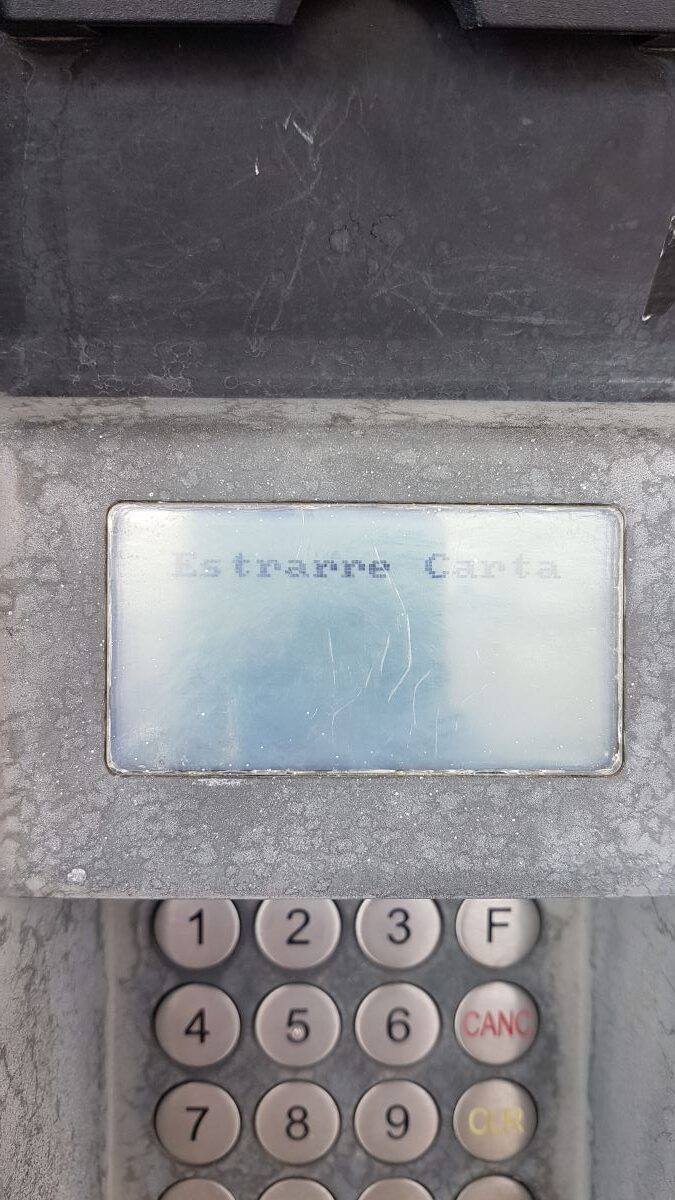
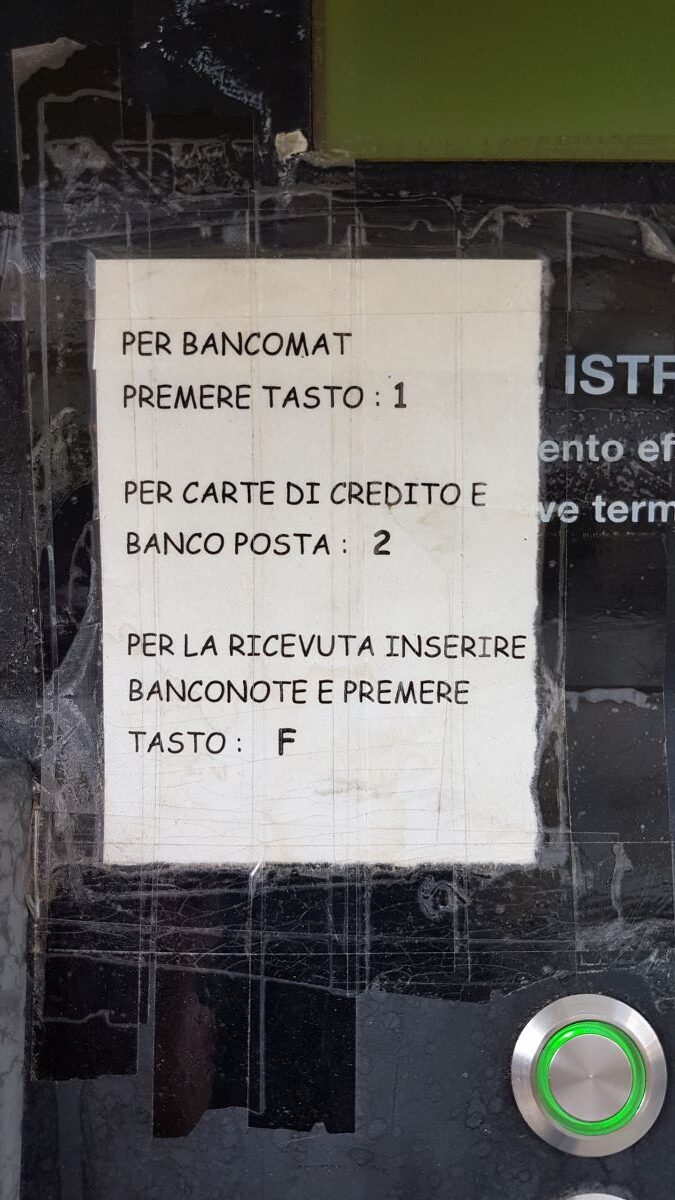
Gas stations work similarly to ours. There are self-service terminals where you insert your card, select a limit and refuel as usual. There are those with operators – there we pay either at the cash desk in the building or at the gas station itself. First you refuel – then you pay.
There are a maximum of four types of fuel – two diesels (Eco and regular), two gasolines (Super/Super+).
The cost of gasoline is about 2 euros/liter.
Parking in cities
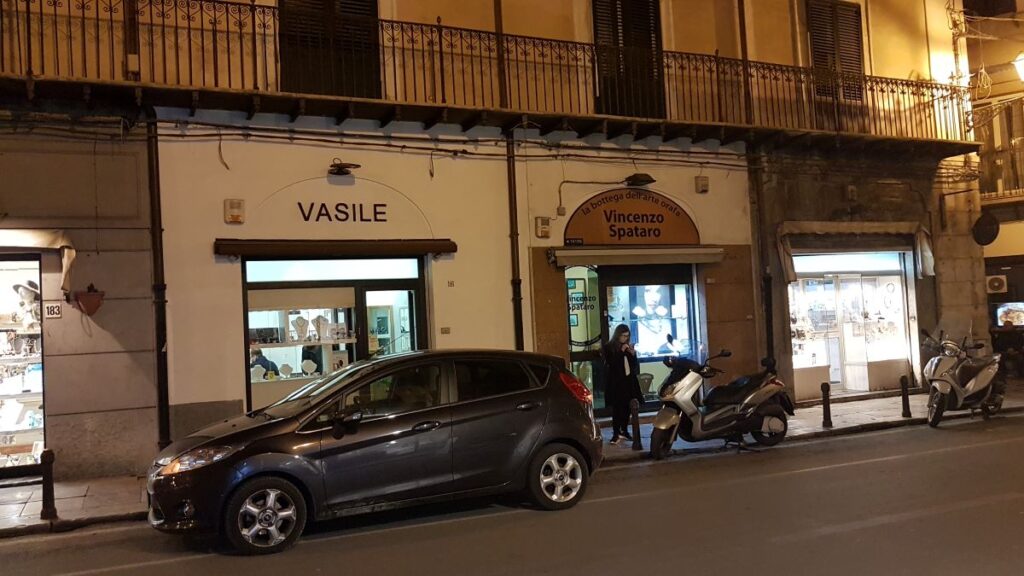
As in other European countries, the rule here also applies: the closer to the city center, the more expensive. Therefore, if you are traveling in Italy by car, either look for a hotel with its own parking, or park somewhere outside the city center.
Often there are large underground parking lots at train stations – it is not as expensive here as in the city center, and you can always find a free space. On average, an hour (after the first) costs 2 euros.
Parking space markings – blue indicates paid parking zones, white – free. Yellow markings – for special transport, parking private cars there is prohibited.
Useful Articles and Links:
- Rome – What to See in Three Days in the Italian Capital
- Summer vacation on European lakes
- Beaches of Tropea – cheap vacation in Italy
- Verona – what to do in the most romantic city in Italy
Travel medical insurance with discounts can be purchased from HotlineFinance
Hotel and apartment bookings – Booking.com
Rent a car – DiscoverCars