
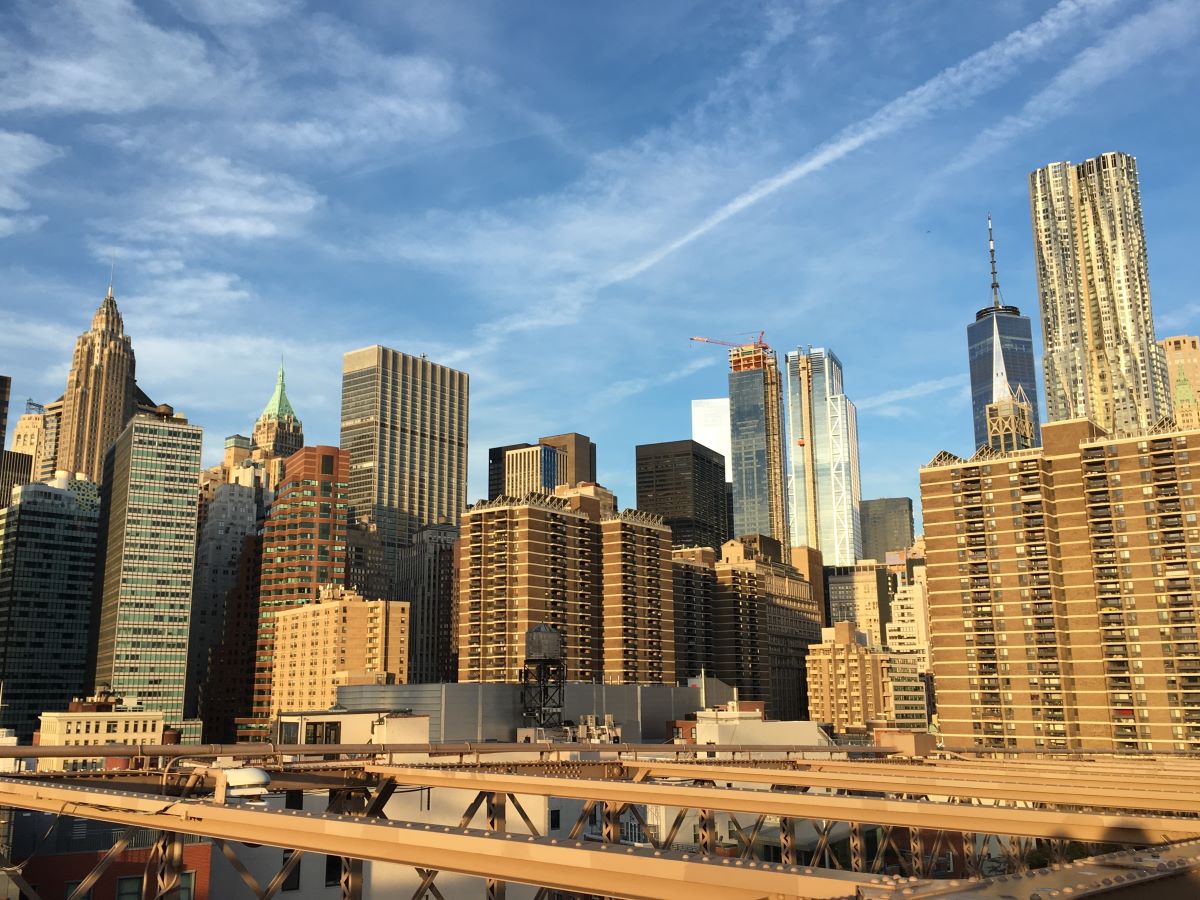
New York is a city that hardly needs an introduction. We have seen it dozens of times in Hollywood movies, TV series, and photographs. Yellow taxis, Central Park, the Statue of Liberty, Brooklyn Bridge, Times Square, endless skyscrapers, and the lights of Manhattan — all of this has long been a symbol of one of the most famous cities in the world.
Many people dream of visiting here at least once in their lives. And even if you only have a week in New York, you can plan your time in such a way as to feel its atmosphere, see the main sights, and understand why this city so enchants travelers.
In this guide, I have collected all the practical information that will be useful for those coming to New York for the first time: how to get from the airport, where it is best to stay, how to use the subway, what to see in seven days, where you can save money, and which free places are definitely worth visiting.
Why you should allocate exactly a week for New York
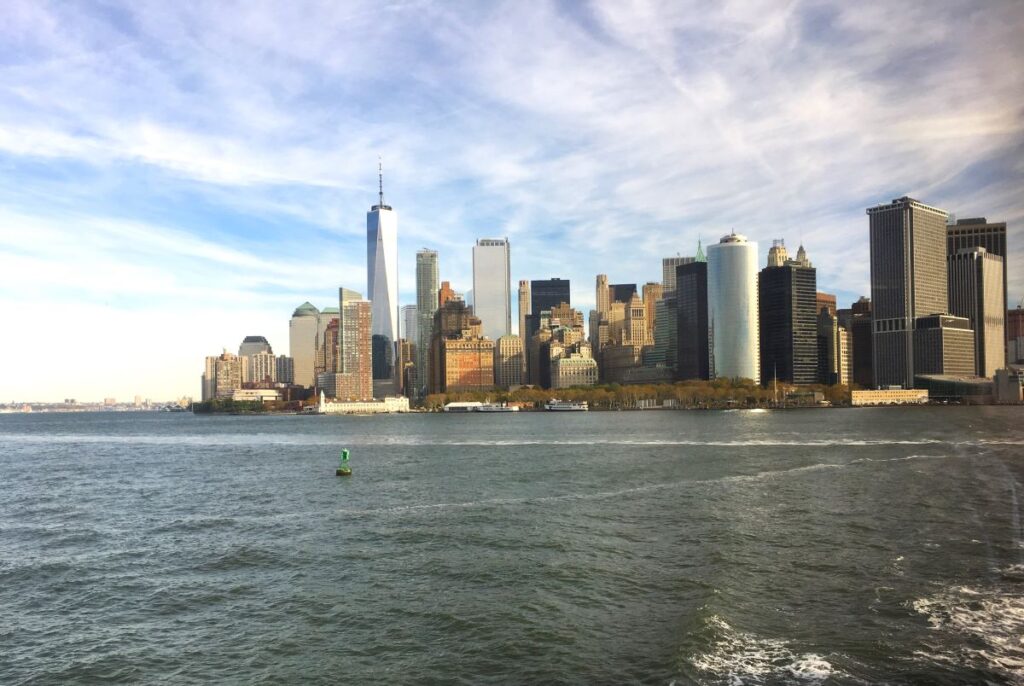
Some tourists come to New York for 2–3 days before traveling to other US cities. But that amount of time is only enough for a very superficial acquaintance. We spent seven days in New York and a few more days visiting friends in Boston.
In seven days you can:
- see the main sights of Manhattan;
- stroll through Central Park;
- walk across the Brooklyn Bridge;
- go up to one or even several observation decks on skyscrapers;
- visit museums;
- ride the famous free ferry past the Statue of Liberty;
- spend an evening in Brooklyn with a view of Manhattan at night;
- feel the real rhythm of the city, not just run from one attraction to another.
New York is not just landmarks. It has a special atmosphere, which depends on the season and even on the neighborhood where you walk. Here you want to wander for hours through different neighborhoods, look into small coffee shops, sit on benches in Central Park, watch locals, and simply dissolve in the huge metropolis.
When is the best time to go to New York
In fact, New York is interesting at any time of the year. Each season has its own character.
Spring (April – May)
One of the most pleasant periods.
It is in the spring that the cherry blossoms in Central Park and Brooklyn Botanic Garden bloom, the temperature is comfortable for long walks, and there are not so many tourists yet.
Summer (June – August)
Summer in New York is very hot and humid. Temperatures often exceed +30 °C, and because of the high humidity the heat feels even stronger. On the other hand, the beaches of Coney Island and Long Island are open, and there are many concerts and festivals in the open air.
If you are planning a trip in summer, it’s worth booking accommodation in advance.
Autumn (September – early November)
For many, autumn is the best time to get to know New York. The summer heat is gone, the trees in Central Park are changing color, and the temperature often stays between +18…+24 °C.
At the end of October, the city literally comes alive with Halloween celebrations. It’s especially interesting to visit the Greenwich Village area in the evening, where one of the most famous costume parades in the US takes place.
We were in New York at the very beginning of November—it was very warm, around +20 degrees. No rain. It is at this time that the world-famous New York Marathon takes place, which we saw in Central Park.
Winter (December – February)
If you’ve 100% watched the movie “Home Alone 2”, you know how magical New York can be on the eve of Christmas.
It is in winter that Christmas markets open, the famous Rockefeller Center tree is lit, skating rinks work in the open air, and store windows turn into real works of art.
The only drawback is prices. This is one of the most expensive periods of the year.
How to get to New York
New York is served by three international airports.
JFK Airport (John F. Kennedy International Airport)
The city’s largest and most popular international airport. Most flights from Europe arrive here.
You can reach Manhattan from JFK in several ways:
- AirTrain + subway—the cheapest option;
- by commuter rail—Long Island Rail Road;
- by bus;
- by taxi;
- Uber or Lyft.
If you want to save, the best choice is to take the AirTrain to Jamaica Station, from where it is easy to transfer to the subway.
The yellow taxi remains a real symbol of New York. Although it’s worth taking a ride at least once, for daily trips this is far from the cheapest transport. But compare it to a transfer from the airport – the transfer may have a more pleasant price.
Newark Liberty International Airport
We arrived at this particular airport. Formally, it is already located in the state of New Jersey, but in fact, it is the second main airport of New York.
You can quickly get to Manhattan by NJ Transit train or Newark Airport Express bus.
LaGuardia Airport
It is mainly used for domestic US flights.
The city center can be reached by buses, subway (with a transfer), or taxi.
How to get around New York
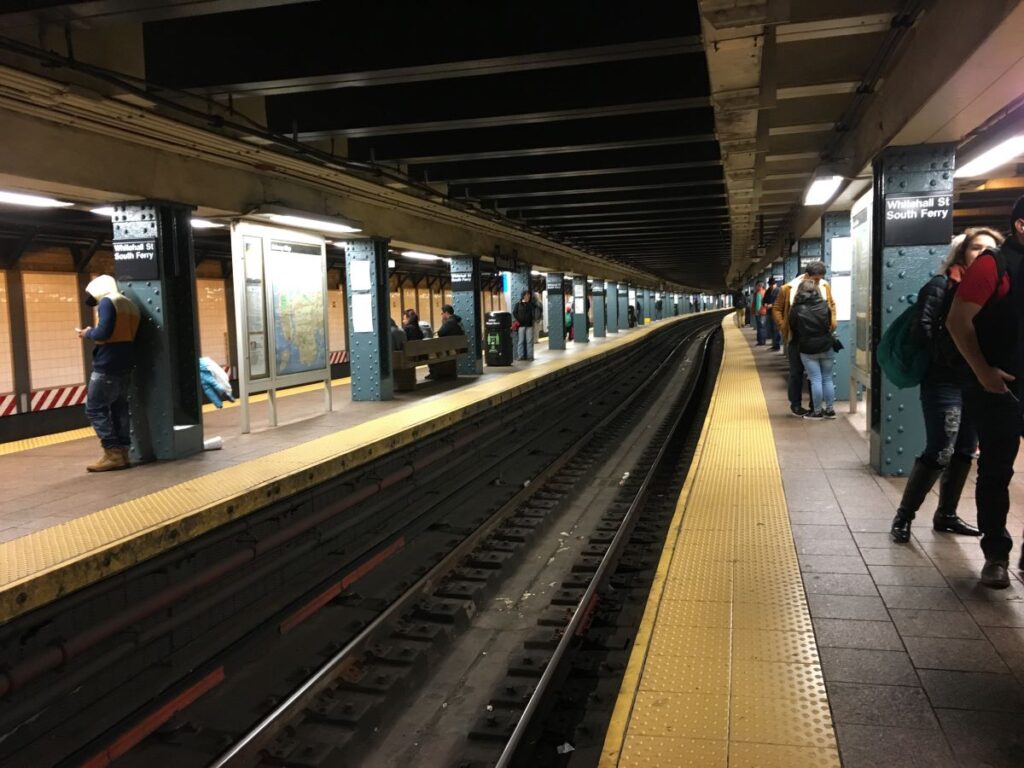
The best and most affordable transport for tourists is the subway. It runs 24/7, covers almost all areas of the city, and allows you to move quickly even during rush hours. One ride costs $3—you can pay by phone or bank card.
Unlike many European cities, subway stations here are located very frequently—about every two blocks in Manhattan.
But in New York, you shouldn’t expect beautiful stations with marble or mosaics. The New York subway is, above all, practical transport. Some stations look quite old, but the system works efficiently and allows you to get practically anywhere quickly.
How to pay for the ride
Most passengers use the OMNY system. It is enough to tap a bank card, smartphone, or smartwatch to the turnstile—there is no need to buy a separate ticket.
If you plan to move around the city a lot, after reaching the set weekly limit, the system automatically stops charging for new rides. In fact, this works like an unlimited pass with no need to buy a separate card.
The subway was our main way of getting around throughout the entire trip. Very convenient, though sometimes we got a little confused—on the same platform, trains run in different directions. You need to look carefully at the display.
Tip: even before your trip, install Google Maps or Citymapper on your phone. They perfectly build routes by public transport and show which train you should wait for right now.
Where is the best place to stay in New York for the first time
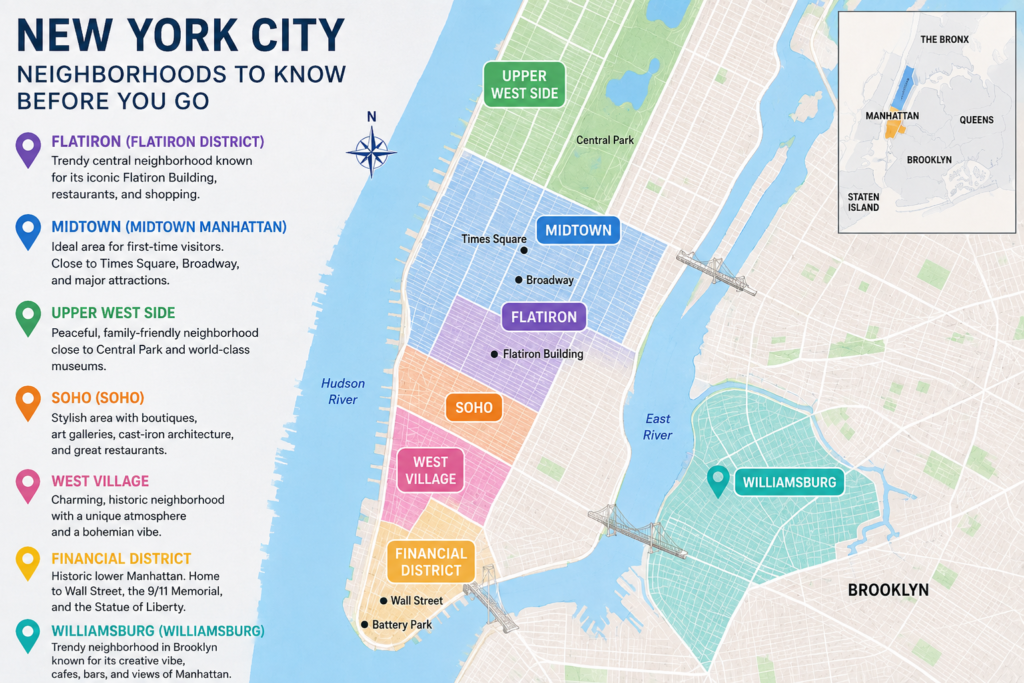
Accommodation in New York is one of the biggest expense items. In Manhattan even a modest hotel room rarely costs little, and almost always taxes are added to the price.
If you are visiting for the first time for 7 days, I would choose an area not only by price, but also by how much time you will spend getting to the main sights.
Flatiron (Flatiron)
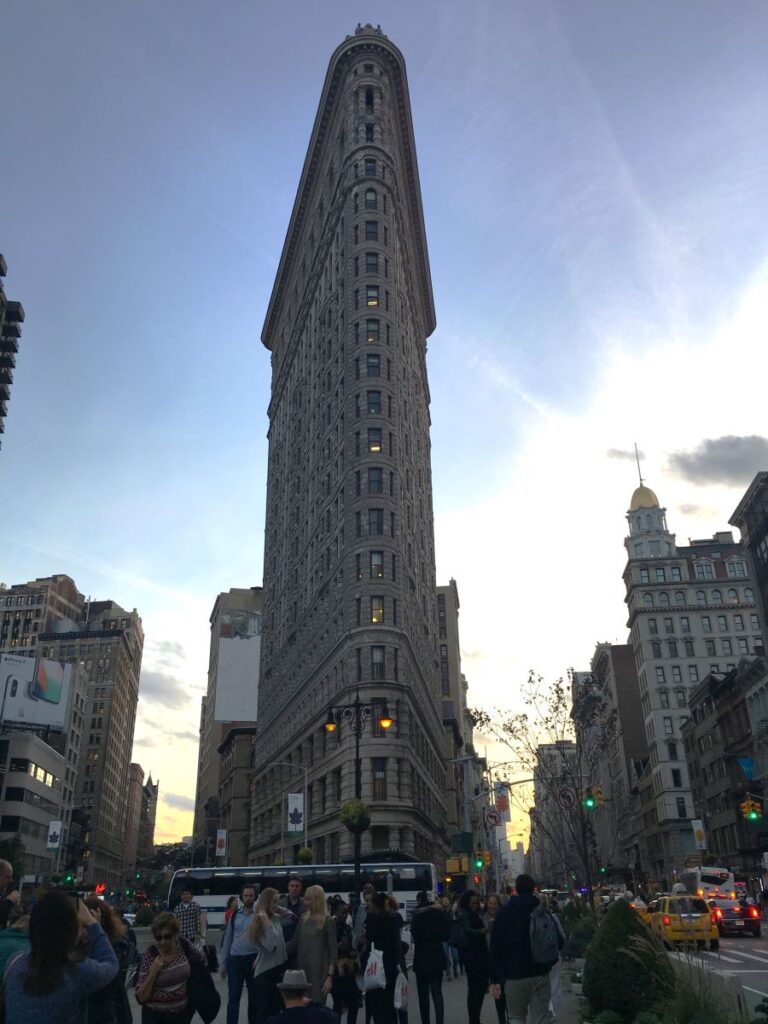
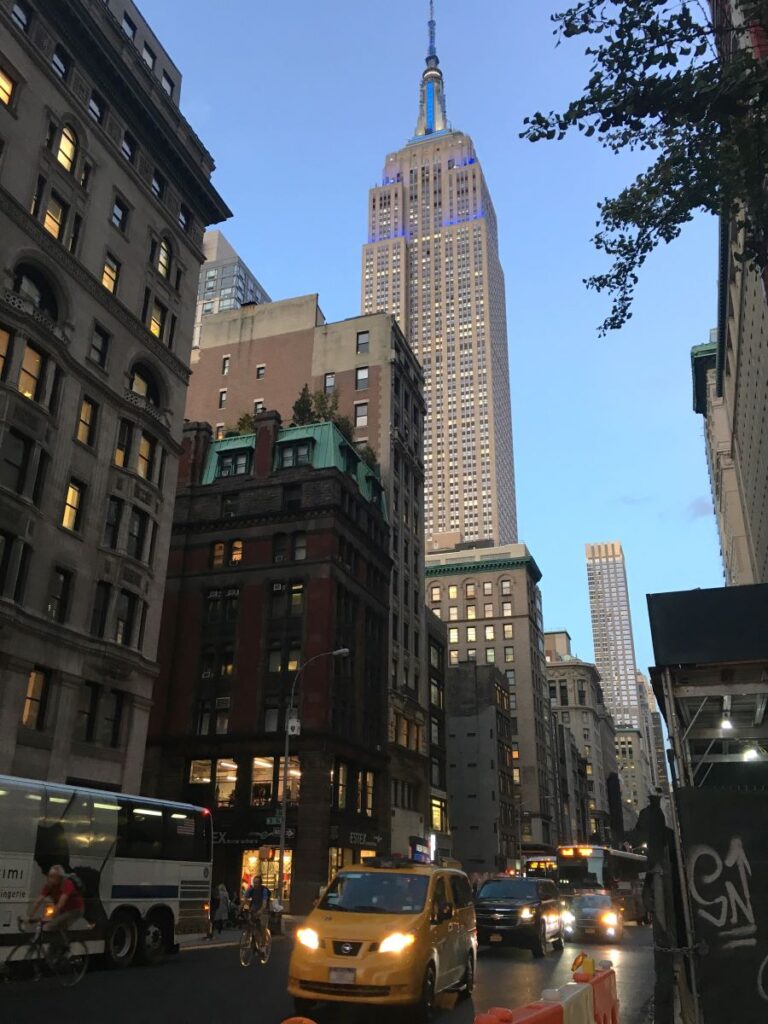
- The best area for your first trip
Flatiron is located between Midtown and Lower Manhattan, so from here it is equally convenient to get to Central Park, Soho, and Brooklyn.
Why I recommend it:
- fewer crowds and less tourist chaos than in Midtown;
- excellent subway connections (lines N/Q/R/W, 4/5/6, F/M);
- many good cafes, restaurants, and grocery stores;
- more pleasant to walk around in the evening.
This is exactly where I would stay if I came to New York for the first or second time.
Hotels and prices in the Flatiron area:
- The Flat NYC – from $140 for a double room + taxes
- Heritage Hotel New York City – from $180 for a double room + taxes
- NoMad Studio Near Broadway & Madison Square – from $250 for a double room + taxes
Midtown
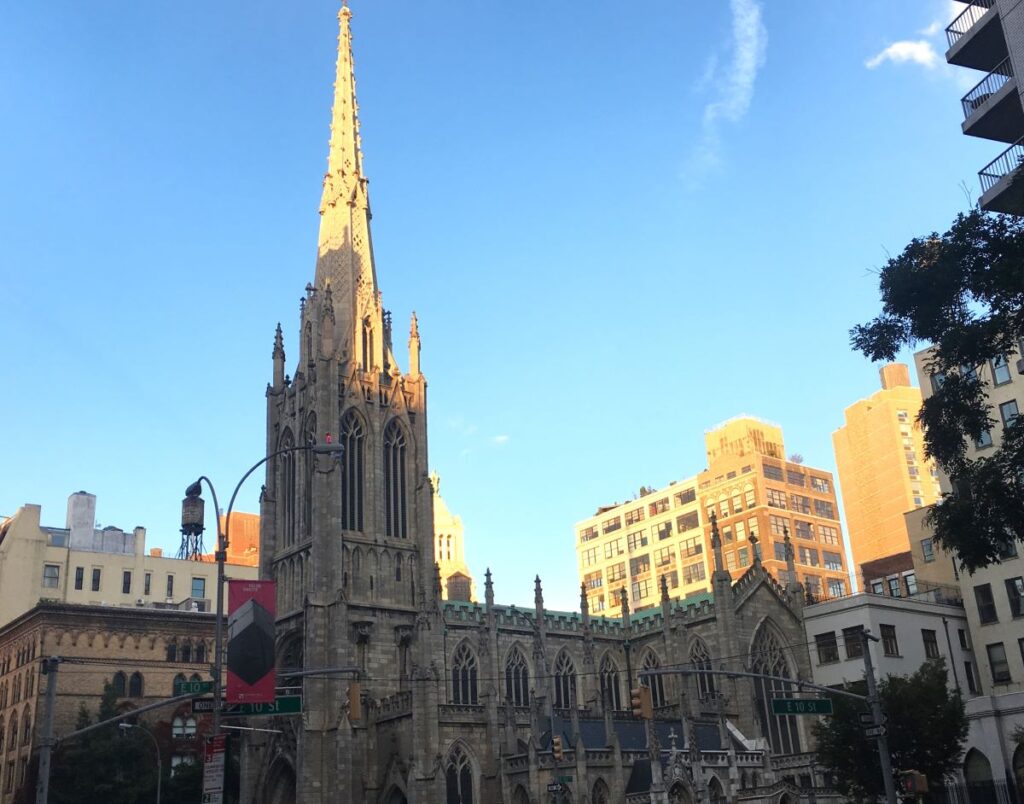
- For those who want to be in the center of everything
Midtown is the New York we imagine from movies: skyscrapers, yellow taxis, the neon lights of Times Square, and a never-ending stream of people.
Here you will find:
- Times Square;
- Empire State Building;
- Rockefeller Center;
- Grand Central Terminal;
- the southern part of Central Park.
The plus is that most must-see places can be reached on foot. The minus is noise, crowds, higher prices, a huge number of tourists, and the most expensive and least tasty food.
Hotels and prices:
- Paramount Times Square – from $160 per night
- Newly Renovated Rooms at Club Quarters Hotel Times Square, New York – from $190 per night
- Hotel Boutique at Grand Central – from $200 for a double room + taxes
- Pod 51 – from $150 for a double room + taxes
Upper West Side
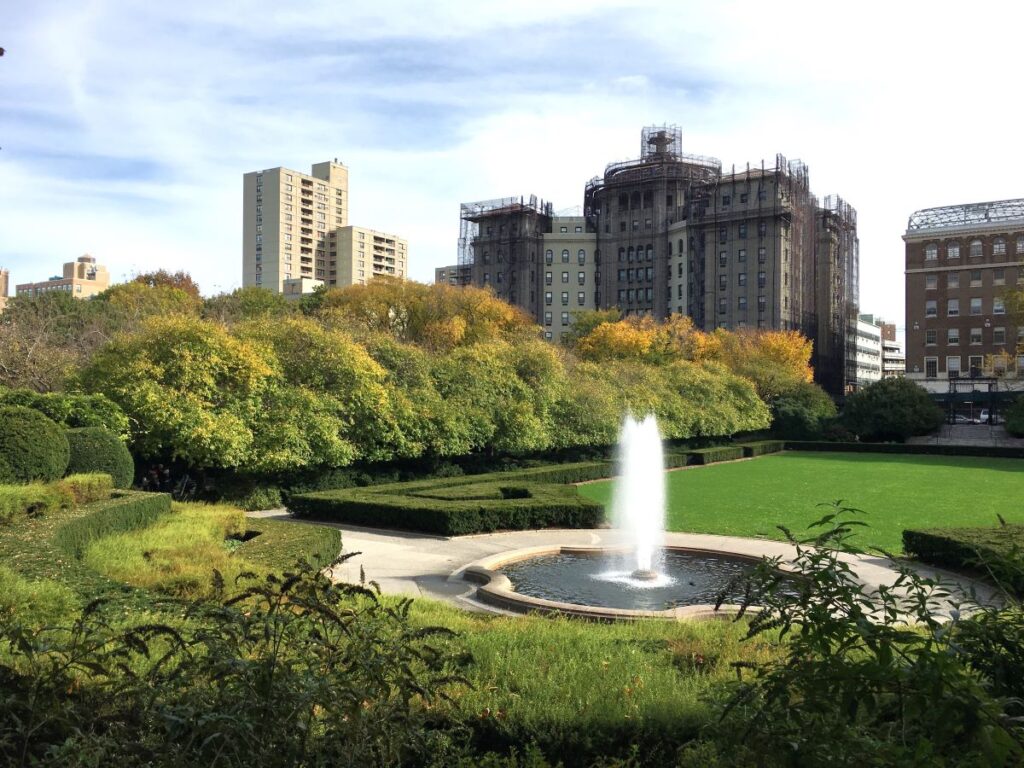
- The best calm option on Manhattan
The area stretches along the west side of Central Park. Here there are beautiful brownstone houses, green streets, and much less tourist bustle.
It will appeal to the following types of travelers:
- families with children;
- travelers 30+;
- those who have already been to New York;
- everyone who wants to sleep in silence.
To Midtown — 10–15 minutes by subway.
Hotels in West Side and prices:
- La Quinta by Wyndham New York City Central Park – from $110 for a double room + taxes
- Riverside Tower Hotel – from $160 for a double room + taxes
- Hotel Lucerne – from $250 for a double room + taxes
SoHo
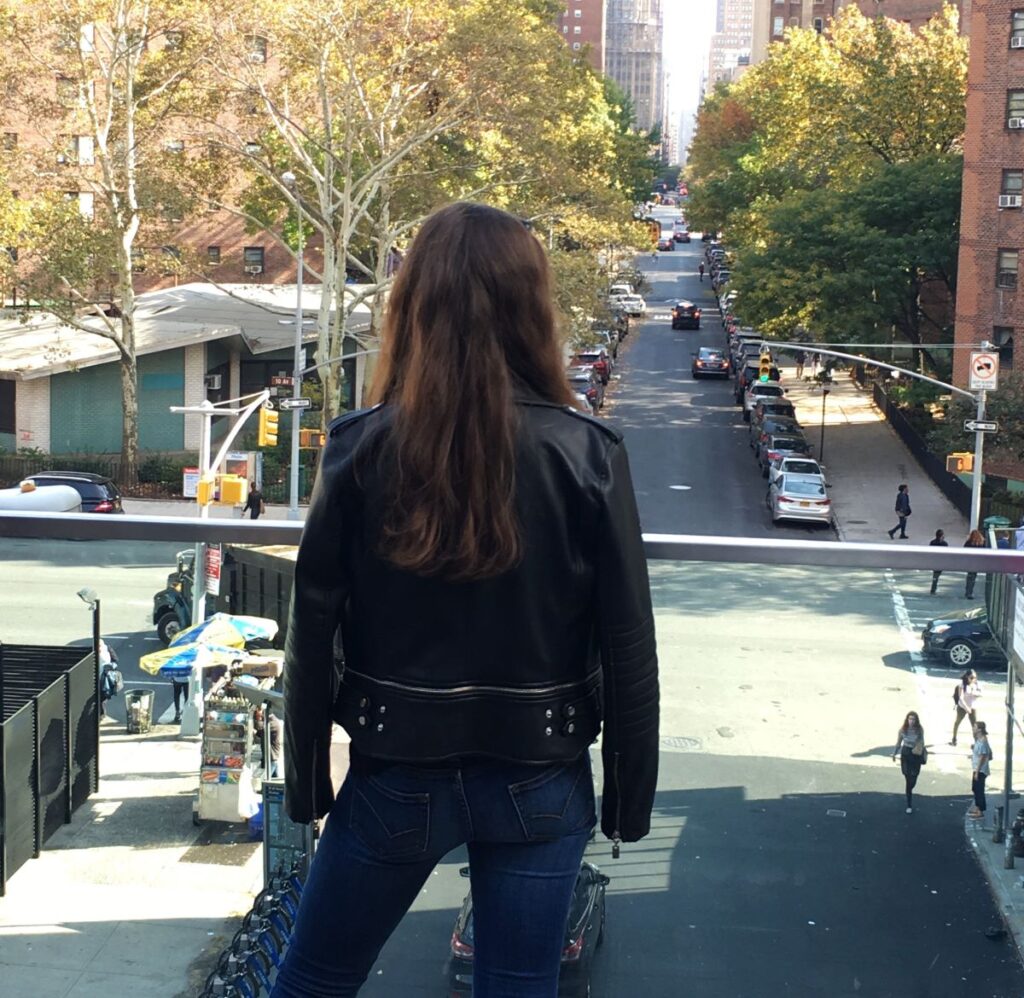
- For shopping, trendy restaurants, and beautiful photos
SoHo is one of the most stylish neighborhoods in the city. Cobblestone streets, famous cast-iron architecture, designer stores, and restaurants where you can easily meet celebrities.
Advantages of SoHo:
- a very beautiful area;
- lots of cafes and bars;
- close to West Village, Nolita, and Chinatown;
- excellent transport connections.
Cons — high prices and a constant flow of tourists.
Hotels and prices in SoHo:
- Courtyard by Marriott New York Manhattan / Soho – from $200 for a double room + taxes
- Arlo SoHo – from $240 for a double room + taxes
- Hotel Hugo – from $280 for a double room + taxes
West Village
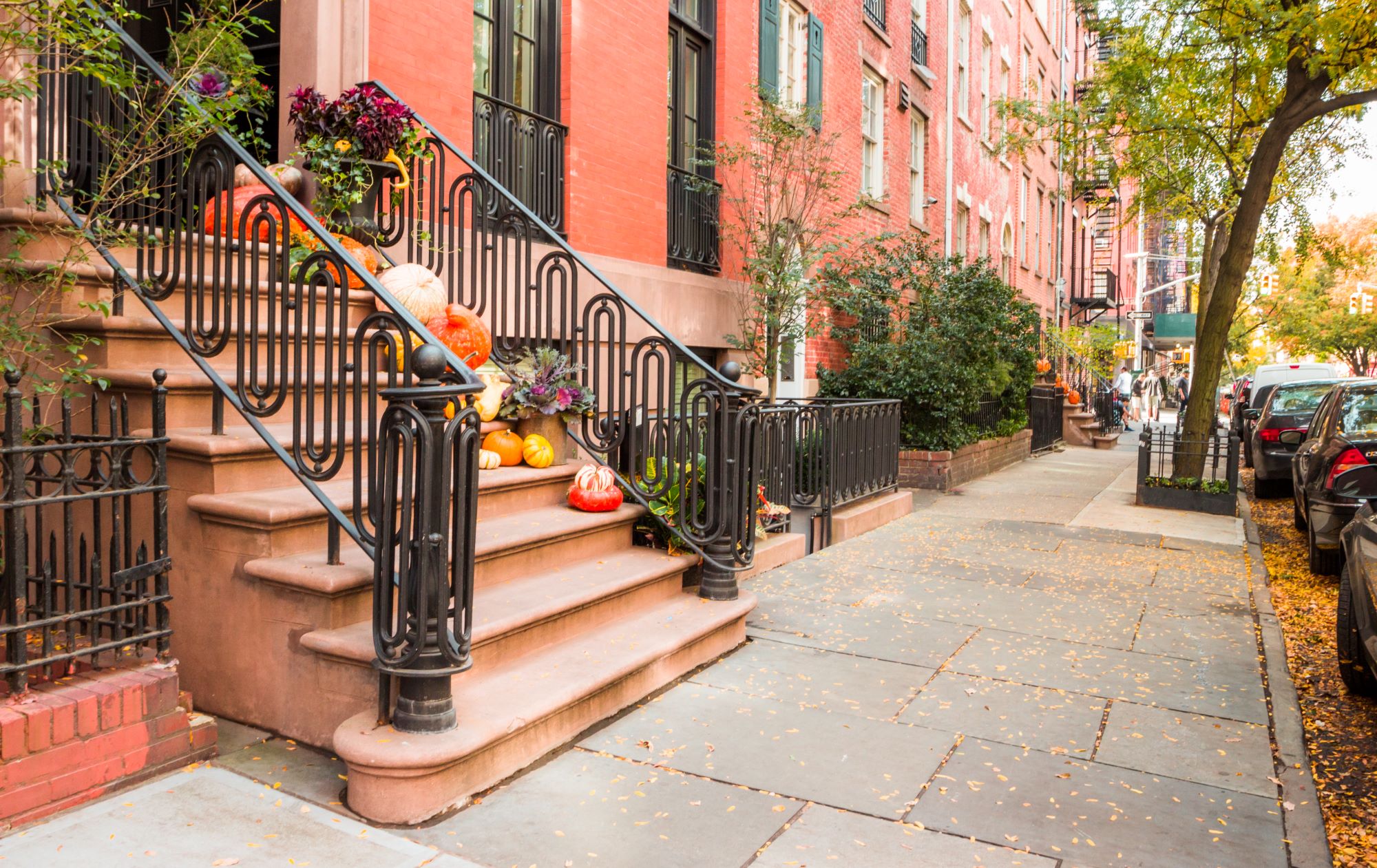
- The most romantic neighborhood in New York
Low brick houses, narrow streets, cozy cafes, small bars, and an almost European atmosphere make West Village one of the most picturesque neighborhoods in the city.
The only real downside is there aren’t many hotels here, and they are usually expensive.
Sample hotels and prices:
- The Marlton Hotel — from $380 per night + taxes;
- Washington Square Hotel — from $280 per night + taxes.
- The Marlton Hotel — from $430 per night + taxes
If your budget allows, this is a great choice for a romantic trip.
Downtown or Financial District
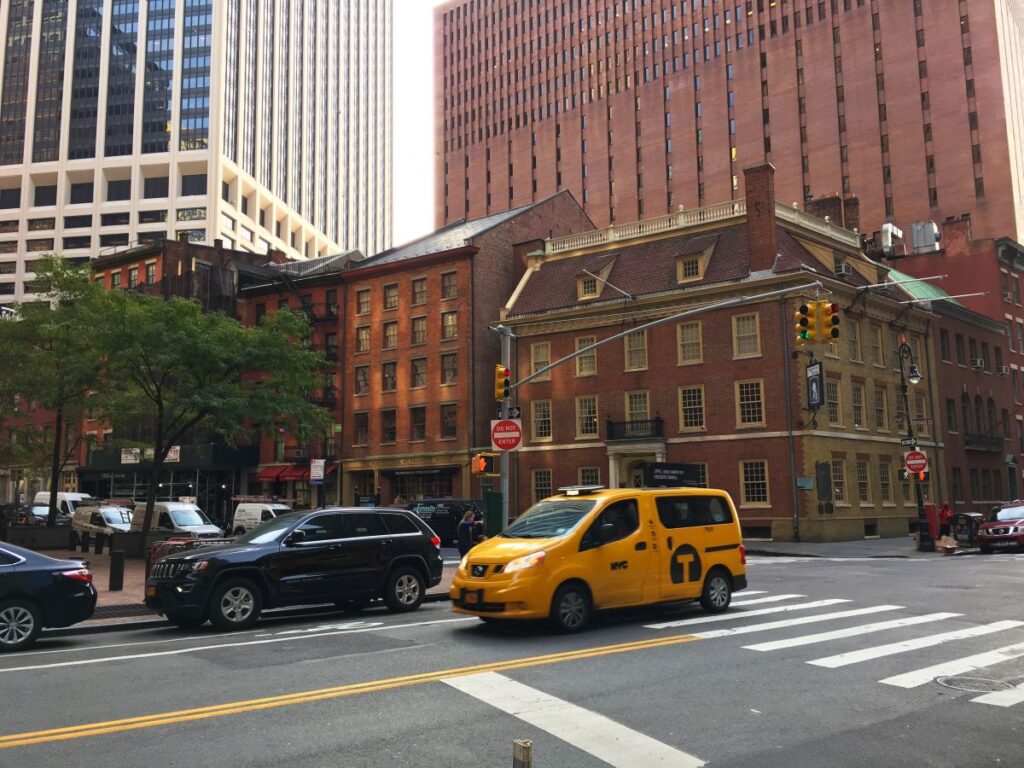
- The best combination of price and location on Manhattan
Here you will find:
- Wall Street;
- September 11 Memorial and Museum;
- Battery Park;
- ferries to the Statue of Liberty;
- southern entrance to Brooklyn Bridge.
The area is less atmospheric in the evening, but it has excellent subway connections and often offers cheaper hotels than Midtown. This is the oldest part of New York—during the day it’s busy because many work here, but in the evening it’s quiet and almost everything is closed.
Sample hotels and prices in Downtown:
- The Cloud One New York-Downtown, by the Motel One Group — from $130 per night + taxes
- Nester Finn Financial District — from $190 per night + taxes
- Four Points by Sheraton New York Downtown — from $170 per night + taxes
Lifehack: on Wall Street from Friday to Sunday, hotel prices are much lower. On weekdays, the Financial District is primarily New York’s business center. Offices of banks, investment companies, law firms, and headquarters of large corporations are located here. From Monday to Thursday, hotel demand mainly comes from business travelers, so prices tend to be higher. On weekends, discounts can be 20–40% or even more, especially in business-class hotels.
What if you don’t stay on Manhattan?
Williamsburg (Williamsburg, Brooklyn)
The best option for young travelers.
Williamsburg is located right across the East River from Manhattan. Once a working-class area, later a hipster enclave, and today one of Brooklyn’s most popular neighborhoods.
What attracts travelers to this area:
- great gastronomy;
- active nightlife;
- many vintage and designer shops;
- fast access to Lower Manhattan (10–15 minutes by subway).
Good for those who want to feel a modern, creative, and less touristy New York.
Hotels and prices in Williamsburg:
- Pod Brooklyn — from $120 per night + taxes
- Moxy Brooklyn Williamsburg — from $190 per night + taxes
- The Hoxton, Williamsburg — from $280 per night + taxes
Which area is right for you?
| If you are… | The best area |
|---|---|
| First time in New York | Flatiron |
| Want to be near all attractions | Midtown |
| Traveling with children | Upper West Side |
| Love shopping and trendy spots | SoHo |
| Planning a romantic trip | West Village |
| Want to save on Manhattan | Financial District |
| Want a modern and “local” New York | Williamsburg |
In short: for a first trip I would choose Flatiron, and if the price difference is significant — Financial District. Both areas have excellent subway access, are safe for tourists, and allow you to see the most of New York in a week without exhausting commutes.
I also would not be afraid to rent accommodation in Brooklyn near the subway. The subway operates around the clock and is quite convenient, making it more budget-friendly and pleasant.
Which neighborhoods tourists should avoid
New York has long become much safer than it was 20–30 years ago. Most areas of Manhattan, Brooklyn, and Queens are quite comfortable for tourists even in the evening. However, if you are visiting the city for the first time, there are a few neighborhoods I would not recommend considering for accommodation.
Brownsville (Brooklyn) is one of the poorest neighborhoods in New York, which still has a high crime rate. There are practically no tourist attractions here, so it is not worth staying here just to save money.
Eastern neighborhoods of the Bronx are also not among the tourist areas. Although the Bronx’s reputation has greatly improved in recent years, for a first visit it’s better to choose other districts.
Remote quarters of Queens may attract with low hotel prices. But they are often far from the subway and major attractions. Daily trips to Manhattan can take more than an hour.
Overall, if you book accommodation near a subway station and carefully read reviews from other travelers, you are unlikely to have any safety issues.
Must-see attractions in New York for first-time visitors
If you come to New York for just a week, don’t try to see absolutely everything. This city is so big and diverse that even the locals keep discovering new places. It’s better to focus on the most famous landmarks, which create that familiar image of New York we know from movies.
Statue of Liberty and Liberty and Ellis islands
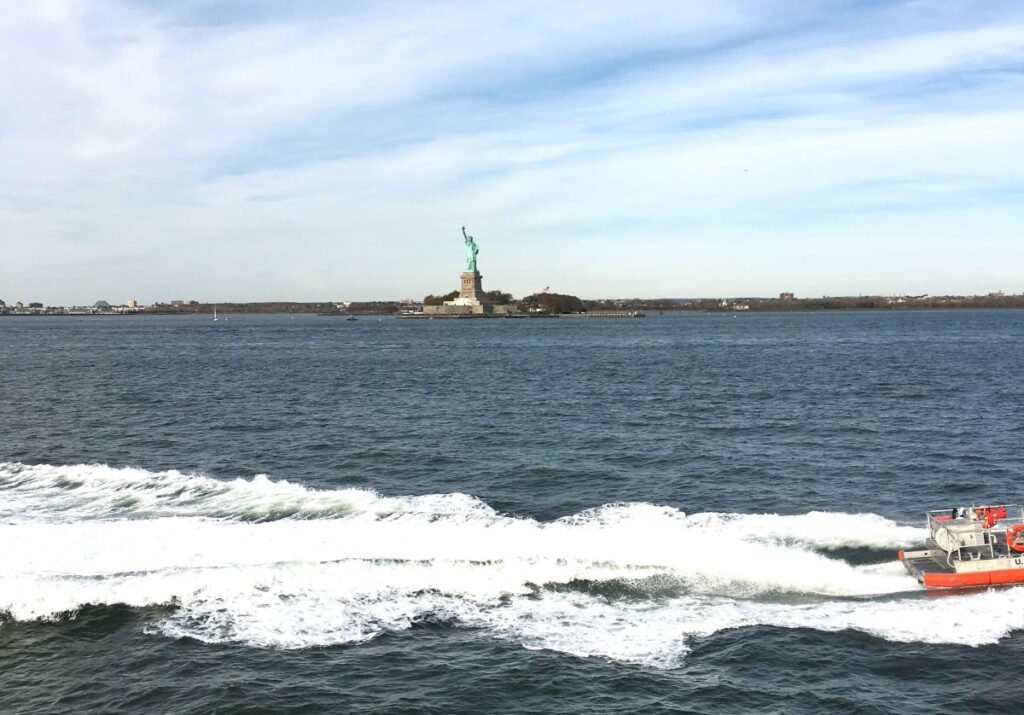
It’s worth starting your acquaintance with New York from the Statue of Liberty — one of the most famous symbols not only of the city but of the entire United States.
The monument was gifted by France for the centennial of US independence and for over a hundred years has greeted everyone arriving in New York Harbor.
The most popular option is to take the ferry from Battery Park, which stops at Liberty and Ellis islands. If you don’t have much time, you can simply admire the statue from the water, but if you want to immerse yourself in the history of American immigration, set aside a few hours to visit the museum on Ellis Island.
How much time to plan for: 4–5 hours.
Alternative: see the Statue of Liberty from the free ferry to Staten Island
Walk across the Brooklyn Bridge
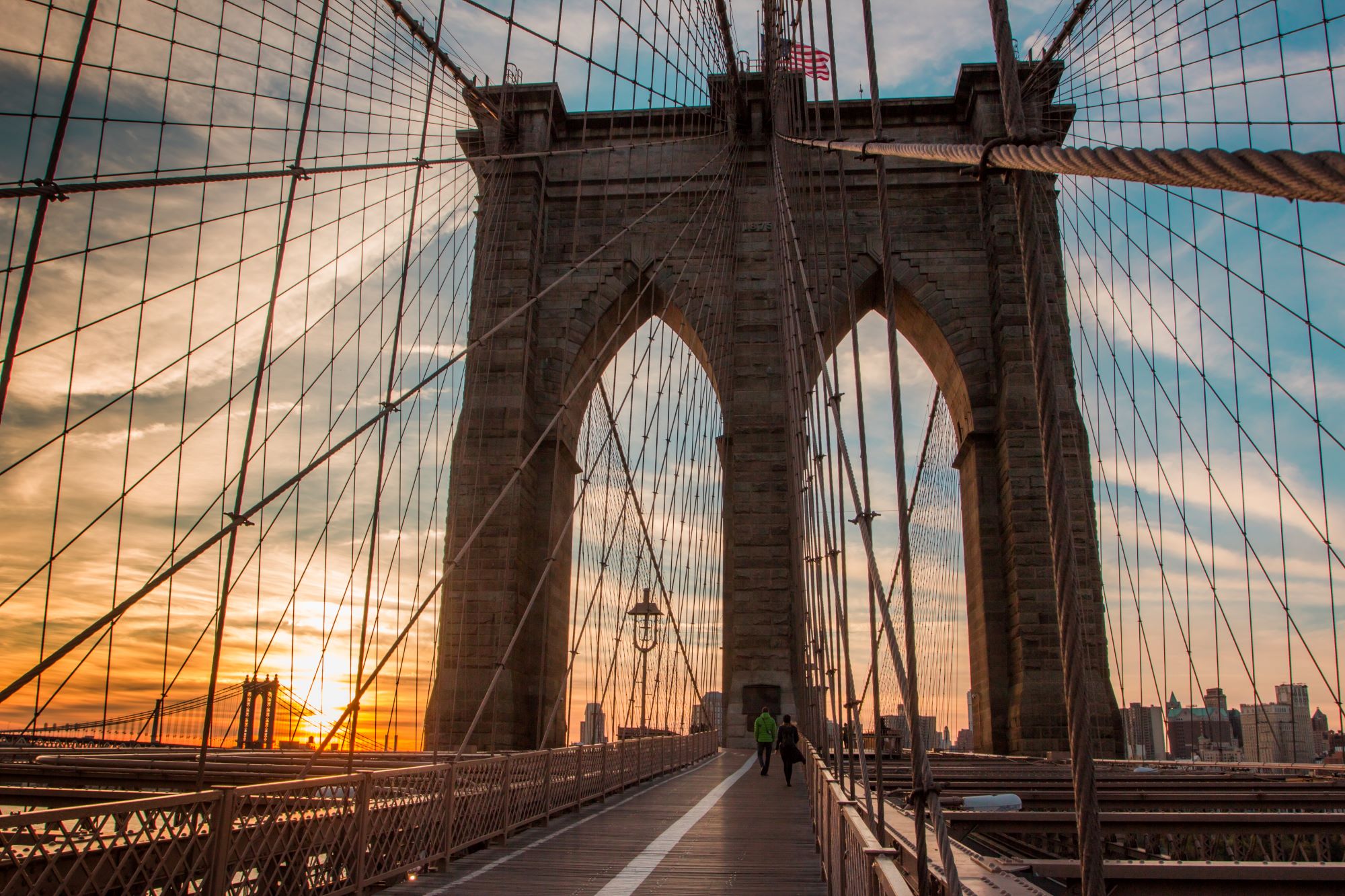
Brooklyn Bridge is another New York legend.
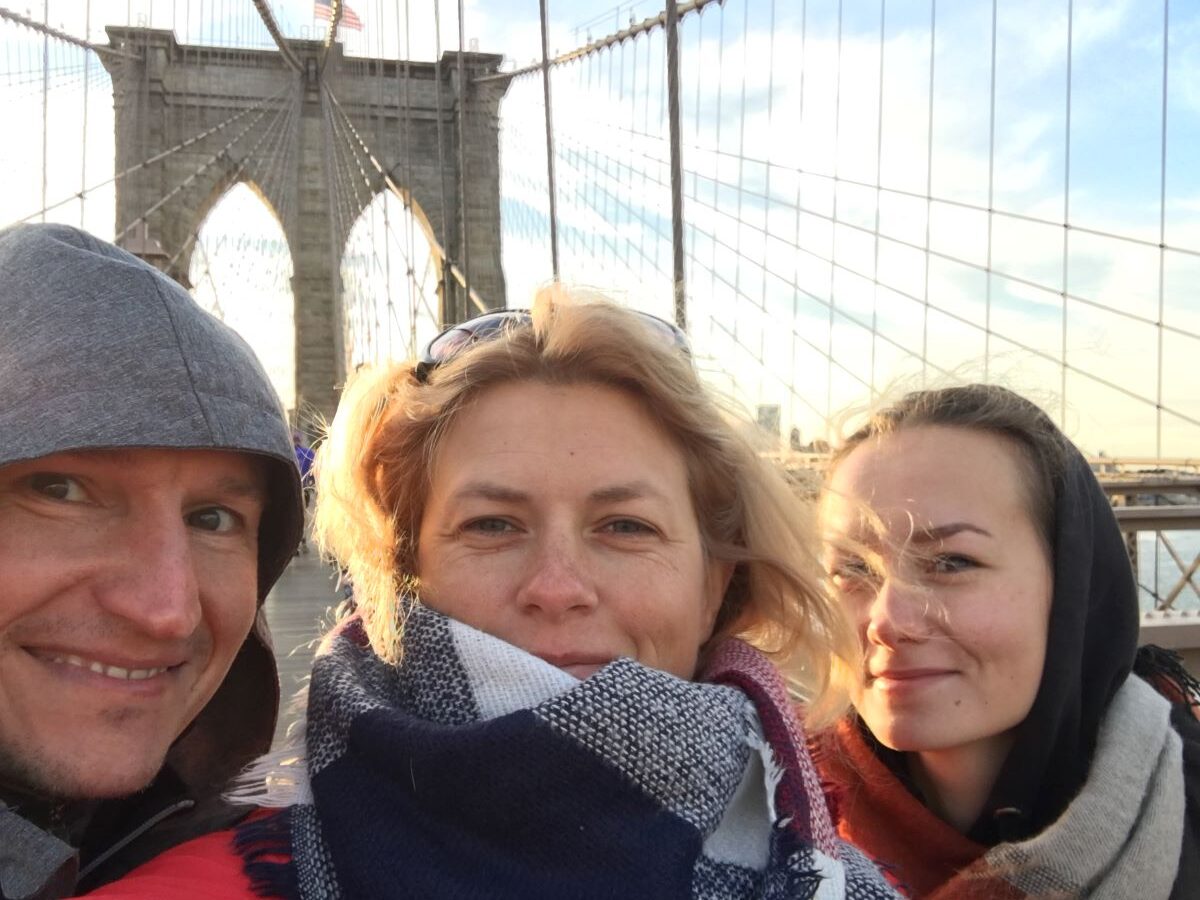
It is recognized even by those who have never been to the USA. The best way is to cross the bridge on foot from Manhattan to Brooklyn. The walk takes about 30–40 minutes and along the way you’ll get wonderful views of Lower Manhattan, East River, and the iconic skyscrapers.
It’s especially beautiful here at sunrise or before sunset, when there are much fewer tourists.
Tip: after crossing, don’t rush back — be sure to stroll along the Brooklyn Bridge Park waterfront.
Go up to an observation deck
Seeing New York from above is one of those experiences you’ll remember forever. Today the city has several excellent observation decks, each with its own features.
SUMMIT One Vanderbilt
The most modern and probably the most impressive observation deck in New York. Mirror rooms, transparent floors, floor-to-ceiling panoramic windows, and fantastic views have made it one of the most popular places in the city.
If you choose just one modern observation deck, I’d recommend this one.
Top of the Rock
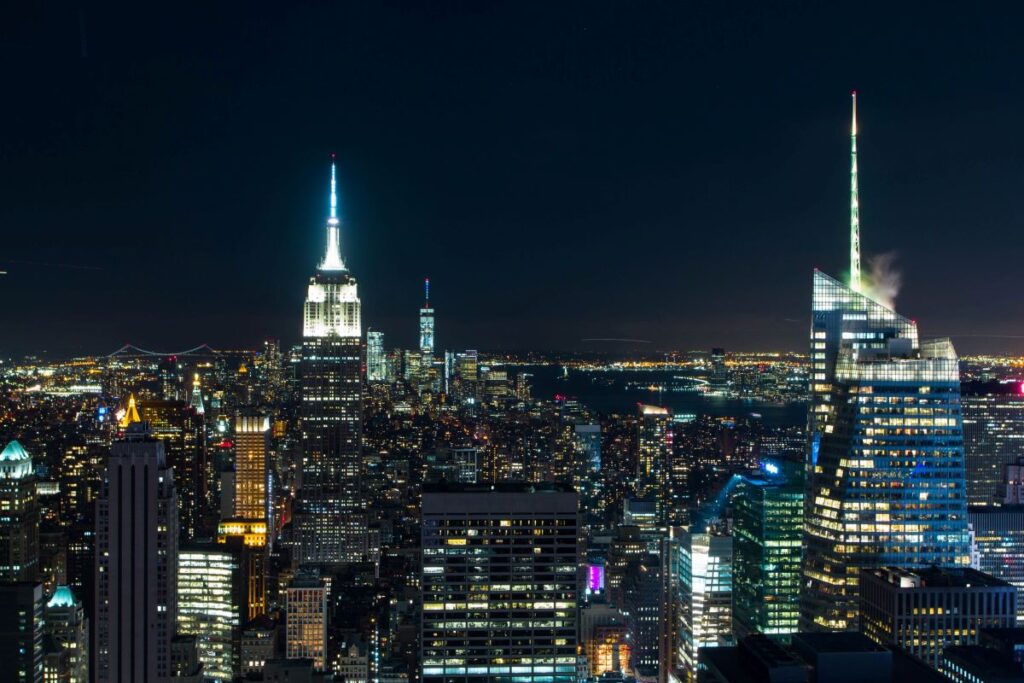
When we were in New York, we chose this one because it offers a beautiful panorama of the city and the best view of New York.
From the deck, you can see Central Park, Manhattan, and, most importantly, the Empire State Building itself, which fits perfectly into the city’s panorama.
It’s best to book a ticket for a time about an hour before sunset. It’s very beautiful — you won’t regret it!
Edge
One of the most extreme observation decks in the world. Its feature is a cantilever that literally juts out over the city, and part of the floor is made of glass.
Empire State Building
A classic that needs no introduction. Even today, going up one of the world’s most famous skyscrapers remains an unforgettable experience.
See Times Square
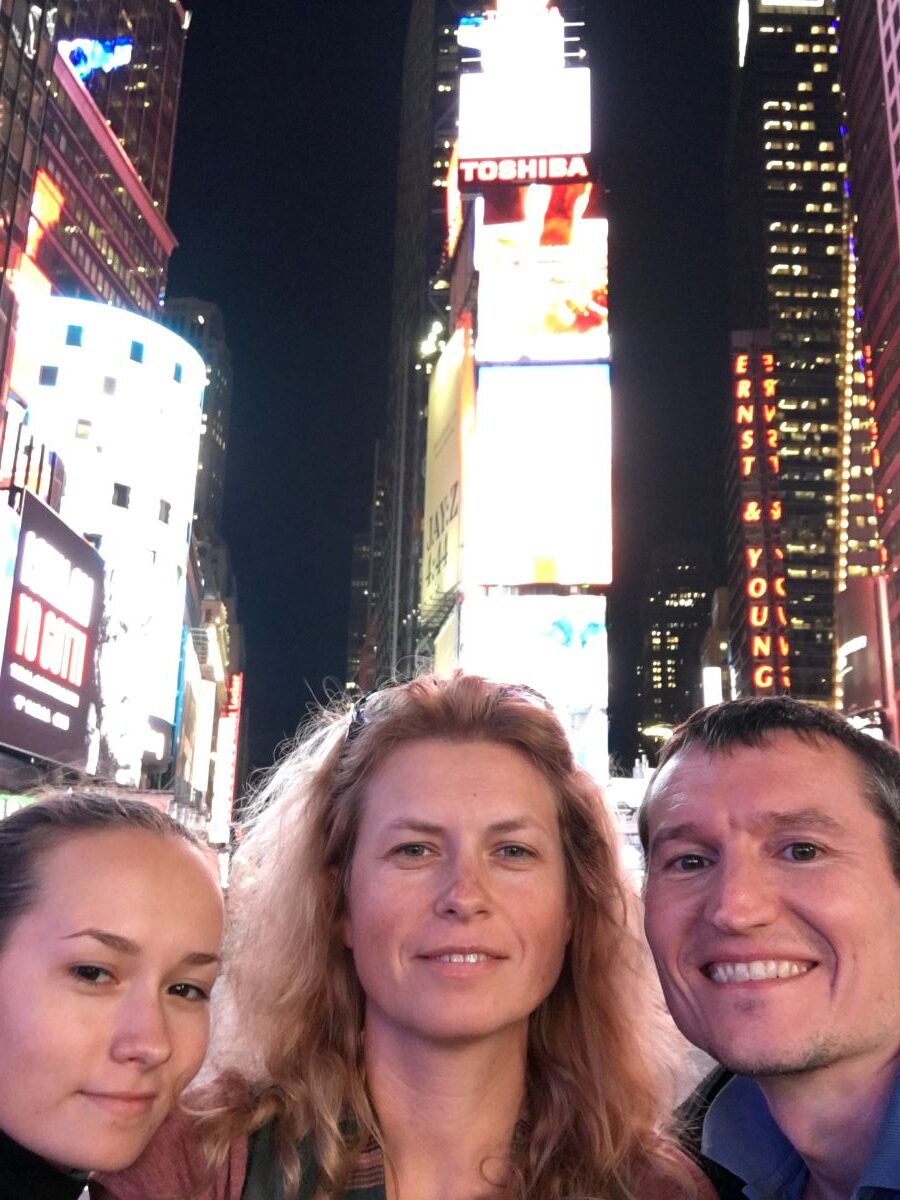
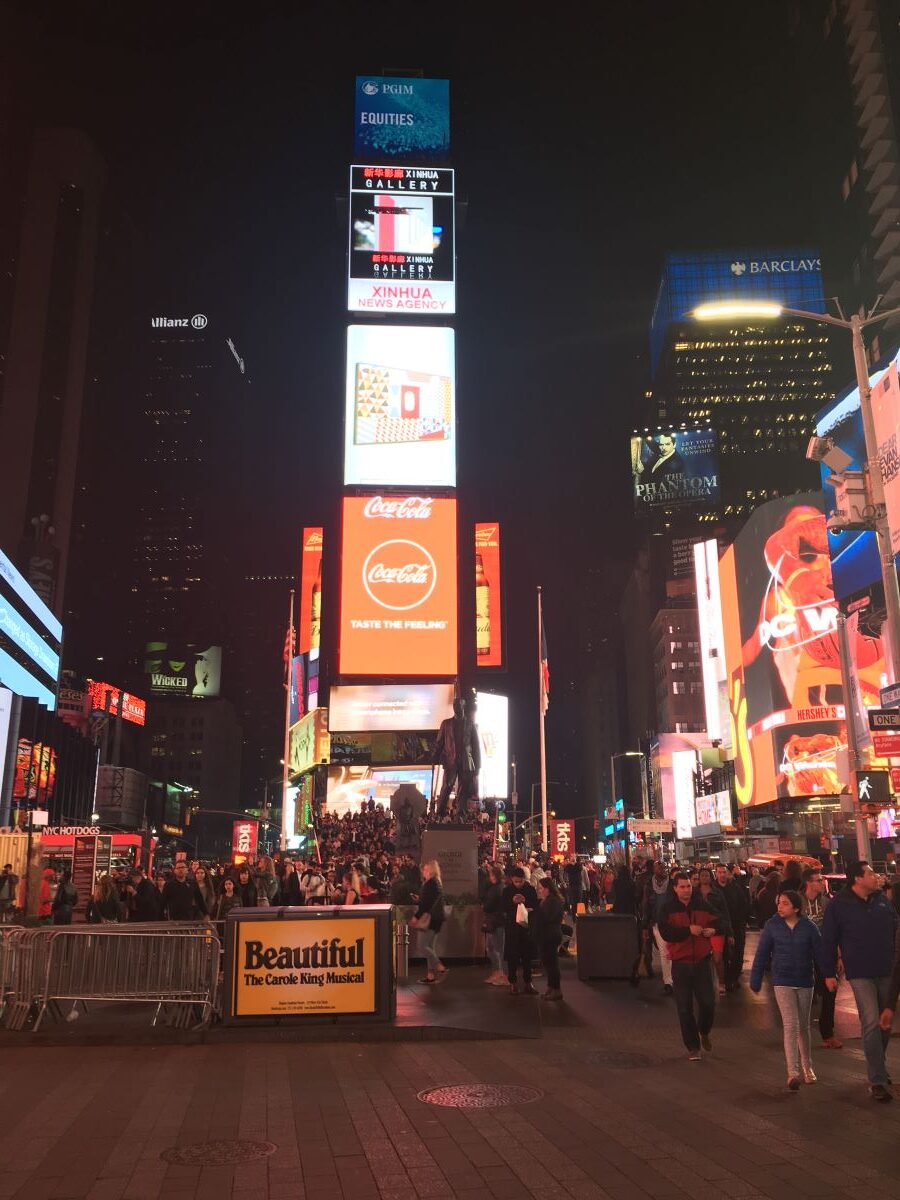
Even if you don’t like crowds, you still need to come here at least once.
Huge advertising screens, thousands of people, street performers, musicians, and an atmosphere that never quiets down, day or night. Times Square looks especially impressive after sunset, when everything around glows with neon lights.
Stroll through Central Park

After bustling Manhattan, Central Park feels like a real oasis. Here you can spend a few hours walking along the alleys, admiring the lakes, bridges, and the skyscrapers rising above the trees. If you choose a hotel near Central Park, you’re guaranteed morning jogs along its trails.
Don’t miss:
- Bow Bridge;
- Bethesda Terrace;
- The Mall;
- Strawberry Fields;
- Belvedere Castle;
- The Lake.
If time permits, you can rent a bike or simply have a picnic on the lawn.
9/11 Memorial and Museum
Even if you don’t plan to visit the museum, be sure to stop by the 9/11 Memorial.
Two huge pools are located exactly where the Twin Towers of the World Trade Center once stood. This is a very powerful and emotional place that reminds us of the tragic events of 2001.
Nearby is the modern One World Trade Center skyscraper. And the Oculus subway station inside looks like a spaceship!
Walk through SoHo, Greenwich Village, and Chinatown neighborhoods
These neighborhoods show a completely different New York.
- In SoHo you can admire beautiful cast-iron architecture and stop by designer boutiques.
- In Greenwich Village — leisurely have a coffee on a cozy terrace, stroll the narrow streets and feel an almost European atmosphere.
- And Chinatown is a completely different world with Asian restaurants, markets, and shops. By the way, you can eat tasty and relatively inexpensive food in one of the local Chinese restaurants.
Visit New York’s museums
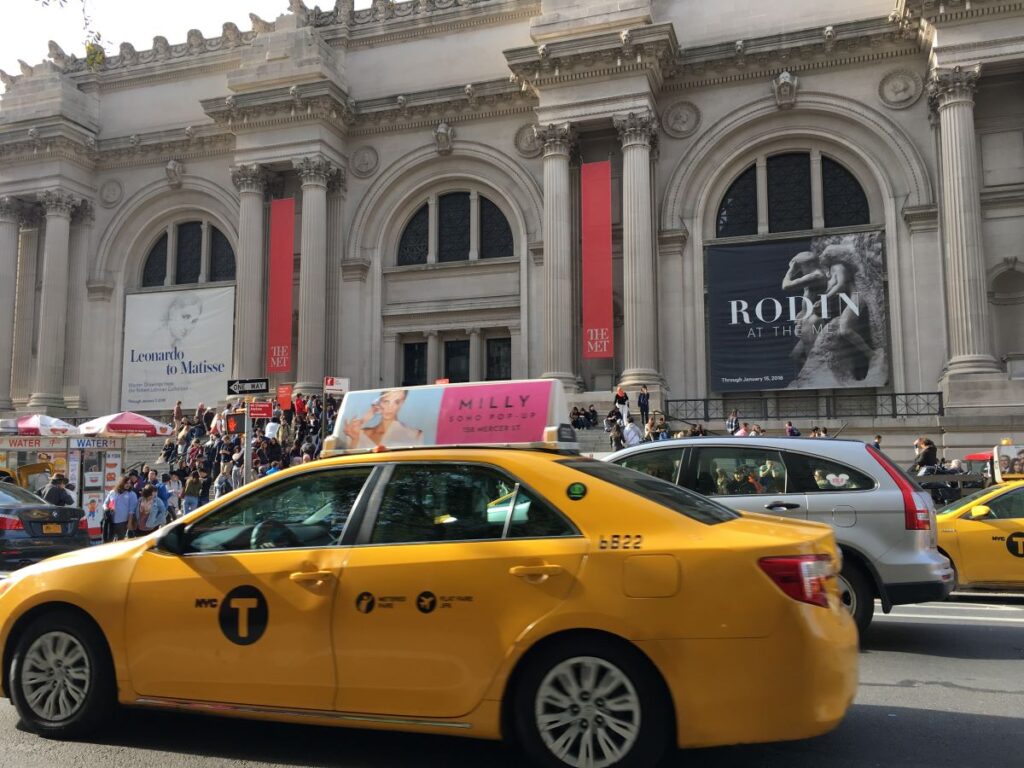
The Metropolitan Museum of Art is the most visited museum in New York for a good reason. With a 5,000-year collection of art from around the world, 2 million individual exhibits, and 17 acres of exhibition space, the museum is huge, impressive, and seems inexhaustible. Previously, museum tickets were almost free — a minimum project donation of $1. Now a ticket to the Metropolitan Museum of Art costs $30 for adults, $22 for seniors, and $17 for students.
On the other side of Central Park is another important museum: the American Museum of Natural History, whose ticket gives you access to more than 50 exhibits and 34 million artifacts. Have you seen “Night at the Museum”? Well, this is the very place. Ticket prices: $25 for adults, $20 for seniors, $14 for children.
Solomon R. Guggenheim Museum is also located in Central Park. The spiral rotunda building is already worth a look on its own. Although, of course, it is not as futuristic as the Guggenheim Museum in Bilbao.
MoMA – one of the best museums of modern art in the world. It is here that the legendary painting by Van Gogh “Starry Night”, works by Picasso, Dali, Monet, Warhol and many other artists of the 20th and 21st centuries are kept. Even if you are not familiar with modern art, MoMA is worth a visit, at least for the most famous masterpieces. Ticket price: adult —$ 30.
At the Museum of Modern Art, art lovers will find modern masterpieces by Warhol, Pollock, and other American artists. Book tickets in advance to avoid the queue, especially on weekends.
Tip: Free street art without crowds, you can find on Bushwick Collective Street Art in Brooklyn.
Which museum should you choose if you don’t have much time?
- Do you love classical art? Choose The Met (The Metropolitan Museum of Art).
- Interested in contemporary art? Head to MoMA.
- Traveling with children? The best choice is the American Museum of Natural History.
- Want to see some unusual architecture? Visit the Guggenheim.
- Interested in New York City history? Don’t miss the 9/11 Memorial Museum.
- Do you like planes, ships and space? You’ll love it Intrepid Museum.
The best free places in New York
New York is an expensive city, but many of its most interesting places can be visited absolutely free.
Ride the Staten Island Ferry
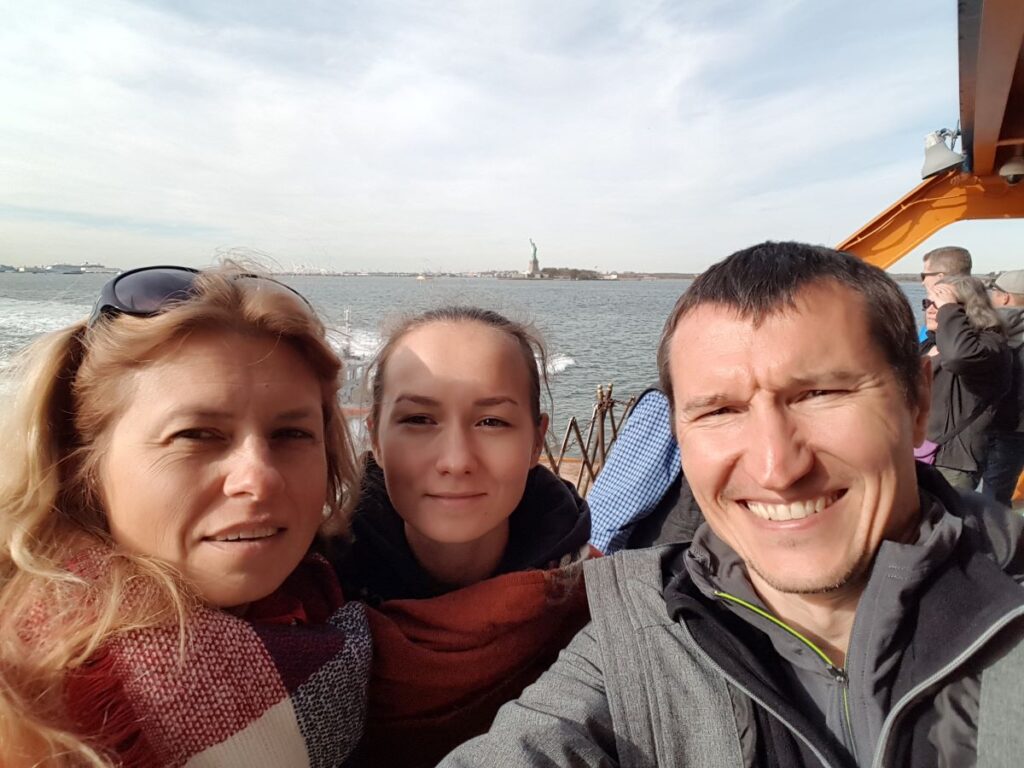
This is one of the best free attractions in New York. The orange ferry runs 24/7 between Lower Manhattan and Staten Island.
The nicest thing is that during the ride you get wonderful views of the Statue of Liberty and the panorama of Downtown.
Tip: For the best photos, sit on the right on the way to Staten Island and on the left when returning.
Brooklyn Bridge Park
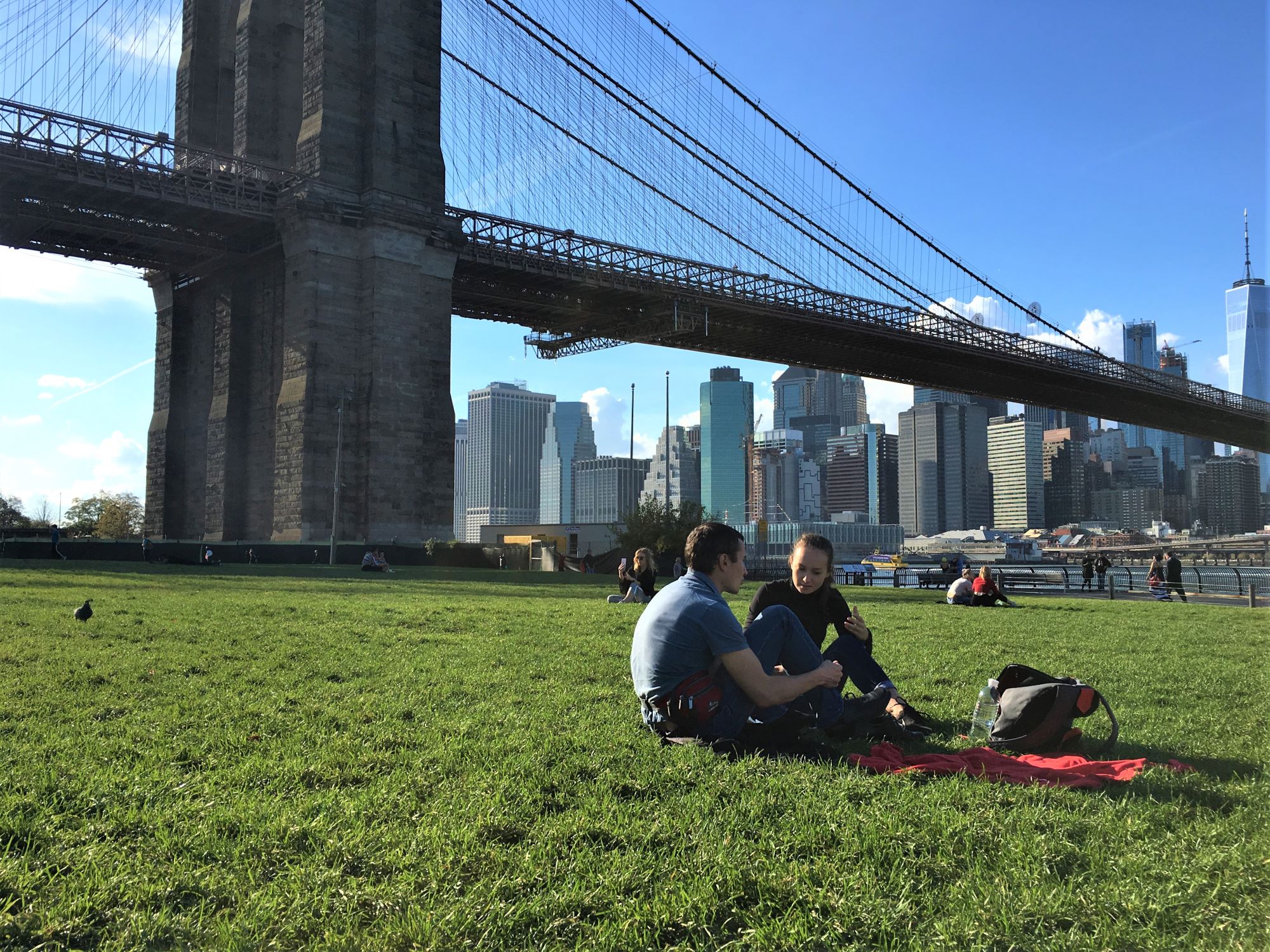
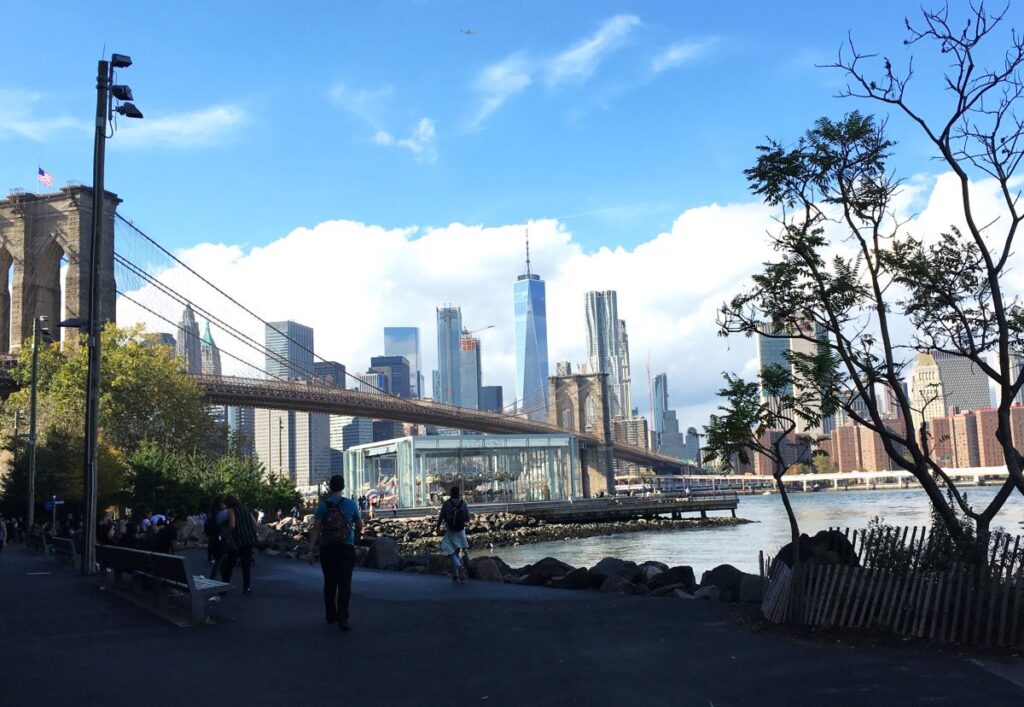
After crossing the Brooklyn Bridge, be sure to stay for at least another hour. From here, you get some of the best panoramas of Lower Manhattan. It is especially beautiful here at sunset.
Tip: Walk a couple more blocks along the embankment to reach the very popular photo zone DUMBO Manhattan Bridge View
High Line Park

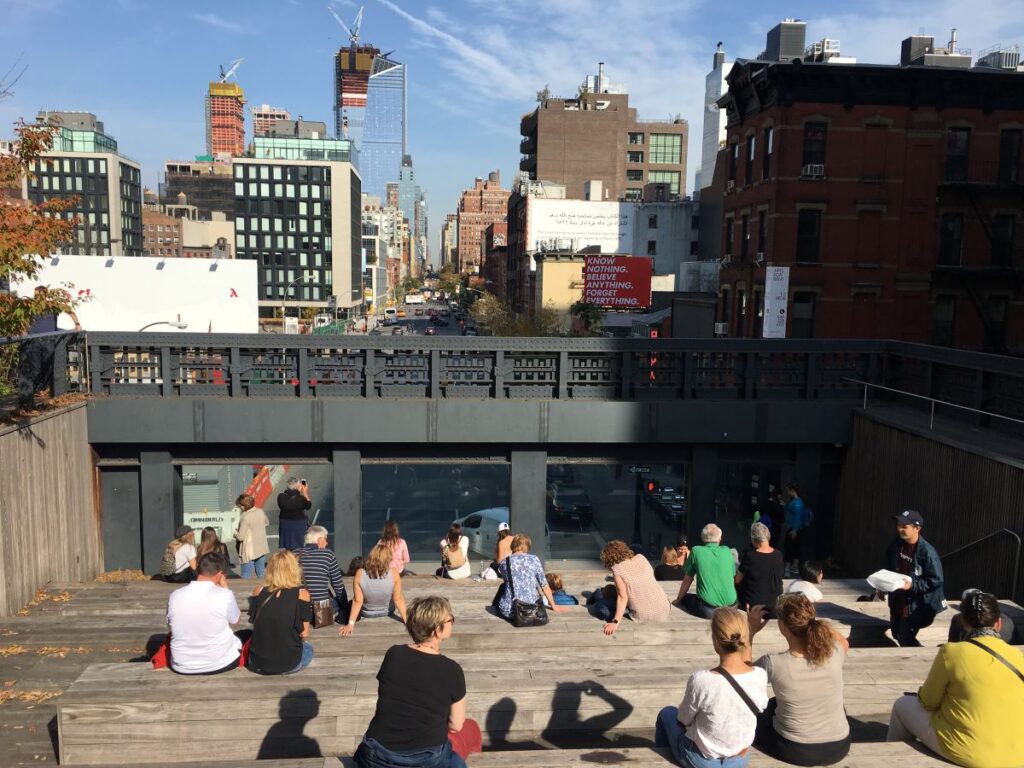
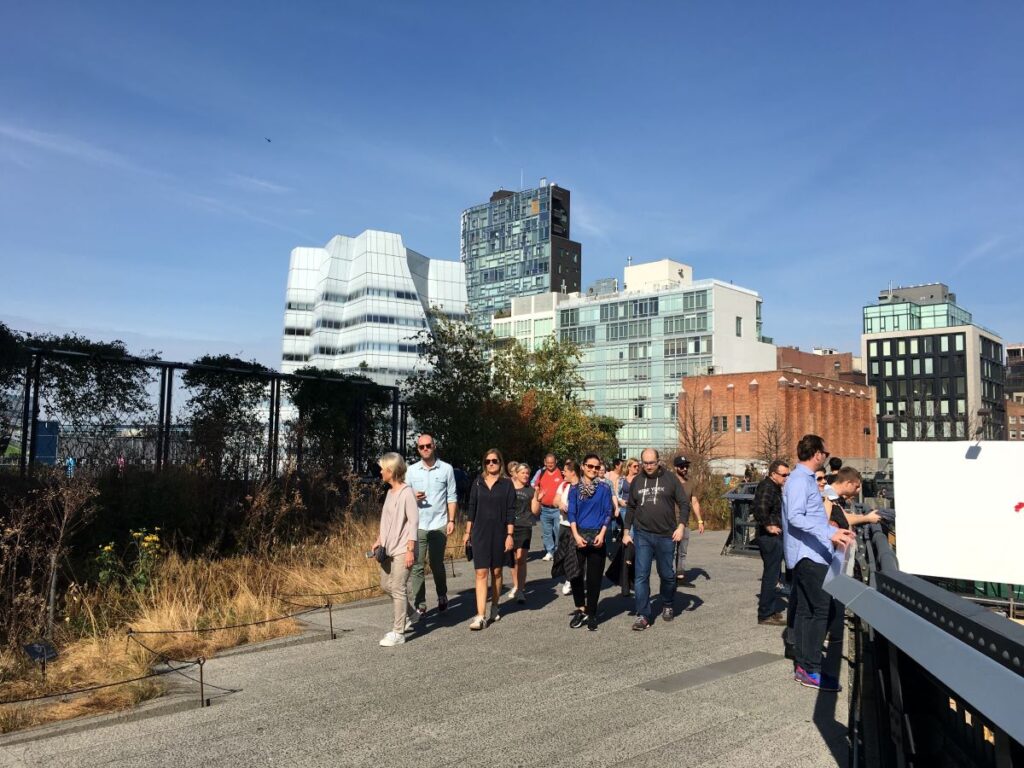
One of the most original parks in New York. It was created in the place of an old railway overpass that runs over the streets of Manhattan. Located in the west of Manhattan, it stretches from the end of West Village to Chelsea. The start of the park is here. At the end of the walk you’ll see the futuristic building Vessel, which resembles the honeycomb of a beehive.
During the walk, you can enjoy modern architecture, art objects, and views of the Hudson River. And the view of the metro depot, with dozens of stainless steel cars, is also impressive.
Tip: next to the High Line there’s another interesting green zone — Little Island. This unusual park is built on piles right above the Hudson River and has already become one of the favorite places to relax for both tourists and locals.
Central Park
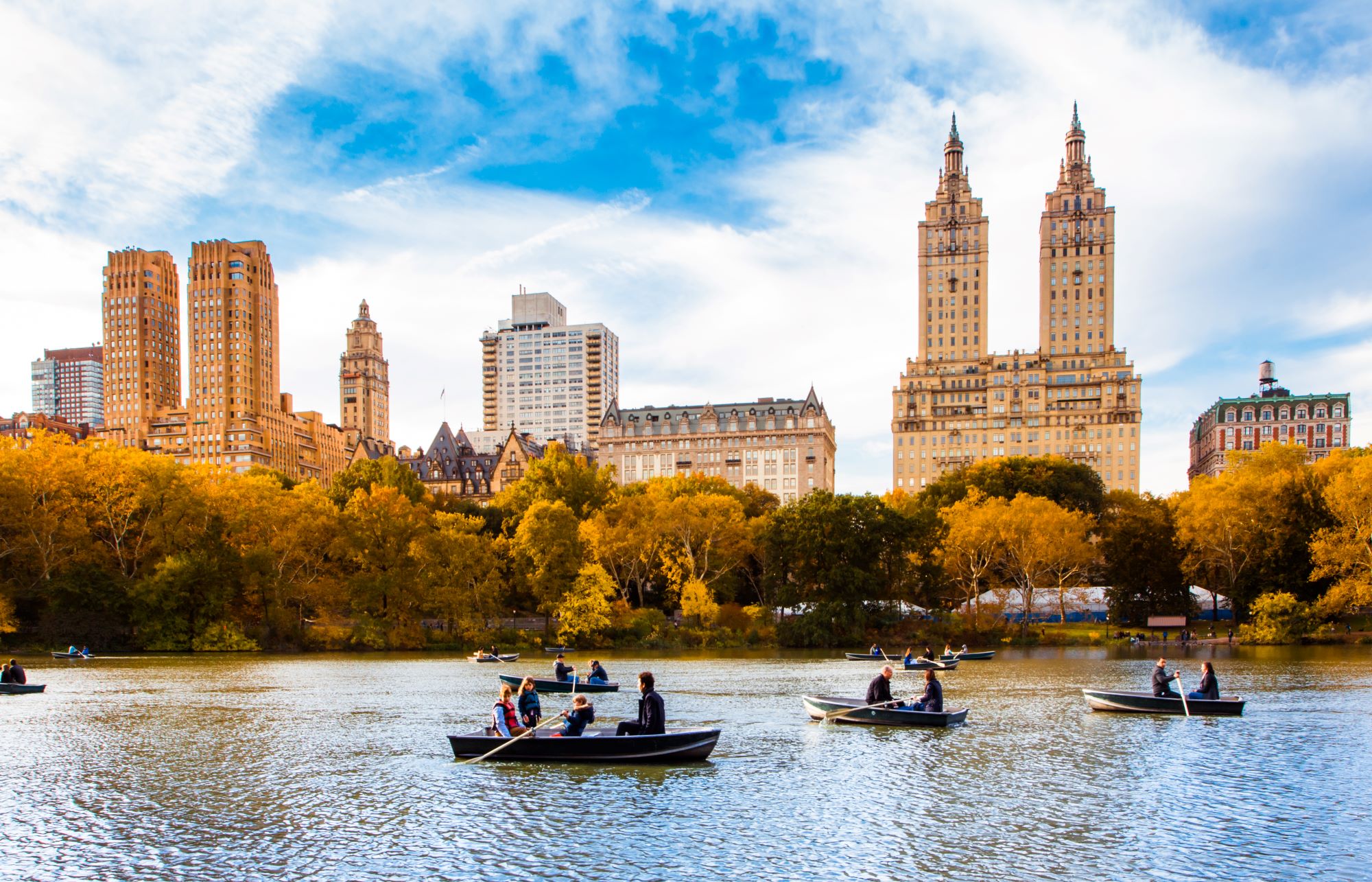
Even if you don’t plan to visit museums, you should set aside at least half a day for Central Park. You can walk here for hours without spending a dime.
We enjoyed walks along the lakes and even saw a man making a proposal to his beloved. Such a romantic place!
New York Public Library
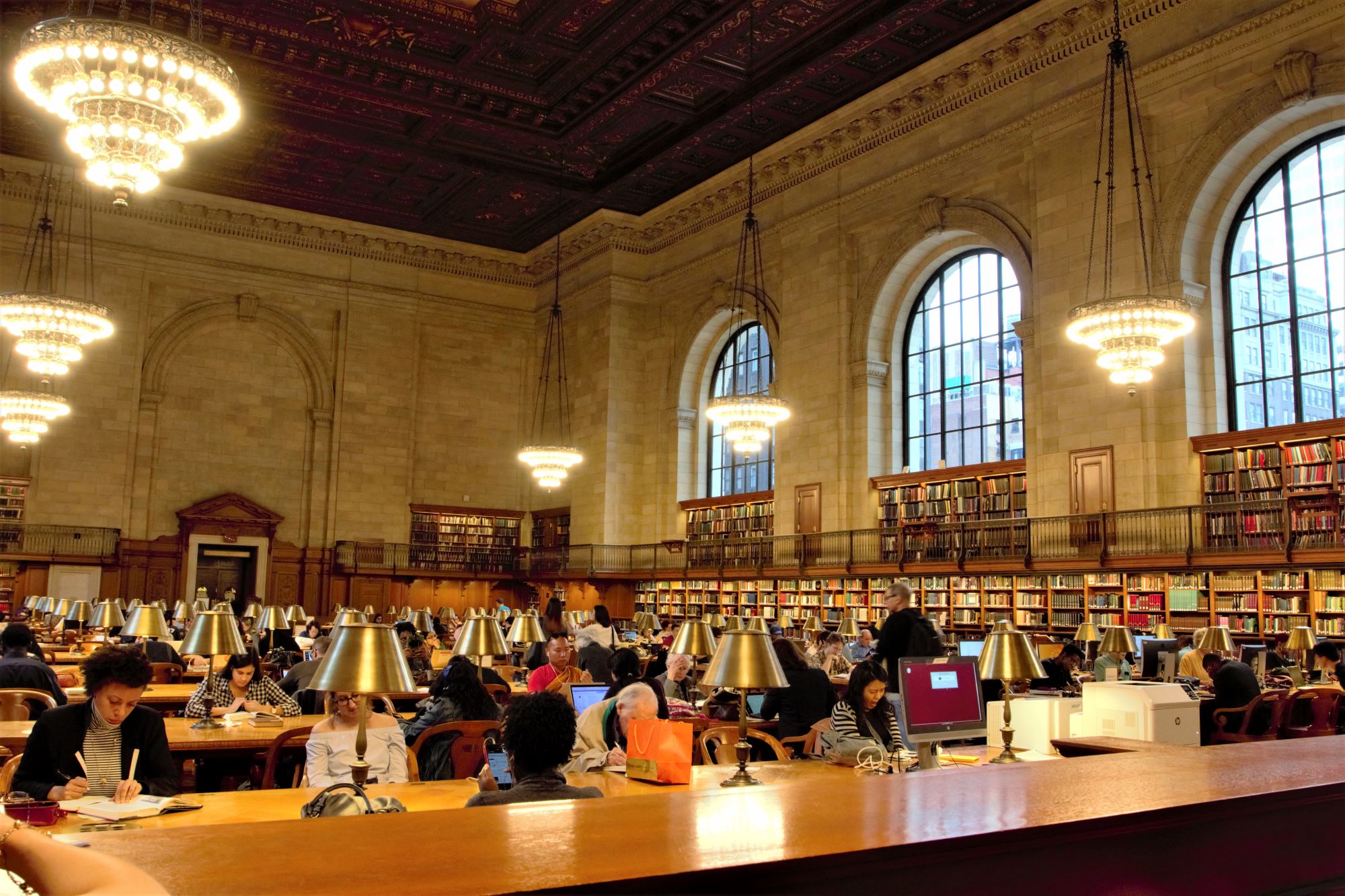
One of the most beautiful libraries in the world. Even if you don’t love books, it’s worth dropping in for the sake of the grand architecture, the famous reading room, and the beautiful interiors.
Tip: if you walk in Greenwich Village, check out the beautiful Jefferson Market Library — a branch of the New York Public Library.
Grand Central Terminal
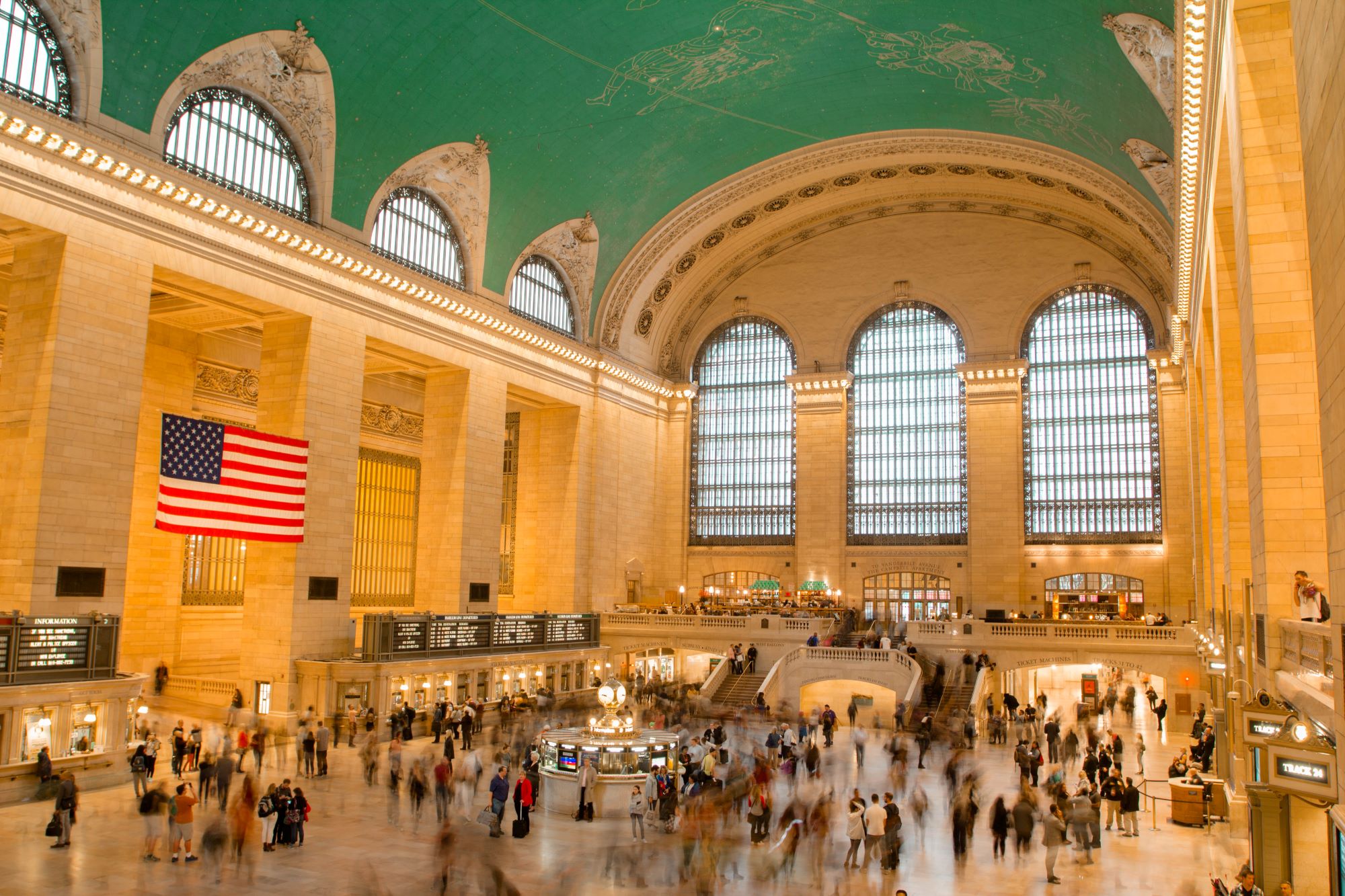
The main hall of New York’s Grand Central Station has long been a movie star. You can recognize it in dozens of films and TV series.
Be sure to look up — the starry ceiling is truly impressive.
Bryant Park
A small park between skyscrapers has become a favorite place for office workers to relax.
In the summer, open-air movies and concerts are held here, and in winter a Christmas market and a free skating rink open.
Walk along the Hudson River Greenway
If you want a break from tourist spots, head to the Hudson River waterfront. Nearly 5 kilometers of walking area above the river with beautiful views, benches, cafes — without crowds and rush.
Here, locals jog, ride bikes, relax on the lawns, or just admire the sunset over New Jersey. This is a great place to feel the everyday life of New York.
New York in 7 days: a ready-made itinerary for your first trip
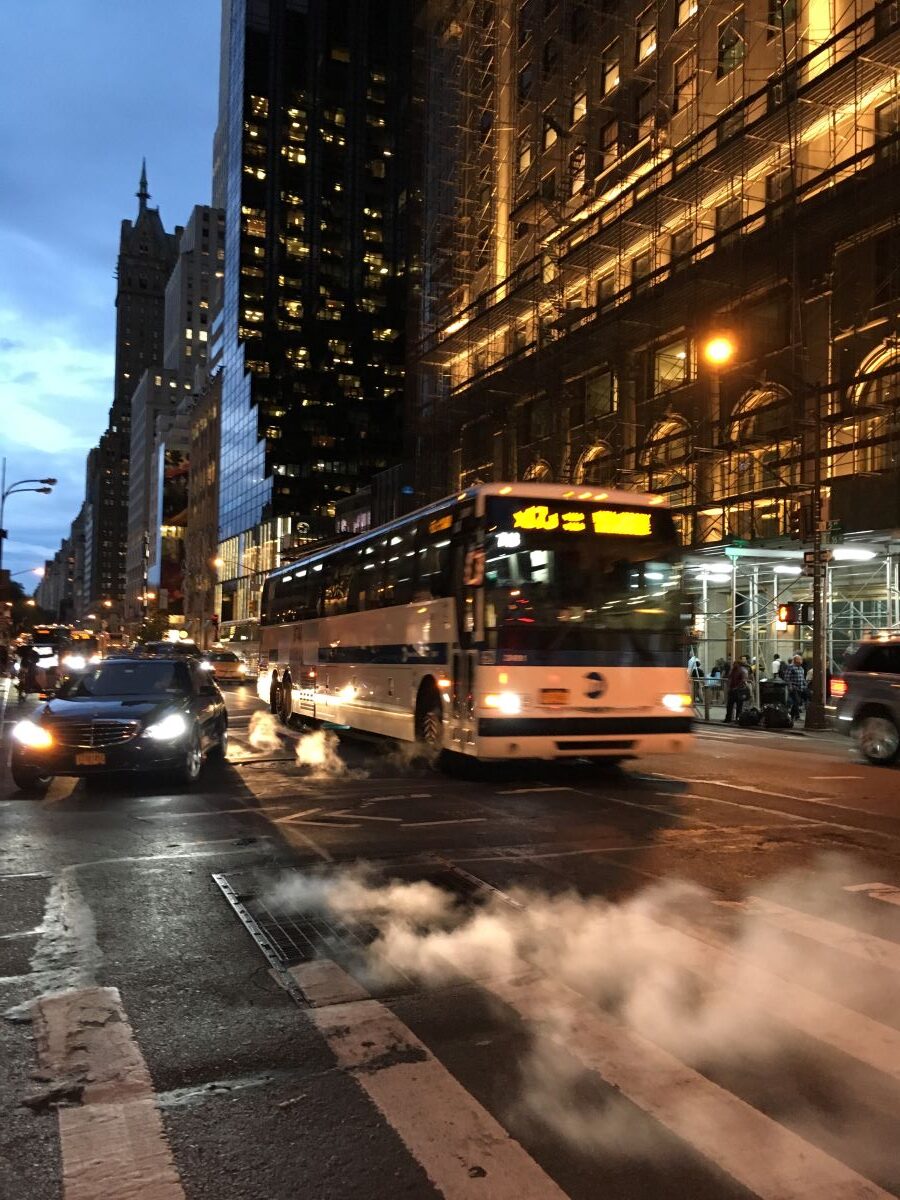
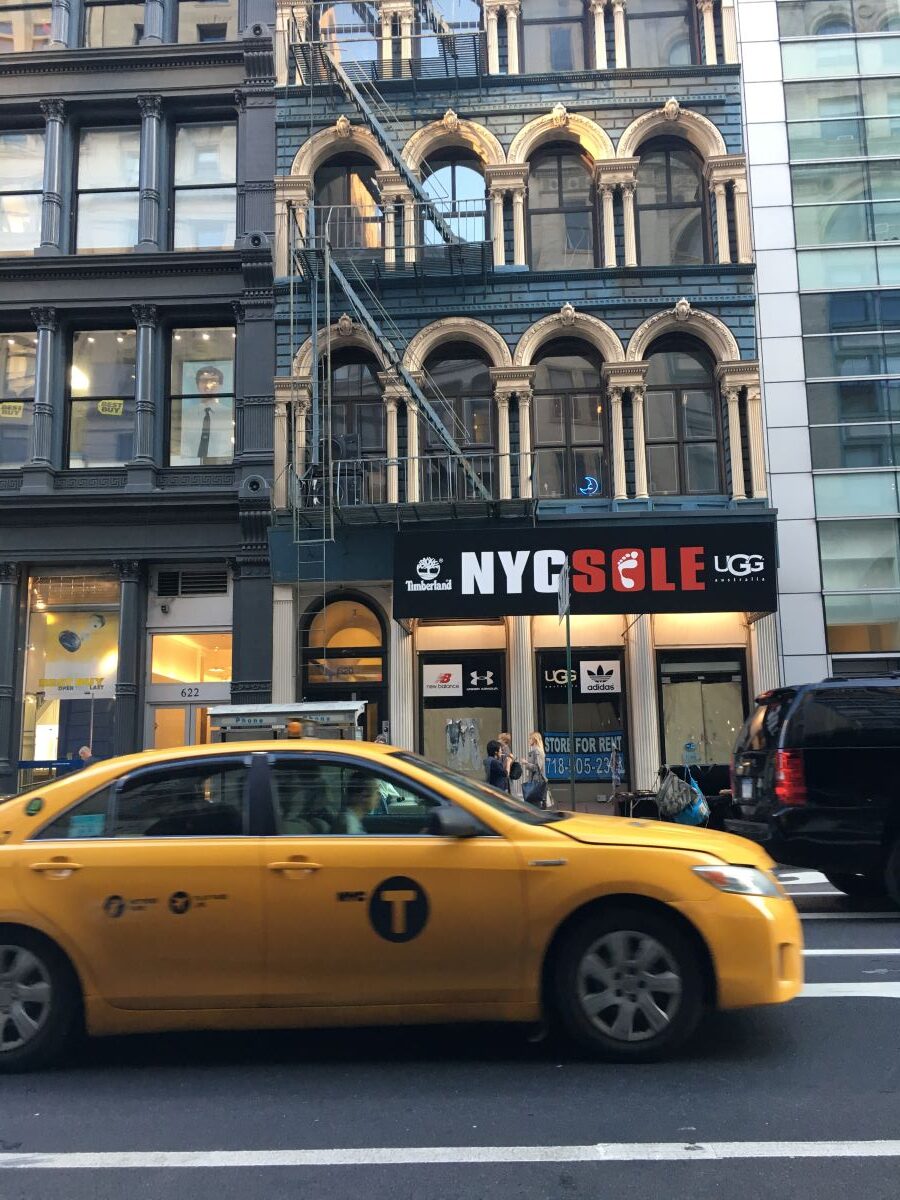
If you are visiting New York for the first time, do not try to see everything in one day. The city is huge, so it’s better to get to know it gradually, combining famous landmarks with leisurely strolls through atmospheric neighborhoods.
This is the way to not just see New York, but to truly feel it.
Day 1. First Introduction to Manhattan

Route:
- Times Square
- Bryant Park
- New York Public Library
- Grand Central Terminal
- SUMMIT One Vanderbilt or Top of the Rock
- Evening Broadway and attending a musical
It is better to dedicate the first day to classic New York, the one everyone knows from the movies.
Start your morning at Times Square. If you arrive between 8 and 9 a.m., there will be significantly fewer people than during the day.
After this, take a walk to cozy Bryant Park, drop by the New York Public Library, and then head to the legendary Grand Central Terminal.
In the afternoon, go up to SUMMIT One Vanderbilt or Top of the Rock.
If you have energy left, in the evening you can take a stroll along Broadway or even go to one of the world-famous musicals.
Day 2. Central Park and Museums
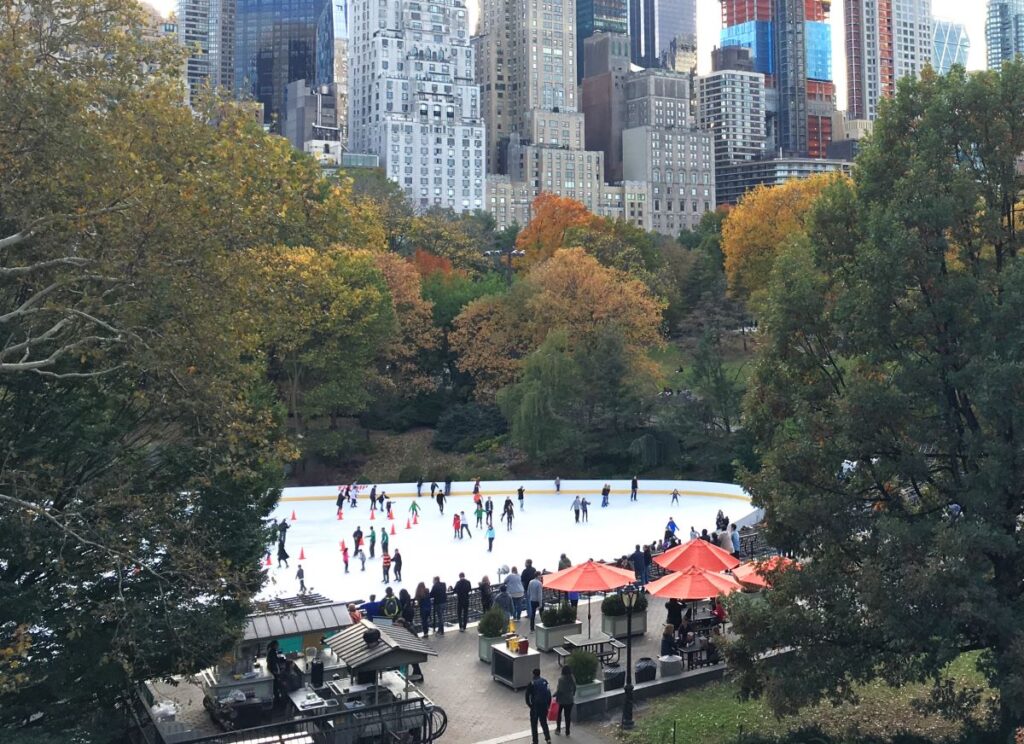
Route:
- Central Park
- Bethesda Terrace
- Bow Bridge
- Strawberry Fields
- The Metropolitan Museum of Art or MoMA
The second day should be more relaxed.
Take your time. Just stroll through Central Park, enjoy the views, and rest from the city noise.
After lunch, you can visit one of the world’s best museums. If you love classical art, choose The Metropolitan Museum of Art. If you are more interested in modern art, go to the Museum of Modern Art (MoMA).
Day 3. Statue of Liberty and Lower Manhattan

Route:
- Battery Park
- ferry to the Statue of Liberty
- Ellis Island
- 9/11 Memorial
- One World Trade Center
- Oculus
Dedicate this day to the history of New York.
In the morning, head to Battery Park and take the ferry to Staten Island, or book a tour to the Statue of Liberty.
If you go by ferry, take a walk through Downtown first—the business and financial center of New York. You’ll see many familiar places, as well as the famous statue of the Bull and the Girl.
After returning, walk through the 9/11 Memorial, peek inside the futuristic Oculus transportation hub, and go up to the One World Observatory viewing platform if you do not plan to visit other observation decks.
Day 4. Brooklyn
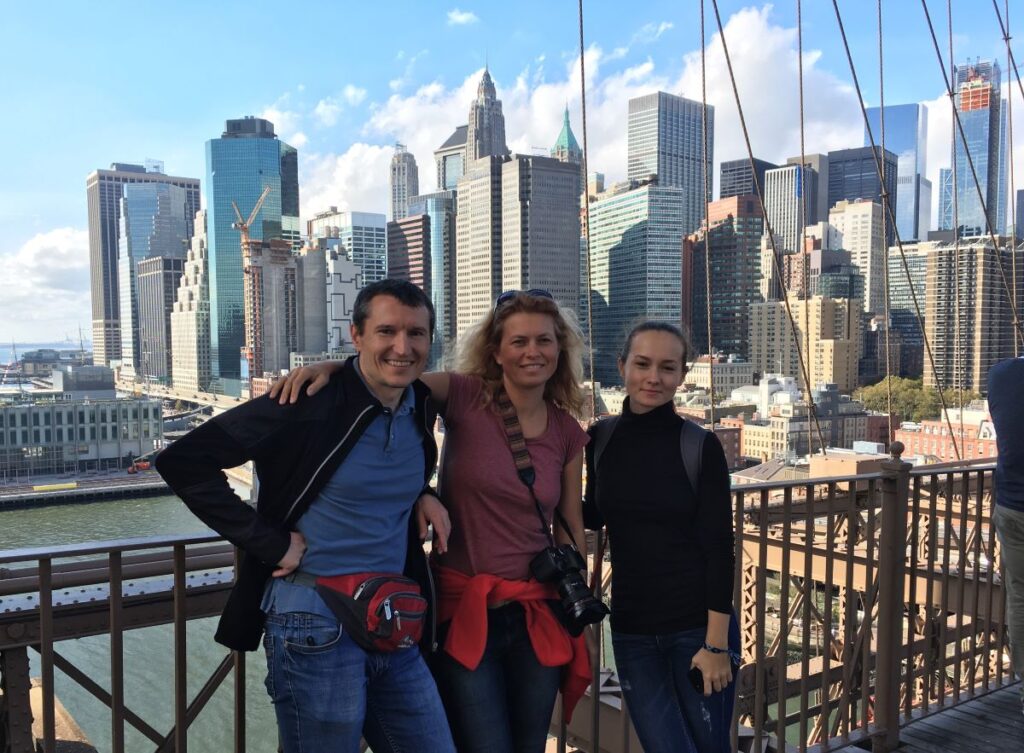
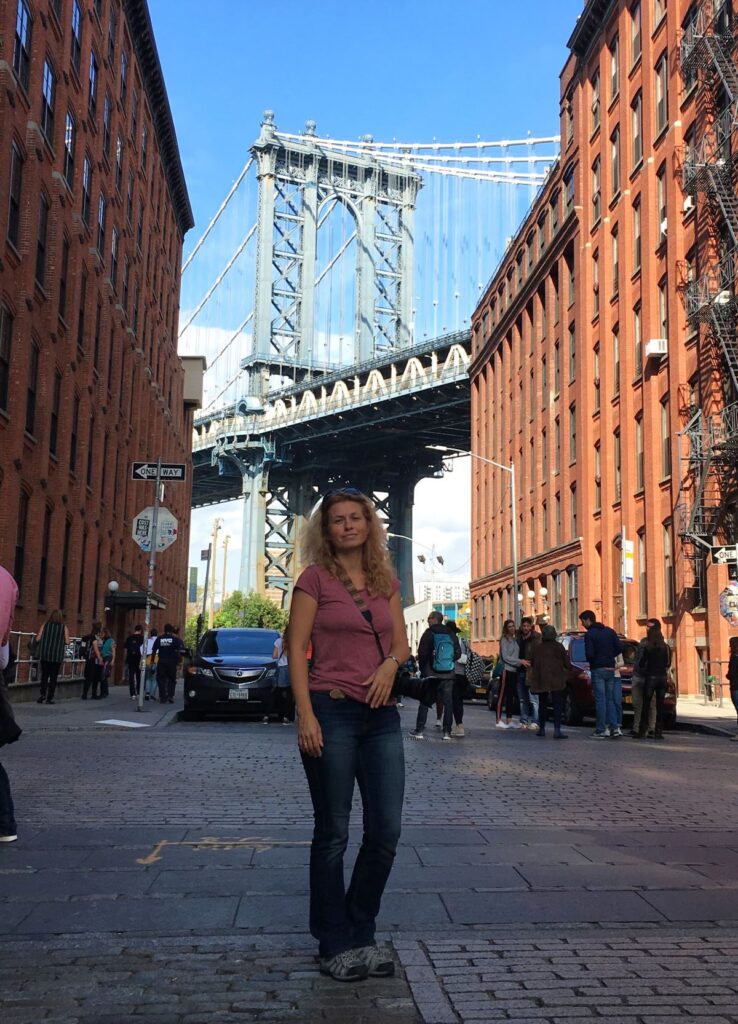
Route:
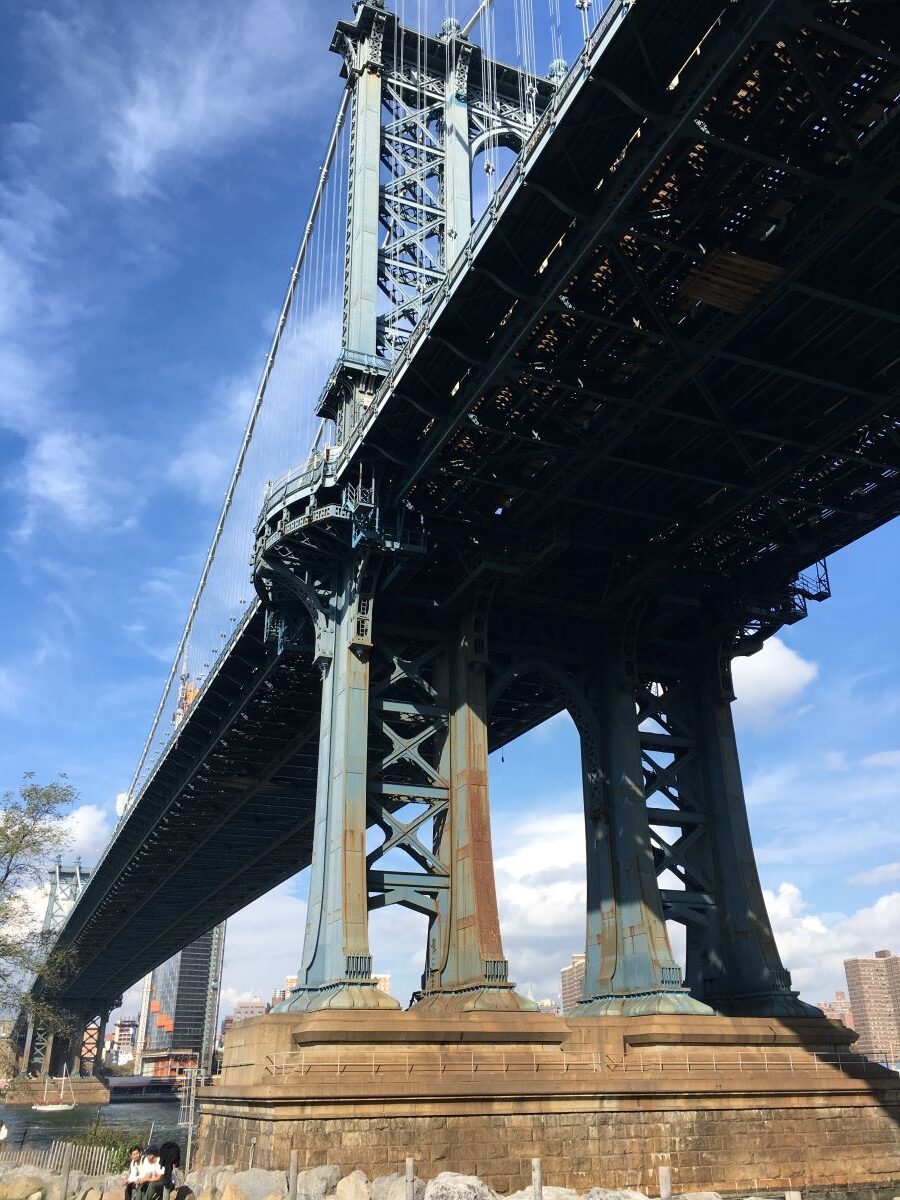
- Brooklyn Bridge
- DUMBO
- Brooklyn Bridge Park
- Jane’s Carousel
- Evening with a view of Manhattan
Wake up a little earlier and head to the Brooklyn Bridge.
In the morning there are the fewest tourists here, and the light is perfect for taking photos. After crossing the bridge, stroll through the DUMBO neighborhood, which has become one of the most popular photoshoot spots.
Then relax in Brooklyn Bridge Park. It is from here that one of the best Manhattan panoramas opens up.
Don’t forget to take a photo with the Manhattan Bridge in the background at the photo point DUMBO Manhattan Bridge View.
Day 5. Soho, Greenwich Village, and Chelsea
Route:
- Soho
- Nolita
- Little Italy
- Greenwich Village
- Chelsea Market
- High Line
- Little Island
Dedicate this day to the most atmospheric neighborhoods of New York.
Don’t aim to see as much as possible. Just walk around. Drop by small coffee shops, designer stores, bookstores, and cozy courtyards.
Be sure to have lunch at Chelsea Market, then stroll through the High Line park to Little Island.
Day 6. Upper Manhattan or Williamsburg
Here you can choose one of two options.
Option 1
If you want even more Manhattan:
- Upper West Side
- Upper East Side
- Guggenheim Museum
- a walk through Central Park.
Option 2
If you’d like to see modern New York:
- Williamsburg
- Domino Park
- vintage shops
- trendy coffee shops
- restaurants
- evening on the East River waterfront.
Day 7. A Day Without Plans
The best day in New York is the one when you are not in a hurry anywhere.
You can:
- return to your favorite neighborhood again;
- walk along Fifth Avenue;
- visit shops;
- have coffee in Central Park;
- take a free ride on the Staten Island Ferry;
- spend a few hours in Bryant Park;
- watch the sunset on the Hudson River waterfront.
It is on this day that you most often get the feeling that New York is no longer just a tourist city and starts to reveal itself from a completely different side.
Useful Tips
- Don’t try to visit more than three or four major sights in one day. Distances in New York are much greater than they seem on the map.
- For observation decks, book tickets in advance, especially if you want to catch the sunset.
- The best photos of Manhattan are taken from Brooklyn Bridge Park, DUMBO, Little Island, and Top of the Rock.
- If you plan to visit several paid attractions, it’s worth looking at tourist passes like CityPASS or New York Pass — they can help you save quite a bit.
- Be sure to leave time for spontaneous walks. These are often the brightest moments of the trip.
If You Have Less Time
- 3 days: Times Square, Central Park, Statue of Liberty, Brooklyn Bridge, one observation deck.
- 5 days: add Soho, Greenwich Village, High Line, Chelsea Market, and Brooklyn Bridge Park.
- 7 days: follow the route above — it will let you see New York’s main symbols without hurrying and at the same time feel the atmosphere of the city’s different neighborhoods.
How much does a week in New York cost in 2026
New York is rightfully considered one of the most expensive cities in the world. But this doesn’t mean that it’s impossible to come here without a huge budget. If you book accommodation in advance, use public transport, and don’t eat only at tourist restaurants, you can significantly cut costs.
The largest budget items will traditionally be the flight and accommodation, followed by food, transport, and tickets to museums or observation decks.
Flight
The cost of plane tickets depends on the season and departure city.
If flying from Europe, you can find round-trip tickets starting from about $400–700 in the low season. During Christmas holidays, summer break, or autumn weekends, prices can exceed $900–1200.
It’s most cost-effective to buy tickets 2–4 months before the trip and be flexible with your dates.
Tip: If you set up airline fare alerts, you can snag tickets for 250–300 euros round-trip with a layover in Rome, Barcelona, or other major European cities.
Accommodation
Accommodation is most often the biggest item of expense.
Approximate prices per night:
- hostel bed — from $60–90;
- budget hotel — $180–250;
- good three-star hotel — $250–350;
- modern four-star hotel — $350–500;
- premium hotels — from $600.
Don’t forget that the room cost often includes:
- accommodation tax;
- city fee;
- sometimes — a mandatory resort fee or destination fee.
Therefore, the final amount can be 15–20% higher than stated during the search.
Transport
If you stay in Manhattan or near a subway station, you won’t need a car. The most convenient way to get around is by subway and buses.
If you actively use public transport during the week, expenses will be about $35–40 thanks to the OMNY system, which automatically caps the maximum amount charged.
Taxis or Uber are convenient to use only in the evening or for trips from the airport.
Food
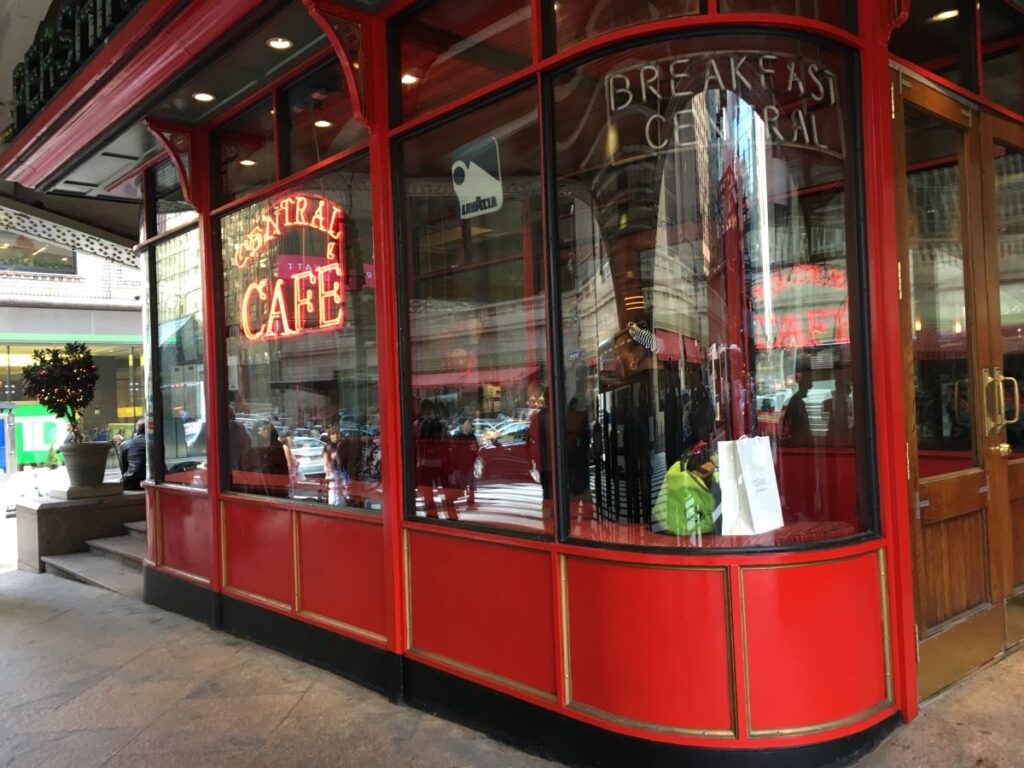
You can eat in New York both on a very budget basis and very expensively.
Approximate prices:
- bagel with coffee — $10–15;
- pizza (one large slice) — $4–6;
- hot dog — $4–8;
- burger — $15–25;
- dinner at a good restaurant — $40–80 per person without alcohol.
Remember that prices on the menu almost always are listed without tax and tips.
You need to add to the bill:
- local tax;
- tips — usually 18–20% if you were served by a waiter.
This is why the final amount will almost always be higher than it first seems.
Tickets to attractions
Tourists spend the most on observation decks and museums.
Approximate prices:
- SUMMIT One Vanderbilt — from $45–55;
- Top of the Rock — from $45;
- Edge — from $40;
- Empire State Building — from $45;
- Statue of Liberty and Ellis Island — from $25–30;
- The Metropolitan Museum of Art — about $30;
- MoMA — about $30.
If you plan to visit many attractions, it’s worth purchasing a CityPASS or New York Pass. They can save you several dozen, and sometimes more than a hundred dollars depending on your travel project.
Approximate weekly budget
Budget trip
- hostel or budget hotel;
- subway;
- street food and supermarkets;
- a few paid attractions.
About: $1200–1700 per person (not including airfare).
Comfortable trip
- good hotel in Manhattan;
- restaurants;
- a few museums;
- observation decks;
- sometimes Uber.
About: $2500–4000 per person, not including the price of the flight.
Trip with a high level of comfort
If you plan to stay in one of the best neighborhoods in Manhattan, dine at popular restaurants, attend Broadway shows, and not limit yourself in shopping, your budget can easily exceed $5000–7000 per week.
How to save money in New York
Even in such an expensive city, you can significantly reduce expenses. Here are a few proven ways:
- book your hotel a few months before your trip;
- choose accommodation near a subway station;
- walk more — many attractions are located close to each other;
- use the OMNY system instead of taxis;
- visit free parks, observation decks, and the Staten Island Ferry;
- have lunch at Chelsea Market, food halls, or buy ready-made food at Trader Joe’s and Whole Foods supermarkets;
- if you plan many tours, buy a CityPASS or New York Pass.
Where to eat in New York: from legendary bagels to the best pizza
New York is truly a gastronomic paradise. Here you can find cuisines of almost every country in the world: from small family-run Italian restaurants to Korean barbecue, Mexican tacos, Japanese sushi, and Middle Eastern street food.
But if you are visiting for the first time, there are several dishes and establishments that have become as iconic as Times Square or the Statue of Liberty.
Try a real New York bagel
For many locals, the day starts with a bagel — a round bun with a crunchy crust and a soft inside.
The most popular filling is cream cheese with smoked salmon (lox), but you can find dozens of other options: with avocado, egg, bacon, or ham.
Where to try:
- Ess-a-Bagel
- Liberty Bagels
- Russ & Daughters
- Best Bagel & Coffee
Eat a slice of real New York pizza
New York pizza is nothing like Neapolitan pizza. It’s large, thin, with a crispy crust, so locals often fold it in half and eat it on the go.
The cheapest way to grab a bite is to buy a single slice, not a whole pizza.
The most famous places:
- Joe’s Pizza
- Prince Street Pizza
- Scarr’s Pizza
- John’s of Bleecker Street
Visit Chelsea Market
If there is only one place worth eating in New York, I would recommend Chelsea Market. The former Oreo cookie factory has now turned into a huge gastronomic space with dozens of restaurants, cafes, and shops.
Here you can try:
- fresh seafood;
- lobster rolls;
- tacos;
- Italian pasta;
- Japanese ramen;
- Mexican cuisine;
- desserts;
- coffee from specialty roasters.
Even if you’re not hungry, it’s worth stopping by just for the atmosphere.
Try the Famous Pastrami Sandwich
Another gastronomic legend of New York is the pastrami sandwich. It’s prepared with juicy beef, which is marinated for a long time, smoked, and sliced thickly.
The most famous place:
Katz’s Delicatessen
This is where the scene from the movie “When Harry Met Sally” was filmed.
Be prepared for lines, but they are worth it.
Don’t Pass by Food Trucks
One of New York’s features is the hundreds of food vans on almost every corner.
This is where you can have a quick and inexpensive lunch.
Especially popular are:
- chicken gyros;
- falafel;
- tacos;
- burritos;
- halal cuisine;
- hot dogs.
One of the most famous chains is considered to be The Halal Guys.
For Those with a Sweet Tooth
If you want to take a small gastronomic break, be sure to visit one of the iconic bakeries.
Levain Bakery
This is where they bake the famous huge chocolate chip cookies that have become a true New York legend.
Magnolia Bakery
This bakery gained popularity after the series “Sex and the City”.
Most often people come here for banana pudding and cupcakes.
Dominique Ansel Bakery
This is where the famous Cronut dessert was born — a combination of a croissant and a donut.
Where to Get Good Coffee
New York’s coffee culture has long moved far beyond Starbucks.
If you love quality coffee, pay attention to:
- Blue Bottle Coffee;
- % Arabica;
- La Colombe;
- Birch Coffee;
- Devoción;
- Stumptown Coffee Roasters.
How to Save on Food
You can eat in New York quite inexpensively.
A few tips:
- buy ready-made salads and sandwiches in Trader Joe’s supermarkets;
- pay attention to Whole Foods Market with its large salad bar;
- have lunch in food halls, not tourist restaurants;
- get pizza by the slice;
- use Happy Hour offers in bars and restaurants.
If you’re not planning to dine at restaurants every day, the average food budget can be 40–70 dollars a day.
Practical Tips Before Traveling to New York

Even if you have traveled a lot around Europe, the USA has a few features that are best to know in advance.
Tipping is Almost Mandatory
In restaurants, bars, and cafes with service, it’s customary to leave a 18–20% tip. Sometimes it’s already included in the bill, especially for large groups, so it’s worth carefully checking the check before paying.
Tax is Almost Never Included in the Price
Unlike most European countries, in the USA prices on price tags are usually indicated without local tax.
So at the register, the total will be a bit higher. This applies to stores, restaurants, and many other purchases.
Almost Everywhere Accepts Card Payments
Cash will only be needed in a few cases. Visa and Mastercard bank cards are accepted almost everywhere, and Apple Pay and Google Pay work even in the subway.
Download Useful Apps
Before your trip, I recommend installing:
- Google Maps;
- Citymapper;
- Google Translate;
- Uber or Lyft.
They will make it much easier to get around the city.
Don’t Buy Tourist Buses Right Away
If you enjoy walking, most of Manhattan’s sights can be seen on foot or by subway.
Hop-On Hop-Off buses only make sense if you are really short on time or don’t want to walk much.
Don’t Be Afraid to Use the Subway
Many tourists worry about the reputation of the New York subway.
In reality, during the day and evening, millions of people use it daily.
As in any large metropolis, it’s enough to follow common safety rules: don’t leave belongings unattended, keep a close eye on your phone and wallet, and avoid empty subway cars late at night.
Set Aside Time Just to Walk Around
The best memories of New York are often not born at the most famous sights.
Sometimes all you need is to turn onto an unfamiliar street, stumble upon a small coffee shop, sit in a park among locals, or catch the sunset on the Hudson River shore.
It’s in these moments that you begin to understand why you want to return to New York again.
Free Toilets in New York: What You Need to Know
One of New York’s unexpected features is free public restrooms, which exist in the city—you just need to know about them.
The most reliable places to find a free restroom:
- parks — almost all large parks, including Central Park, Bryant Park, Battery Park, and High Line, have public restrooms (hours may vary by season);
- public libraries — most branches of the New York Public Library, Brooklyn, and Queens libraries have restrooms; they are usually clean and well-maintained.
- major transport hubs — for example, Grand Central Terminal, Moynihan Train Hall , and some other stations.
- department stores and shopping centers — Macy’s, Bloomingdale’s, Nordstrom, and other large stores usually have restrooms for visitors.
- Chelsea Market and large food halls — another convenient option while walking around the city.
Special mention goes to the toilet in Bryant Park — it is often called the best public restroom in New York. It’s free, very clean, open daily, and even features fresh flowers and classical music. The only downside is that there may be lines during peak tourist season.
Useful tip: New York has an official online map of public restrooms showing locations, hours, and accessibility. If you’re planning to walk a lot, it’s worth bookmarking before your trip.
Conclusion
New York is a city that can’t be fully discovered in one week. But seven days are enough to see its most famous symbols, stroll through different neighborhoods, go up to skyscrapers, walk across the Brooklyn Bridge, and at least briefly experience that crazy rhythm that makes this city one of the most renowned in the world.
My main advice is don’t try to check off every landmark. Leave time for leisurely walks in Central Park, unexpected finds in cozy SoHo or Greenwich Village neighborhoods, a cup of coffee with a view of Manhattan, or sunset in Brooklyn Bridge Park.
It’s these moments that most often become the brightest memories of New York and make you dream of a new trip before your plane even leaves for home.
What You Must Do Before Traveling to the USA
- First, get an American visa. You can do this yourself — that’s how we did it several times already. The first time — for 5 years, the second time — we renewed the visa for 10 years.
- Second, find an inexpensive ticket — you can fly to New York and back for $300 if you look for tickets in advance — 3-4 months ahead, and you can buy a ticket much cheaper than at the last minute.
- Third, don’t save on life insurance — medical care in the USA is very expensive. It’s better to buy insurance than pay thousands of dollars for a doctor’s visit. The easiest way is to buy insurance online — on the HotlineFinance portal.
- Traveling in the USA is impossible without a rental car. Rental prices there are reasonable, and fuel is cheaper than in Europe. Find a car for rent at DiscoverCars, compare offers and reviews from different companies, and choose the best option.
- Look for the best hotels on Booking.com; it’s better to book several months in advance, although there are also good discounts at the last moment (as long as you’re not traveling during city holidays).
Useful Articles and Links:
- California by Car
- California Trip – Route to See Deserts, Mountains, and Ocean
- Yosemite Park in California – How to Prepare for a Visit and What to See in the Valley