Lisbon is one of the cheapest cities in Europe, where you can have a great vacation without having a lot of money.
Whether you’re traveling to Lisbon on a tight budget or want to spend money on things like food (and it’s worth it!), I’ll tell you about the free places to go in this city.
Take a look at the rooftops of Lisbon from observation decks
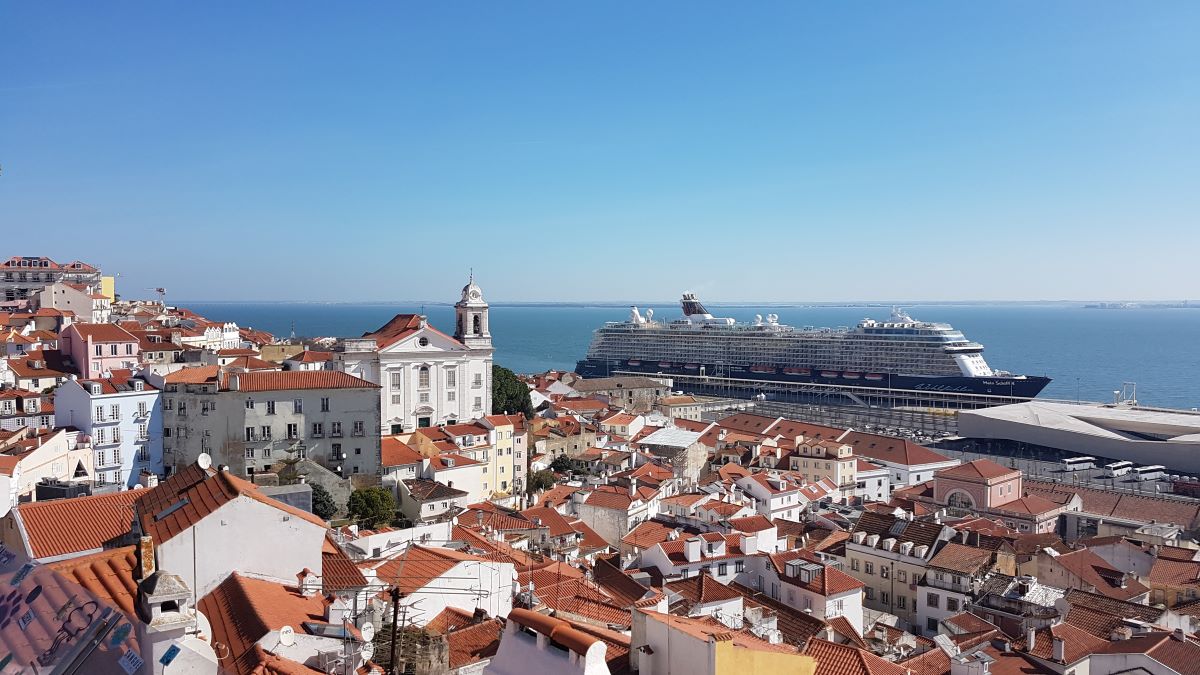
Lisbon is built on hills – you have to walk up and down all the time. But thanks to these hills, the city has many observation decks – miradours – that offer stunning views of the city.
- Miradouro de Santa Luzia is one of the most romantic places in Lisbon. The terrace offers stunning views of the terracotta roofs, the white dome of the National Pantheon and the skyline of the southern bank of the Tagus River.
- Miradouro das Portas do Sol – located near Santa Luzia, around the corner – offers a good view of the Lisbon cruise terminal and St. George’s Castle. By the way, there is a restaurant and a café that offer stunning views of the city and refreshments that can be ordered at the on-site café with open-air tables.
- A free playground at the top of the Santa Justa elevator station – you can get there for free if you walk there from R. Dom Pedro de Menezes.
See the most beautiful sunset in Lisbon

The area near the Belém Tower is a great place to watch the sunset. The Belem Tower is not only one of the most symbolic landmarks in Lisbon, but also one of the Seven Wonders of Portugal and a UNESCO World Heritage Site. The 16th-century fortification was built to protect the city during the Portuguese Age of Discovery and also marked the landing site of sailors.
Free museums in Lisbon

Many of the city’s museums offer free admission for residents and tourists, including the National Museum of Antiga Art and the National Museum of Azulejo.
Head to the archaeological center on Rua do Correiros to see remains and artifacts from different eras of Lisbon’s history, including the Iron Age, Roman times, the Middle Ages, and the 18th century. You can only visit it with a free guided tour (available in English), which you can book here – choose a specific hour and date.
Other free museums in Lisbon include:
- Money Museum – The nine rooms of the Lisbon Money Museum tell the story of the currency and commercial transactions that have been used over the years. The educational and fun museum offers the opportunity to hold and touch an authentic gold bar. In addition to the money on display, museum visitors can see another treasure: the remains of a 700-year-old medieval wall that once protected the city.
- Coleção Berardo Museum – ideal for lovers of modern and contemporary art and free to visit on Saturdays.
- Medeiros e Almeida House Museum – free to visit on Saturdays from 10:00 to 13:00.
Local tip: Most museums in Lisbon are free on the first Sunday of every month.
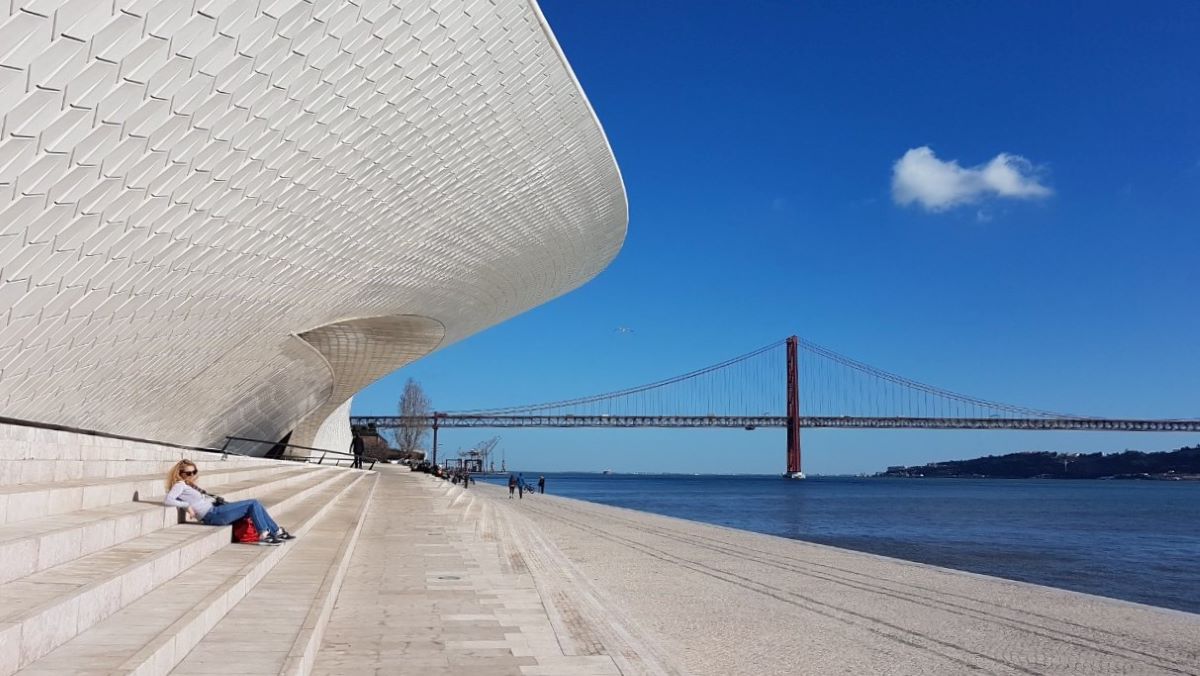
Be sure to visit the Carriage Museum and the Museum of Art and Architecture.
Get lost in the historic streets of Alfama

One of the best things to do in Lisbon for free is to walk around its various neighborhoods. Start with Alfama, the oldest and one of the most beautiful neighborhoods in the city, boasting an irresistible charm.
It is a real labyrinth of streets and squares filled with historical monuments, colorful houses with laundry hanging between them. Find cozy cafes, cute little shops selling authentic souvenirs, and many other photogenic corners that can only be discovered on foot.
Go down the narrow stairs to the heart of Alfama and you will see old Lisbon with crooked houses where people still live. Here, local grandmothers sell Ginjinha, a cherry tincture poured into chocolate glasses, right out of their windows. After drinking such a sweet glass, the colors become brighter and more cheerful, and the taste of “Drunken Cherry in Chocolate” candy spreads in your mouth – the price is 1-2 €.
Travel around the neighborhoods of Bairu Alto and Shiadu

Two other neighborhoods that are easy to fall in love with while walking around Lisbon are Bairro Alto and Chiado.
The bohemian neighborhood of Bairro Alto dates back to the 15th century, and you’ll find colorful street art, trendy bars, fado houses, and concept stores dotting its charming streets.
Its neighbor, the Shiadou (which dates back to the 16th century), is considered more sophisticated with its luxury shops, theaters, museums and boutique hotels. It even houses the oldest restaurant in Lisbon, Tavares, founded in 1784.
It is here that the so-called Pink Street is located. This street got its name because of the color of the sidewalk. But on the map, this pedestrian street is officially called Rua Nova do Carvalho. It is a very small street, but it is the epicenter of Lisbon’s nightlife. The New York Times even included it in the list of “12 Favorite Streets in Europe”. Throughout the week, street parties are held here, and locals and tourists alike attend to sit or stand with a glass of wine or cocktail at various bars.
Take a walk in the park Parque das Nações

The former site of Expo 1998, Parque das Nações, is located in the eastern part of the city. It is now a city park where you can admire modern architecture. From Santiago Calatrava’s Gare do Oriente to Alvaro Siza Vieira Pavilhão de Portugal, the park is a major attraction for connoisseurs of modern architecture. There are many riverside gardens and paths to admire the Tagus River and the second-longest bridge in Europe, the Ponte Vasco da Gama.
Arch of Rua Augusta
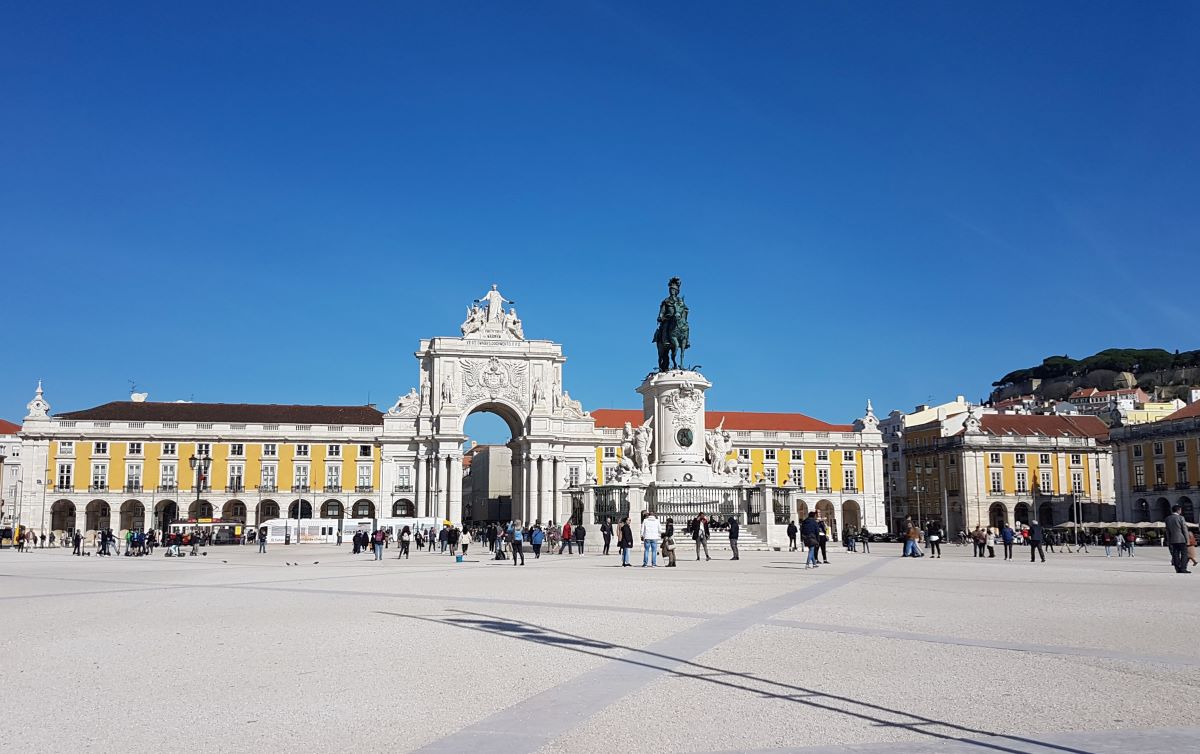
The Arch de Triomphe, which once greeted those arriving in Lisbon by boatnow. It offers visitors one of the best views of the city from above. From the foot of its giant sculptures, located at the top of the arch, a bird’s-eye view of Lisbon’s largest square, the Praça Comédica, opens up.
Free churches and cathedrals

Although Lisbon officially has two patron saints, Vicente and Antonio, the latter is by far the most popular and well-known. The small Baroque-Rococo church of Santo Antonio was built not far from the house where he was born in 1195. Since Santo Antonio is also known as the saint of matchmakers, pious newlyweds visit the church on their wedding day to pray, ask for protection, and give flowers.
Like most of the country’s 12th-century medieval churches, the Sé de Lisboa, or Lisbon Cathedral, was built on the remains of an old mosque after the first king of Portugal, Afonso Henriques, took the city from North African Muslims. Over the centuries, renovations have added Gothic and Baroque details to the original Romanesque structure and interior. For a fee, visitors can enter the monasteries to see ongoing archaeological excavations.
Free concerts in Museu do Fado
Visiting the homeland of Fado, it will be interesting to enjoy a live performance of this soulful music. If you are interested in free activities in Lisbon, one of the options is to listen to Fado. Do it in the bars and taverns that offer free fado shows. Among them are Tasca do Chico (it’s crowded, so come early), or A Nini and Povo.
If you’re looking to skip the crowds of a traditional restaurant with live performances, check out the website Fado Museum website to find out about upcoming free concerts. These performances range from established, classic fadistas (fado singers) to newcomers and reinterpretations of Portuguese urban fusion songs. Tickets must be booked in advance.
How to find cheap flights to Lisbon
Where to look for cheap accommodation in Lisbon
I traditionally look for hotels and apartments on Booking.com :
Booking.comUseful articles and links:
- Alentejo Coast – where to find the most beautiful wild beaches in Portugal
- 10 tips for those traveling to Portugal for the first time
- Top 20 places to see in Lisbon
- Cascais – a beach resort near Lisbon
- Algarve – the best beaches in Portugal