Top 20 things to see in Malta – Valletta, Gozo, the Blue Grotto and the Blue Lagoon, Malta’s beaches, temples and churches, hiking trails.
If you’re planning a trip to Malta, you’ll need this list of places to include in your travel itinerary. You can see all of them in one week. Because Malta is a small archipelago and you will definitely have time for everything, provided you don’t lie on the beach all day.
Here is my top 20 in Malta and the neighboring islands of Gozo and Comino.
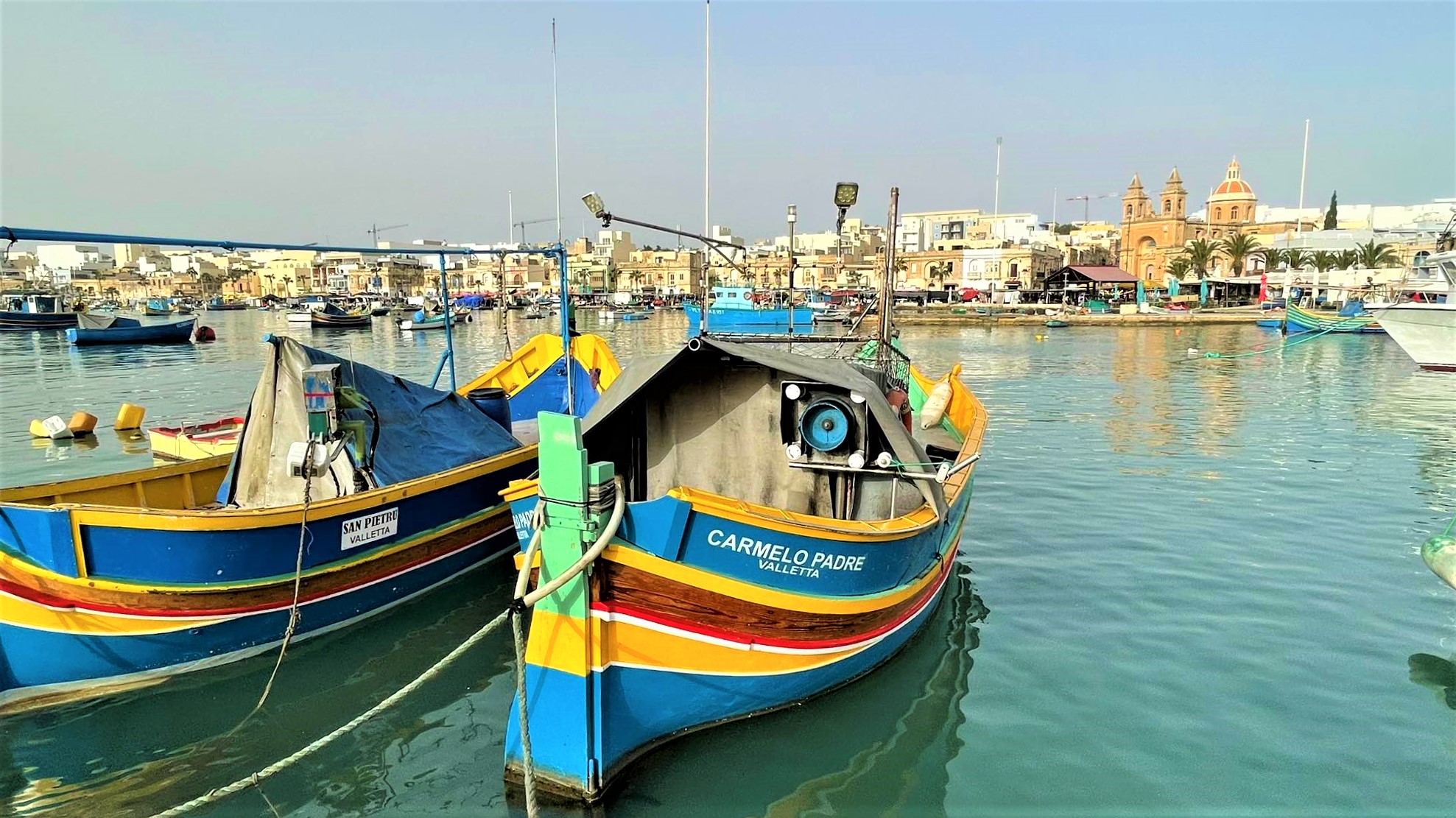
1.Visit the fishing village of Marsashlokk
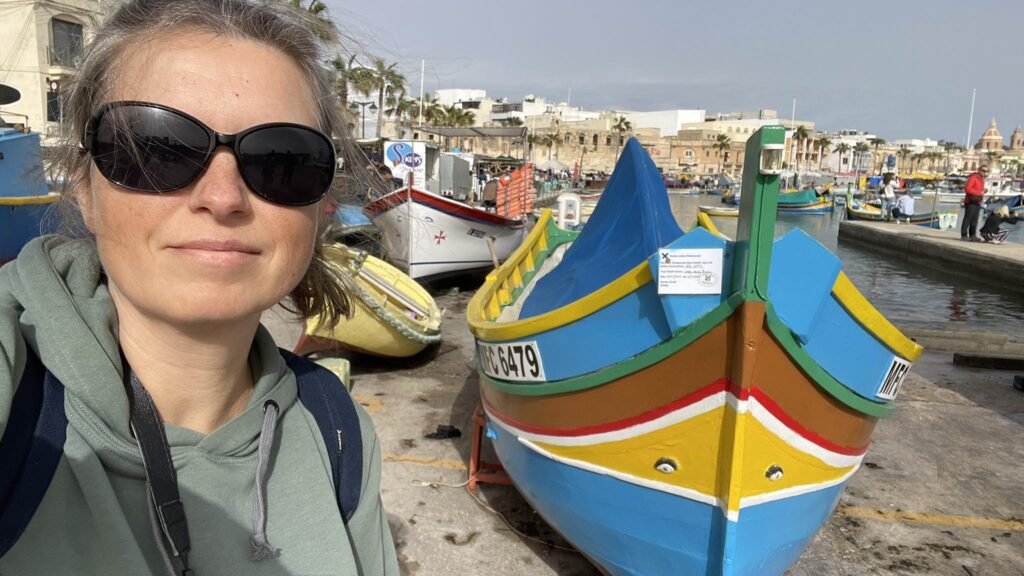
The fishing village of Marsashlock, located an hour by bus from Valletta and known for its colorful Lucca boats and fishing traditions. On Sundays, the village comes alive with the famous Marsashlock fish market, where fishermen sell their morning catch. In addition to fish, you can buy fresh vegetables, groceries, clothes, and other household items. As well as souvenirs, spices, delicious sweets – Maltese cannoli, tubes with different fillings.
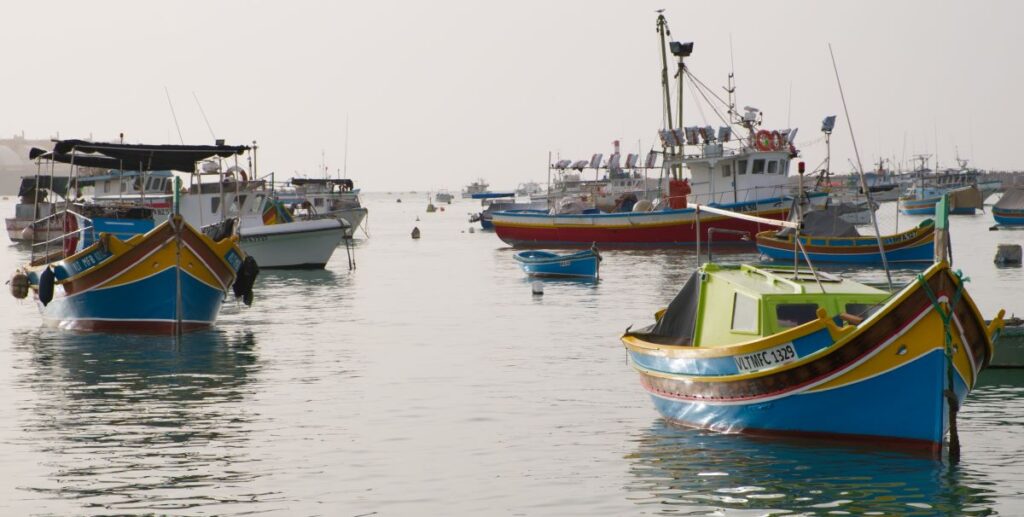
Taste the best seafood of Malta, including the specialty of the Marsashlokka, lampuki, in the restaurants of Marsashlokka. This white and fleshy popular seasonal fish (also called dolphin fish or mahi-mahi) arrives on the shores of Malta between August and December. At this time, it can be found in any form: fried in breading, stuffed in pies, cooked fillets with tomatoes and capers – all equally delicious.
Getting there: from Valletta by bus #80, 81, 82
Recommend to read: The best places for your first solo trip
2.Mdina and Rabat – visit the ancient capital of Malta

Mdina and Rabat, located in the heart of Malta, are two cities that are actually merged into one and are rightly included in the list of “the most popular things to do in Malta”. If you go to Mdina by bus, your route goes through Rabat. So take a stroll through the charming streets of Rabat, go down into its catacombs, sit down at a cafe, try a Maltese rabbit and observe the daily life of a typical Maltese city.
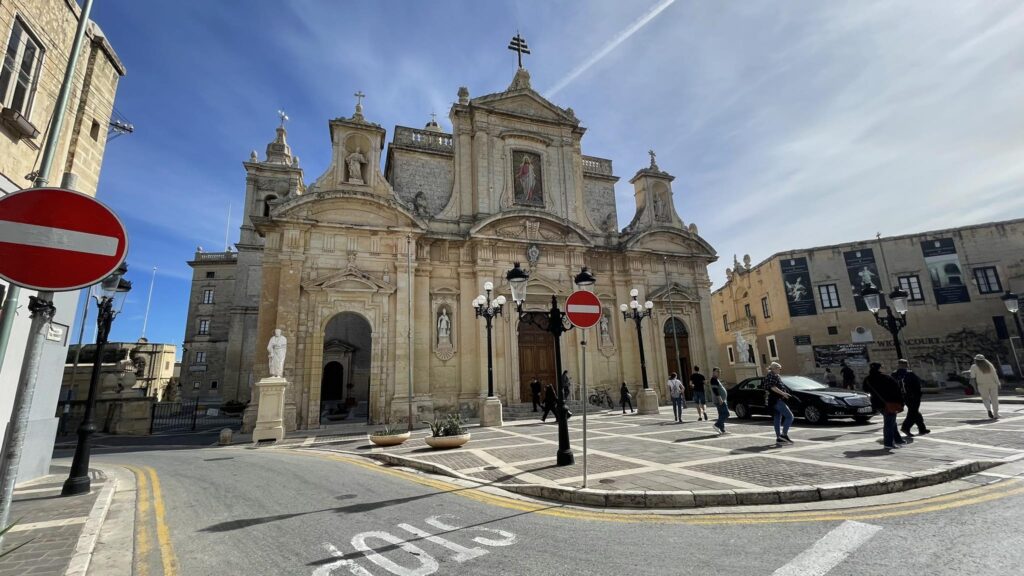
After that, walk across the moat on an old bridge to the fortified walls of Mdina. This is the ancient capital of Malta, a partially medieval city that was later decorated with fantastic Baroque architecture during the time of the Knights Hospitaller. Mdina is called the Quiet City, and its winding, narrow streets and neighborhoods will transport you back in time. Take a walk in Mdina, look at the island of Malta from its walls – there is a good observation deck, visit the Cathedral. And if he wants to see the Mdina vespers, he will stay in one of the hotels in the old city. Book a hotel in Mdina on Booking.com.
Getting there: from Valletta by buses #51, 52, 53
3.See the Blue Grotto from the view piont and boat

Located along the southern coast of Malta, the Blue Grotto is a series of sea caves carved into the spectacular limestone cliffs of the Maltese coast. The name Blue Grotto is aptly named because of the color of the blue water in the arches and caves. The blue color appears in this place because white sand accumulates at the bottom. And directed sunlight through underwater passages illuminates the sand through the water column.
I saw the Blue Thunderbolt from two different places: an observation deck above the grotto (35°49’19.8 “N 14°27’26.6 “E), and a boat that can be used to get to the caves and arches of the grotto.
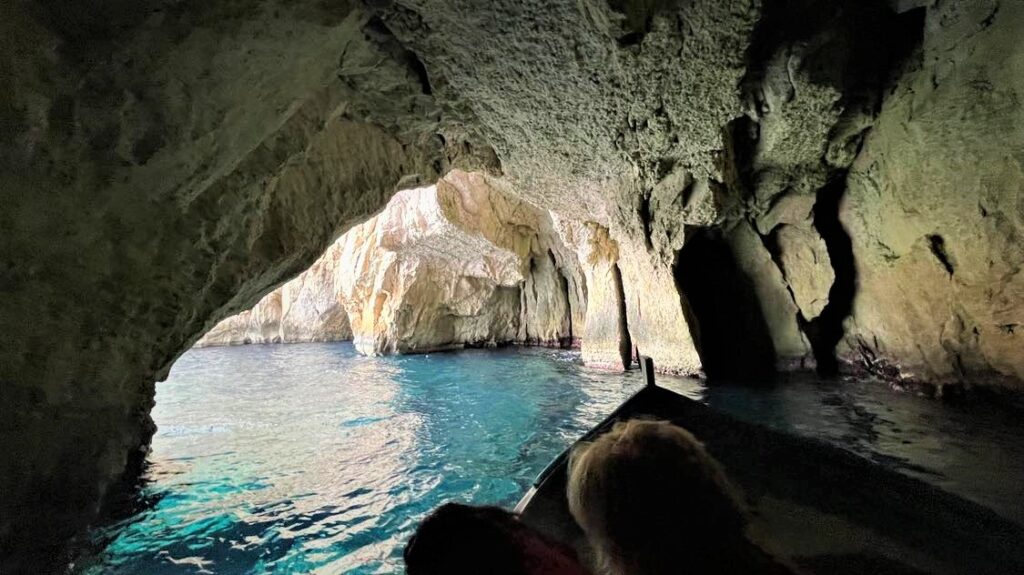
The observation deck is located on the side of the highway, not far from the road connecting Rabat to the airport. From there you can see the arches of the grotto – very beautiful at sunset.
You can rent a boat right next to the Blue Grotto bus stop, where the Blue Grotto Canal has piers from which excursions to the grotto depart. I highly recommend this excursion, preferably on a sunny day – so you can see all the beauty of the blue water in the caves, as well as the red corals growing on the rocks of the grotto. The cost of the tour is 10 Euros.
Getting there: from Rabat or from the airport there is a bus number 20
4. Three cities to immerse yourself in the history of Malta
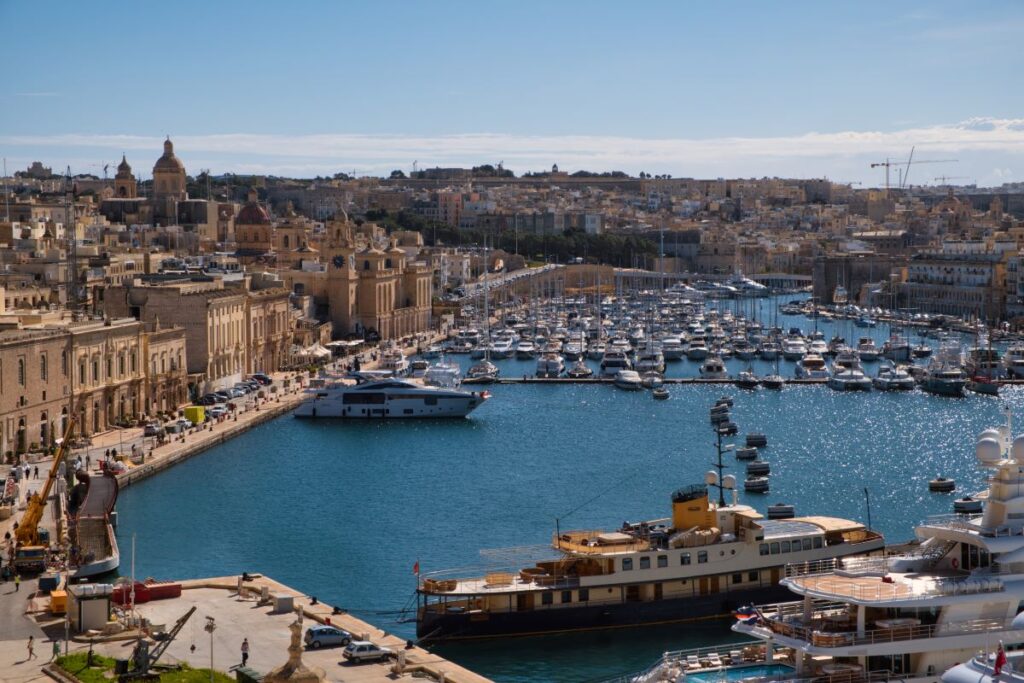
“The Tree cities ” is the name given to the three cities of Birgu (Vittoriosa), Senglea and Cospicua located south of Valletta, on the other side of the Grand Harbor. These three cities are considered the cradle of Maltese history. A trip to the Three Towns is well worth it – unlike other tourist areas of Malta, the Three Towns retain their authentic atmosphere. The spirit of the “old days” is still present, and it has hardly been touched by modern life.
I had time to walk around the yacht marina and the narrow streets of Birgu, visited Fort Sant’Angelo, which is located opposite Valletta and is a refuge of the Order of Malta, inside which there is a museum for lovers of historical information. If you’re not really interested in museums, dive right into the streets of Birha to observe the life of the locals and listen to the roll call of bells from ancient churches. You can walk around two rows of fortress walls for free, from where you can see Valletta from this bank.
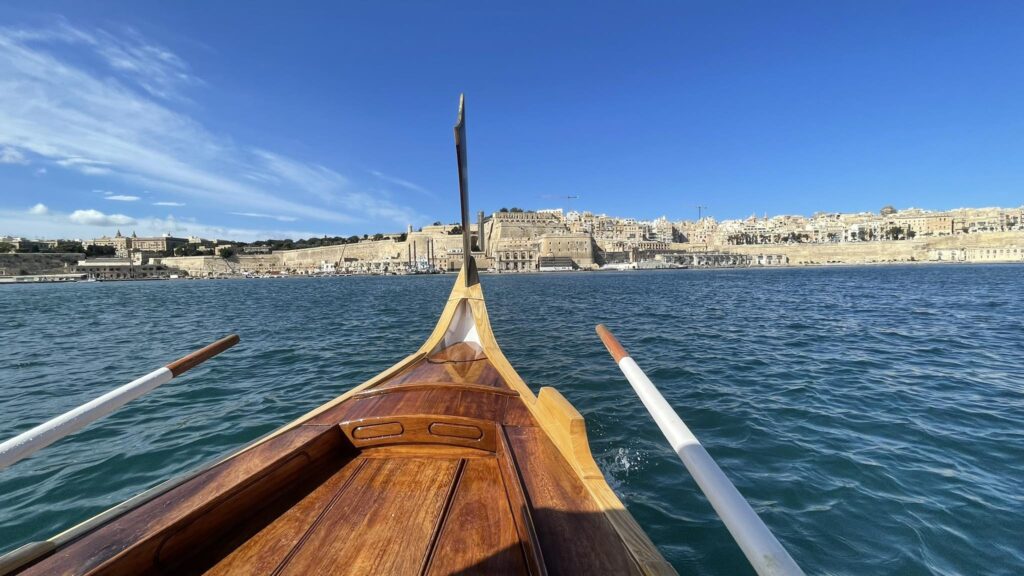
And also walk along the marina in Birgu, which is the center and heart of the Three Cities. You can get here by ferry from Valletta to Birga, as well as by an old boat dgħajsa – the price is the same, 2 Euros one way. But the second option is more authentic – I liked it for the unique opportunity to look at the Valletta skyline from the water without the ferry crowd.
Getting there: by boat or dgħajsa boat from Valletta for 2 euros.
5.Old Valletta – walks in the capital of Malta
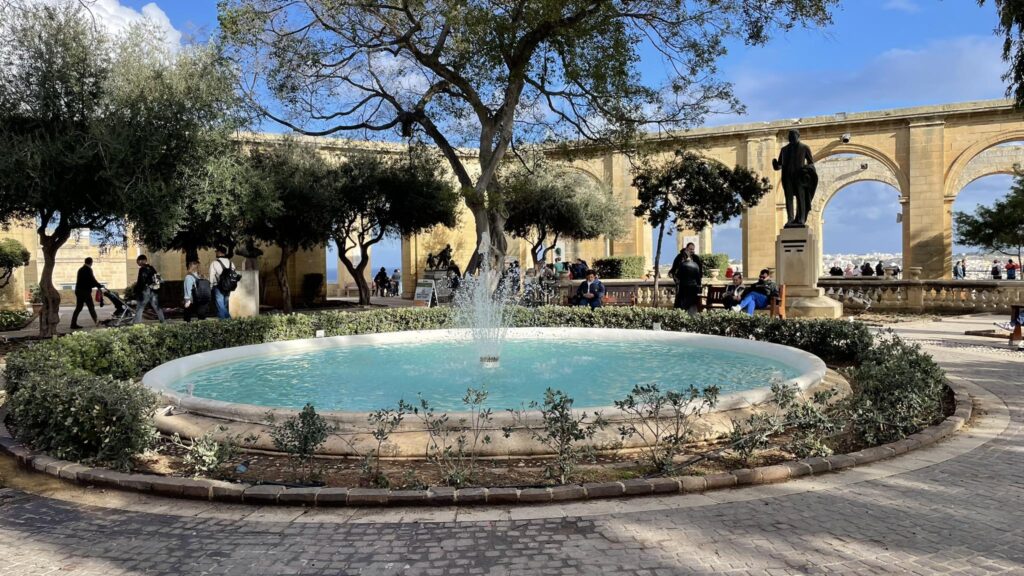
The charming capital of Malta, Valletta, a UNESCO World Heritage Site, is both a 16th-century citadel and a lively city of today. It was built by the Knights of St. John after they almost lost Malta to the Ottoman Turks in 1565. This grid of glowing streets with colorful balconies is less than one square kilometer, the perfect size for a day or two of wandering around.
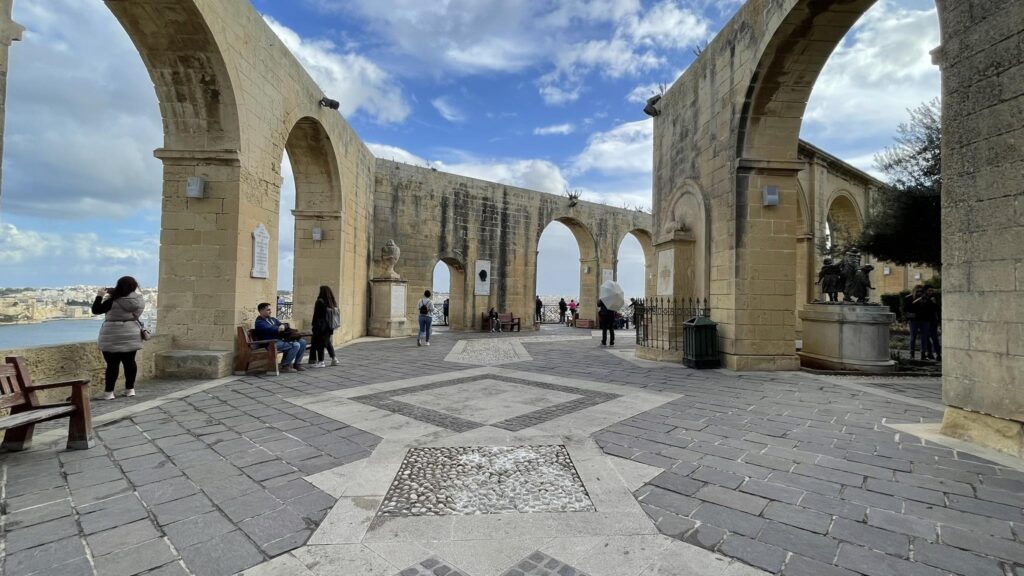
Start at the Barracca Upper Gardens for panoramic views of the Grand Harbor. And then visit the central square, cooled by a fountain and decorated with the Grandmaster’s Palace, a street with stairs. Also, don’t miss a visit to the Lower Barracca Gardens, which are not too busy with tourists. This park in the northeastern part of Valletta, located at the very edge of the water, is particularly impressive. It has a stunning view of the temple commemorating Sir Alexander Ball, the British naval captain who captured Malta from the French in 1800. The adjacent Memorial with a large bell commemorates those who died during the siege of Malta during World War II.
6.Blue lagoon on the island of Comino
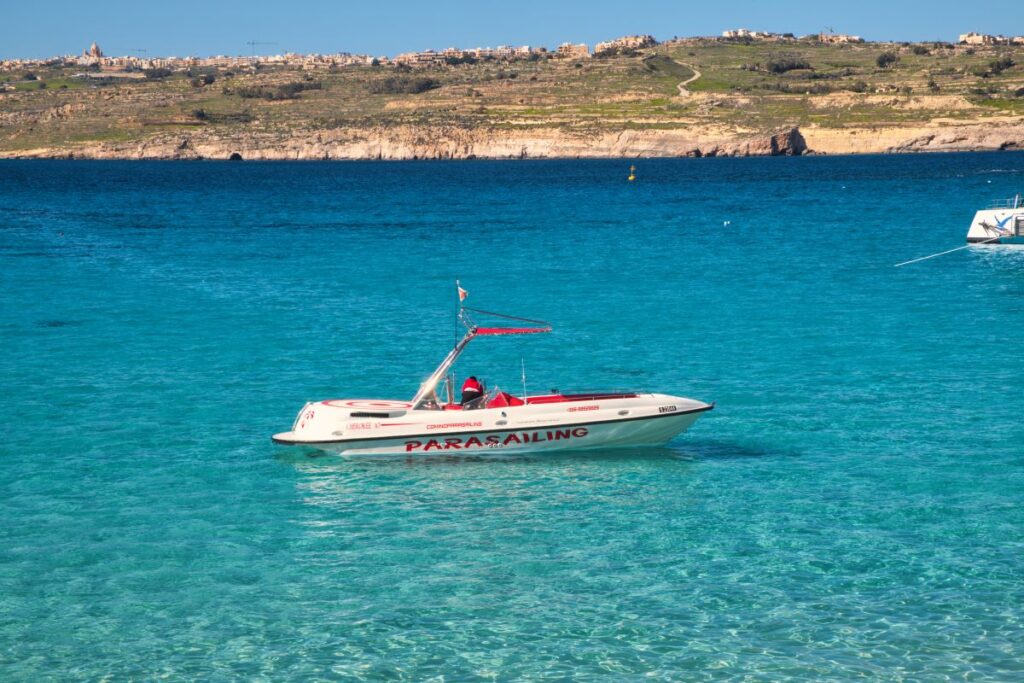
One of the most memorable day trips in Malta is a trip to the Blue Lagoon on the island of Comino. It is a protected stretch of light blue water between Comino Island and Cominotto, surrounded by caves and rocky shores. It is the best place in the country for swimming and snorkeling on a hot summer day.

It can be crowded here due to the crowds of tourists, and there is little room for sunbathing on land, as well as no shade (bring your own umbrella). But if you decide to stay here overnight in a tent, or in the only hotel on the island, the Comino Hotel, in the morning you can see the pristine beach and swim alone in the crystal clear water.
Getting there:
- Ferry Gozo-Comino-Gozo – 10 euros for a regular round-trip ticket, 15 euros with the opportunity to see the grottoes of Comino.
- The Malta-Comino-Malta ferry is the same, 10 euros for a regular round-trip ticket, 15 euros with the opportunity to see the Comino grottoes.
- You can also pay for a one-way ticket(5 Euros). For example, you can sail from Malta to Comino, stay there, and then catch a ferry to Gozo, paying another 5 (or 10) euros, depending on whether you want to see the grottoes. This option is possible, but boat owners are not very happy when asked about it. So they may refuse – be aware of this as well.
More information: Comino Island, Malta – how to visit the Blue Lagoon
7.Dingli cliffs – a walk along the coast of Malta
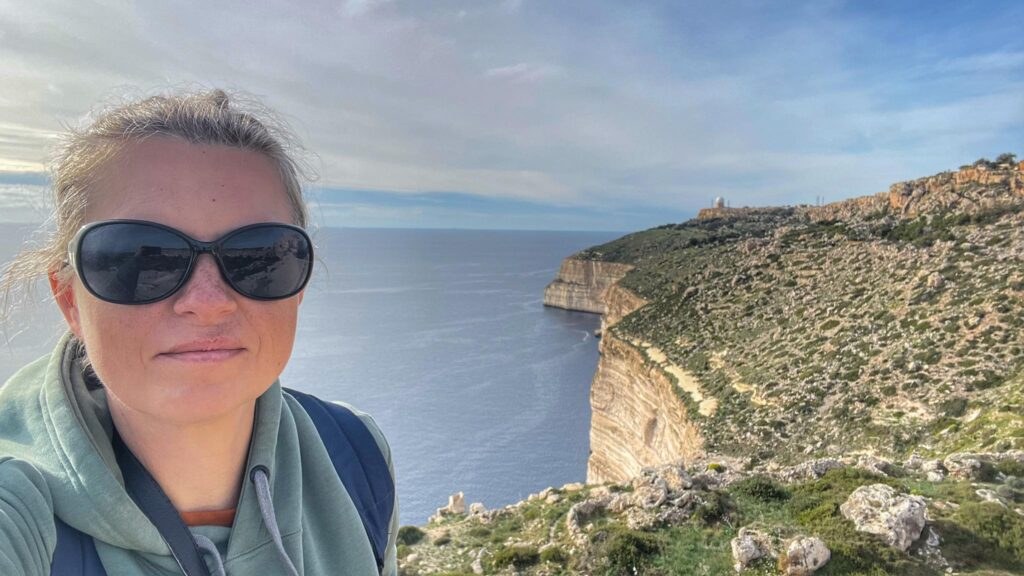
Dingli Cliffs is a natural attraction worth seeing after visiting Rabat. I had a rabbit lunch in one of the cafes in Rabat (14 euros for a portion with potatoes and a bottle of beer), got on a bus and went to the town of Dingli. The bus will bring you to the cliffs, stopping at the seashore near the tower with the dome (airborne radar), or the next one near the small St. Mary Magdalene Chapel on the cliff.
Follow the well-marked hiking trails along Malta’s highest sea cliffs, over 200 meters high, offering views of the island’s rocky west coast and the tiny islet of Filfla. The charming chapel of St. Mary Magdalene Dingley was built in 1646. But, as for me, the best view of the rocks can be seen if you walk (or take a bus) to the Zuta bus stop (35°50’39.9″N 14°23’54.7″E). Here, on a small promontory, there are ruins from which the Dingley Cliffs are best seen – and they are beautiful.
Getting there: from Rabat there is a bus #201
8. Popay village is an interesting family attraction
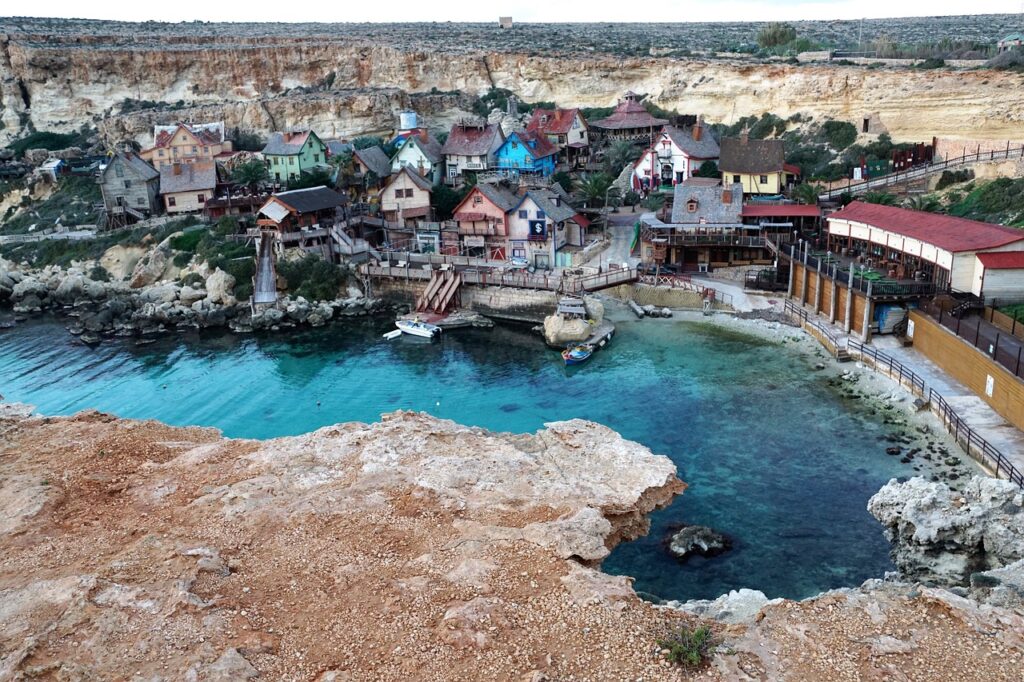
Popeye Village is a tourist village on the island of Malta that was built for the filming of the 1980 movie Popeye. starring Robin Williams. The village was built in the natural bay of Anchor Bay and remained after the filming was completed, turning into a popular tourist destination. Here you can see the original scenery, meet the characters, visit shops and restaurants. Popeye’s Village has various activities for visitors, such as shows with Popeye and his friends, comic book drawing workshops, and other entertainment for adults and children. The entrance fee is from 15 to 24 euros for an adult ticket (depending on the season).
In fact, you don’t have to buy a ticket to the village, but can look at it from an observation deck on the opposite cliff. From here you will get a great view of the scenery for an old movie, take a bunch of photos (but there may be a line of people waiting) – and this part is free. You can also take a nice walk from there to the Golden Bay.
Getting there: from Valletta to Malleja by bus 42, 41, 250 – then by bus 101
9. Dwejra Bay on the island of Gozo

One of the most beautiful places on the island of Gozo is the Bay of Dwejra, which is lined with coastal hiking trails. This is the former location of the Azure Window , a rock arch that unfortunately fell into the sea in 2017. Despite the decay of the arch, the coastal landscapes of Dwejra remain vivid and impressive. Plan to spend the rest of the day at this particular place.
You can see and take a boat ride through the Inland Sea, a rock-surrounded lagoon with a tunnel leading to the open sea. Walk along the trails along the rocky shores north to south of the bay. Wait for the sunset, which paints the rocks and sandstones in orange and red colors – believe me, it’s very beautiful!
How to get there: bus №305 Victoria – Sannat
10. St. John’s Cathedral in Valletta
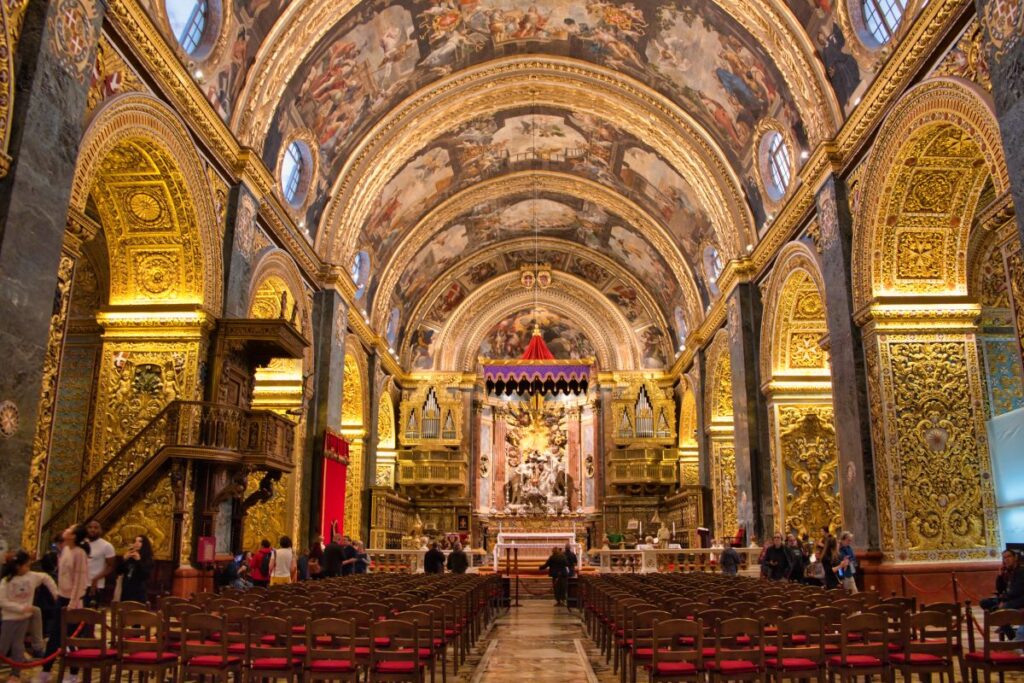
Visit St. John ‘s Cathedral – I was almost nailed to the floor by its decoration. I have never seen so much gold and marble in any other cathedral in the world. This cathedral is also a real museum – here you can see paintings by Caravaggio, who lived and painted in Malta. It is his painting of the Beheading of John the Baptist that is located here.
The cathedral has a very restrained architecture, built of traditional Maltese sandstone. But buying flowers for 15 euros will take you to the incredible luxury of its interior. On the floor of the cathedral are the graves of Maltese knights, decorated with colorful marble patterns and inscriptions. The walls and ceiling were to be covered with paintings and gold leaf. Be sure to take an audio guide – it will help you understand the historical events of the times when the cathedral was built and tell you details about its decoration and the history of the Order of Malta.
11. Carnival in Valletta
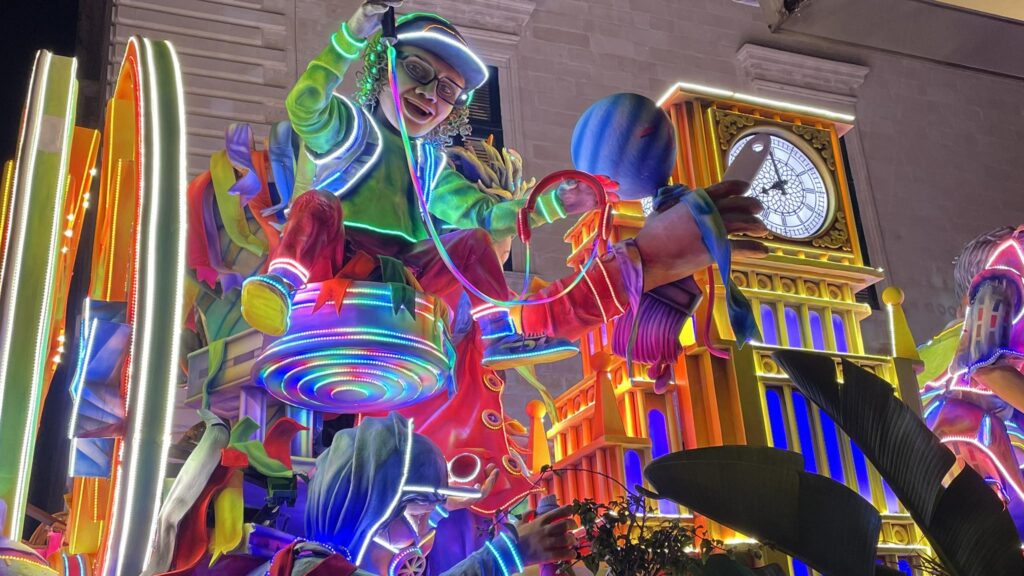
Festivals are a key component of Maltese culture: no weekend is complete without a street party, live event, or loud celebration. Many holidays are associated with the days of Catholic saints, which are numerous and stretch throughout the year.
In particular, Valletta annually hosts one of the best carnivals in Europe, and I highly recommend visiting it. Huge platforms with figures of fairy-tale heroes and modern stars moving to the music, blowing confetti and soap bubbles into the sky, travel around the city. The streets of the capital come to life with unique platforms on which giant figures of stars and blockbuster heroes move, costume parades with fancy costumes and loud music. However, several cities around the island celebrate their own version of the carnival. Music is playing, people are dancing in incredible costumes – it’s a real celebration!
12. Megaliths of Malta and Gozo
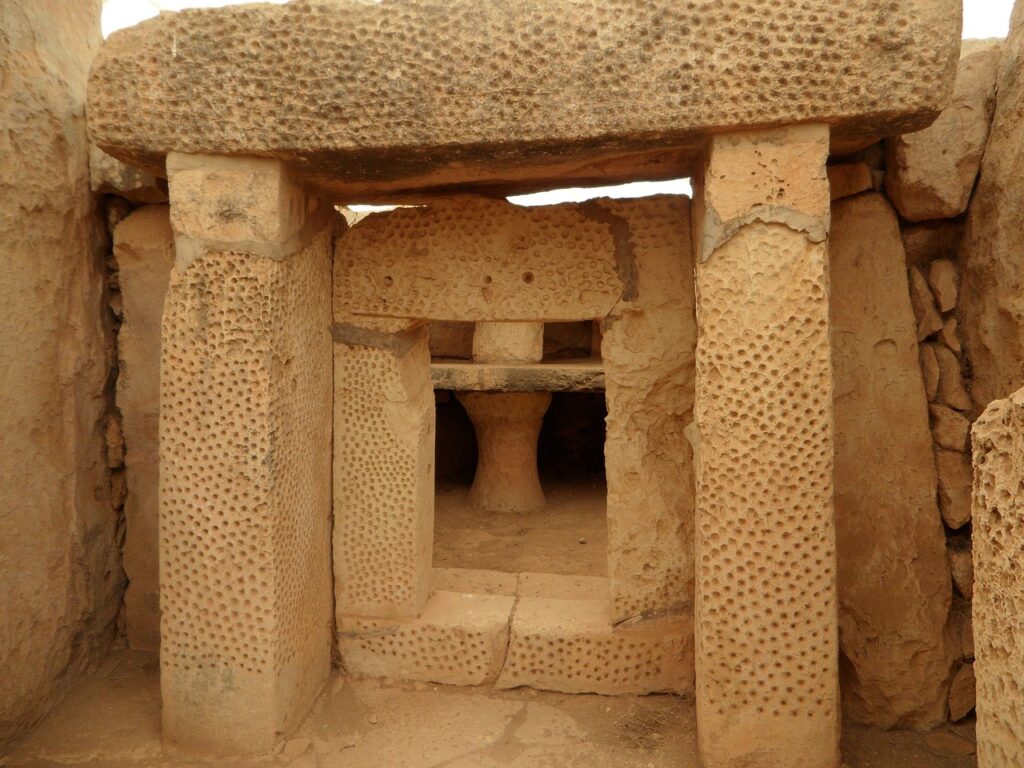
Malta ‘s extraordinary Neolithic temples are the oldest stone architecture in the world and a UNESCO World Heritage Site. Temples that were built before Stonehenge and the Great Pyramids of Giza. These are buildings with monumental doorways, curved rooms (once decorated with plaster and ochre), stone furniture, and statues (the originals are now in the National Museum of Archeology). In mythology, they were considered the homes of the Cyclops.
The best-preserved temples are Mnajdra and Hagar Kim, and the least preserved are Tarksiene and Ggantija on the island of Gozo. Those interested in history have more to marvel at underground in the unique megalithic temple of Hal Saflene, a three-layer complex of tombs with chambers carved into the rock. It is interesting that some of them are so flawlessly executed that they look like temples of unearthly civilizations.
Getting there: To Mnaïdra and Hagar Kim temples take bus 201 from Rabat and 74 from Valletta, to Ggantia temple take bus 307 from Victoria, to Tarksiene and Hal Saflieni take buses 92, 93, 94 from Valletta.
13. Relax on the beaches of Malta

Sightseeing is great! But when you’re surrounded by sparkling blue waters warm enough to swim from June to early November and the sun shines 300 days a year, it’s hard to resist. From the wide yellow sands of Golden Bay to the rocky coast of Sliema, Malta’s longest sandy beach in Mellieħa to hidden coves like Peters Bay. Not to mention the magnificent beaches of Gozo – there is no shortage of choices. Need help making a decision? Read a separate guide to Malta’s sandy beaches.
Getting there: Buses 44, 101, 223, 225 go to Zolota Bay.
14. Explore the citadel of Gozo
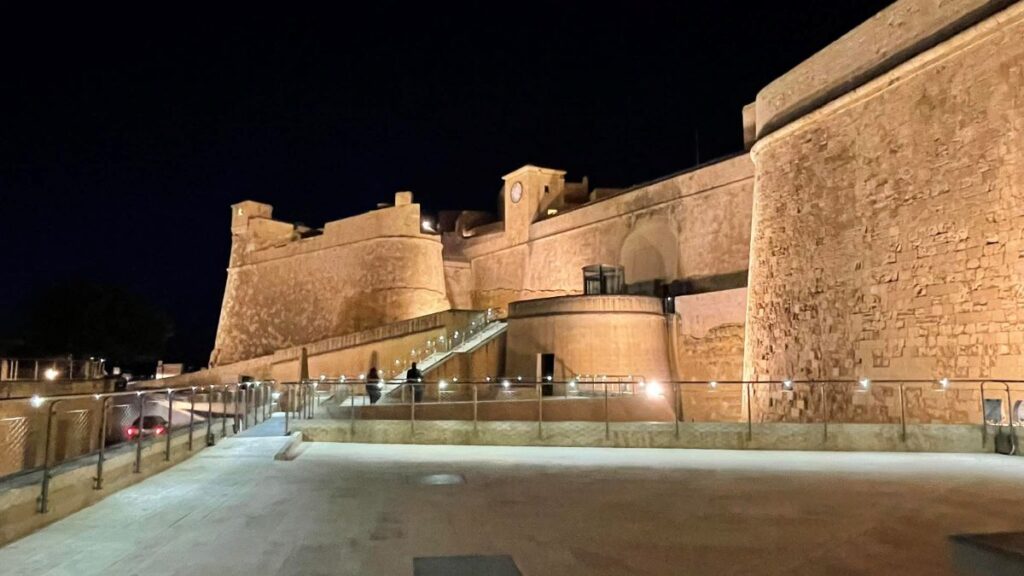
The magnificent Citadel on the island of Gozo is an ancient acropolis that was turned into a medieval fortress. Today, its majestic fortifications house several churches (including the impressive Gozo Cathedral), museums, World War II bunkers, old grain storage facilities, and even a prison. Most of them can be seen for free, but for just 5 euros you will get access to all the most interesting ones. In any case, finish your tour with a walk along the crags of the fortress walls, which offer some of the best views of Gozo as far as Malta.
15. Bars and cafes on the Valletta stairs
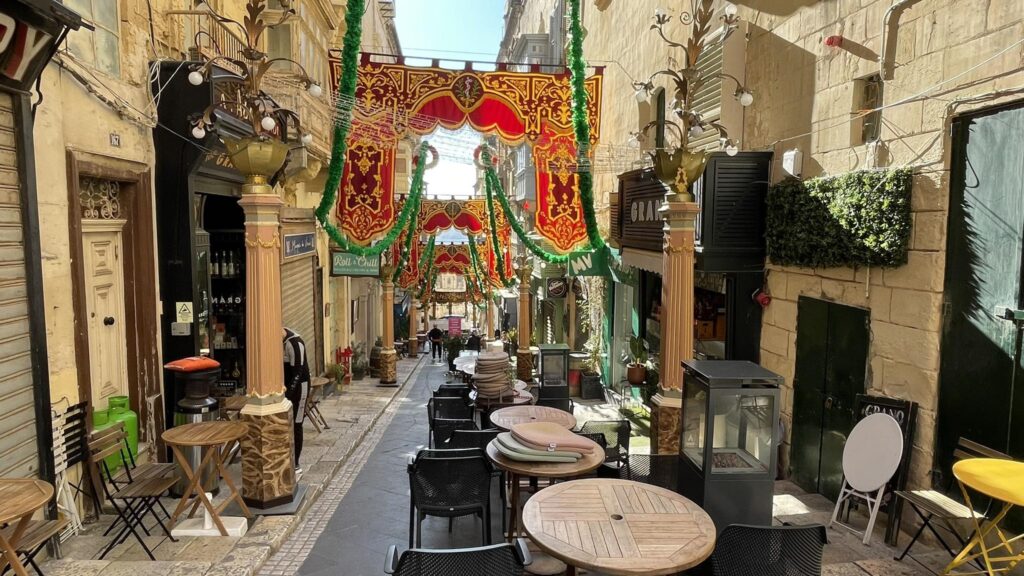
Sitting in a bar, having a drink and watching the city is one of my favorite things to do when traveling in Europe. And Valletta was no exception. There are many places to enjoy wine, coffee, and outdoor living throughout the city. Choose a cafe or bar for yourself: a picturesque place for coffee in the morning, or a noisy bar at night. For example, the cozy Lot 61 Coffee Roasters near the city market, where they make delicious third-wave coffee. Or sit under the twinkling evening lights at one of the bars on St. John’s Street, enjoying views of the Grand Harbor and its enchanting waters.
I advise you to read it: Where is the best place to stay in Malta
16. Visit the Ghar Dalam cave
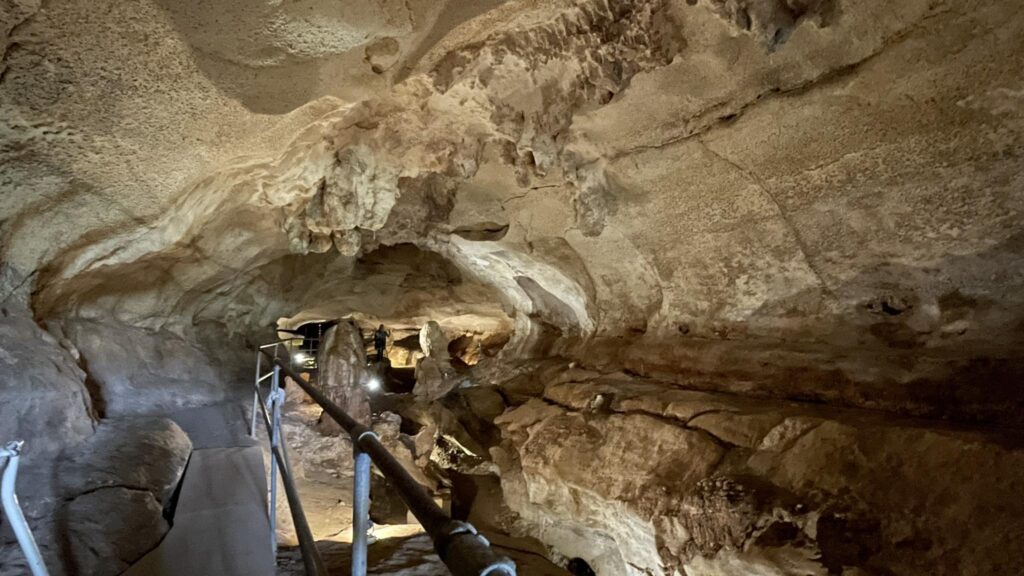
The amazing Ghar Dalam Cave or“cave of darkness” is one of the visiting cards of the island of Malta. It is located in the south of Malta near the town of Birzebbuja and attracts not only scientists and archaeologists but also tourists from all over the world. I also looked into the dungeon, where layers of bone remains of animals that died out during glaciation were discovered. It was in this cave that traces of the earliest people who lived in Malta for about 7400 years were found. back. A small museum on top will also be interesting to explore – a ticket costs 10 euros.
Getting there: Buses 80, 82 from Valletta.
17. Have fun at the Splash & Fun Water Park
Splash & Fun Waterpark is one of several water parks in Malta offering fun and adventure for children and adults. There are several pools in the park, including a wave pool, a “slow river” and water slides, such as the Black Hole, a 120-meter-long tubular slide that descends from a height of 12 meters. Throughout the day, visitors of all ages are offered entertainment: dancing, aqua aerobics, face painting, and various games and competitions both in the water and on land. In the evening, the park hosts themed entertainment, and on Sundays, a buffet lunch with live music is organized. The park is open even in the winter months, with indoor and outdoor playgrounds for children from early childhood to teenage years.
Getting there: by bus from Chirkiew, 103, 212, 222, 225; from Valletta, TD13.
18. Walking between the cities of Marsaskala and Marsashlokk
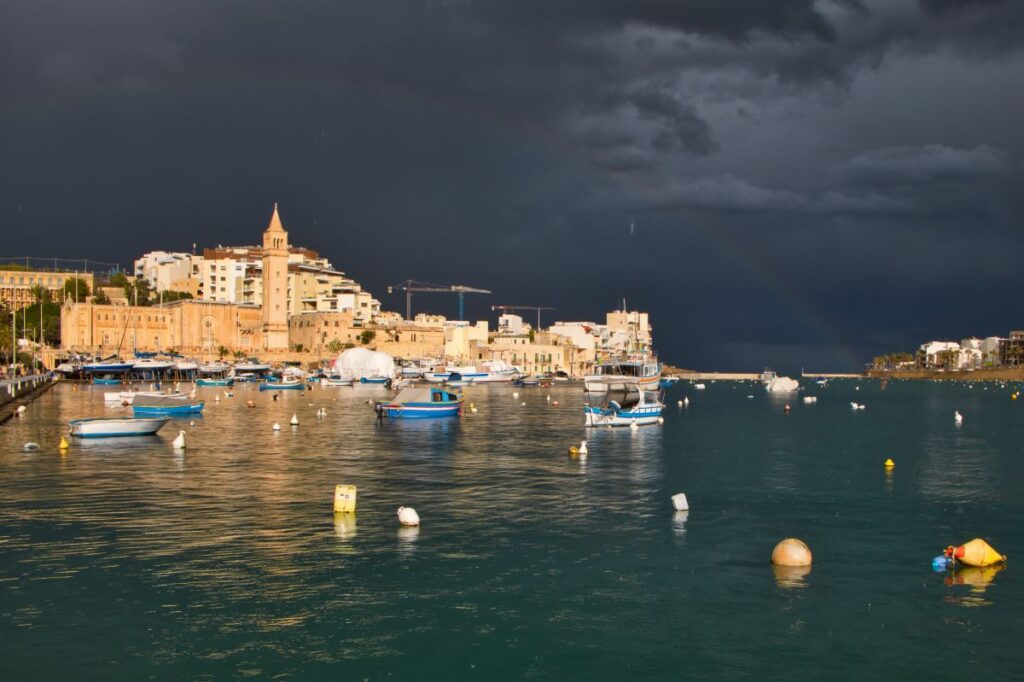
This route, almost 7 km long, connects two southern Maltese towns – Marsaskala and Marsashlokk. It begins with a detour around St. Thomas Bay in Marsascal, past the 17th-century defensive bastions and St. John’s Tower. Thomas and Mamo, and then heads inland through sun-warmed farmland to the fishing port of Marsashlock. Along the way, you’ll find not only historic buildings and stone beaches. There also a lot of cute cafes where you can stop for a cup of coffee. If you don’t want to take the bus in the opposite direction, I advise you to take an additional route to the Delimara Fort and the natural pool in the Gulf of Il Kalanka.
Getting there: Buses 91, 92 from Valletta, 119 from the airport.
I advise you to read it: Hiking in Malta – hiking routes along the sea and cliffs
19. Kbajar salt mines on the island of Gozo
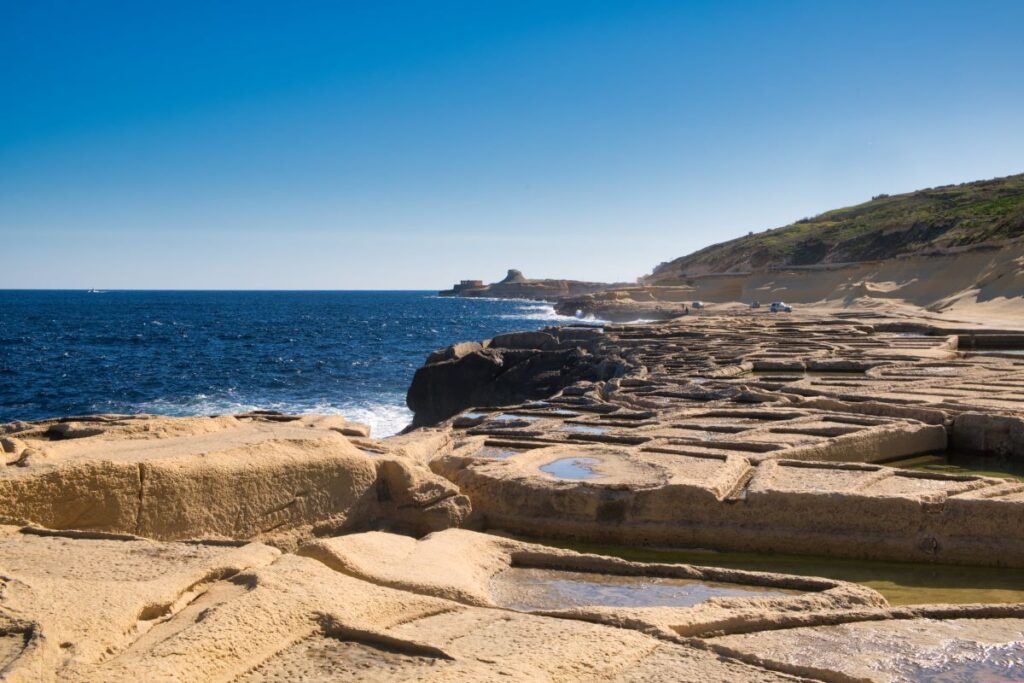
I highly recommend seeing Panwie Solne – special formations made in the rocks for evaporation of sea salt. They actually exist in different places on the islands of Malta. Because this is how salt was mined on other islands of Malta as well. But the large-scale ones are located near the village of Żebbuġ in the Bay of Kbajar.
Over the centuries, the limestone strata that form the shore west of Kbajar Bay on Gozo’s northern coast have been carved into a series of shallow basins to allow for salt extraction. During hot periods, the pools filled with seawater evaporate, leaving a priceless product. There are a few families who still use the pools, and you can buy salt from a small roadside kiosk.
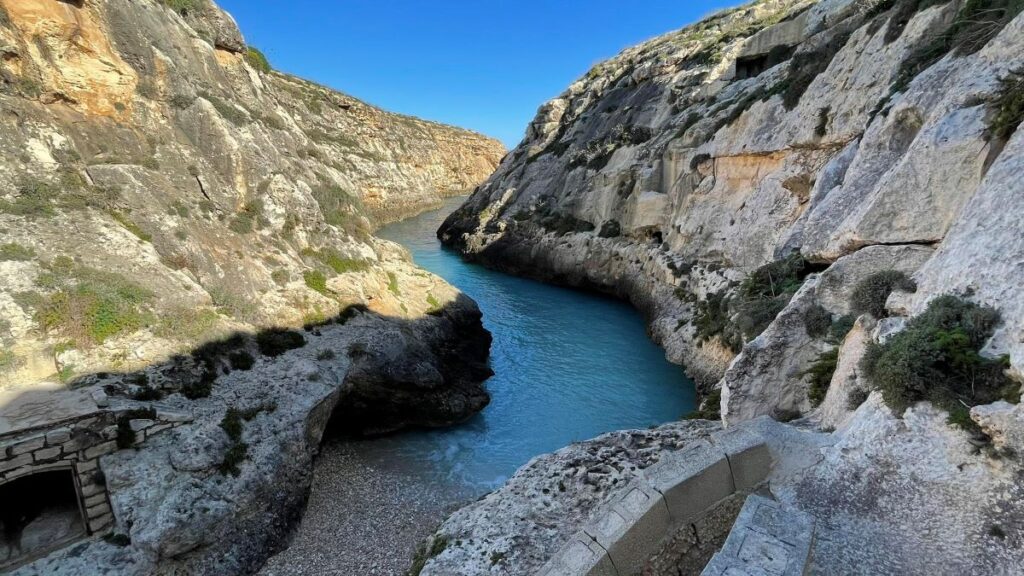
I advise you to take a bus to Malsarforn and start from there. Than walk to all the salt mines, reaching the small narrow bay of Wied il-Għasri. This is a very beautiful bay, which is accessed by a path and stairs. And the water in the bay is incredibly blue.
Getting there: buses #309, 310 from Victoria.
20. Explore the cuisine of Malta
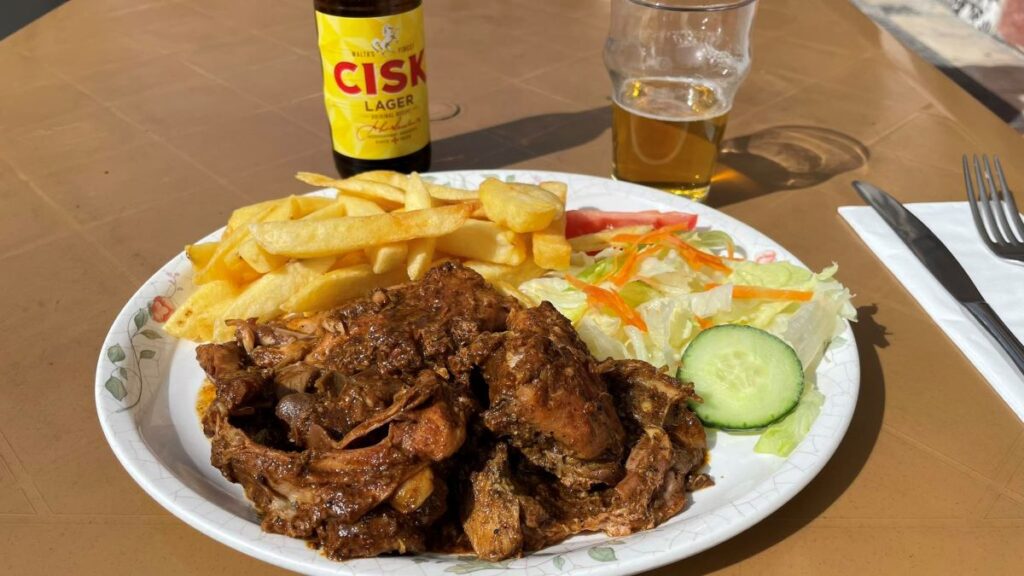
Maltese cuisine is both fresh and flavorful, combining Italian, French, British and Arabic culinary influences. Maltese restaurants serve traditional dishes, including rabbit stewed in wine and Mediterranean seafood. And street food is pastizzi pies with traditional ricotta or pea fillings. Most cities have clusters of pasticerias, small fast food establishments that specialize in pasta
Another Maltese specialty is ftira, a traditional Maltese bread baked in a flat ring. It is delicious sandwiches, usually stuffed with a mixture of olives, capers and anchovies, along with a spicy local tomato paste made from sun-dried tomatoes ground with rosemary, sugar and other secret ingredients.
Useful links for traveling to Malta:
Car rental – I am looking for inexpensive options on DiscoverCars
Booking hotels and apartments – traditionally on Booking.com
Travel Medical Insurance – online on the EKTA
Excursions in Malta – book in advance on GetYourGuide
Buses in Malta and Gozo on the website of the transport company of Malta.
High-speed ferry from Malta to Gozo – tickets are available at the ticket office or online on the ferry’s website.
What else to read:
- Malta – how to plan a trip for 7 days
- Transportation in Malta – the best way to get around the islands
- Gozo Island, Malta – what to do in two full days
- Valletta in two days – what to do in and around the capital of Malta