In the east of the Czech Republic, almost on the very border with Poland, lies the country’s third-largest city – Ostrava.
Ostrava is the largest industrial city in the Czech Republic, which is not pampered by tourists at all. The Czechs themselves call Ostrava the “iron heart of the Republic.” Because this city has a developed metallurgical and coal industry, where the majority of its population used to work.
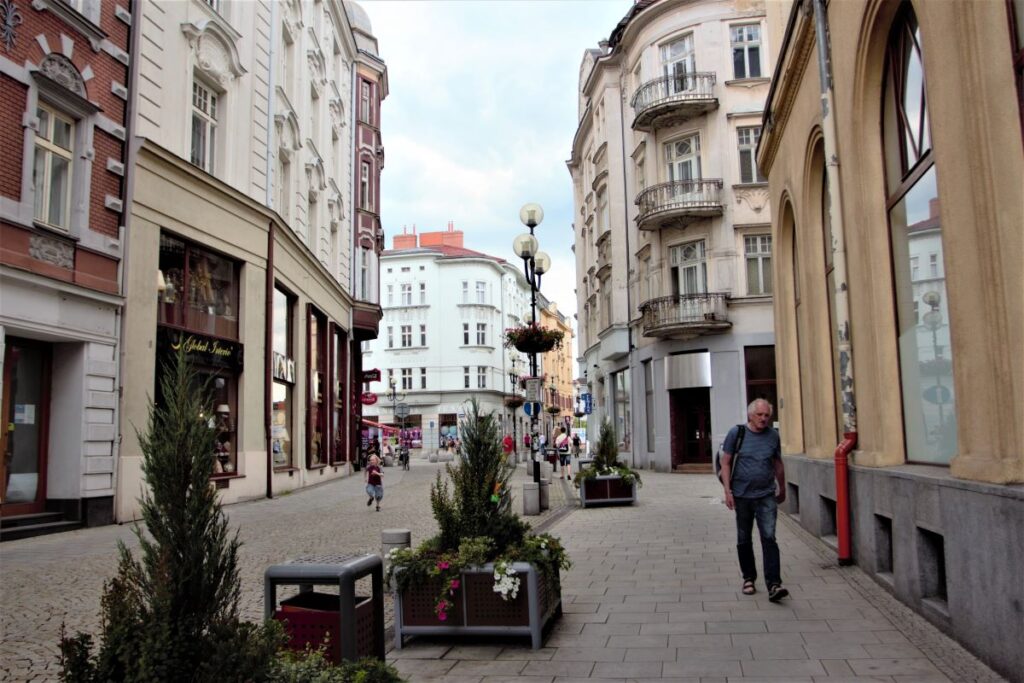
Tourists do not often come here, as everyone is used to the fact that Czechia is a country of castles, small doll-like towns, and medieval architecture. But Ostrava has a lot to offer the curious minds who want to see not only castles and souvenirs. Ostrava completely breaks all stereotypes – in the place of one of the most ecologically polluted cities in Eastern Europe, a museum cluster emerged, dedicated to the Czech industrial heritage.
Today in Ostrava, most of the buildings that once belonged to plant administrations have been converted into art galleries and concert halls, and on the site of mines, metallurgical plants, and blast furnaces, interesting museums have appeared. Incredibly, this small by our standards industrial Ostrava is home to 37 galleries. If you’re planning a trip there, or you live near Ostrava – here is your travel plan for this city.
What to do in Ostrava city center?
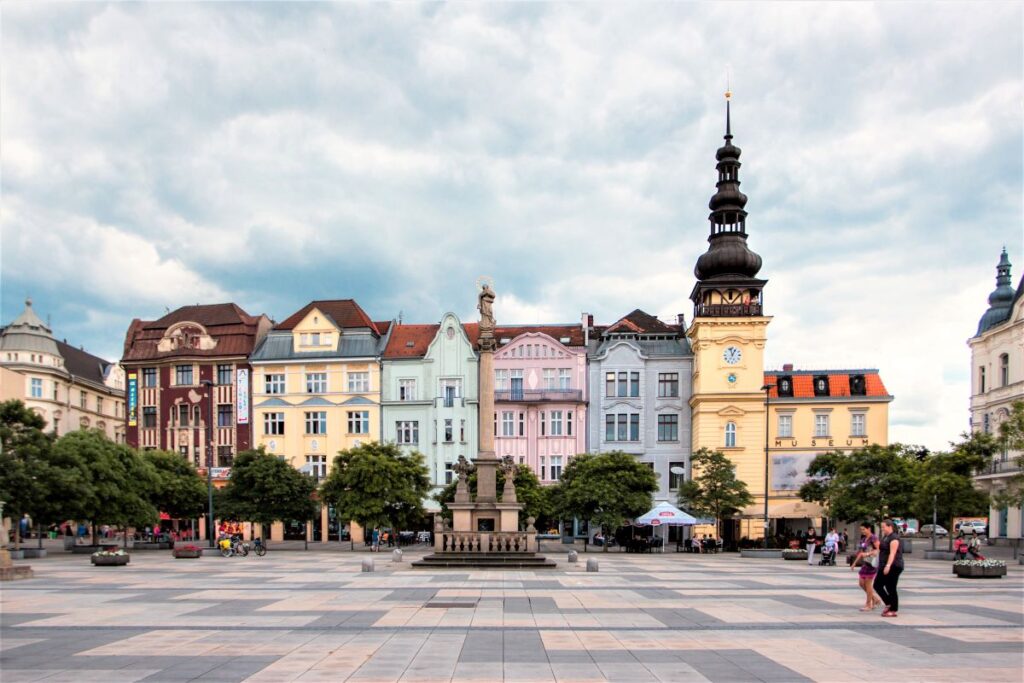
In Ostrava, there are places for lovers of old architecture. A walk through the center on Masaryk Square, with a visit to the Cathedral of the Divine Saviour, will take a few hours, during which you can form your own impression of the architecture of the Moravian-Silesian capital.
Observation Tower of the New Town Hall
And if on Masaryk Square there is the Old Town Hall building – a low bell tower with a clock, which has become a history museum, the New Town Hall – the symbol of modern Ostrava is located a little aside and differs from its predecessor by its 70-meter bell tower.
You can admire Ostrava from above if you climb up to the observation tower of the New Town Hall. The building itself is an interesting structure of the metropolis, as it is the largest town hall complex in the Czech Republic.
You do not need to worry about stairs, you can take the elevator to the top. From above, there is a view of the entire city, the panorama of the Beskydy mountains, the border area with Poland, and in good weather – Praděd Mountain.
Church of Our Lady the Queen
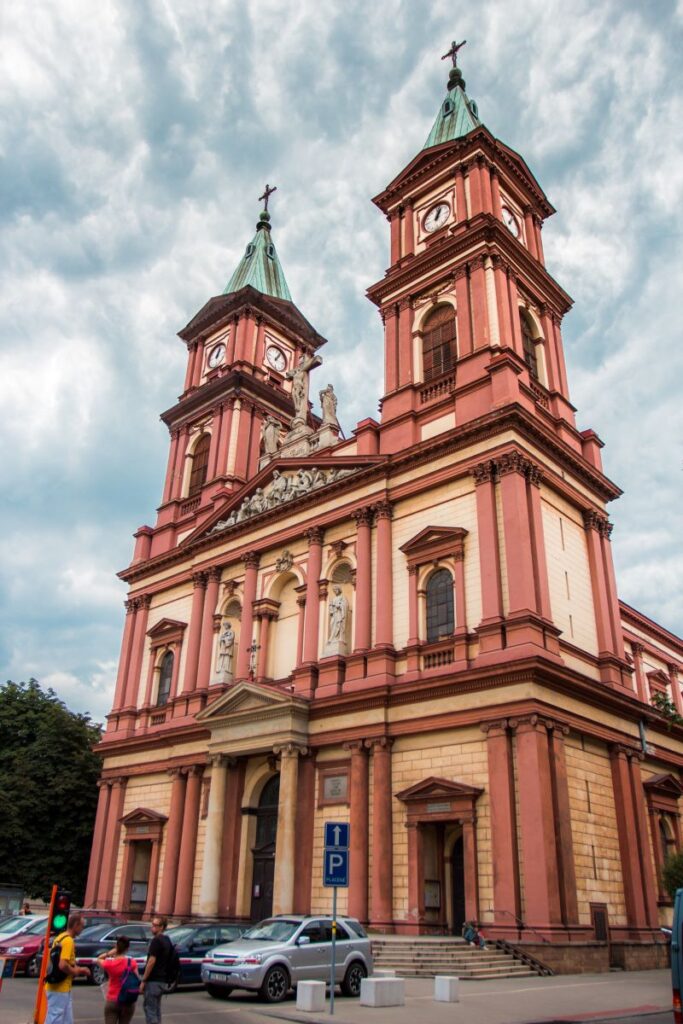
Another important structure of the city is the Baroque Parish Church of Our Lady the Queen. It was built in 1905-1908 and is the third largest church in the Moravian-Silesian region.
Ostrava Museum

Make your next stop at the Old Town Hall building on Masaryk Square, where the Ostrava Museum is located. Here you will find a permanent exhibition on the history of the city with exhibits of artworks by sculptors and artists, collections of military items, archaeological finds, as well as botany and zoology.
Stodolní Street
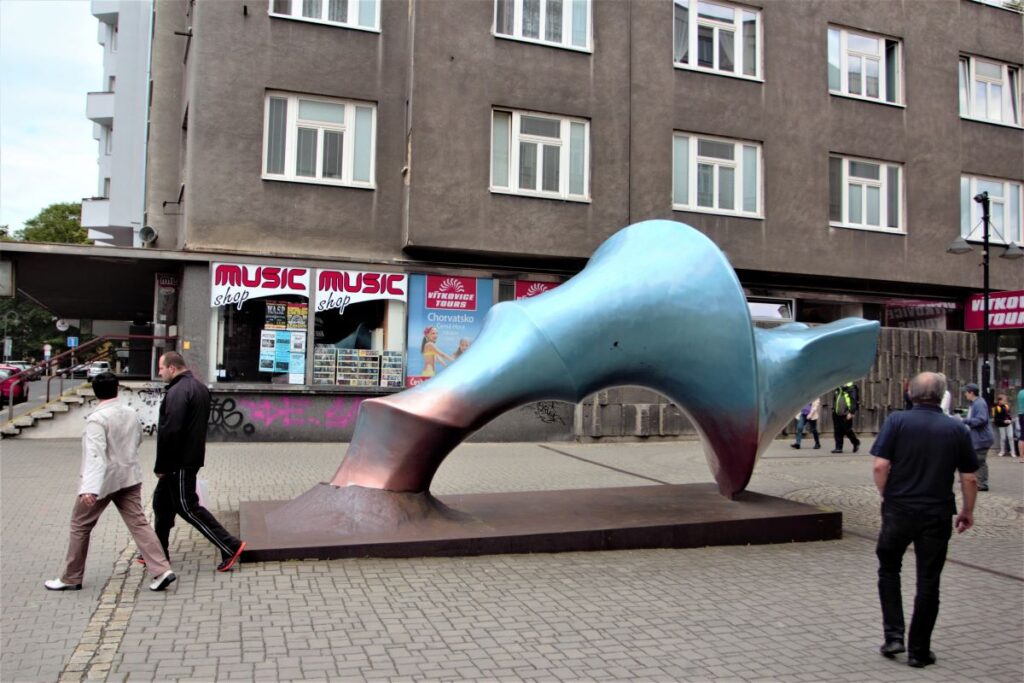
Where can you find bars and restaurants in Ostrava? Your feet will inevitably take you to the most famous Stodolní Street – an entire district with a huge number of bars, jazz clubs, casinos, dance halls, and karaoke. Here, nightlife is in full swing, music pours out, and in summer the streets are filled with tables where visitors chat, drink beer, and eat. The atmosphere here is special – after visiting technical museums, it’s great to switch to a musical and gastronomic wave.
Former enterprises and mines transformed into museums
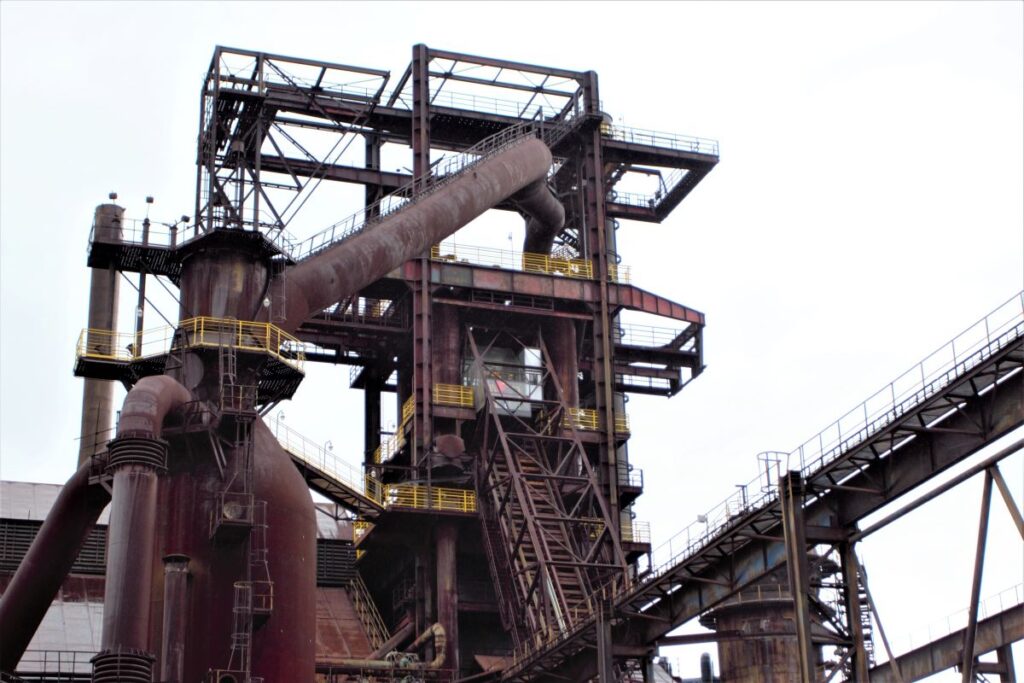
In the huge gas holder, there is now the multifunctional Gong Gallery with a concert hall where exhibitions and seminars are held. On the territory of the former workshops, an interactive museum for children and adults has been created, where you can touch everything and see how ancient machines, turbines, boilers worked, how Czech industry progressed – from lathes to airplanes, motorcycles, and cars.
Dolní Vítkovice Ironworks
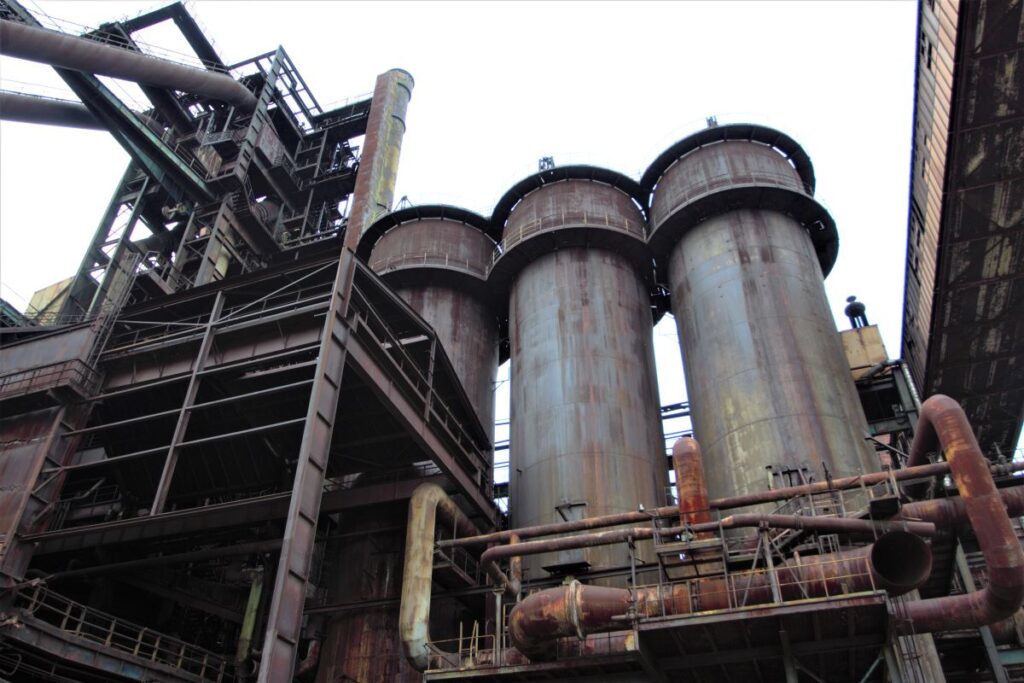
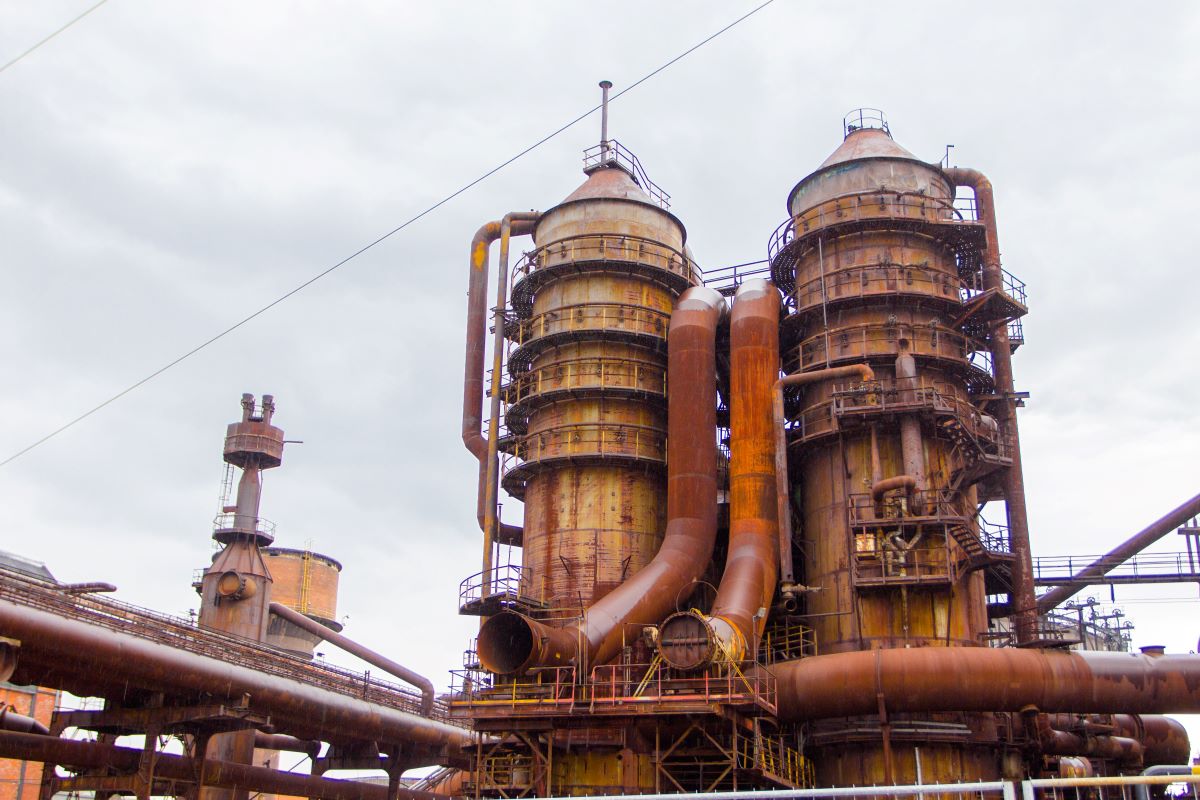
Dolní Vítkovice, which is a national cultural monument, is located not far from the center of Ostrava. The complex consists of the Hlubina mine, coke ovens, and blast furnaces of the Vítkovice ironworks, and is without a doubt one of the symbols of the city.
In Ostrava, hard coal was mined since the 16th century, and in 1830 a metallurgical plant was built in the Vítkovice district: everything around was smoking, puffing, and noisy around the clock. Today, the Vítkovice Ironworks (Dolní Vítkovice) is partially renovated and still functions, but the old part, which includes the blast furnaces, became unfit for operation. Instead of demolishing everything, it was decided to turn the abandoned furnaces and plant territory into a museum and multicultural center.
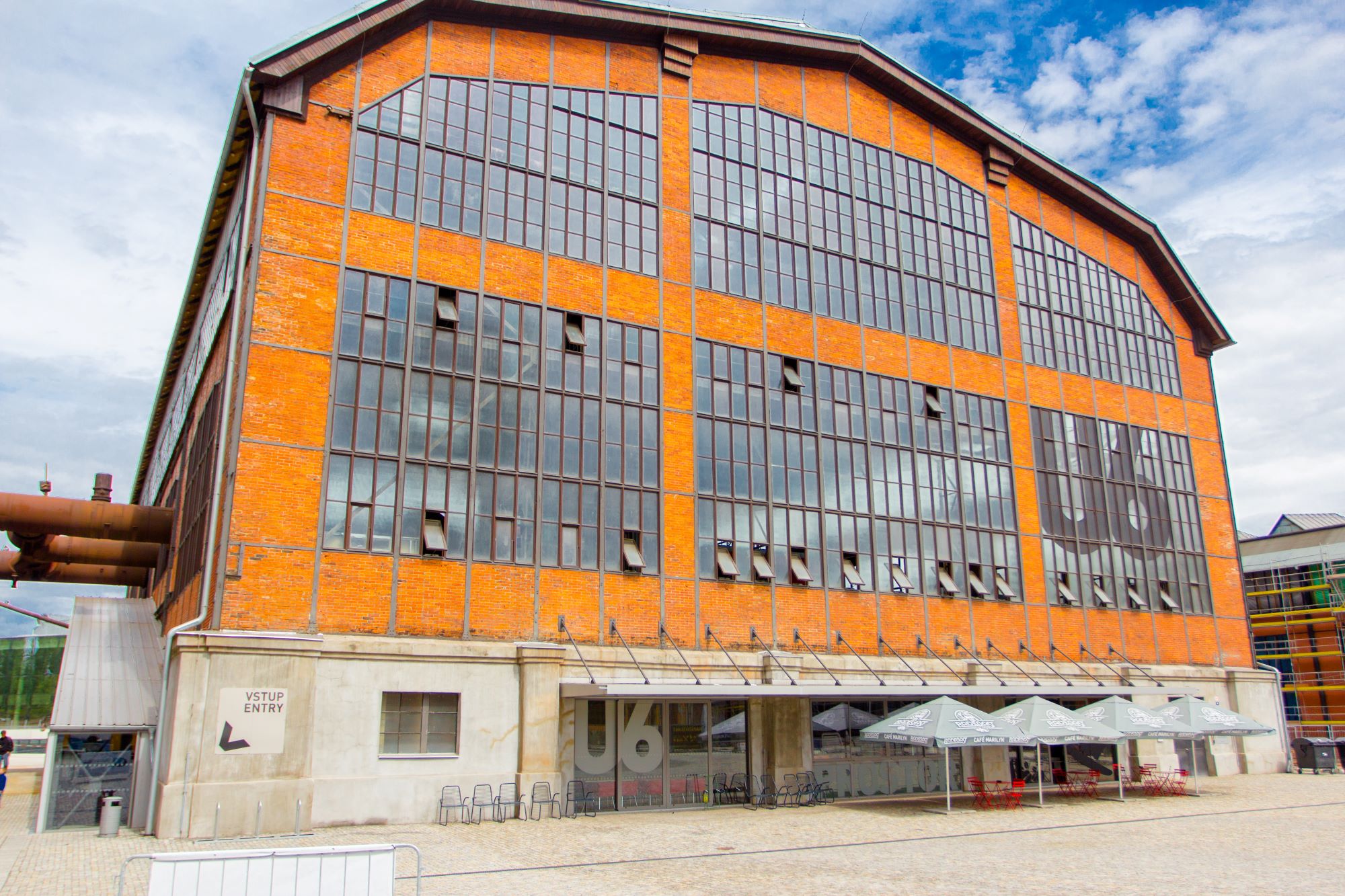
With a professional guide, you can tour the premises of the former blast furnace plant, where you will learn everything about its history. Then be sure to climb the Vítkovice blast furnace – the famous Bolt Tower – and enjoy the views. In good weather you can even peek into the blast furnace itself.
KOX
You can also choose the excursion called KOX, where you will learn about the brief history of black coal mining in Ostrava and about the carbonization process in coke ovens. You can also choose a Dolní Vítkovice architecture tour about how the fallow steel city was turned into a modern cultural center.
Also be sure to visit the museum – Small and Large World of Technology (Small World of Technology). Here you will experience what it is like to be a ship captain or try out the pneumatic post. The Large World of Technology has four permanent interactive exhibitions with hundreds of entertaining and educational attractions, such as The Children’s World of Science.
And here two major music festivals are held every year: Beats for Love and Colours of Ostrava.
Mining Museum

Get acquainted with the history of mining in this area in the underground exhibition at the Mining Museum, which consists of the cultural monument Důl Anselm. This technical museum is located in the Ostrava suburb of Petřkovice – the Landek Park Mining Museum.
Today, the former industrial zone has become a reserve, and on the site of the ancient Anselm mine (built in the 18th century) there is another museum, where you can descend into the gallery. The technical museum can be combined with a walk along the ecological trails of Landek Park.
Michal Mine – another heritage of deindustrialization. At the mine, which opened in the mid-19th century and stopped ore extraction at the end of the 1990s, the most interesting tours along various routes are held.
In addition to learning about the intricacies of mining here, visitors descend into the Michal adit like real miners to fully experience what it was like to work underground at the beginning of the 20th century. Underground, at a depth of 9 meters, there is a 250-meter tunnel, which you can descend into using the original mine cage.
Tour at Heřmanický pivovar
Heřmanický pivovar – the brewery offers a chance to taste several varieties of beer. In addition to tasting, you can also enjoy a 60-minute guided tour. If you want to eat something with your beer, you will be offered a voucher for which you can enjoy pork knuckle or ribs.
Where to go with children in Ostrava
Ostrava Zoo
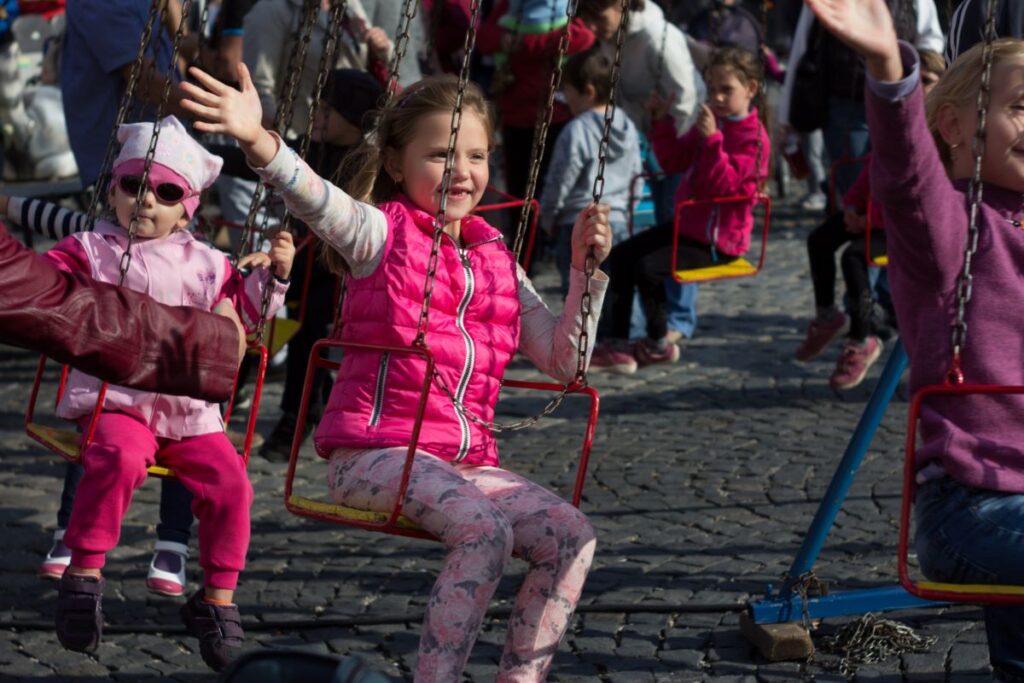
Ostrava Zoo is undoubtedly one of the most beautiful in the Czech Republic. The zoo aims to preserve endangered species, such as pandas or Derby elks. There is also a botanical garden in the zoo, where you can admire colorful flowers. Your little ones will be happy to play on several attractions and playgrounds.
DinoPark Ostrava
Don’t miss a visit to the largest DinoPark in the Czech Republic. Here you will be transported back to prehistoric times and explore dozens of prehistoric animals. Robot dinosaur models that move and roar like real ones. There’s also a 12-meter working volcano, cable car, climbing frames, and other children’s attractions.
Pool
Besides the dinosaur park and zoo, in summer in Ostrava you can get refreshed at the Ostrava-Poruba pool. Here you can sunbathe by the water as well as play mini-golf, beach volleyball or netball.
Amusement parks for children
You can enjoy a wonderful family day full of fun at Skalka Family Park. Here you’ll find a jumping arena, insect meadow, labyrinth, autodrome, water world, tubing tracks, and many other great attractions. In the rainy weather, you can go to Funpark Giraffe with inflatable and classic slides, climbing frames, merry-go-rounds, and trampolines.
Instead of a conclusion
All in all, if you like unusual interactive museums, technical and industrial themes, you definitely need to come here, and Ostrava will 100% please and even surprise you. And if your soul is drawn to castles and pastoral landscapes, it’s still worth trying – maybe something will click (like for me) and you will get hooked on the technical theme.
After all, you have to diversify your outlook, and Ostrava is a great example of how a city can change its appearance, turning from an industrial to a cultural center, and travel may not only be about seeing beauty but also about gaining new knowledge.
How to get to Ostrava:
From Prague’s main train station Praha Hlavni Nadrazi to Ostrava, trains depart every half hour, travel time is 3.5 hours. Or rent a car and drive along the E50 highway from Prague through Brno. Travel time is 3.5 hours.
Accommodation in Ostrava
- Sting Old Town Ostrava≫ – apartments in the Old Town of Ostrava. Tram stops and a supermarket are nearby, and you can walk to the city center and restaurants.
- Hotel city.city≫ – The hotel is very conveniently located for those arriving by car. There is enclosed free parking in the yard. The hotel has an excellent restaurant – great food at reasonable prices.
- Retro hotel Garage≫ – The unique, original room design allows you to fully immerse yourself in the 50s-60s era. Children and adults will be delighted.
Useful articles and links:
- Český Krumlov – what to see in the most beautiful city of the Czech Republic
- Prague with children
- The most beautiful sandstone mountains in the Czech Republic – active weekend getaways
Travel medical insurance – HotlineFinance
Booking hotels and apartments – Booking.com
Car rental – I look for cheap options at Rentalcars.com