
Nepal Travel Guide for Beginners – how to prepare for your trip, how many days you need, how to get a visa, where to stay and transportation, what to see in Nepal.
Nepal is a country located in the heart of the Himalayas, renowned for its unparalleled natural beauty and rich cultural heritage.
For me, Nepal is an opportunity to see the highest peaks of the Himalayas, including Everest, which touches the sky. And you don’t need to be a mountaineer for this – just walk along the mountain trails, and your backpack will be carried by an assistant porter.
Nepal is also about the appeal of ancient temples and monasteries, built atop hilltops that attract travelers from all over the world. When I arrive in Kathmandu, I feel completely as if I’ve stepped back in time and can actually touch the past.
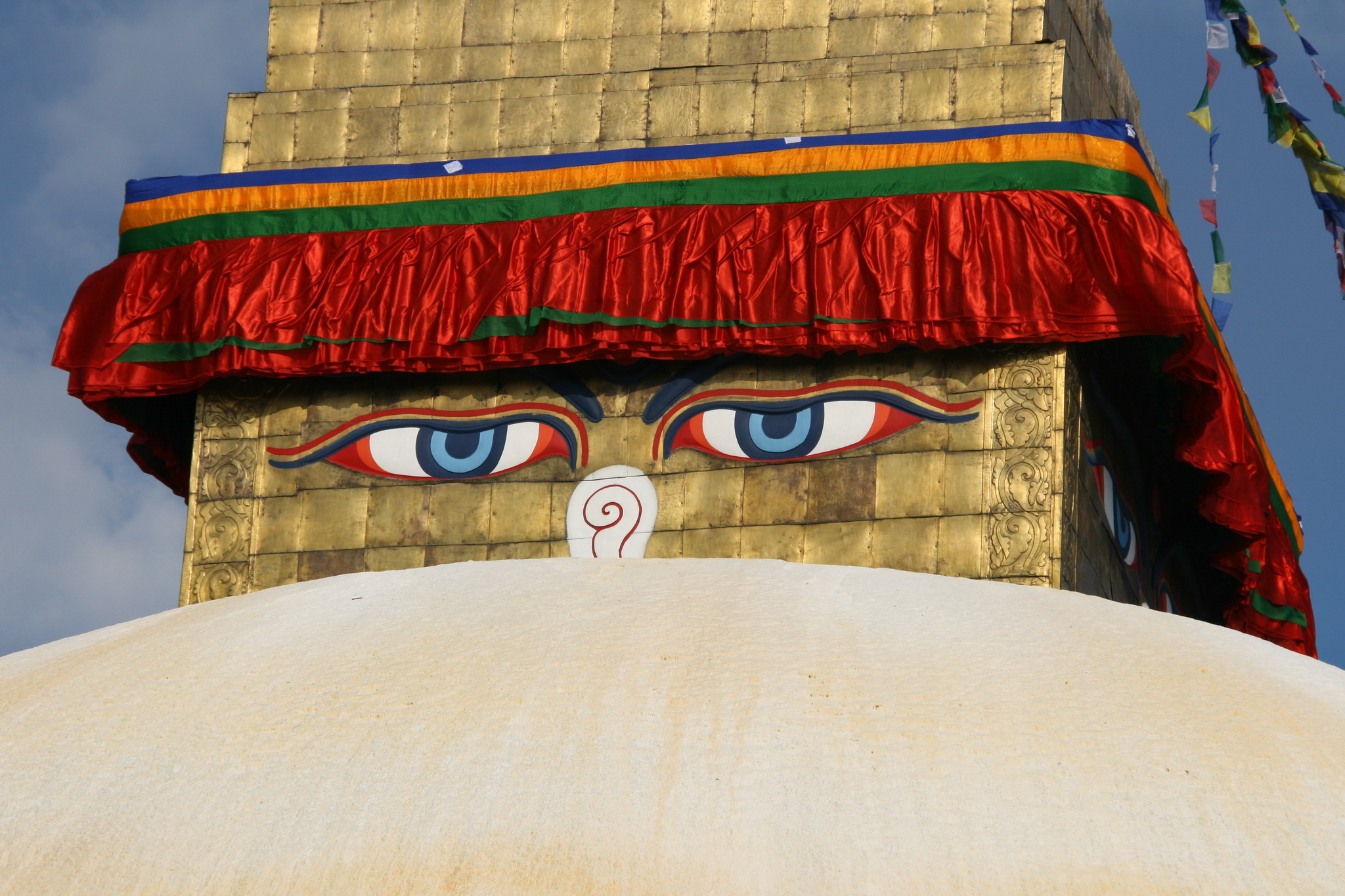
After visiting Nepal, you will fall in love with this country forever. That’s exactly how I fell in love, and I kept coming back several times. Because one night I saw the stars above Machapuchare, and it left an impression on me for a lifetime. And then the sunrise above Annapurna. I circled the largest stupa in Nepal, Boudhanath, and felt the heart of the country in the bells and flickers of prayer flags. Not to mention the warm hospitality of the Nepalese, which will make you want to return time and again.
Nepal is undoubtedly the ideal place for those seeking a blend of nature, spirituality, and adventure. In this guide, I will show you all the basics you need to know before embarking on an epic journey to this country.
How to Get to Nepal: Airports and Where to Fly
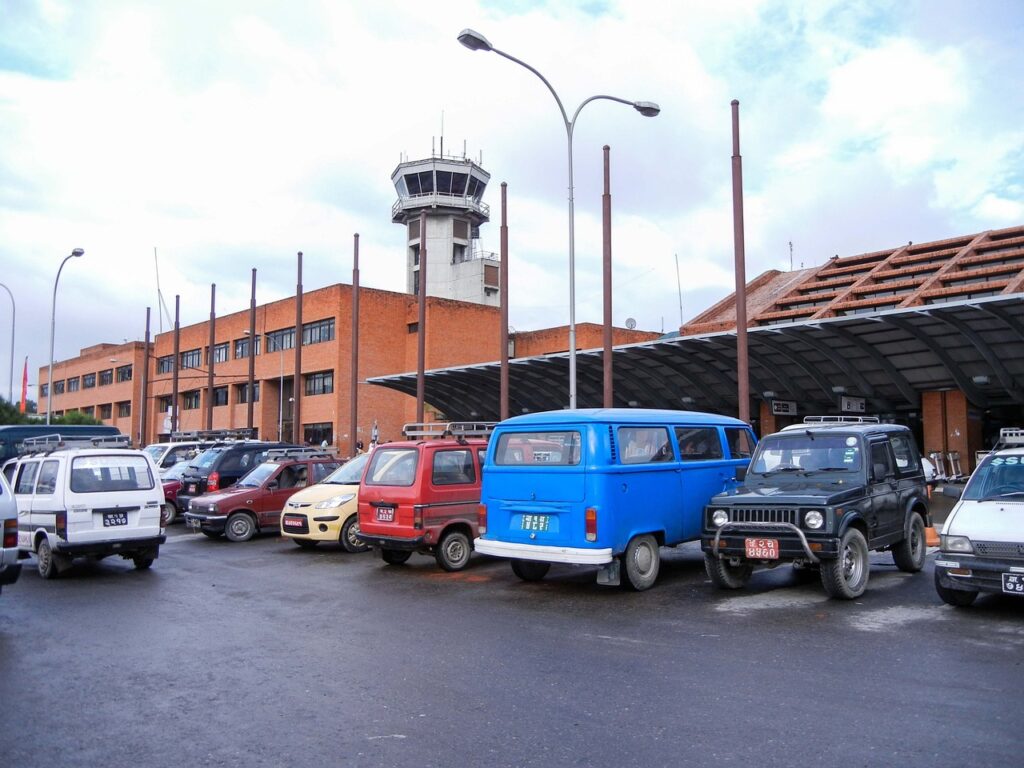
The main international gateway to Nepal is Tribhuvan International Airport (KTM) in Kathmandu.
Tribhuvan International Airport, located in the capital Kathmandu, is the busiest airport in Nepal with the largest number of connections. It serves as the main entry point for international travelers, with countless flights arriving in Kathmandu every day from all parts of the world.
If you plan to fly from Europe, the United States, Australia or other distant countries, you will likely have a layover in Delhi, Bangkok, Doha, Dubai, or Istanbul, each of which has regular direct flights to Kathmandu.
Which Airlines Fly to Nepal
Check the schedule and list of airlines on the airport website https://www.tiairport.com.np/
- Turkish Airlines with a layover in Istanbul – tickets from $750 round trip.
- FlyDubai with a layover in Dubai – ticket prices from $650 round trip.
- Qatar Airlines – price $720 round trip
How to Get from the Airport to Kathmandu
To get from the airport to the city center in Kathmandu, you have several transportation options:
Taxi: Taxis are readily available at the airport and are a convenient way to get to a hotel in the city center. Make sure to agree on the fare with the driver before you start your journey.
Airport shuttle bus: For budget travelers, a bus runs from the airport to different parts of the city. This is an affordable and convenient option.
Visa to Nepal
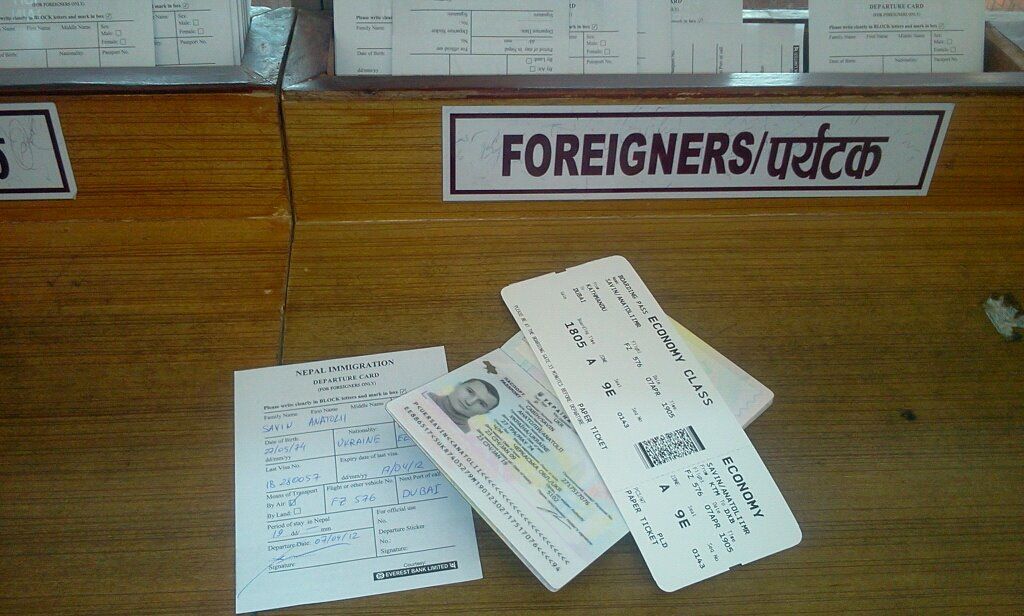
Most travelers can get a Nepalese visa on arrival at Kathmandu airport. The visa on arrival procedure is very quick and easy. You can expect some queues during peak tourist season. If you want to skip these queues, you can also consider obtaining a visa at Nepalese diplomatic missions abroad before your arrival. The choice is yours.
If you obtained a visa from Nepal’s diplomatic missions, you must enter Nepal within six months of the visa issuance date. Your total stay starts counting from the day you enter Nepal.
There are three types of tourist visas for Nepal:
15 days stay in Nepal — $30,
30 days — $50,
90 days — $125.
Children under 10 years old, except US citizens, receive a visa for free.
Which documents are required to enter Nepal:
- biometric or regular foreign passport valid for more than 6 months from the date of exit from Nepal, with at least one blank page;
- two paper photos 3×4 cm;
- Completed paper application form;
- Visa that is pasted into the passport if you obtained it at the consulate (there is no Nepalese consulate in Ukraine – the nearest one is in Berlin). On the Nepal government web portal, there is a full list of Nepalese missions abroad;
- insurance that covers Covid-19 treatment expenses for the entire stay in Nepal. Insurance can be purchased online at Hotline.Finance;
- cash or card to pay for the visa;
- printed return flight tickets from Nepal;
- hotel reservation in Nepal (can be done on Booking.com).
And another convenience – when filling out the online form, you can add a digital photo instead of taking a paper one and carrying it with you.
Step-by-step Procedure for Getting a Visa at the Airport:

Follow these simple procedures to get a tourist visa on arrival at the airport (TIA) if you have not received a visa before boarding your flight.
Step 1
- Fill out the “Arrival Card”.
- Fill in the “Tourist Visa” online form on the official Department of Immigration website or use the terminals after arriving at the airport. To reduce queues at the border, Nepal’s immigration service asks tourists to fill out this form online no earlier than 15 days before departure. This way, at the border you go straight to the payment point and simply pay for your visa.
- If you fill in the online form on the website, you will receive a receipt with a barcode; print it out and take it with you to receive the visa. This code is valid for fifteen days, then it becomes invalid. If so, you must fill out the form again.
Step 2
- Make the payment at the bank according to the visa requirements (15/30/90 days). The bank is located in the arrival terminal before passport control. That is, you pay for the visa first and then get in line for passport control.
- Although you can use different payment methods (at the visa fee counter) – cash or card. But it’s advised to carry some cash to be sure you can pay for your visa if, for any reason, the terminal doesn’t accept your card or is not functioning.
- Get your payment receipt.
Step 3
- Go to the immigration department with your online form, payment receipts, and passport.
- Submit your documents to the immigration officer for visa issuance. He/she will issue you a visa sticker in your passport.
Visa Extension Fee
Also, if you decide to stay in Nepal for a longer period, you can contact Nepal’s immigration office for an extension. The maximum duration of stay in Nepal is 150 days.
All types of visas, including “free” ones issued at the airport, are tourist visas. Contact the Department of Immigration to extend your visa or change your visa category. A tourist visa extension can also be done at the Pokhara Immigration Office. A non-tourist visa extension can only be done at the Department of Immigration (if it meets the requirements) for a maximum period of one year (except for business visas).
- The minimum extension for a tourist visa is 15 days for $45, and $3 per day for each additional day.
- In case of a delay of more than 150 days, an additional $5 per day is charged as a penalty for overstaying.
This is what the answer from Timatic (the rulebook used by airlines) looks like concerning entry into Nepal for Ukrainians.
The Best Time to Visit Nepal
The best time to visit Nepal is during the autumn months from September to November and spring months from March to May.
Visiting in Autumn (September to November):
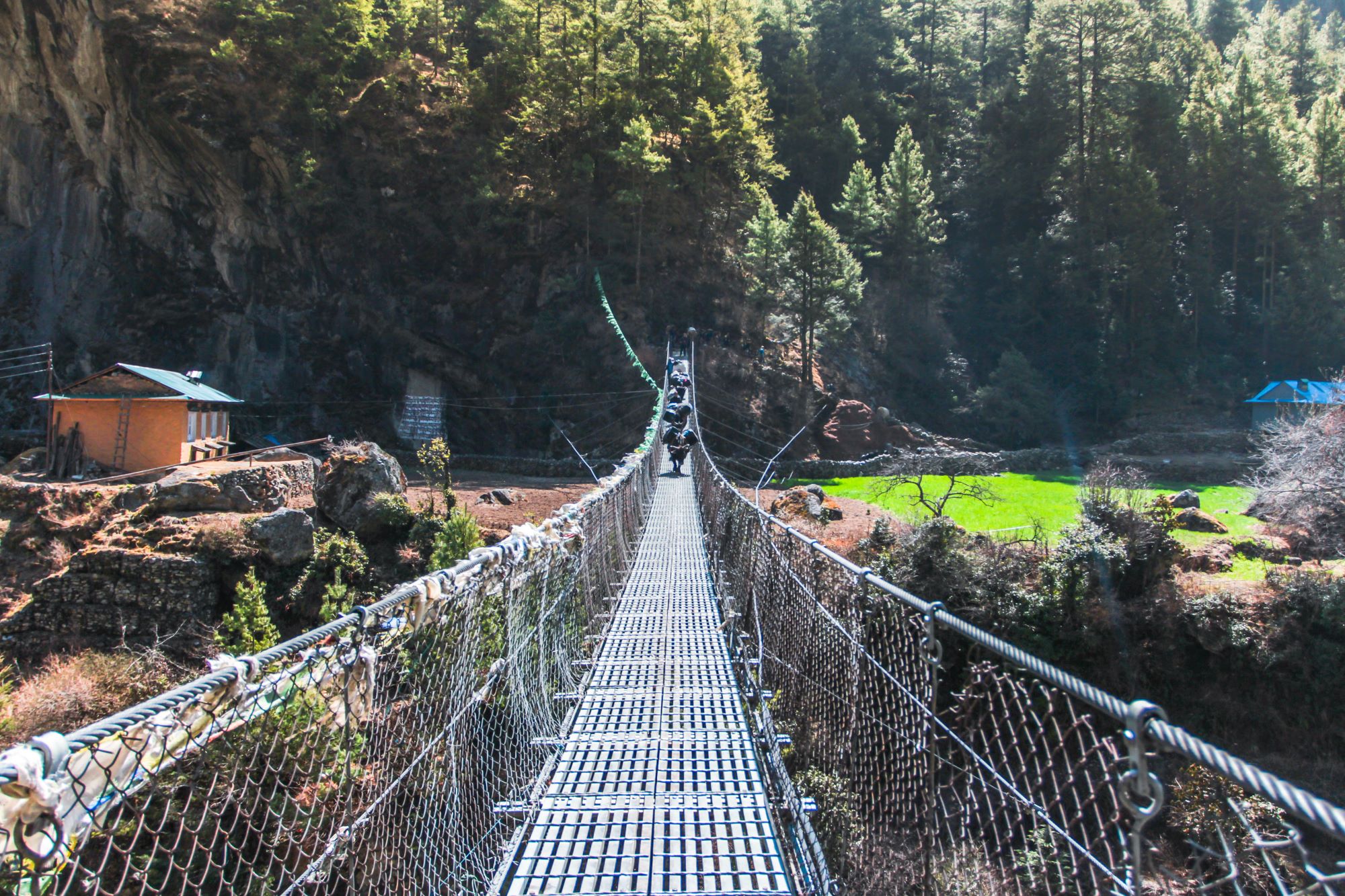
For travelers seeking the perfect balance between pleasant weather and vibrant scenery, autumn is the ideal time to explore Nepal. The skies are generally clear, which opens up spectacular views of the magnificent Himalayan peaks, including the world’s highest mountain, Everest.
Pleasant temperatures from 15 °C to 24 °C make it comfortable for outdoor activities like hiking and sightseeing.
Some of Nepal’s most famous festivals, including Dashain and Tihar, take place in autumn, when the streets come alive with colorful decorations and cultural performances.
At this time, there are significantly fewer people in Kathmandu Valley as hundreds of thousands of labor migrants leave the valley to return home to their villages and celebrate the festivals.
However, if you plan to go to the mountains, be prepared that this is peak tourist season and there will be a lot of travelers on the mountain trails and at famous attractions. In addition, airfare and accommodation may also be a bit more expensive.
Visiting in Spring (March to May):
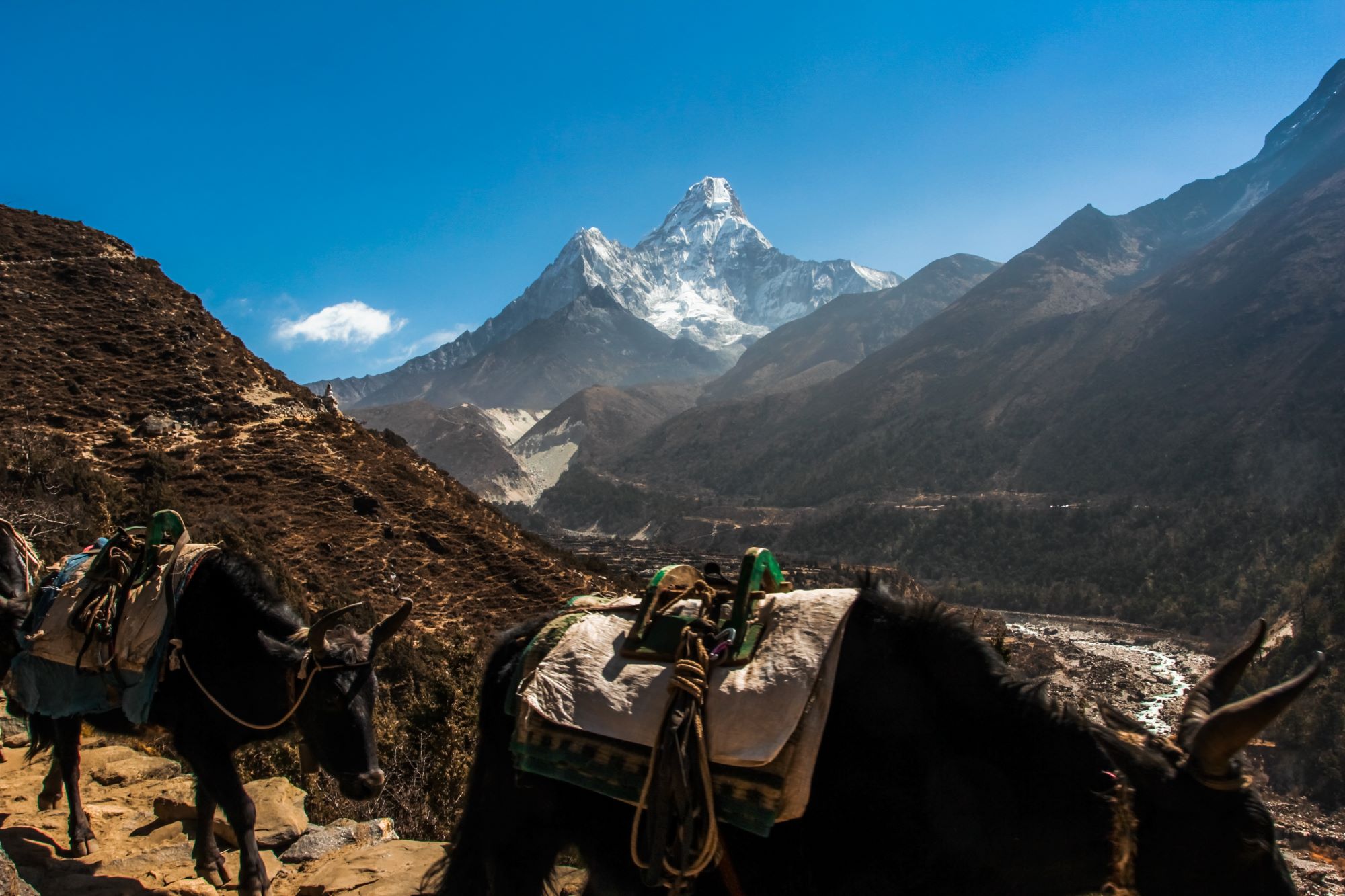
Spring is another wonderful time to visit Nepal, especially if you appreciate the bright colors of blooming rhododendrons and other wildflowers.
Temperatures start to rise, ranging from 12 °C to 27 °C, and the days become longer, giving you plenty of time for exploration. This season is fantastic for hikers and wildlife enthusiasts, as lush forests come to life and bloom. For example, rhododendron forests bloom – this is an amazing highlight of spring trekking and is truly worth seeing with your own eyes.
Spring for travelers is a bit calmer than autumn, although some routes can still be quite crowded. Also, if you keep reading this post, you’ll see photos I took of Nepal in spring. All three times I went there in March – thus celebrating my birthday in this wonderful country.
Visiting in Winter (December to February):
Although winter months in Nepal are cold, they can be a great time to visit if you want to see cultural and historical landmarks without tourist crowds. The sky is often clear, providing excellent views of the mountains, but high-altitude trekking routes are closed due to snow and low temperatures.
The temperature range in Kathmandu Valley in January, the coldest winter month, is from 0°C to 18°C. If you’re used to colder climates, this isn’t bad at all. Winter can be a potentially great time for quiet exploration of Kathmandu Valley.
In winter, accommodation is much cheaper as it’s low season and hotels and guesthouses try to attract as many guests as possible. But don’t expect heating – at best, you’ll get an electric heater.
Visiting During Monsoon Season (June to August)
The monsoon season in Nepal brings heavy rainfall, making outdoor activities quite unpleasant. Trekking trails can be muddy and slippery, and some remote areas may be completely inaccessible due to landslides. The cities in Kathmandu Valley are also difficult to get around, as the rain floods the roads with dirty water.
Indeed, the only exception to all this is Mustang Valley, where there is little rain and practically no tourists during this period. If you want to explore Himalayan culture and plan to spend quite a bit of time in the Mustang region, the monsoon season can actually be a perfect time to visit.
Accommodation in Nepal – Hotels, Hostels, Guesthouses, Lodges
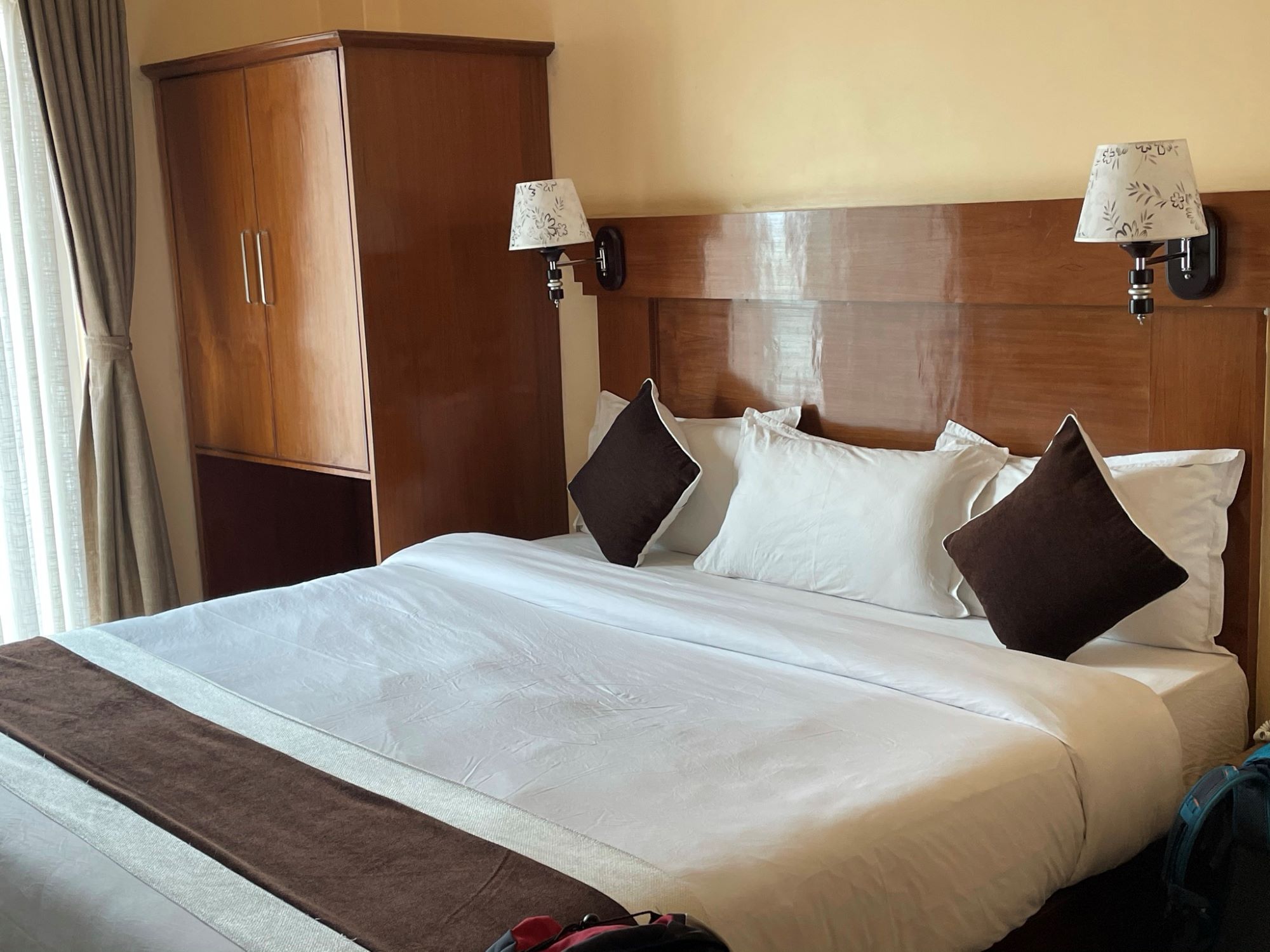
Nepal can offer every type of accommodation – there are no limits for your wallet or budget. There are the cheapest rooms and luxury hotels in historic palaces – you can choose whatever you like.
In Nepal, there are hotels that are part of international chains: in Kathmandu and Pokhara there are hotels such as Hyatt, Marriott, and Radisson. These hotels offer top-notch amenities, from spacious rooms to sophisticated restaurants, pools, and wellness facilities, often with panoramic mountain views and usually located in big cities such as Kathmandu and Pokhara.
Nepal also has its own local hotel chains, such as Shangri-La and Annapurna Group of Hotels. They offer a blend of international standards and Nepalese hospitality, providing comfortable accommodations in a wide range of price categories.
Additionally, there are bed & breakfast hotels and guesthouses, which are much cheaper than those mentioned above. They have a homely atmosphere, and many are located in the centers of picturesque villages or close to popular tourist routes. You will find rooms of various price levels, often with delicious home-cooked meals. This kind of experience is my favorite – getting a good room and incredible service: from tasty breakfasts to help finding porters or drivers to get you to a mountain route.
The easiest way to find and book accommodation in Nepal is on Booking.com – here you will find all possible options: from budget guesthouses to luxury resorts and palaces.
Accommodation in mountain shelters (lodges) and hotels – is booked through a guide or porter, who contacts the owners of such accommodation by phone in advance. That’s because most of this type of accommodation is not listed on Booking.com.
Transportation – How to Get Around Nepal
There are several options for getting around Nepal: buses – the most common and cheapest option, plane – the fastest and most expensive, jeep taxi – mid-priced, but there are drawbacks. I share my experience with all three types of transport below.
Domestic Flights

Although Kathmandu airport is the only international airport (in fact, there is already a second Pokhara International Airport, but flights to it are not yet fully operational), there are several other domestic airports located quite close to the most popular tourist destinations.
Even though Nepal is not large, depending on where you are coming from and where you are trying to get within the country, domestic flights can sometimes be the best transportation option.
- If you want to visit Lumbini (the birthplace of Gautama Buddha), you can fly from Kathmandu to GBIA (Gautam Buddha International Airport, also known as Bhairahawa Airport). A direct flight takes from 30 to 45 minutes.
- There are also regular flights between Kathmandu and Pokhara airport, which take about 30 minutes.
- Additionally, there are short and inexpensive flights from Kathmandu to Lukla high-mountain airport, which is the gateway to treks in the Everest region.
- You can also fly from Pokhara and Kathmandu to the high-altitude Jomsom Airport
Although flights in Nepal are generally safe, it is important to know that over the past decade, there have been about two plane crashes per year, so this is a real concern you should consider.
Also note that planes do not fly to the mountains if clouds settle in. Take this into account when planning and add a couple of extra days just in case flights are cancelled, in which case other transport will take much longer.
Airfare for locals is much cheaper than for tourists. For example, a ticket from Kathmandu to Pokhara costs $90 for a tourist, and $25–30 for a Nepalese citizen.
Airlines of Nepal:
Most have their own website where you can buy tickets online. Alternatively, you can buy a ticket at the same price at one of the travel agencies in Kathmandu or Pokhara.

- – Nepal Airlines
- – Sita Air
- – Summit Air
- – Agni Air
- – Yeti Airlines
Intercity Buses
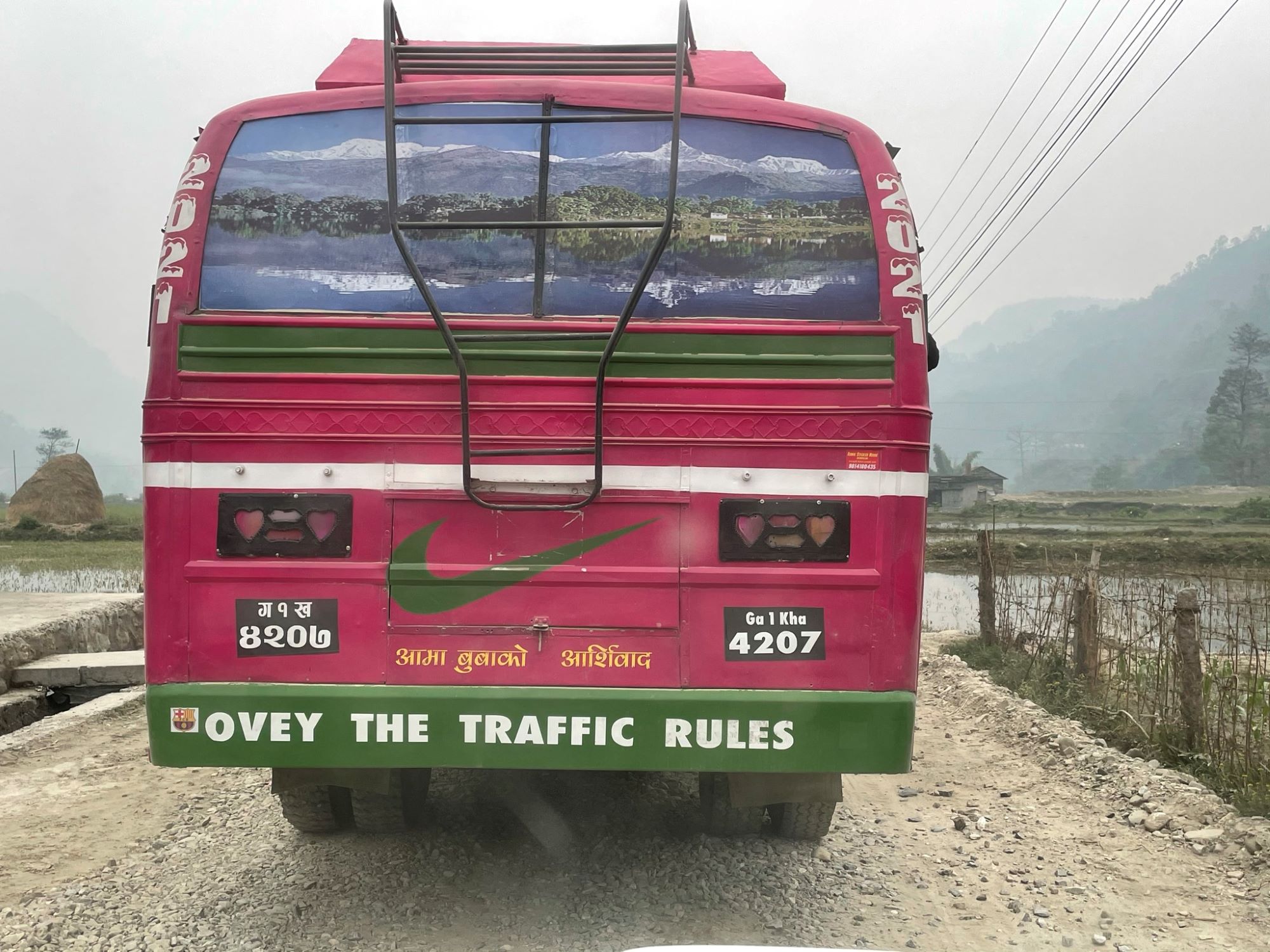
Aside from planes, the cheapest way to get to cities and main attractions outside Kathmandu is by bus. The bus network in Nepal is extensive, and there are regular departures between all major destinations, especially tourist ones.
You can book tickets online or through the staff at any accommodation you stay in (very often, they book tickets on guests’ behalf, and the price will be the same).
There are a few things to know before planning your intercity bus trip:
- Some sections of the country’s East-West Highway are in poor condition. This means the trip can take quite a while, for example, from Kathmandu to Pokhara takes 10–12 hours (200 km). To Chitwan, it’s a full 12–14 hours (280 km)
- Also, trips often take many hours longer than expected, so always make sure you can afford a delay of several hours.
Private Jeep Drivers
Of course you can rent a car in Nepal. But I would think a hundred times before doing so. The driving style here is very specific, and there are practically no traffic lights. Nepal’s roads are poor, traffic is often terrible, and other drivers rarely follow the rules, so the risk is not worth the money spent on the rental.
But you can hire a private driver or a car for intercity travel.
That’s how we hired a jeep to get from Pokhara to Kathmandu, when planes weren’t flying due to fires and poor visibility. It cost us less than flying – $120 for a jeep versus $180 for two one-way plane tickets.
But, timewise we didn’t gain anything – the jeep was also stuck in traffic jams on the mountain highway – 8 hours on the road (the bus takes 10 hours). And the bus is 3-4 times cheaper. Moreover, the jeep broke down before entering Kathmandu – we had to wait near a car workshop while something was fixed. In short, I didn’t like this transportation experience – there are no guarantees that you get a decent car, and the roads are the same where buses go.
But this type of “rental” is a good option for several reasons: if you are a group of three to five people traveling between the big cities, hiring a driver will not cost much more than the bus (since you share the cost). The comfort in a private car is much higher than that in a bus.
Local City Buses
Besides intercity buses, there are also local buses within cities, especially Kathmandu and Pokhara. Even though they are cheap, I do not recommend wasting time trying to get around the city by local bus. Why? First, they have no organized schedule or even bus stops. Second, the Nepalese script does not use Arabic numbers – they have their own.
Furthermore, you won’t understand what is written on the sign telling where that bus is going. And often there is no one to ask – not everyone knows English. So such a trip could easily take two to three times as long as by taxi, or even take you in the wrong direction.
The only option – try city buses by boarding with a local Nepalese acquaintance. It will be very cheap and quite an interesting experience. Otherwise, they make no sense for tourists.
Taxi
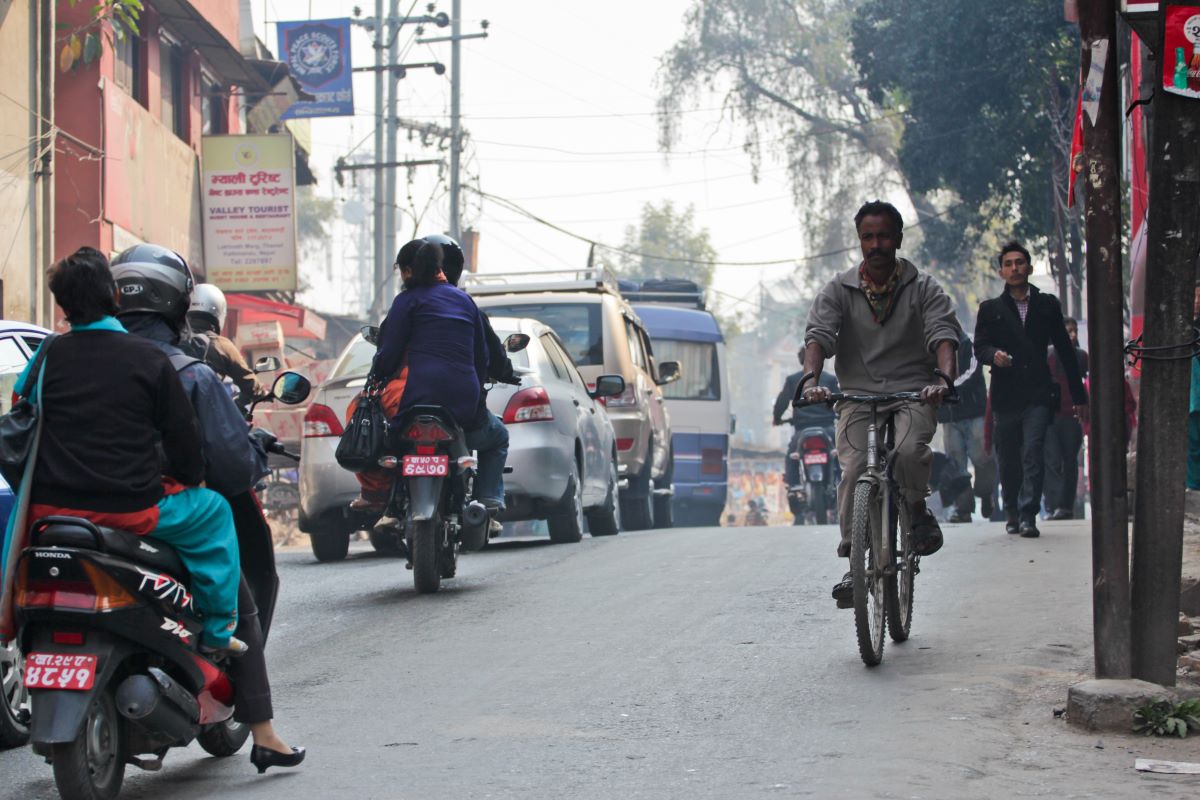
For tourists, taxi is, in my opinion, the best way to get around large cities. There are two different approaches to finding or calling a taxi in the country’s major cities.
The first way – this is what I did 10–12 years ago. Catch a taxi on the street, negotiate with the drivers in person. It’s fairly simple for tourists who are not afraid to chat and haggle. You stop a taxi on the streets of any main tourist area and start discussing the price and definitely bargain. This method is suitable for both large and small towns in Nepal.
At every major street corner there are informal taxi stands (unmarked, but you’ll spot groups of taxi drivers). Approach them and ask for the fare. Taxi drivers often quote incredibly high rates – bargaining is a must!
The second way is to use taxi apps that work in Nepal. This method is more suitable for large cities. Uber does not operate in Nepal, but there are local alternatives, the most popular being: Pathao, In-Drive, and Tootle. Unless you’re in a very remote part of the city, there will always be many drivers around, and you won’t have to wait long for a ride.
To Sum Up:
If you manage to use a taxi app – the price in the app is already realistic and competitive. You can rely on it and travel with peace of mind.
If you decide to go with a street taxi driver, the best option is to check the fare for your route in one of the Ride Sharing apps and then offer the driver around 10–20% more. Drivers rarely agree to the rate specified in ride-sharing apps, but if you’re ready to haggle a bit, you can offer them something quite close.
Before the apps existed, I would simply ask the hotel about the price of a trip to my chosen place and then bargain with the drivers. If one driver didn’t agree, another would gladly take us for our price.
Nepali taxis do not use meters – forget about it. Only a prior arrangement on the price with the driver – after that, get in and go. Payment is made after arriving at your destination.
By the way, apps give you not only the ability to call a car, but to order a motorbike or scooter ride. If you’re not afraid, it’s a cool experience, but not very hygienic to wear a helmet that has been worn by hundreds of other passengers.
Money and Bank Cards in Nepal
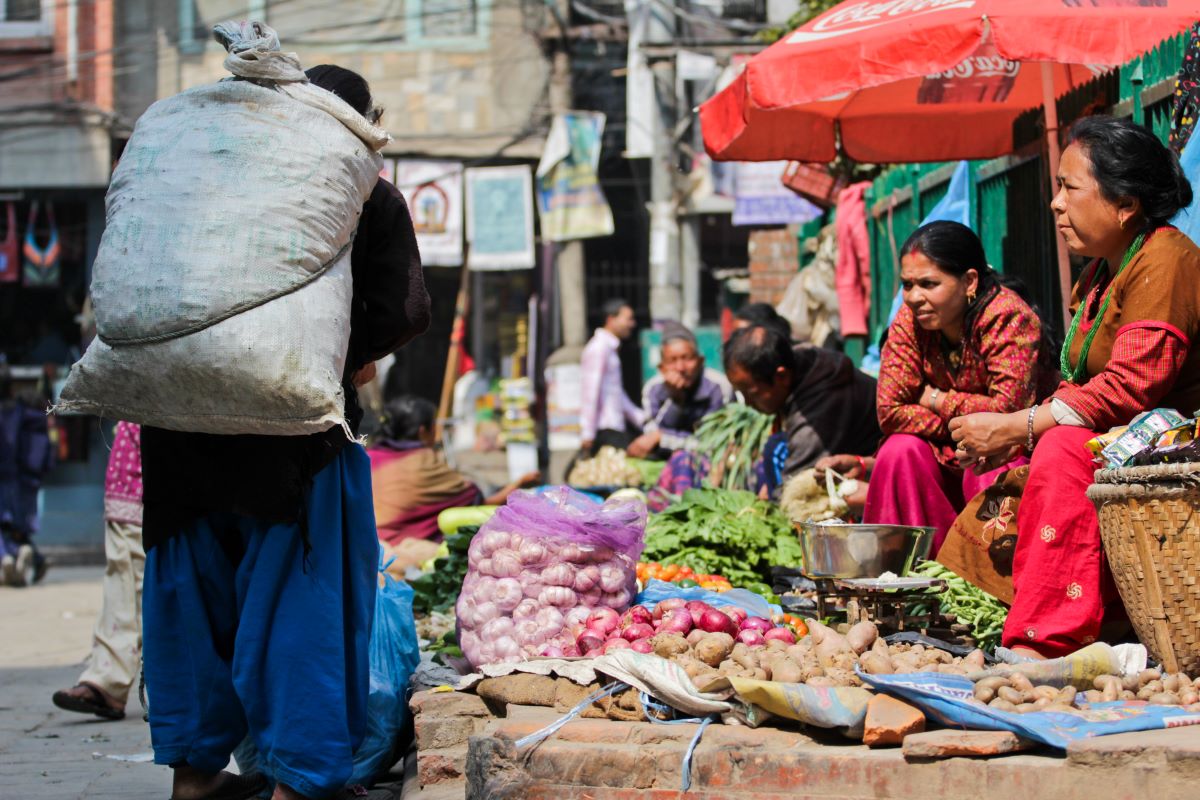
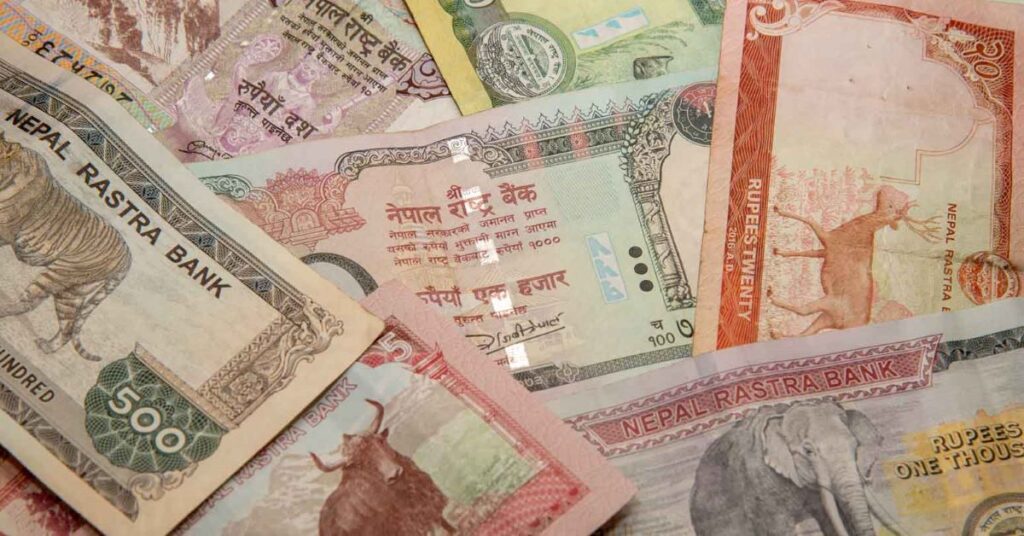
Credit and debit cards are accepted at hotels, travel agencies, supermarkets, or expensive tourist restaurants in big cities. But you must have cash to pay for taxis, buses, and local restaurants. What’s more, if you go trekking, you’ll need to have cash with you because you’ll mostly be staying in small guesthouses (lodges) that don’t have card payment facilities.
You can easily withdraw cash from your card at ATMs located in big cities. If one ATM is not working, try another nearby. The most reliable ATM is Nabil Bank.
You can exchange your foreign currency at exchange offices which exist only in the main tourist areas. Keep in mind, the more currency you exchange, the better the rate is likely to be (ask about this). For example, the rate will be worse for $50 than for $200-400.
Tipping in Nepal
Tipping in Nepal is a separate topic. It’s appropriate to tip tourist guides or porters who help carry your things in the mountains, as many of them may not always receive adequate payment for their work. You can tip about 15% of the standard guide’s fee.
Waiters in restaurants don’t require tips and don’t expect them either. You can do so if you like the service. In many tourist restaurants, a service charge is already included in the bill – usually 13%. So before tipping, carefully look at the bill.
Is Nepal Safe?

Absolutely – yes! I mean in terms of relationships between tourists and locals. In Nepal, there is usually no big fraud or robberies targeting tourists. But, like in any poorer country that lives off tourism, there is a chance that some people may try to inflate prices for goods and services. To avoid being scammed, do some research on how much things should cost and always agree on the price before getting anything.
Most safety issues in Nepal are related to trekking. During hikes, especially long multi-day treks, you’ll be walking into remote areas with narrow paths and almost no medical facilities. So always do advance research on what to expect on each trekking route and always carry a first aid kit. And be sure to buy insurance for mountain accidents before you leave home. Insurance can be purchased online at Hotline.Finance.

The Nepalese government has also made hiring a guide mandatory for most tourist destinations. So be sure to consult your guide in advance about possible safety issues specific to your route.
Another important point is to avoid trekking during the monsoon, with the exception of possibly Mustang, which is less affected by rain. It’s better to stick to major cities during the rainy season and avoid frequent trips between cities as roads also get damaged and bus accidents are most frequent.
Also, it’s better to avoid trekking during heavy snow in winter unless you are a professional mountaineer and know how to navigate the mountains at this time.
How Much Time to Spend in Nepal
Depending on the type of tourist visa you paid for at the airport, you can stay in Nepal as a tourist for 15/30/90 days. Based on this, I suggest planning your trips as follows:
7–10 days – the minimum for an introduction

For most visitors, 7–10 days is enough to get a small acquaintance with Nepal. However, in my opinion, this is still not enough time to do justice to this diverse country. Staying for this length gives you a chance to see some landmarks and get a taste of the culture and stunning landscapes.
In 7 to 10 days you can spend 4 days exploring Kathmandu Valley, where the three ancient cities Kathmandu, Bhaktapur, and Patan are located. Each city is filled with amazing medieval palaces, bustling markets, and restaurants where you can try Nepalese cuisine. While in Kathmandu Valley, you can also soak up the incredibly positive energy of the most powerful religious centers: Swayambhunath (Monkey Temple), Boudhanath Stupa and Pashupatinath.
After visiting the valley, plan to spend about 3 days on easy day hikes in the Himalayan foothills near the capital. It’s not quite the same as hardcore trekking, but gentle hikes to viewpoints will let you enjoy the natural beauty of Nepal without a full trek.
But if you have all 10 days, you can do a 3–4-day hike in any nearby area. For example, take a 4-day trek to the pristine Gosaikunda Lake situated almost 4,500 meters above sea level. Or book a flight to Pokhara and do the 5-day Mardi Himal trek.
20–30 days – for trekking and a comprehensive trip across the country

For travelers seeking a more immersive experience, it’s ideal to devote 3–4 weeks to visiting Nepal. This duration allows you to explore the country at a more relaxed pace and really dive deeper into its troves of mountain trails.
In three weeks, you can spend your first 4 days or so exploring the cities and temples of Kathmandu Valley before heading out for a long, multi-day trek. Trekking to Annapurna, Everest Base Camp, and Upper Mustang are three great options lasting about 12 days for Everest, 7–9 days for Upper Mustang and Annapurna Base Camp.
If you have time left after your hikes (some recommend a few days to acclimatize at the start), you can go to the southern region of Nepal – the Terai for an adventure safari in Chitwan National Park. Both offer a chance to spot rare wildlife such as Bengal tigers and rhinos.
90 days in Nepal
Well, with this much time, you can see not only most major locations, do a long trek, but also live amongst locals and get immersed in the everyday life of the country. In that case, I recommend dividing your long-term stay between Kathmandu and Pokhara.
In fact, spend more time in Pokhara than in the capital, which is quite noisy and bustling. Also, Kathmandu has an air quality issue – dust and smog is a frequent occurrence. Pokhara has fresh air, a beautiful lake, and is really Nepal’s resort town, where you can rent an apartment cheaply to enjoy working remotely, cooking for yourself, but still feel on vacation.
What You Absolutely Must See in Nepal
This country gives you the chance to see traditions that are thousands of years old. And to get acquainted with several religions: Hinduism and Buddhism pervade the country and add a fascinating dimension to the cultural experience. The combination of diverse landscapes – from lush subtropical jungles in the south to the rugged mountains in the north – lends Nepal its incredible appeal.
Kathmandu – the Capital of Nepal
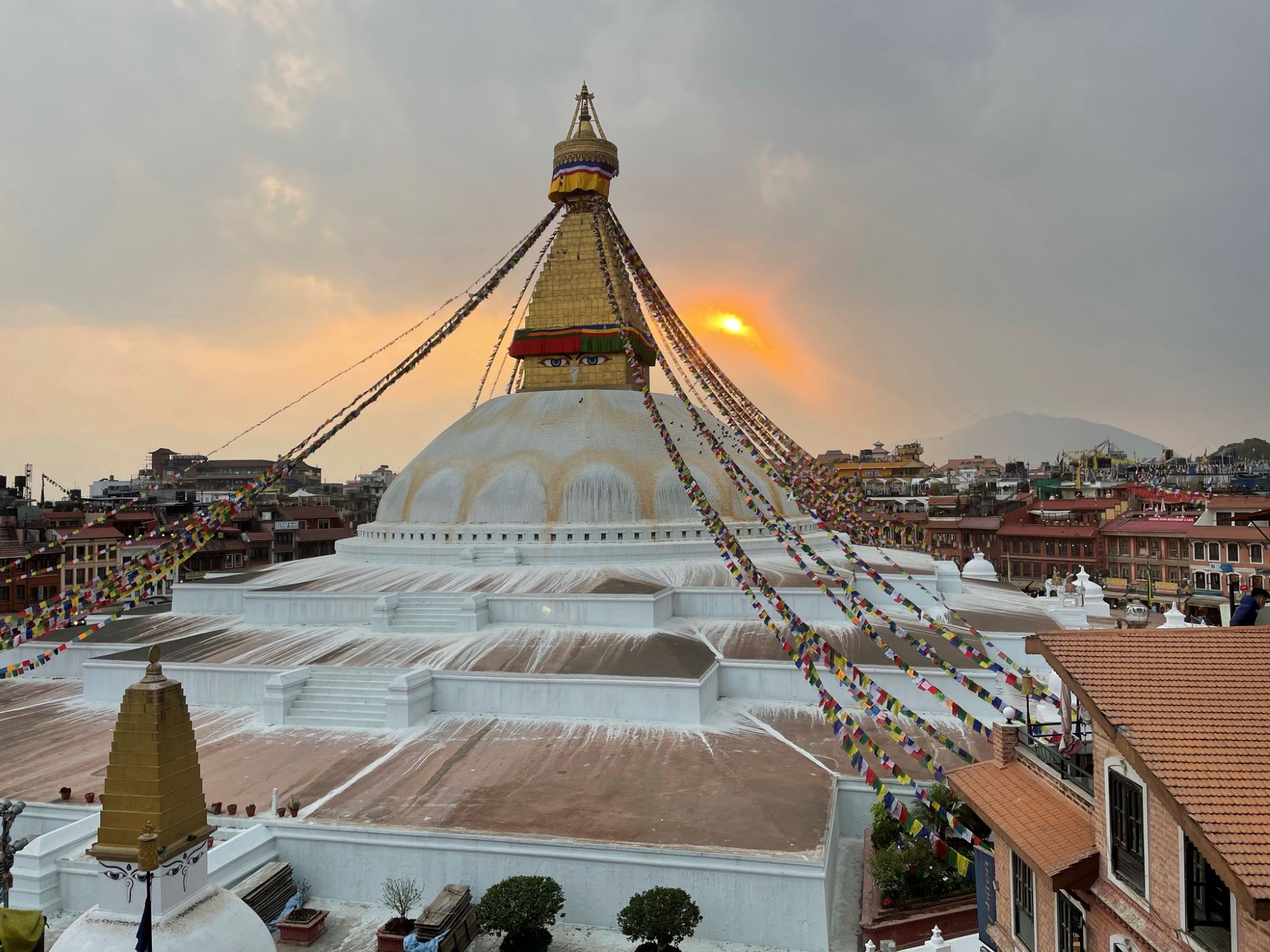
Most tourists start their journey to Nepal by landing in the bustling and chaotic Kathmandu. As the capital, it has a totally different charm from any other place in the country. The city is located in Kathmandu Valley – making it the perfect place to begin your introduction to Nepal.
The valley also offers a great way to get acquainted with the country’s rich cultural heritage, covering the three main cities: Kathmandu, Bhaktapur, and Patan.
The first thing on your itinerary when you reach the city should be visiting Durbar Square in Kathmandu. Durbar Squares (each city in the Valley has one) are medieval courtyards containing palaces, significant administrative buildings, and many ancient temples.
A few other places worth visiting are the old giant Buddhist stupas Swayambhunath (Monkey Temple) and Boudhanath. Both sites are always packed with pilgrims walking around them in circles, creating a kora. But the atmosphere and energy here are simply incredible – brimming with peace and love for the world. Also don’t forget to visit the famous Hindu temple of Pashupatinath, where Hindus conduct cremation rituals and send the ashes of the deceased into the Bagmati River.
Recommended reading: Kathmandu – what to see in three days in the capital of Nepal
Patan (formerly Lalitpur)

Another royal city in Kathmandu Valley, where two major religions – Buddhism and Hinduism – have always existed together in Nepal, interdependently and harmoniously. In Patan, there are relatively more Buddhists than in the other two ancient cities, which is evident in the many local attractions.
Patan is home to 136 Buddhist monasteries, so, of course, you could spend even a week here, depending on your interest in monasteries. I recommend visiting Hiranya Varna Monastery, famous for its Golden Temple, a three-story 12th-century temple with a lavishly gilded exterior.
Bhaktapur
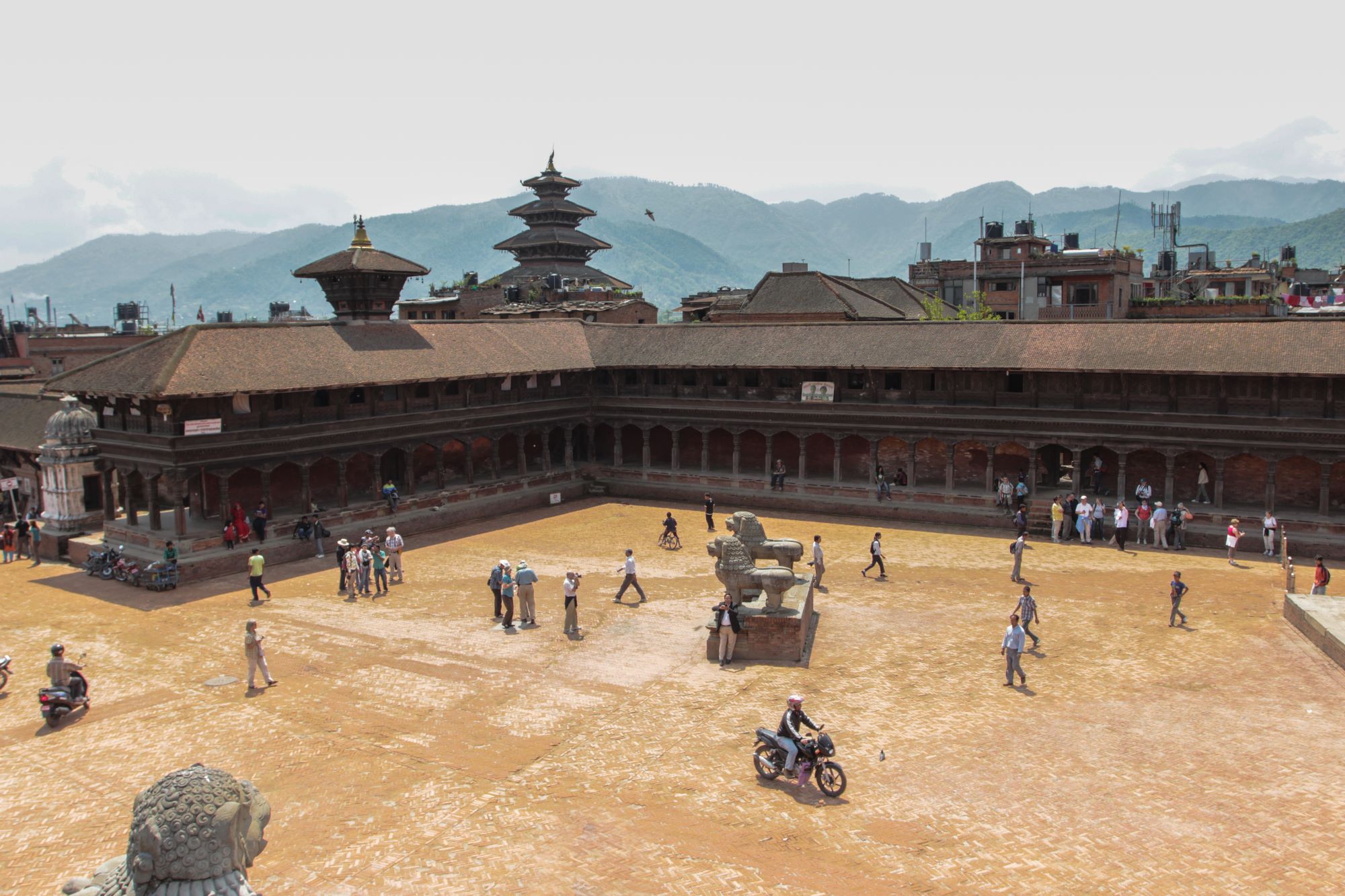
Bhaktapur is another amazing city, located in the Kathmandu Valley. It’s about 15 kilometers from Kathmandu and is very easy to reach by taxi on the newly built highway.
Of the three cities in Kathmandu Valley, Bhaktapur has preserved the traditional Nepalese way of life the most. It’s also called the city of craftsmen. Here, you can spend a whole day strolling between courtyards, watching locals at work. These may include stonemasons, potters, and women drying grain and corn.
Durbar Square in Bhaktapur is another medieval masterpiece. The clean brick streets immediately evoke an old-time atmosphere. While wandering amidst the mystical buildings, decorated with statues and woodcarvings, don’t forget to see the palace of 55 windows, where each one is uniquely carved.
Pokhara and Lake Fewa
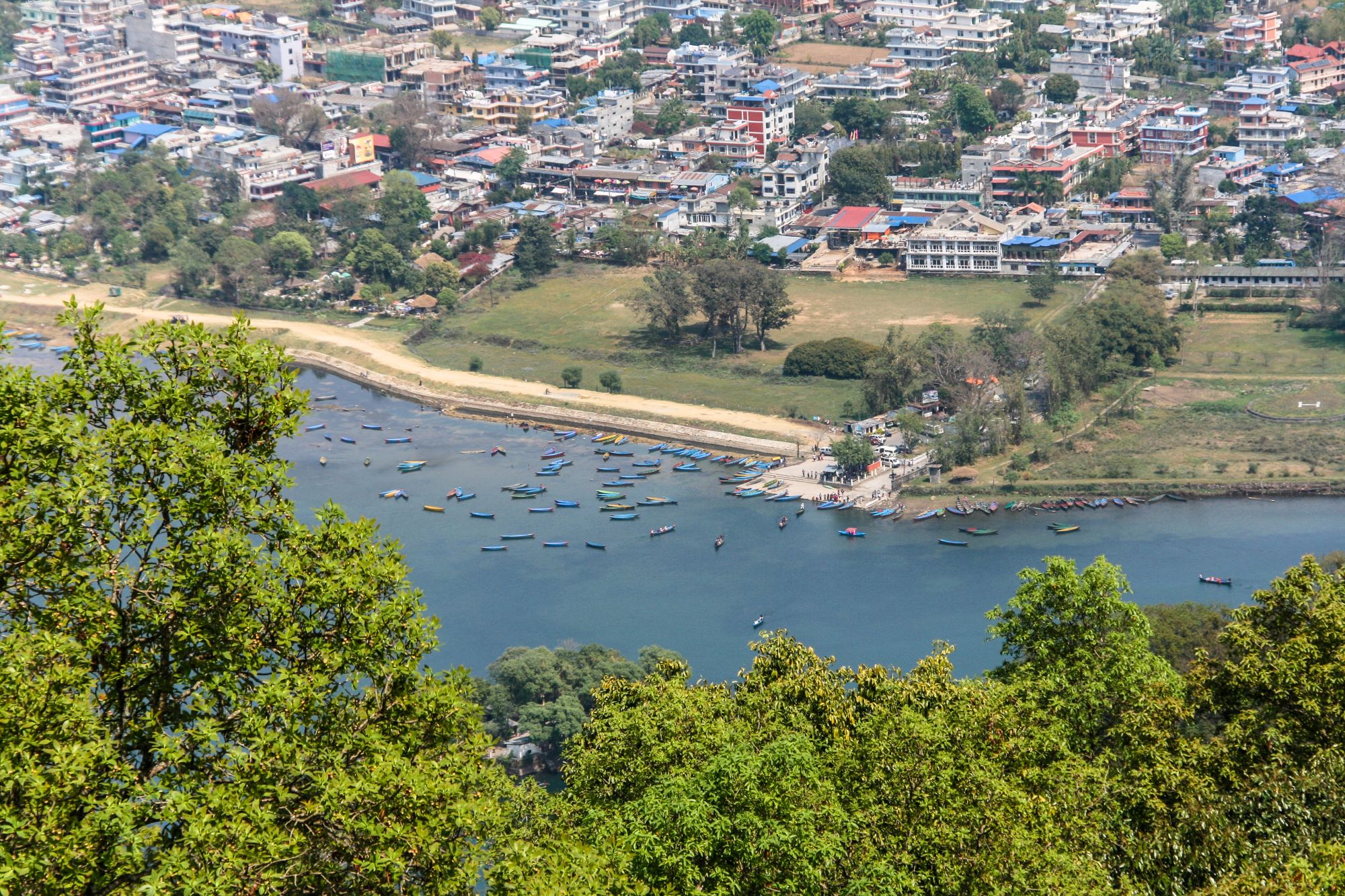
Next on the list is the city of Pokhara, located at the foot of the Annapurna massif on the shore of Lake Fewa. Of the many places to visit in Pokhara, the Lakeside area is the most popular, and for good reason.
The main attraction in Lakeside is Lake Fewa – a beautiful body of water covering more than five square kilometers. On its surface you can see reflections of the Machapuchare, Annapurna, and Dhaulagiri mountains. Take a walk along the lakeside promenade and enjoy fresh air, which is noticeably better compared to Kathmandu.
And, while enjoying your stay here for a few days, you can travel out to Sarangkot to marvel at the stunning view over the lake from the mountain. Or enjoy an exhilarating paragliding flight from nearby Mandre Dhunga, which is a 35-minute drive from Lakeside.
Rent a boat to paddle the lake, visit the small island with the Shiva temple, or cross to the opposite shore and climb the hill to the World Peace Pagoda.
Recommended reading: Pokhara – Nepalese resort on Lake Fewa
Lumbini
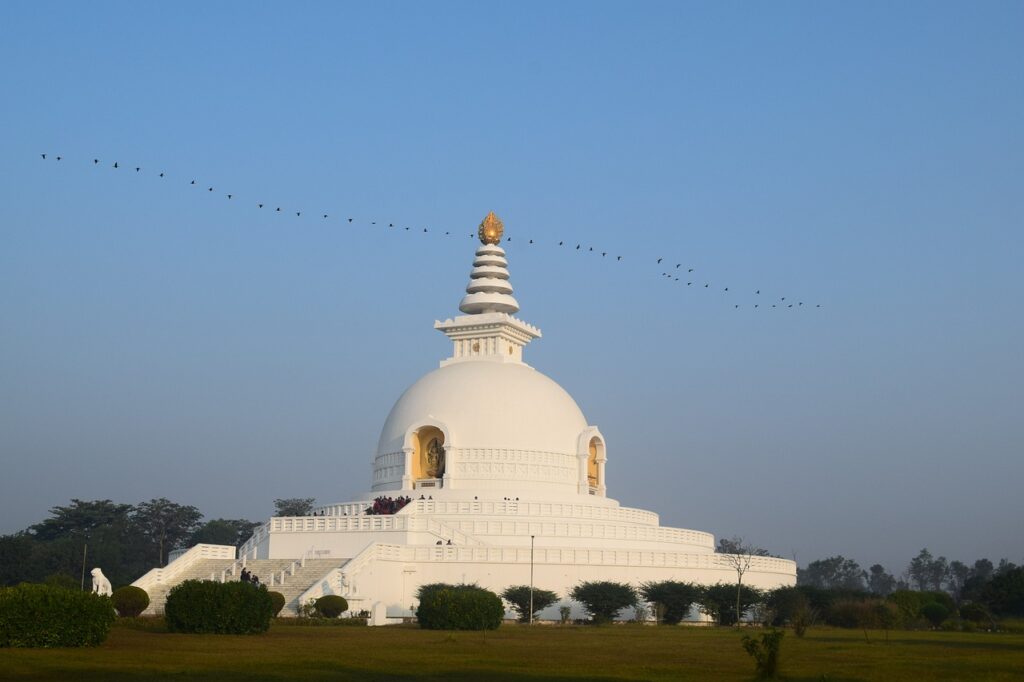
Lumbini is one of the most famous places in Nepal, as it is considered the birthplace of Buddha. To get to the Maya Devi Temple – the site of his birth, named after his mother – you first cross a wonderfully pleasant lawn on either side.
About an hour’s walk from Maya Devi Temple are dozens of beautiful Buddhist monasteries built by many countries from all over the world in their traditional architectural styles. Among them, be sure to check out the Thai monastery, whose distinctive architecture looks like an ice house.
Chitwan National Park
Chitwan National Park is a nature reserve where over 600 animal species live in the wild. It is most famous as the home of the endangered Bengal tiger. And the one-horned rhino, but it offers much more than just these two remarkable creatures.
Some tourists prefer to explore the jungle by purchasing elephant-back safaris, which has its charm. But you can also paddle a canoe along the Narayani River or take a guided jungle walk. If you’re lucky, you’ll see one of those rare tigers or a rhino, crocodiles, or various bird species. I was lucky enough to see a rhino sleeping just 20 meters away from us – scary but very unique.
Recommended reading: Chitwan – independent trip to the Nepalese jungle
Annapurna Base Camp

A very popular trek and my first trekking experience in the Himalayas – the journey to Annapurna Base Camp, which takes you to the foot of Annapurna whose summit is 8,091m high. The trek is wonderful not only for its constant views of Annapurna but also for the abrupt changes in scenery and vegetation along the way.
My favorite part of the trek is the trails after Chomrong, where for the entire walk you see the peak of Machapuchare. This sacred mountain is said to be home to Lord Shiva, and so climbing it is forbidden for mountaineers.
Recommended reading: Trekking Annapurna Base Camp in Nepal – my experience
Trek to Everest Base Camp

Everest Base Camp is located at 5140 meters above sea level. Trekking there is quite challenging due to the altitude and harsh, cold conditions. This trek is more suitable for travelers who are at least reasonably fit. Even though this trek has become more touristy recently, everyone should see this majestic highest mountain in the world – Everest (Sagarmatha) – at least once in their life.
The journey here takes 7 to 14 days depending on various factors, such as whether you fly to the nearest airport or arrive another way. We walked the round trip in 12 days including 2 days for acclimatization.
The trek will bring you countless breathtaking views not only of Everest but also of other majestic peaks. You will also see firsthand the harsh life of local Sherpas, for whom hiking up and down these steep mountains is just everyday life. And monks residing in the Tengboche Monastery, which is located at 3800 meters. You’ll meet herds of shaggy yaks carrying loads – there are no roads in Sagarmatha region, so everything is carried by Sherpas or these high-altitude animals.
Recommended reading: Trek to Everest Base Camp
How Much Does an Independent Trip to Nepal Cost
Hotels: from $10 to $200 – depending on your requirements and budget. A good room in a nice, clean hotel in Kathmandu or Pokhara costs from $35 per night for a double room with breakfast. Lodges on treks will cost you $20–25 including all meals.
Transport: taxi – from $1.5 to $5, intercity bus – from Kathmandu to Pokhara or Lumbini will cost from $10 to $20, domestic flight tickets – from $70 to $120 depending on the route.
Entrance tickets to museums and attractions: from $8 to $20.
Trekking permits and guide fees: permit (trekking authorization), which depends on the location. The lowest is $20 per person; in more protected areas like Upper Mustang and Dolpo, this can cost up to $500 per person. Guide fee – from $25 to $35 for small groups; for larger groups the cost may be higher depending on group size and trek route.
Food: A typical meal at a mid-range restaurant will cost you from $3 to $8, in upscale restaurants the bill can be $12–15 per person.
Useful Articles and Links:
- Mardi Himal Trek – a perfect route for beginners in the Himalayas
- Dolomites – hiking along the most beautiful routes
- Lycian Way – a hiking route through Turkey
- Not only the Camino de Santiago – alternative walking routes for pilgrims
Travel medical insurance for trips abroad – online at the portal HotlineFinance
Hotel bookings and apartments – Booking.com