
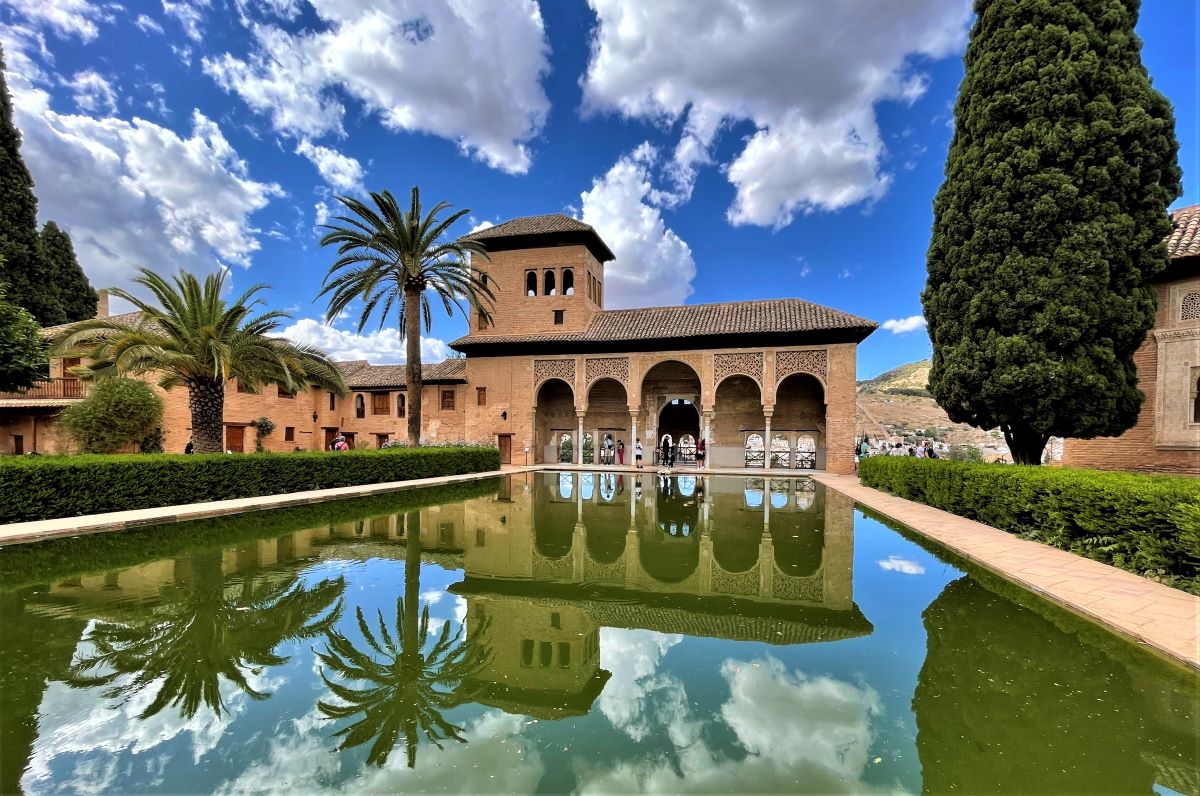
Granada – what to see for two days in the ancient city: The Alhambra, Albaysin and Sacromonte neighborhoods, tapas bars and Arabian thermals.
Granada is a cultural, creative southern city in Spain. A place with a famous past, centered on the Alhambra, one of the greatest wonders of the world created by humans.
I dreamed of seeing Granada and visited it during the Camino Moserabe, which I walked with my daughter in May 2023. We spent one day in Granada and it seemed to me that it was not enough. You need to spend at least two days in Granada to take a leisurely stroll around the city, spend half a day at the Alhambra, and spend the rest of the time in tapas bars.
I’m telling you about what we’ve seen.
A history of Granada
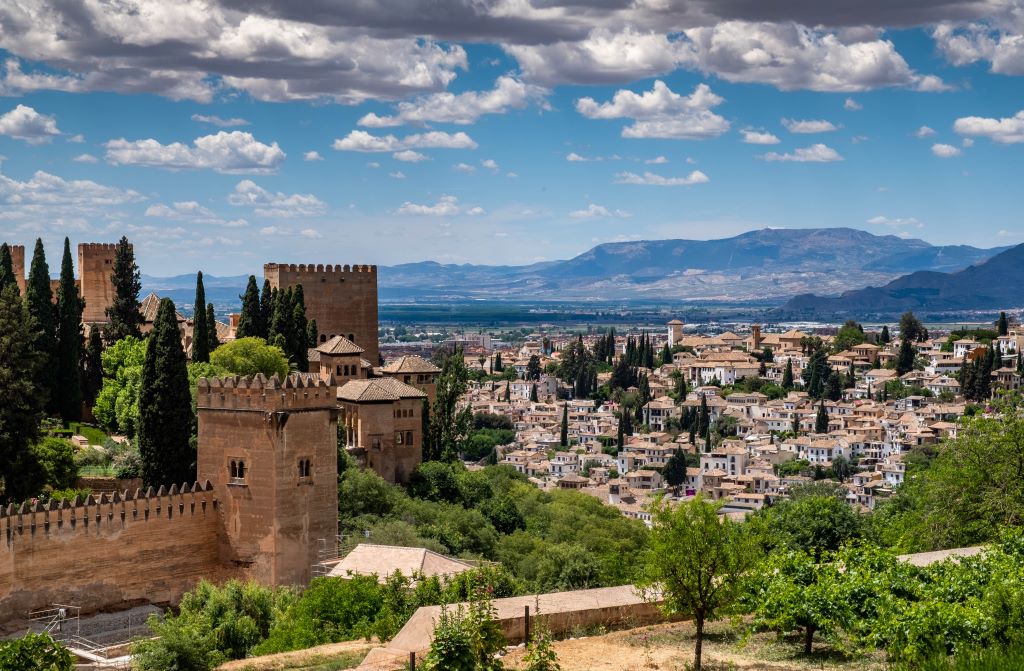
Granada is a city with a history inextricably linked to the Muslim conquest of the Iberian Peninsula. For more than two hundred years, this city was the capital of the Granada Emirate, the last Arab state on the territory of Spain. In the 15th century, the Reconquista (the Spanish reconquest) ended-the entire Iberian Peninsula was returned to the Spanish crown-the Moors left Europe for Africa, and all the territories, palaces, and the entire country became the Spanish kingdom. Granada was the last stronghold of Muslims in Spain, and it also ceased to be the capital of the emirate.
Today, the heritage of Granada’s historical diversity remains the main reason to visit. There are former Jewish(El Realejo), Roma(Sacromonte) and Muslim(Albaicín) neighborhoods of winding cobblestone streets that are interesting to explore, admiring the architecture, Flamenco dancing to the mournful sounds of a guitar in the warm air. There are also attractions for gourmets, history buffs, and connoisseurs of Spanish aesthetics.
Alhambra – the royal residence in Andalusia

Granada is best known for the Alhambra, a world-class historical landmark that I highly recommend planning when visiting the city. Yes, it’s a very popular place, like the Eiffel Tower in Paris, where millions of tourists try to get there every year. But the Alhambra is so beautiful with its majestic fortress, gardens, and palaces that it’s worth buying a ticket in advance.
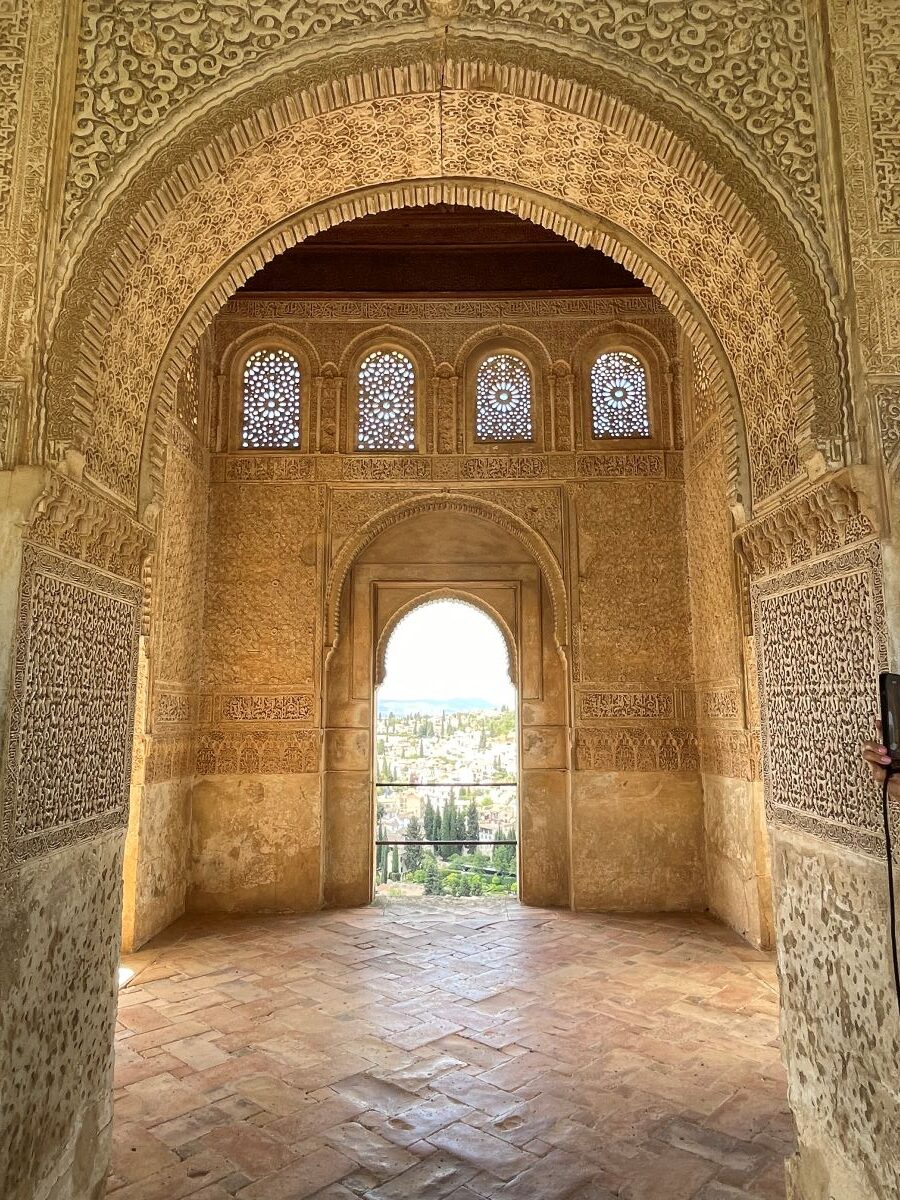
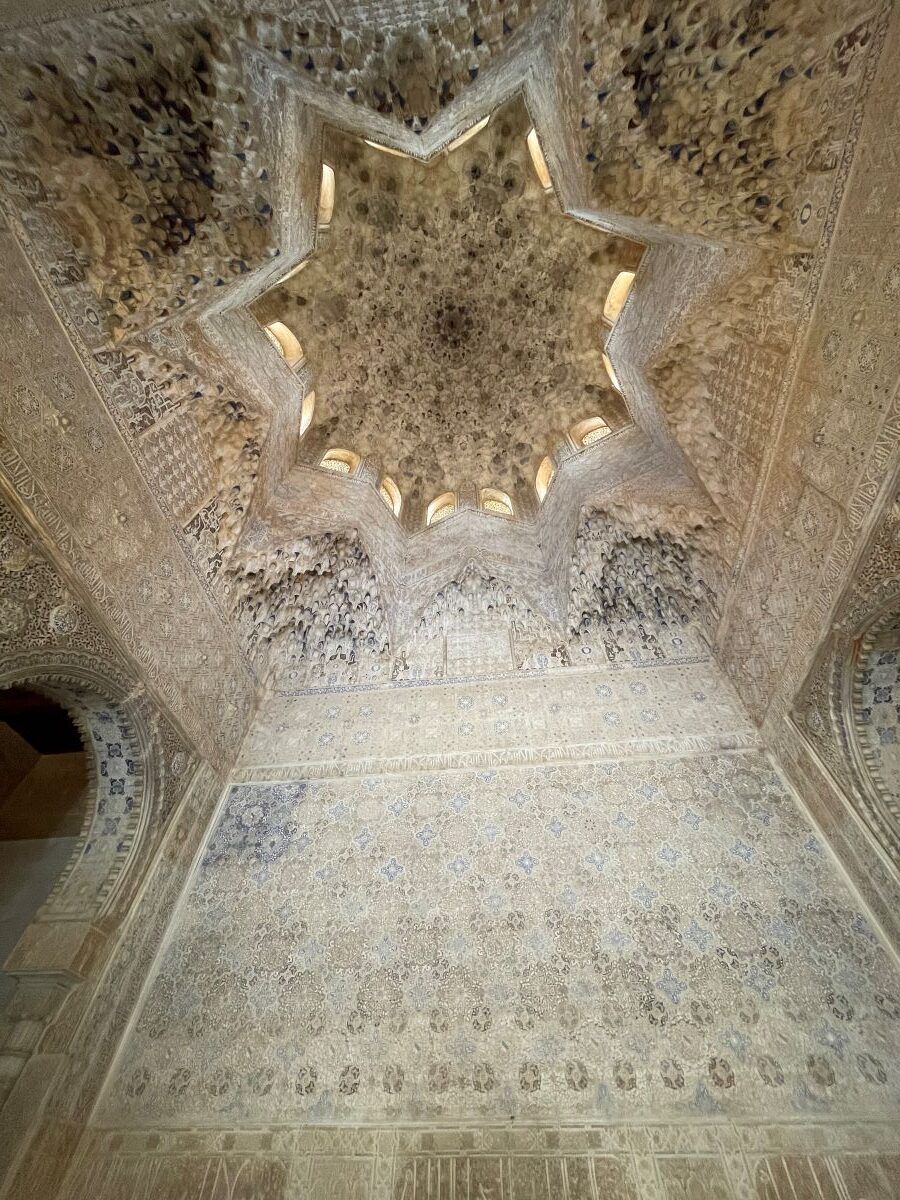
The Moorish rulers made Granada a real piece of heaven on earth. They built the Alhambra, an unsurpassed fortress on a hill overlooking the city, inside which there is a palace complex surrounded by gardens, fountains, water cascades, gazebos and stone carvings that adorn all the buildings of this complex.
I was delighted with the exquisitely decorated Nasrid Palaces and the graceful gardens of the Generalife. As you wander through the palace’s lavish rooms and courtyards, lined with gurgling marble fountains, it’s easy to imagine the emirs relaxing in the shade, enjoying life. This was the basic philosophy behind such exquisite buildings: life is transient and best appreciated in the present.
Planning tip: Entrance to the Nasrid Palaces is by timed ticket (plan to get there about an hour after entering). Therefore, start your visit with the gardens of Generalife, then go to the Nasrid Palaces, and at the end of your visit, visit the Alcazaba. Book your ticket online in advance to avoid standing in lines (it’s not a given that you’ll be able to buy a ticket at the ticket office at all – this place is insanely popular with tourists).
Albaicín – the old town of Granada

Albaicín, an ancient Arab neighborhood on a hill with the best views of the Alhambra and the peaks of the Sierra Nevada mountain range.
There are also a lot of platforms (miradors) with amazing views of the city. We stayed overnight in this particular neighborhood to walk around in the evening and see the Alhambra illuminated at night.
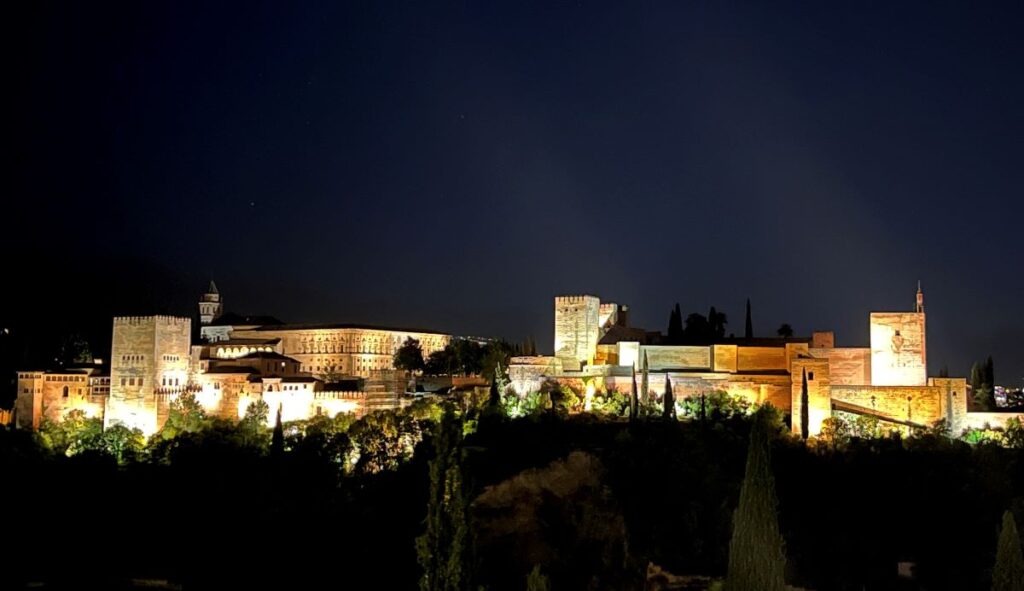
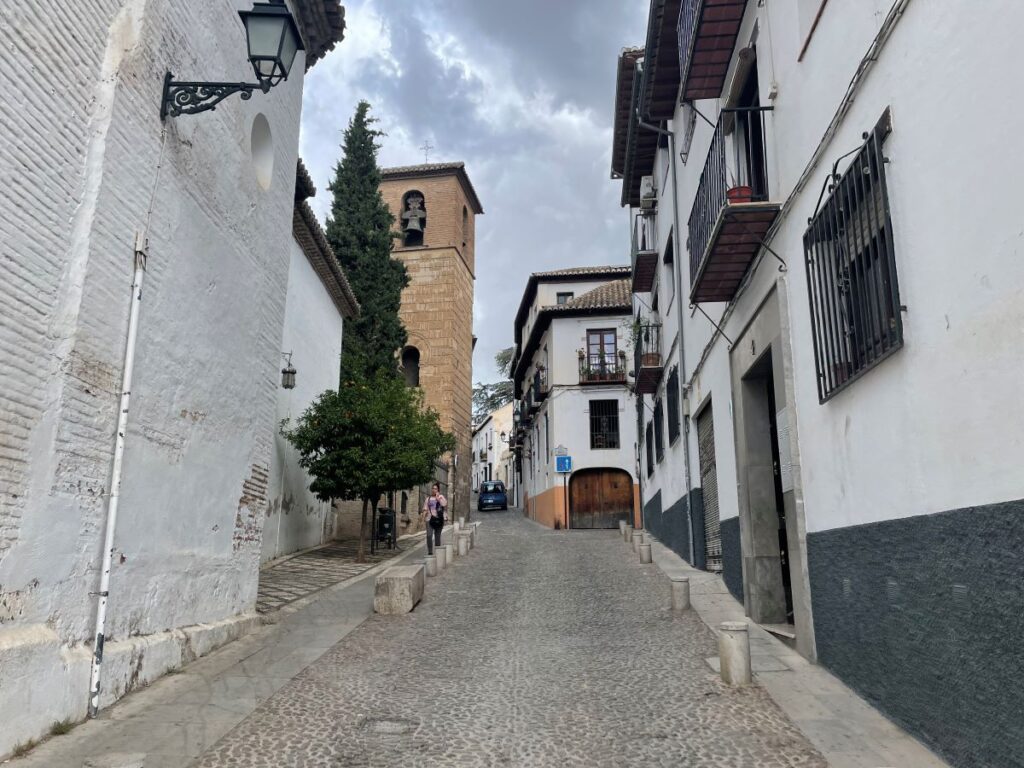
This neighborhood is a myriad of narrow streets and staircases. In Albaicín, you feel like you’re in the east-at least I felt like I was in the Moroccan Medina somewhere in Marrakech. It’s a great place to walk around, stopping at tapas bars, tea and hookah bars, and colorful Arabian shops.
Tip: If you are planning to explore Albaicín and are looking for something to buy as a souvenir, be sure to visit Fajalauza. It is a factory that has been producing ceramics since 1517, in fact, it is the last bastion of Granaína-style ceramics that has managed to preserve the traditions and pass them on through dozens of generations of craftsmen. The exhibition and sales area is the perfect place to find a unique, hand-painted souvenir.
Attend a flamenco performance in the Sacromonte Cave
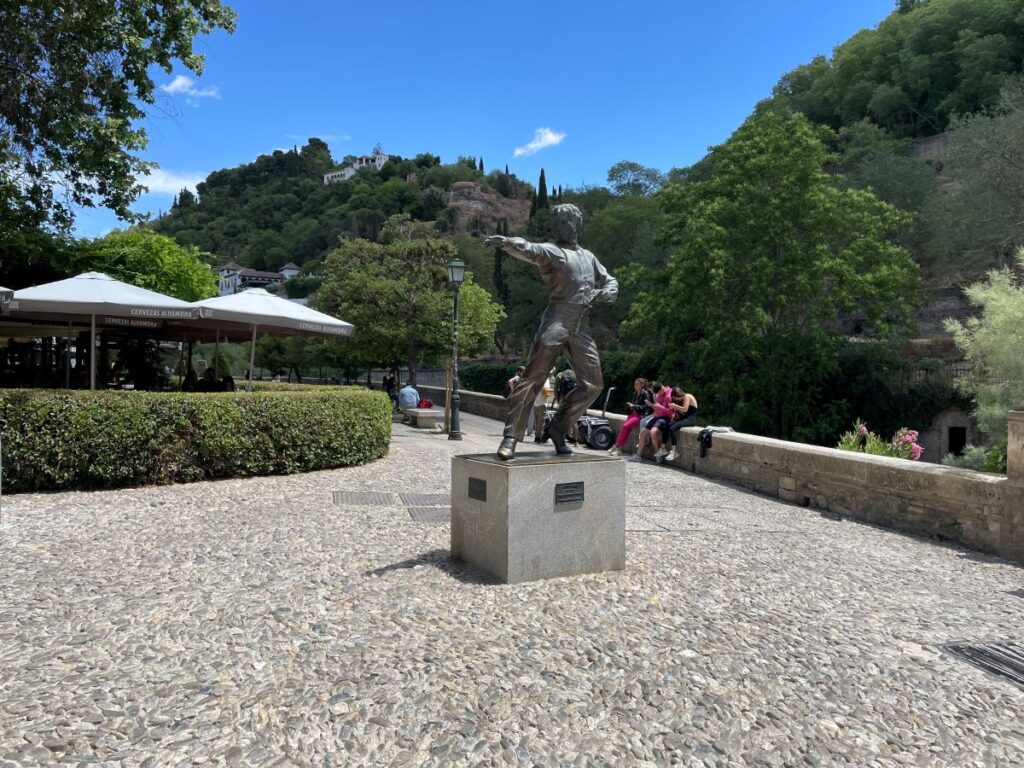
Granada has another distinctive neighborhood, the Gypsy neighborhood of Sacromonte, where people have been living in caves since the 15th century. Flamenco is a Spanish-Gypsy dance that originated in Sacromonte (but this neighborhood is in contention with the Triana neighborhood of Seville for the title of the birthplace of flamenco.
The Roma heritage is in clear evidence throughout the Sacromonte neighborhood in northeastern Granada. Many of the oldest houses were built in the naturally rich caves of these Sierra Nevada foothills. The caves have fostered an extremely emotional version of flamenco art, where every guitar performance is imbued with the pain of an oppressed existence.
Today, Sacromonte hosts dozens of nightly shows where they play this form of flamenco called Granaína, and many of them take advantage of the unique acoustics of their caves. Among them are Zambra María la Canastera and Cueva de la Rocio.
Tip: There are many other great places to catch a flamenco performance in Granada. These traditional non-cave flamenco theaters are known as tablaos. Some bars offer dinner and shows, such as Tablao Flamenco La Alborea, while others focus exclusively on art.
Enjoy the architectural style of Mudejar
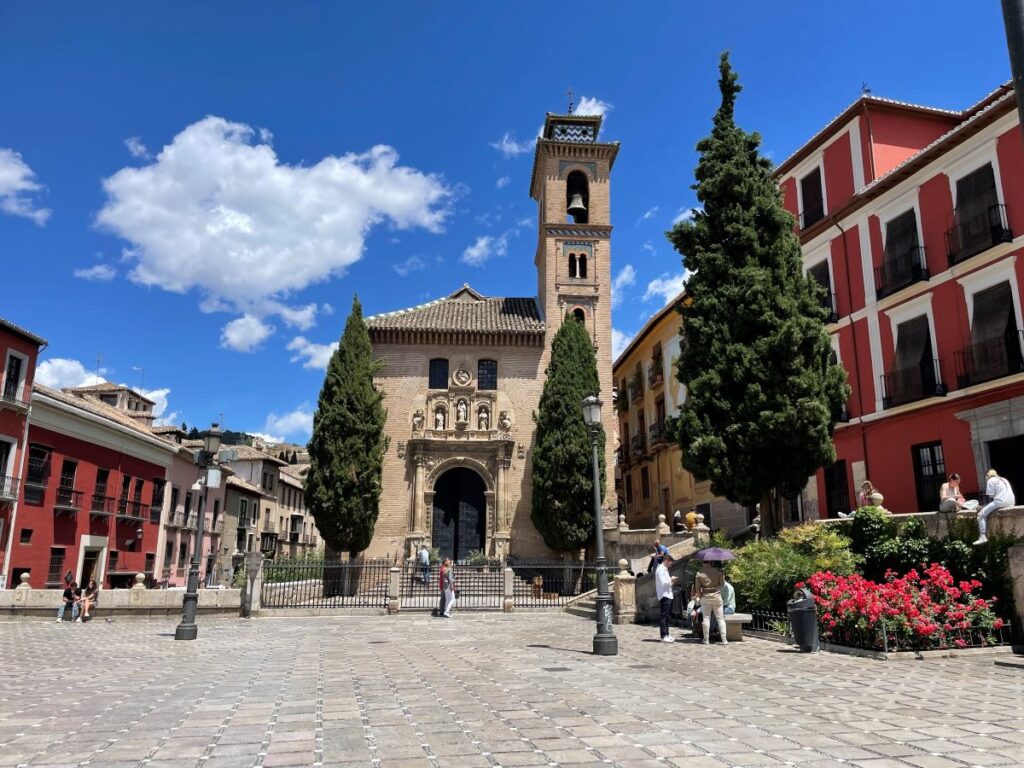
The Mudejar style, a combination of Moorish and Christian architectural motifs, is a common phenomenon in Andalusia. It is everywhere in Seville and Cordoba, but in Granada, you can also see this wonderful combination. The church of San Gil in Santa Ana, which used to be a mosque, is a great example of a combination of different religions. The church was built on the site of a Catholic Baroque mosque, but the tiled tower remains from an Arab building.
Other fascinating remnants of the heritage of this era are the Corral del Carbón, so named for its former use as a coal warehouse, but which began life as a 13th-century caravanserai. Nearby, the Palacio de la Madraza, located near the cathedral, has a Spanish Baroque exterior, but the arabesque stucco molding inside is undoubtedly Mudejar.
The best views in Spain

The majestic Alhambra dominates almost every view of the snow-capped peaks of the Sierra Madre from Granada’s Albaysin neighborhood. Finish your late afternoon stroll through Albaysin’s narrow cobblestone streets on a mirador (observation deck) before sunset. The most impressive view is from the Mirador de San Nicolas. Although many visitors to Granada also book accommodation in Albaysin to start and end their day with this view.
Planning tip: If you visit Granada in winter, you can go skiing at the ski resort of the same name, located not far from the city. It’s a great idea to combine cultural recreation with active sports, at least I like it very much.
Tapas bars – free Andalusian dishes
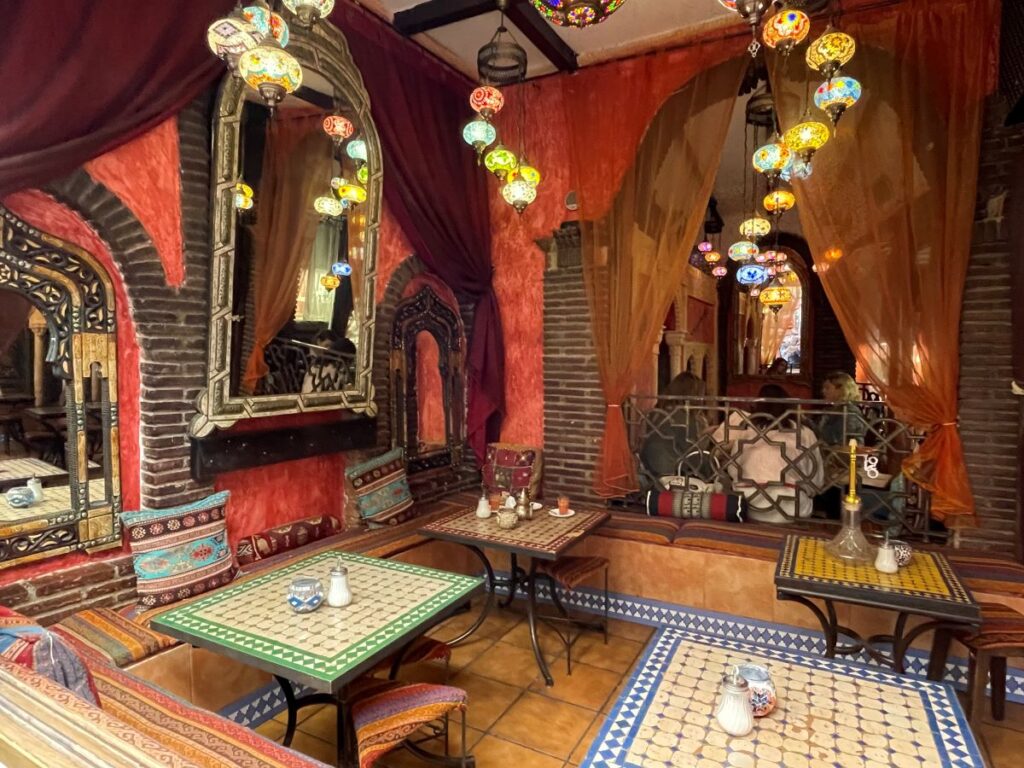
Perhaps even more impressive than the timeless beauty of the Alhambra is the fact that nowadays you can still enjoy free tapas in Granada. Once upon a time, it was a widespread practice in Spain to provide a small plate of food with every drink purchased. Now it is almost exclusively confined to Granada and its surroundings. The capital’s establishments even have menus that offer a choice of more than 10 dishes, including estofado de carne (piri-piri pork stew) or ensalada de garbanzos (chickpea salad). Order a drink (wine or beer) and choose an appetizer.
In Granada, you will also find teterias (Arabic cafes). They are remnants of the Moorish culture left by the Moorish emirs. Tetería Dar Ziryab serves excellent Middle Eastern cuisine and classic Moroccan mint tea. The largest concentration of teterías is around the intersection of Elvira and Calderería Nueva streets. It is located two blocks east of the cathedral.
Tip: The bars offer free tapas all over the city. But if you head to the Realejo neighborhood southwest of Alhambra, you’ll find many traditional bars, such as Bar Los Diamantes on Calle Navas.
Where to stay in Granada
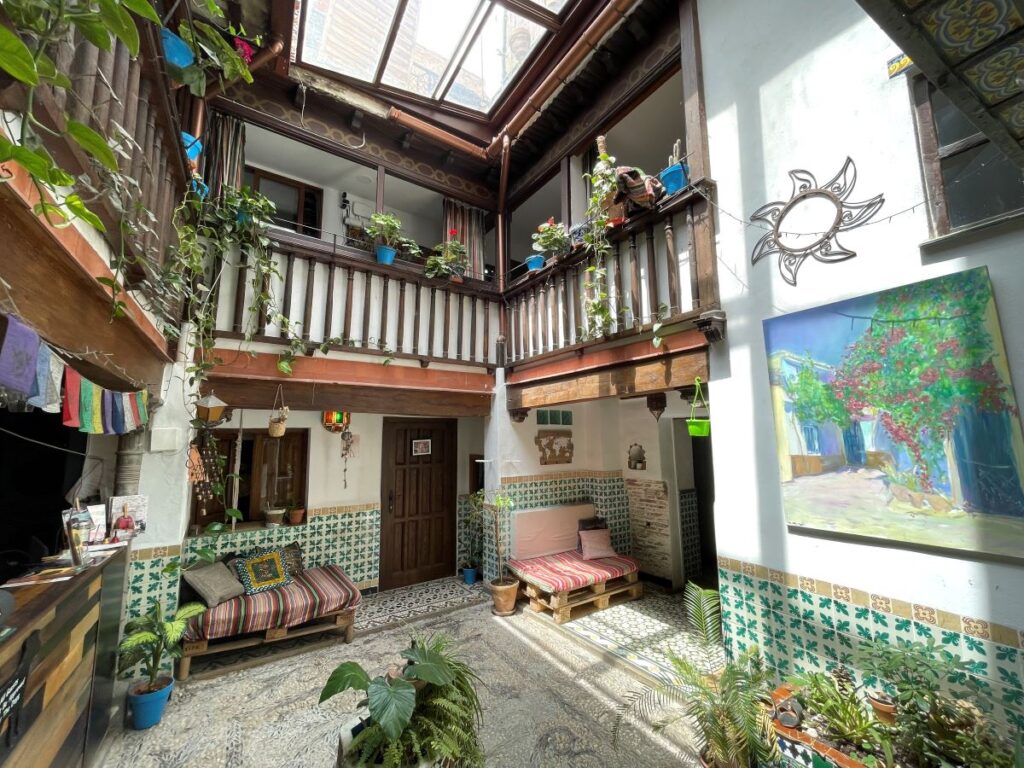
I advise you to stay in one of the next hotels in the city center. It is easier to reach by public transport and on foot. And all the sights are very close, 5-10 minutes on foot.
- La Casa de la Trinidad≫ – is a nice hotel in the city center with excellent breakfasts.
- Sercotel Palacio de los Gamboa≫ – is a hotel with its own cozy Moorish-style patio and affordable prices.
- Pepa Home≫ – is a beautiful apartment hotel with self-catering rooms located in the city center.
If you’re coming to Granada for just one day, as we did, I recommend booking a hotel in the old Albaysin neighborhood. There are quite a few stairs and you can only get there by taxi or small minibusses. But you will be able to stay as long as possible in the epicenter of Arab culture in Granada. There you can feel its flavor and see the best views from the observation decks in the morning and evening.
- Sueño de Elvira – apartments with a private rooftop terrace offering magnificent views of the city.
- Casita a la Luz de la Alhambra – budget apartments with views of the Alhambra.
- La Morada Sur – hotel with cozy rooms in the heart of Albaysin.
Tip: The streets in the area include steep sections and many stairs, so bring appropriate footwear. But you’ll be rewarded – the hotels up on the hill, north of the Darro River, offer the best views.
What you need to travel in Spain
- Book your accommodation in advance – prices in the high season in Spain, as in other countries, rise. Booking.com helps you to find discounted options, as well as book accommodation with the possibility of free cancellation.
- The best way to get to Granada is to buy tickets. The closest airports are Malaga and Seville. Then by bus or train. Or if you are planning a trip to other cities and villages of Andalusia, it is better to rent a car at DiscoverCars. Here you can find budget and more comfortable car options.
- I buy bus tickets in Spain on the website of the Spanish carrier Alsa.
- Квитки на потяги в Іспанії – на сайті іспанської залізничної компанії Renfe.
Useful articles and links:
- San Francisco from a bird’s eye view
- 7 days route in Andalusia – what to see in the south of Spain
- Via Francigena – Italian Camino, route details from Lucca to Rome
- Ronda, Spain – 10 things to do in the white city on a cliff


