Canary Islands – which island to choose for your vacation. Information on the islands, how to get there, what to see, activities and beaches, who each island is best suited for.
Vast beaches with white and black sand, breathtaking nature, pleasant warmth instead of scorching heat. These are just some of the many things you can expect when traveling to the Canary Islands.
Seven very different and unique islands of the Canary archipelago. Choose an island based on your preferences: if you want a quieter island without large tourist resorts, head to Fuerteventura and Lanzarote. Or do you prefer a livelier holiday full of activities? Then head to Tenerife and Gran Canaria!
Which of the Canary Islands is right for you?
Concise and to the point about how to choose the island for your vacation to get the most pleasure out of it.
And when is the ideal time to visit the Canary Islands?
You can enjoy a holiday here all year round. The weather on the Canary Islands is favorable even in October or November (rain is possible).
The climate here is wonderful—even in winter the temperature does not drop below 18°C (except for storms and cyclones, when it can be +15). So you can plan your vacation here at any time, except during the high season.
And what about swimming in the ocean? Swimming in the Canary Islands is recommended from May to November. But in winter it is also possible—the water temperature at this time reaches +20°C.
Tenerife – the island with the highest mountain in Spain

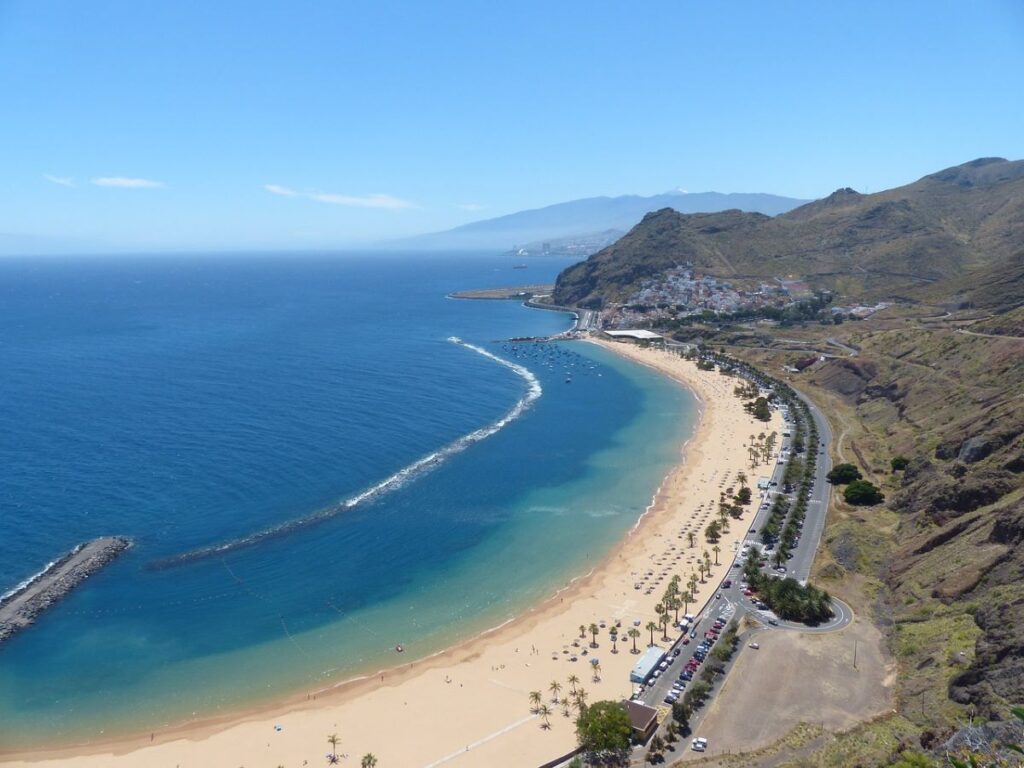
Tenerife is the largest of the Canary Islands, with a very hilly terrain. Beaches with volcanic black sand are typical for this island. But if you prefer golden beaches, you can find them here too—near the capital Santa Cruz there is an artificial beach with Sahara sand. The roads in Tenerife are good, so you can easily travel around the island by rental car or by bus, which run quite well here.
Who is a holiday in Tenerife suitable for?
Tenerife is the best choice for those visiting the Canary Islands for the first time. Here you’ll find everything: good beaches and cool hotels, mountains, volcanoes, amusement parks, restaurants, and resorts for every budget.
Particularly enjoyable in Tenerife for:
- families with children;
- tourists who cannot or do not want to travel by car;
- fans of excursions and amusement parks;
- those who want to combine a beach holiday with activities—surfing, hiking in the mountains;
- travelers visiting in the low season.
What to see in Tenerife?
- Teide National Park with the highest mountain in Spain – the peak of Pico de Teide (3718 m above sea level), which is also the third largest volcano in the world, and can be reached by cable car. Book your cable car tickets in advance (but be prepared that in bad weather it may be closed).
- Tropical park – Loro Parque with plenty of beautiful birds, parrots, and other animals.
- Siam Park—a water park with slides for children.
- Punta de Teno – you can take a beautiful trip to this lighthouse.
- Catamaran trip for whale watching.
- Masca – a remote mountain village.
Where is the best place to stay in Tenerife
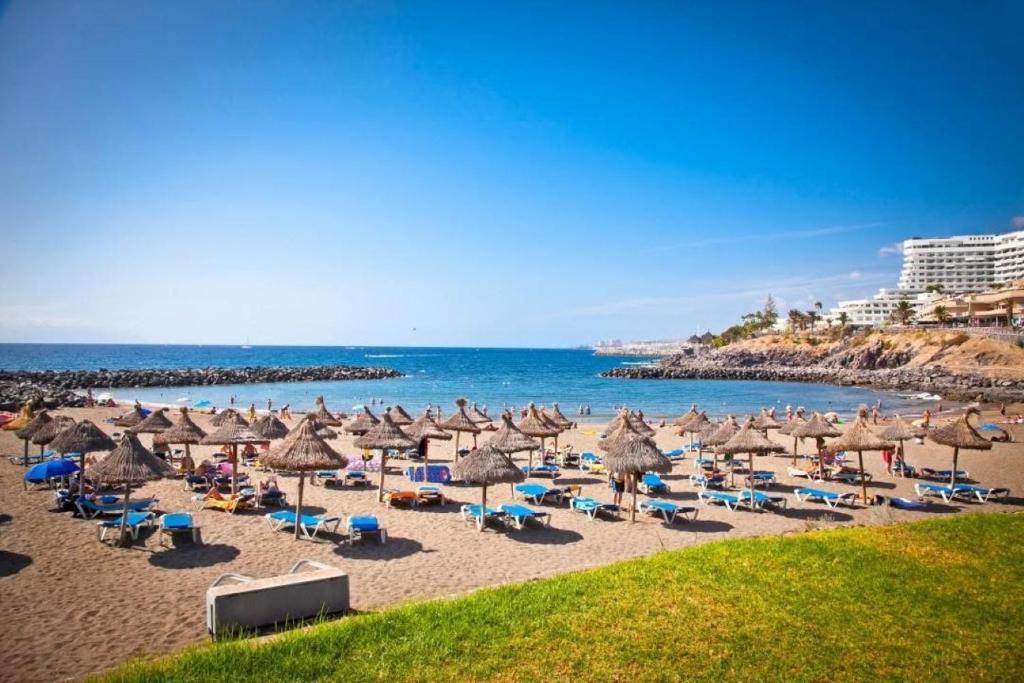
- Costa Adeje — considered the most prestigious resort on the island. There are modern hotels, well-maintained beaches, beautiful promenades, and plenty of restaurants and shops here. The beaches are protected from waves, so the resort is especially popular among families with children. From here it’s convenient to go for boat trips for whale and dolphin watching, as well as to visit the island’s top attractions, including Siam Park water park. Booking Costa Adeje
- Los Cristianos — Former fishing village turned into one of the most convenient resorts in Tenerife. It has a calmer atmosphere than the neighboring Playa de las Americas, a wide sandy beach, and a large port from which ferries depart to other Canary Islands. Los Cristianos is perfect for families with children, elderly tourists, and those who enjoy promenade walks, cozy cafes, and local flavor. Booking Los Cristianos
- Playa de las Americas — the liveliest resort in Tenerife. Here you’ll find numerous bars, clubs, restaurants, and shopping centers. The resort is popular among young people and active tourists who like to combine a beach holiday with evening entertainment. At the same time, it has good beaches with golden sand, surf schools, and a wide range of excursions around the island. Booking Playa de las Americas
- Puerto de la Cruz — located on the northern coast of the island and very different from the resorts of the south. There’s more greenery, authentic Canarian architecture, and local life here. The resort will appeal to those who want not just to sunbathe, but also to explore the island’s nature. Here you’ll find the famous Loro Parque, botanical gardens, and volcanic beaches with black sand. Puerto de la Cruz will be a great choice for independent travelers, couples, and those who want to see the real Tenerife beyond tourist zones. Booking Puerto de la Cruz
Public transport in Tenerife
The bus network TITSA covers almost the entire island. For a beach holiday, a car is not necessary, but for visiting Teide and remote viewpoints, a car will be useful.
Gran Canaria – active recreation and the best choice for families
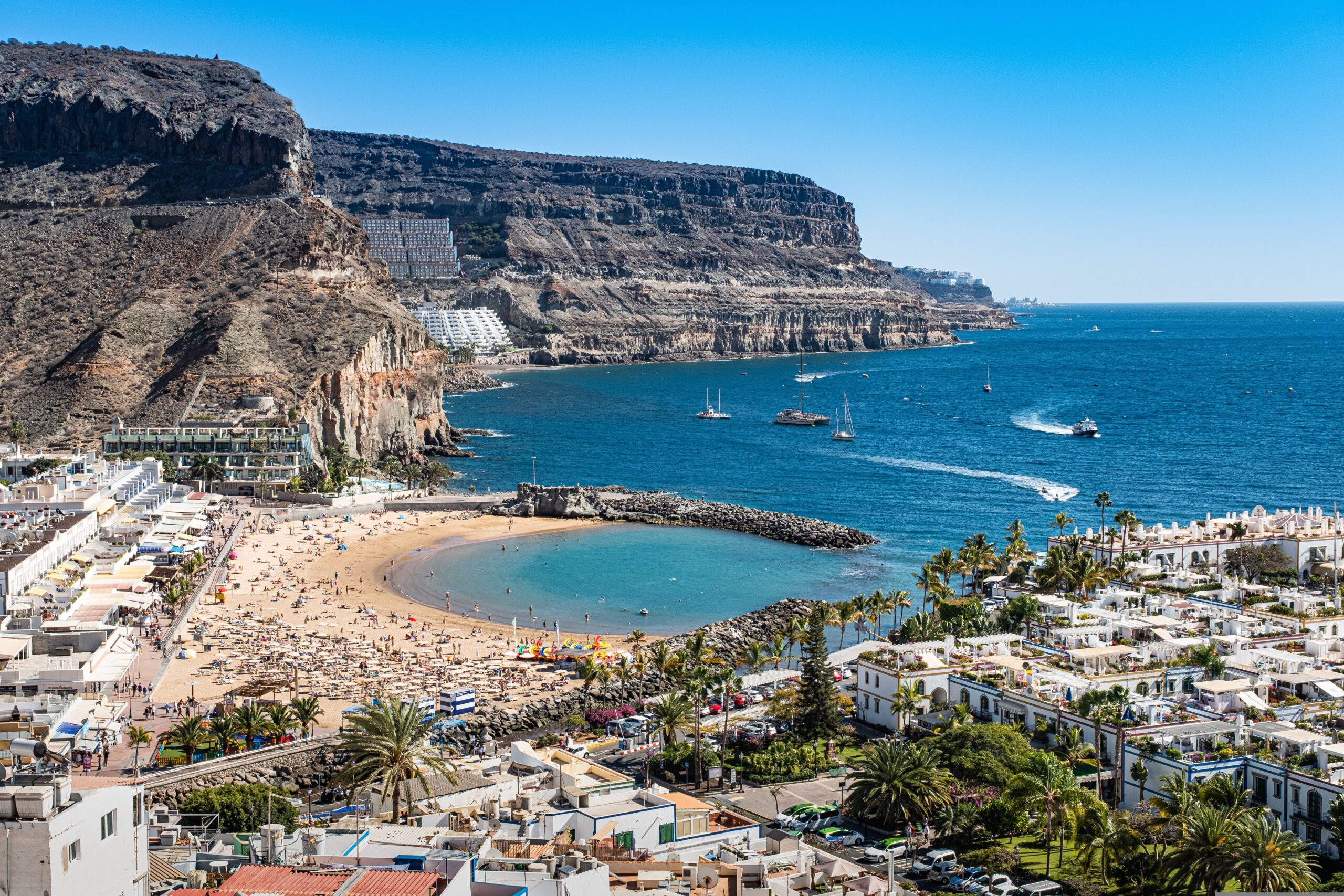
Do you like to spend your free time packed with activities? Then go on holiday to Gran Canaria – a varied island with a mountainous interior, sand dunes and excellent beaches. Compared to Fuerteventura, the tourist resorts here are larger and more developed. The island is also ideal for families with children, who will find many more activities for adults and children.
And what about active recreation? There are excellent hiking and mountaineering trails here, and of course you can enjoy a wide variety of water sports. Gran Canaria even has its own Camino de Santiago route! If you rent a car, explore picturesque villages and valleys. In the south of the island, at the Maspalomas resort, admire the sand dunes, which look as if a piece of the Sahara has been relocated here. And on the west coast, there are rocky cliffs with magnificent views.
Who is a holiday in Gran Canaria suitable for?
Gran Canaria is another island for those who do not plan to rent a car and want to relax on beautiful beaches with their family. But it’s also great for active travelers. I’d gladly walk along some of the many hiking routes on this island. The island is perfect for:
- families with children;
- fans of active recreation;
- tourists without a car—here public transport is well developed;
- those who want to combine beaches and excursions.
What must you see in Gran Canaria?
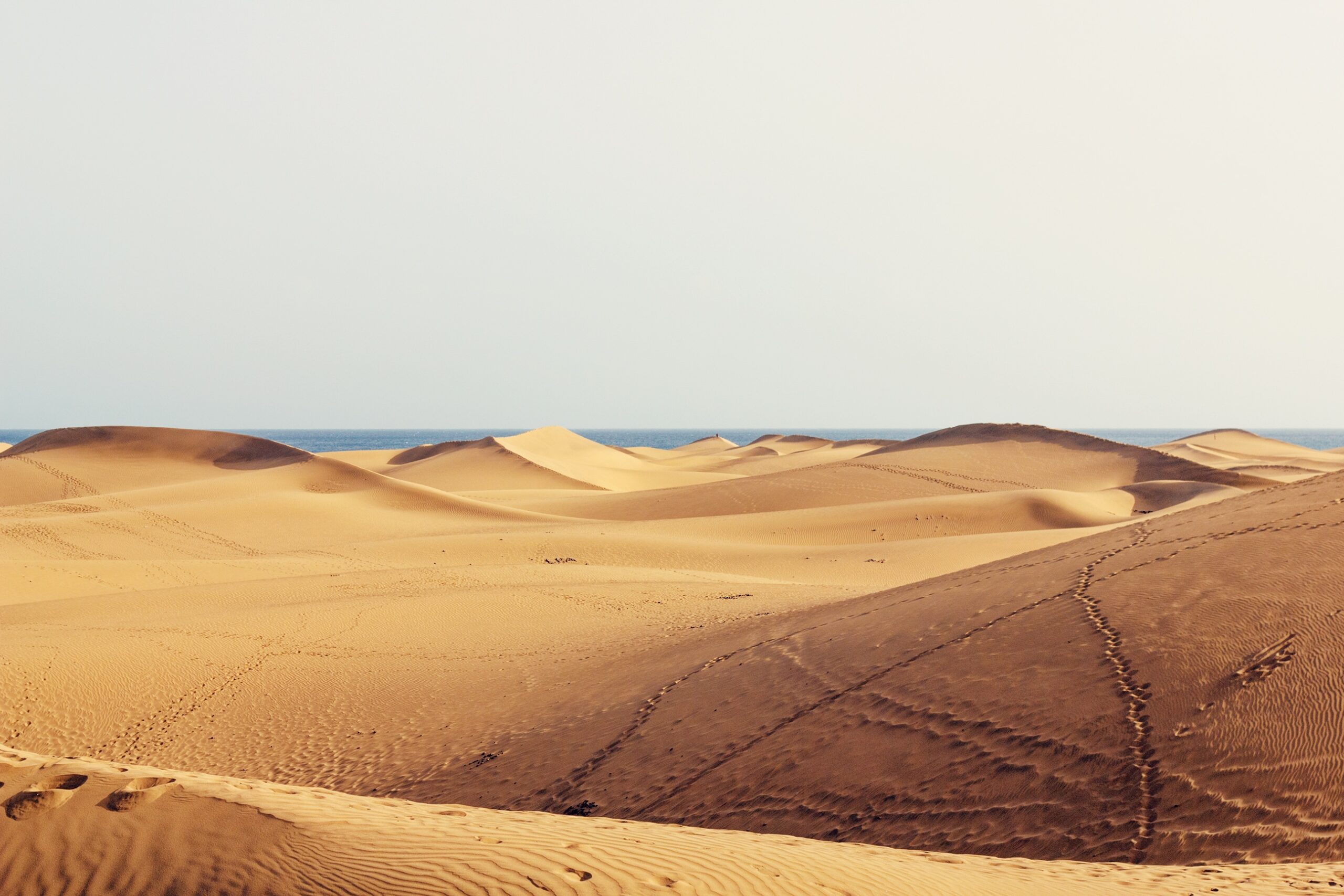
- Montaña Arena Beach – a wonderful nudist beach, but you can also be in a swimsuit here, there is no signal, sunbeds, or umbrellas, but divine tranquility without people
- Gui Gui Beach – you can get here by boat or by a more difficult, approximately 2.5-hour hike, but the journey is definitely worth it.
- Palmitos Park – a botanical garden with parrot shows, a crocodile park
- Finca de Osorio – a pleasant place for walking, a beautiful forest, and a very different landscape than the coast
- Piscinas naturales Agaete – natural pools with lagoons connected by lava tunnels,
- Puerto de Mogan – a port full of yachts and original Canarian architecture gems, fairly compared to Venice
Where to stay in Gran Canaria?
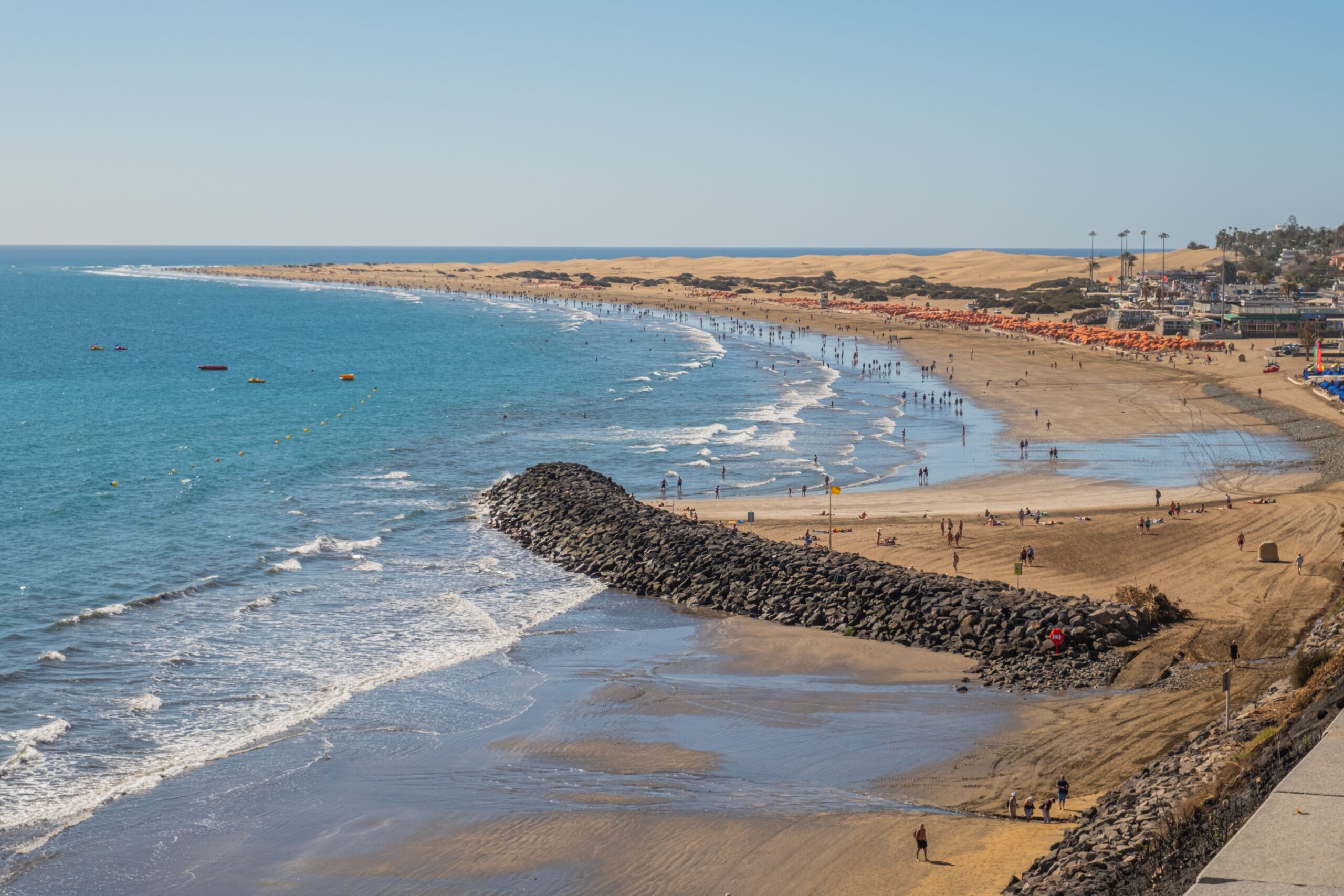
- Maspalomas – here are the famous Maspalomas dunes, wide sandy beaches, and a long promenade for walks. The resort has a large selection of hotels, restaurants, and shopping centers. It’s suitable for families with children, couples, and tourists who want to combine beach relaxation with island excursions. Booking. Maspalomas
- Meloneras is located next to Maspalomas, but with a more upmarket atmosphere. Here are Gran Canaria’s best five-star hotels, a beautiful ocean promenade, quality restaurants, and boutiques. The resort is perfect for couples, lovers of comfortable relaxation, and tourists seeking peace without noisy entertainment. Booking.Meloneras
- Puerto Rico – due to its location in a sheltered bay, Puerto Rico is considered one of the sunniest resorts on the island. There is almost no strong wind or waves, and the golden beach is perfect for holidays with children. The resort is popular with families, lovers of sea trips, and water sports. Excursions to watch dolphins and whales also depart from here. Booking.Puerto Rico
- Puerto de Mogan – often referred to as the “Little Venice of the Canary Islands” thanks to its picturesque port, canals, and flower-adorned houses. It has a cozy atmosphere of a traditional fishing town, and the beach is sheltered from the waves, perfect for family holidays. It’s a great choice for couples, lovers of beautiful walks, and those wanting to relax in one of the most beautiful corners of the island. Booking.Puerto de Mogan
Public transport in Gran Canaria
Gran Canaria has one of the best public transport systems among all the Canary Islands. The main type of transport is the green intercity buses by Global, which connect the airport, the island’s capital, resorts, and most popular tourist spots.
It is quite comfortable to relax here without a car, especially if you are staying in Maspalomas, Meloneras, Puerto Rico or Puerto de Mogan. It’s easy to get by bus from the airport to the resorts, visit the island’s capital Las Palmas de Gran Canaria, the Maspalomas dunes or picturesque Puerto de Mogan.
For a beach holiday and excursions to major attractions, renting a car is not required. However, if you plan to explore the mountainous areas of the island, visit remote villages or change locations often, a car will make your trip much more comfortable and let you see more in a short time. For example, places like Roque Nublo rock or the mountain village Tejeda are most easily reached by car.
Fuerteventura – peaceful holidays on endless beaches
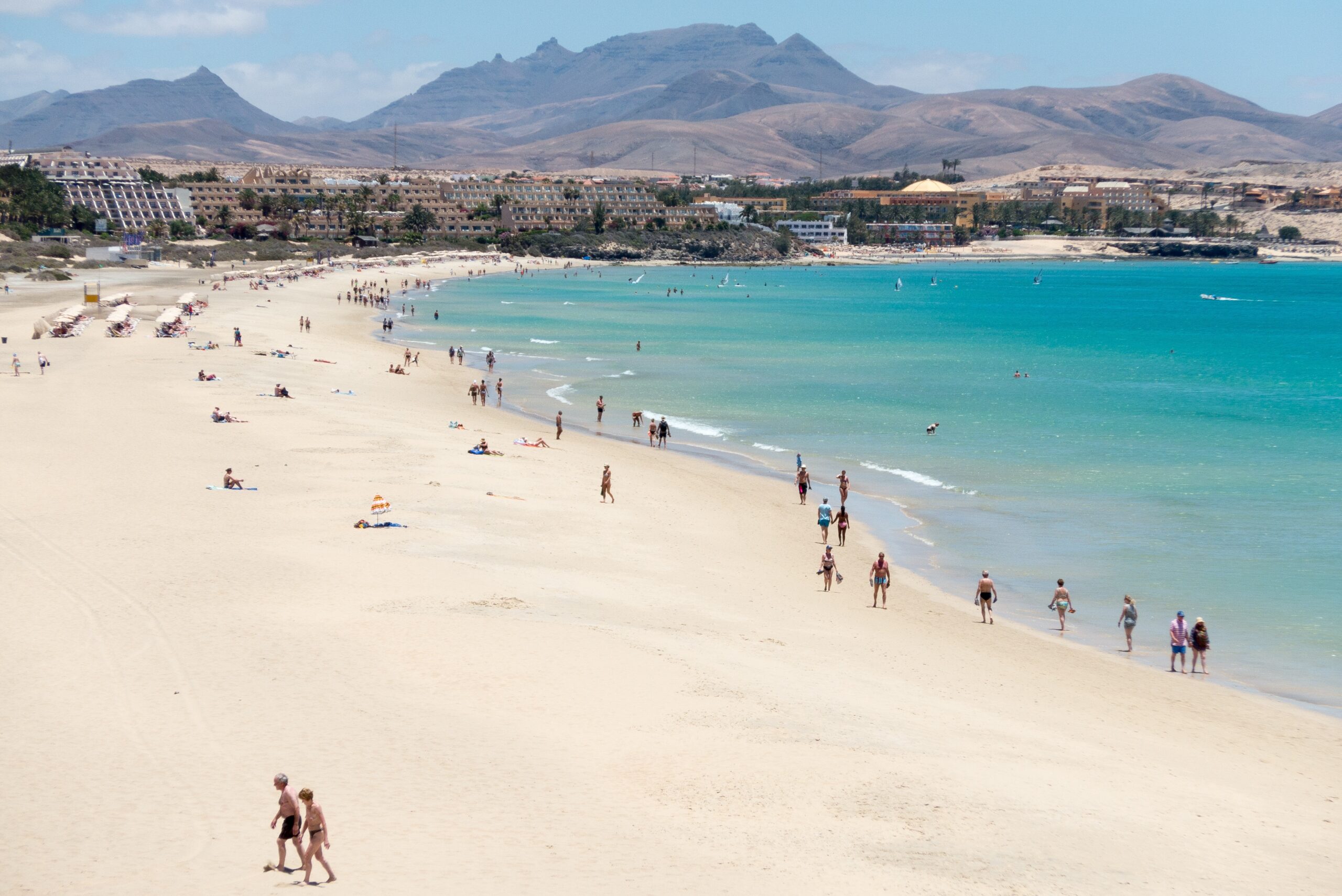
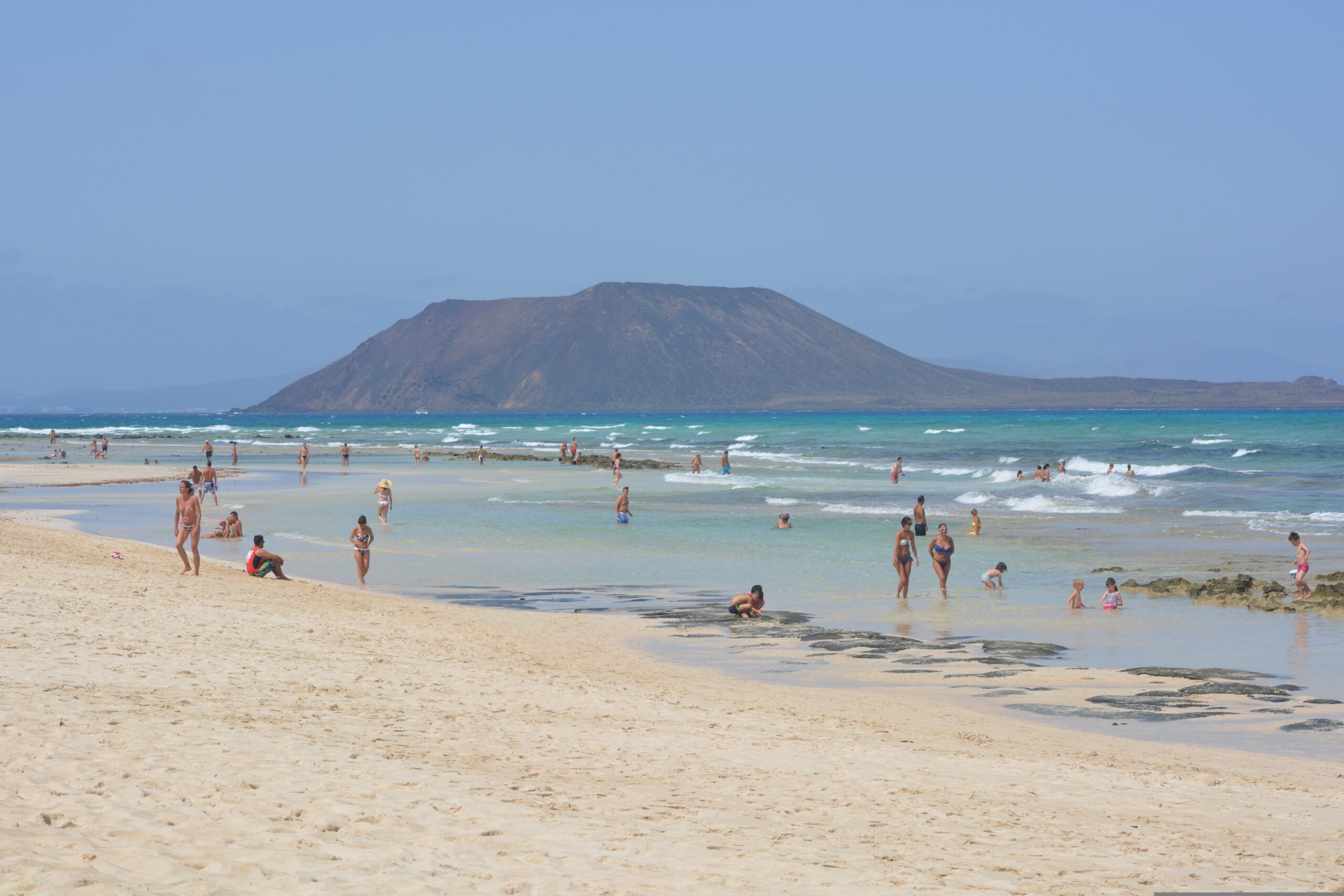
The main reason to come here is the ocean and the beaches, which are long and excellent for peaceful walks. It is also said that Fuerteventura is the warmest of all the Canary Islands. So this place is one of the best to enjoy a holiday in October or February.
There are beautiful beaches all over the island, especially in the south, where white sand and blue water create the impression of being in the Caribbean. Watersports lovers will find their place here—the island is windy, so conditions for windsurfers are ideal.
Don’t expect any super resorts full of people. There are a few towns on the island with hotels and shops, a few good restaurants, and otherwise a divine calm prevails. Inland you can admire old windmills and aloe vera plantations.
If you rent a car, you can easily drive around the whole island and see its attractions in a day or two. Cycling is also a great way to discover local beauty.
Who is a holiday on Fuerteventura suitable for?
This island is the perfect choice for the following categories:
- lovers of beach holidays;
- windsurfers and kitesurfers;
- those seeking peace and quiet;
- tourists who don’t like big cities.
What to see on Fuerteventura?
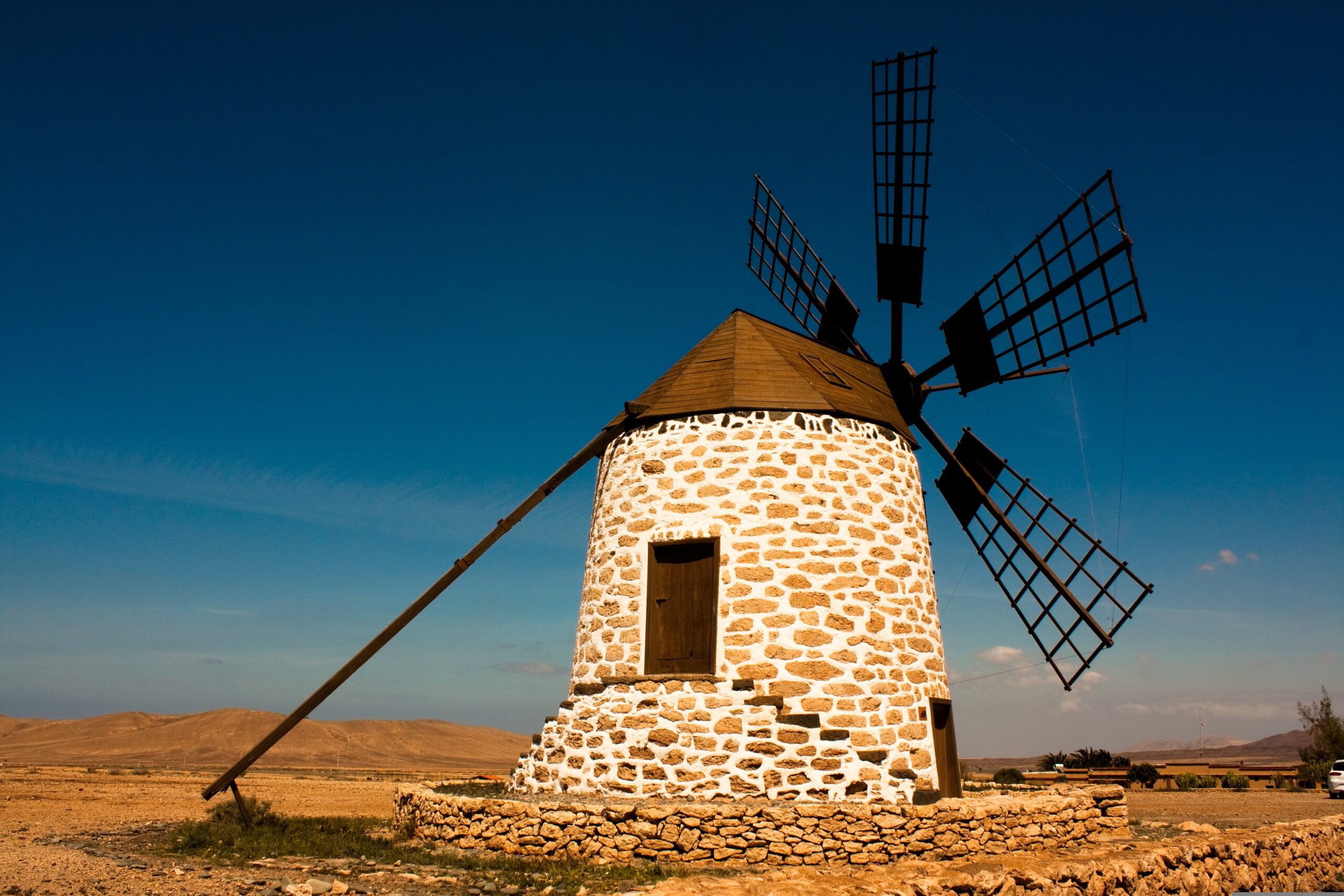
- The capital Puerto del Rosario – a port city where festivals and carnivals are held in season.
- The town of Costa Calma—the largest beach is Playa del Sotavento, nearby is the Oasis Park (the largest botanical and zoo park on all the islands).
- The town of Caleta de Fuste—the El Castillo fortress, a great place for diving and surfing. Good starting point for visiting the salt mines Salinas del Carmen (4 km).
- Pájara—a village with a rural character and beautiful villas, one of the most popular fishing spots. From here a hiking trail leads to the Barranco de la Madre del Agua gorge (7 km)
- Gran Tarajal—a port town, convenient for buying local products, in the center is the beautiful church Nuestra Señora de la Candelaria.
- Oasis Wildlife Fuerteventura – a large natural park, zoo and botanical garden in the La Lajita area.
- Corralejo Dunes Natural Park – vast open spaces of sand dunes gradually blending into endless ocean beaches with turquoise water.
Where is the best place to stay on Fuerteventura
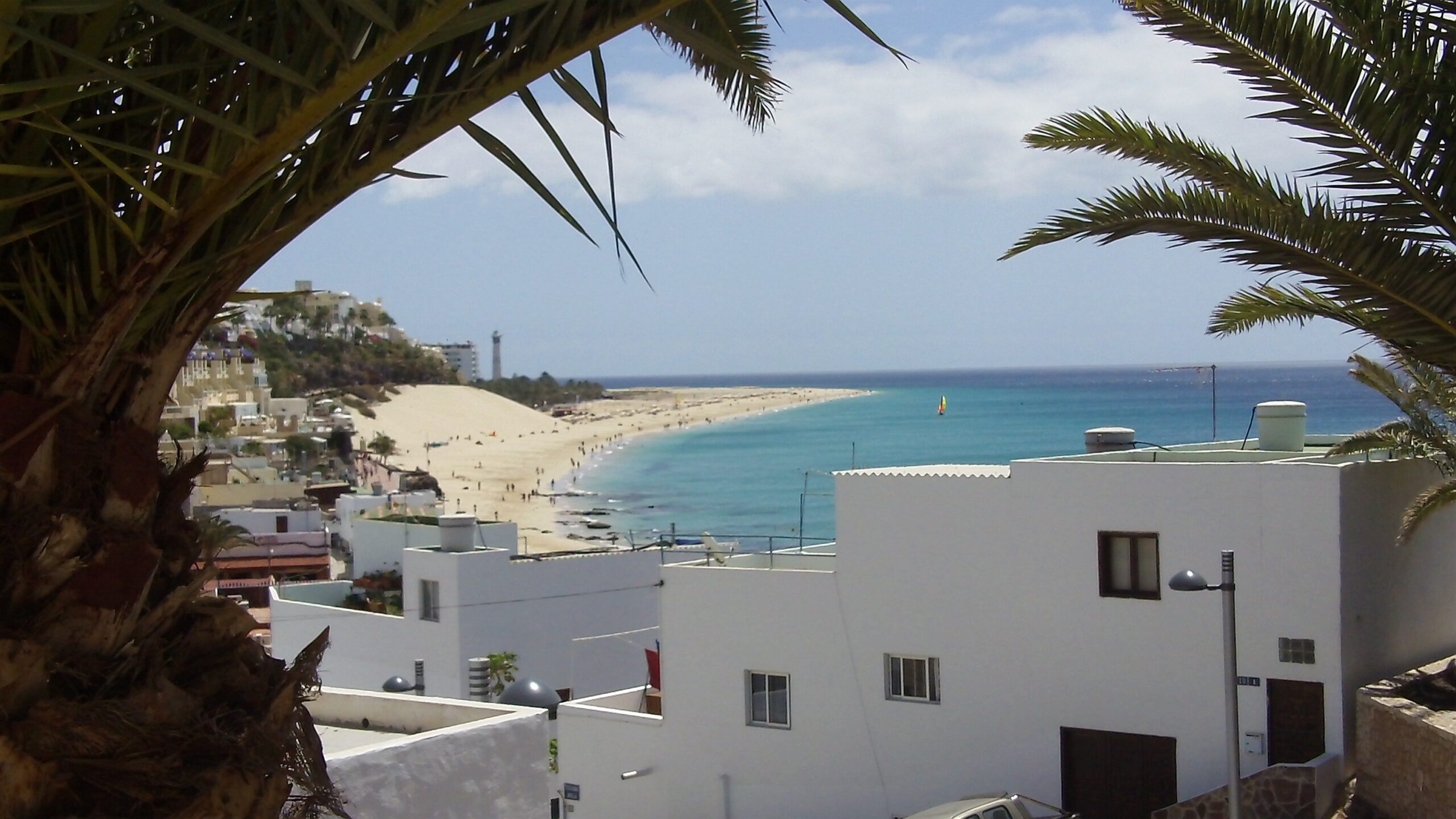
- Costa Calma—one of the best Fuerteventura resorts for family holidays. There are wide sandy beaches, a peaceful atmosphere, and good tourist infrastructure. The resort is especially attractive to families with children and those seeking a holiday without noisy parties. Booking.Costa Calma
- Morro del Jable — located at the southern tip of Fuerteventura, famous for its long beaches with white sand and turquoise water. There are more restaurants, shops and walking areas here than in Costa Calma. It’s a great choice for those who want to combine beach holidays with evening walks and excursions. Booking. Morro del Jable
- Corralejo — the liveliest resort on the island, located in the north near the dunes. Here you’ll find a natural park with vast sand dunes considered one of the main sights of Fuerteventura. The resort is popular among surfers, kitesurfers, and young travelers. You can also easily get to Lobos Island from here or take a ferry to Lanzarote. Booking.Corralejo
Public transport on Fuerteventura
Buses run between the main towns, but for a full exploration of the island a car is highly desirable.
Public transport on Fuerteventura is represented by the TIADHE buses (locally called guagua). This is the cheapest way to get around the island, but keep in mind that the infrastructure is not as dense as in Tenerife or Gran Canaria.
There are direct routes along the entire island from north to south, but the frequency of routes may be limited—sometimes only a few times a day.
Lanzarote – the island with a lunar landscape
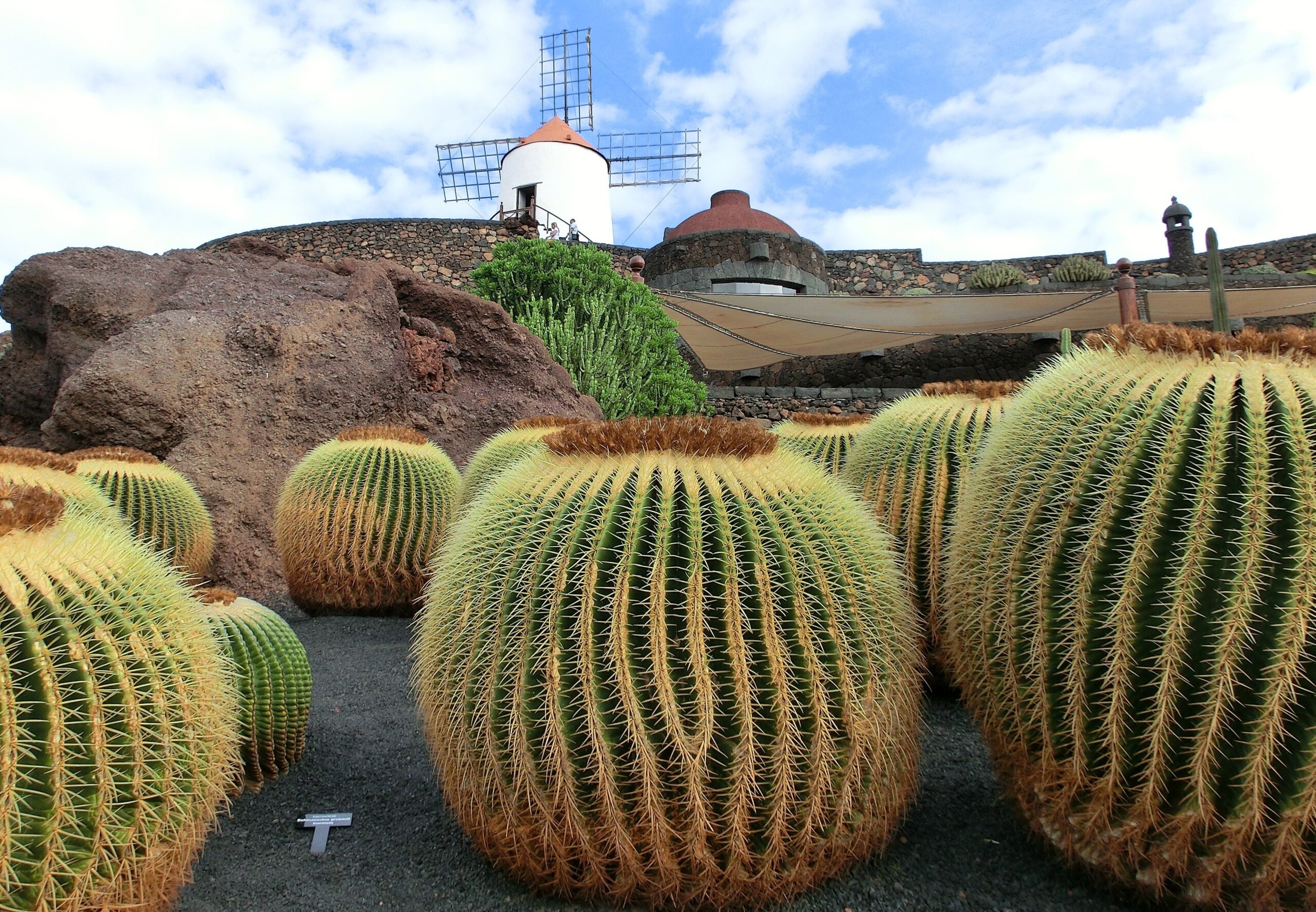
An island with a volcanic landscape that will make you feel as if you’ve landed on the Moon. Famous grapevines grow on volcanic soil, so be sure to try the delicious local wine, for example, in the La Geria Valley, which is the main winemaking region. The beaches here come in various colors and make for excellent conditions for windsurfing and diving.
Who is Lanzarote suitable for?
- photographers who shoot landscapes;
- wine lovers—local volcanic wine has an excellent taste, so you can compare it with the wines of Sicily, Santorini and other volcanoes;
- lovers of volcanic landscapes;
- couples—romance of white buildings and black volcanic sand beaches is guaranteed for you;
- fans of slow pastime;
- hikers—it’s easy to climb a couple of extinct volcanoes here.
What must you see in Lanzarote?
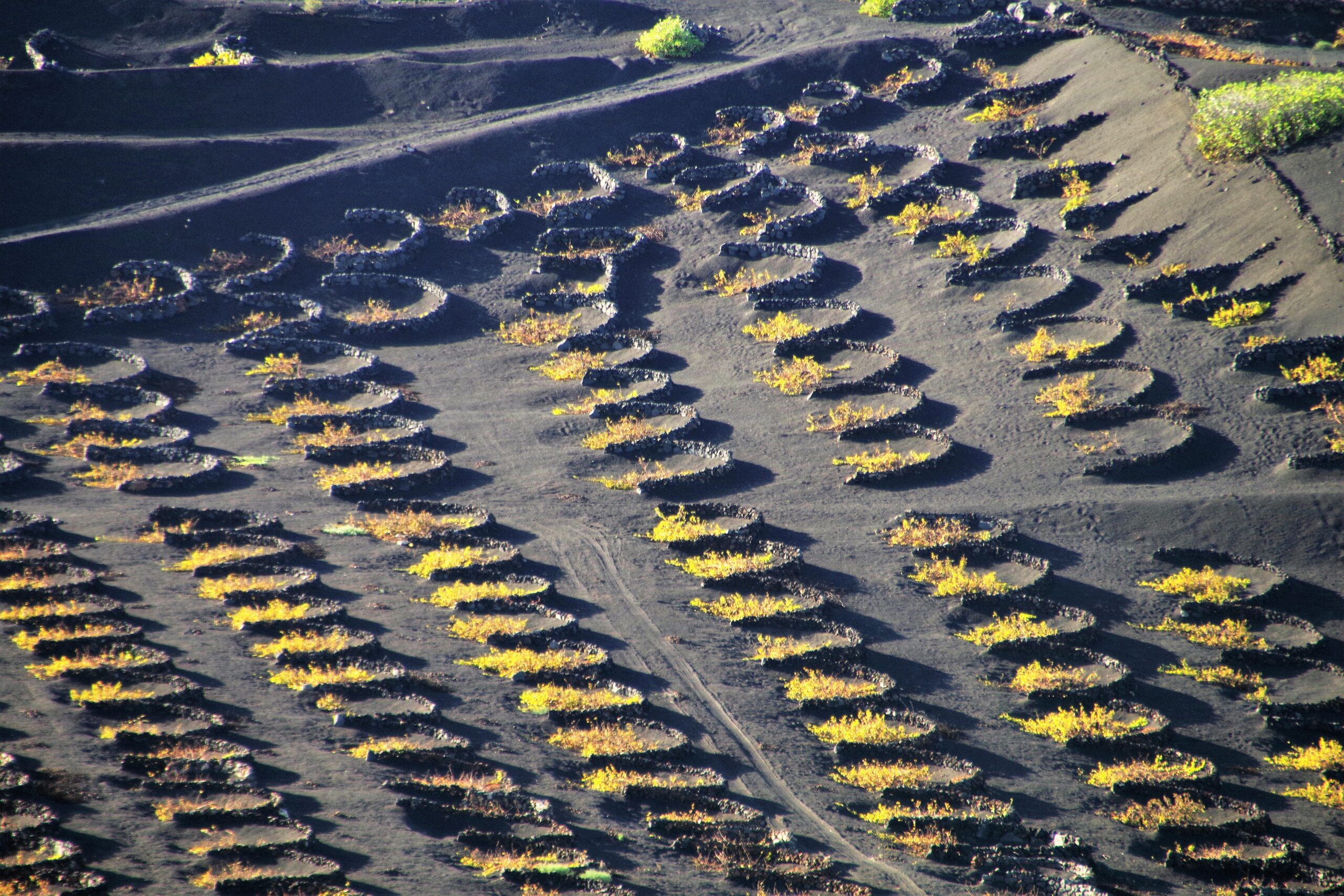
- Playa de Famara Beach—a sandy beach stretching for 3 km along high cliffs.
- Montañas del Fuego or Fire Mountains—you’ll see old lava flows and small craters here.
- Puerto del Carmen—a resort that was once a small fishing village, now a popular tourist destination, here you can experience carnivals and also visit a museum.
- Timanfaya National Park — a volcanic reserve with one of Europe’s most impressive lava landscapes, formed during the massive eruptions of 1730–1736.
- Jameos del Agua—one of Lanzarote’s most famous attractions, created inside a volcanic lava tube. The complex combines a natural cave, art, architecture, and cultural spaces in a unique environment that has become a symbol of the creative heritage of César Manrique.
- La Geria Valley—a winemaking region, where you can see one of the unusual methods of growing grapes in circular pits of lava rock.
- Cueva de los Verdes cave—a volcanic cave you can visit.
- El Campesino House-Museum—a creation of César Manrique, the architect who influenced Lanzarote’s appearance.
- Rancho Texas Lanzarote Park
- Costa Teguise Aquarium—visitors can see over 30 different aquariums with marine inhabitants, including sharks, starfish, moray eels, and plenty of tropical fish.
- Playa Papagayo—one of the most popular beaches on Lanzarote, a small beautiful bay with snow-white sand.
Where to stay on Lanzarote
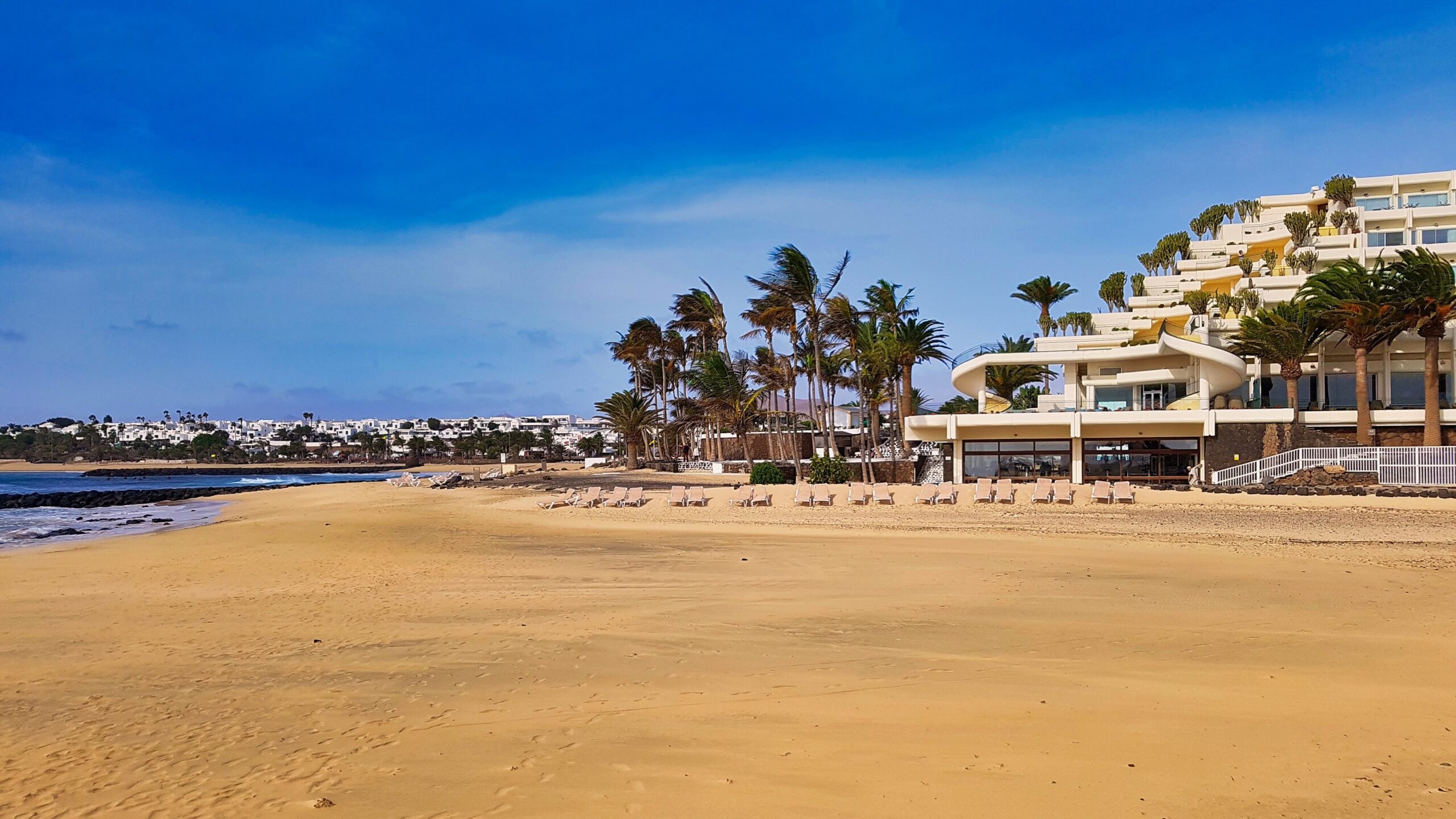
- Puerto del Carmen—the island’s main tourist center with the longest promenade, a wide selection of hotels, restaurants, and shops. There are several good sandy beaches here, as well as vibrant nightlife. The resort is suitable for those who like active holidays, want to have all the entertainment nearby and plan to travel around the island a lot. Booking.Puerto del Carmen
- Costa Teguise—a calm and well-kept resort on the eastern coast of Lanzarote. There are good sandy beaches, many family hotels, and convenient infrastructure. Thanks to the moderate wind, the resort is popular among windsurfers, and the peaceful atmosphere makes it a great choice for holidays with children. Bookung.Costa Teguise
- Playa Blanca—located in the south of the island and considered one of Lanzarote’s most comfortable resorts. There are peaceful bays with sandy beaches, a modern promenade, and stunning views of the neighboring island of Fuerteventura. This is the best place to visit the famous Papagayo beaches, which many tourists consider the most beautiful on the island. The resort is particularly popular among families, couples, and lovers of tranquil holidays. Booking.Playa Blanca
Public transport on Lanzarote
Public transport on Lanzarote is represented by the bus network Intercity Bus (guagua). This is the main way to get around the island without a car, connecting all major resorts, the capital, and the airport.
The bus network covers all key destinations:
- Arrecife (capital)
- Puerto del Carmen
- Costa Teguise
- Playa Blanca
- airport
- small villages and tourist locations
Main routes usually run along the island from north to south, so getting between resorts is fairly easy.
La Palma — the island full of volcanoes
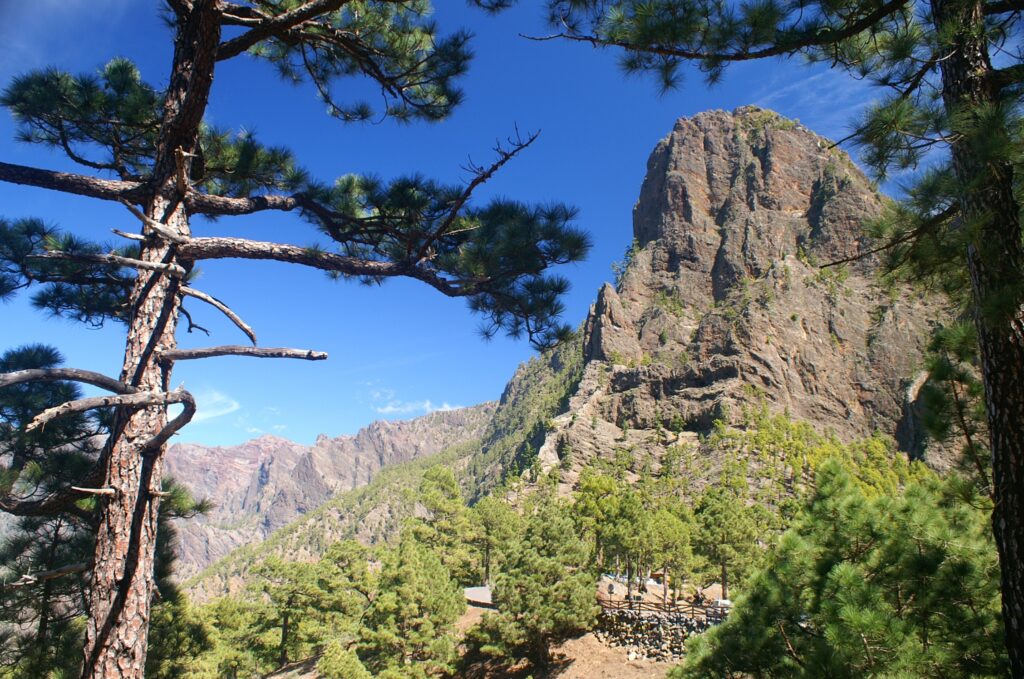
La Palma is truly an amazing place, especially if you love hiking. The island is criss-crossed with well-maintained trails, so bring comfortable shoes and take a walk through the diverse landscapes with volcanic craters and lush forests. In the capital, there is a wonderful historic center and its architecture.
Who is a holiday on La Palma suitable for?
- tourists who love mountain hikes—many trails in the mountains and along the ocean;
- fans of ecotourism—you can rent a villa and enjoy the ocean and rural life at the same time;
- those who have already seen Tenerife or Gran Canaria and want to see something different in the Canaries.
What must you see on La Palma?
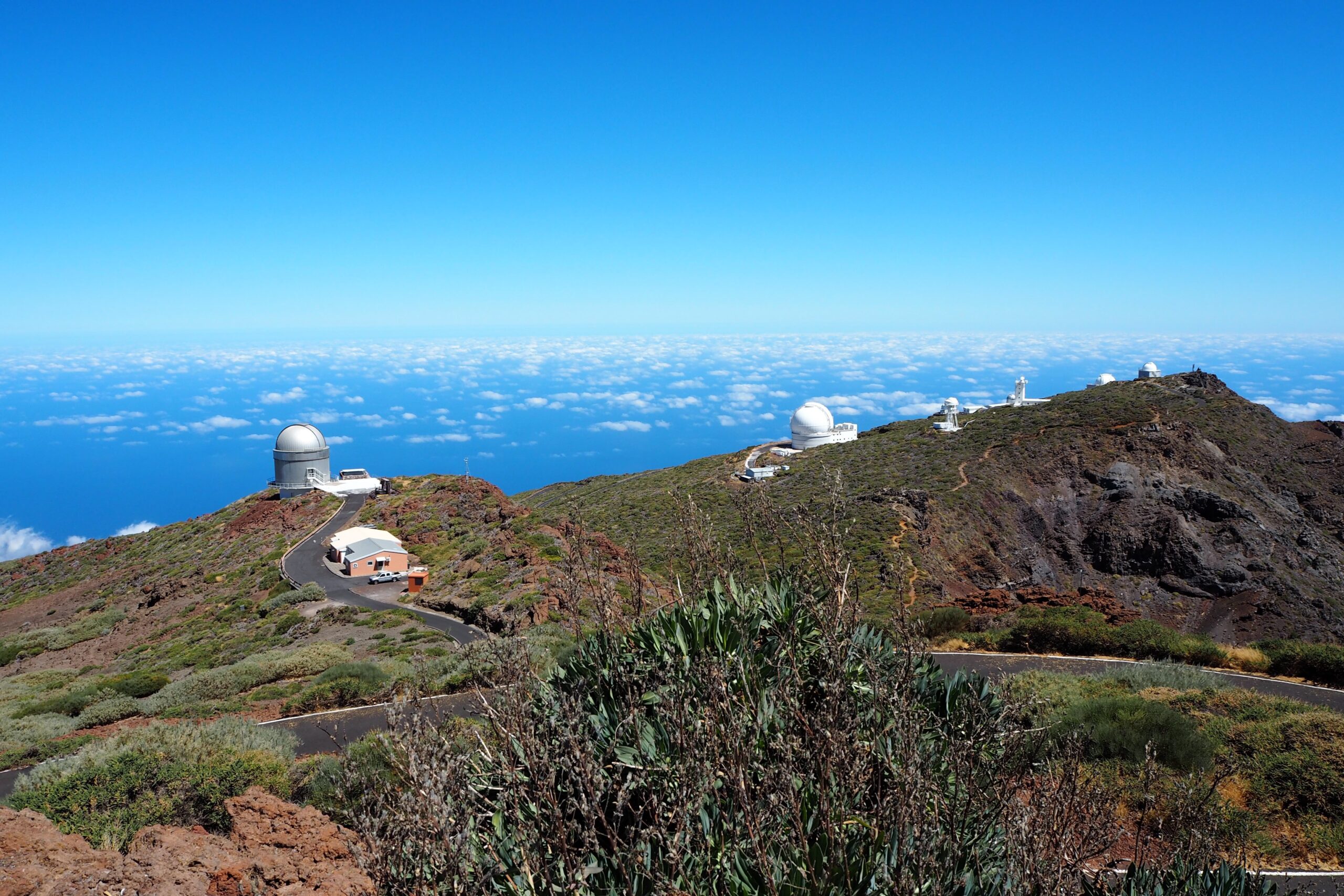
- The famous Roque de los Muchachos Observatory on the highest peak of the island, home to some of the world’s largest telescopes.
- Playa Los Cancajos—a beach over half a kilometer long with dark sand.
- Stroll along easy routes in Los Tilos forest;
- Relax on black volcanic beaches.
- Caldera de Taburiente National Park—in its center is a caldera about 8 km in diameter, surrounded by steep mountain walls and dense pine forests.
- See new volcanic fields after the 2021 eruption
Where to stay on La Palma
- Los Cancajos – located close to the airport and the island’s capital, so it is considered one of the most convenient places to stay on La Palma. There are several volcanic beaches with sheltered lagoons, good hotels and restaurants. The resort is ideal for families with children, peaceful beach holidays and tourists who plan to travel around the island. Booking.Los Cancajos
- Santa Cruz de La Palma—the island’s capital enchants with its old architecture, colorful balconies and cozy streets. There are no large resort complexes here, but you can experience the real atmosphere of the Canary Islands, stroll along the promenade, visit museums and local restaurants. Santa Cruz de La Palma will be a great choice for independent travelers, culture and excursion lovers. Booking.Santa Cruz de La Palma
- Puerto Naos—famous for its long beach with black volcanic sand and many sunny days throughout the year. The resort is located on the west coast, where it is usually warmer and drier than on the east of the island. This is a great place for beach holidays, sunset watching, and exploring La Palma’s volcanic landscapes. Booking.Puerto Naos
Public transport on the island of La Palma
Public transport on La Palma is represented by the Transportes Insular La Palma (TILP) bus network, locally called guaguas. This is the main way to travel around the island without a car, and it’s quite affordable and relatively regular but with some limitations due to the mountainous terrain.
Buses connect the island’s main settlements:
- Santa Cruz de La Palma (capital, main transport hub)
- Los Llanos de Aridane (western part of the island)
- Puerto Naos
- Los Cancajos
- Fuencaliente
- Barlovento and other towns
Main routes go through two main hubs—Santa Cruz and Los Llanos, from where buses travel to various parts of the island.
La Gomera – a magical island almost without tourists
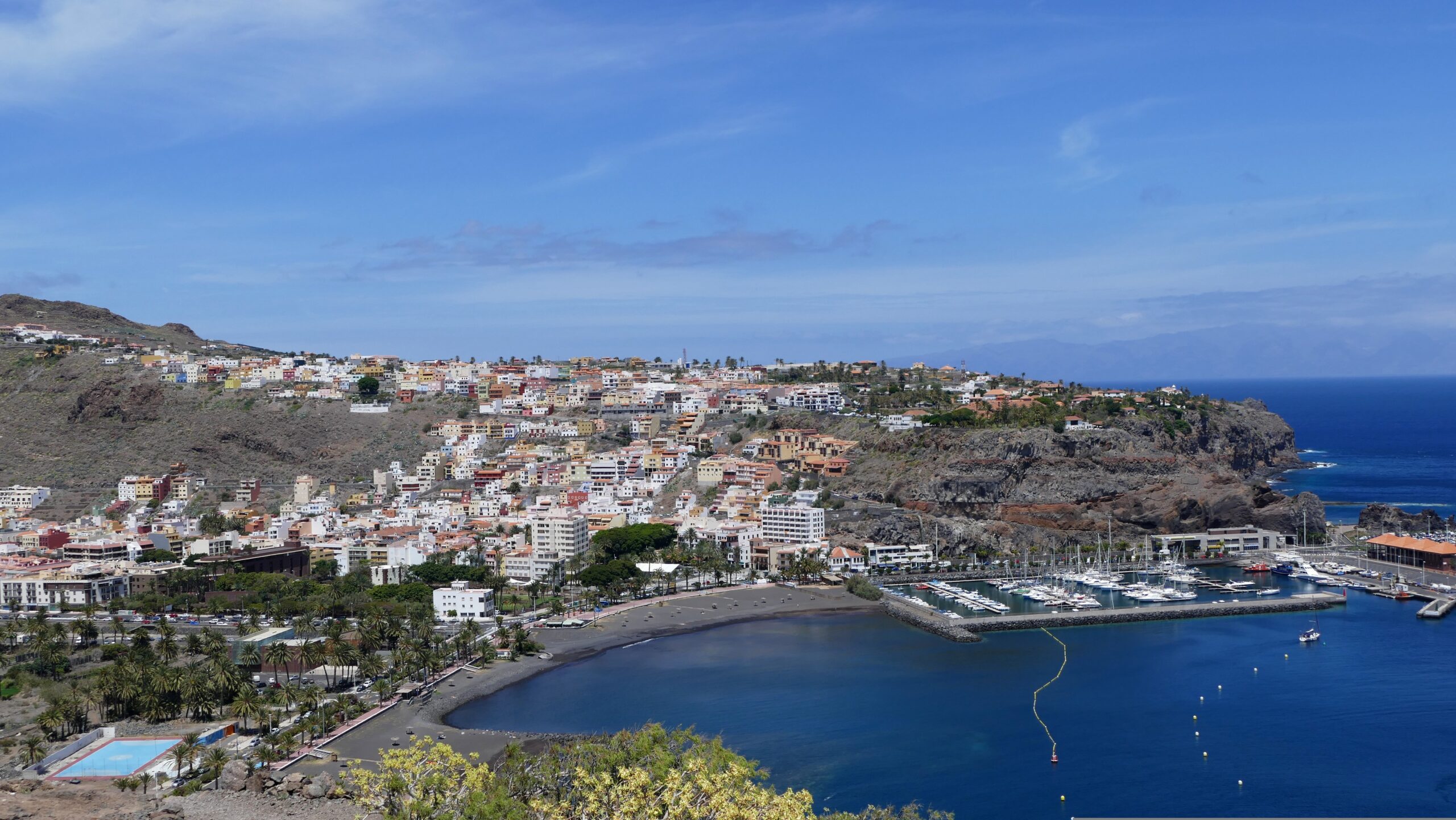
Since the island is one of the smaller ones, don’t expect crowds of tourists or bustling nightlife here. Instead, you’ll find untouched nature with rocky peaks and terraced fields. The landscape is very diverse—you’ll enjoy slopes, valleys and charming villages whose inhabitants are kind and hospitable. Thanks to the island’s small size, you can get around it in no time. The island is also called magical, and you’ll soon understand why.
What to see on La Gomera:
- Playa de Santiago—one of the largest beaches on the island, crystal clear water, and amazing underwater world.
- Garajonay National Park with a laurel forest in the middle of the Atlantic island.
- Observation deck Mirador de Abrante;
Where is the best place to stay on La Gomera
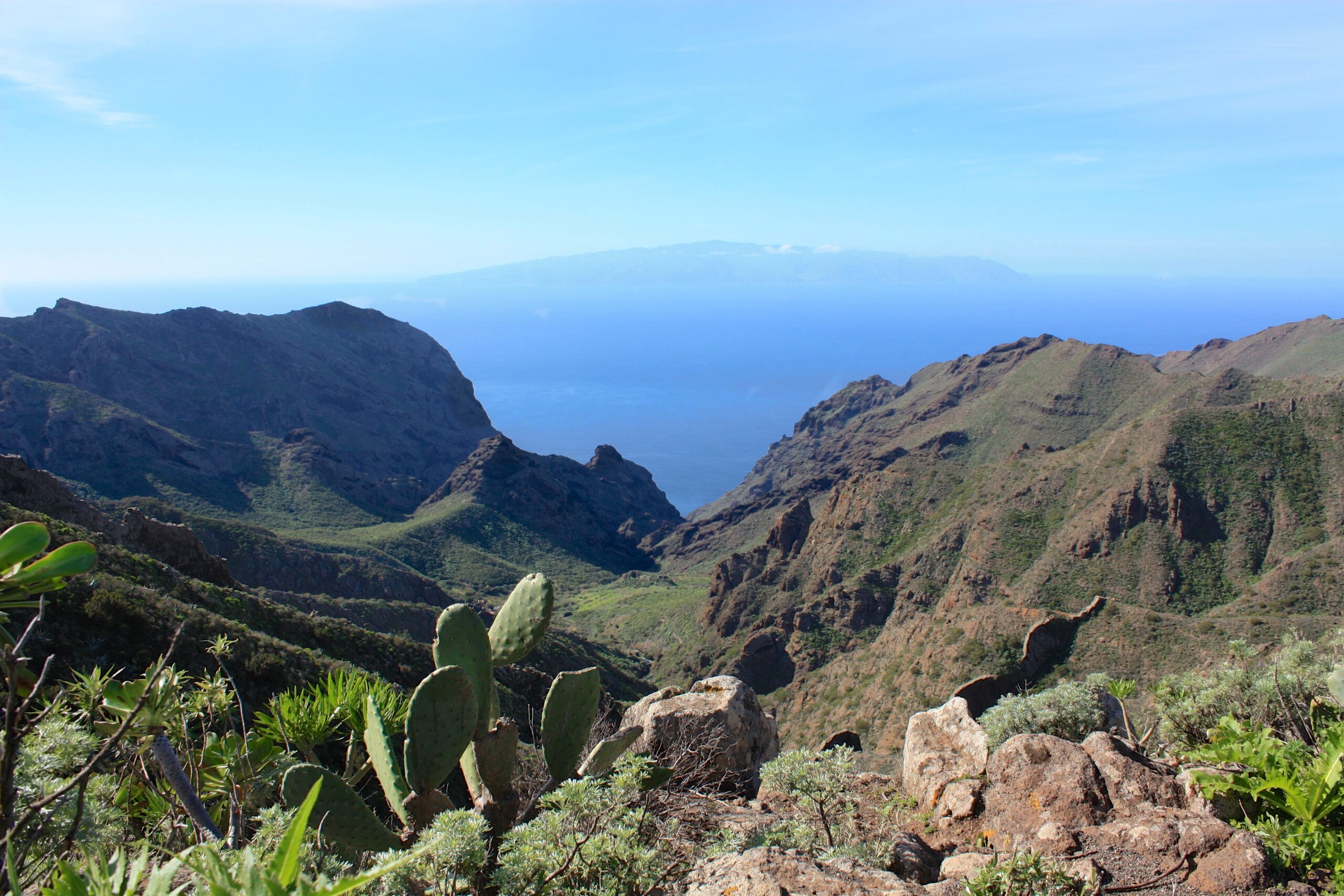
La Gomera is a small island, so you should choose where to stay depending on whether you plan to spend more time on the beach, go hiking or get to know the traditional Canarian villages.
- Playa de Santiago—the sunniest resort on the island with good tourist infrastructure, promenade, restaurants, and hotels. The sea is calm here, beautiful views and a convenient location for excursions. This is the best option for those who want to combine a beach holiday with island exploration. Booking.Playa de Santiago
- Valle Gran Rey – located in a picturesque valley in the west of the island. Here are the best beaches of La Gomera, plenty of apartments, cafes, and restaurants. The resort is especially popular with lovers of nature, hiking, and beautiful sunsets. It’s the most popular spot for tourists who want to feel the real atmosphere of the island. Booking.Valle Gran Rey
- San Sebastián de La Gomera – the capital of the island is the main gateway to La Gomera, as this is where the ferries from Tenerife arrive. There are many historical sights, a cozy promenade, and good transport connections to other parts of the island. It’s a great option for those planning to travel actively and get to know the island’s culture. Booking.San Sebastián de La Gomera
- Hermigua – a green valley with banana plantations, traditional houses, and great hiking routes. There’s almost no mass tourism here, so it’s ideal for a peaceful break and getting to know the nature of La Gomera. Booking.Hermigua
Public transport on the island of La Gomera
Public transport on La Gomera is represented by the Guagua Gomera bus network. It’s a small but quite organized system that connects all the island’s main towns. The island is compact, so buses allow you to travel without a car, but with some limitations.
The main transport hub is San Sebastián de La Gomera, from where all routes depart:
- San Sebastián ↔ Valle Gran Rey (the most popular route)
- San Sebastián ↔ Vallehermoso
- San Sebastián ↔ Playa Santiago
- San Sebastián ↔ airport
There are also local routes between mountain villages and Garajonay National Park.
Frequency and schedule
- on main routes several times a day
- buses usually run in the morning, afternoon and evening
- on weekends and holidays, there are fewer runs
- sometimes buses can be crowded, especially on the Valle Gran Rey route
El Hierro – paradise for tourists
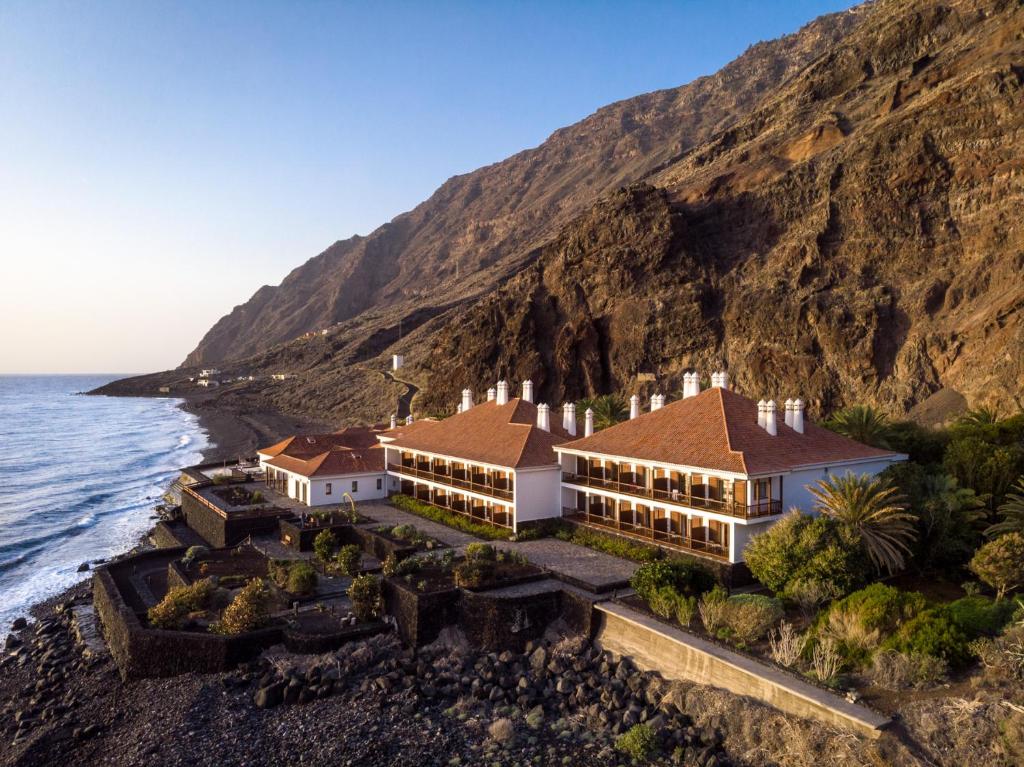
El Hierro — the smallest of the islands, but that doesn’t mean it’s any less interesting. You won’t find tourist centers or amusement parks at every step. But you will see harsh and peaceful nature and absolutely ideal conditions for hiking and cycling. Diving lovers will also be satisfied—there aren’t many beaches here, but the conditions for water activities are excellent.
Who is El Hierro island suitable for?
- experienced travelers;
- divers;
- lovers of seclusion;
- cyclists.
What you must see on El Hierro?
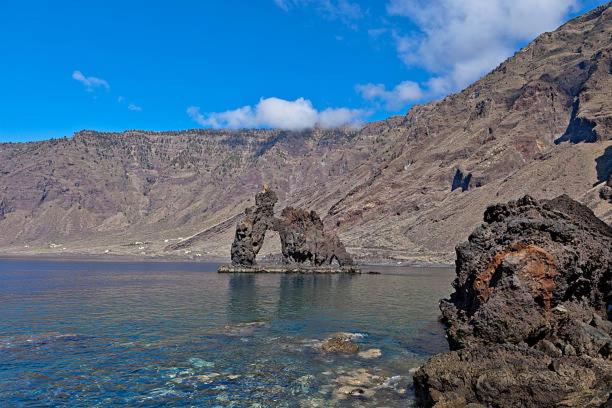
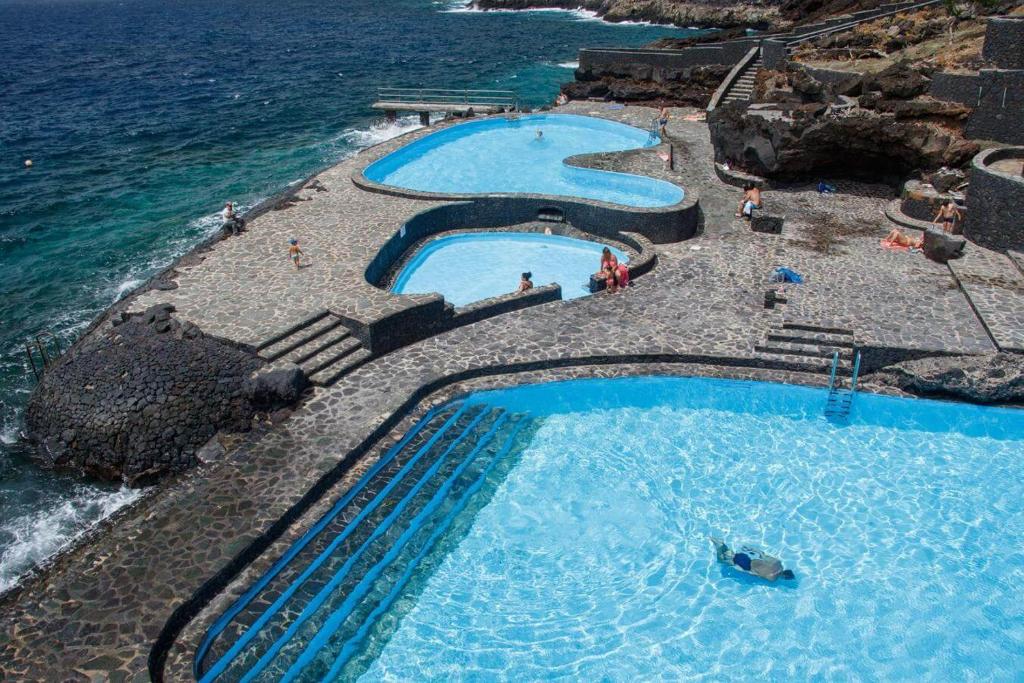
- Sabinosa—a village on a volcanic slope, where local traditions have been preserved and with a stunning view.
- Valverde—there are excellent restaurants, bars, and shops here.
- Mirador de la Pena viewpoint, from where you can enjoy the giant El Golfo bay.
- Natural pools Charco Azul.
- Divers are attracted to the Mar de las Calmas dive zone.
Where to stay on El Hierro
- La Restinga — A small fishing village in the south of El Hierro, known as one of the best diving centers in Europe. Here you can explore volcanic underwater landscapes, go snorkeling, or simply enjoy the calm atmosphere by the ocean. The resort is perfect for lovers of nature, diving, and holidays far from mass tourism. Booking.La Restinga
- Valverde — capital of El Hierro and the best base for traveling around the island. The town is located in the mountains, so there are no beaches, but you’ll find an authentic Canarian atmosphere, local restaurants, and easy access to all major attractions. This is a good choice for travelers who plan to drive around the island a lot and discover its natural beauty. Booking.Valverde
Public transport on the island of El Hierro
Public transport on El Hierro is represented by a small network of minibuses TransHierro. This is the least dense transport system among the Canary Islands, but for basic journeys it works reliably.
All routes are effectively “tied” to the capital—Valverde, from where buses go all over the island:
- Valverde ↔ La Restinga (southern tip of the island)
- Valverde ↔ Frontera (western part)
- Valverde ↔ airport
- Valverde ↔ small villages and viewpoints
How to get to the Canary Islands and travel between them
The Canary Islands have a well-developed aviation network and receive direct flights from most European countries. The main international hubs are Tenerife and Gran Canaria, which receive the most flights.
Main airports of the Canary Islands
- Tenerife South—Tenerife South Airport (main international)
- Tenerife North—Tenerife North Airport (domestic and inter-island flights)
- Gran Canaria—Gran Canaria Airport
- Lanzarote—Lanzarote Airport
- Fuerteventura—Fuerteventura Airport
- La Palma—La Palma Airport
- La Gomera—small airport for domestic flights
- El Hierro—small regional airport
Where direct flights come from
The largest number of direct flights are from these countries and cities:
- Poland (Warsaw, Krakow)
- Germany (Berlin, Munich, Frankfurt)
- United Kingdom (London, Manchester)
- Spain (Madrid, Barcelona, Seville)
- Italy (Milan, Rome)
- Austria, Czech Republic, Hungary
The high season is October–April, during which there are the most flights.
Main airlines (as of 2026)
- Ryanair
- easyJet
- Vueling
- Iberia / Iberia Express
- Wizz Air
- Eurowings
- Binter Canarias (key for inter-island flights)
How to get around between the islands
1. Ferries (most popular)
- Operators: Fred Olsen Express, Naviera Armas
- Pros: you can travel by car, stunning ocean views, many departures daily
- Cons: longer than flying
Main ferry routes:
- Tenerife ↔ Gran Canaria
- Lanzarote ↔ Fuerteventura (very frequent and short route)
2. Domestic flights
- Main carrier: Binter Canarias
- Flight time: 30–60 minutes
- Convenient for distant islands (La Palma, El Hierro, La Gomera)
How to best plan your trip
- For your first trip: fly into Tenerife or Gran Canaria
- For an “island hopping” route: 1–2 islands + ferry
- For active exploration: flight + car rental on each island
Useful articles and links:
- My road trip in Croatia
- Madeira VS Mallorca – which island to choose for your next trip
- Road trip in Portugal – from Lisbon to Porto
- Mallorca Road Trip Itinerary – What to See in a Week by Car
Green Card for traveling abroad by car – online at the portal HotlineFinance
Hotel and apartments – Booking.com