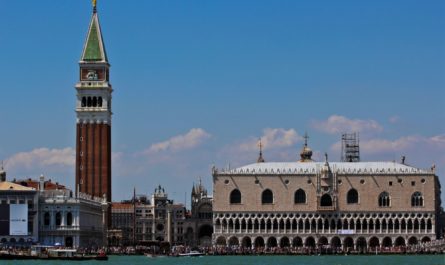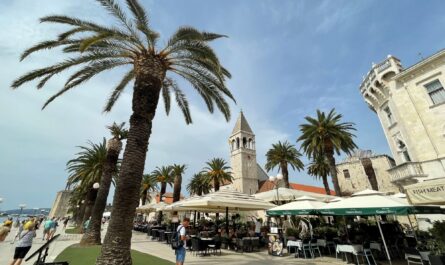

Europe in autumn has a special charm. When the vacation season ends, cities become calmer, tourist crowds gradually disappear, and familiar streets reveal a completely different side.
Autumn is the time for long walks through old quarters, cozy coffee shops with hot chocolate, golden leaves in city parks, and evenings with a glass of wine after a busy day.
You no longer need to hide from the heat in the shade in the middle of the day. In September and October, you can comfortably stroll through Rome, climb up to the Prague Castle, explore the hills of Budapest, or wander for hours along the narrow streets of Venice.
Another plus of autumn travel is the prices. After the summer peak, accommodation often becomes cheaper, it’s easier to find a table in popular restaurants, and tickets to museums no longer need to be bought weeks in advance.
In this selection — 10 European cities that are especially beautiful in the autumn of 2026. These are destinations where you can combine architecture, gastronomy, culture, and leisurely walks.
Recommended reading: Euro-weekend – 10 cities to relax in three days
1. Prague — a city of autumn fogs and medieval atmosphere
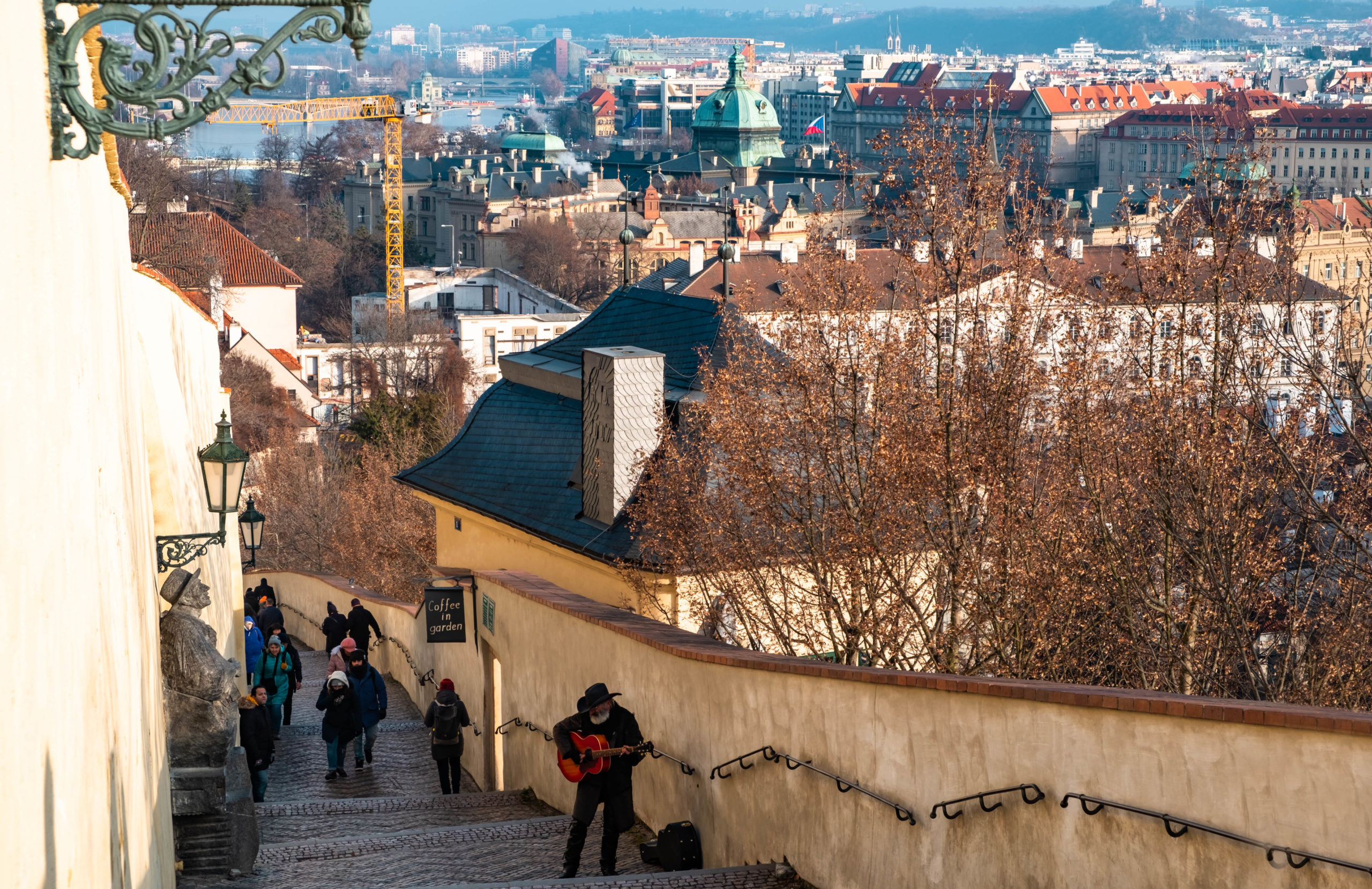
Prague is one of those cities that seem specially created for autumn travels. In summer, the capital of the Czech Republic is often crowded with tourists: on the Charles Bridge, it’s hard to take a photo without dozens of people around. And the streets of the Old Town resemble a continuous tourist flow.
In autumn, Prague changes. Morning fog over the Vltava, golden trees in gardens, gothic architecture, and ancient streets create the atmosphere of a fairytale city.
It’s especially beautiful here in October, when the parks around Prague Castle and Petrin Hill are covered with yellow-red leaves.
This city is perfect for those looking for:
- a romantic trip for two;
- a first acquaintance with Central Europe;
- an autumn city break for 3–4 days;
- history, architecture, and atmospheric stroll lovers;
- those who love delicious and hearty food and, of course, Czech beer.
What to see in Prague in autumn
How many days do you need for Prague? For a first visit, it’s best to plan 3–4 days. In this time, you can see the main sights without rushing, visit several museums, try Czech cuisine, and leave time just for walks.
Charles Bridge

This is the symbol of Prague and a place worth visiting at least once at dawn. In autumn, the morning is completely different here: fewer people, a light mist often hangs over the river, and the silhouettes of the old city look almost mystical.
Old Town
Old Town Square with the astronomical clock, narrow medieval streets, small coffee shops, and beautiful facades — this is the Prague people return to again and again.
Prague Castle

One of the main attractions of the city and the largest castle complex in the world. Don’t limit yourself only to St. Vitus Cathedral. Be sure to stroll through the inner courtyards, visit the Golden Lane, and walk through the castle gardens.
If you want to see this part of Prague without crowds of tourists — head to Novi Svet street. Here, time has stopped among the old, tiny houses on narrow streets.
Petrin
One of the best autumn routes in the city. Climb Petrin Hill, stroll along the alleys, and visit the observation tower. From here, an excellent panorama of Prague opens up.
Where to stay in Prague in autumn
Staré Město (Old Town)

The best option for your first trip.
Pros:
- most sights are nearby;
- can walk everywhere;
- atmospheric evening streets.
Cons — prices are higher here, and during the season or Christmas and New Year holidays it can be noisy.
- Old Prague Hotel – timeless classic in the heart of Prague. Just steps from Old Town Square and all other iconic sites of the Czech capital.
- Eurostars Thalia – modern hotel with spacious attic rooms overlooking Prague rooftops. Has its own fitness center, delicious breakfasts.
- Karlova 25 Apartments – apartments on the most popular street of central Prague – Karlova. Everything is nearby, but you can prepare your own breakfasts or dinners and not spend a lot on restaurants.
Malá Strana
Probably the most romantic district of Prague. Historic buildings, narrow streets, proximity to Prague Castle and Charles Bridge. Ideal for those who want to feel the real atmosphere of the city.
- Queen Bee apartments – Great location for visiting Prague. A few minutes’ walk to Charles Bridge. The apartment is above a local bar/cafe that offers fantastic beer and drinks.
- Royal Prague City Apartments – Very nice and spacious apartments, comfortable bed, air conditioning, fully equipped kitchen, even coffee. And for an affordable price.
Nové Město (New Town)
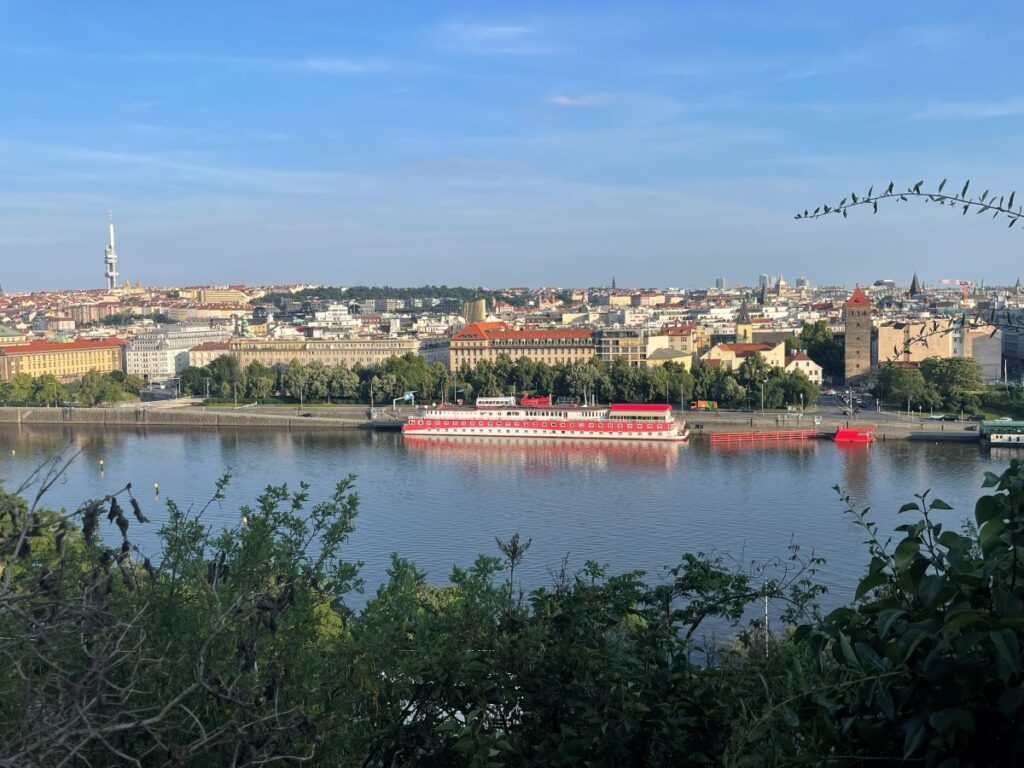
New Town is a historic area located next to Old Town. Here you’ll find the famous Wenceslas Square, Charles Square, and the Dancing House.
A practical option with good transport connections. There are more modern hotels, restaurants, and stores, and prices are often lower than in the city center.
- Numa Prague Root – Great location, quiet street, close to the center on foot, clean and comfortable. There is air conditioning and a very comfortable mattress, free coffee, tea, and water in the room, and a safe.
- Wenceslas Hotel & Apartments – Great location right in the center of Prague, near the old town and all the sights. Convenient self-check-in and incredible assistance from the admin. Very friendly and welcoming staff. Large comfortable rooms. Comfortable beds.
2. Budapest — golden autumn over the Danube and evenings in thermal baths

Budapest in autumn has a special mood. This city is beautiful at any time of year, but in autumn it becomes especially cozy and unhurried.
In summer, it can be hot, and long walks through the hills of Buda aren’t always enjoyable. In autumn, you can walk around the city all day and warm up in the famous thermal baths in the evening.
Budapest is often called one of the most beautiful cities in Europe, and in autumn this is especially noticeable.
The city will appeal to those who want:
- beautiful architecture;
- romantic evenings;
- thermal baths;
- tasty and affordable food;
- a mix of history and relaxation.
What to see in Budapest
How many days do you need for Budapest?
Ideally — 3 days. This is enough to see the main attractions, stroll along both sides of the Danube, visit the baths, and try Hungarian cuisine.
Hungarian Parliament
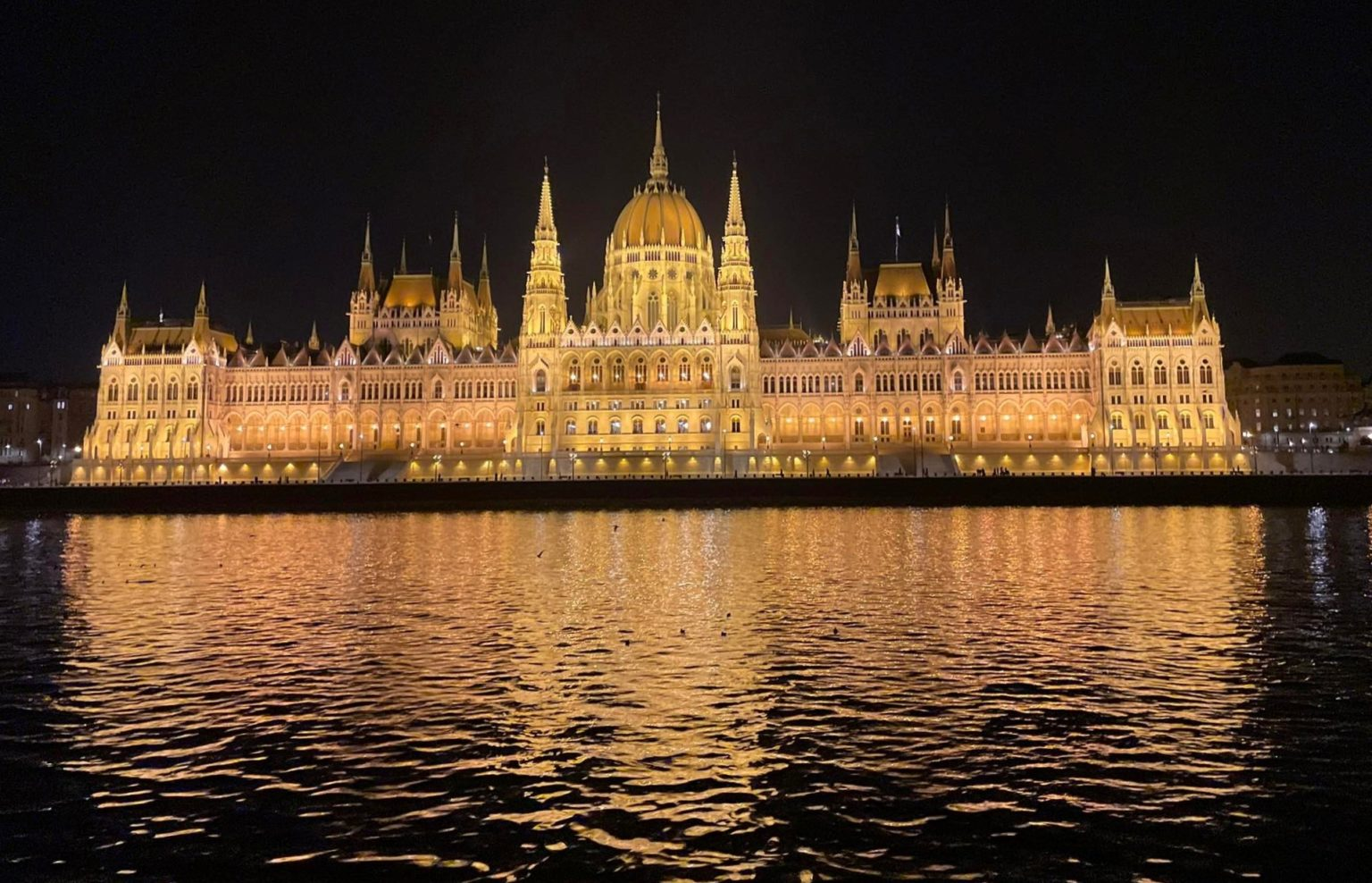
The most famous building in the city. The best view can be seen from the opposite side of the Danube or during an evening cruise on the Danube. In autumn, when it gets dark early, you can see the building’s incredible illumination already in the afternoon.
I also recommend joining a guided tour inside the Parliament – it’s very beautiful!
Thermal Baths
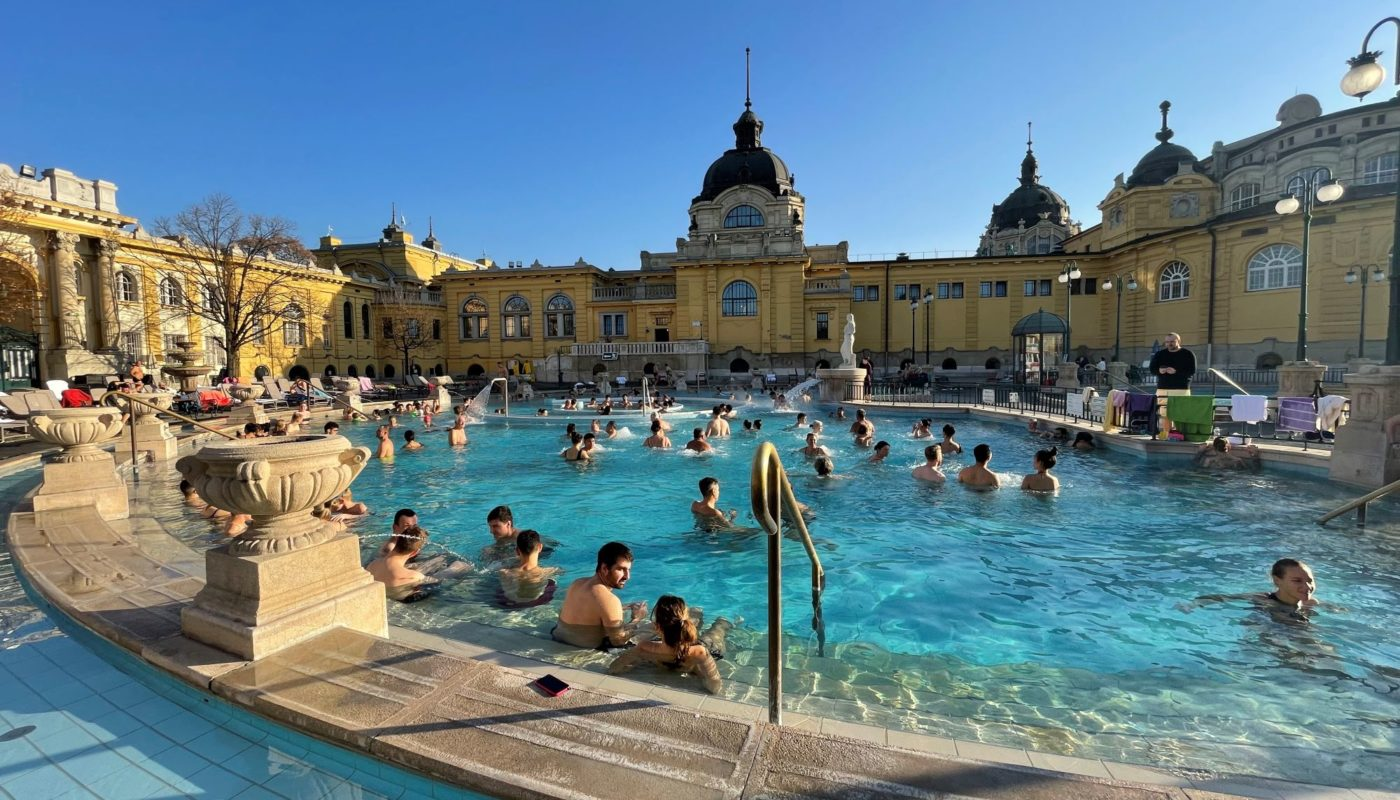
Budapest is a city of thermal springs. In autumn, it’s especially nice to spend a few hours at the Szechenyi or Gellert baths when it’s cool outside and the water is warm.
Buda Castle
The old district on Buda Hill is one of the best places for autumn walks. From here, you get some of the best panoramas of the city. Be sure to visit:
- the Royal Palace;
- the Fisherman’s Bastion;
- Matthias Church.
Where to stay in Budapest

V District (Belváros-Lipótváros)
The best choice for tourists. Nearby you’ll find:
- Parliament;
- St Stephen’s Basilica;
- Danube;
- the main pedestrian streets.
- Gerlóczy Boutique Hotel – The best place for European-style living in the heart of the old town — Pest.
- Balance Home – Great location with easy access to tourist spots, near many tourist attractions and public transport, so getting around Budapest is very easy.
- Budapest Holidays Apartment – Clean and tidy room, convenient location. Close to bus 100e, which goes to the airport.
VII District (Jewish Quarter)

Suitable for those who love restaurants, bars, and active nightlife. There are many affordable apartments here.
- Maverick Budapest Soho – Perfect location – 20 minutes on foot from Keleti, 10 minutes to the airport shuttle bus. 24-hour front desk. Cozy rooms. Clean common areas. Fresh linens, towels. Dining kitchen, with water, tea, coffee, and other essentials. There is private parking.
- Connection Guesthouse – This lovely little guesthouse is located in the very heart of Budapest. The owner has transformed what was once a private apartment into a small oasis. The apartment, rooms, and décor – everything is absolutely outstanding.
- Roombach Hotel Budapest Center – Good hotel right in the center of Budapest, many eateries nearby. The room is warm, clean, has everything you need. Breakfast is also great, with fresh, delicious pastries.
Buda
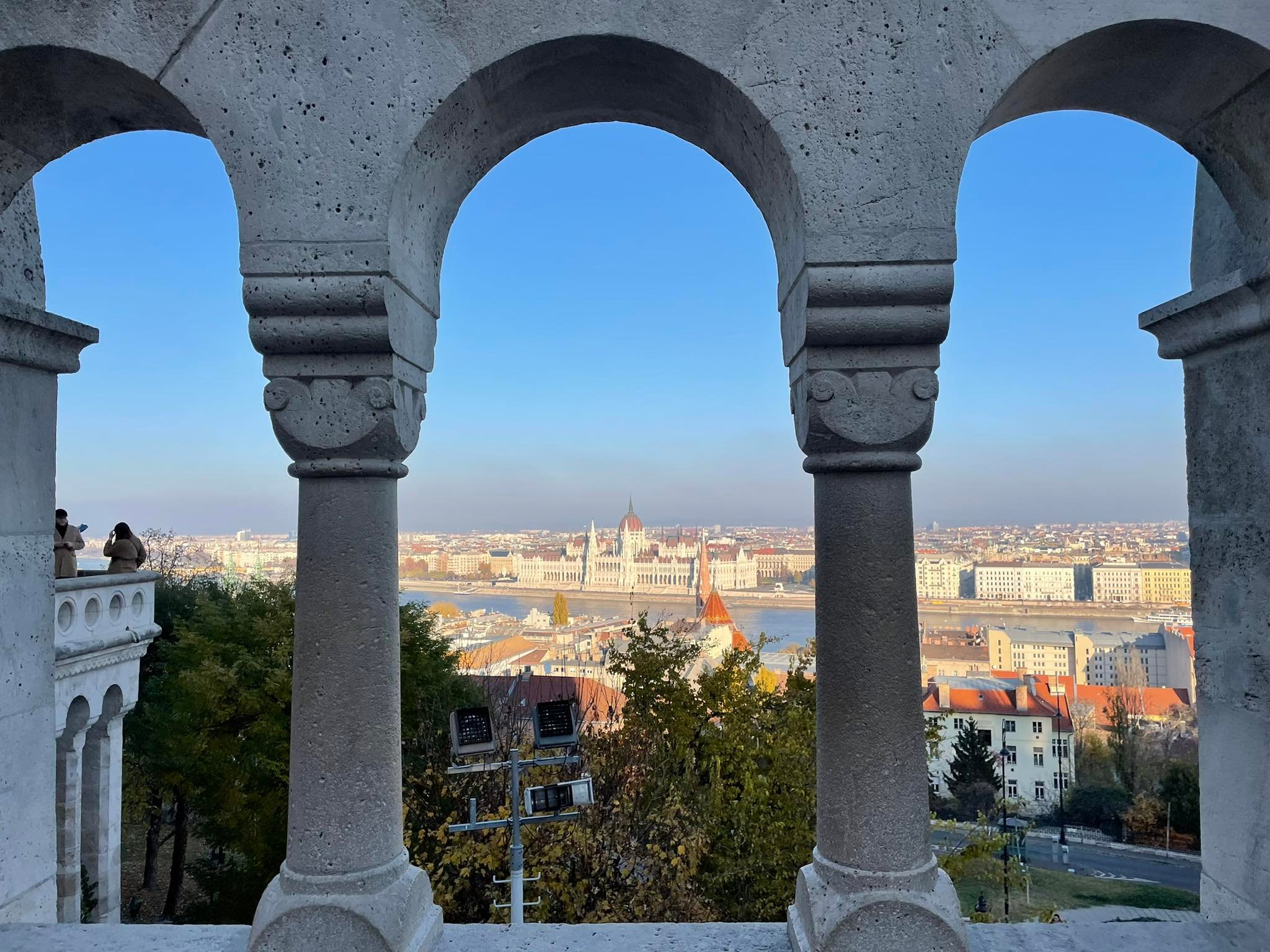
A calmer option with beautiful views, but you will have to use public transport more often.
- Hotel Regnum Residence – Excellent hotel on a quiet street close to the city center. Stylish, comfortable rooms with complimentary amenities from the hotel. Good toiletries, tasty breakfasts.
- Milford Suites Budapest – Very friendly staff, will advise and help with everything. Good breakfast (everything you need, options to choose from). There is private parking. The room has bathroom toiletries, air conditioning. Convenient location, even with children we managed to see a lot on foot.
- Park Plaza Budapest – Good breakfasts, wonderful rooms. The hotel’s location with a view of the Parliament is a special pleasure.
3. Vienna — the city where autumn smells of coffee, strudel, and old palaces
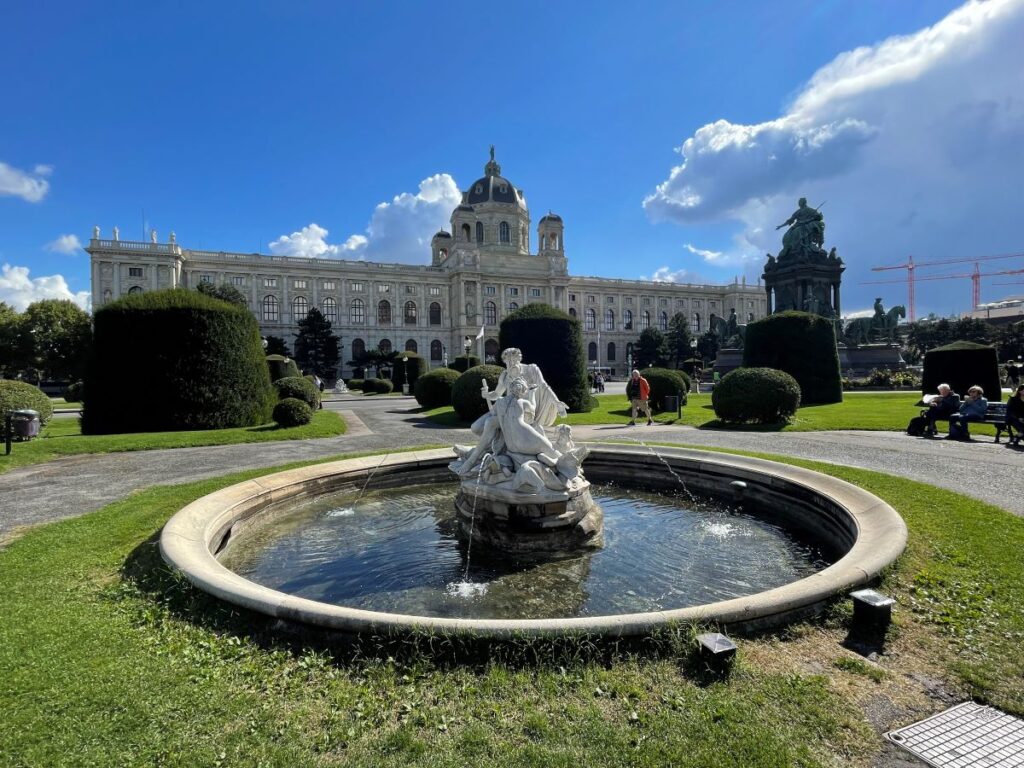
If someone asks me which city is best suited for a first acquaintance with Austria, I will answer without hesitation — Vienna. It was in autumn that I went there for the first time, and I liked the city.
This city is not at all like the bustling European capitals. It is calm, elegant, and at the same time very lively. There is no feeling of rush. People leisurely drink coffee on terraces, stroll through parks, and in the evening go to the theater or opera.
It is in autumn that Vienna opens up the most. The parks of Schönbrunn, Belvedere, and Burggarten turn golden, the daytime temperature is usually between +15…+20 °C, so you can walk a lot and not get tired from the heat.
Who will enjoy Vienna
- museum lovers;
- those interested in history;
- romantic couples;
- admirers of classical music;
- everyone who loves leisurely city walks.
What you must see in Vienna
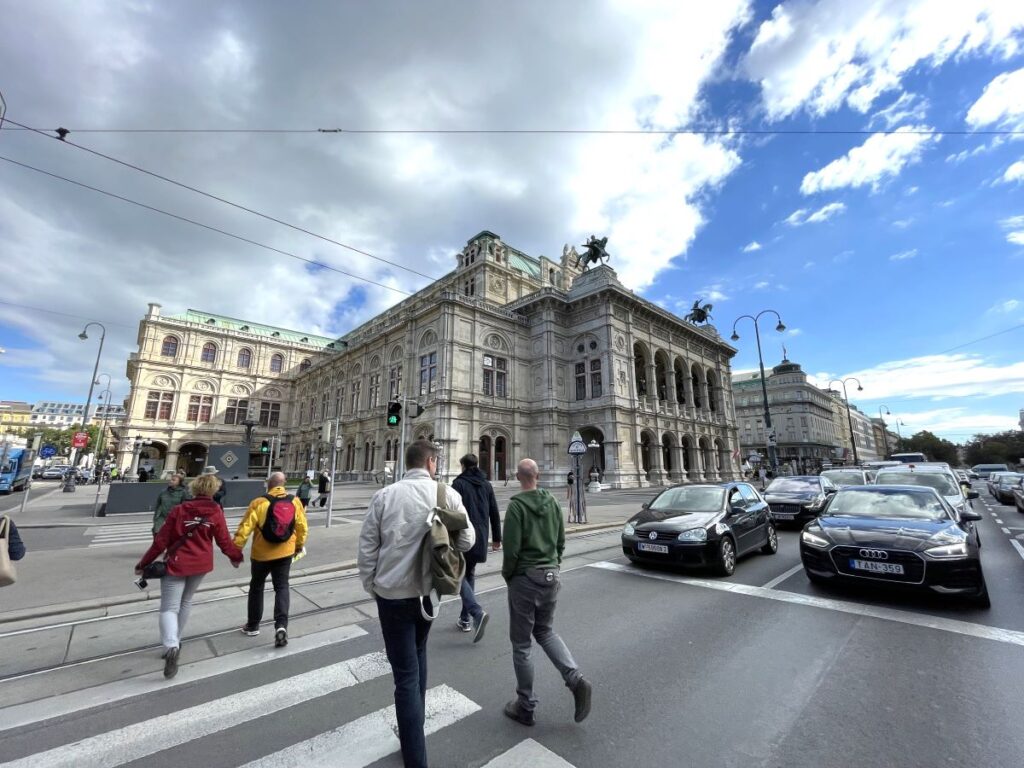
How many days do you need for Vienna? For a first acquaintance, 3–4 days is enough. If you plan to visit museums, a classical music concert, or go out to the Wachau Valley, it’s better to stay for 5 days.
Schönbrunn Palace
The former summer residence of the Habsburgs is one of Austria’s main attractions. Set aside a few hours for the palace itself, but its huge park, labyrinth, and Gloriette observation deck are no less interesting.
Belvedere
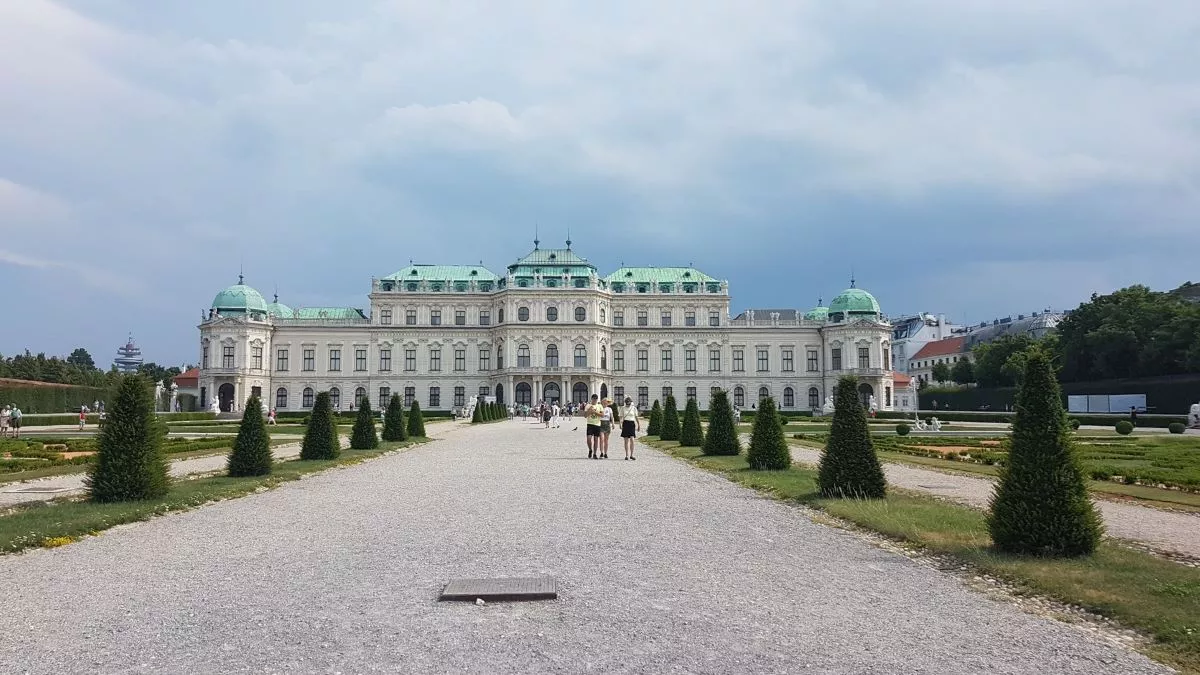
Even if museums don’t interest you much, you should come here for the grounds. In autumn, the alleys around the palace look especially beautiful, and the pond in front of the building reflects the façade, creating one of Vienna’s most famous photographs.
St. Stephen’s Cathedral
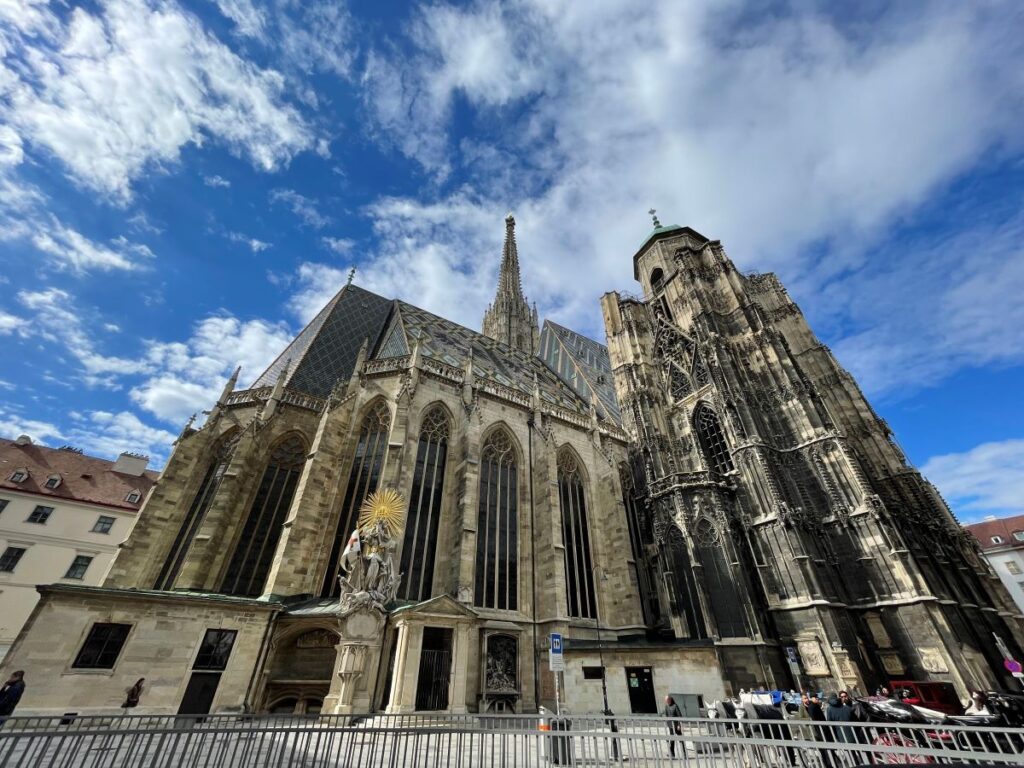
The true symbol of the city. If the weather allows, climb one of the towers – from here you’ll get a wonderful view of the old center.
Ringstrasse
The best way to get to know Vienna is to stroll the famous boulevard that encircles the historic center. Here are the parliament, city hall, museums, and the Vienna Opera.
Don’t miss Vienna’s coffee houses
It is impossible to imagine Vienna without its coffee culture. Even if you are not a big fan of desserts, it’s worth sitting at the window of an old coffee house at least once, ordering a melange and a slice of apple strudel or the famous “Sacher” cake. These are the moments best remembered after your trip.
Where is it best to stay in Vienna
Innere Stadt (1st district)
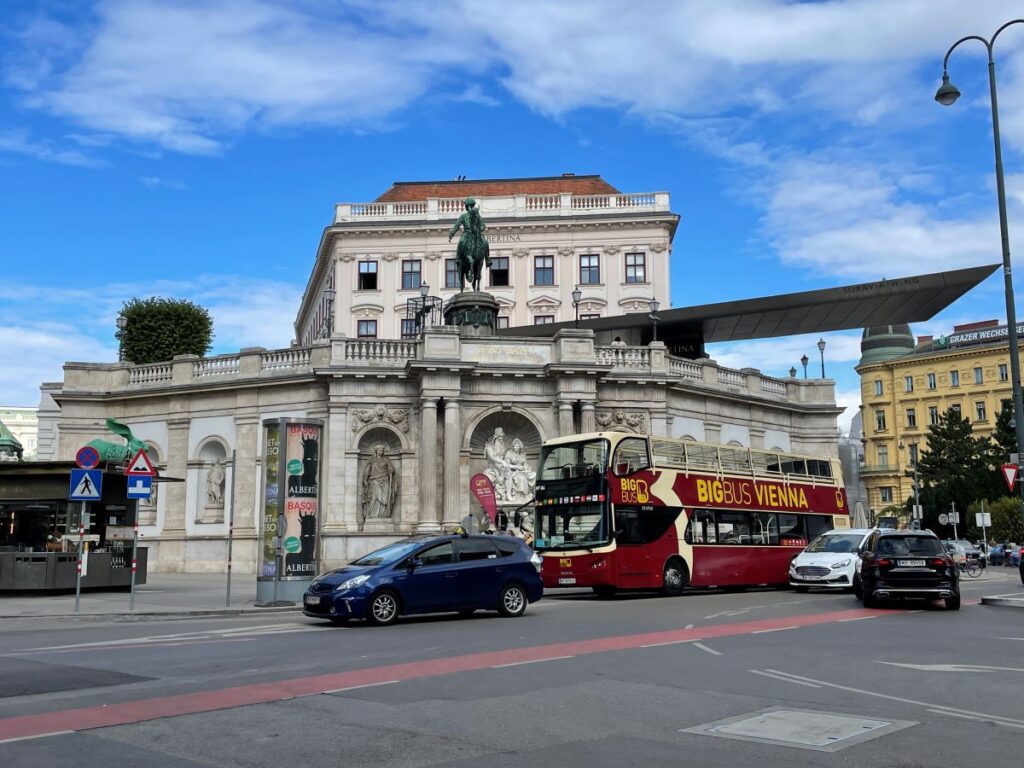
This is the ideal option for your first trip. Most attractions are within walking distance.
- KH Opera Apartments≫ – the location of the apartments is just a few minutes from the Vienna Opera, and other sights are also within easy reach. The kitchen has all the necessary utensils, toaster, microwave, and the coffee maker and thoughtfully left coffee capsules were a pleasant touch.
- Hotel König von Ungarn≫ – excellent hotel with a wonderful breakfast. We liked the relaxation area and how close it was to the city center. The style of the hotel is old-world charm with modern amenities.
Leopoldstadt
This district is suitable for those who want to save a bit but still stay close to the center.
- Augarten Apartments≫ – Excellent apartment, impeccably clean, in a great location, close enough to reach the city but in a quiet district. The beds are very comfortable, there is a kitchen, and a Spar store nearby to buy food.
- Novotel Suites Wien City Donau≫ – Very convenient location next to the U1 metro, 10 minutes to Stephansplatz. Large two-level parking in the building itself for €25 per day. Incredible breakfasts even with red fish for €24 per person, children eat breakfast for free. Large terrace for breakfast. Very attentive staff towards solving any issues.
Wieden
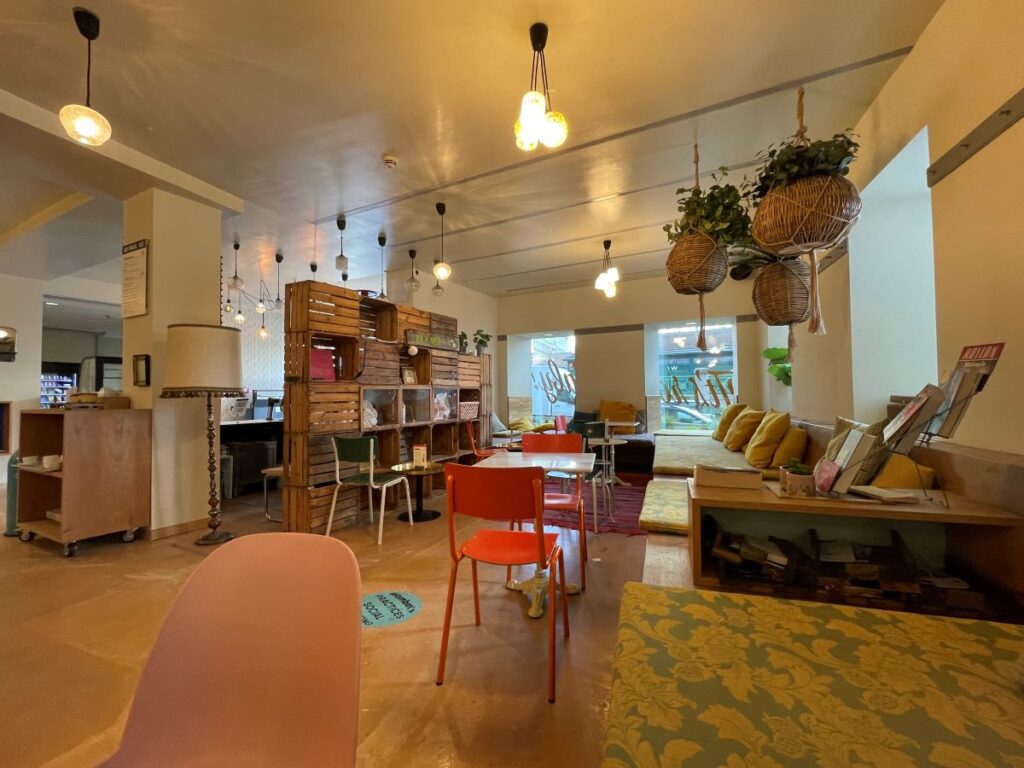
A quiet area with beautiful architecture and good restaurants.
- City-Apartment in Wieden≫ – apartments not far from the central train station and the center. Spacious apartment with everything you need for a comfortable stay, very clean and comfortable.
- Novotel Wien Hauptbahnhof≫ – 1 minute walk from the station, so you can leave at the last minute before your train.
- ibis Wien Hauptbahnhof≫ – this is a standard Ibis, with no unpleasant surprises, but a 5-minute walk away.
4. Bratislava — a small capital city easy to fall in love with
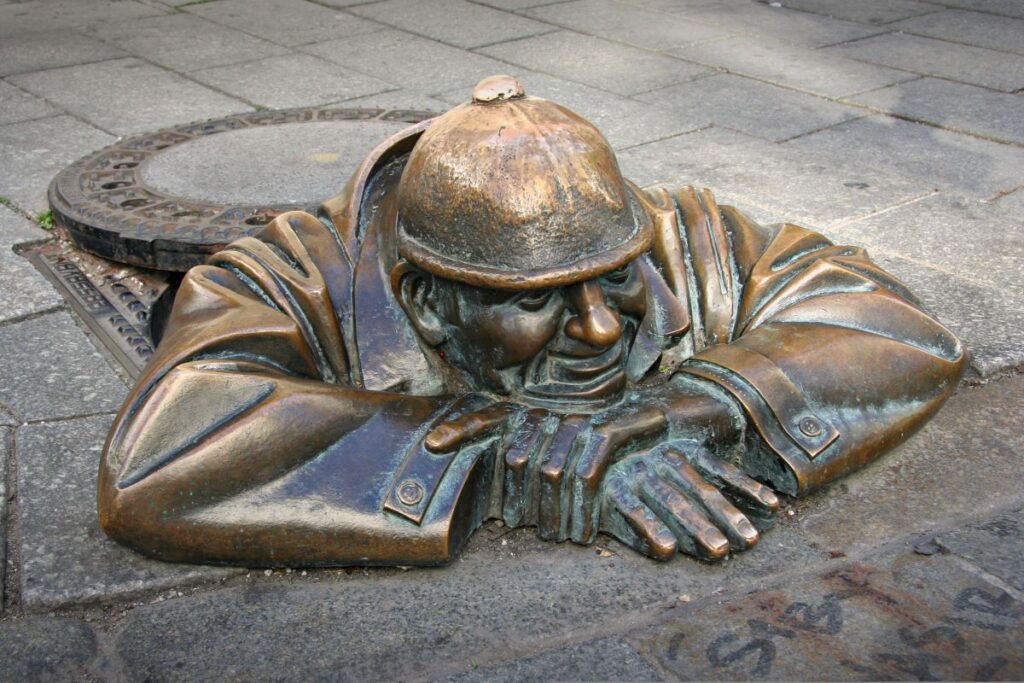
Bratislava often becomes just a stopover between Vienna and Budapest. And that’s a mistake.
Yes, it’s one of the smallest capitals in Europe, but this compactness makes it very convenient for tourists. Here, you don’t need to use the metro or buses all the time—almost all points of interest are within walking distance.
In autumn Bratislava is especially pleasant. The Old Town becomes calm, small cafes open on the squares, and walking along the Danube turns into a real pleasure. There aren’t many museums in Bratislava, but there’s a wide selection of pubs and restaurants serving local dishes. And in Bratislava, people know how to make and drink wine—there are festivals and celebrations for it in the autumn.
Bratislava will be a great addition to the Vienna—Budapest itinerary. Fast trains and buses run between these cities, so it’s easy to combine them into one trip.
What to see in Bratislava
One full day is enough to get to know the city. But if you want to feel its atmosphere, it’s worth staying at least two nights. It makes perfect sense to add a trip to Bratislava together with exploring Vienna—low-cost flights go to Bratislava Airport, so you can mix them up together.
Start your trip from the Old Town, where you’ll find medieval buildings, cozy squares, and unusual bronze sculptures that have long become symbols of Bratislava.
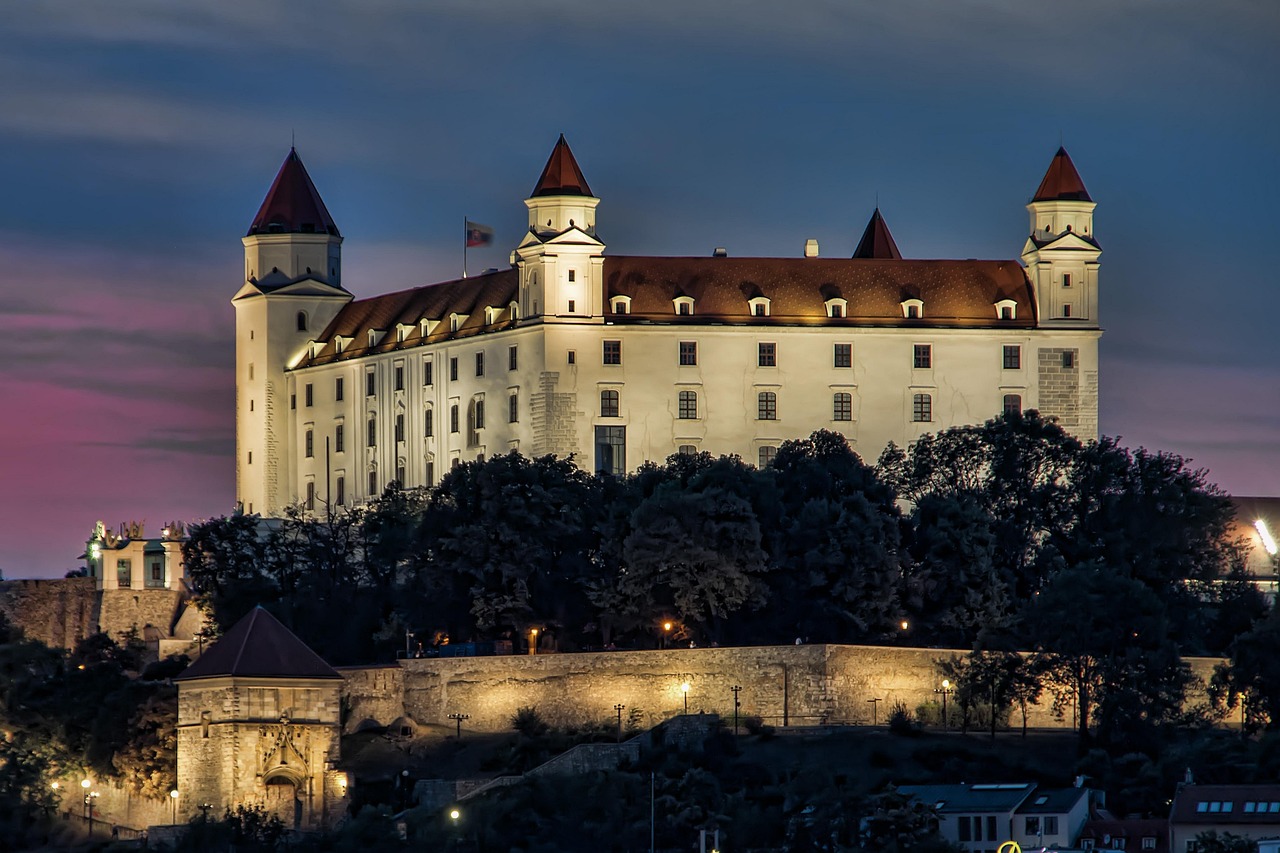
Then climb up to the Bratislava Castle. The white castle is visible from almost any point in the city, and from its walls you get panorama views of the Danube and even neighboring Austria.
Another interesting point—visit the UFO observation deck on the SNP Bridge. It’s especially beautiful to come here before sunset.
Where to eat and drink well
For street food, head to Orbis Street Food café—this place specializes in French fries—belhicke hranolky with different sauces.
In the renovated Old Market Hall Stará tržnica, built back in 1910, there is now a cultural hub where you can enjoy great and affordable food. Inside the huge building, which looks like a theater from the outside, is a kingdom of city food. Food courts operate daily, and on Saturdays there are exhibitions, concerts, and markets (from 9:00 to 15:00).
There are plenty of pubs in Bratislava. One of the best is the “1-st Slovak pub”. Inside it’s like a maze of rooms where you could get lost for a long time. Here you can just have a beer, or order a full dinner. The food is delicious here, especially the dumplings. The most famous beer brands: Zlatý Bažant, Urpiner, Steiger, Šariš. The types differ by strength (from 10% to 15%) and by beer type—light or dark.
Craf beer lovers should check out Fabrika—a huge pub brewing its own beer; try the lager Fabrika F 12.
Wine is no less popular in Slovakia: red, white, and even rosé. In autumn there’s a young wine festival—Vinobranie: from mid-September, on the streets of Bratislava and other cities people taste burčák (young, not fully fermented wine). And from October, cellar doors open for those who want to try the Slovak-style young “beaujolais”. To taste the best new wines, visit the small Little Carpathians Wine Route with its cellars located in the Bratislava area.
Where to stay in Bratislava
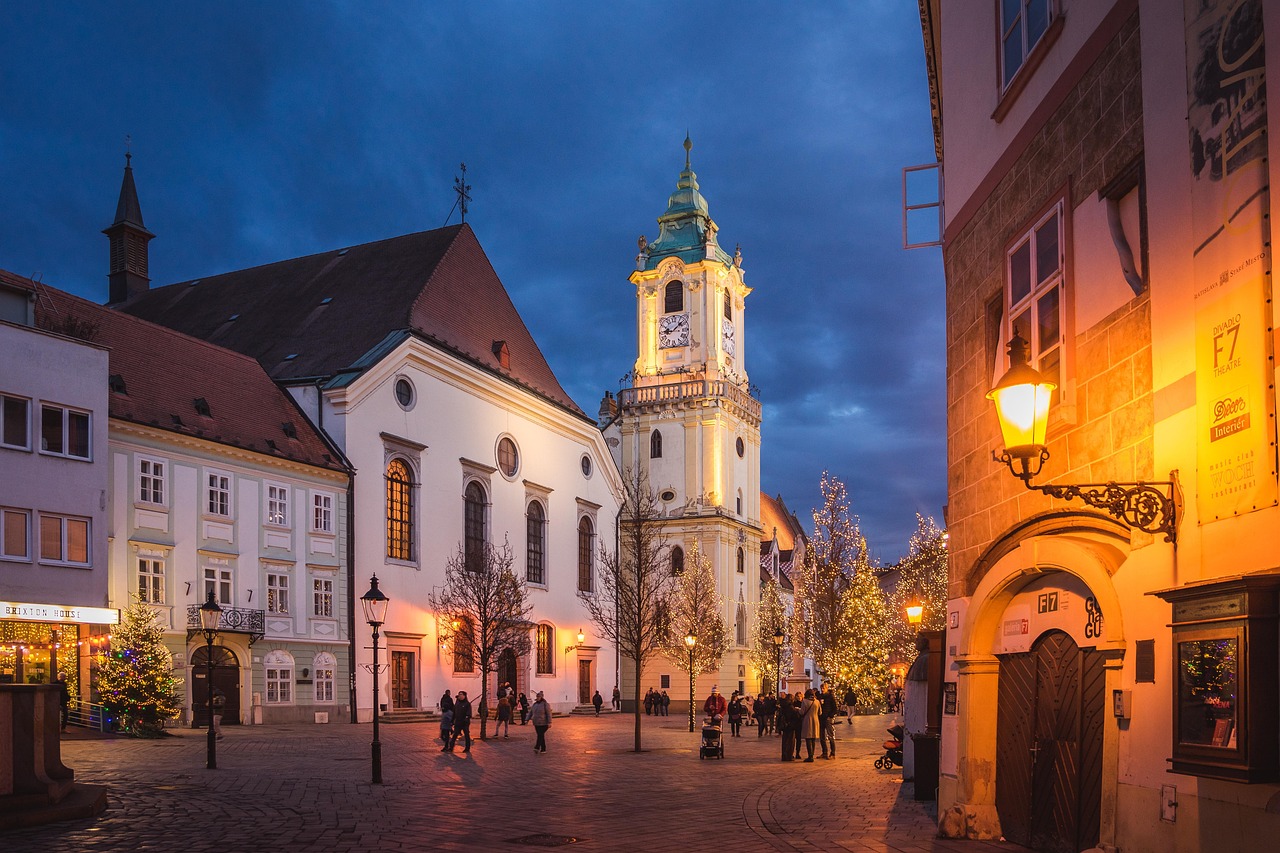
The best option is in the historic center or near the Danube embankment.
Life hack: Bratislava to Vienna by bus takes just one hour, buses run very often. If you plan to visit Vienna for the Christmas holidays and are put off by the high prices of Viennese hotels—consider Bratislava as a cheap alternative. In terms of time logistics, it’s almost the same as staying on the outskirts of Vienna, and the prices are lower!
- Garni Hotel VIRGO≫ – Convenient location, almost in the very heart of the city. The hotel is situated in a convenient location, not far from the city center. This provided easy access to restaurants, shops, and public transport stops. There is private covered parking.
- Charming design old town apartment≫ – The apartment is very conveniently located, comfortable, with nice finishes. The host is truly attentive and friendly.
5. Venice — a city you can finally see without crowds in autumn
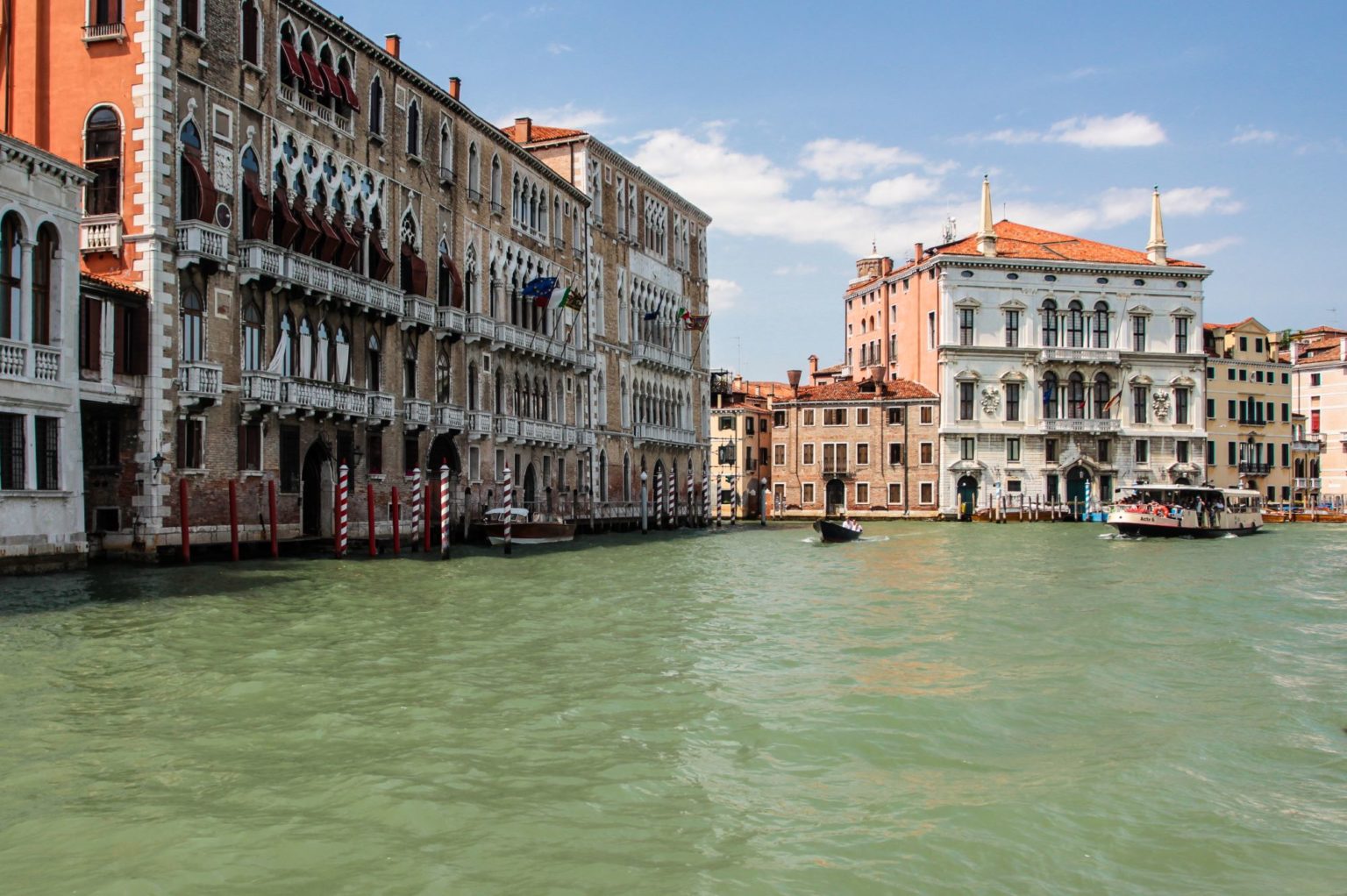
Many people dream of seeing Venice, but after a summer trip end up a bit disappointed. The heat, endless crowds of tourists, long lines, and high prices can spoil the impression.
Everything changes in autumn. In October, the city seems to return to its normal life. The narrow streets grow quieter, it’s easy to find a free table in cafes, and you can walk along the canals for hours.
It’s only then that you start to understand why Venice is called one of the most romantic cities in the world.
What to do in Venice
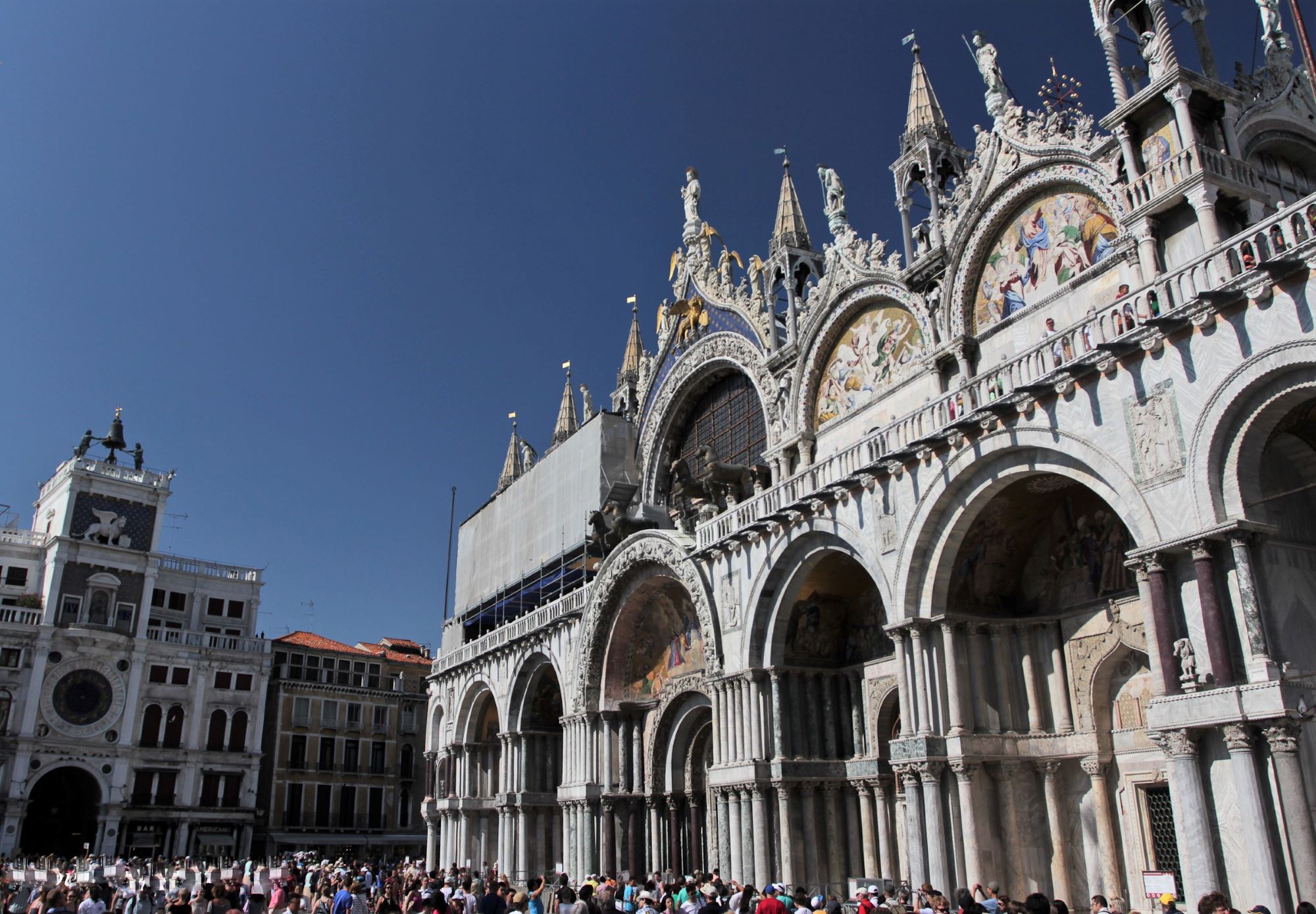
Of course, head to Piazza San Marco – to have a look and even join a tour of the Doge’s Palace and see the Bridge of Sighs with your own eyes.
But it’s no less interesting to simply lose yourself among the small canals of the Cannaregio district, where there are almost no tourist groups.
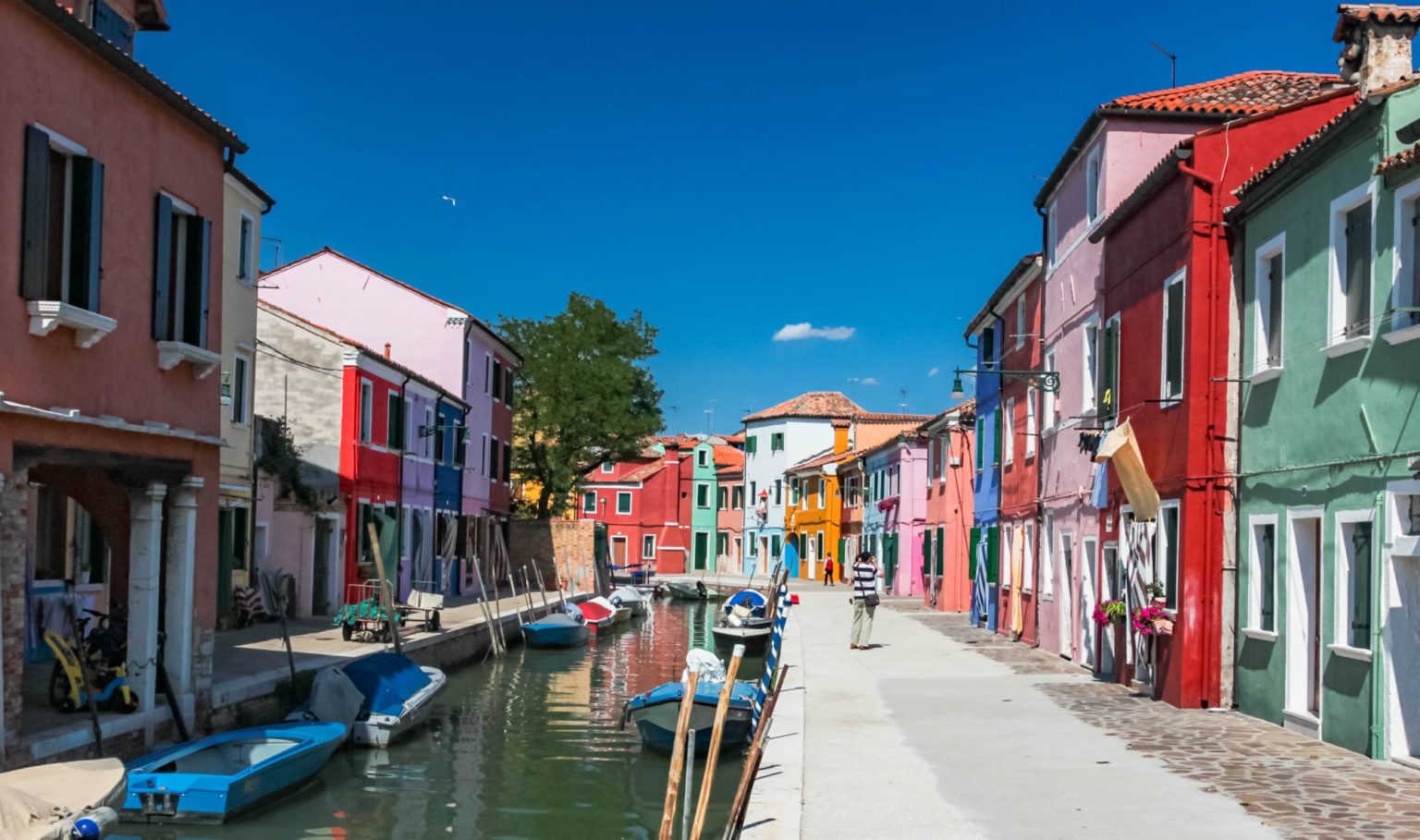
If you have time, be sure to head out to the islands of Burano and Murano. In autumn, they look even cozier than in summer. Even in gloomy weather, Burano looks like a bright spot against the backdrop of the Venetian Lagoon.
If the weather is warm and sunny, take a vaporetto to Lido Island. Here there is a huge and long sandy beach and the atmosphere of a seaside resort. You can even swim in the sea if you come before the middle of October.
Plan to spend at least three days visiting Venice. This way, you’ll have time to see different corners of the city and the islands of Burano and Murano.
More details: Venice – independent travel for three days
Where to stay in Venice
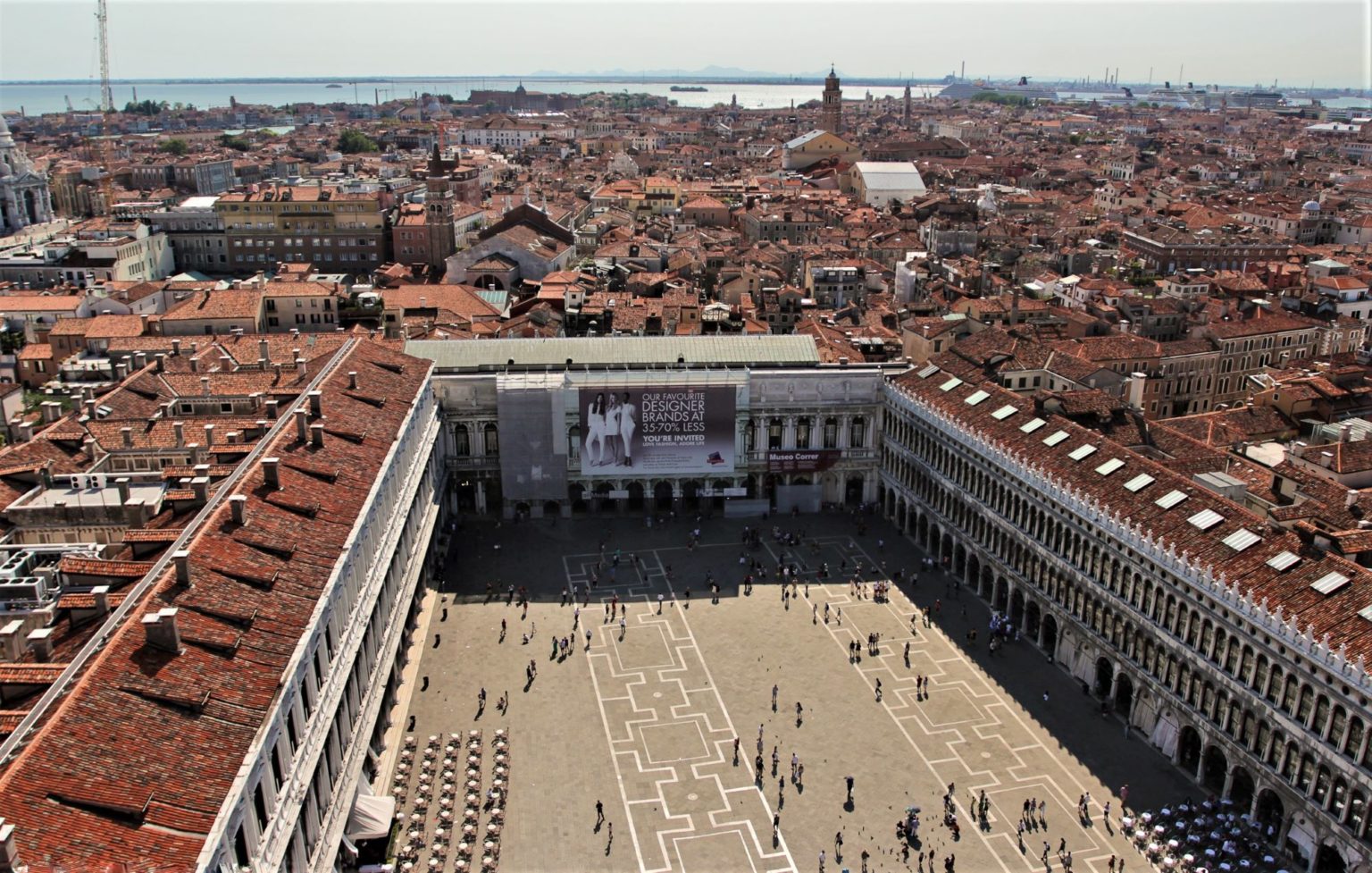
If you want to stay in the very heart of the city, choose the San Marco or Dorsoduro districts.
- Palazzetto Pisani Grand Canal≫ – Charming hotel where you can feel what it’s like to live in a Venetian palazzo. Rooms are comfortable and very clean, with historic design. Ideal location, in the center, right next to the Accademia Bridge and the music conservatory.
- Hotel Firenze≫ – The property is located 3 minutes’ walk from San Marco. The room design is very cozy, the bed and pillows extremely comfortable. Attention to detail, every aspect thoroughly planned for maximum comfort. Don’t hesitate, the hotel is amazing, and the staff will make sure you enjoy your visit.
Cannaregio

For a calmer atmosphere, Cannaregio is a good choice.
- Rigoletto Charm≫ – Bed and breakfast hotel with a very good location. It’s only a few minutes’ walk from Venezia Santa Lucia Station, and there are many restaurants nearby. Rooms are spacious and spotless. Also, it is incredibly quiet here; you don’t hear any street noise at all.
- Al Mascaron Ridente≫ – Very good and friendly staff, all requests were responded to immediately. The room is very clean and has everything you need. After checking out, you can leave your luggage with them until evening. The location is in a quieter area, away from mass tourism, but with good restaurants and cafés on the street. Close to everything.
Mestre
If you don’t have enough money for the center of Venice, then there’s an alternative district — Mestre. It is located on the mainland, and buses and trains depart from here.
- 216 Venice – Simple and clean apartments for an overnight stay and preparing breakfasts. Located in Mestre near the train station, and bus stops to Venice airport/Marco Polo. The residential block consists of three rooms with separate bathrooms and a very well-equipped shared kitchen. Rooms and bathrooms are spacious, well furnished, and clean.
- Guest House Train Station – Good rooms close to Mestre train station and to bus stops, 5 minutes on foot. The hotel has a kitchen equipped with a microwave, kettle, utensils, and tea. There is a supermarket not far from the hotel.
6. Rome — the best time to see the Eternal City
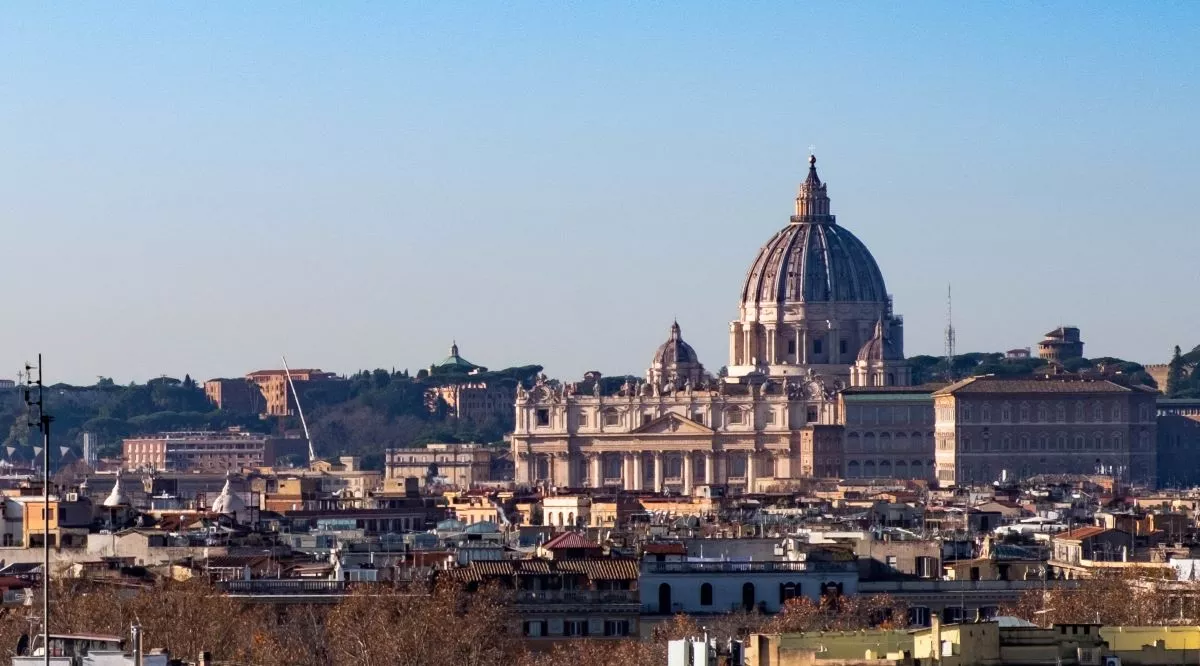
Summer in Rome can be very exhausting. The temperature easily exceeds +35 °C, and at the Colosseum or Trevi Fountain, you literally have to push through the crowd.
This is why many experienced travelers consider autumn the best season to get to know the Italian capital.
The weather is still warm but already comfortable for long walks. You can stroll for hours among ancient ruins, cozy squares, and narrow streets in the Trastevere area, without thinking about where to hide from the heat.
What you definitely must see
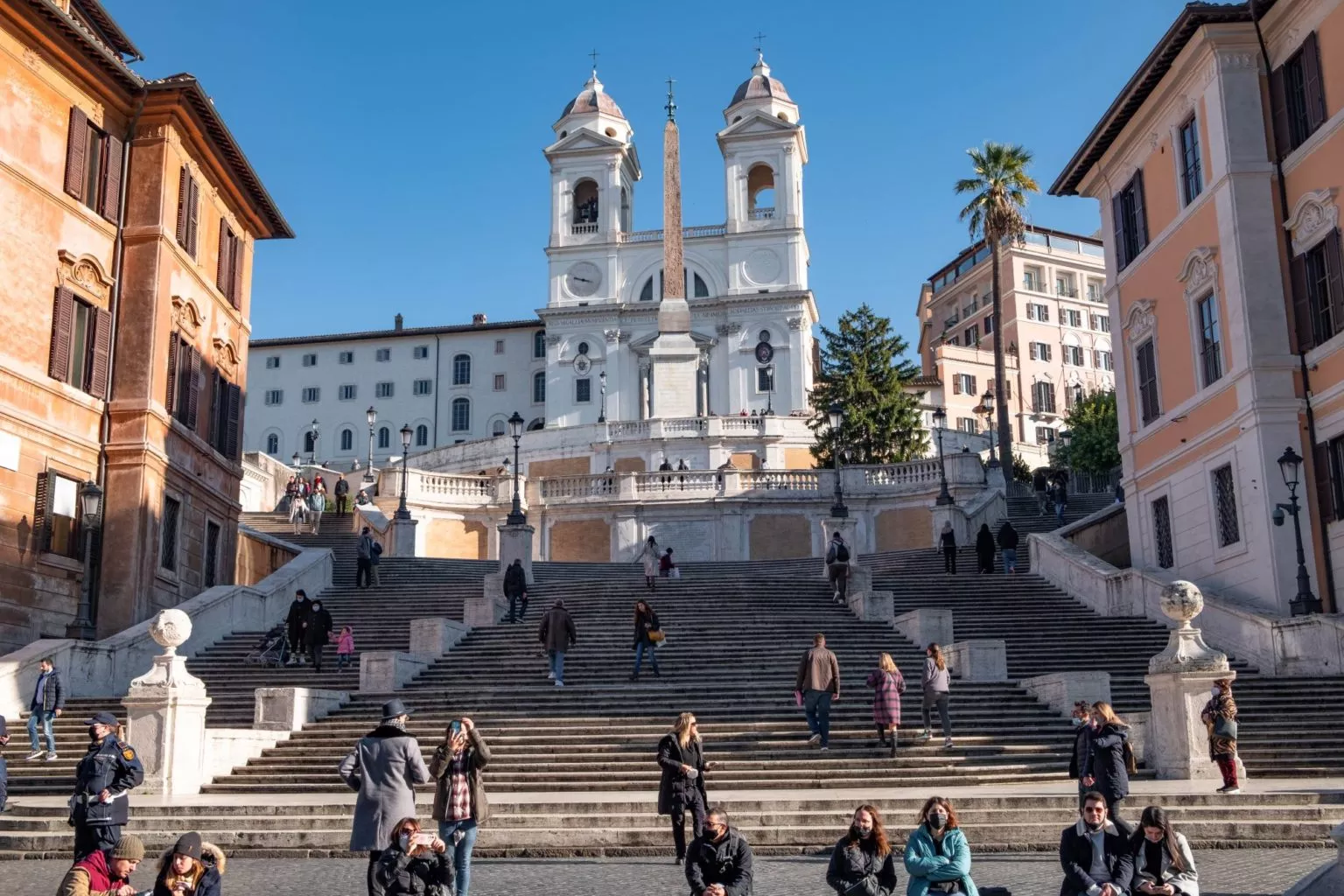
You should set aside at least three days to get to know Rome.
In this time, you’ll be able to see the Colosseum, Roman Forum, Palatine Hill, Pantheon, Piazza Navona, Trevi Fountain, Spanish Steps, and the Vatican.
But the best part of Rome isn’t just the sights. Try just sitting on the terrace of a small trattoria, order pasta or pizza, and watch the life of the city. These are the moments that make up the real Rome.
Where to stay in Rome
For a first trip, I recommend staying in the following areas in the center of Rome.
Centro Storico
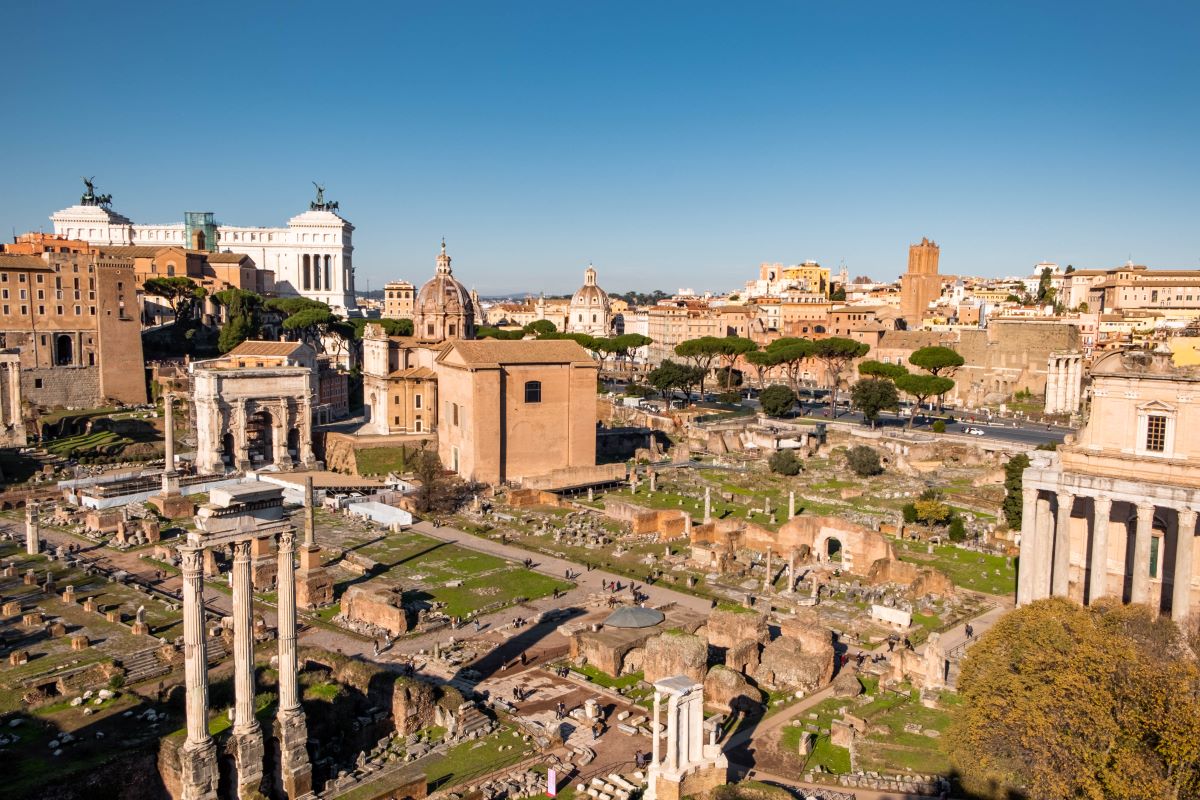
The historic center of Rome – here everything is close by and every stone breathes history. Walk along the banks of the Tiber River, go see the Pantheon, look at Rome from the upper terrace of the Spanish Steps, throw a coin in the Trevi Fountain.
- Martina House≫ – Great location not far from a bustling tourist area, but within easy walking distance to most of the sights. Large spacious apartment in a beautiful quiet building.
- BDB Rooms Margutta≫ – Excellent room location, some have a wonderful view from the hill over Rome. 10 minutes’ walk to the center of Rome, near the Spanish Steps and luxury shops.
Trastevere
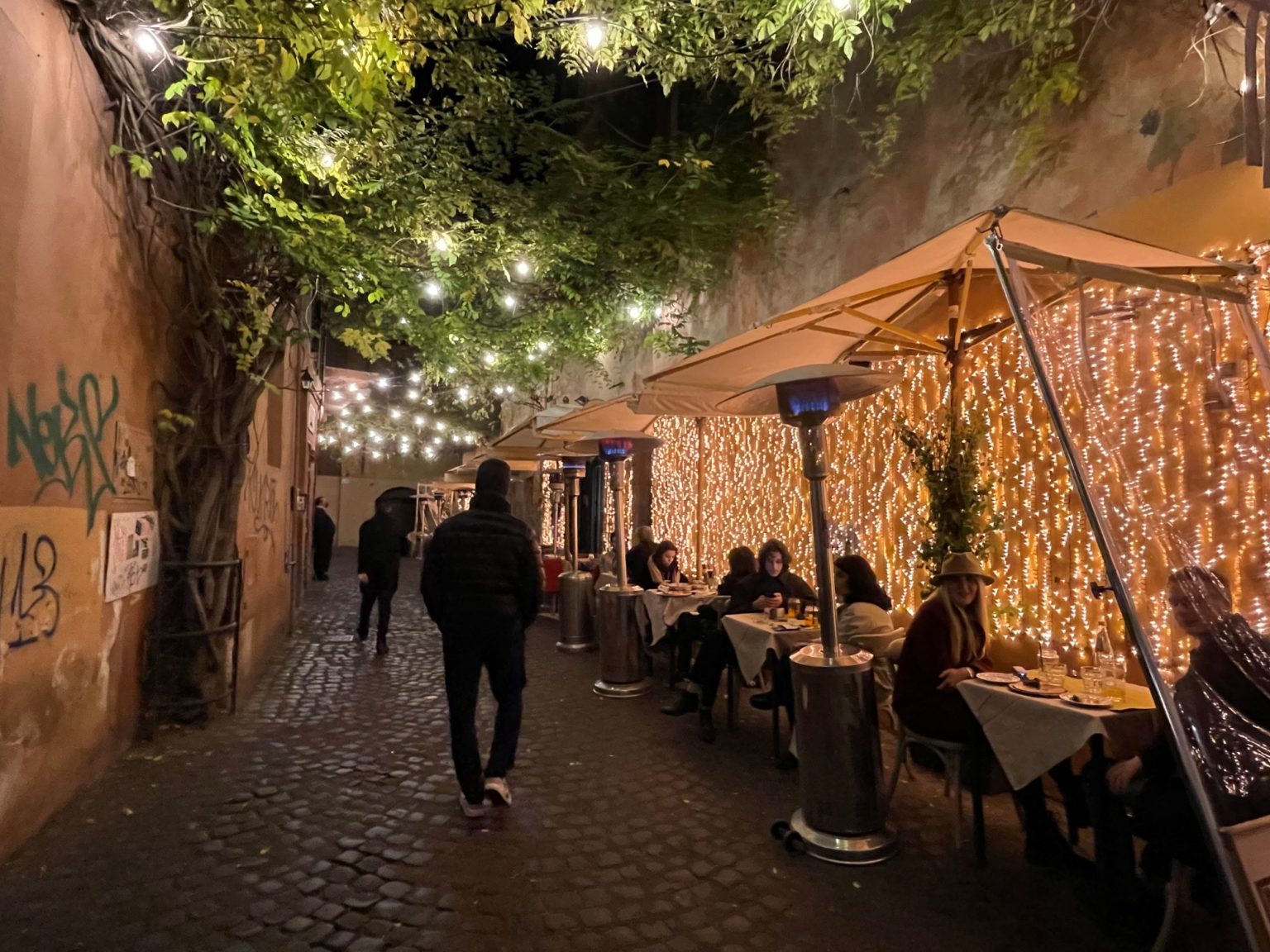
This is one of the most atmospheric districts – here you’ll find many cafés, enotecas, and trattorias where you can enjoy great food. Very charming atmosphere thanks to the abundance of old churches and chapels.
- Flatinrome Rooms in Trastevere≫ – Wonderful place in Trastevere and a 20-minute walk from Trastevere railway station. Easy to find, and within a few minutes’ walk of various amenities such as a pharmacy, clothing stores, bars, and restaurants.
- Roma Trasteverina≫ – Great location in the center of Trastevere. There are many restaurants near the hotel, and all the famous sites are within easy walking distance. Very clean, quiet, and comfortable room.
Monti
Monti is a cozy neighborhood near the Colosseum, where it’s convenient to stay even if your flight arrives quite late. Close to Termini station and at the same time already quiet and respectable.
- B&B Santi Quattro Al Colosseo≫ – Location is next to the Colosseum, allowing you to enjoy the view of the Colosseum every day. The rooms are almost perfect, with hot shower, good Wi-Fi, everything is clean, and a view of the Colosseum from a small balcony.
- Domus Diana≫ – Excellent hotel location, the Colosseum is a 10-minute walk from the property, Termini is also 10 minutes on foot, Good Roman breakfasts – morning coffee and croissants deserve special praise. The room is clean, mattresses are comfortable, towels are soft and bright white. Daily cleaning.
7. Barcelona — when the sea is still warm but the city is no longer melting from the heat
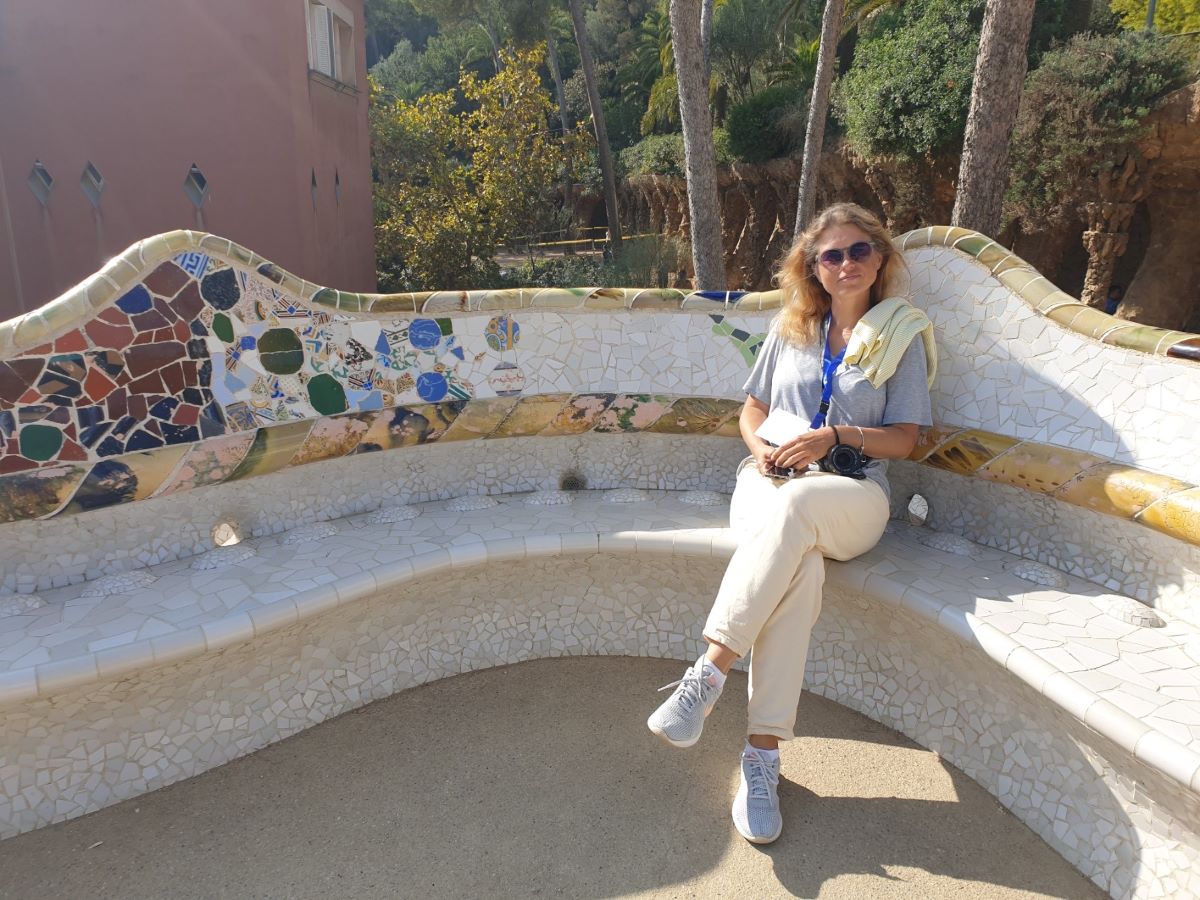
Barcelona is one of the best options for those who are not ready to say goodbye to summer entirely.
In September, you can still combine a city trip with a beach holiday here. The sea remains warm after the hot summer, and the air temperature is no longer as exhausting as in July or August.
In October, the weather becomes less predictable, but this is precisely what makes Barcelona interesting for a city break. You can spend a sunny day on the beach or strolling around the city, and if it rains — head to a museum or just settle in a cozy café.
The special thing about Barcelona is also that it is impossible to see the city in a single day. Here, it’s not just about ticking off main attractions, but about wandering through neighborhoods, looking at building facades, visiting markets, sitting on squares, and gradually discovering the different faces of the city.
What to see in Barcelona
Sagrada Familia
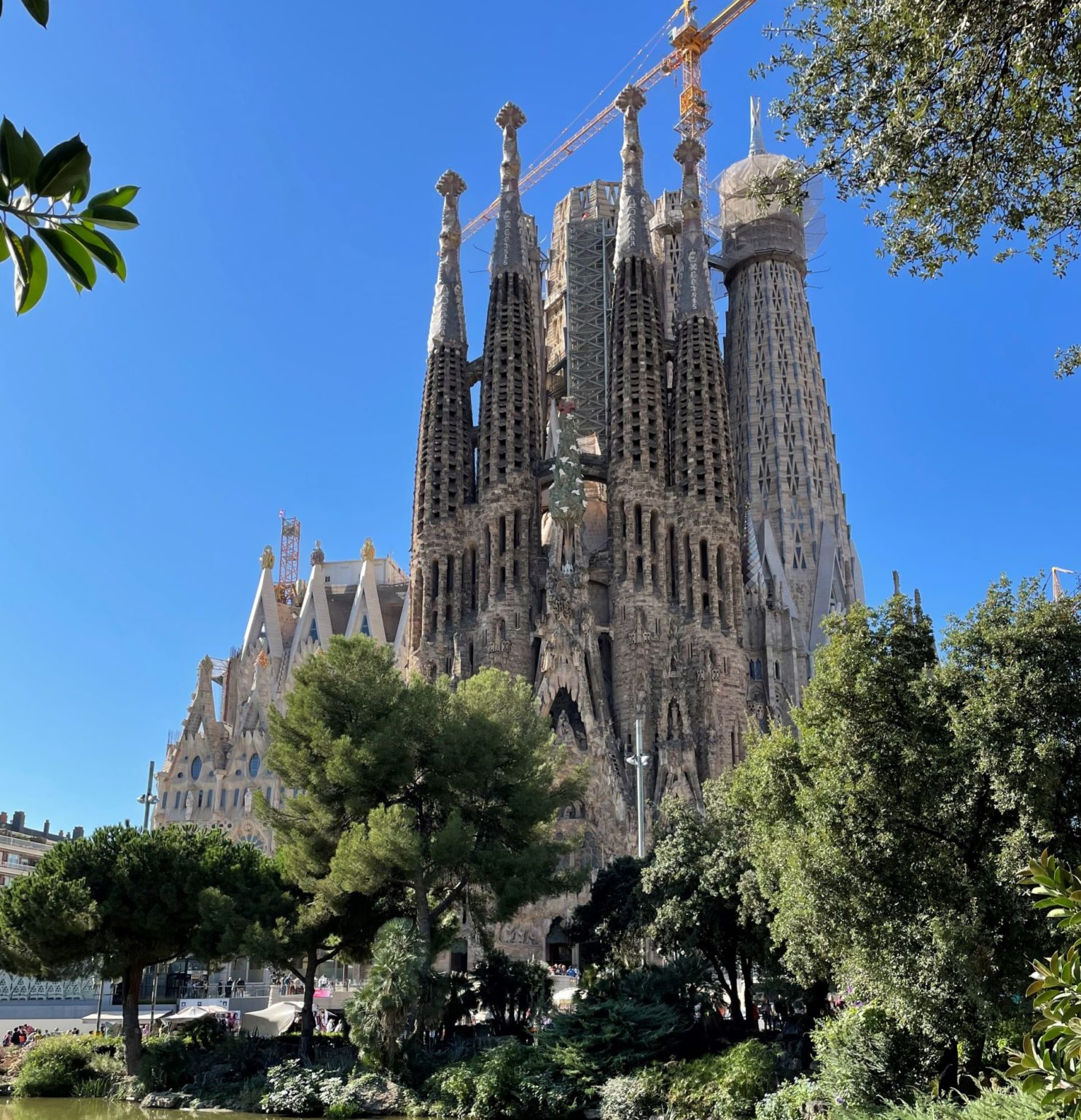
It’s best to start with the main symbol of Barcelona.
Antoni Gaudí’s basilica is so unusual that even photos do not fully convey its scale. It’s especially beautiful inside when sunlight passes through the stained glass windows.
If you plan to visit the Sagrada Familia, buy your tickets in advance.
Park Güell
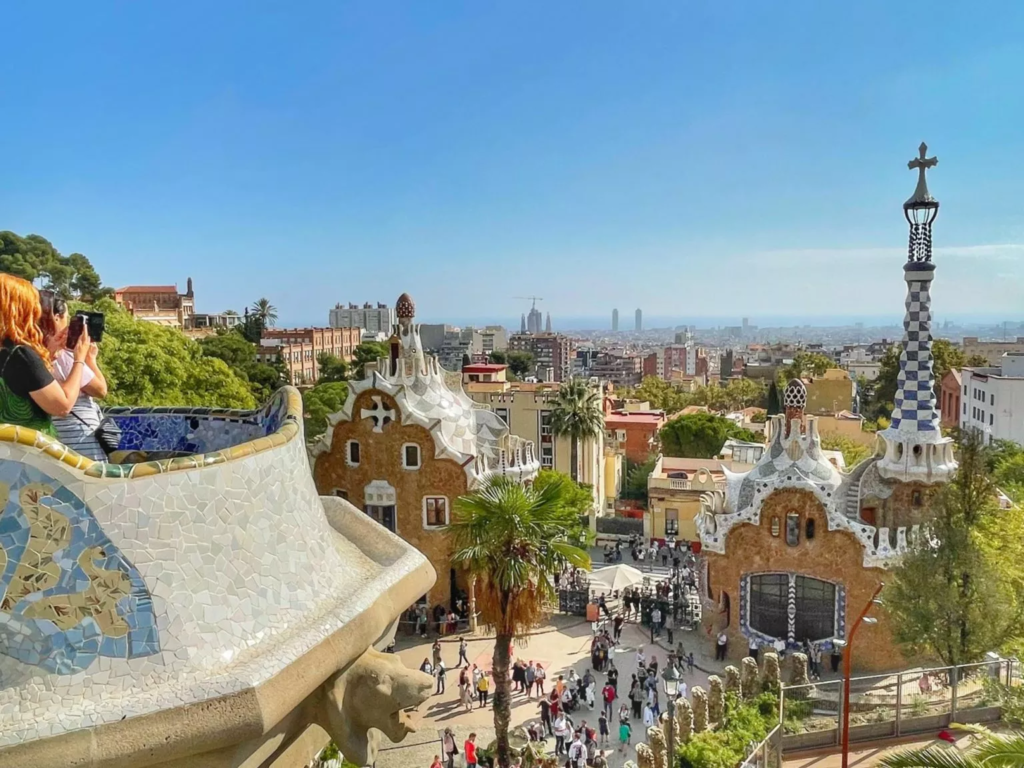
Another Gaudí masterpiece, but with a completely different atmosphere.
The park is located on a hill, so it offers a panorama of the city. In the autumn, it’s much more pleasant to walk around here than in the summer heat. Entry is paid – you’ll need to purchase tickets, and even in autumn, it’s better to do it in advance.
Gothic Quarter
This is the place where it’s best to just forget about a set route.
Narrow streets, old buildings, small squares, inner courtyards—it’s interesting here to wander without any concrete goal.
Be sure to visit Plaça Reial, see the cathedral, and walk to the old Jewish quarter.
Passeig de Gràcia
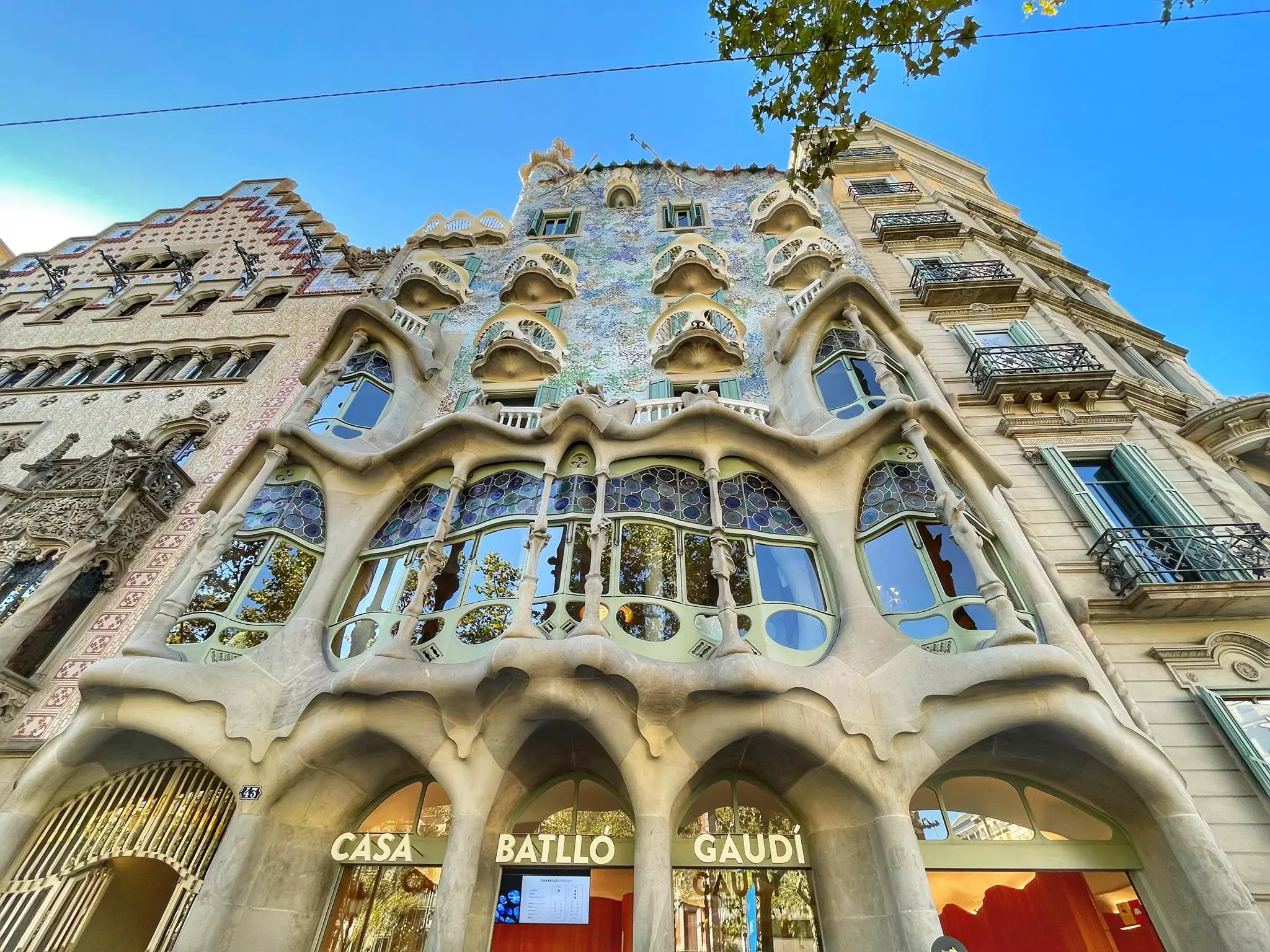
If you want to see Modernist Barcelona, head here.
This is where Gaudí’s famous houses are located — Casa Batlló and La Pedrera.
Montjuïc
It’s worth climbing Montjuïc for the views.
You can spend half a day here: visit the National Art Museum of Catalonia, stroll through the park, take a look at the Olympic sites, and simply admire Barcelona from above.
What about Barcelona’s beaches in autumn?
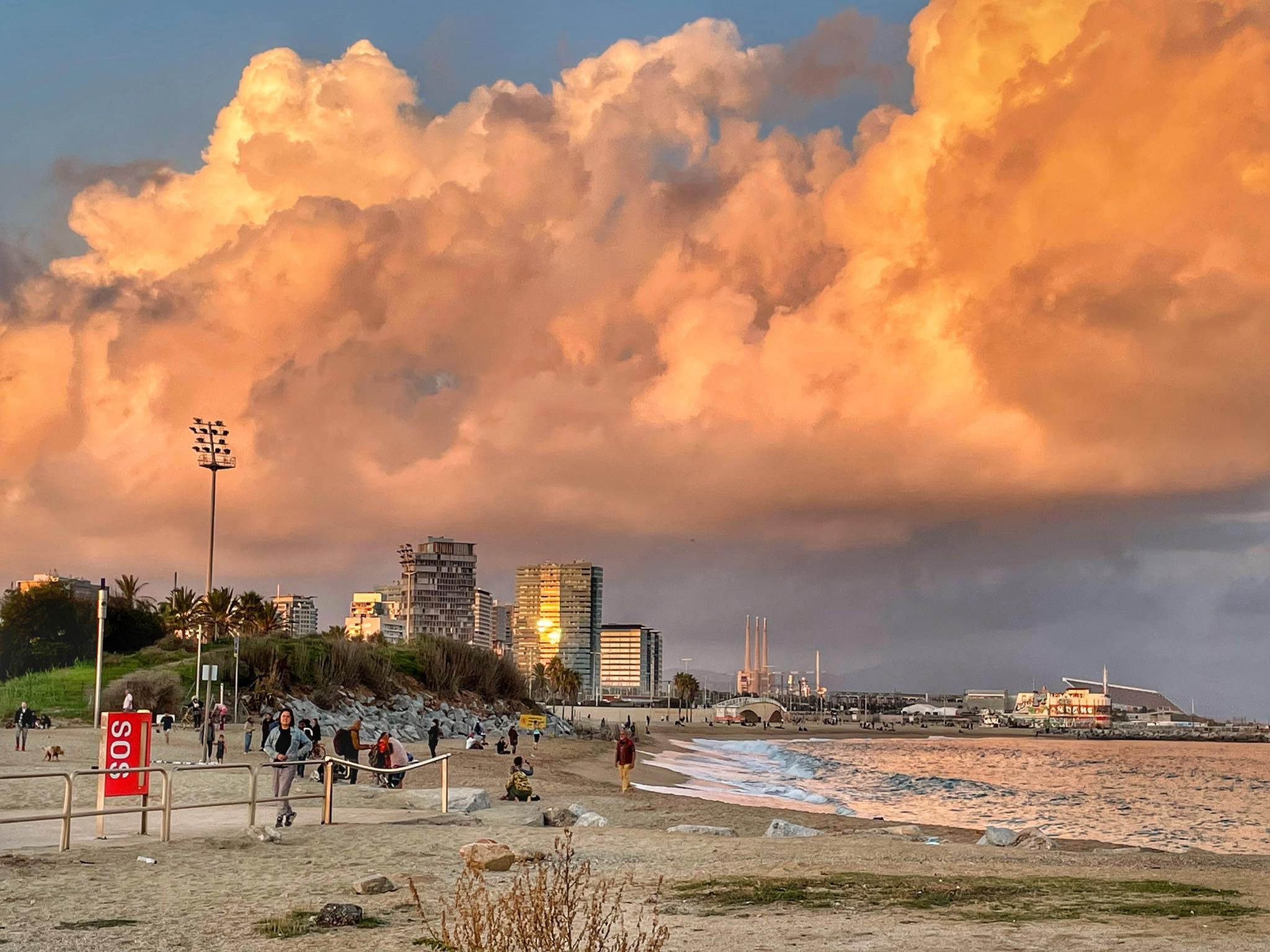
If you come in September, beach season is still quite real. We even swam in mid-October, although for most people, +20 degree water is already chilly.
In October, I wouldn’t plan Barcelona as exclusively a beach trip anymore. The sea can be pleasant, but the weather is unstable. It’s great to mix it with city walks. But I would definitely pack my swimsuits.
The most convenient beaches are not far from the center, but if you want a more peaceful atmosphere, you can head outside the central part of the city.
So the formula is:
September — city + sea;
October — mostly city + excursions.
How many days do you need for Barcelona
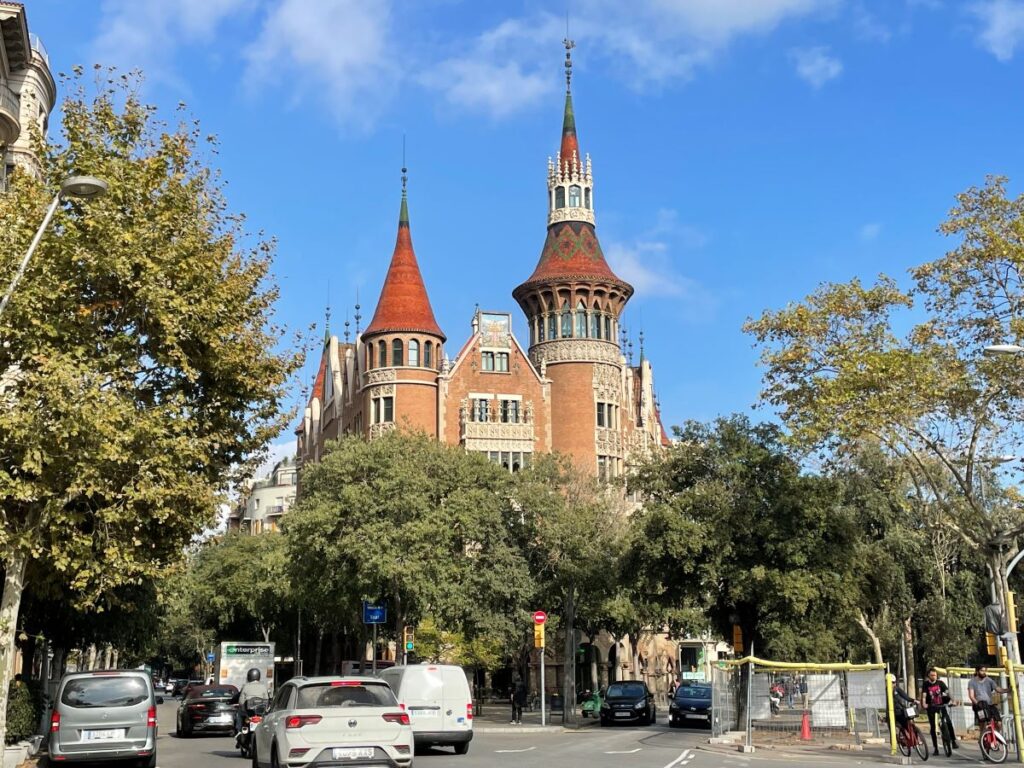
Optimal — 4–5 days.
In three days you can see the main things, but if you don’t want to rush from sight to sight, and want to really feel the city, better to plan for four or five days.
If you have a week, you can add day trips outside of Barcelona.
Barcelona is one of the best options for those who want to:
- extend summer into autumn;
- combine sea and excursions;
- see Gaudí’s architecture;
- walk a lot;
- spend 4–5 days in a large European city.
Where to stay in Barcelona
Eixample
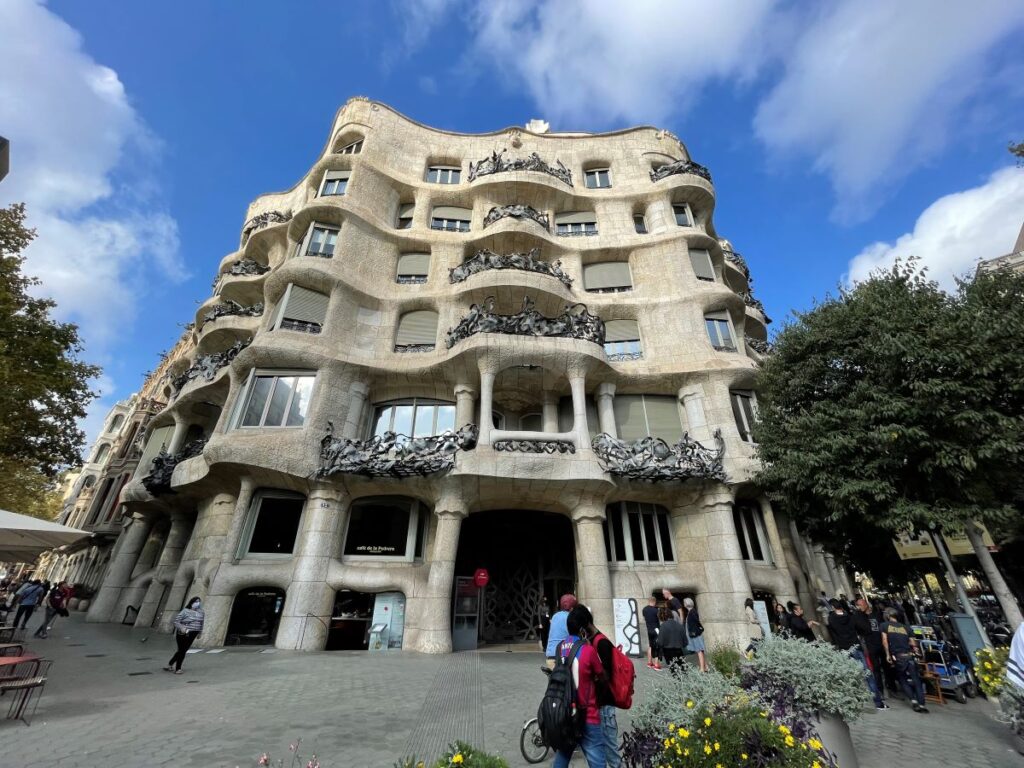
One of the most convenient neighborhoods for tourists. Wide streets, beautiful architecture, restaurants, shops, and good transport connections.
Especially convenient if it’s your first time in Barcelona.
- Condes de Barcelona – The hotel has a modern stylish décor.
- Axel Hotel Barcelona & Spa – note! this hotel is adults only.
- Royal Passeig de Gracia – Great price for a stay in Eixample!
Gothic Quarter
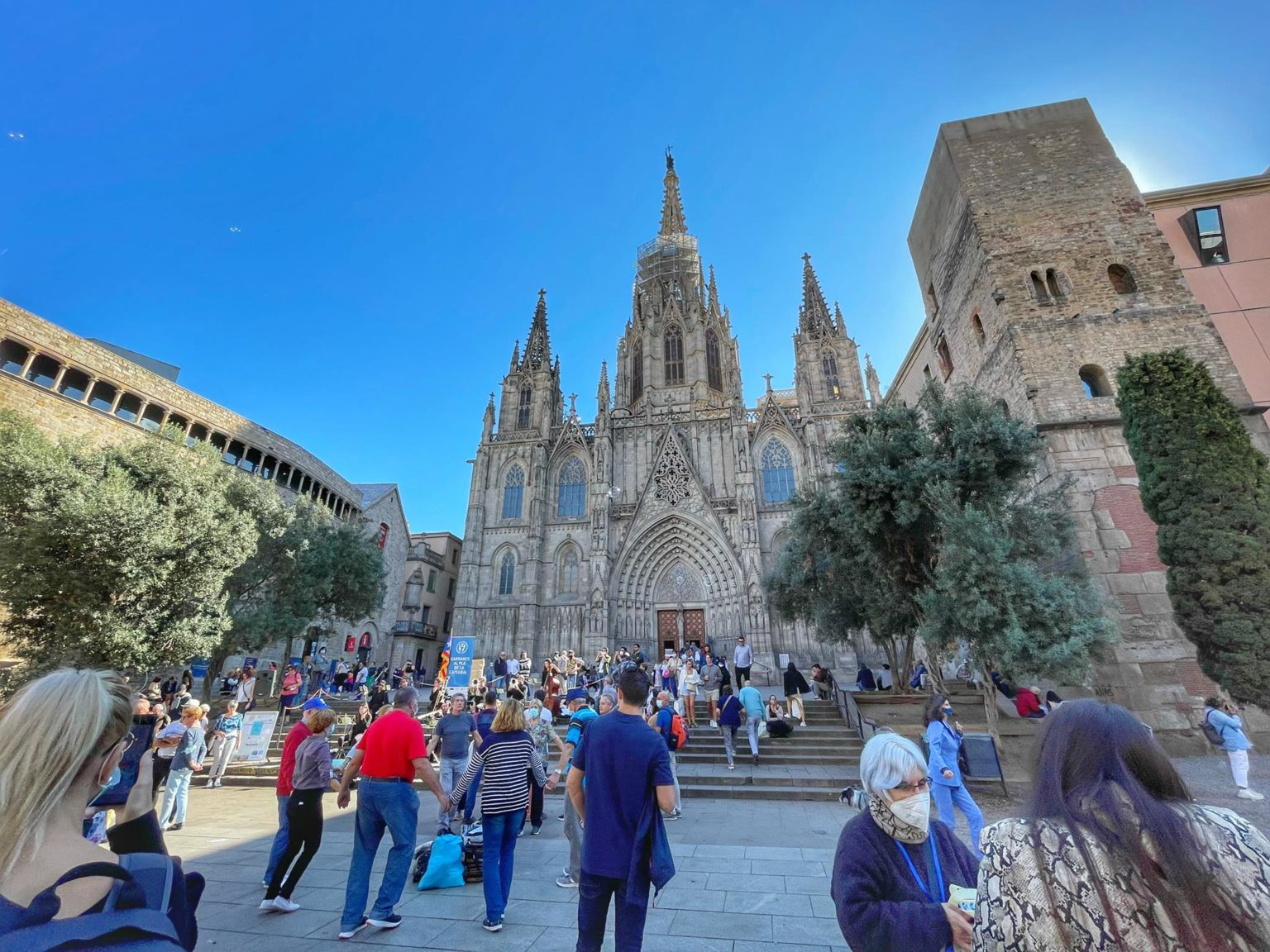
For those who want to live right in the historical center.
You will be close to the main attractions, but you should keep in mind the noise and large number of tourists.
- Oriente Atiram≫ – cozy hotel with good breakfasts.
- Ciutat de Barcelona≫ – nice rooftop pool and excellent prices for staying in the city center.
- Grand Hotel Central, Small Luxury Hotels≫ – 5 stars and a rooftop pool, great views of Barcelona’s harbor.
Gràcia
I like this neighborhood because it has a completely different vibe. There’s less tourist pomp here, lots of small cafés, restaurants and local life. Nice local cafés and pleasant streets for walks.
- Barcelona Apartment Milà – excellent loft-style apartments.
- Hotel Barcelona 1882 – hotel with a rooftop pool and stylish rooms at a democratic price.
- Hotel BESTPRICE Gracia – hotel near Park Güell.
8. Madrid — autumn in the capital of Spain is not at all like beachy Spain
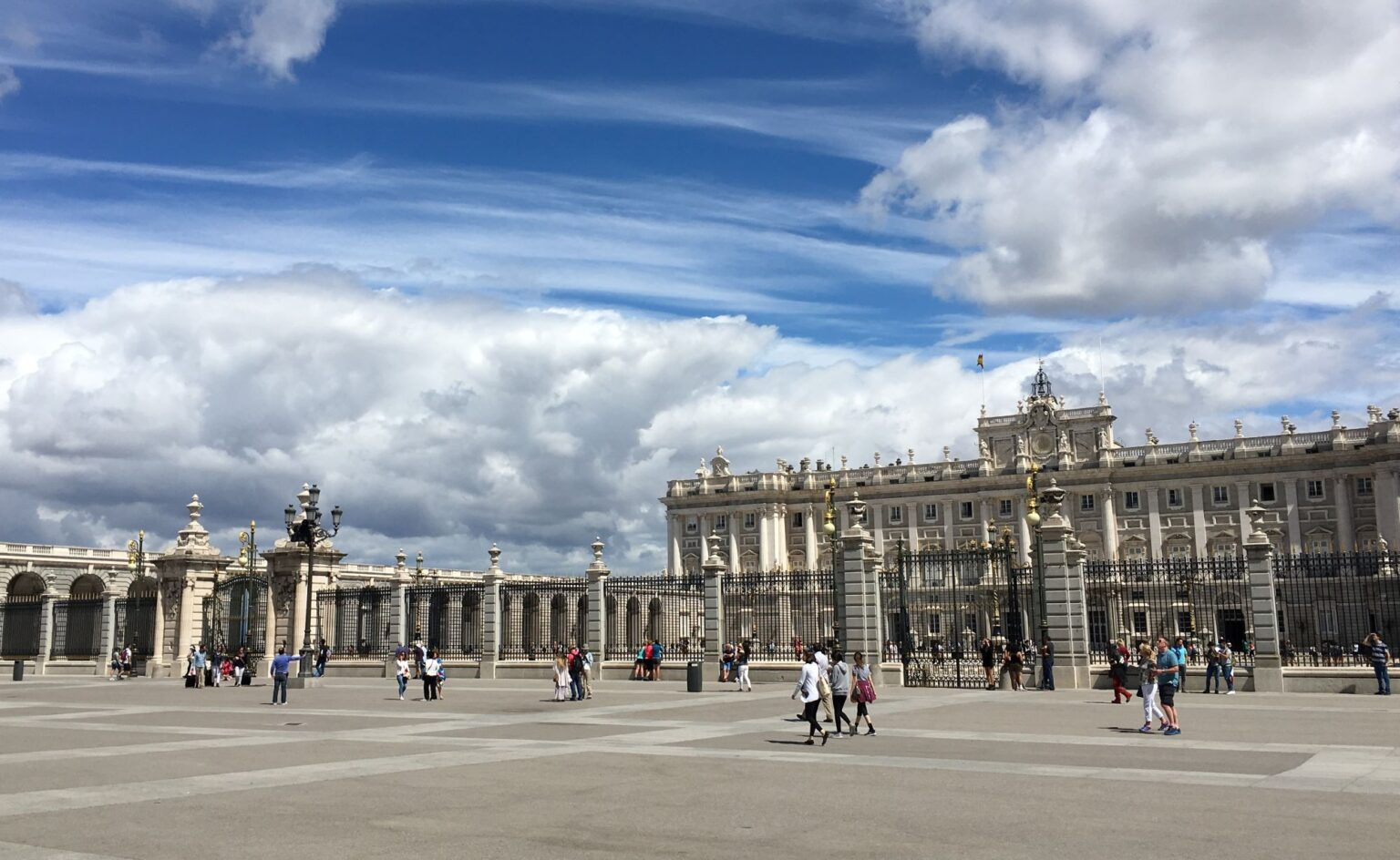
Madrid is often unfairly overshadowed by Barcelona, although the capital of Spain is no less beautiful or grand.
Tourists come to Spain for the sea, Gaudí, and beaches, leaving the capital for later. But if your goal is a city trip, in the autumn Madrid may turn out to be even more interesting than Barcelona.
The main reason is the weather. In summer, Madrid is very hot. In July and August, the temperature can rise above +35°C, and walking around the city in the middle of the day is not very pleasant.
The situation is completely different in autumn.
September is still warm, and October and November are perfect for museums, parks, gastronomic discoveries, and long walks.
For Madrid, I’d plan 3–4 days. If you want to add Toledo, Segovia, or another nearby city, better to stay for 5 days.
What else to see in Madrid in autumn
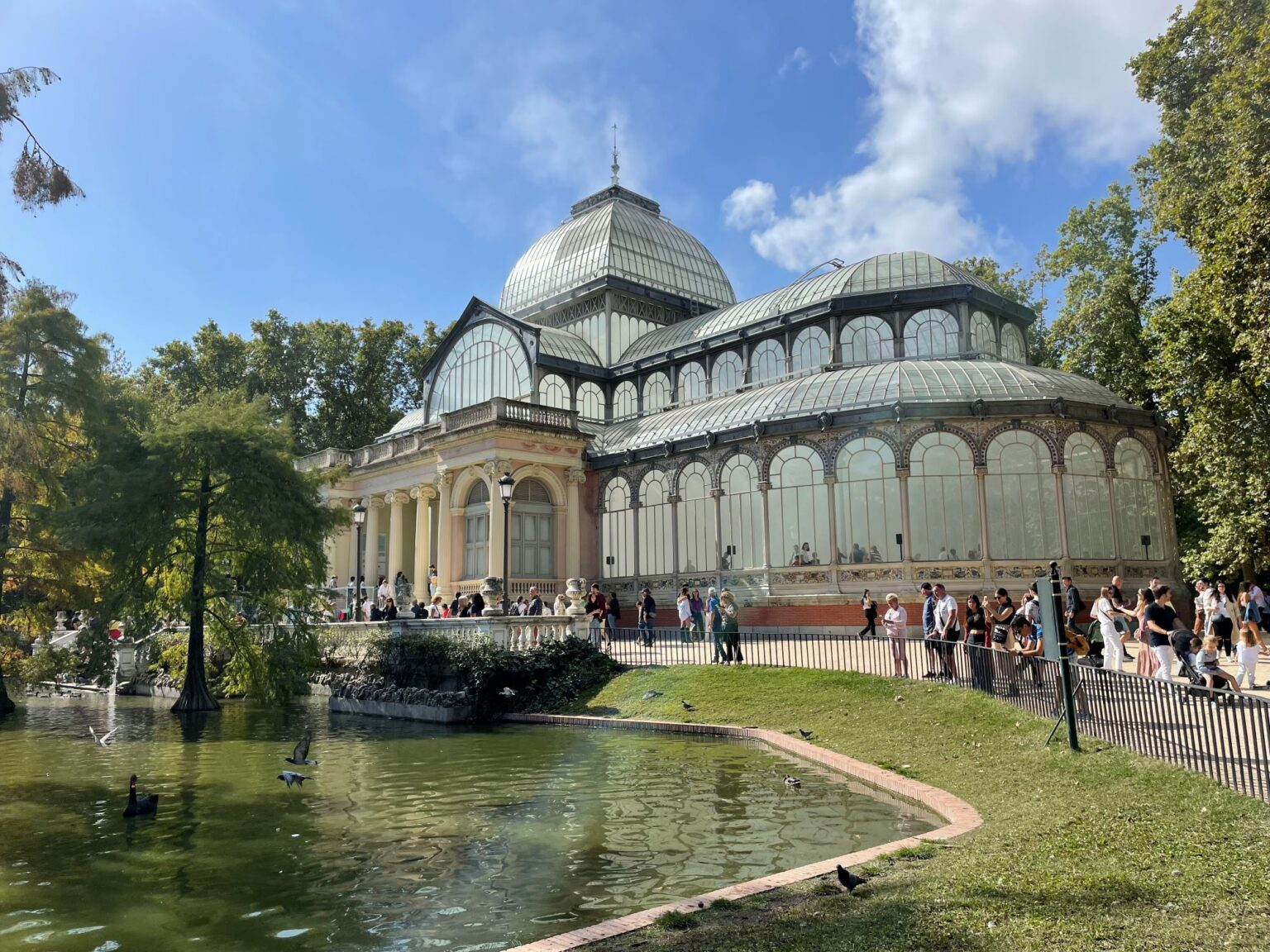
Retiro Park — a must in autumnal Madrid
If you come in autumn, don’t limit yourself to the museums. Head to El Retiro.
This is a huge city park where you can spend several hours. There is a lake, palaces, alleys, fountains, and many beautiful corners for walks. In October, the park is especially beautiful thanks to the autumn leaves.
Prado Museum
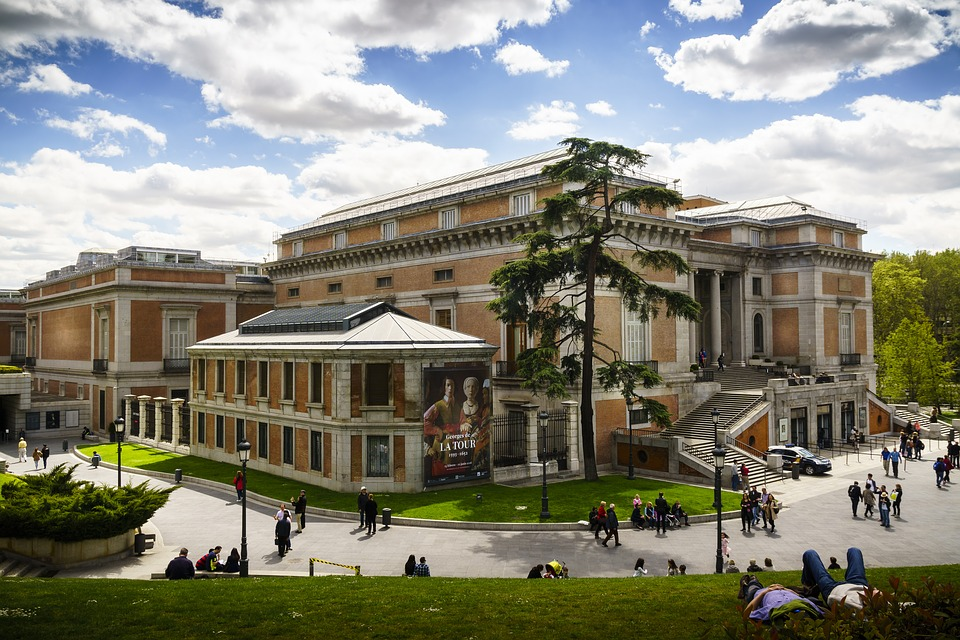
One of the most famous art museums in Europe. Even if you don’t consider yourself a huge art lover, Prado is worth at least a few hours.
Again, buy tickets in advance. And if you are planning a visit to Madrid during the celebration of Spain National Day (October 10-12), it’s better to purchase skip-the-line access to the museum.
Royal Palace
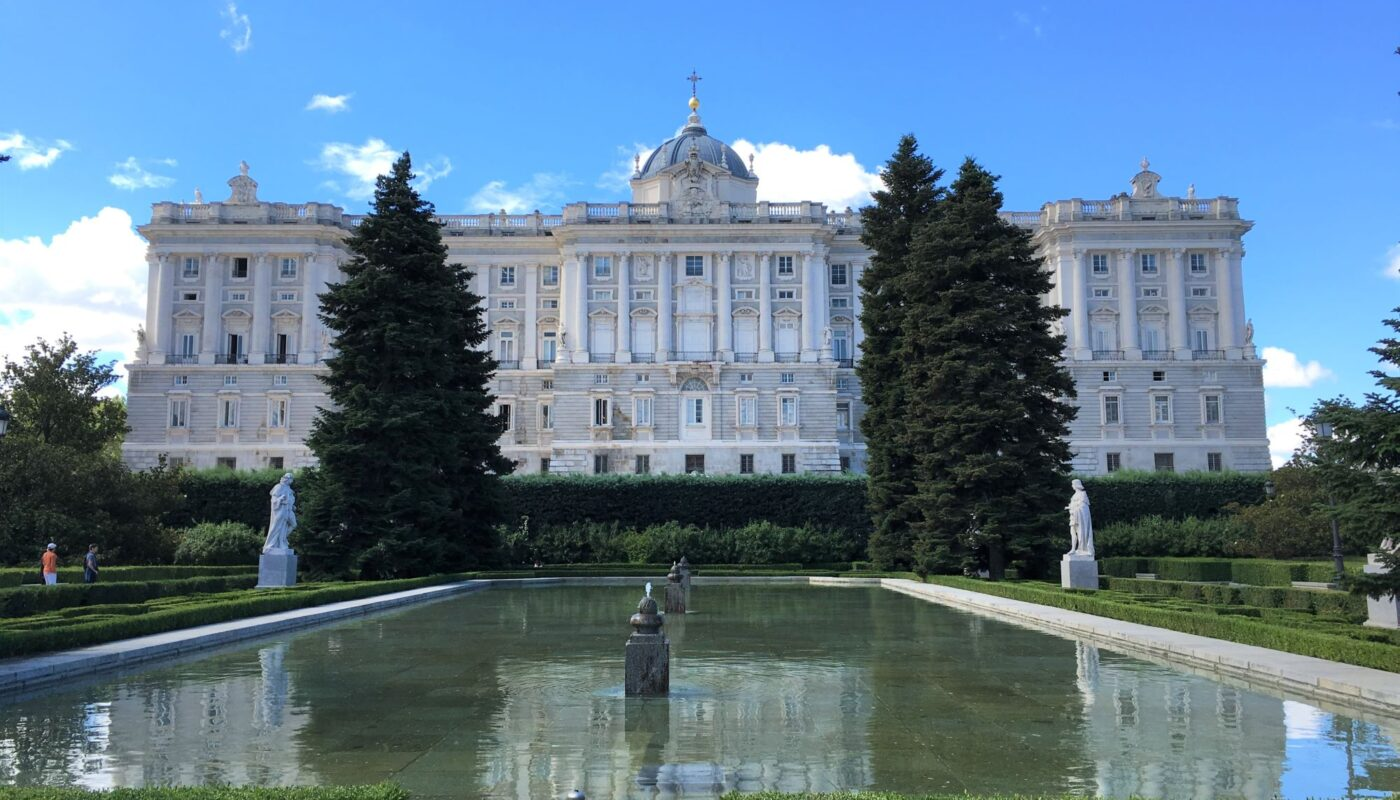
The luxurious residence of the Spanish monarchs, which can be visited with a guided tour. It’s especially interesting to see the Solemn Changing of the Guard, which takes place every first Wednesday of the month. This features a parade of horses and the Spanish Royal Guard, just as it was held in the times of King Alfonso XII.
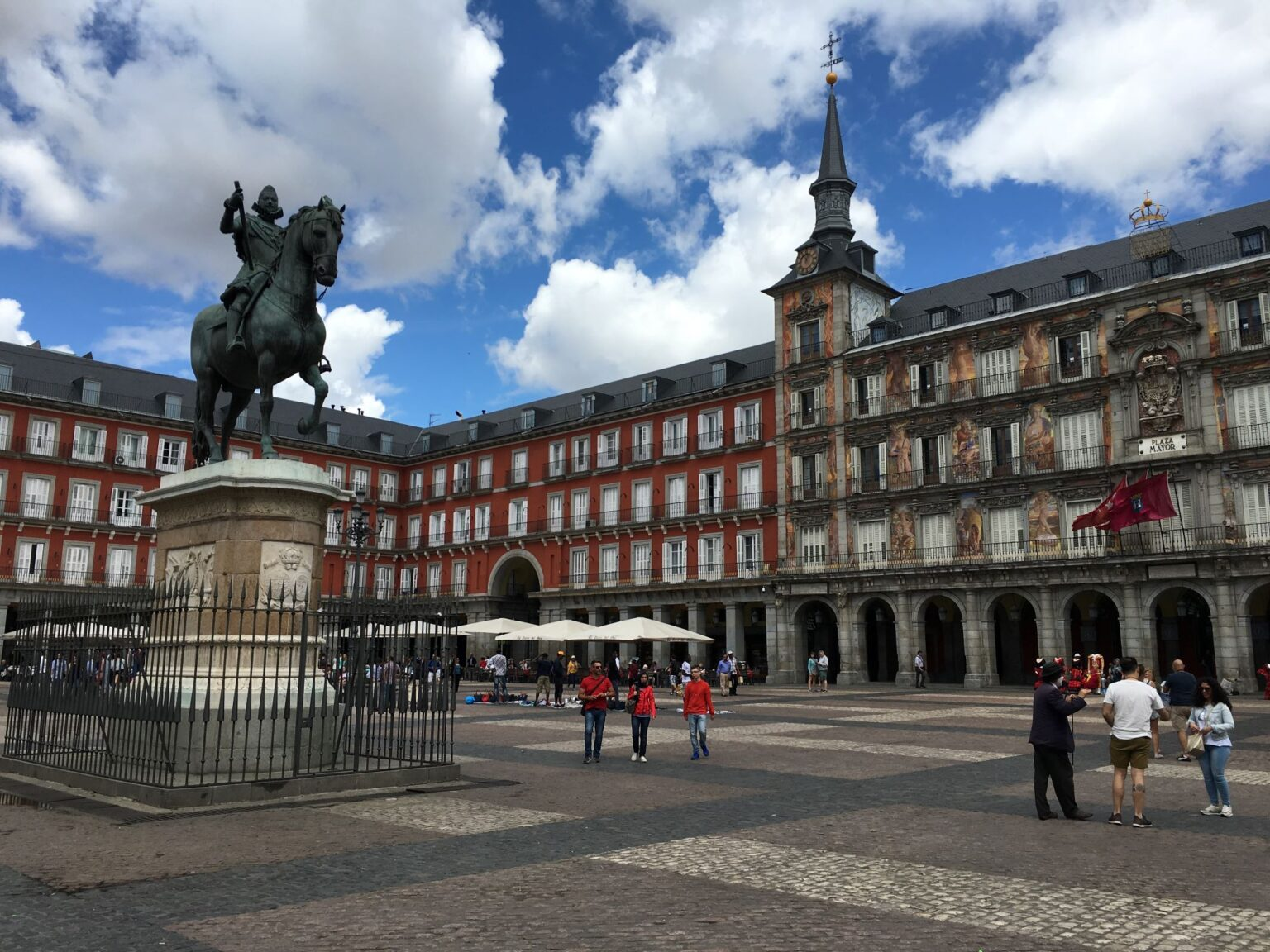
Plaza Mayor and Puerta del Sol
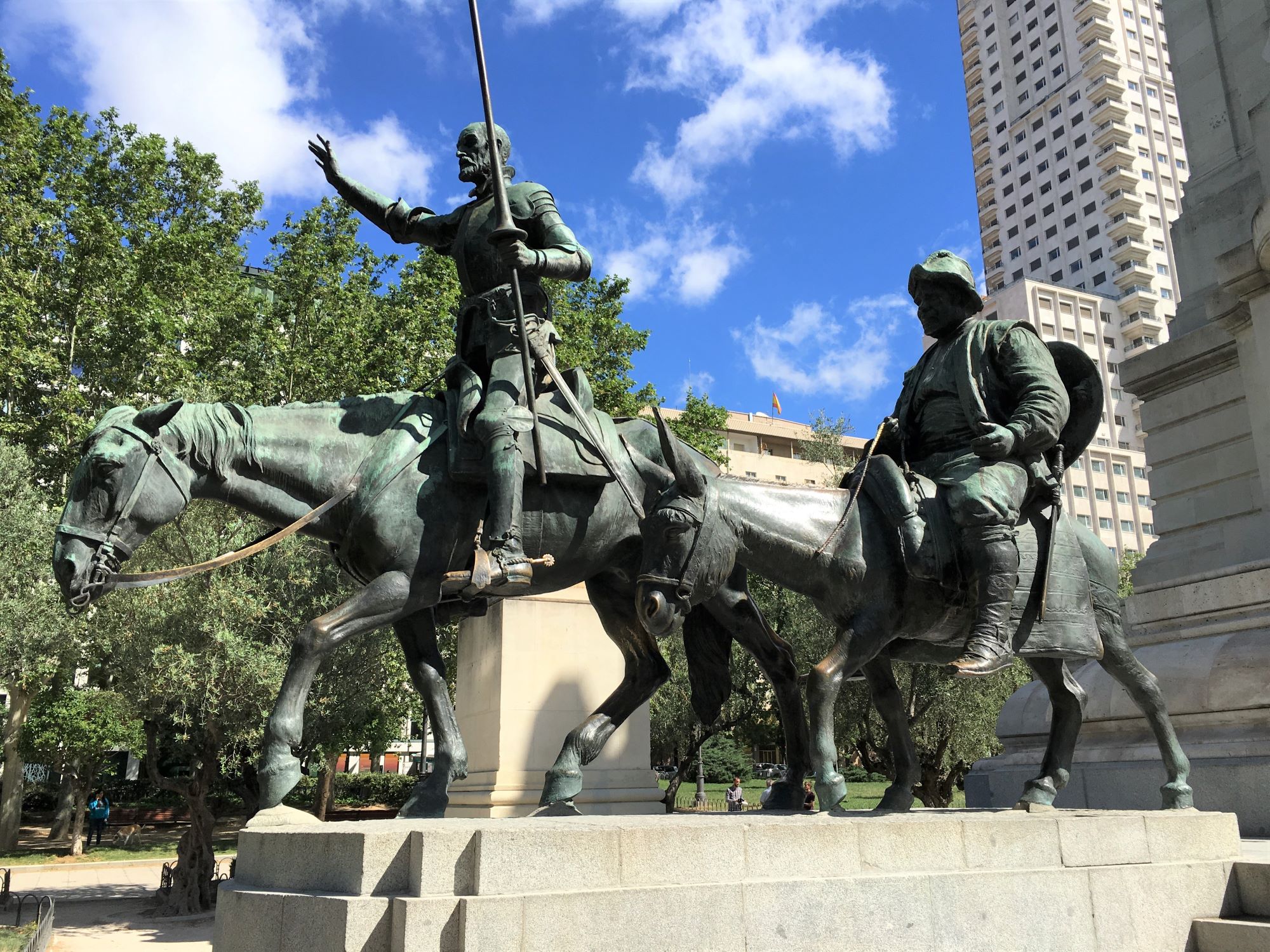
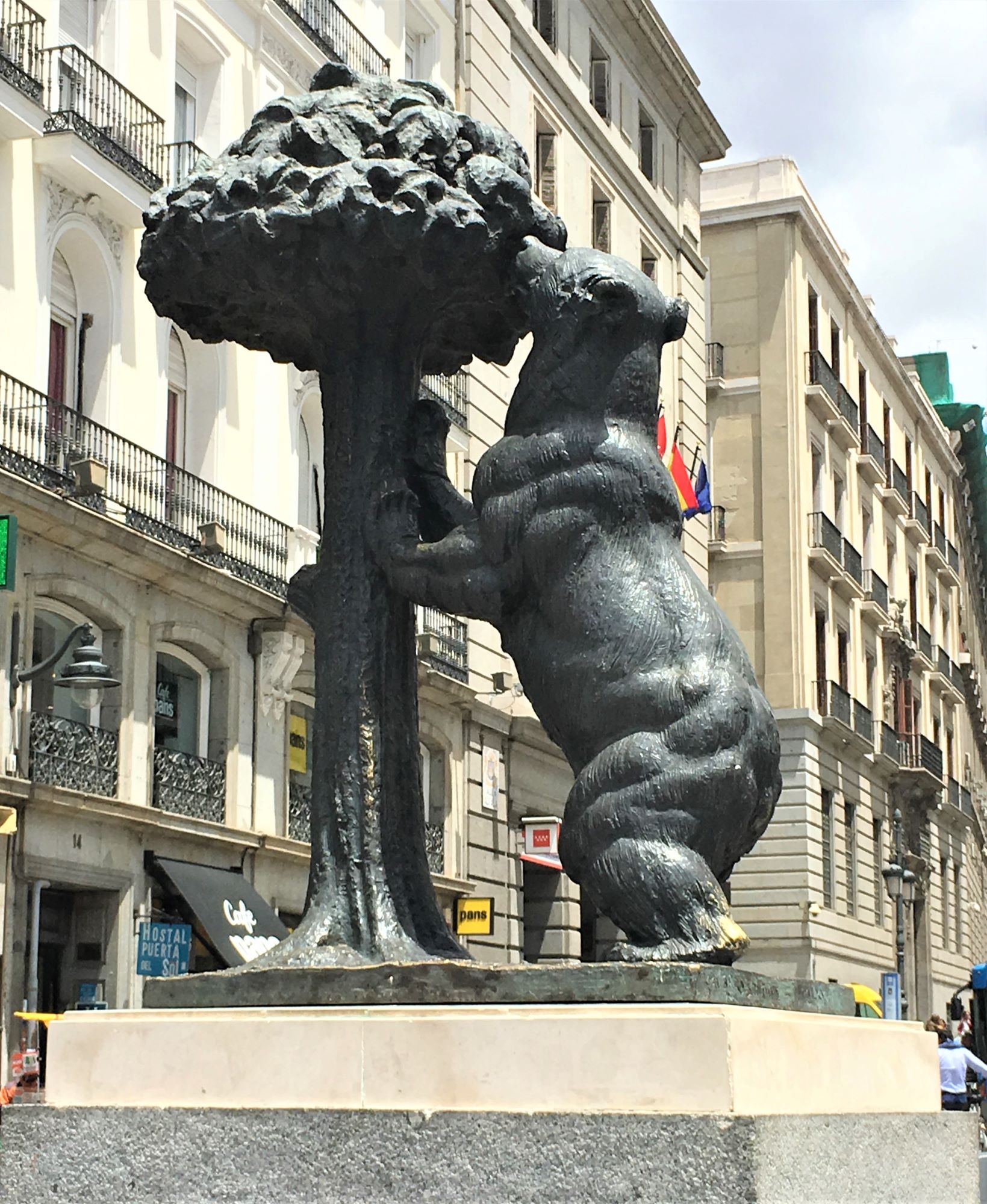
Plaza Mayor is one of the most famous squares in Madrid. Around it are restaurants, cafes, and beautiful historic buildings.
In the Puerta del Sol square stands Madrid’s symbol—a bear near a strawberry tree, which can also be seen on the city’s coat of arms.
And in Plaza de España there is another interesting monument to Cervantes and his main characters—Don Quixote and Sancho Panza.
Gran Vía
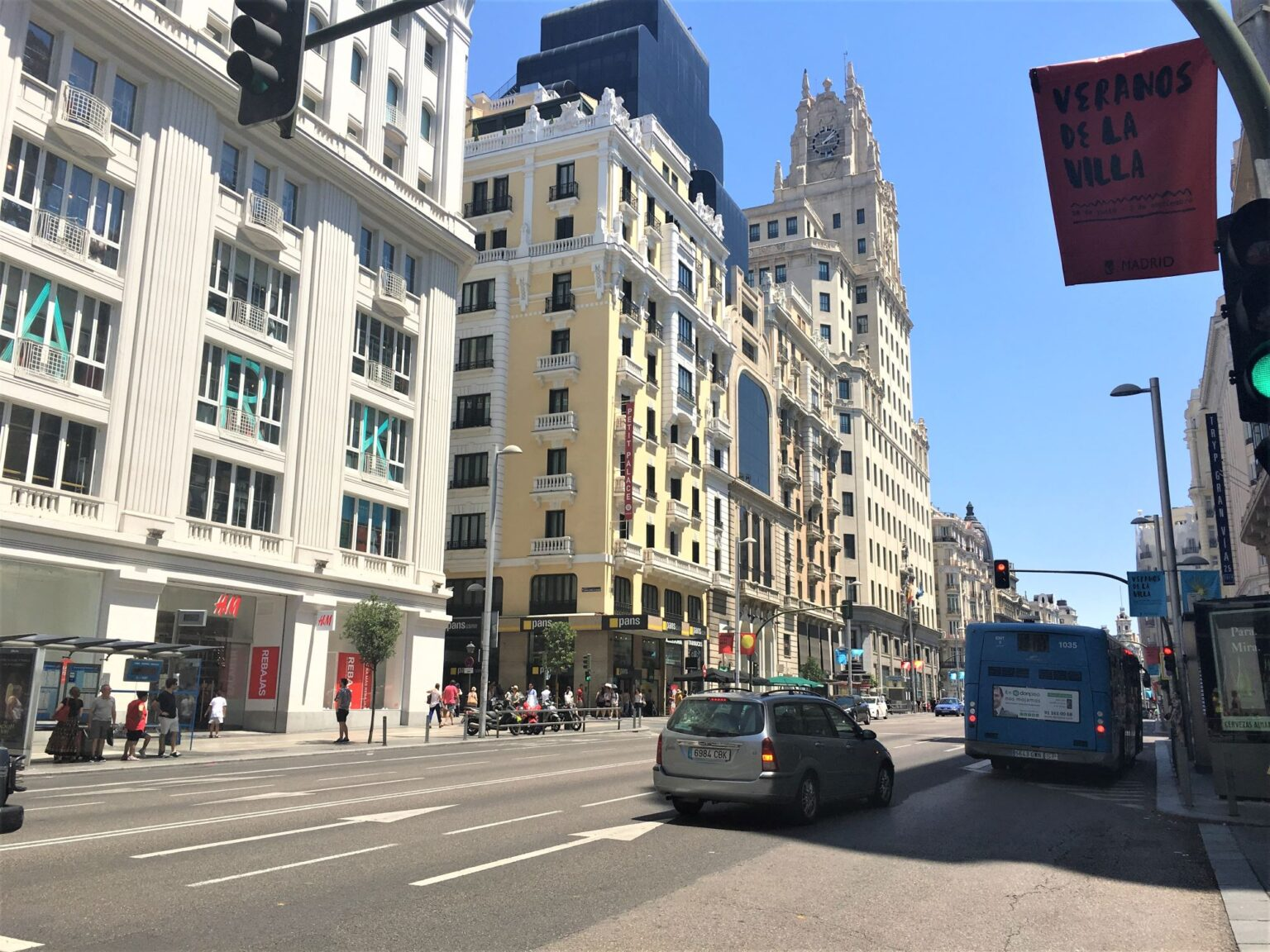
The main tourist artery of the city. It’s worth coming here in the evening when the advertisements and shop lights are lit up.
Madrid is also delicious food
It seems to me that getting to know Madrid shouldn’t be just through its landmarks.
Drop by San Miguel market, try tapas, jamón, Spanish cheeses or churros with hot chocolate. And in the evening simply go for a stroll in the La Latina or Malasaña neighborhoods.
Where to stay in Madrid
Centro / Sol
The most convenient for the first trip. You will be close to the main sights and be able to walk a lot.
- Vincci Capitol Hotel –a wonderful 4-star hotel on Gran Vía, right above the emblematic Capitol movie theaters (where many film premieres are held). The location of Vincci Capitol is simply unbeatable.
- Regente Hotel – located in the city center right on Gran Vía, 5 minutes’ walk from Puerta del Sol square and a bit farther from the Royal Palace. A clean, modern and comfortable 3-star hotel — a great place between shopping breaks or busy days exploring the city.
Salamanca
A more prestigious and quiet neighborhood. It’s more expensive here, but very pleasant to live in, with many parks and a calmer atmosphere.
- Catalonia Goya –a 4-star hotel with a nice entrance and spacious, bright, lively rooms, many of which have very large windows. Exclusive location right on Goya Street and next to Velazquez metro station, about 20 minutes’ drive from Sol.
- NH Madrid Balboa –this is a stylish 4-star hotel with pleasant modern decor in the north of Salamanca. Great location: one street from Velazquez street, 5 minutes’ walk to the nearest metro station (Nuñez de Balboa), and a few blocks from the tree-lined Paseo de la Castellana.
9. Amsterdam — canals, bicycles and golden leaves
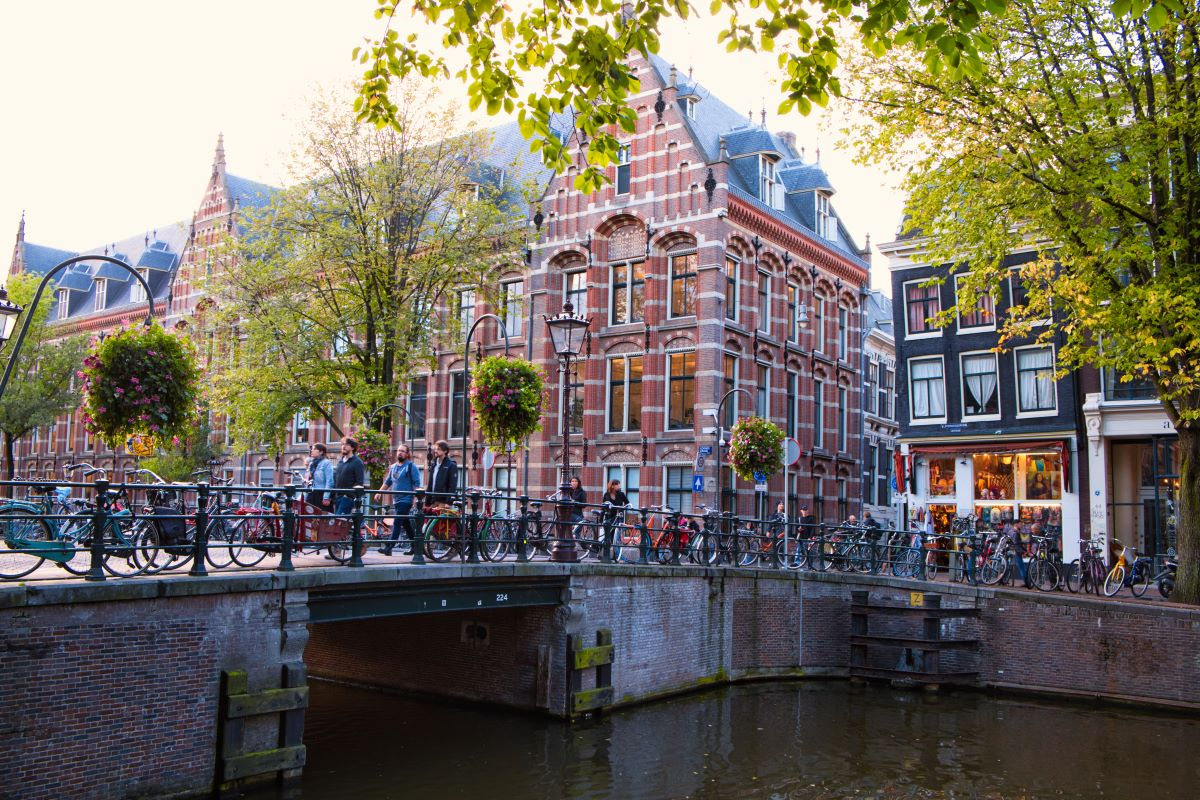
If Prague in autumn looks like a fairy tale set, then Amsterdam resembles a movie more.
The water in the canals reflects the colorful facades of the houses, golden leaves lie along the embankments, cyclists rush about their business, and warm light glows in the small cafes.
Yes, it can be rainy in Amsterdam in autumn. But, honestly, the rain even suits this city.
How many days do you need for your first trip? 3 days are quite enough. Four days will allow you to travel much more calmly and add museums, parks, and a day trip outside the city.
What to see in Amsterdam in autumn
Canals
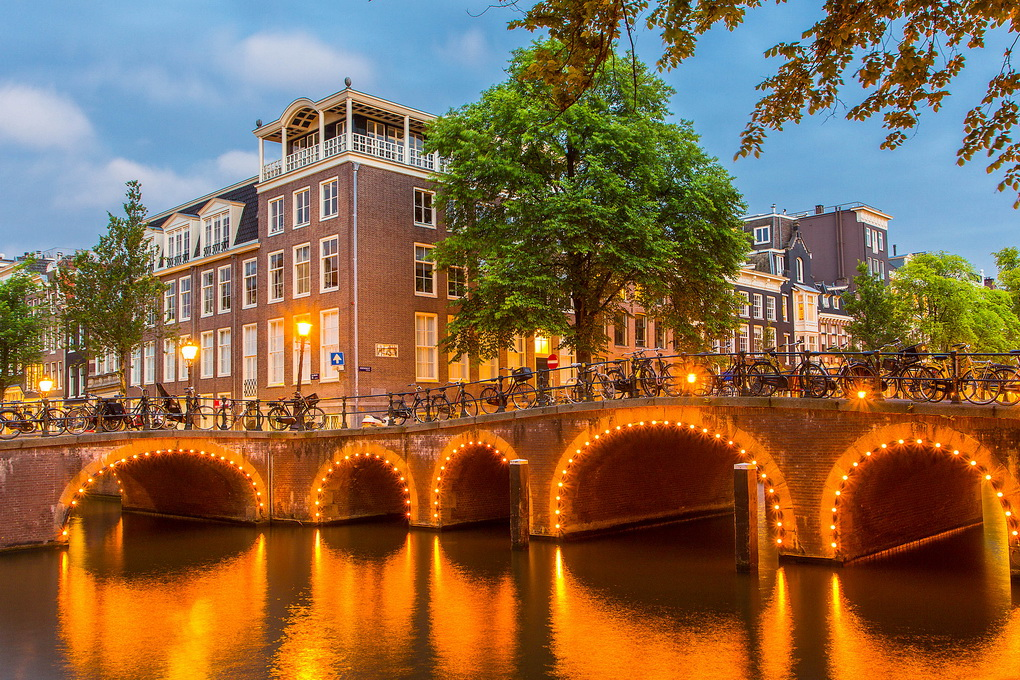
Start just with a walk. You don’t need a set route. Jordaan, the canal district around Singel, Herengracht and Keizersgracht are places where you can spend hours looking at the houses.
And even better—buy a canal boat tour to see the city from the water. A different look at Amsterdam will leave bright memories.
Rijksmuseum and Van Gogh Museum
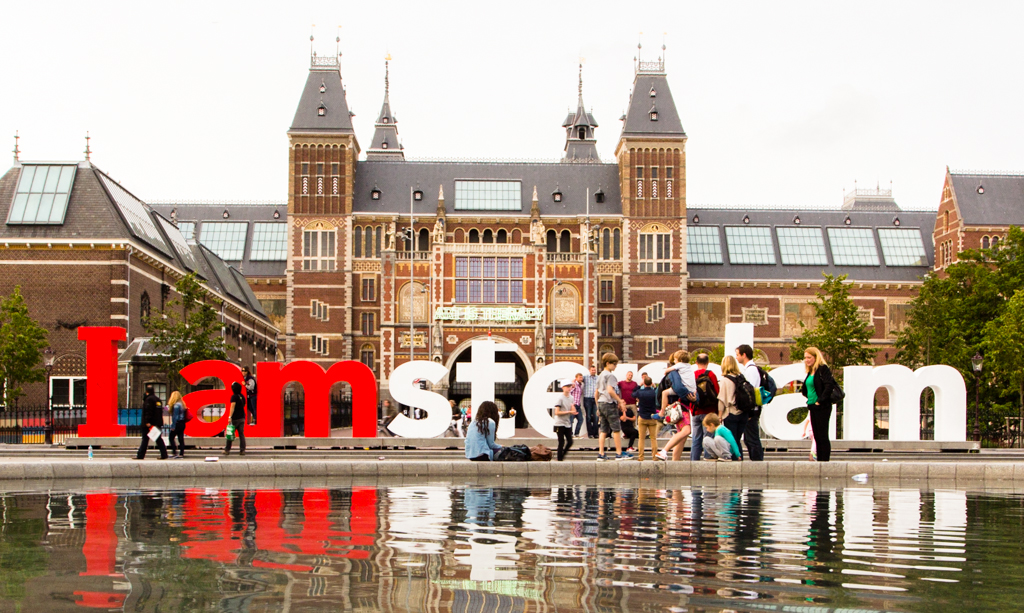
The Royal Museum Rijksmuseum is the main art museum of the Netherlands. And the Van Gogh Museum is one of the most visited cultural attractions in Amsterdam. Millions of tourists want to see the Night Watch, so it’s worth buying tickets in advance.
Vondelpark
In autumn, this is one of the most pleasant places for a walk. If the weather is good, you can grab a coffee and simply spend a few hours here.
Jordaan
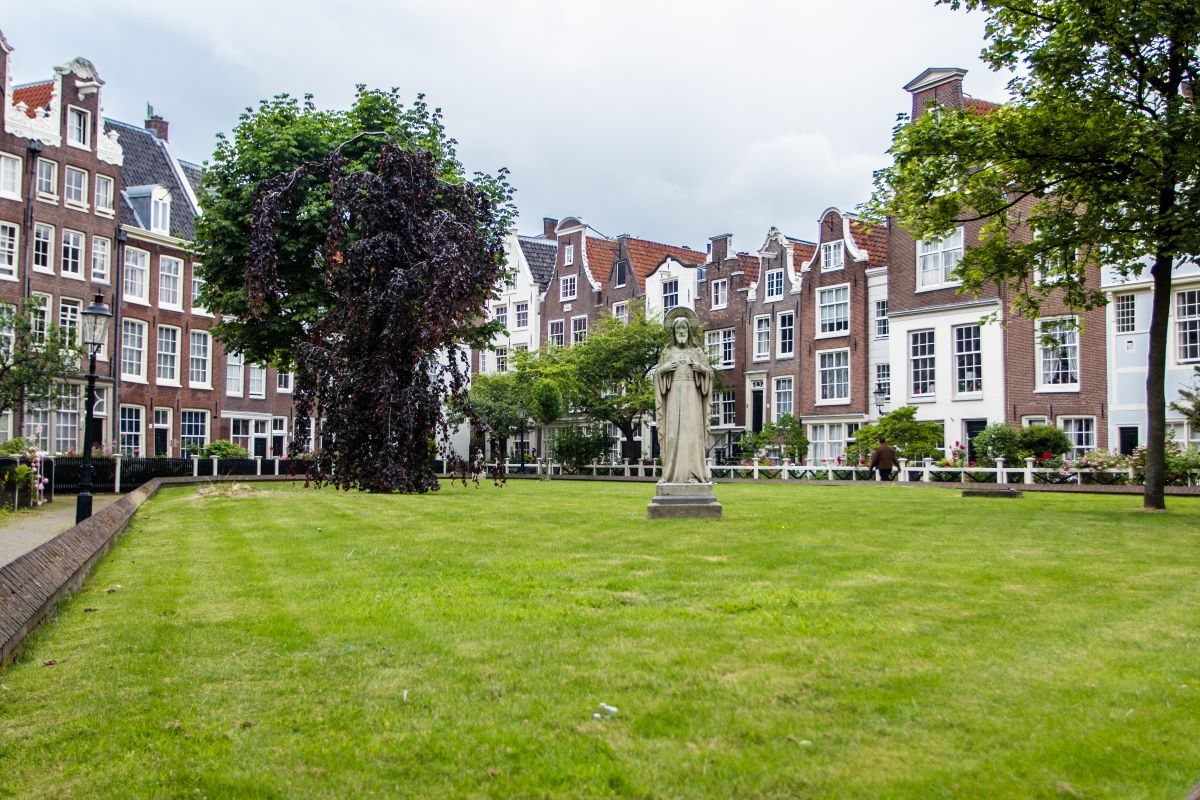
One of the most atmospheric districts of the city. This is the best place to just walk without a plan. Enjoy the colorful architecture on one side and the picturesque canals on the other! There are also little shops along the streets where you can find charming Dutch souvenirs.
Is it worth renting a bicycle in Amsterdam?
If you are confident riding a bicycle—yes, go and ride, keeping the traffic rules and bike lanes in mind.
But tourists need to remember: bicycle traffic in Amsterdam is very active. Cyclists here don’t ride slowly but really use them for their business.
If you are not confident in your skills, it’s better to move around by foot and public transport.
Where to stay in Amsterdam
Grachtengordel
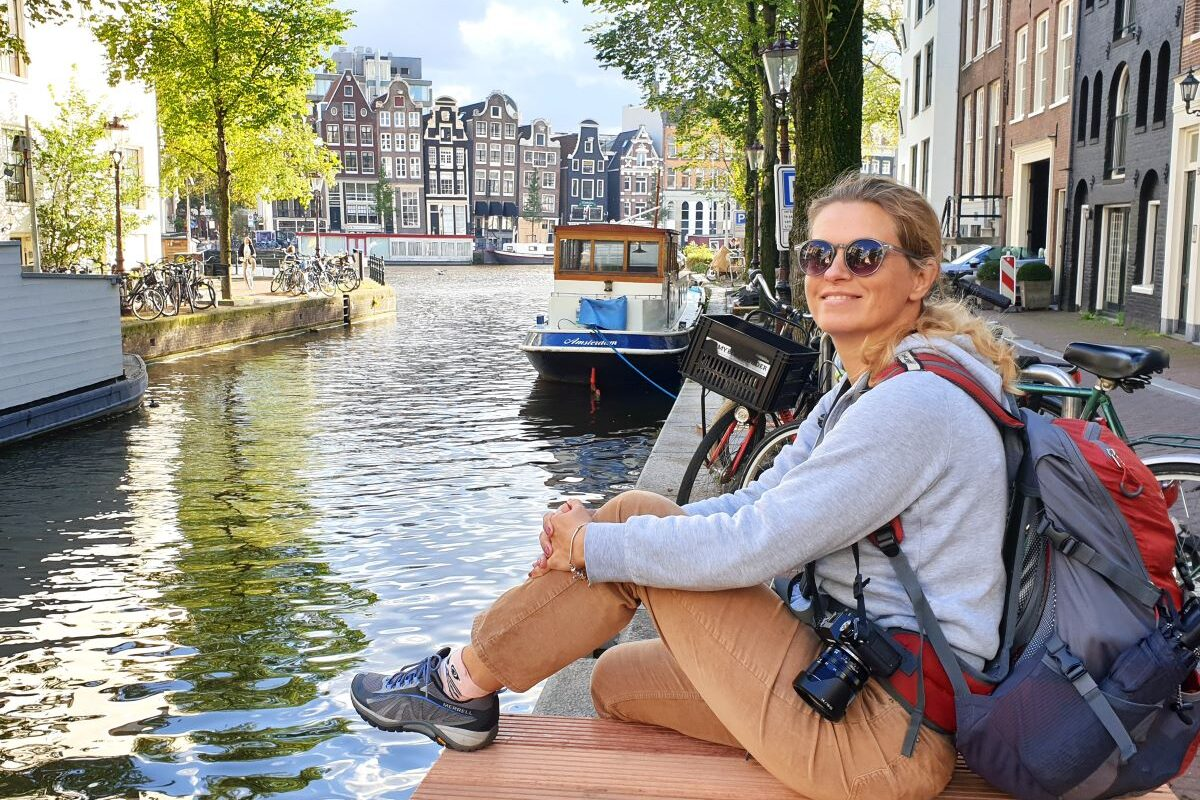
The most convenient is to stay in the center—in the canal area—but it will also be the most expensive.
- Leonardo Boutique Hotel The Lancaster Amsterdam – a chain boutique hotel in the center of Amsterdam. Its location is in a quiet part of the city, but it’s still very easy to get to the center on foot or by tram—the tram stop is also very close. Nice decor and very clean.
- Tourist Inn One Amsterdam — this is right in the center of the city. Room with a view of the canal. Very clean room. Also a good breakfast included in the price.
Jordaan
My choice for those who want a beautiful and atmospheric Amsterdam. There is a good selection of boutique hotels here, where you can relax after long walks in Amsterdam.
- Nine Streets Inn – a quiet modest room in a wonderful part of the city. Great restaurants just a few steps away.
- The Times Hotel – an ideal place, and it’s right by the canal. Within walking distance are the Anne Frank House, subway station, and many restaurants and shops.
Oud-West
A little further from the tourist center, but with more local cafes and normal city life. The center is a 15-20 minute walk along pleasant streets. Or 5 minutes by tram.
- Hotel Jansen Amsterdam Bajeskwartier – great location, there is a metro station nearby, which is very convenient, beds are soft and big, rooms are clean.
- Leonardo Royal Hotel Amsterdam – a chain hotel with a good reputation, offering clean and spacious rooms.
10. Malta — when summer hasn’t ended yet
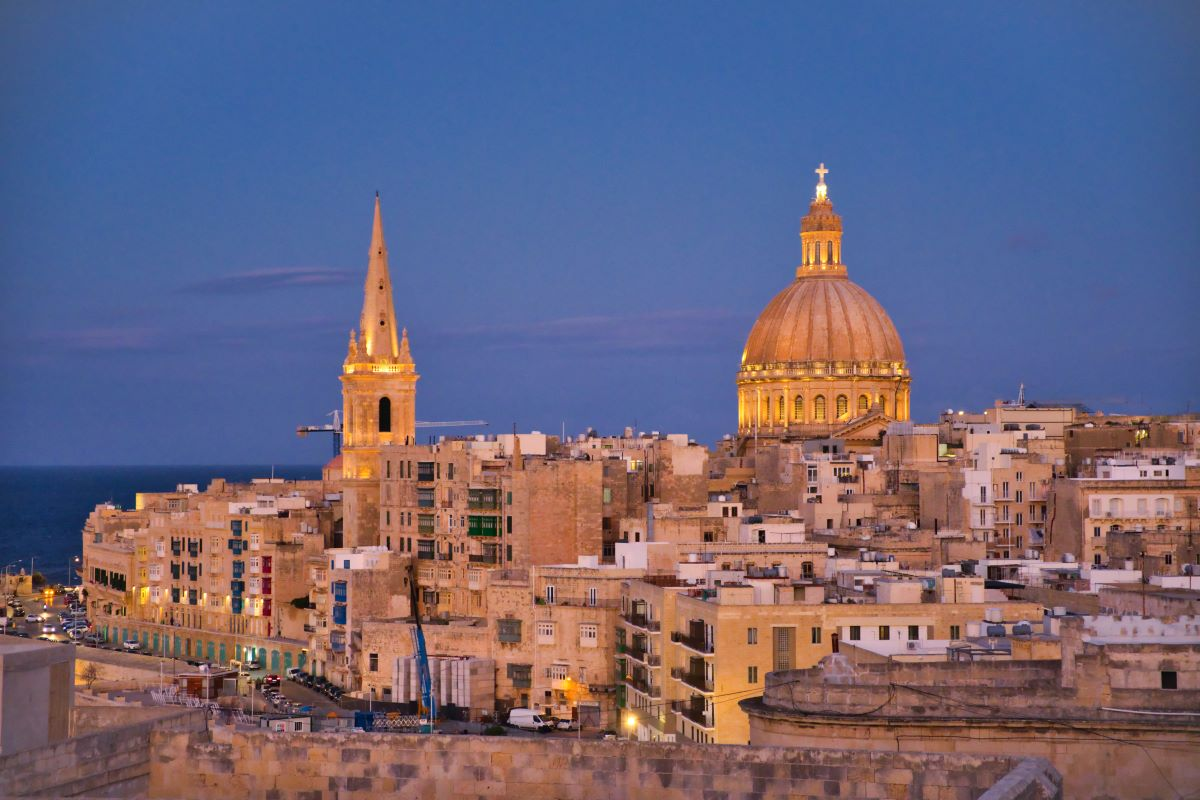
And here I will make an exception.
Malta is not a city but a whole country, but in autumn I simply could not leave it out of this list.
Because if most European cities in October are already in autumn mode, Malta often continues to live almost a summer life.
This is especially true for September and the first half of October.
The air remains warm, the sea is still heated from summer, and the number of tourists gradually decreases.
That is, you get a very pleasant combination: sea + history + excursions + comfortable weather.
Valletta
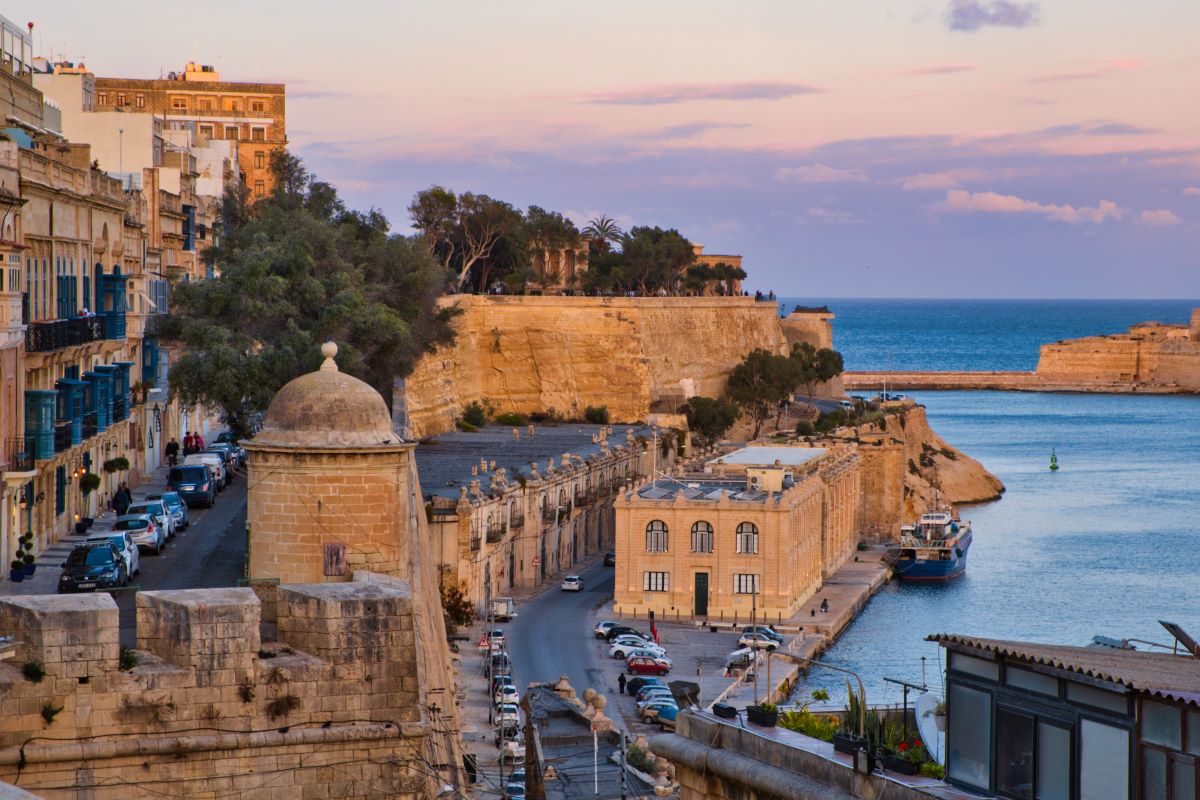
Malta’s capital is small but extremely interesting. The city is built on a peninsula, so almost everywhere you get beautiful sea views and views of neighboring bays.
Walk along Republic Street, see the St. John’s Co-Cathedral, and visit the Upper Barrakka Gardens.
In autumn, when it’s not so hot anymore, Valletta can be explored on foot, and it is much easier to do without the summer heat.
Mdina
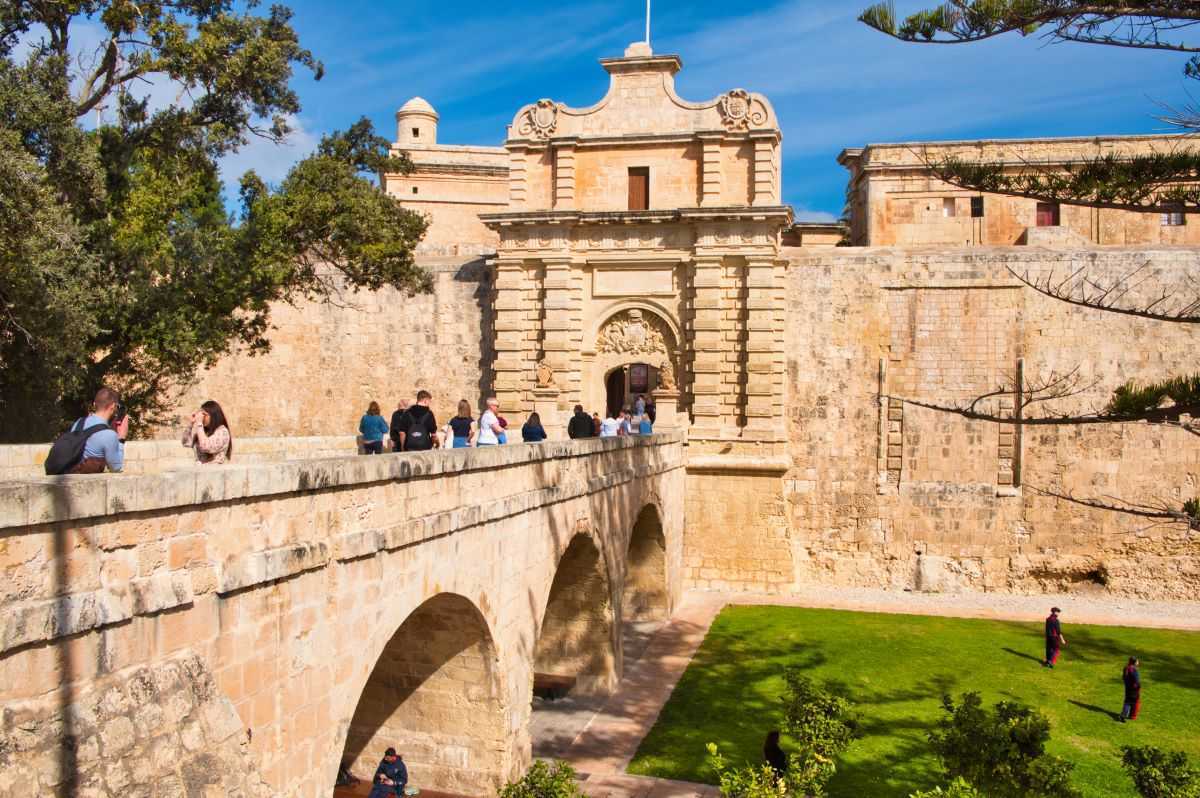
If there is a place in Malta created for an autumn journey, it’s Mdina.
The island’s ancient capital boasts narrow stone streets, high walls, and a nearly fairytale atmosphere. It’s especially interesting to come here closer to evening, when tourist groups disperse.
Gozo
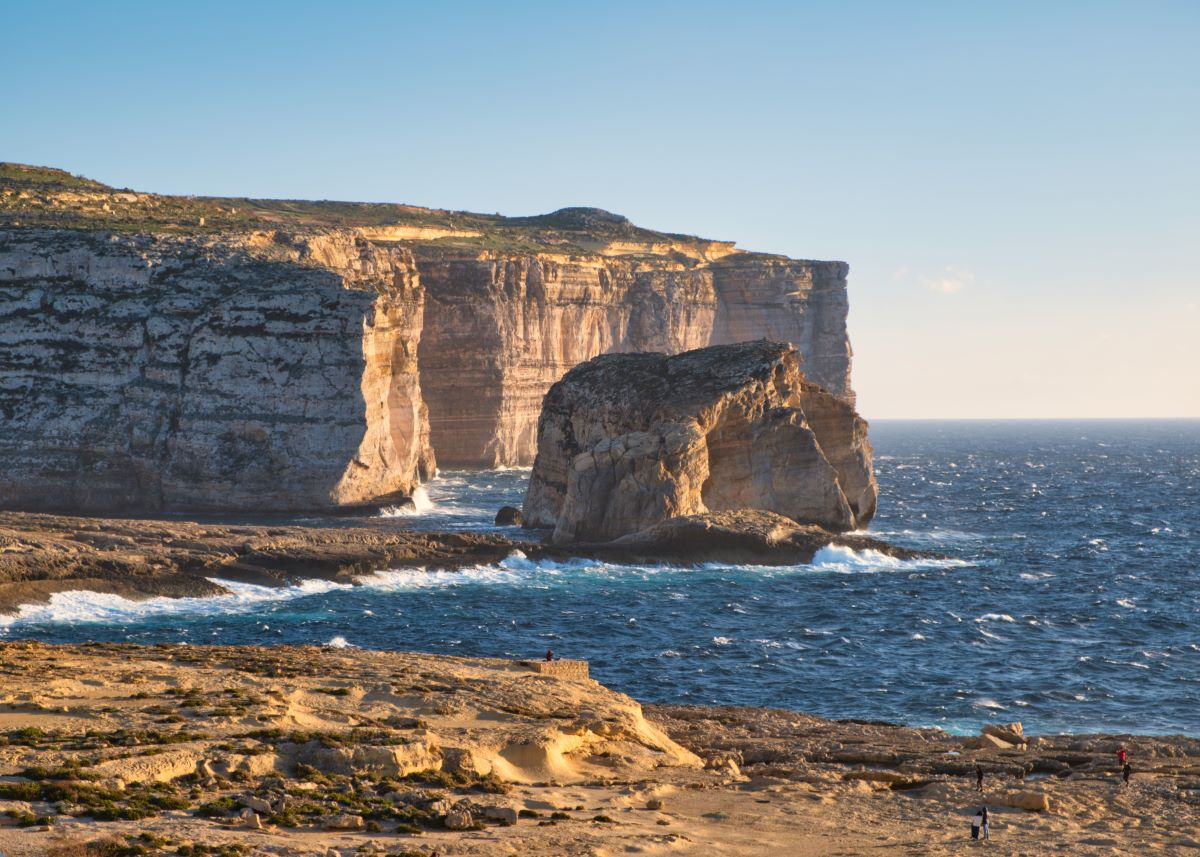
You should allocate at least one day for Gozo Island (I even stayed overnight at a hotel in the central city, Victoria).
It is much quieter here than on the main island. There are beautiful bays, rocky shores, small villages, and great places for coastal walks.
What else to see in Malta
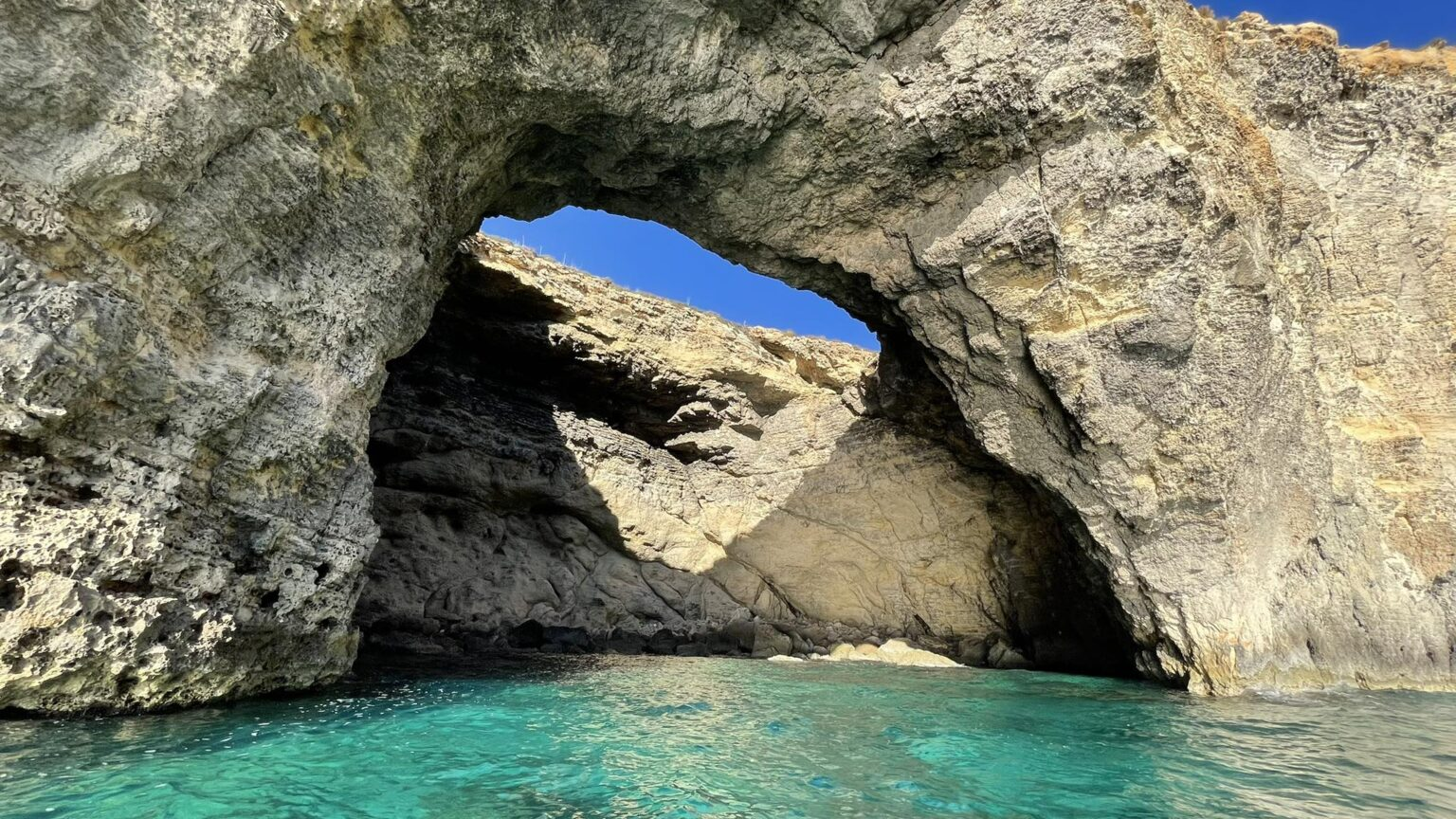
- Blue Grotto – take a boat ride under the arches of the Blue Grotto;
- Dingli Cliffs – walk several kilometers along the sea and cliffs;
- Three Cities – immerse yourself in the life of an old and less touristy part of town;
- Marsaxlokk – visit the Saturday market and try the tastiest seafood in Malta;
- Megalithic temples of Malta and Gozo;
- Relax on the beach in the northern part of the island – until the end of October the water is still warm.
Recommended to read:
Autumn in Malta – what to do on the islands in November
Where to stay in Malta
Valletta
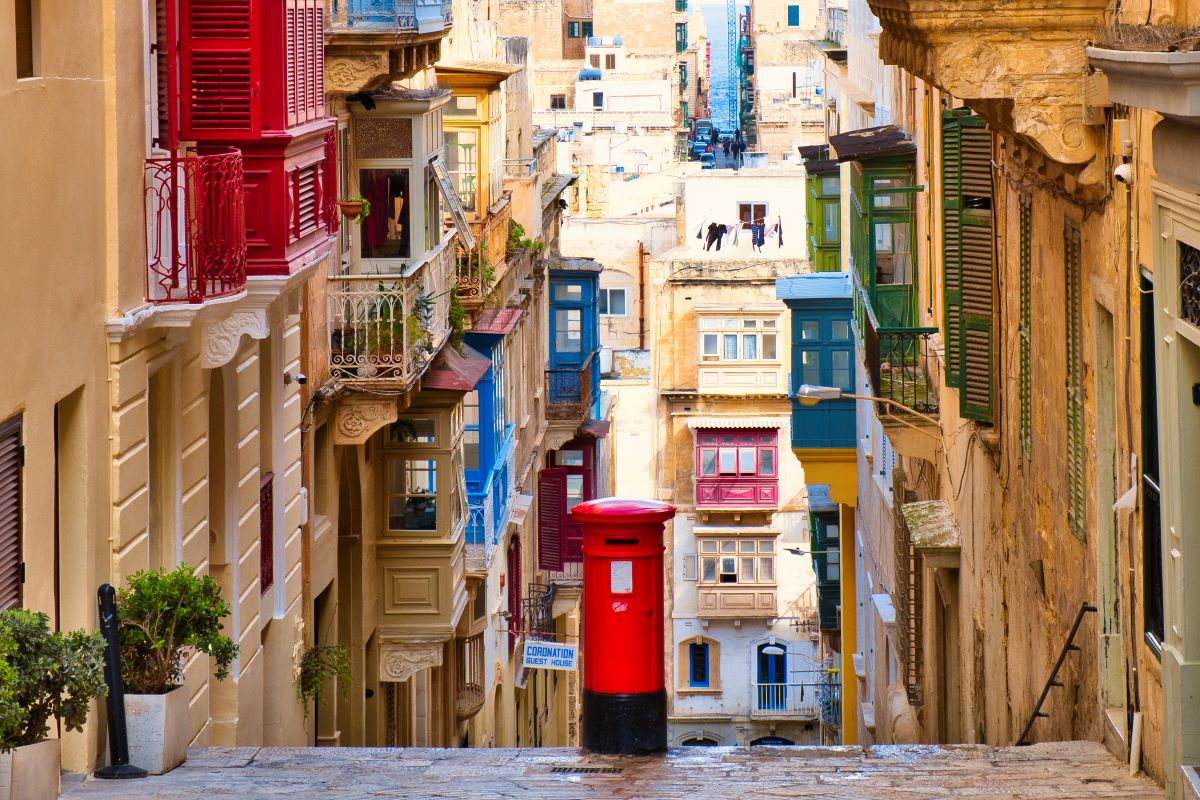
The best choice for those who want to stay in a historic atmosphere. That’s where I stayed. Plus, almost every week (all year round) there is some kind of festival in Valletta. So here you’ll definitely be in the epicenter of something interesting.
- Mandera’s Boutique Suites & Dorms≫ – a good hotel for a reasonable price – there are double rooms, a rooftop jacuzzi pool, located near the Upper Barrakka Gardens.
- Tritoni Harbour suites – Valletta≫ – an apartment with a kitchen – small but very clean and comfortable – for those who need to cook by themselves.
Sliema
A practical option with many hotels, restaurants, and good transport connections.
- The Sliema Suites≫ – modern apartments in Sliema with a rooftop pool. The rooms have their own kitchen, good beds, and are very clean.
- Palazzo Violetta Boutique Hotel≫ – a boutique hotel in the old part of Sliema, with a small pool, patio, and spacious rooms.
St. Julian’s
It’s ideal for those who love an active lifestyle, restaurants, and evening entertainment.
- SO City Hotel Adults Only≫ – a modern designer hotel, located in the epicenter of nightlife in St. Julian’s. Everything is within walking distance: restaurants, bus stop, tour pickup points, shopping center, and Portomaso marina. If you’re not looking for peace and quiet, but on the contrary – want to be in the center of everything – this is the ideal place!
- Mercure St. Julian’s Malta≫ – great location in the center of St. Julian’s, 100 m from the bus station. Very clean and modern, comfortable beds, very good breakfasts.
Mellieħa
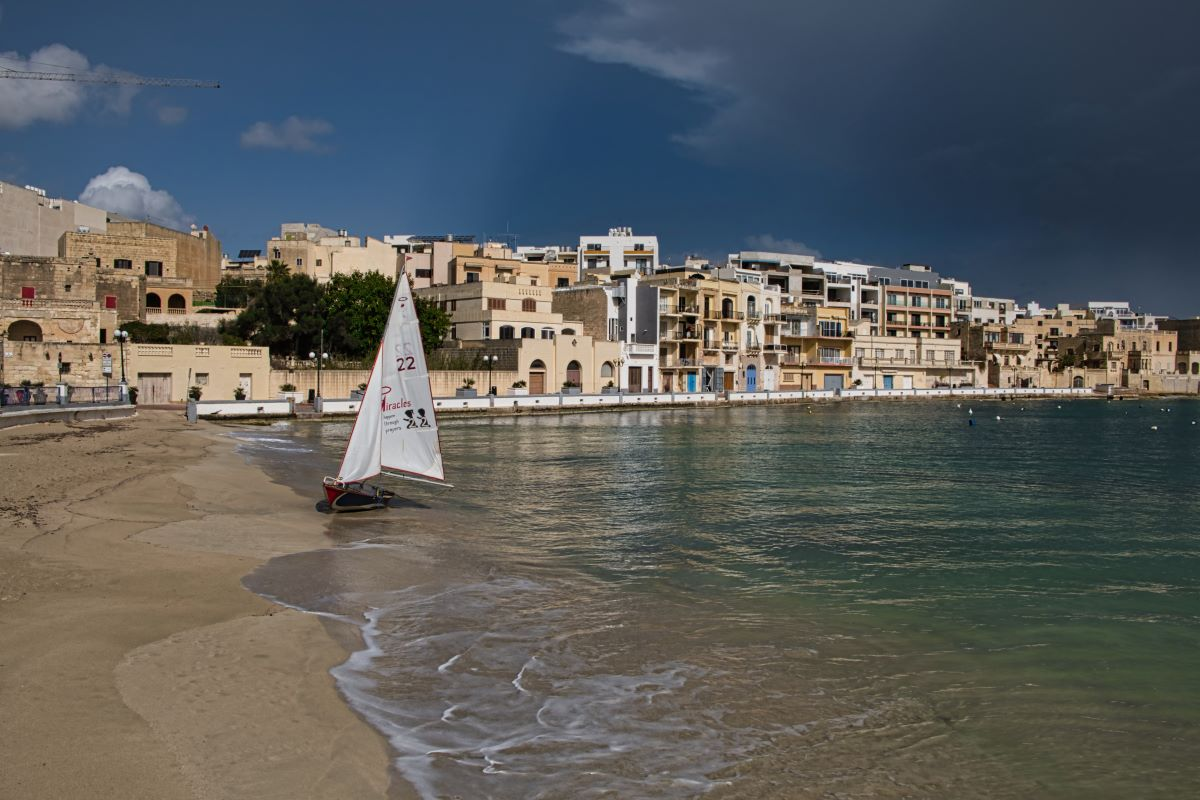
If the most important thing is the sea and beaches, I would look here above all.
- Victoria by Petit Chic≫ – a hotel 20 minutes from the beach, close to restaurants, tasty breakfasts, and a nice room.
- Mellieha Bay (Ghadira) Apartment with Sea View≫ – two-bedroom apartments located by the sea, good accommodation for a family or group of 4 people.
When to travel to Europe in autumn?
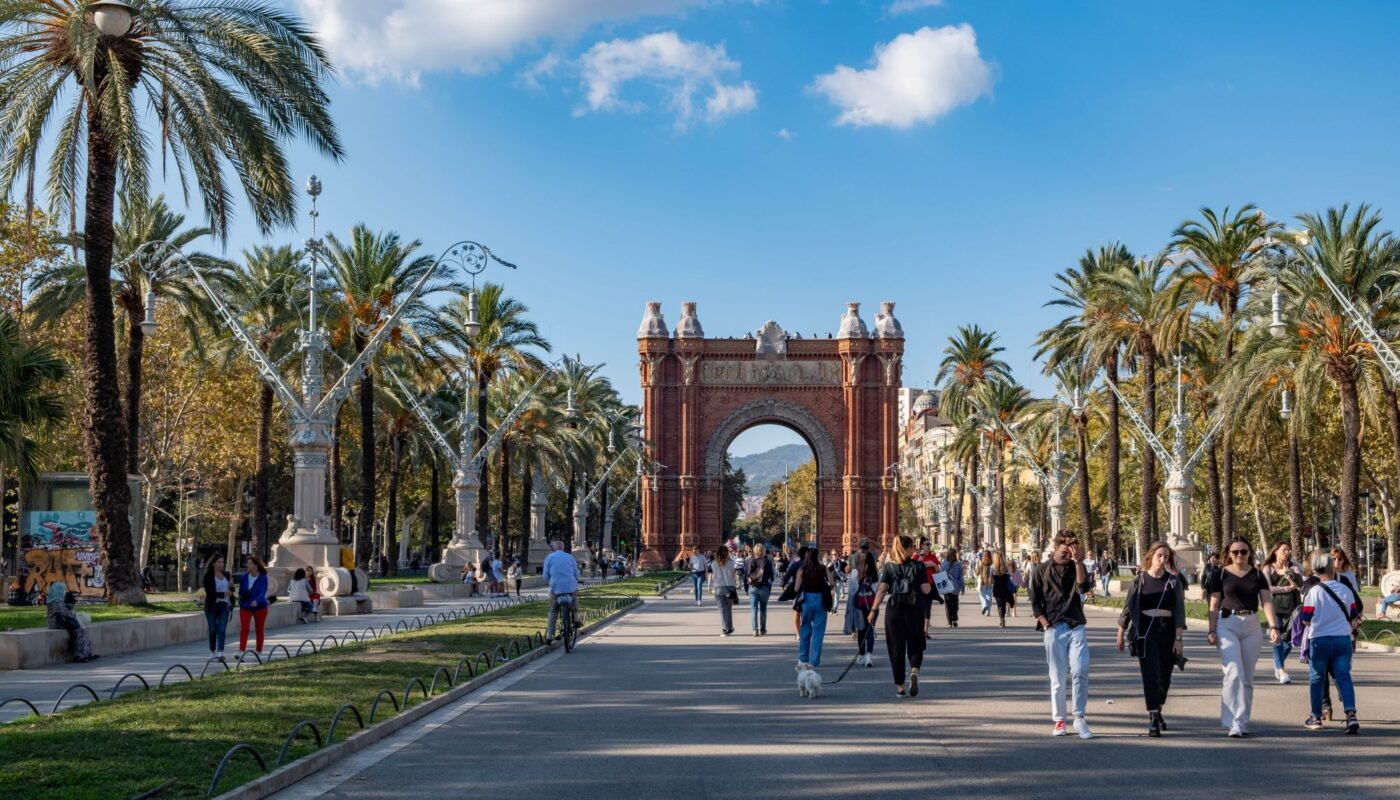
It’s important to understand that September, October, and November are three very different seasons.
September — almost a continuation of summer
This is probably the most versatile month.
- In Prague, Vienna, and Budapest it is still warm enough for long walks.
- In Rome and Barcelona temperatures are already more comfortable than in mid-summer.
- And in Malta or Barcelona you can still count on the beach and swimming in the sea.
If you want the most comfortable weather — choose September.
October — true European autumn
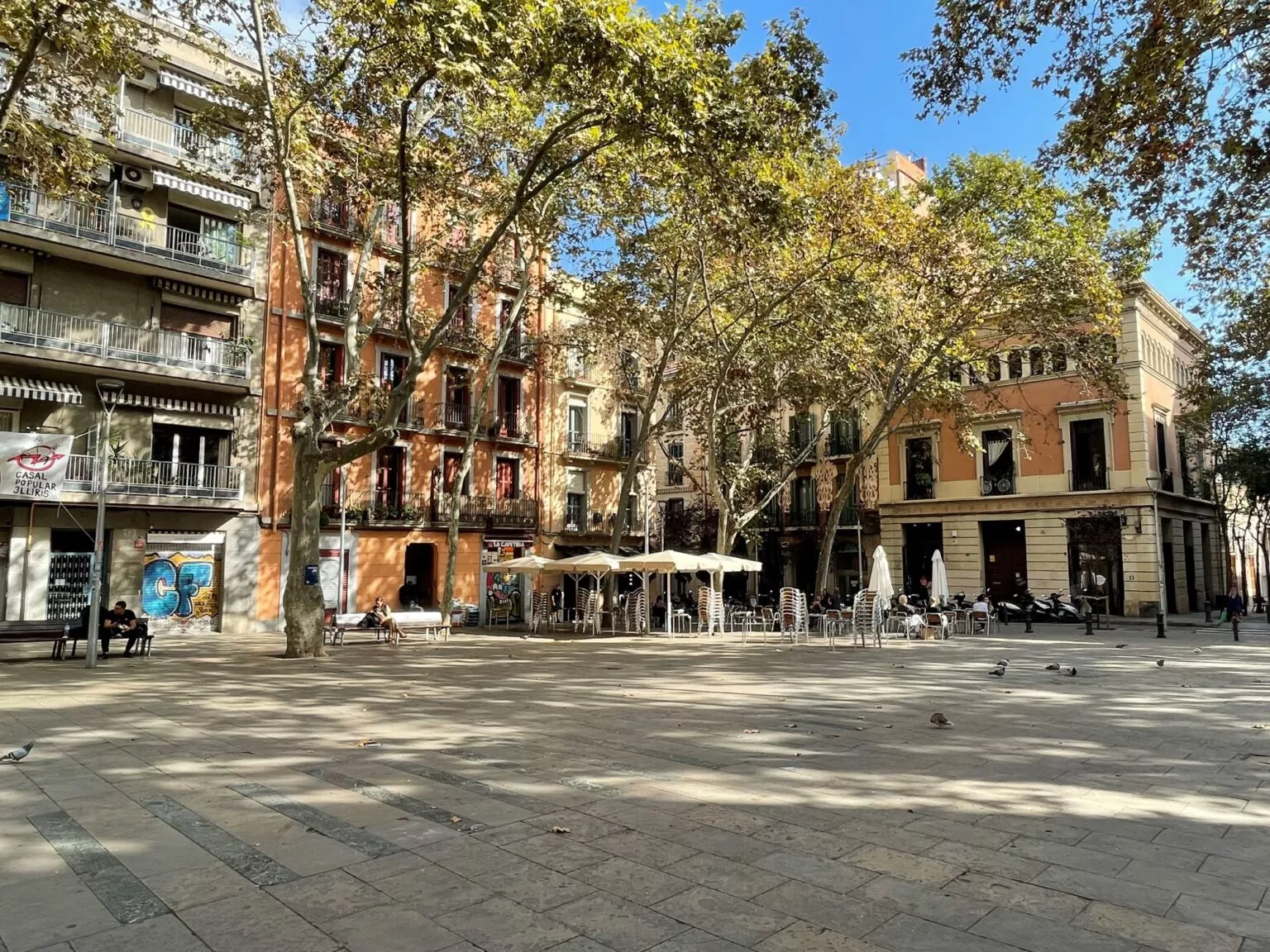
In my opinion, this is the most atmospheric month. The golden leaves appear, it gets cooler, evenings are longer, and the summer crowds gradually disappear.
Especially beautiful in October are the following cities:
- Prague;
- Vienna;
- Budapest;
- Amsterdam;
- Rome.
November — for museums, gastronomy and city weekends
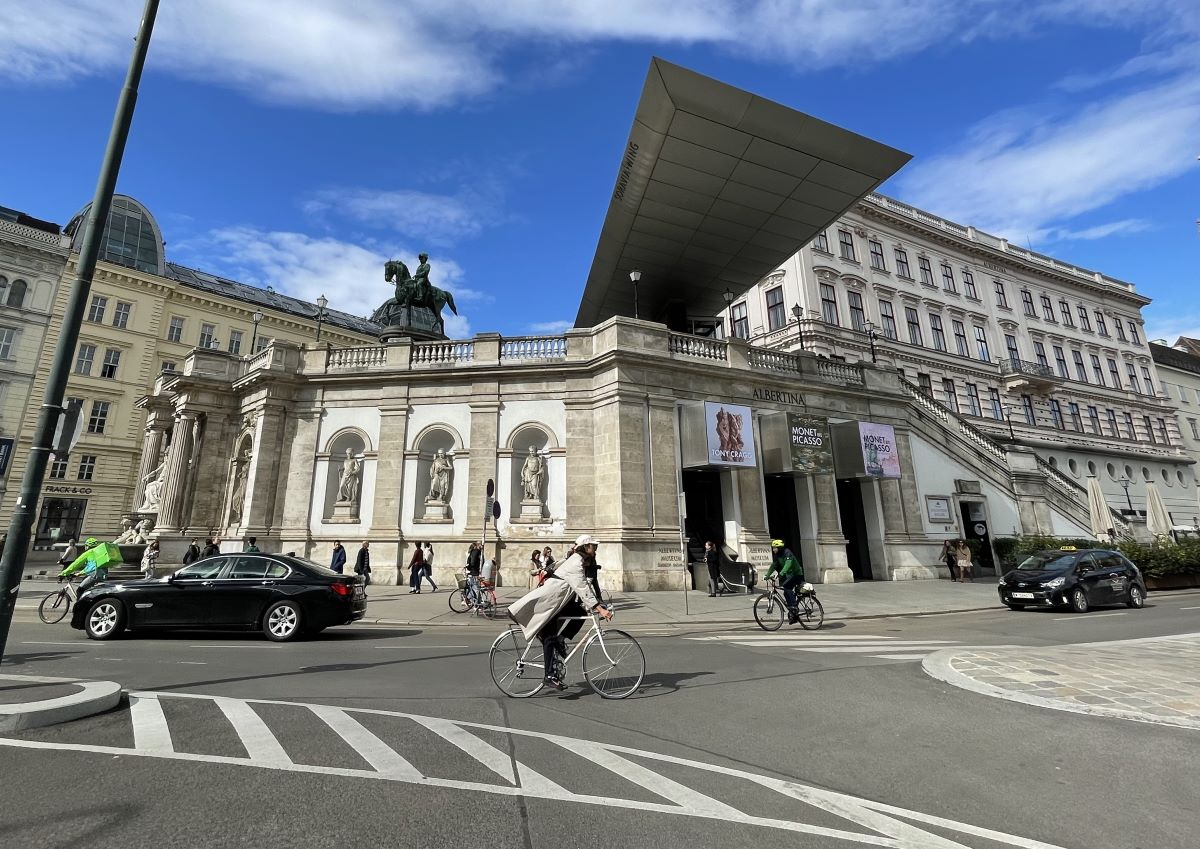
The weather is already less predictable, but this is a wonderful time for short city breaks.
In November, I would opt for cities with lots of museums, restaurants, theaters, and cafes. For example, Vienna, Rome, Madrid or Budapest.
And if you want warmth — I would look towards Malta.
How to plan an autumn trip to Europe for 10–14 days
If you don’t want to limit yourself to just one city, from these ten destinations you can make several very interesting routes.
Option 1. Central Europe
Prague → Vienna → Bratislava → Budapest
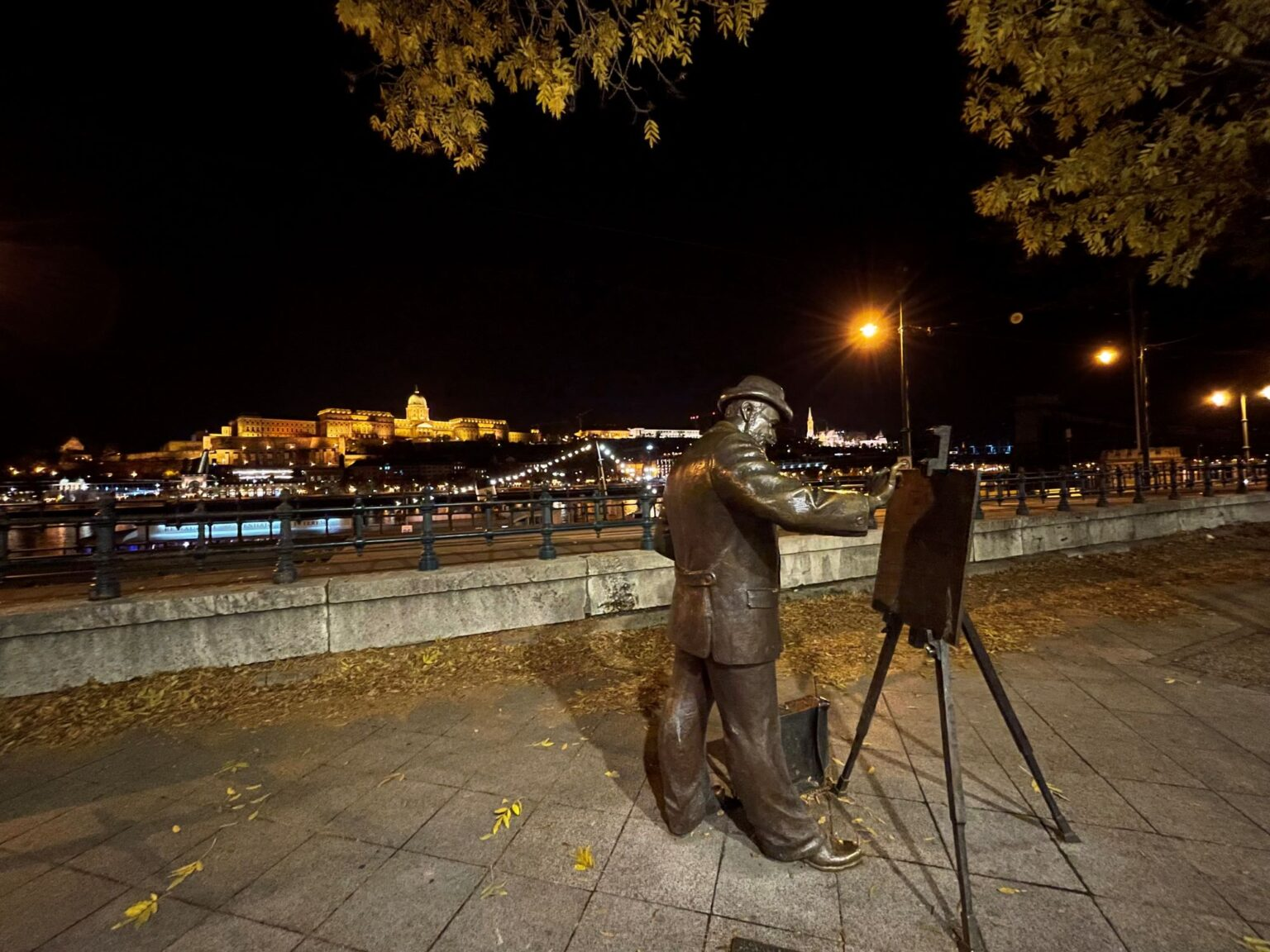
For such an itinerary, I would set aside about 10–12 days.
For example:
- Prague — 3 days;
- Vienna — 3 days;
- Bratislava — 1–2 days;
- Budapest — 3 days.
This is one of the most convenient routes because the cities are well-connected by train and bus. Check the schedule and buy tickets with the convenient app Omio.com.
It’s also convenient to travel if you have your own car. But be sure to read the rules for each country: vignettes for toll roads, parking in big cities (not everywhere you can park on the street, even in parking places, if your car is not locally registered).
Option 2. Italian Autumn
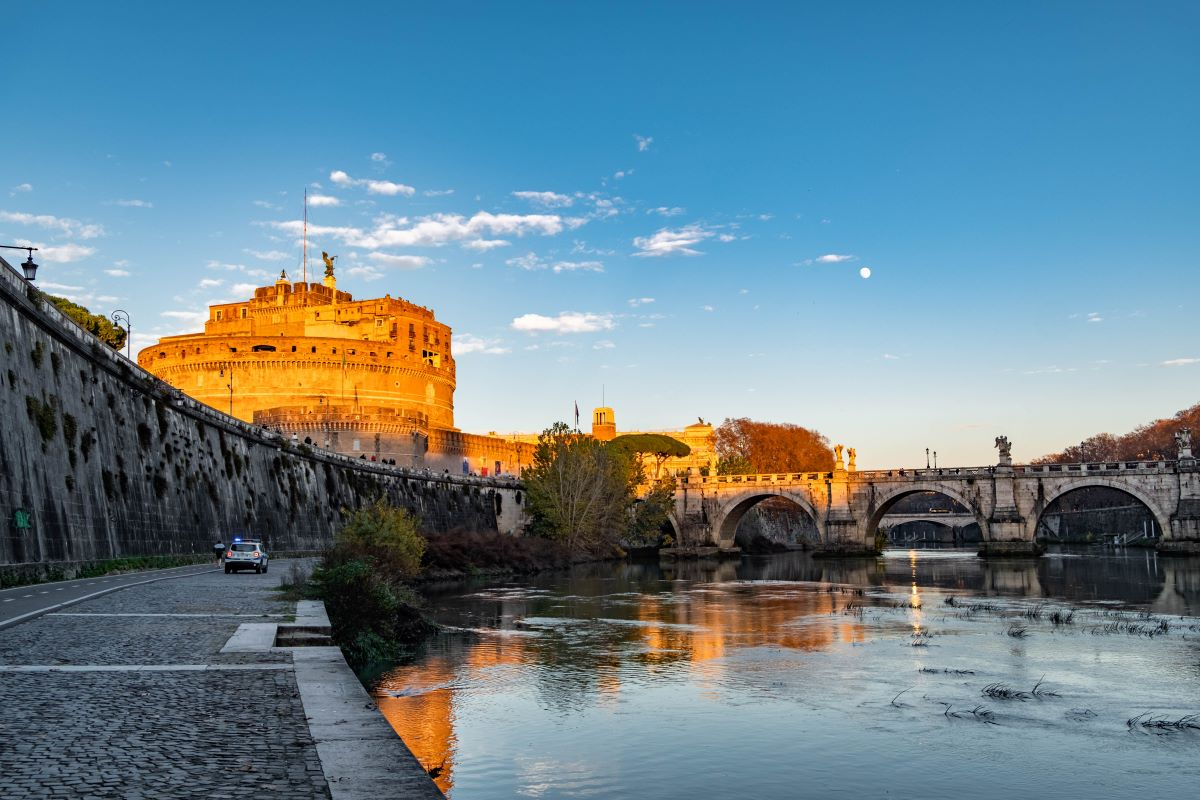
Venice → Rome
If you have 7–8 days, you can spend 3 days in Venice and then head to Rome for another 4–5 days.
And if you have more time, it’s easy to add Florence to the route.
Recommended reading:
10-day itinerary for your first trip to Italy
Option 3. Spain
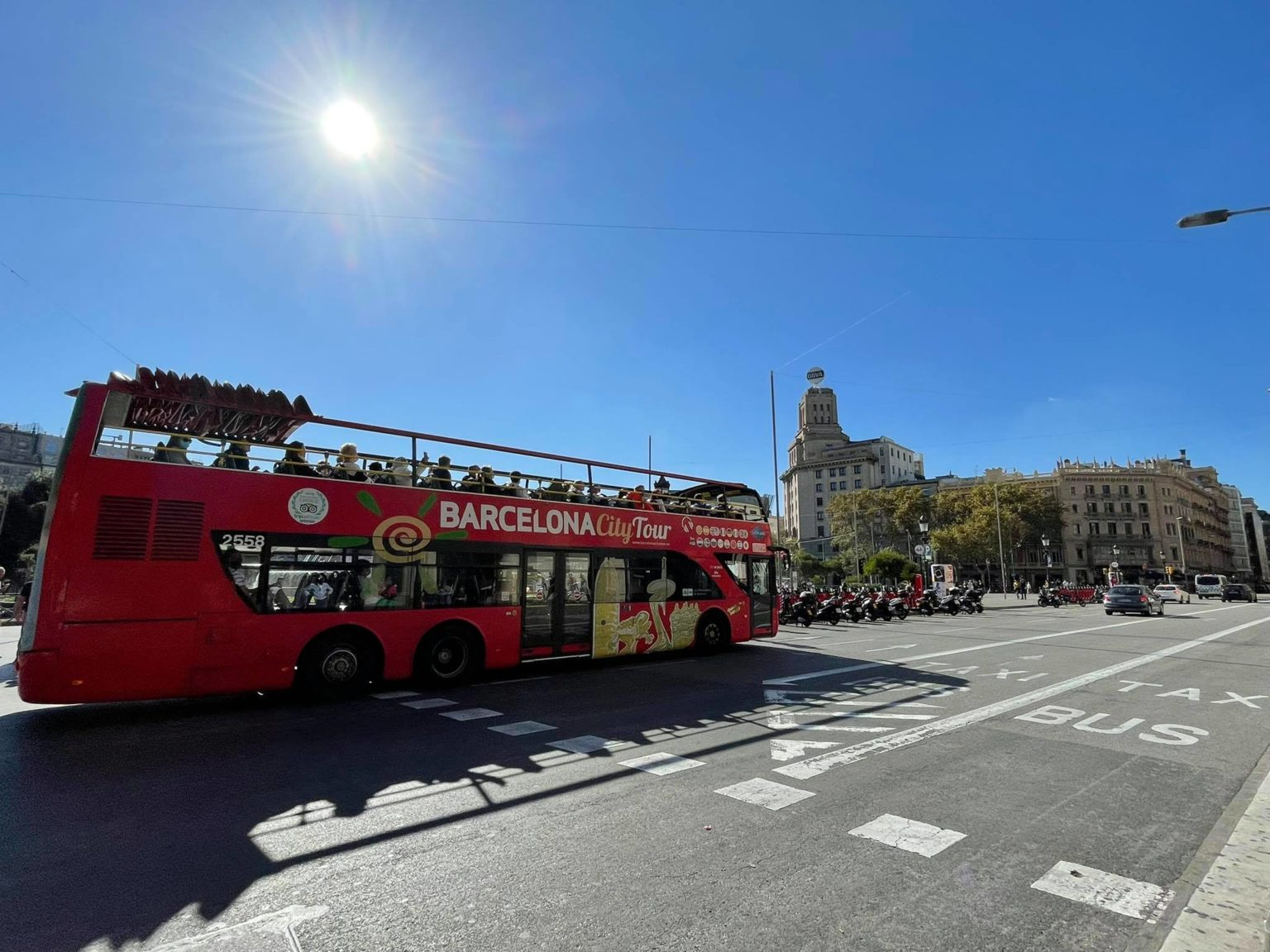
Barcelona → Madrid
You should allocate at least 7–8 days for both cities. Barcelona – 4–5 days, Madrid – 3–4.
Add Toledo in Madrid, which is located an hour’s drive from the capital. You won’t regret it – it’s a wonderful museum-city!
And near Barcelona – be sure to visit the mountains and the monastery of Montserrat!
It’s convenient to travel between the cities by high-speed trains.
Recommended reading:
Toledo – a city for a day trip from Madrid
Montserrat: how to spend a whole day in the mountains near Barcelona
Option 4. Warm Autumn
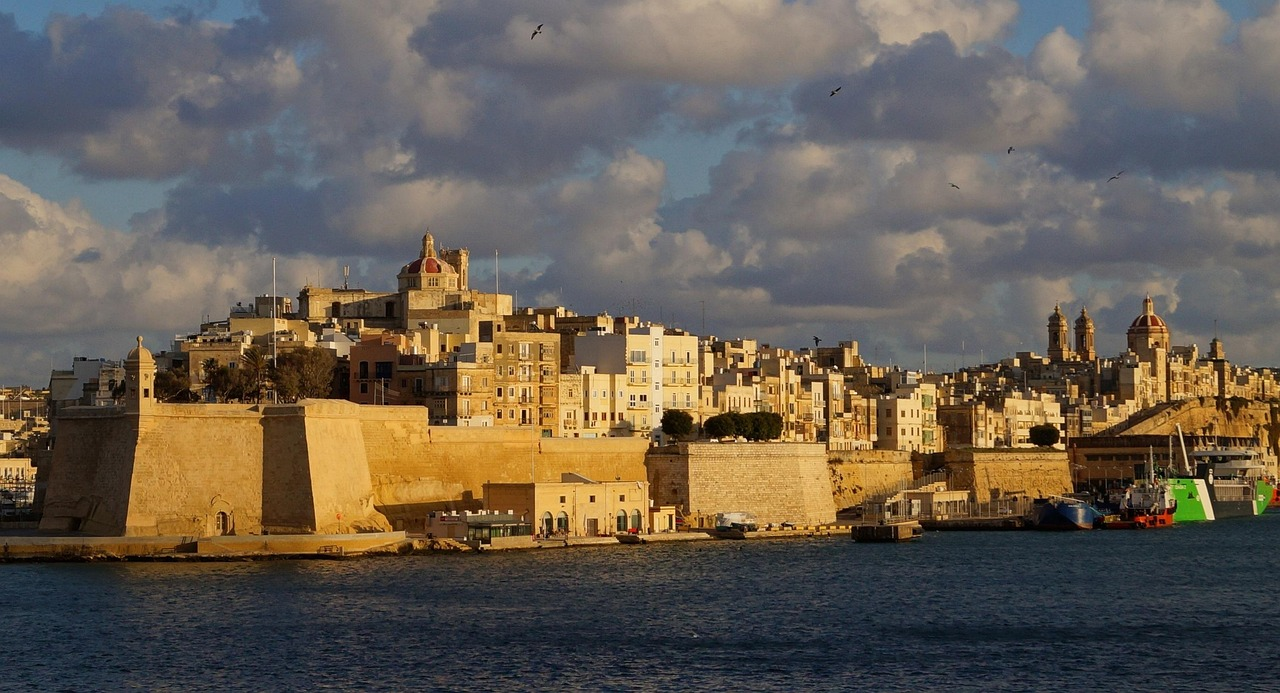
Sicily → Malta
This option is suitable for those who still want more warmth and sea.
First, spend a few days in Sicily – see Catania, Taormina, and climb Etna. Then take a high-speed ferry to Malta, where you can combine the beach and sightseeing.
Recommended reading:
Sicily – the best beaches on the east and west of the island
What to take with you to autumn Europe
The main mistake is to pack your suitcase based on the principle “autumn means cold”. In September, many cities can have +20 °C or even warmer, but within a few days the temperature can drop sharply.
Therefore, the best strategy is the principle of layering.
Take with you:
- a light jacket;
- a sweater or cardigan;
- t-shirts;
- a small raincoat or umbrella;
- a scarf;
- a small backpack for walks.
And most importantly: comfortable footwear — sneakers are ideal for strolling through cities and climbing up a hill.
It sounds banal, but in three days in Prague, Rome, or Venice, you can walk 15–20 km a day without even noticing it.
Is Europe cheaper in autumn?
Yes, but not always.
- September can still be quite expensive, especially in popular cities.
- In October and November the selection of accommodation usually becomes larger, and prices can be more pleasant.
- But there’s an important nuance: autumn is the season for conferences, exhibitions, festivals, and other city events.
So sometimes the hotel price for specific dates can suddenly turn out to be very high. Before booking, you should check if there is a big celebration, concert, or any event or exhibition taking place in the city.
Where is the best place to look for accommodation
For a short trip, I wouldn’t recommend saving on location. It’s better to pay a little more for a hotel or apartment from where you can walk to the main attractions, rather than spending an hour every day on the road.
This is especially true for:
- Prague;
- Venice;
- Rome;
- Barcelona;
- Amsterdam.
Before booking, look not only at the price, but also at the following details:
- location;
- reviews;
- sound insulation;
- availability of heating;
- cancellation policy;
- tourist tax (maybe also cleaning fee).
The last point is especially important in autumn: the final accommodation price may be higher than it first appears on the booking screen.
Autumn in Europe is not “off-season” at all
On the contrary. It’s a time when Europe becomes a little slower. There’s no need to wake up at six in the morning to have time to see a sight before the heat. No need to spend hours waiting in queues under the sun. No need to look for shade all day.
You can just stroll. Have your morning coffee on a quiet square, visit museums and old streets during the day, and in the evening look for a restaurant with local cuisine.
And that’s why autumn trips often leave more impressions than a summer vacation.
Prague in the fog, golden Vienna, evening Budapest, Amsterdam’s canals, autumn Rome, or Malta’s warm sea — each city has its own character.
The main thing is to choose the one that suits your mood this autumn the most.
Useful articles and links:
- Berlin in three days – what to see in the capital of Germany
- TOP-20 places to see in Malta
- 15 things you absolutely must do and see in Budapest
- TOP-20 places to see in Lisbon
- Top family escapes 2026: ідеї для мандрівок з дітьми в Європі
Car rental – DiscoverCars
Train and bus tickets in Europe – Omio.com
Travel Medical Insurance – HotlineFinance
Hotel bookings and apartments – Booking.com