Kathmandu is a city that might not necessarily win you over at first sight. At least for me, it clicked on the second try.
When you first step out of the airport, everything hits you at once: noise, dust, heat, smells, horns, hundreds of motorbikes, tiny cars. So many people in a rush, and roads where it’s completely unclear by what rules all these road users manage not to crash into each other.
And then you get in a taxi and head to Thamel. The car crawls through traffic, the driver honks nonstop, outside fruit is being sold, a cow stands nearby, a whole family crosses the street, and between the buildings a small temple with colorful flags suddenly appears.
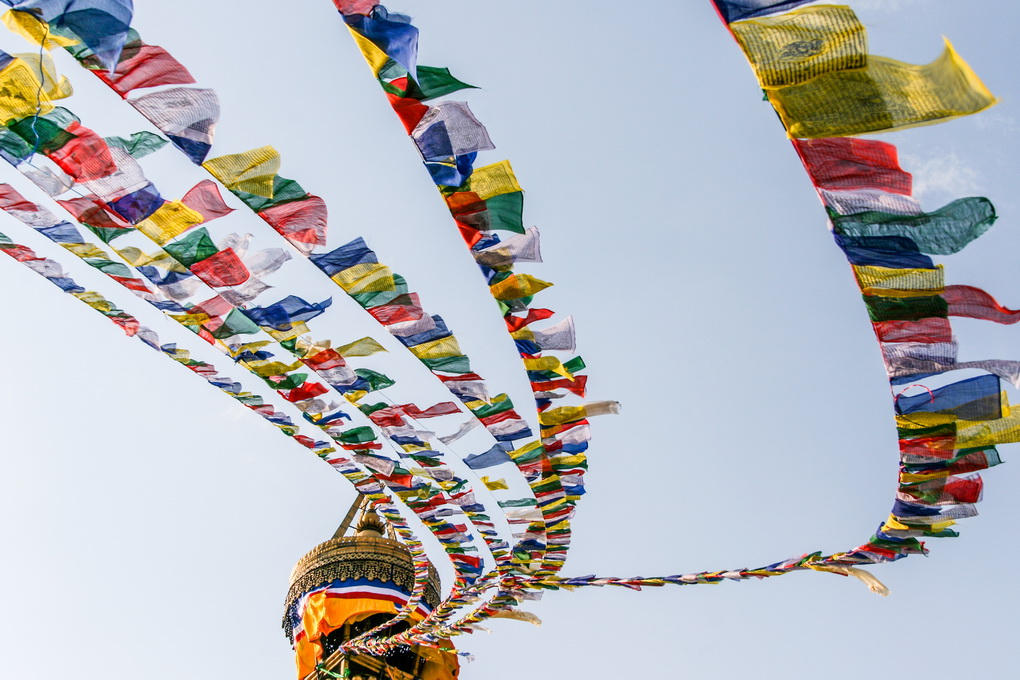
And you think: “Here it is, Nepal.”
I have been to Nepal and Kathmandu three times. And every time, it was more or less the same: first I would be delighted by the city, then I’d get tired of the noise and dust, then go to the mountains. And after returning from the mountains, I’d want to spend a few more days in Kathmandu again.
There’s even a joke among experienced trekkers: “The first thing you should do after arriving in Kathmandu is leave Kathmandu.”
There’s a grain of truth in the joke. After a few days in the city, you really crave silence, fresh air, and mountains. But that doesn’t mean you should simply use Kathmandu as a transit point on the way to Everest or Annapurna. Quite the opposite.
I recommend reserving at least three full days for the capital of Nepal. That’s enough to see the main temples and stupas, wander the old city, visit Patan or Bhaktapur, sit by the Boudhanath stupa, eat real momos, and even buy equipment for your upcoming trek.
And most importantly – to understand why you want to come back to Kathmandu.
More details on how to get to Nepal: Guide to Nepal – how to prepare for an independent trip
Kathmandu is not just a single city
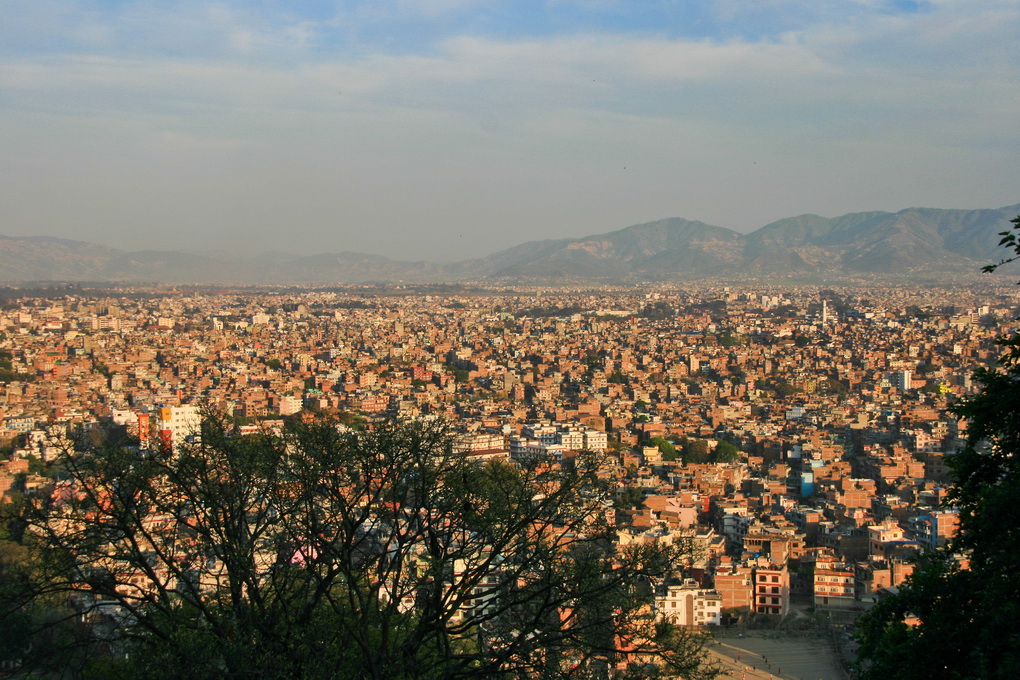
Before my first trip, I also imagined Kathmandu as one big capital with a few temples. In fact, it’s much more interesting.
Kathmandu Valley is a huge cultural and historical region where, along with the modern metropolis, ancient cities, royal squares, Buddhist stupas, and Hindu temples have been preserved.
Kathmandu, Patan, and Bhaktapur themselves used to be separate royal cities. Today, they are combined into one urban agglomeration, but each has its own character.
The entire Kathmandu Valley is a UNESCO World Heritage site. The property includes seven monumental zones, among which are Kathmandu Durbar Square, Patan Durbar Square, Bhaktapur Durbar Square, Swayambhunath, Boudhanath, Pashupatinath, and Changu Narayan.
Therefore, when planning three days in Kathmandu, don’t spend all your time within the tourist district of Thamel. The most interesting part starts when you venture a little further.
How to get to Kathmandu
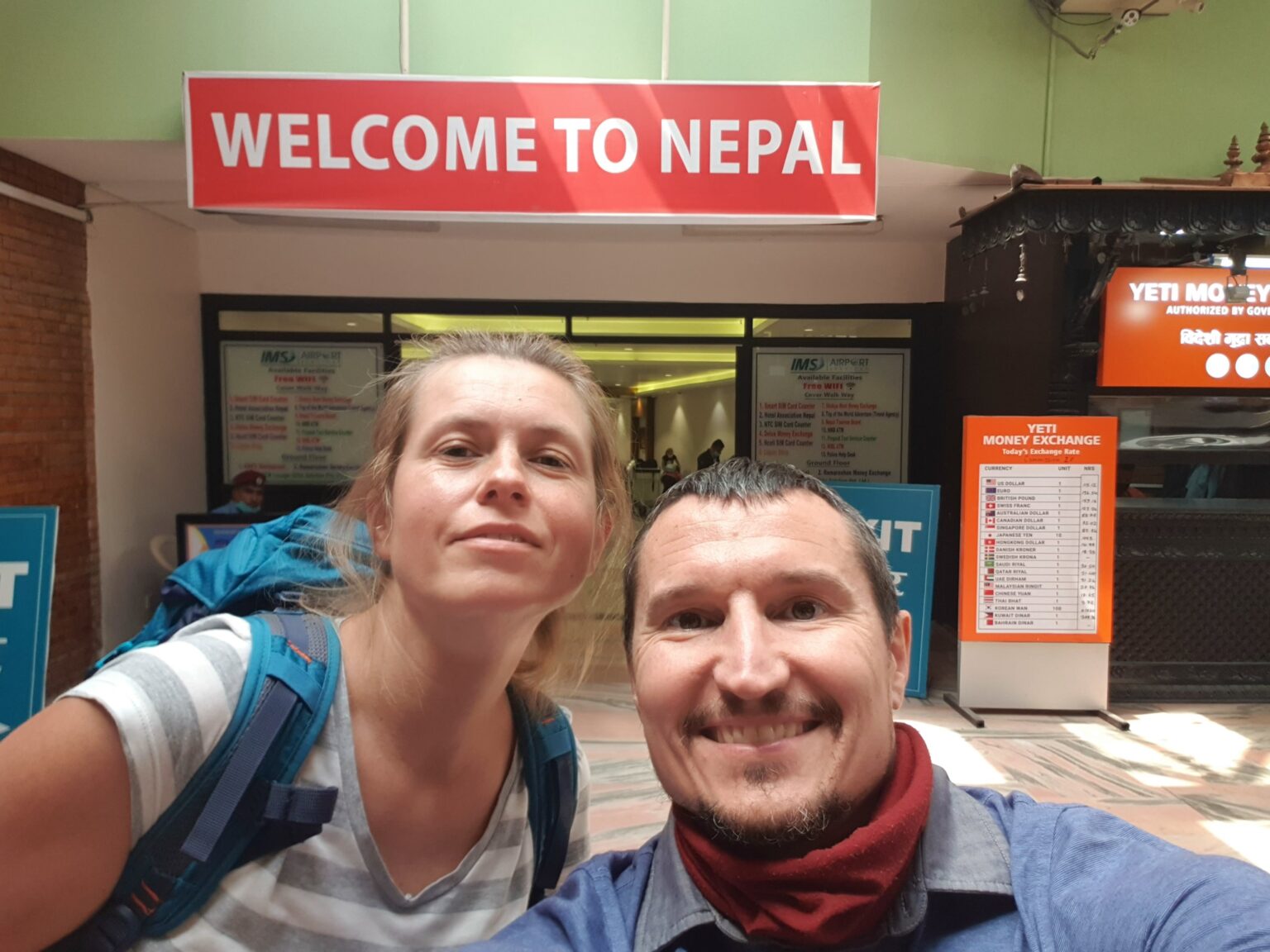
If you are flying, you will arrive at Tribhuvan International Airport—the main international airport in Nepal. Your first contact with Kathmandu starts right here.
The airport doesn’t make much of an impression, and after modern European airports, it can even seem a bit neglected. But don’t worry—everything is quite clear here.
Citizens of many countries can get a tourist Visa on Arrival right after landing. Before your trip, I recommend checking the rules for your specific citizenship on the Department of Immigration Nepal website, as visa conditions may change.
If you plan to stay in Nepal briefly, tourists usually opt for a 15-, 30-, or 90-day tourist visa.
There are three types of Nepal tourist visas:
15 days stay in Nepal — $30,
30 days — $50,
90 days — $125.
Children under 10 years old, except US citizens, receive a visa for free.
Even before the trip, I would save my hotel address and its name in English on my phone. It may seem minor, but after a long flight, you really don’t want to explain to the taxi driver exactly where you need to go.
How to get from the airport to the center of Kathmandu
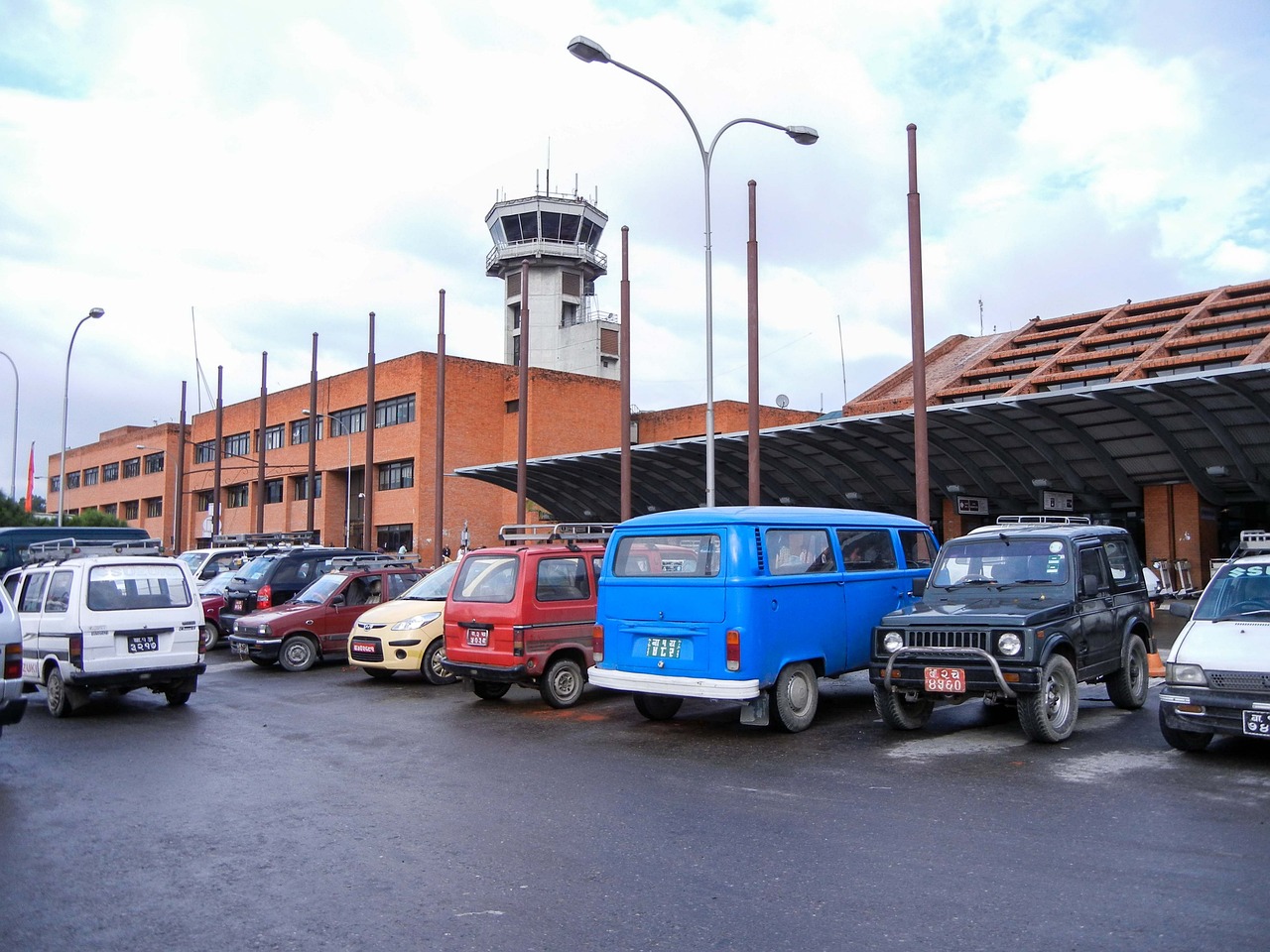
The airport is practically inside the city, so in terms of distance from Thamel, it’s not far at all. But there’s one problem—traffic jams in Kathmandu. What looks like ten minutes on the map may turn into a much longer trip in reality.
For the first trip, I would simply take an official taxi from the airport. There is a prepaid taxi, and it’s the easiest way not to waste energy bargaining with a dozen taxi drivers right after your flight.
Tip: Once you’ve settled in the city, you can use local ride-hailing services, particularly Pathao. In Nepal, this service is very popular, and you can order both cars and bike rides through it.
But for the first transfer, I wouldn’t complicate things.
Landed — took a taxi — got to the hotel — dropped off your backpack — went out to explore the city.
Where to stay in Kathmandu
If you are going to Kathmandu for the first time, I would suggest Thamel. Yes, it’s touristy. Very touristy. But precisely for this reason it is convenient for travelers who are not yet familiar with the new country
Thamel is the best area for your first trip

Imagine a huge tourist quarter where there might be a hotel in one building, a gear shop on the ground floor, and a restaurant around the corner. Ten meters down—a small Buddhist temple, next to it a butcher shop, and then a cafe with great pastries.
This is Thamel.
Here you can leave your hotel in the morning, go for coffee, and in ten minutes find yourself in a completely different world. I also like that here you can solve almost any tourist problem easily.
- Need an exchange office? There’s one on almost every corner.
- Need a trekking guide? You’ll find dozens of travel agencies.
- Need trekking poles, a down jacket, a sleeping bag, etc.? No problem—choose from quality fakes to original brands.
- Want dinner after a day out walking? There are more restaurants than you can visit in three days.
Hotels and guesthouses in Thamel:

- Flock Kathmandu – last time we stayed here. Convenient location, close enough to explore the city and at the same time comfortable to come back after a busy day. The hotel has a relaxed atmosphere and coziness. Everything was clean, from the rooms to the common areas, which made the stay even more comfortable. Delicious food.
- Everest Boutique Hotel – Your Heritage Home – The hotel is located in the center of Thamel. The rooms are nice and super clean. The price is reasonable. The driver picks you up from the airport to the hotel, there is plenty of room for luggage in the car, and the car is super clean. The driver and hotel staff are polite and help with your bags.
- Vastu Boutique Hotel – The perfect place for a short or long stay in Kathmandu! The staff are extremely friendly, offer a delicious breakfast, rooms are clean and comfortable in a modern style. Also ideally located, within walking distance to many restaurants, but the hotel itself is absolutely quiet.
What to buy for trekking in Thamel, and what is better to bring from home
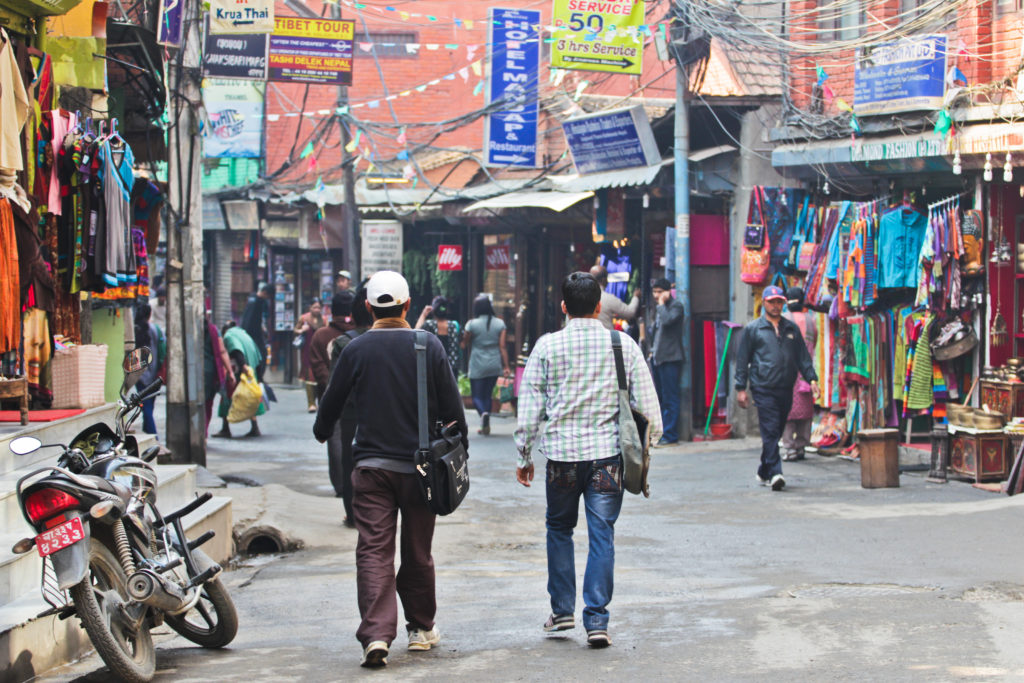
Here I want to separately talk about gear.
We have bought trekking equipment in Kathmandu more than once. Sleeping bags, jackets, thermal underwear, poles, glasses, hats, and various small items for trekking.
Some items were branded, some—very good copies. Sometimes the price difference with Europe is huge—dozens of times less. Plus, some things we bought in Nepal many years ago are still being used on hikes. For example, Nepali sleeping bags are very good.

But there are two things I would never save money on and would buy before the trip to Nepal. That is footwear and a backpack.
Trekking boots should be broken in, comfortable, and already fit to your feet. A backpack should fit your back, your height, and your volume of stuff. Buying pretty boots in Thamel at a good price right before your trek is very romantic—until the first day of the hike. After the first blister, the romance is over.
If you want peace and quiet—Boudhanath

If you’ve already been to Kathmandu or just don’t like living in tourist noise, consider the Boudha district around the Boudhanath stupa. The atmosphere here is different.
Tibetan monasteries, Buddhist cafes, shops with prayer flags, incense, monks walking around the stupa. And in the evenings it is especially beautiful here.
I even think that Boudhanath (Bouda) is one of those places where you can stay a few days and barely plan any excursions. You just leave your hotel and walk to the stupa. And there is such a wonderful atmosphere there, unlike anywhere else in the world.
Hotels in Bouda:

- Tise Hotel – located very close to the Boudha stupa, just a 5-minute walk away. The rooms are very clean and comfortable, and there is also a wonderful view—you can see the stupa right from the window of your room. The shared area near the room is also clean and tidy, with a sofa and a nice view from the balcony.
- Shambaling Boutique Hotel – A wonderful oasis of peace with fantastic and friendly staff. Great location – a 10-minute walk to the main Boudhanath stupa, and several excellent restaurants within a 5-minute walk.
- Hotel Anuttara, Boudha – This hotel is a true gem. It is only a few minutes’ walk from the Stupa, but far enough from the crowds and traffic to be quiet and relaxing. The rooms are very comfortable and impeccably clean, with great beds and spacious modern bathrooms.
Patan—for those who love old cities

Another option is Patan, or Lalitpur.
If Thamel is tourist Kathmandu, then Patan feels much more like a city living its own life. Here you’ll find old Newari houses, small courtyards, craft workshops, temples, and incredible woodcarving.
Patan borders Kathmandu on its southern edge and is located 5 km away. This city has almost merged with the capital and is considered one of the most beautiful cities in Nepal. Lalitpur also has its own Durbar Square and many ancient temples. The small narrow streets, souvenir shops, and pleasant Lalitpur restaurants are very popular with tourists.
The number of Hindu temples, Buddhist pagodas, and monuments in the historic center exceeds the number of attractions in Kathmandu. The Durbar Square in Patan is much richer and almost did not suffer from the earthquake.
I would recommend this area to those who have already been to Kathmandu and want to see the city from a different side next time.
How to get around Kathmandu
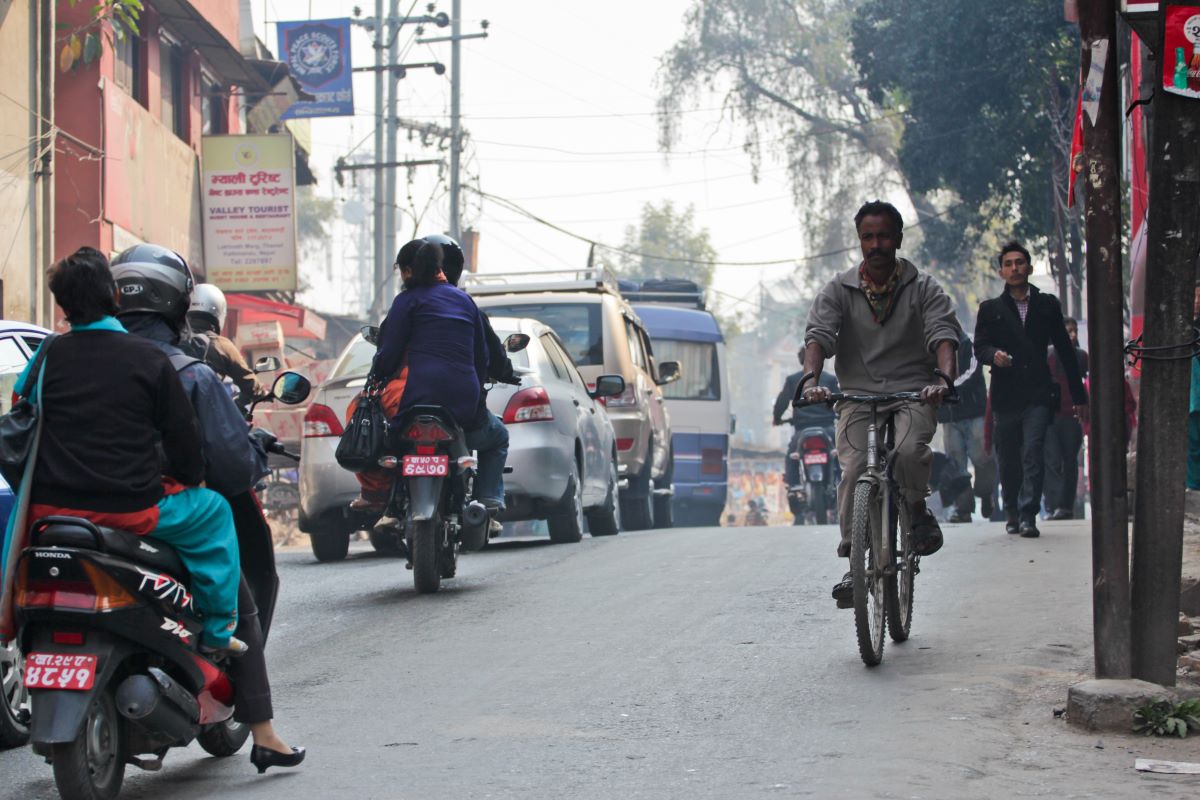
Kathmandu is not a city where I would recommend renting a car. Even if you drive perfectly. There’s simply no reason to add another problem for yourself.
Traffic is very dense, intersections are regulated neither by traffic lights nor signs. Motorbikes appear from all directions, the roads may be broken, and the logic of the movement seems to be clear only to the locals.
My first time, I looked at all this and was sure there would definitely be an accident at any moment. But there wasn’t. Local drivers somehow manage to understand each other with horns, gestures, and glances.
The best formula for a tourist is very simple: on foot + taxi + Pathao.
In Thamel, the old city, and around Durbar Square, I wouldn’t use transport at all unless necessary. Walking is more interesting and safer for your time. Sometimes you might spend forty minutes to drive a few kilometers, but walk them in twenty.
Three days in Kathmandu: the route I recommend for a first visit
Kathmandu, and Nepal in general, has democratic prices for accommodation, transportation, cafes, and restaurants. You can get a decent hotel room for $25 per night, and dinner in a restaurant will cost $5–7. The prices for visiting attractions differ greatly. For locals and residents of the PVA, tickets to temples and paid squares are several times cheaper than for foreigners with a European appearance. It has always been like this – nothing surprising, the country earns money from such tourists.
If I were to travel to Kathmandu for just three days, I wouldn’t try to see everything. My itinerary would look like this:
- Day one — Durbar Square and Thamel.
- Day two — Swayambhunath and Patan (you can also add Bhaktapur to avoid going the same way by taxi twice)
- Day three — Pashupatinath and Boudhanath.
Day one. Durbar Square and Thamel

I would start the first day at Kathmandu Durbar Square. This is the historic heart of the city. The royal family once lived here, and today dozens of temples, palace buildings, statues, and old houses surround the square.
But what always impresses me most here is not any particular attraction. It’s the atmosphere.
You stand in the middle of the square, people walk around, some are praying, others are taking photos, bells ring somewhere, a monkey sits on the roof of a temple, and just a few meters away, souvenirs are being sold. And all of this is absolutely normal.
Kathmandu Durbar Square is part of the UNESCO World Heritage property “Kathmandu Valley”. For foreign tourists, the entry fee is 1000 NPR.
Kumari—the living goddess

One of the most interesting places in the square is Kumari Ghar. This is where the Kumari lives—a girl who is considered the living embodiment of a goddess. This tradition is so unusual that at first it’s hard to believe it’s not something from an ancient movie, but part of a modern city.
This girl is chosen as a goddess by certain signs. And when she gets her first menstruation, it is time to choose a new Kumari goddess. By the way, former Kumaris don’t have a very happy future because most men are afraid to marry them. That’s why Kumaris receive a small pension that covers their living expenses.
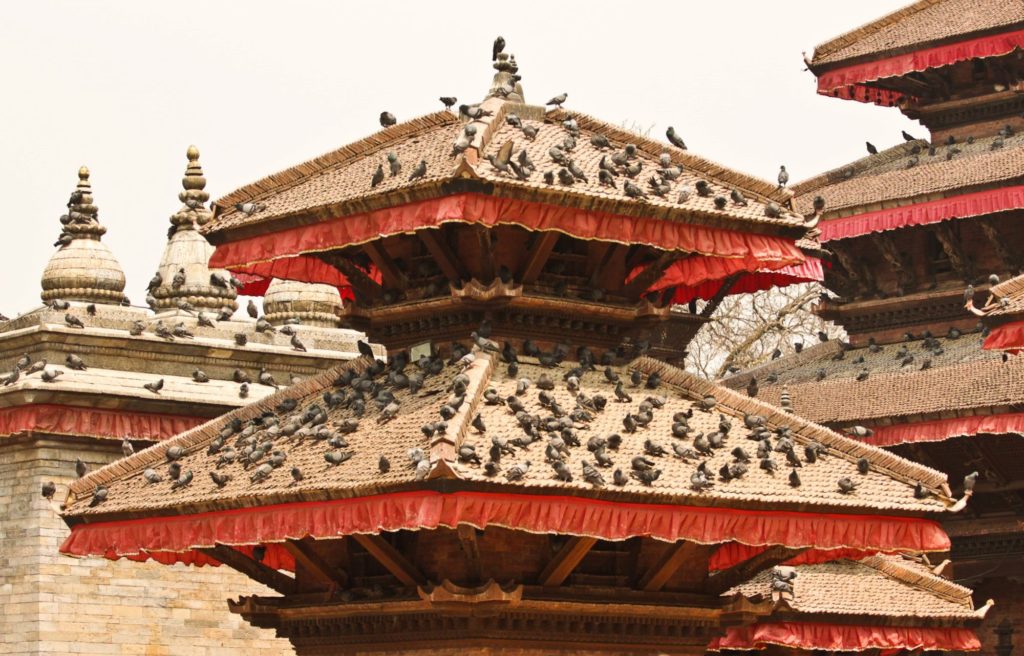
At certain times, the Kumari may appear at the window and people come to see her. It’s not allowed to take her photo. I recommend simply taking this as part of the culture and not trying to get a photo at all costs.
In Nepal you quickly understand one thing: not every moment of your journey needs to be turned into content. Sometimes it’s better to just watch.
Entrance to Durbar Square is paid – 1000 NPR (about $8). But until 7am and after 6pm, the ticket offices close and the guards go home. In the morning it is especially beautiful here—there are almost no people, just janitors sweeping the Kathmandu dust.
It’s about a 15-minute walk from Thamel to Durbar Square.
Don’t rush to leave Durbar Square


After the main square, don’t rush to jump in a taxi. I would walk towards Asan and Indra Chowk. This is where the Kathmandu I love most begins.
The tourists gradually disappear, the streets get narrower, the shops are more basic, and life is more authentic. In the markets you’ll find spices, vegetables, fruit, metal dishes, flowers, fabrics. People are in a hurry somewhere, someone is haggling, someone is praying at a small temple right in the middle of the street.
Sometimes you just need to stop in the midst of this chaos and look around. It’s here that Kathmandu becomes truly memorable.
First lunch—be sure to try momo
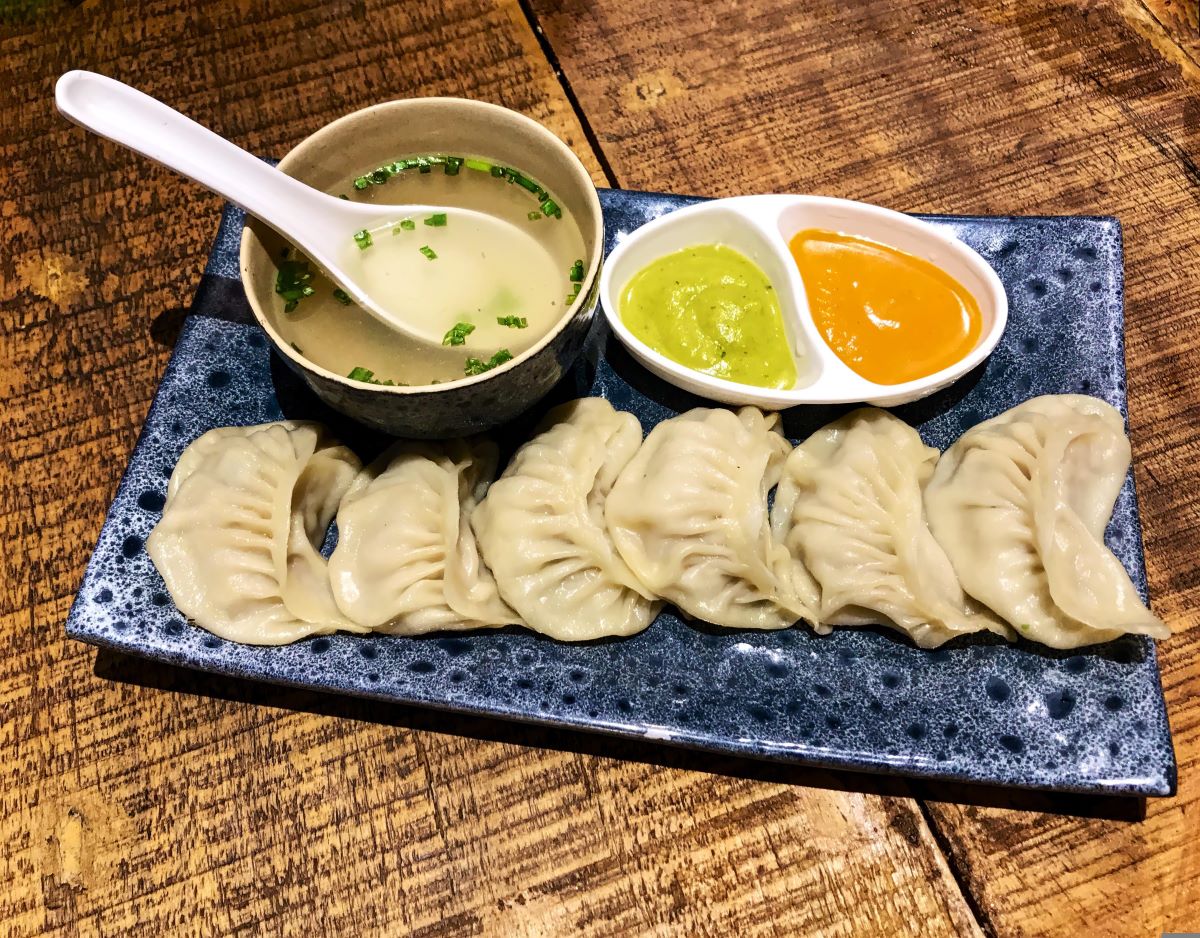
If you haven’t tried momo yet, now is the time.
Momo are Nepalese dumplings that came to the local cuisine from the Tibetan tradition. They come with meat, vegetables, cheese, steamed or fried. I especially love the simple local momo.
You don’t need to look for a restaurant with white tablecloths. Go into a small cafe where the locals are sitting, order a plate of momo and see what else people are eating nearby. In Nepal, this is often the best recommendation for a restaurant.
Evening in Thamel

After the old town you can calmly head to Thamel. And here I would not plan any program. Just stroll around.
Go into the shops. Look at the gear. Drink tea. Peek into the small courtyards. In the evening, Thamel comes alive even more.
Signs light up, restaurants open, tourists return from treks, someone buys a backpack, someone else a cashmere scarf, and someone is already planning tomorrow’s trip to Pokhara.
And at some point you will start to realize you are in a city where half the people around have either just come down from the mountains, or are leaving for them tomorrow.
Day Two. Swayambhunath and Patan
Swayambhunath

I would start the second day with the ascent to the Swayambhunath hill. Here is a temple complex that combines a Buddhist stupa and a Hindu temple. It is often called the Monkey Temple, and this is a very accurate name.
Do you want to see how the city monkeys of Kathmandu live?
Go to Swayambhunath — there are hundreds of them here, they like the park around the temple complex and its grounds. These cheeky creatures are the true masters here, and people who come here are just guests.

Swayambhunath is a Buddhist-Hindu temple complex located in the western part of Kathmandu on a high hill, which is reached by 365 steps.
From its summit there is a wonderful view of Kathmandu. On the hill is a stupa, similar to Boudhanath but smaller in size, around which the temple complex and park are located. Hundreds of monkeys live in the park, and they are not afraid of people at all, in fact—they act very cheeky around them.
But be careful—the monkeys have sharp claws and predatory teeth. They can bite or scratch, and transmit infection. It’s better not to feed them by hand.
Taxi from Thamel to Swayambhunath – 300 NPR (2.7$)
Entrance ticket – 400 NPR (3.6$)
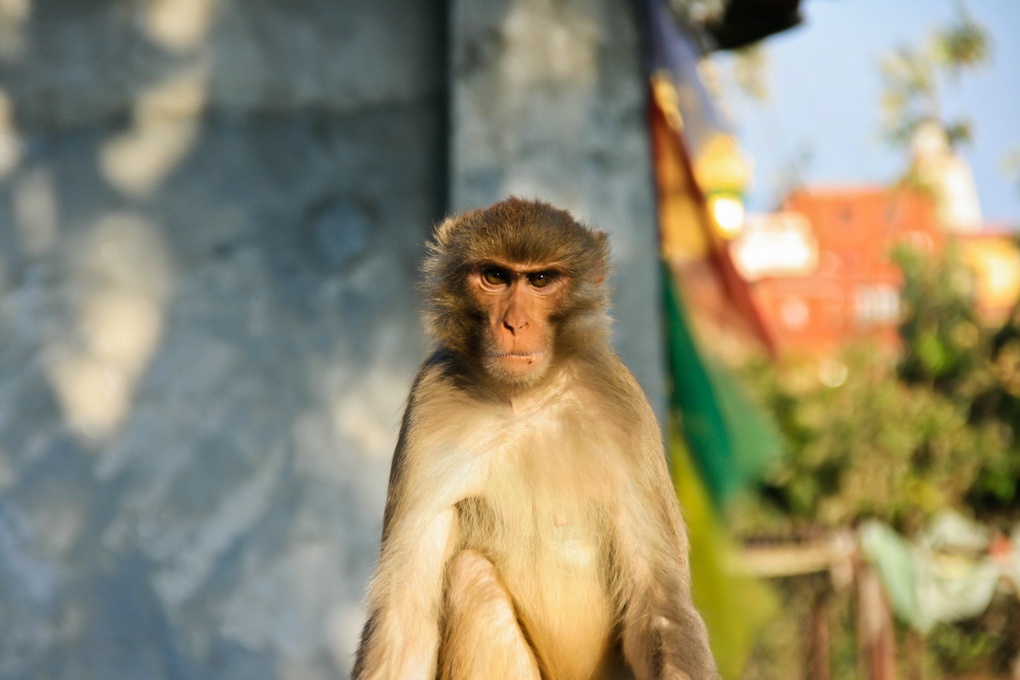
And there is also an incredible view of Kathmandu here. If you are lucky with the weather, you can see the mountains. If not—you’ll see the city through the smog. I have seen both options. And, honestly, even in the smog Kathmandu looks interesting.
Don’t rush to go back down right away. Walk around the stupa, look at the pilgrims, spin the prayer wheels. If it’s your first time in Nepal, this may be your first real contact with the Buddhist culture of the country.
After Swayambhunath—to Patan

Then I would go to Patan. And here I advise you not to just come to the square, take a photo and leave. Stay at least a few hours.
Patan Durbar Square is one of the most beautiful historic squares of the Kathmandu Valley. Around are old palaces, temples, courtyards, and houses with fantastic wood carvings.
Patan is especially known for its craftsmen. For centuries, masters worked here making metal statues, carving wood, and creating objects for Buddhist and Hindu temples.
I especially like this opportunity—to step away from the tourist square by a few streets and see the workshops.
Here it is no longer just a “sight.” Here the culture continues to live.
Golden Temple

In Patan, be sure to find the Golden Temple, or Hiranya Varna Mahavihar. This is a Buddhist monastic complex, which looks very impressive from the outside, but is even more interesting inside.
And again, you don’t need to rush. Take off your shoes if the rules require it, behave quietly and just look around at what’s happening.
Day Three. Pashupatinath and Boudhanath

The third day is the most emotional. In the morning I would go to the Pashupatinath complex.
The Hindu Shiva temple Pashupatinath is located not far from the city center on the banks of the Bagmati river. This is a sacred place for Hindus—this is where they say their final farewells to the dead. To be cremated at Pashupatinath is a great honor for a Hindu.
The cremation ceremony attracts tourists with its uniqueness, as it is fundamentally different from the European way of saying goodbye to the deceased.
Only Hindus are allowed to be present close to the cremation. But there is a viewing platform on the opposite bank of the river where the ceremony can be well seen. Most tourists watch the cremation ceremony from this side of the river. It is quite a specific sight for unprepared minds.
Taxi from Thamel – 300 NPR (2.7$)
Entrance ticket – 1000 NPR (8$)
For Nepalis this is a holy place, not a tourist attraction. So here I especially recommend being careful about what and whom you photograph.

The main temple is open to Hindus, and other visitors can tour the complex from the areas accessible to them.
And do not be surprised by the river. The Bagmati in Kathmandu is not at all like the clean mountain river you might have imagined. It is very polluted, especially within the city limits. And this is one of those things that especially contrasts with the spiritual significance of this place.
Boudhanath—a completely different Kathmandu

After Pashupatinath I would go (actually, we walked) to Boudhanath.
And this is a very good combination. After the Hindu temple complex—a huge Buddhist stupa.
After the cremations—monks calmly circling the stupa. After the noisy Pashupatinath—a completely different rhythm.
Boudhanath is one of the largest stupas in Nepal and one of the main centers of Tibetan Buddhism in the country. It is also on the UNESCO list. I recommend not just looking at the stupa from below. Go up to the upper terraces if they are open, sit in one of the cafes around the square.
And then just join the stream of people walking clockwise around the stupa.
It’s great to circle around the stupa with Buddhist pilgrims, tuning in to the rhythm of this place. Around the stupa are Buddhist monasteries, souvenir shops, cafes and restaurants. If you want to immerse yourself in the atmosphere of Boudhanath, you can stay in one of the surrounding monasteries, wake up at dawn to the sound of the gong, and fall asleep to the monotonous hum of evening prayers.
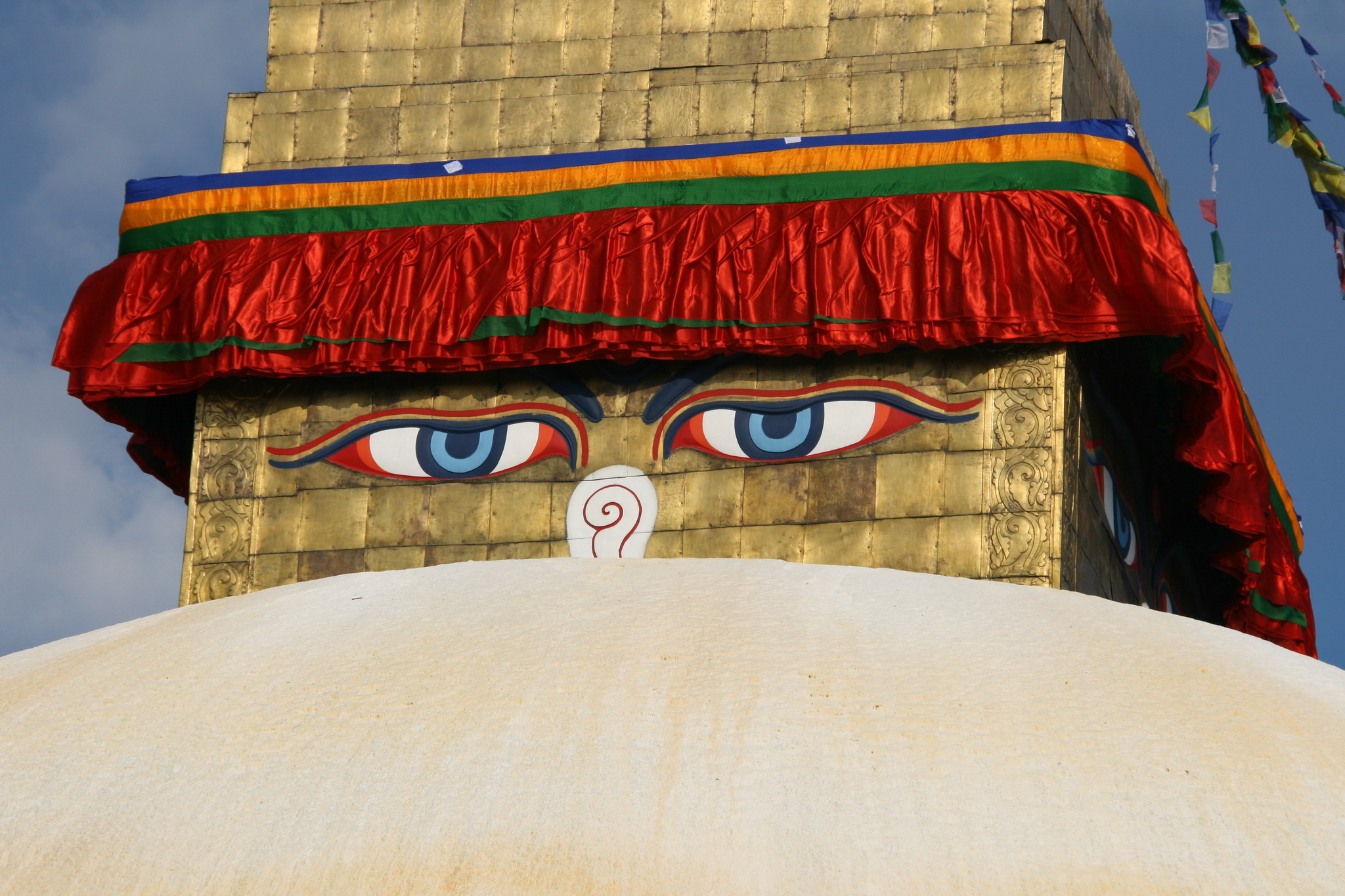
And in the evening, settle in a cafe with a view of the stupa, look into the eyes of the Buddha, listen to the shuffling of feet, voices, pigeons. This stream of sounds and the endless circling around the stupa—it’s like life itself. You cannot stop—you must walk around the stupa and spin the wheel of life.
That is why I love Boudhanath.
Don’t rush to leave Boudhanath

If possible, stay here until evening. When it starts to get dark, the lights around the stupa come on, and the atmosphere becomes completely different.
You can sit on a cafe terrace, order tea and just look down. After two noisy days in Kathmandu, this is almost meditation.
And then return to Thamel, have dinner and realize your three days in Kathmandu are already over.
And if you have one more day—definitely Bhaktapur

If you have not three, but four days, I wouldn’t hesitate a second—Bhaktapur.
The ancient Newari town with streets paved with red brick is distinguished from Kathmandu by its cleanliness and intimacy.

Bhaktapur is a city of craftsmen, where family crafts are still passed down from generation to generation. The residents of Bhaktapur continue to work wood by ancient methods, make jewelry, products from wool, stone, weave carpets and even make a special kind of yogurt. Bhaktapur is famous for its potters—pots made of fired clay are still dried in the open air.


The main square is Bhaktapur Durbar Square, but I wouldn’t limit myself to it. Walk to Taumadhi Square, look at the huge Nyatapola temple, drop by Pottery Square.
Here, craftsmen still make clay pots and pitchers, laying them out to dry in courtyards and squares. On the streets of Bhaktapur the living spirit of antiquity and craftsmanship remains, even though tourists now come here too.
What to eat in Kathmandu
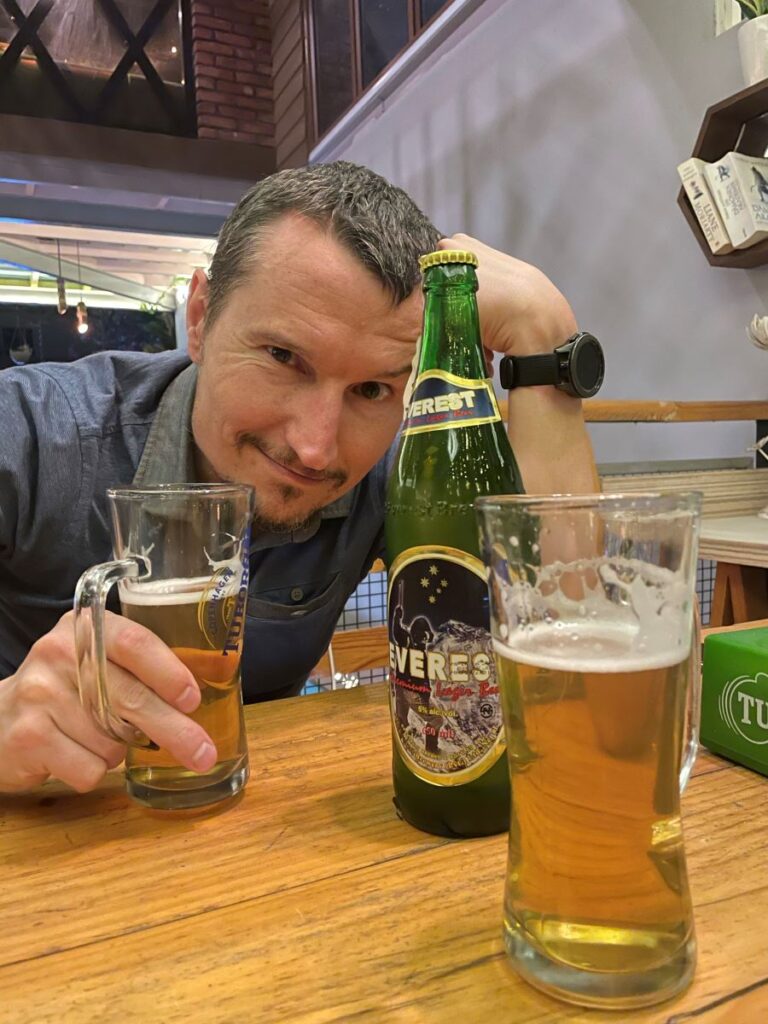
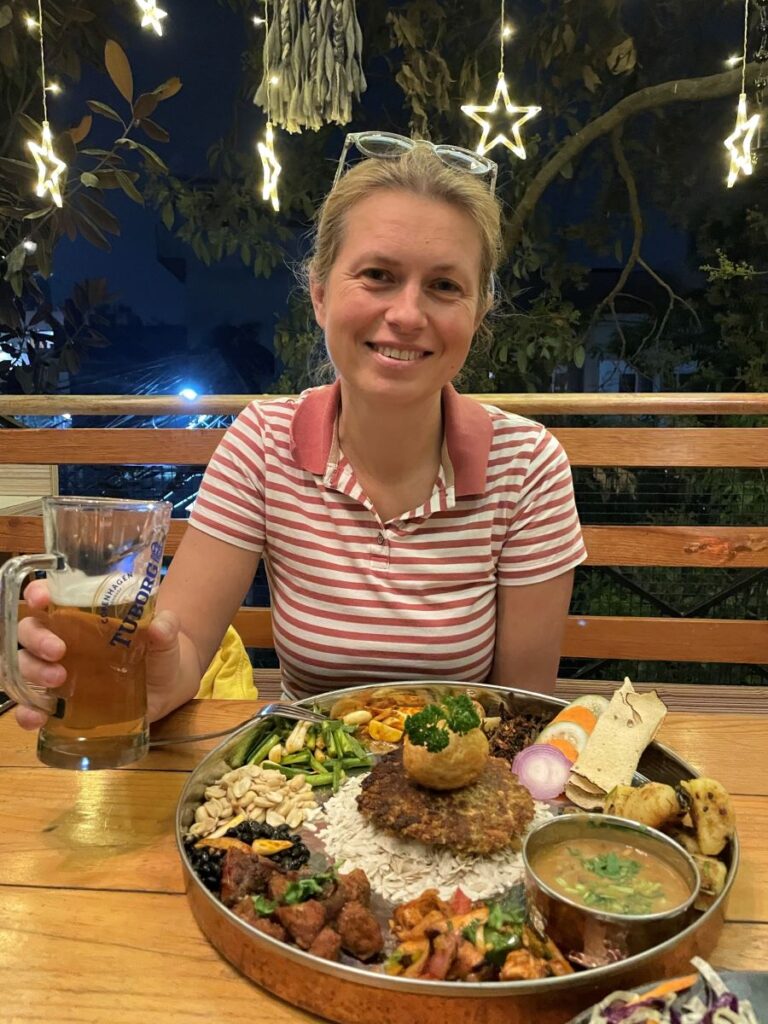
You could write a separate article about food in Kathmandu. But if you’re in Nepal for the first time, start with dal bhat. It’s rice with lentil soup, vegetables, curry, pickles, and various sides.
Sounds simple. But each cafe makes it a little differently.
And also—momo, which I already wrote about above. I could eat them in Nepal almost every day. There are meat, vegetable, cheese, spicy, not very spicy, fried and steamed options. And here is one simple lifehack.
You do not need to look for the most expensive restaurant.
If you see a small cafe where locals are sitting, peek inside. Sometimes that’s where the tastiest food is found.
For more familiar tastes, Thamel is full of restaurants with international cuisine. After trekking, when you just want a proper pizza or pasta, that’s also very appropriate.
What to do in the evening in Kathmandu

Don’t plan another attraction for the evening. This is my main advice.
Kathmandu is best remembered especially when you stop “sightseeing” it. Go back to Thamel, sit down in a cafe, order tea—look out the window at how the city moves.
Talk to one of the travelers. Go into a gear shop and buy something you need or a little souvenir (if you’ve already come down from the mountains and don’t have to carry it back up).

Listen to music in one of Kathmandu’s bars. Walk down narrow streets—Kathmandu is a city of details.
And if you rush from one temple to another all the time, you might miss the city itself.
Garden of Dreams—when you want some peace

You never know what’s hidden behind the next fence. Behind a high stone wall in the center of Kathmandu is the Garden of Dreams, created in 1920 for Nepalese Royal Army Field Marshal Kaiser Shumsher Rana. A beautifully lush green oasis in the midst of the dusty Nepalese capital.

Initially the garden was known as the “Garden of Six Seasons“. In Nepal there are not 4 but six seasons: between summer and autumn there are two more—Barsha Monsoon and Sharad—the harvest. In honor of the seasons, six pavilions were built in the park. After the field marshal’s death, the garden was abandoned and fell into disrepair, but it was restored with funds from the Austrian government.
Now it is a true oasis among the stone jungles of Kathmandu with clean air, a pond, fountains, exotic trees, and flowers. You can come here and spend the whole day on one of the lawns of the garden.
Entrance fee—400 NPR (3.5$) per day.
How much time do you need for Kathmandu
My answer after three trips is simple: three days—before trekking in the mountains, and another two days—after.
In three days you will see the main things. But if this is your first trip to Nepal and you are heading for a trek afterwards, I would not make the program too tight.
The first day or two your body will be adapting anyway to the new climate, the time difference, the food, and the constant noise.
It’s better to leave a little breathing room in the schedule. Literally, too.
When to go to Kathmandu

The best time for Kathmandu is autumn and spring. After the monsoon ends, especially in autumn, the air is often cleaner and mountain visibility is much better.
October and November are very popular months to travel to Nepal, especially if Kathmandu is part of a trekking trip.
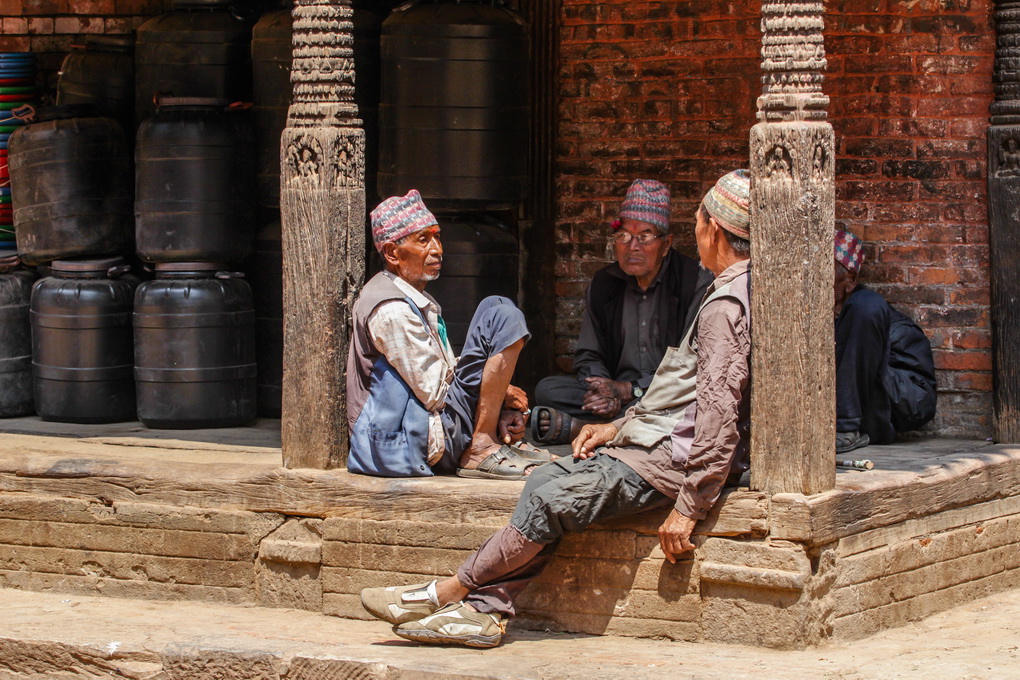
Spring is also wonderful—especially if you are coming for the mountains and want to see blooming rhododendrons. I have been there three times in the spring—my birthday is in March. And in spring you can see how Nepali New Year is celebrated (in the photo, the New Year’s chariot which is taken out to the square during the celebrations). And besides, in spring Nepal celebrates the Festival of Colors, when everyone tries to color each other with different paints.
But during monsoon season—summer—be prepared for rain.
And one more thing that few people think about before their first trip.
In winter it can be cold indoors in Kathmandu. It may be quite comfortable outside during the day, but a budget hotel with air conditioning instead of proper heating is a completely different story.
A warm sweater in Nepal in winter is definitely a good idea.
Is Kathmandu a safe city

Yes!
But you need to slightly change your tourist habits.
- Don’t drink water from the tap. Use bottled water.
- Watch your belongings in crowds.
- Don’t carry all your cash with you.
- And keep in mind that the air in Kathmandu can be very polluted.
- If you are sensitive to dust and smog, a mask with good filtration can really help.
- And one more thing—don’t try to cross the road as you would at home.
- First just watch how the locals do it.
And finally—do I love Kathmandu?

Perhaps this is the main question.
Because if you judge Kathmandu by street cleanliness, road quality, air or travel comfort, it easily loses to dozens of other Asian capitals.
But I have been here three times. And every time I left, I thought maybe it would be the last time. And then I returned.
I like this strange contrast: ancient temples and modern motorbikes, monks and tourists with huge backpacks, cows in the middle of the street, shops with expensive tourist gear and small cafes where dinner costs pennies.
I like that in the morning somewhere in a courtyard roosters are crowing, and a few minutes later a motorcycle zooms by. That you can enter a small temple that even Google Maps doesn’t know about.
And I like the feeling that the mountains are always somewhere nearby. Even if you can’t see them today because of the smog. You just know: here they are, you can get on a bus or a plane and in a few hours be in the Himalayas! And then come back again.
Because, as it turns out, Kathmandu is a city that you want to run away from, and then come back.
Useful articles and links:
- Nepal Guide—how to prepare for an independent journey
- Pokhara—Nepali resort on Lake Phewa
- Mardi Himal trek—how to independently complete the beginners’ route in the Himalayas
- Chitwan—independent trip to the Nepali jungles
Bus timetables and tickets for buses —at Omio.com
Green card and Travel insurance for trips abroad— HotlineFinance
Hotel and apartment booking— Booking.com