Festivals and holidays in Portugal that tourists should visit. Religious, cultural, music, culinary and wine festivals every month in different cities of Portugal.
Whenever you go to Portugal, you can find a fun holiday or a colorful festival in any season. The Portuguese love to celebrate cultural, historical, and religious holidays – there are more than 100 of them a year. It will be enough for your visit to this wonderful country!
January
This month is quite quiet after the Christmas holidays – only on January 6 can you see small processions on the Day of the Three Kings (Dia de Reis). Imagine that here, just like in Ukraine, groups of carolers go from house to house singing songs.
Usually on January 6, people sing “janeiras,” popular Christmas-themed songs, usually related to the Christian tradition. The Janeyras sing from door to door, and as a form of gratitude, the residents let the singers in and offer them wine, sweets, and other treats.
Bolo Rei is especially popular on this day, which is a Portuguese cake that is baked for Christmas, but is most often consumed by the Portuguese during the Christmas season, especially on the Three Kings’ Day.
Although it is a very Portuguese delicacy, its history goes back to Roman celebrations. Later, the Catholic Church took advantage of the tradition and converted it to Christianity, linking it to Christmas. So our traditions are very similar.
February


February is the month of carnivals, when the most colorful performances and processions unfold in the cities and towns of Portugal. Carnival (Entrudo), especially lively in the cities of Lisbon and the Algarve, ends on February 13, Shrove Tuesday, in 2-24.
The last week of Carnival is always very eventful. It’s a day of dancing, a costume procession, or a sculpture being lit), or theater performances.
Madeira Island is a separate story. Thanks to the warm climate, carnivals there are even more fiery. They begin in mid-February and last until March. “The Trapagliaine, or the procession of the “diners,” is especially popular, and the costumes will not leave tourists indifferent!
March
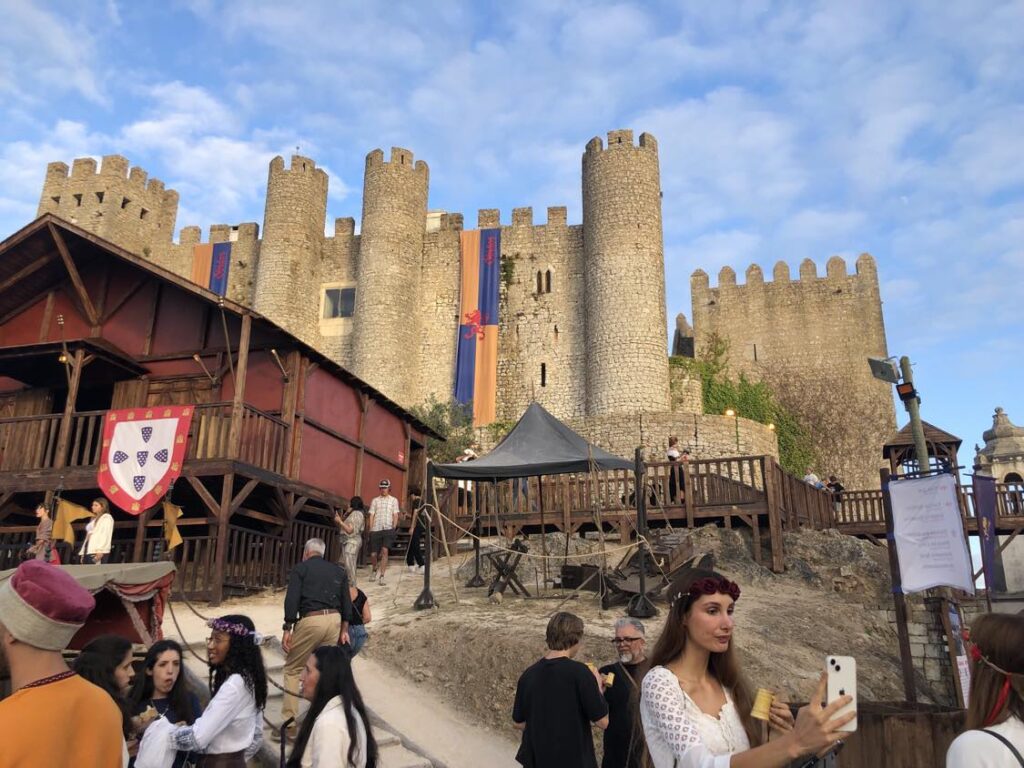
Easter often falls in late March or early April. It is one of the main holidays in Portugal as part of the Catholic world. And it’s interesting that in Portugal, Easter is a really fun holiday. With a costumed procession with torches, churches decorated with white flowers and a festive cake decorated with boiled eggs.
During Semana Santa, or Holy Week (two weeks before Easter), processions take place all over Portugal. The most luxurious are in Braga, where locals decorate the entire city center with flowers and lights. The city of São Brás de Alportel in the Algarve hosts the Festa das Tochas procession, which ranks second for its atmosphere.
In Porto, on Holy Sunday, a procession is held near the church of Nossa Senhora da Esperanca. Scarecrows of Judas are burned around the cathedral on Easter.
One of the largest festivals in Portugal is the Festa da Mãe Soberana in the city of Loulé in the Algarve. Eight men dressed in white carry a statue of the Virgin Mary (Nossa Senhora da Piedade) to a church in San Francisco. This procession is known as the “Little Festival” (Festa Pequena), and two weeks later the “Big Festival” (Festa Grande), during which her heavy image again marches through the streets accompanied by an orchestra, open-air masses are held, and everything ends with a grand fireworks display.
Meanwhile, in Tomar, parts of the procession carry huge crosses covered with flowers, which are burned at the end during a special ceremony.
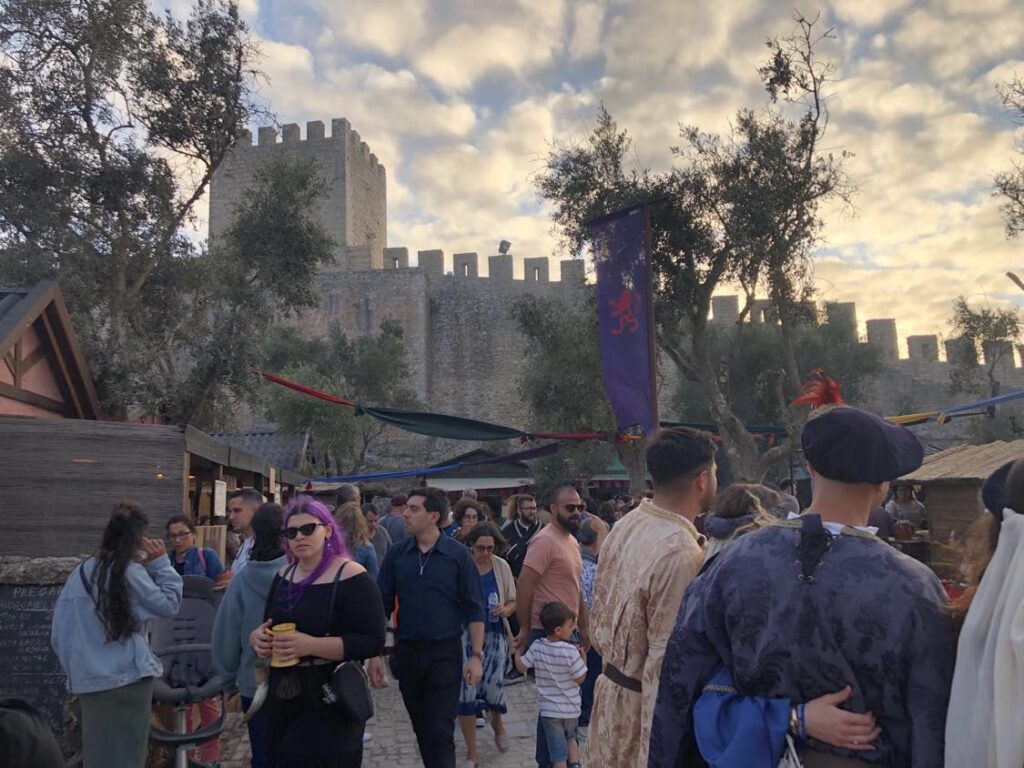
In Obidos, Semana Santa celebrations are among the most colorful in Portugal and last for two weeks. Torchlight processions take place at night, and during the day, the last moments of Christ are reenacted, including the figure of Christ wearing a crown of thorns and carrying a cross surrounded by Roman soldiers.
Recommend you to read: 4 days in Lisbon, an itinerary for a first-time visitor
April
April 25 is Freedom Day.
Every year on April 25, Portugal commemorates the non-violent uprising that ended a 50-year dictatorship and restored democracy in the country. Also known as Freedom Day, April 25 has become a national holiday celebrated across the country, including in Lisbon.
May
In early May, the public festival of Santa Joana is held in honor of the royal princess Joana, who went to the Aveiro Monastery (now a museum) in the 15th century.
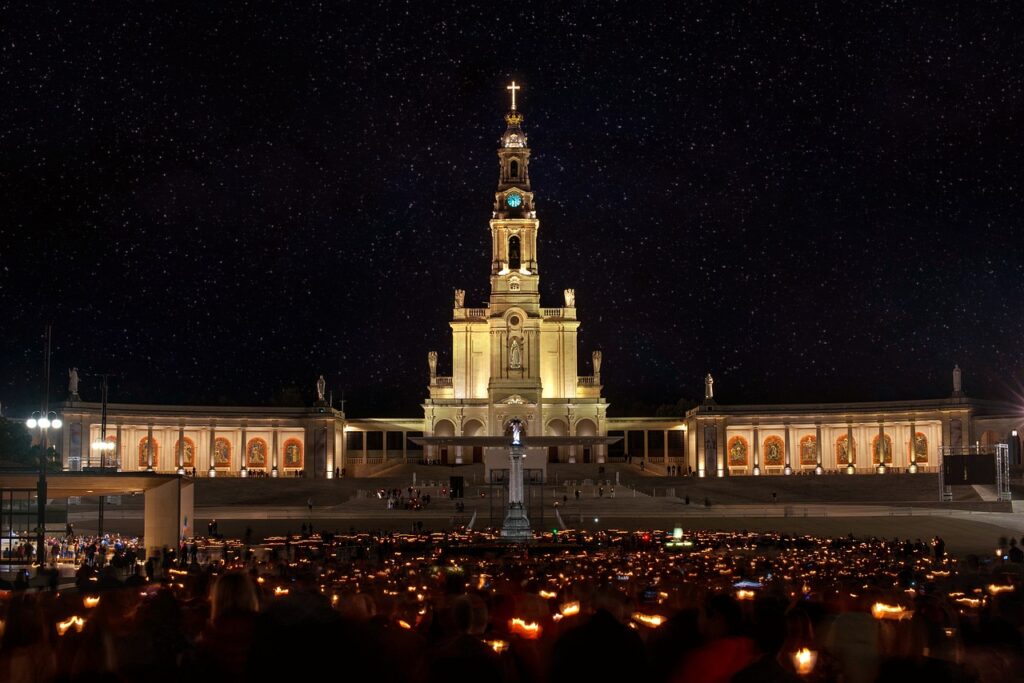
Peregrinação de Fátima is the most famous Christian pilgrimage in Portugal. On May 13, 1917, three children saw a miraculous vision of the Virgin Mary in Fatima, now Leiria Fatima. Later that year, more phenomena appeared in other places. Obviously, a large number of visitors to the site witnessed this. A huge number of pilgrims come here throughout the year, but May 13 is the most important date.
On May 12, a candlelight procession takes place in the city, leading down to the sanctuary. The next day, weeping crowds wave white handkerchiefs as the community carries the statue of the Virgin Mary from the main altar to the Chapel of Apparitions during the Adeus ( farewell) procession. The second pilgrimage also takes place in October.
Faro hosts an international music festival in May and June.
Queima das Fitas is a booze-filled festival in Coimbra where the city’s students go crazy with parades, fado songs, and dress burnings. Porto also has its own version, Queima das Fitas do Porto.
In late May or early June, Ponte de Lima hosts the Corpus Christi Vaca das Cordas bull-running ceremony.
Braga Roman is a celebration of the Roman past of the city of Braga, when it was known as Bracara Augusta. Taking place over 5 days in late May, the festival recreates the daily life of Bracarus Augustus with circus arts, dancing, triumphal processions, dramatic performances and visits to various museums and Roman monuments in the city. For more information, visit: bragaromana.cm-braga.pt
June
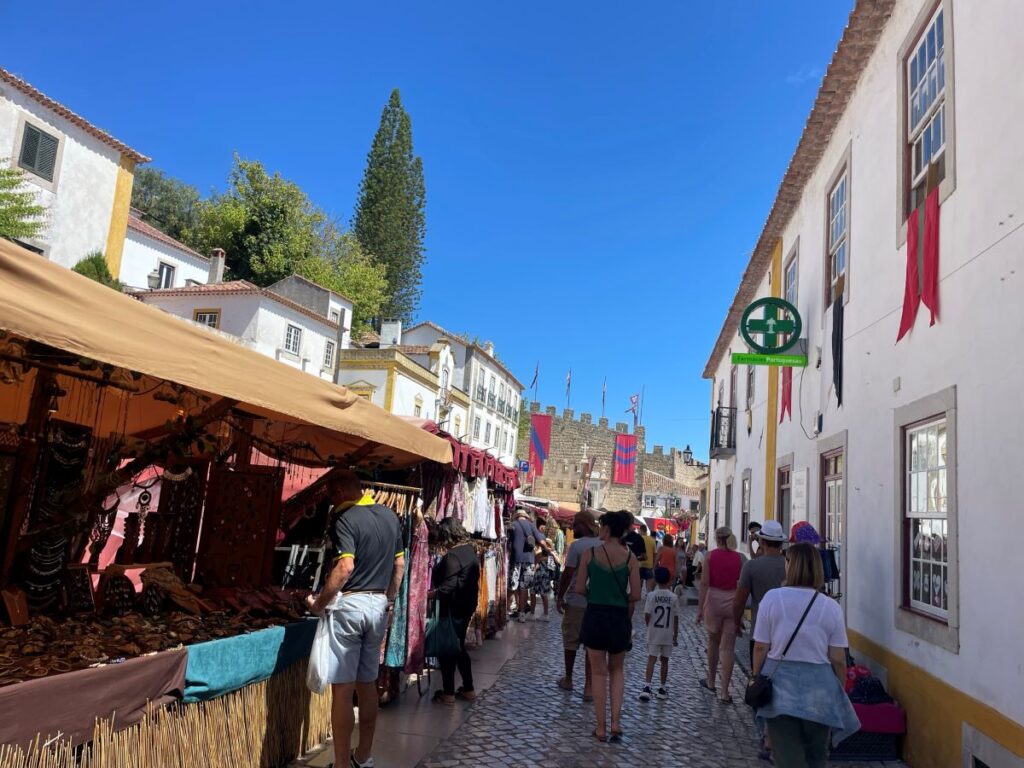
June in Portugal is a great time to visit. The holiday of Corpo de Deus (Corpus Christi) is celebrated throughout the country with processions.
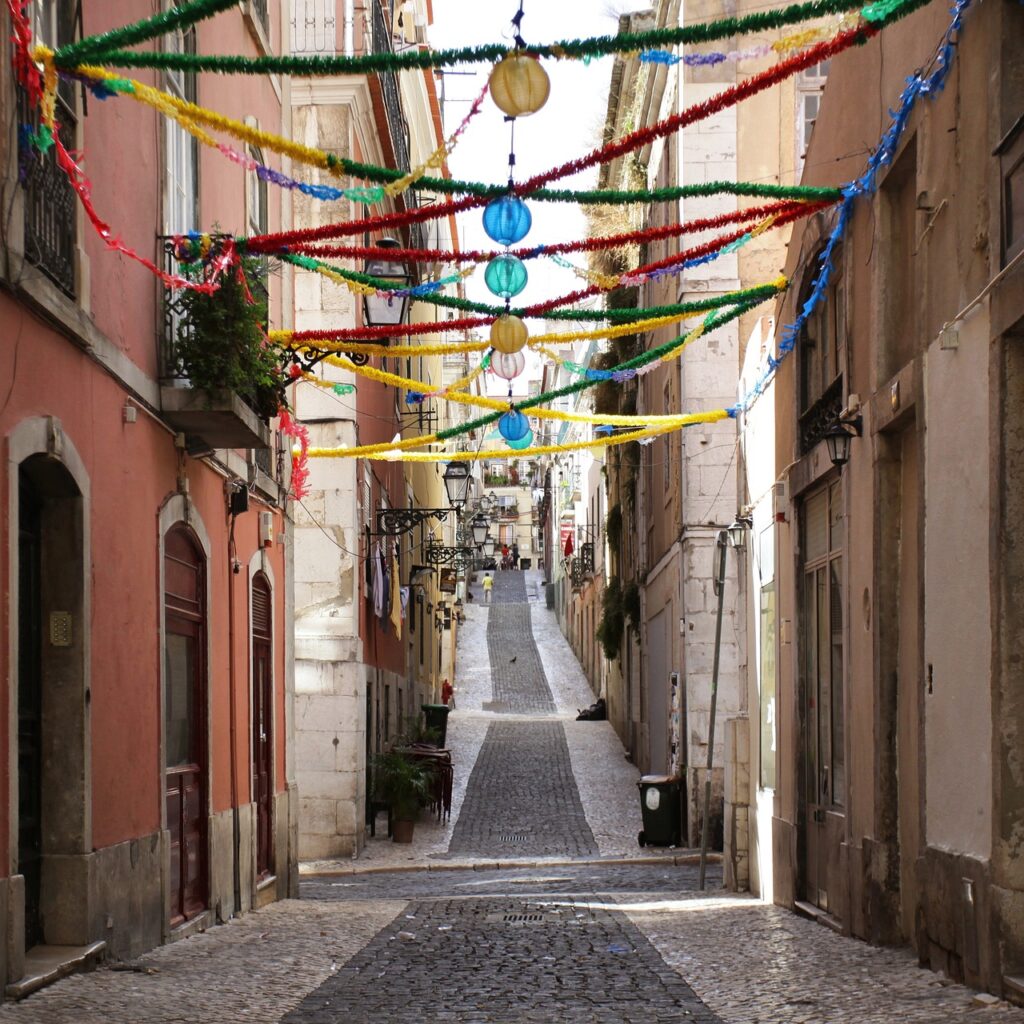
During the St. Anthony ‘s Festival (Sardine Festival) -June 12, the Alfama district of Lisbon is decorated with lights and streamers. The air is filled with the smell of sardines being fried on a churrasco near houses and restaurants. The tradition honors the story of how the fish rose from the sea to listen to the saint. All of this seems to have happened in the 13th century, when people didn’t really want to listen to speeches, and they were happy to collect fish and roast it on the fire. So this tradition still exists today.
Sintra Festival (June/July) – This cultural festival is held every summer in Sintra, a UNESCO World Heritage Site. Renowned for its fantastic architecture, Sintra welcomes some of the world’s finest ballet dancers, pianists and musicians for a celebration of music and dance that takes place in many venues including palaces, churches, gardens and country estates.
The Festa de São João in Porto (June 23), dedicated to St. John the Baptist, has been held in Porto for over 600 years. It begins with street parties and music that starts in the afternoon and the party goes on until late at night. During the celebrations, people hit each other on the head with plastic hammers. Young men also throw garlic flowers at women who get carried away.
Arraial Pride is Portugal’s main gay pride event, which has been held since 1996. You can expect the usual fun and frivolity of music, food, drinks and the market until late at night. Although it is usually held at the end of June, the exact date and location of the LGBT event changes every year.
July
July is the time to enjoy life on Portugal’s beautiful beaches in the Algarve or on the Caparica coast, south of Lisbon. There are also many great art and music festivals.
The Festa do Colete Encarnado (or Red Vest Festival) is Portugal’s answer to the Pamplona Bull Run and takes its name from the traditional red vests worn by local campinos. Every year, the three-day festival takes place in the city of Vila Franca de Xira and begins with a parade in honor of the campino (cowboy) in the city square and on the streets. Then the bulls run through the streets of Vila Franca de Chira, and the foolish men try to stay away from them. Failures are common; in fact, there have been casualties during the festival in the past.
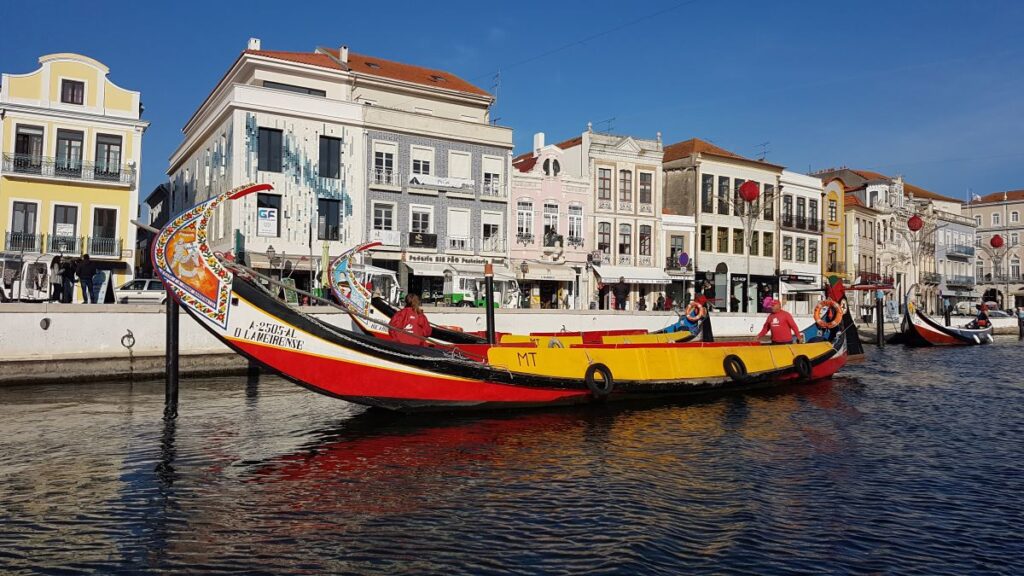
From mid-July to mid-August, Aveiro celebrates its historical heritage of painted boats – the moliceiros – with races and general fun.
In July, Sintra hosts an annual music festival with events in Sintra, Cascais and Estoril.
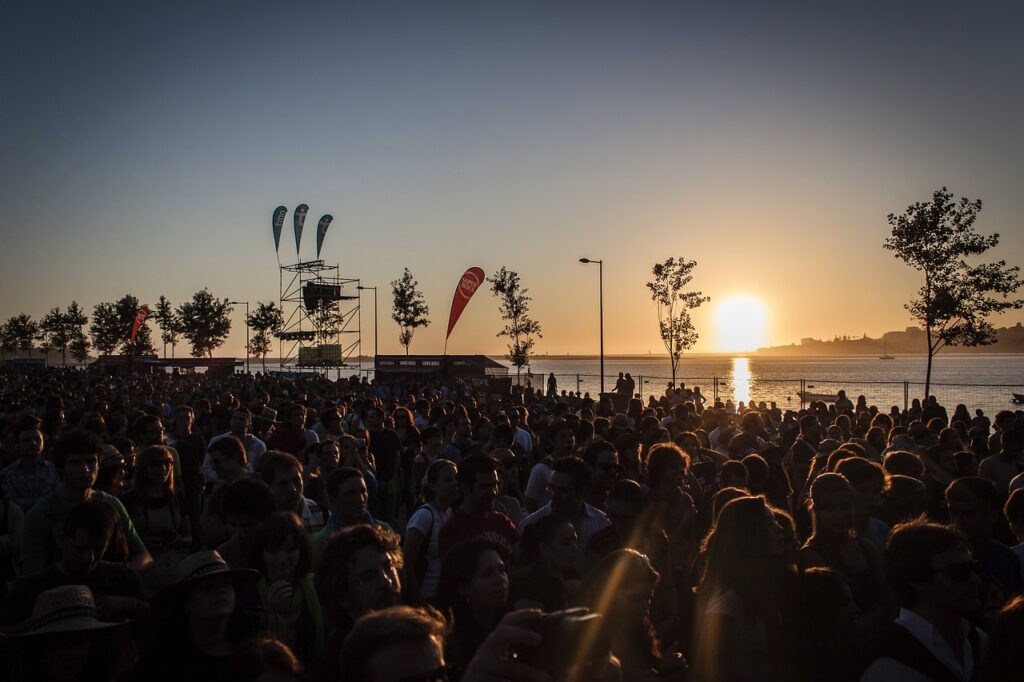
EDP Cool Jazz in Cascais attracts a loyal following with jazz artists from around the world, such as John Legend and Herbie Hancock.
Festa dos Tabuleiros, Tomar. During the first two weeks of July, girls parade through the streets of Tomar with piles of bread on their heads as part of the ancient Festa dos Tabuleiros (Festival of Trays). This event, also known as Festa do Divino Espirito Santo (Feast of the Holy Spirit), is the largest and most spectacular procession of Tomar. However, this happens only every four years. People are walking in pairs with girls wearing tabluleiro, a headdress made of bread stacked in rows, decorated with flowers and topped with a crown and a dove or a celestial ball. Along with the main parade, there are other traditional processions.
August
In August, Portugal hosts several music festivals, as well as traditional religious festivals.
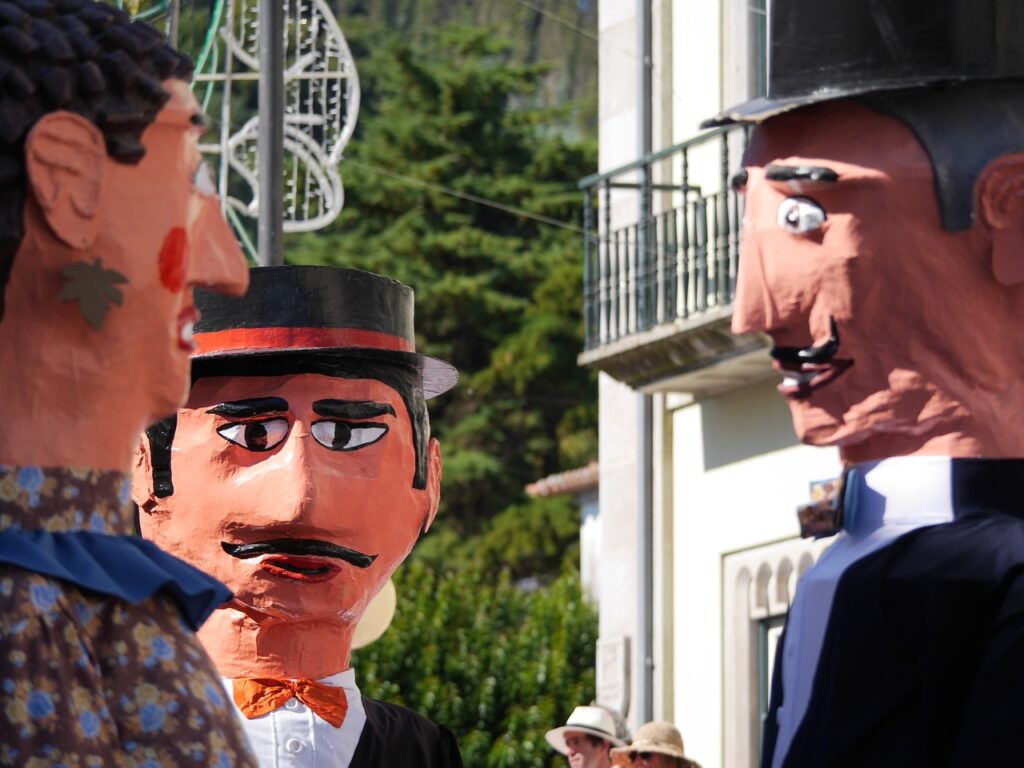
Romaria da Nossa Senhora da Agonía (Our Lady of Sorrows), held in Viana do Castelo around August 20, includes an impressive parade of floats, local craft displays, carnival giants (gigatons), local music, nightly fireworks and plenty of drinking.
The Festival dos Oceanos, held periodically in Lisbon‘s Parque das Nações, celebrates the city’s ties to the open sea with boat races and numerous special events.
The Sea Week festival in Orta on the island of Fajal in the Azores is a 7-day festival of nautical sports and traditional whaleboat regattas held in the middle of the month.
Festa Nossa Senhora da Orada takes place on August 14 in Albufeira, when the image of the Virgin Mary and the baby Jesus is paraded through the city and transported by boat.
Festival Sudoeste is a 5-day festival of rock, indie and electronic music in Zambujeira do Mar, featuring performers from Portugal and abroad.
Festa do Nossa Senhora da Boa Viagem in Peniche with land and sea processions.
The hilltop city of Viseu is located near the Spanish border and has one of the best-preserved fortifications in Europe. Viseu is also home to the longest festival procession in southern Portugal. Feira de São Mateus is a series of celebrations in honor of St. Matthew.
September
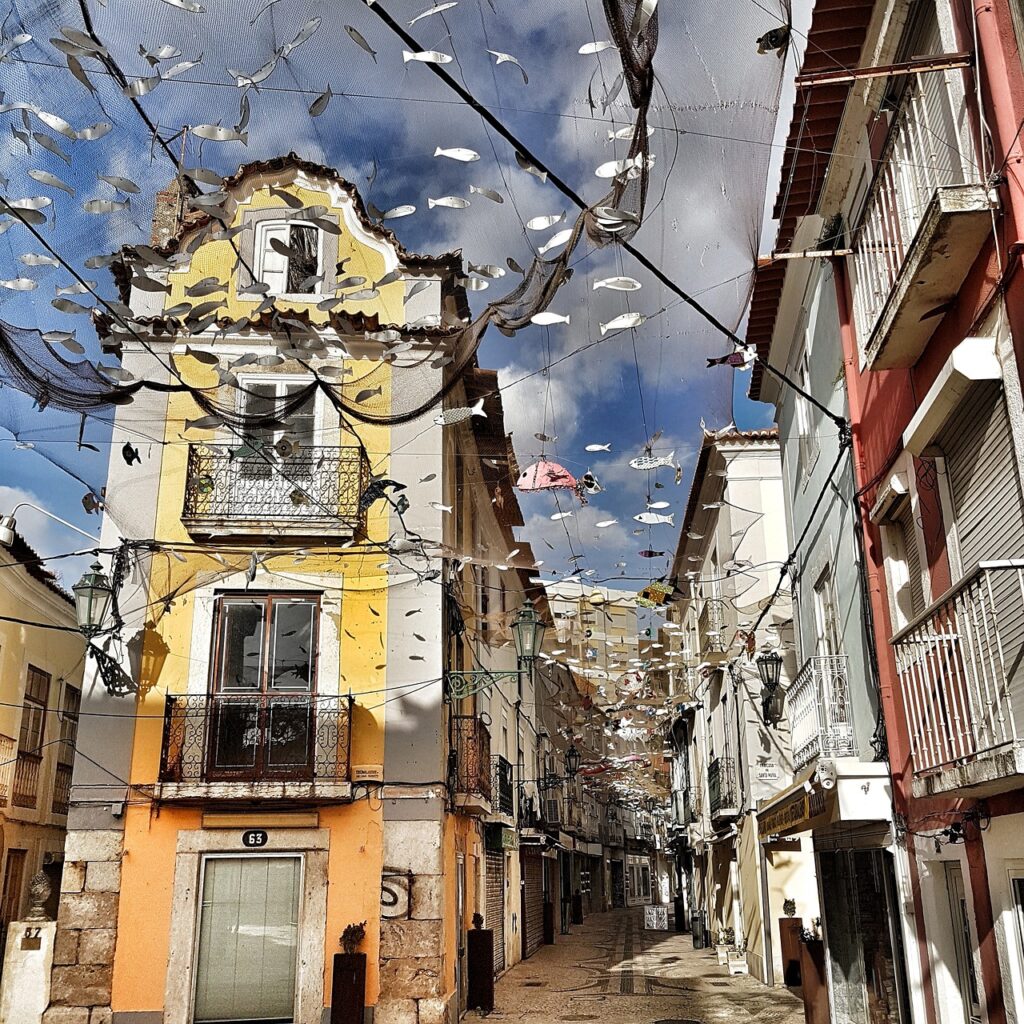
In early autumn (from August 31 to September 17) there is Wine festival takes place on Madeira. The festival lasts for a week, with concerts in the vineyards, wine tasting – Port and Madeira – and, of course, delicious food. During the festival, many activities take place as locals and tourists mingle in a wonderful celebration of the island’s famous and precious wine! Remember, Madeira is an island called Vino, and Vino is an island.
On September 8-17, Nazare will host the Festival of Our Lady ofNazare (Nossa Senhora da Nazare Romaria). The procession will take place in the old city of Nazareth – City on September 8. And then the city will be entertained by concerts, folk dances, bullfights, and fairs.
The Festas do Sao Paio festival in early September in Aveiro includes traditional boat races resembling Venetian gondolas in the northern lagoon.
On the first Sunday of the month, Tomar Nossa Senhora de Piedade hosts a candlelit procession of floats decorated with candles.
NoiteBrancaBraga (White Night Braga), where people dress in white clothes and party until dawn in the first week of September. The festival includes pop concerts, a modern circus, performances, street food, and special exhibitions. For more information, visit: noitebrancabraga.com.
October

Feira de Santa Iria in Faro is the city’s largest traditional holiday, held in the middle of the month.
Lagos celebrates its connection to Portugal’s maritime past with the Festa dos Descobrimentos (Festival of Discovery). The celebration of the city’s maritime history with processions in period costumes through the streets.
Late October – early November National Gastronomic Festival in Santarena. The festival was first held in 1980, and each day of the event is dedicated to the region and its food culture.
The da Francesinha Festival in Porto pays tribute to the city’s signature dish, Francesinha, a dish of bread, fried steak, ham and cheese in a beer and tomato sauce, often topped with a fried egg.
November
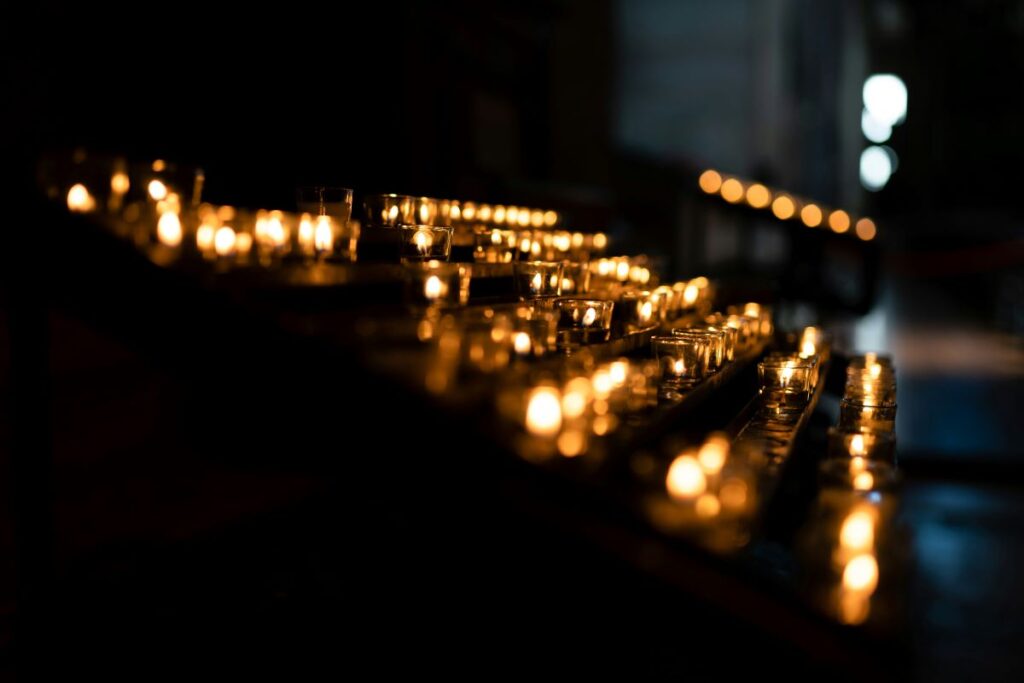
All Saints ‘ Day is a national holiday and is often celebrated with processions in various towns and villages across the country on November 1.
São Martinho – St. Martin’s Day is celebrated on November 11. St. Martin was a Roman soldier who cut his cloak in half to give it to a beggar to keep him warm. Then the sun came out to warm him. That’s why warm winter days in early November are called the Martyn Summer. It is then that chestnuts begin to ripen and the first wine of the season is ready to drink. The Portuguese celebrate this time, called Magusto, with bonfires and parties, an abundance of chestnuts and chestnut dishes. And also água-pé, a weak wine made from diluted lees. The most traditional festivals for St. Martin’s Day in Portugal are held in the northern part of Tras dos Montes, Beira Baixa (especially Alcáin), Golega and Penafiel. There it is accompanied by bullfights and horse parades.
In November, Golega also hosts the Feira Nacional do Cavalo, the National Horse Fair. Golega is the horse capital of Portugal. Traditionally, people would come to St. Martin’s Day (November 11). Thousands of visitors come to the two-week long Feira Nacional do Cavalo. They celebrate Portugal’s Lusitano breed at one of the country’s most famous horse-related festivals. They hold competitions, taste food and drink a lot of wine.
The Porto Marathon takes place in November, starting and ending in the Sidade do Porto Park.
December
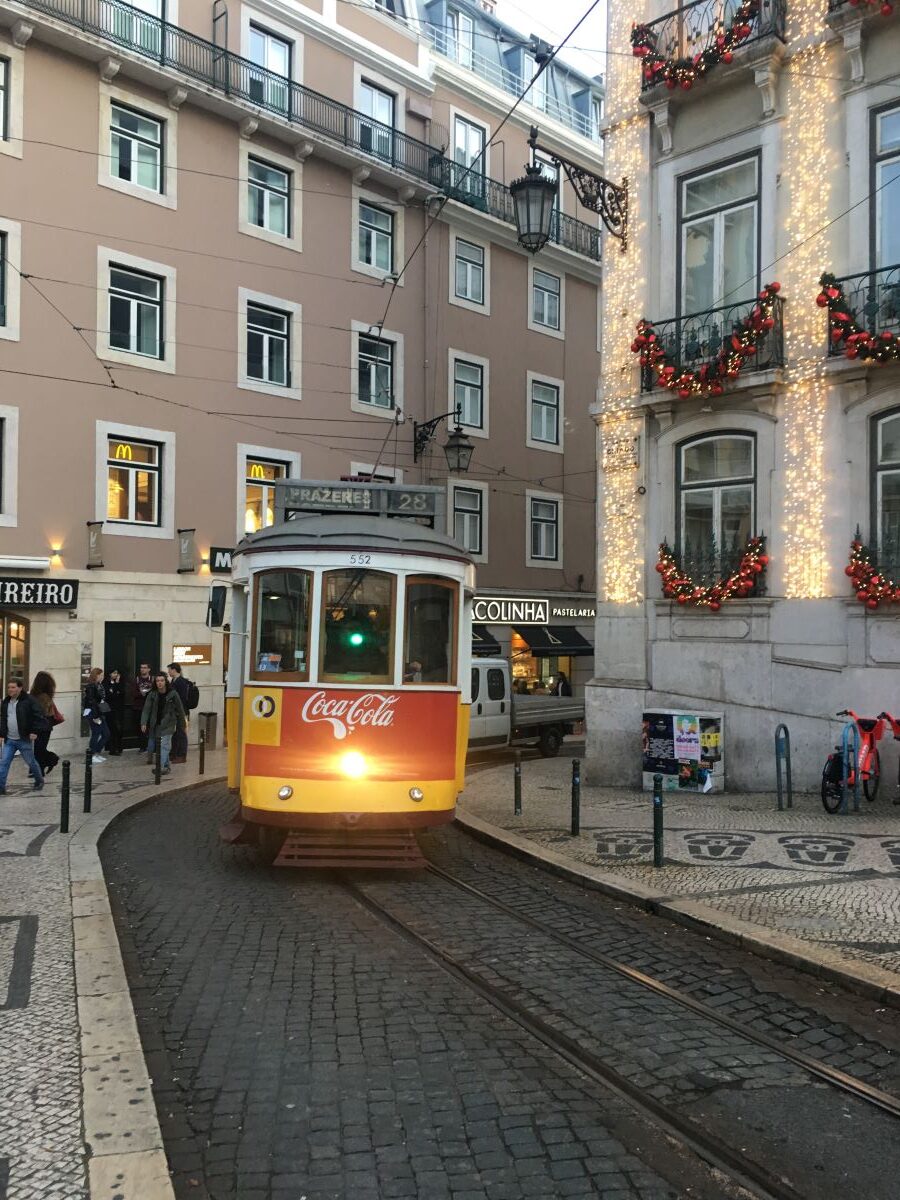
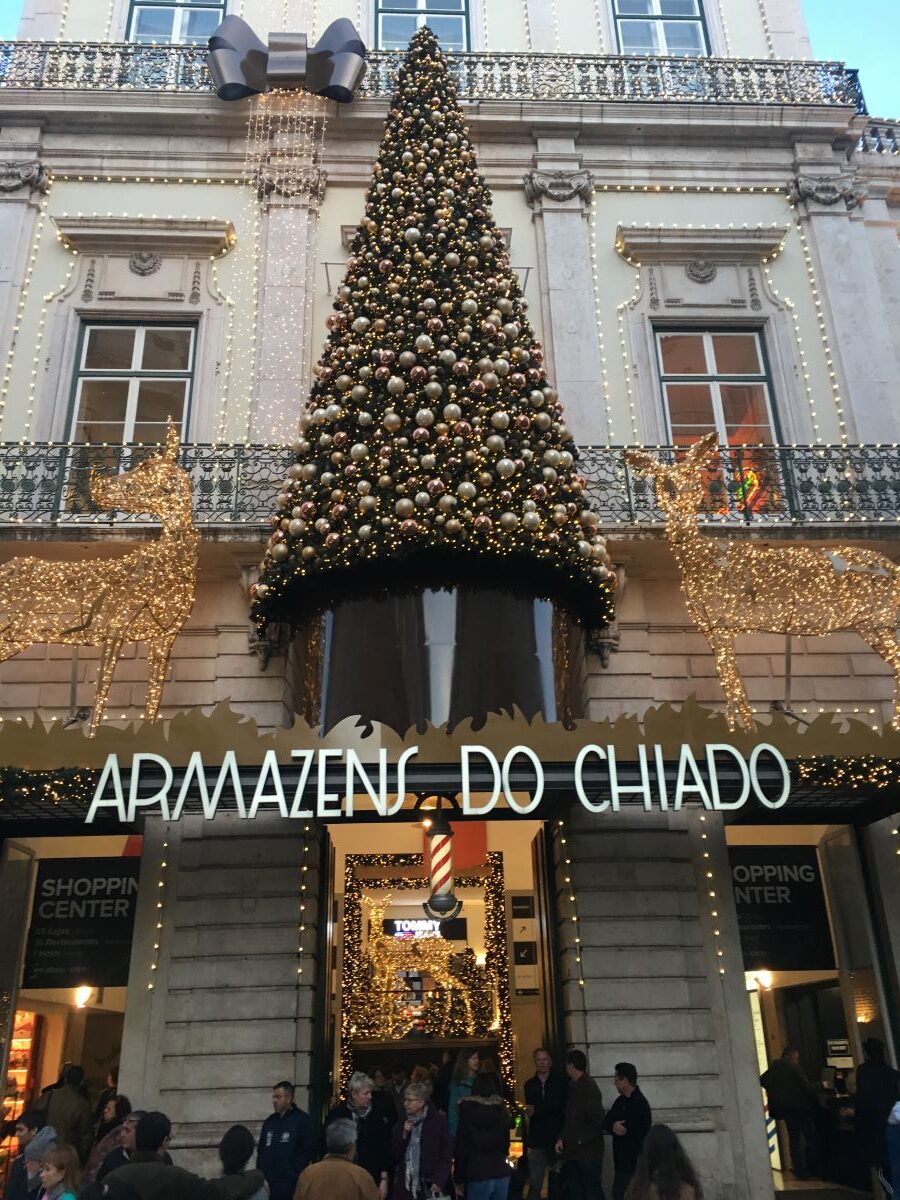
Portugal ‘s Independence Day is a public holiday on December 1, usually celebrated with fireworks and fun parties.
Dia do Natal (Christmas) on December 25 is a family holiday with the tradition of burning a Christmas oak log to ensure good luck in the coming year.
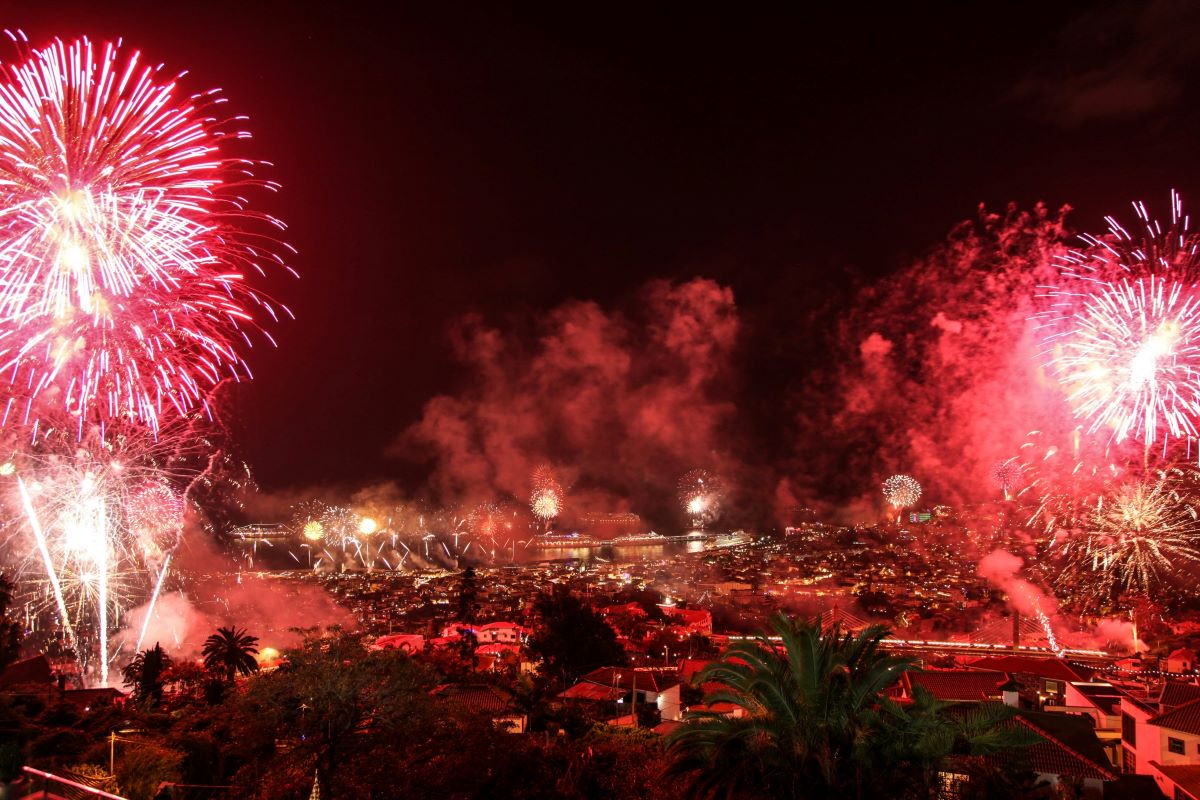
Vespera de Ano Novo (New Year’s Eve) is celebrated across the country with fireworks, music, and, as in Spain, the eating of 12 grapes when the clock strikes midnight. The famous Lisbon party is held near the tower in Belém.
The Festa dos Rapazes (Boys’ Festival) is now a rite of passage for teenage boys who wear rattles and a pig’s bladder as a symbol of supposed fertility. These pagan festivals were incorporated into Christianity, becoming carnival celebrations in much of Southern Europe. The festival takes place in several villages of the Bragança district in the Três dos Montes region in northeastern Portugal from December 24 to 26. Participants wear traditional costumes and elegant folk masks of the area.
Useful articles and links:
- 10 tips for those traveling to Portugal for the first time
- Top 20 places to see in Lisbon
- Life hacks for finding tourist accommodation in Lisbon
- 10 destinations for a day trip from Lisbon
Find train tickets in Europe conveniently on Trainline
Booking of hotels and apartments – Booking.com