On my trip to Malta, I planned to spend two full days in Valletta. I was interested in exploring the capital, its surroundings, bays and harbors. I managed to visit the ancient capital of Malta, Mdina, and the modern city adjacent to it, Rabat. What natural sights did I manage to see near Valletta and how to get there.
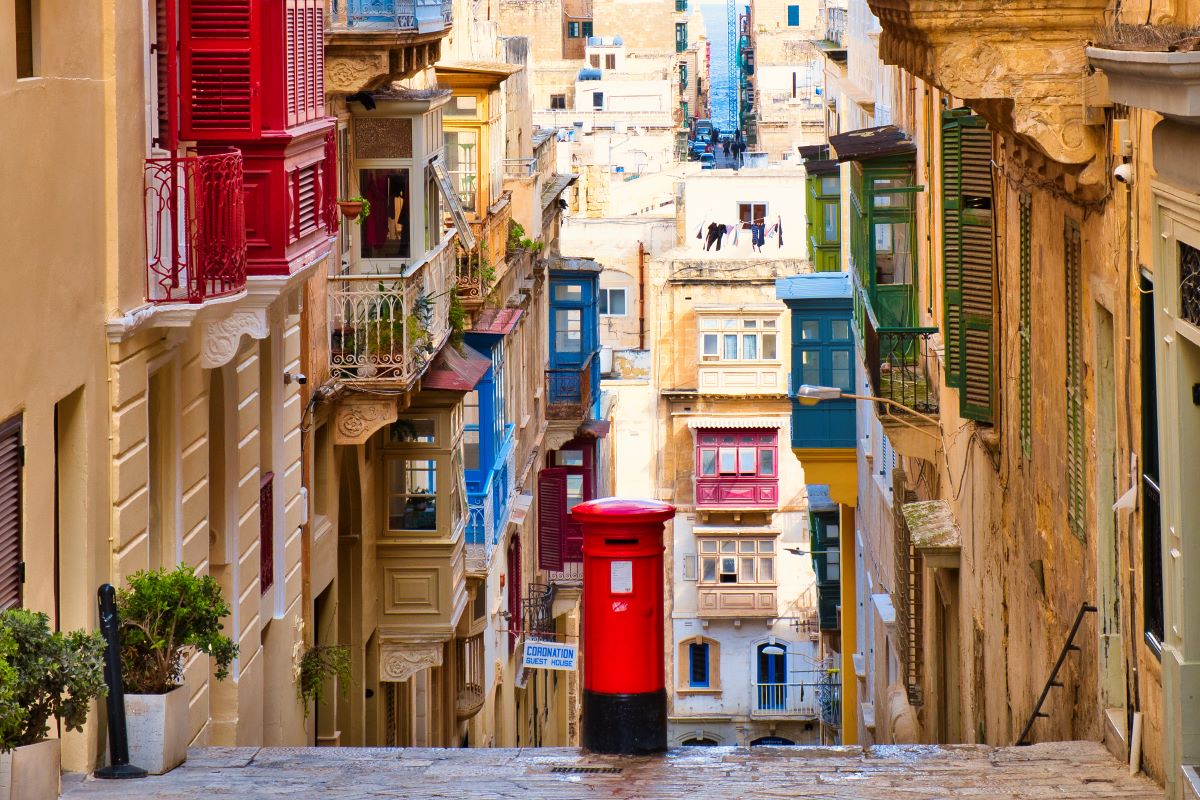
Malta literally breathes history; in every corner you can see, if not a fortress, then the remains of megalithic temples, forts or knightly palaces. The island of Malta is one of the most densely populated, with cities that have almost no borders, flowing seamlessly into each other. And Valletta is its capital. All Valletta houses are built of yellow limestone quarried on the island and decorated with traditional blue, green and red balconies.
It’s very beautiful here, you can feel the history, and I offer my own version of a trip to this city.
Valletta – what to do in the capital of Malta

Traditionally, exploring Malta begins with its capital, Valletta. It is located on the shore of a natural bay, which once became a refuge for the ships of the Phoenicians, Carthaginians, Arabs, Turks and Romans. Today, just like hundreds of years ago, Valletta is surrounded by a powerful fortress with magnificent views of the yellow city and the blue sea. I think this is the most beautiful combination of colors and textures that nature and human hands could create.
Valletta’s uniqueness lies in the fact that it is simultaneously the capital, the old port, and the fortress. It is a monument city that has survived to this day almost unchanged.
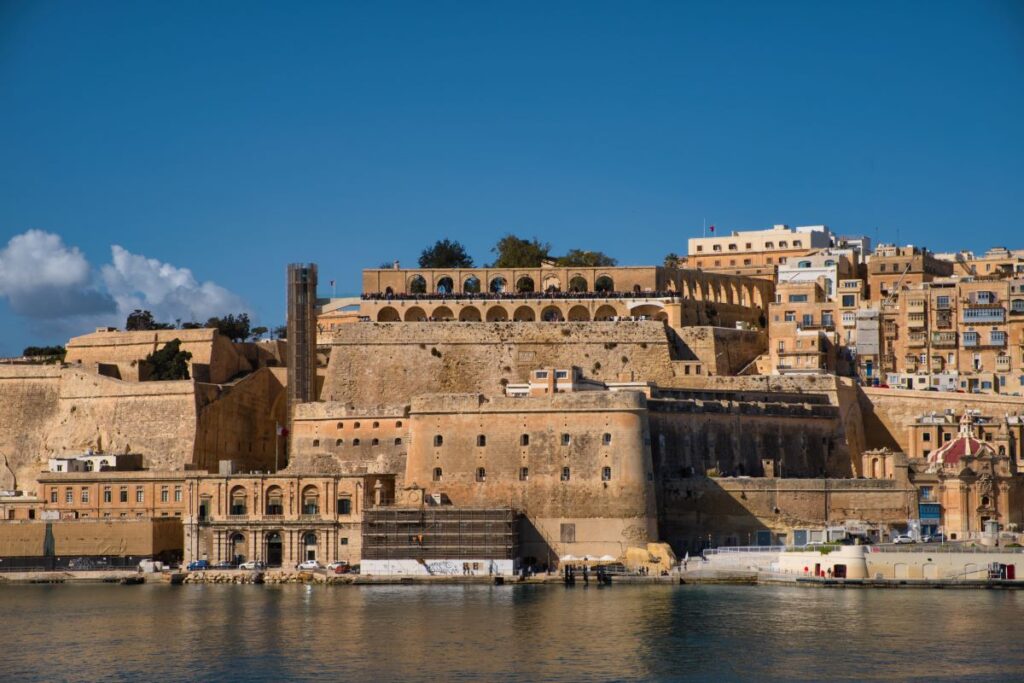
Valletta emerged at the end of the sixteenth century, after the victory over the Turks, whose siege was repelled by the Maltese Ionite knights under the command of Jean de la Valette. It was he who laid the foundation stone for the fortress. By the way, Valletta is the first city in Europe to be built in a thoughtful manner, according to pre-planned drawings. Thanks to the plan, the sea breeze penetrated all the streets of the city, creating an air-conditioning effect.
Walking the streets of Valletta
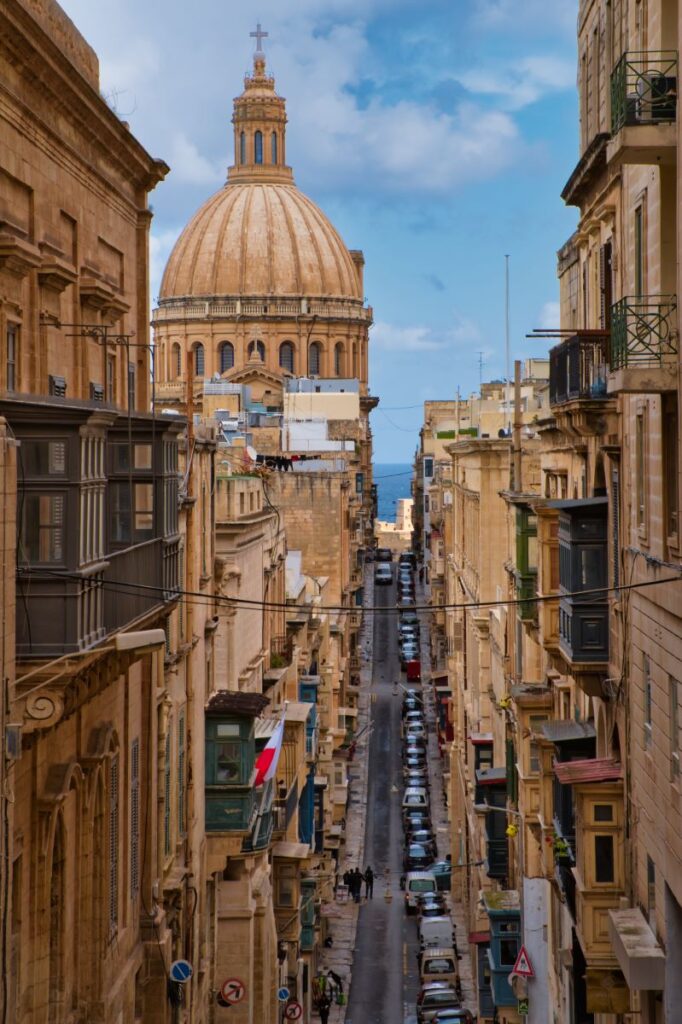
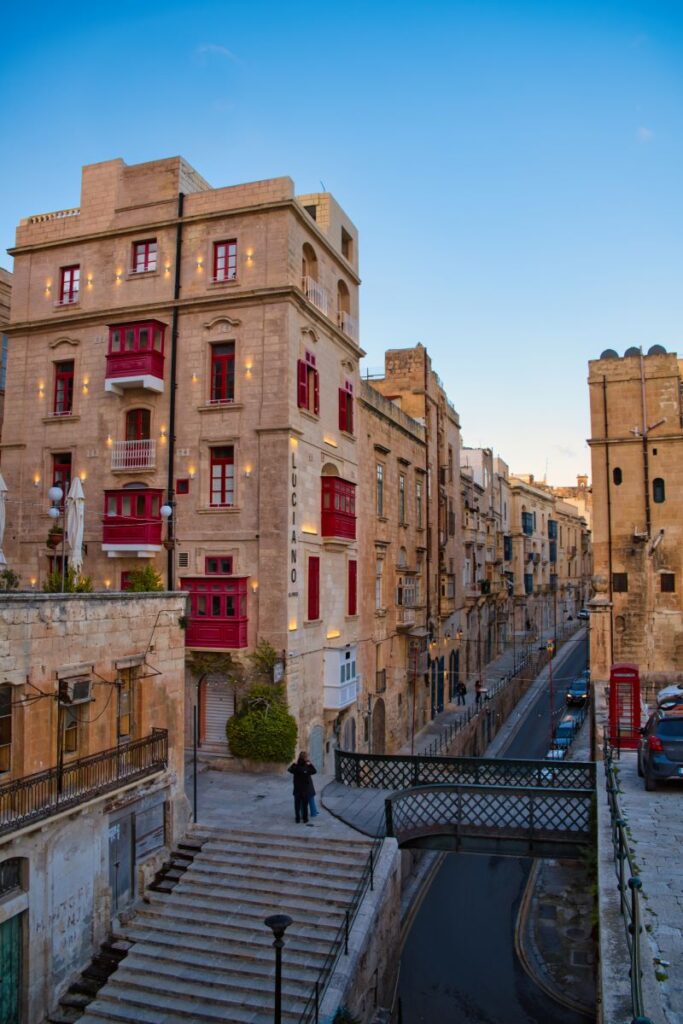
The stone silence of the narrow streets is diluted by an incredible number of cats – cats are a constant symbol of the city and Malta in general. They build houses for them, feed them, and even in many cities there are separate road signs: ‘Be careful, cats walk here!
Noisy, full of tourists, smiles, conversations, it starts from the main gate and divides the city in half. There are many shops and souvenir shops on the street, as well as attractions such as palaces, a library, and mansions.
- Strict and restrained Palace of the Grand Master,
- The elegant palace of Casa Rocca Piccola,
- Valletta‘s huge library.
- The Royal Opera House is an open-air theater that was destroyed during World War II. It is located right after the main gate.
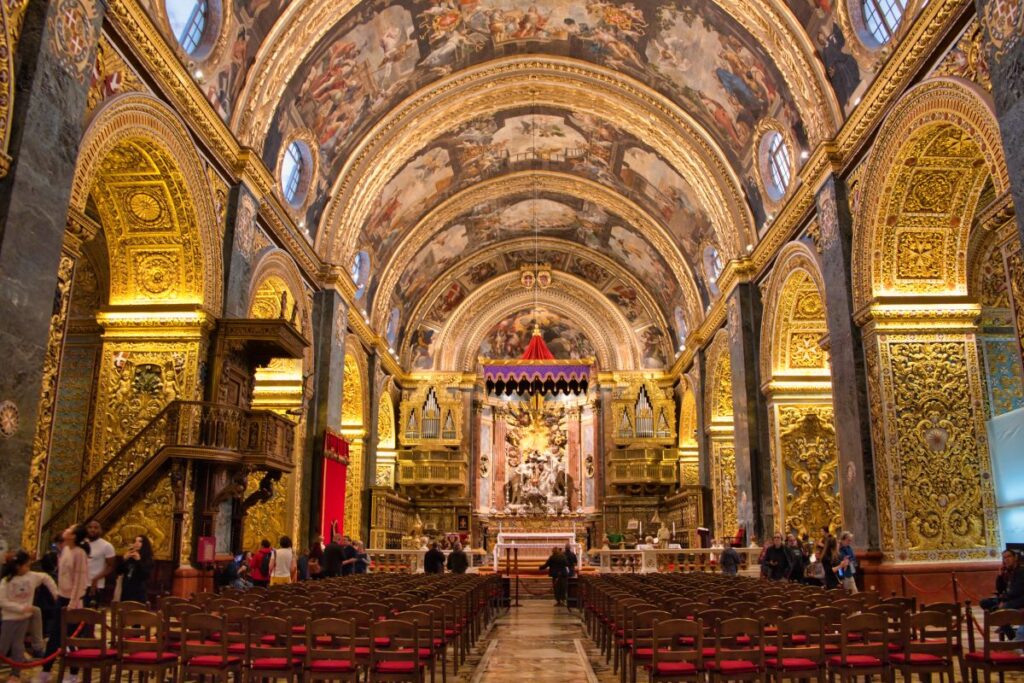
The main Street of the Republic leads from the Main Gate, dividing the city in half, and is a good place to start exploring the capital of Malta. There’s plenty to stop at along the way – palaces and cathedrals literally surround you from all sides:
In Valletta, you just want to get lost in the alleys, looking at the colorful balconies. Each house is decorated with religious themes on the corners. And this is not without reason – such jewelry appeared in Valletta according to the decree of the Knights of Malta. Later, balconies became a decoration, especially during the spread of the Baroque style.
Tip: Walking around Valletta is a pleasure, but don’t forget to wear a hat! Even in the spring, the daytime sun burns my head. And use SPF cream, because even with it, I managed to fry my face even in February.
Viewpoints of Valletta
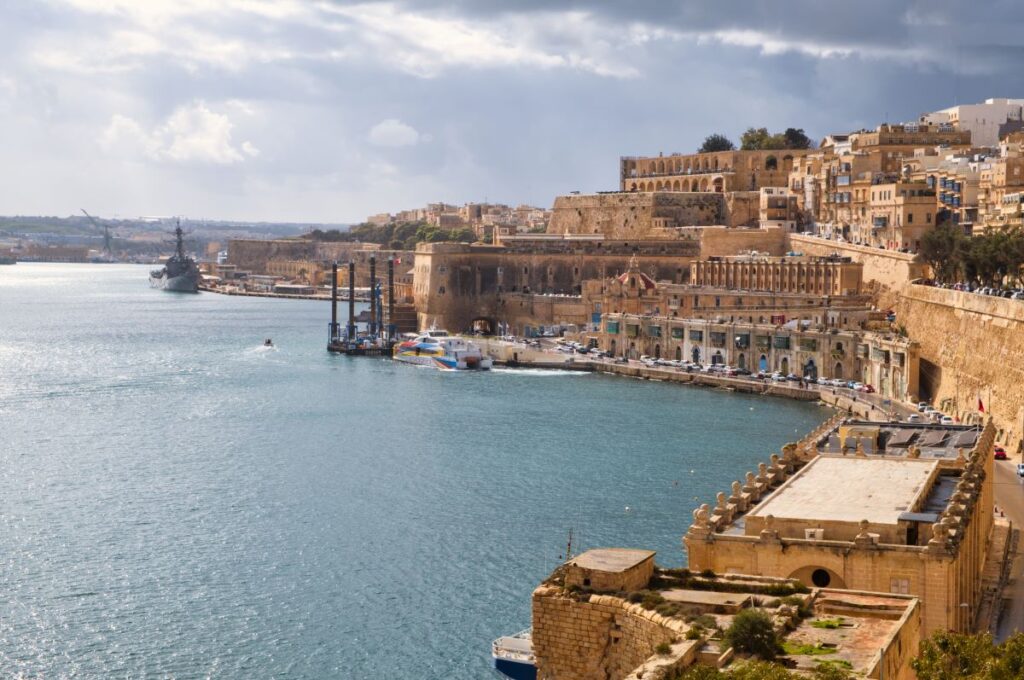
Valletta is located on the cliffs above the Grand Bay and Marsamchette Bay, which wash the city from different sides. The Big Bay – on the opposite side of which is the so-called Tree City, and on the side of Marsamchett Bay – the island of Manoel and the modern city of Sliema.
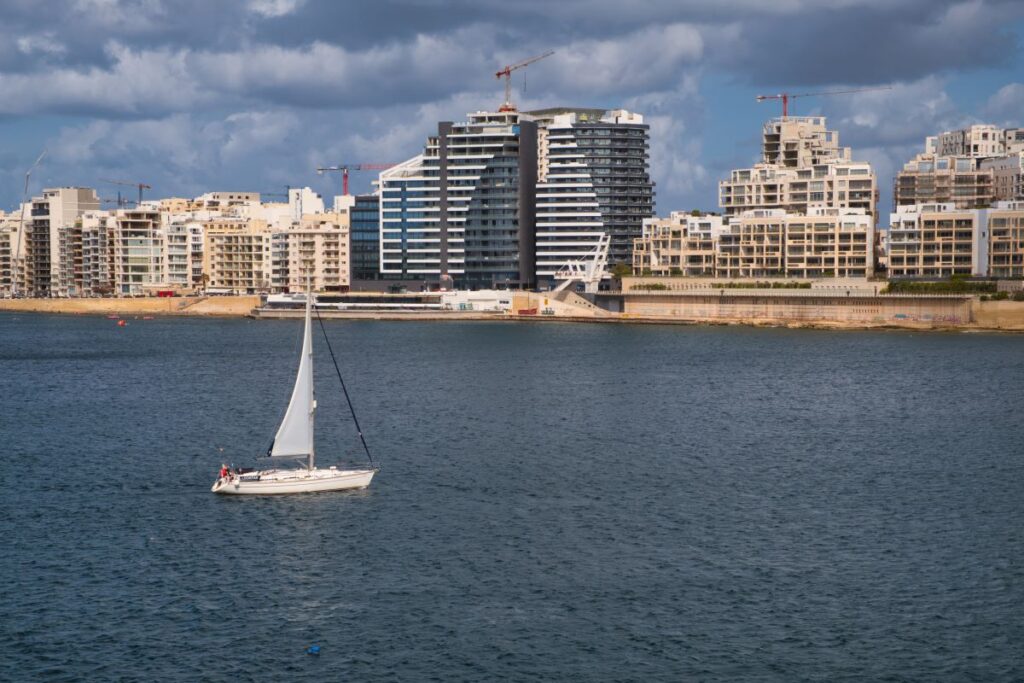
So, to see everything around you, I advise you to continue exploring Valletta from its observation decks. Upper Barraca Gardens – from here you can see Fort St. Angelo and the port of Valletta, located on the opposite side. These gardens are free of charge because they ceased to be only the private possessions of Italian knights and opened for public use in 1824. The panorama of the city that opens from this place is undoubtedly impressive!
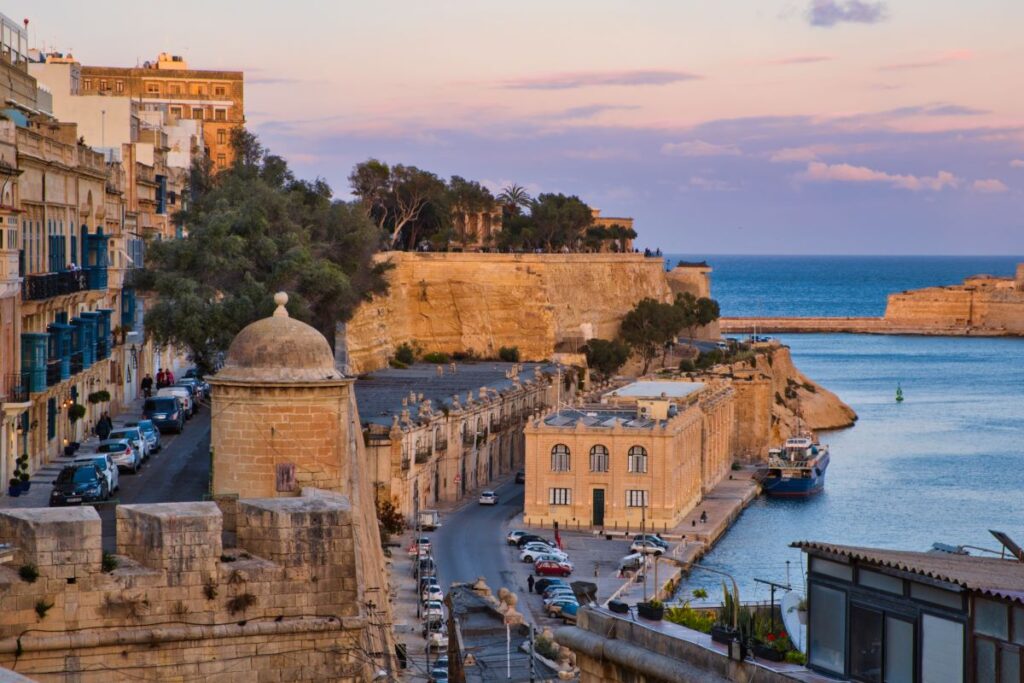
There are also the Lower Gardens, which overlook the lighthouse and the exit from the bay to the sea, the Inquisitor‘s Palace. Since there are practically no trees in Malta, the gardens are an oasis of greenery in the midst of a stone city. There is also a small park, Hastings Garden Malta, located near the main gate. The ramparts and walls of the old Valletta are clearly visible from it.
I found it by accident because I lived nearby. This is a Lookout point in a regular parking lot located behind Hastings Garden Malta (here are the coordinates – 35°53’56.2 “N 14°30’24.8 “E). It offers a view of Valletta like on many postcards. I advise you to come here after sunset, during the golden hour.
The Tree Cities – sail to the other side of the Big Bay
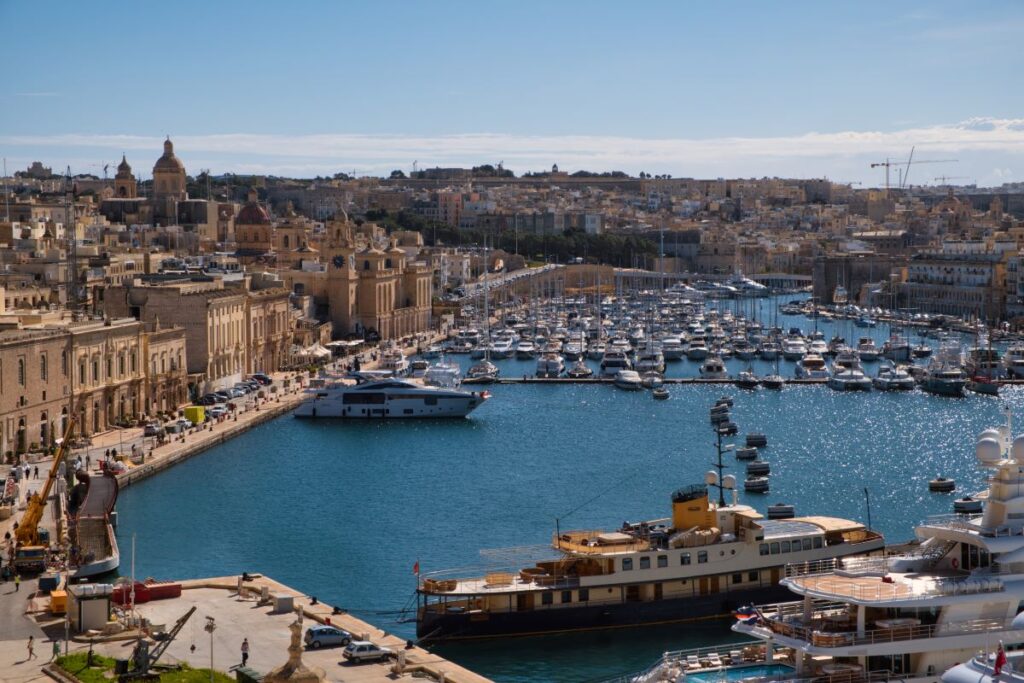
Three ancient cities are located on the opposite side of the Big Bay:Vittoriosa, Senglea and Cospicua. These fortified cities surrounded by fortress walls are full of culture, history, and architecture. Everyone will find something interesting in Malta’s three cities.
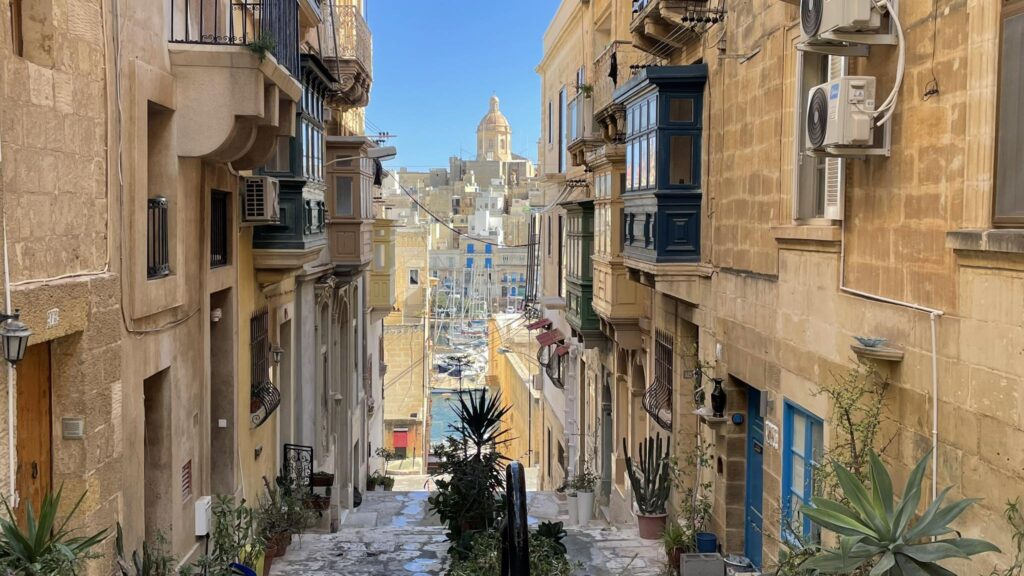
The trip to the tri-city is worth it. They are picturesque and full of history. It is a fascinating place to explore the history and culture of Malta. Unlike other tourist areas of Malta, the Three Cities retain their authentic atmosphere. The spirit of the “old days” is still present, and it has hardly been touched by modern life.
By the way, don’t be surprised if instead of Vittoriosa you see an older name – Birga. After the renaming, the locals continue to call it Birgu, and even on buses you will see this name on the destination board.
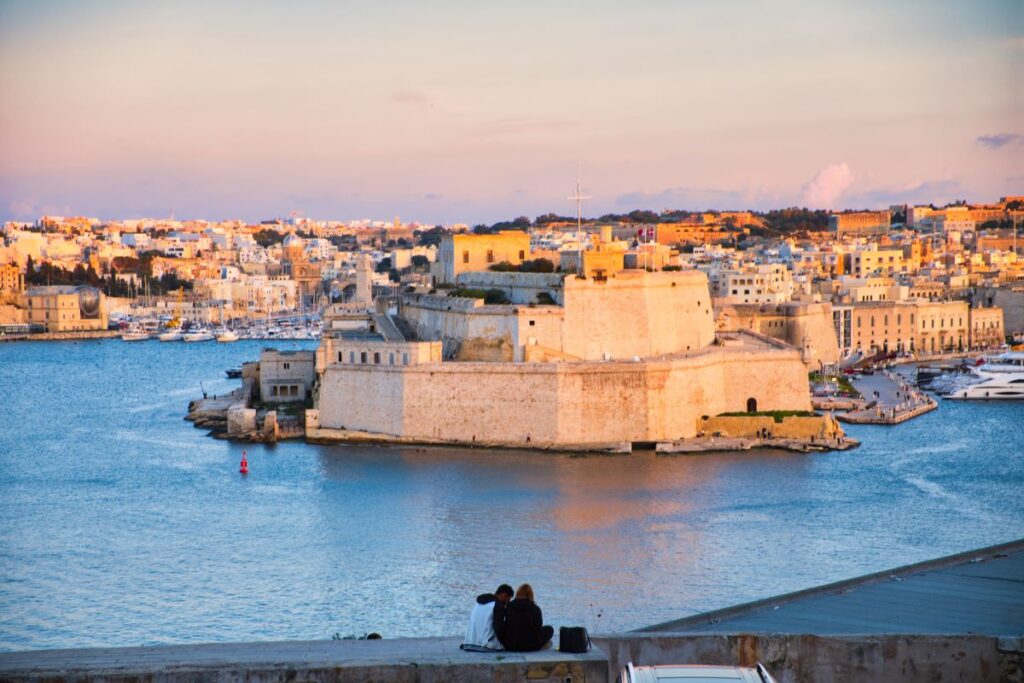
I had time to walk around the yacht marina and the narrow streets of Birgu, visited Fort Sant’Angelo and even before entering it saw a sign Camino de Santiago. Fort Sant’Angelo, located opposite Valletta, is a refuge of the Order of Malta, inside which is a museum for historical information devourers.
If you’re not really interested in museums, dive right into the streets of Birha to observe the life of the locals and listen to the roll call of bells from ancient churches. You can walk around two rows of fortress walls for free, from where you can see Valletta from this bank.
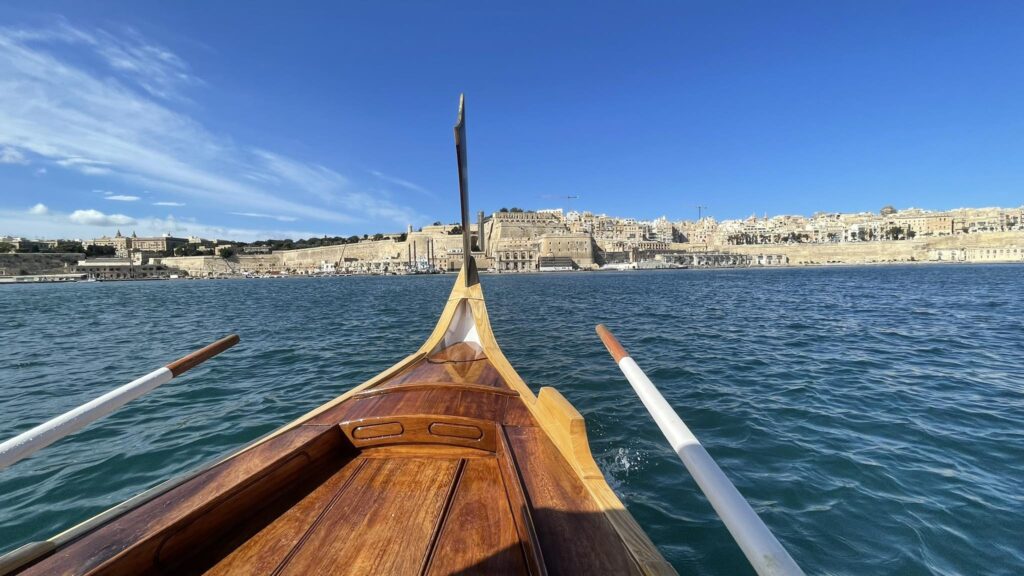
You can sail to the Three Cities by ferry (costs 2 euros one way), or by an old boat dgħajsa – in Birgu it is docked near the Malta Maritime Museum. The price of the boat dgħajsa is the same – 2 euros, but the experience is much more.
Interesting excursions in Valletta
Walking around the city is very interesting, but I like to go on an interesting or spontaneous excursion. In this way, you can see something special, something that is not written about in guidebooks.
Well, first of all, if you don’t know anything about Valletta at all, I always recommend English-language free walking tours. In two hours, you will see the most interesting places and hear the most interesting stories. Free of charge, but it is advisable to pay a donation of at least 5 euros.
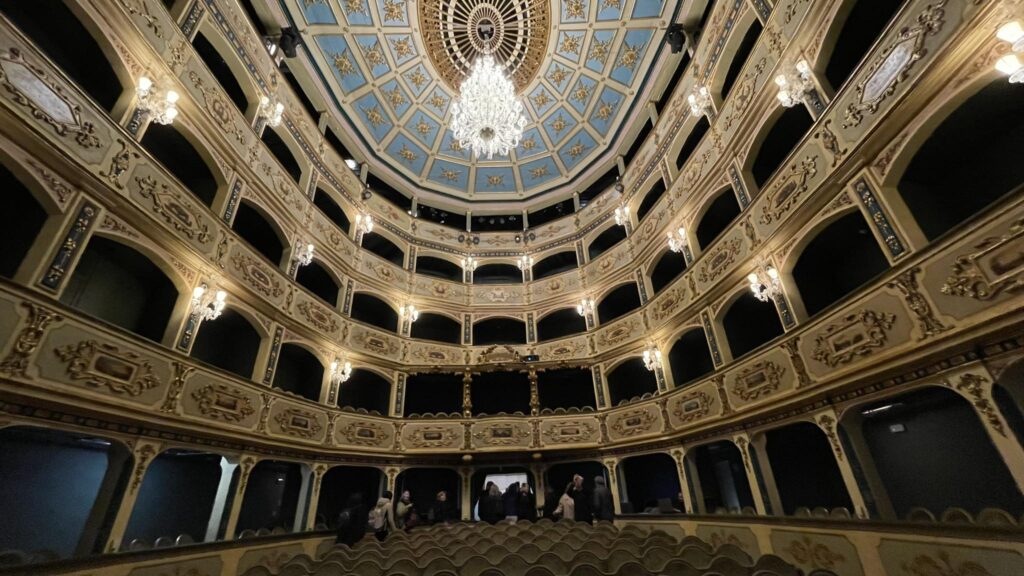
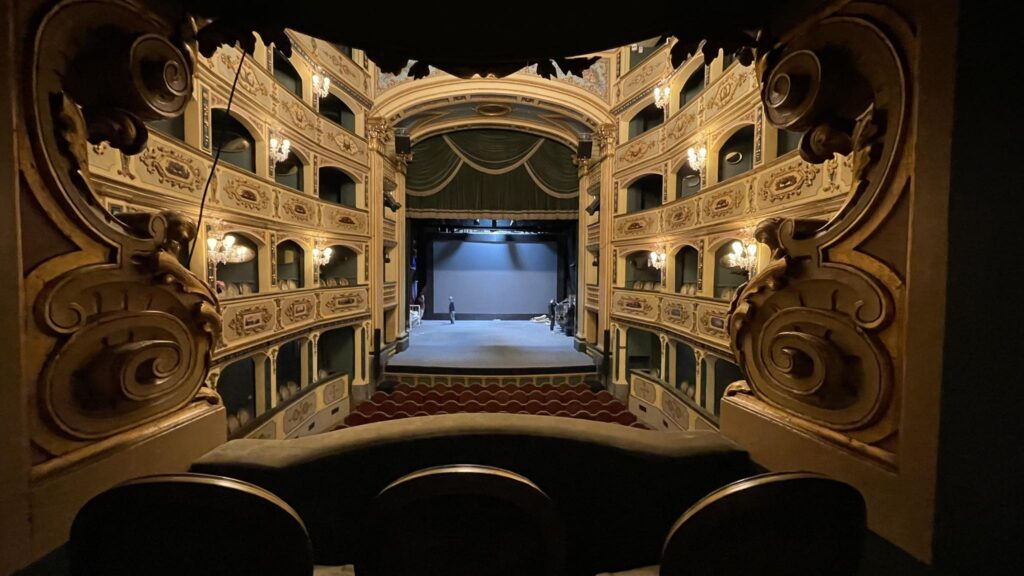
This time, for the same 5 euros, I chose a tour of one of the oldest theaters in Europe, located in Valletta. This is the Teatro Manoel, which was built in 1732, reconstructed many times, and now it looks very beautiful. They told us his story, showed us the hall and the boxes, and I even visited the presidential box, which has the best view of the theater stage.
I advise you to read it: Excursion – Behind the scenes of the Odesa Opera
By the way, near the theater there is the same cathedral that appears in almost every photo of Valletta – Bażilika Santwarju tal-Madonna tal-Karmnu. The entrance is free – the inside of the basilica is no less impressive than the outside, so I recommend visiting!
Three years ago, the Underground Valletta excursions appeared in Valletta, located in the tunnels of the Maltese capital.
The dungeons in Valletta were used as far back as the time of the knights – the inhabitants hid there during enemy attacks. In peacetime, some of the premises were used as warehouses to store water and grain. In addition, the tunnels were actively used in the Second World War as bomb shelters. Now the museum tells about these two periods. Tours are held every Monday, Wednesday and Sunday four times a day – prices and tickets can be found on the museum’s website.
Where to stay in Valletta
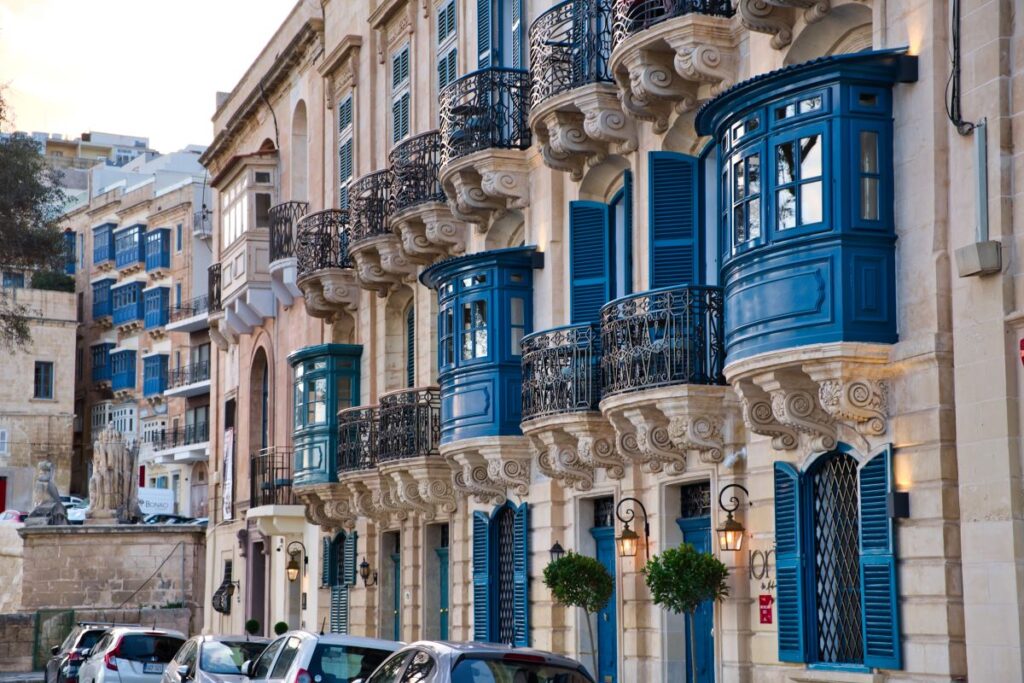
There is a large selection of hotels and facilities here – prices are slightly higher compared to other cities on the island. But you will be in the epicenter of events if you come, for example, to a festival or carnival, as was the case in my case.
I advise you to look at the following hotels located in the center of Valletta:
- Mandera’s Boutique Suites & Dorms≫ – is a nice hotel for adequate money – there are double rooms, a rooftop jacuzzi pool, located near the Upper Barrakka Gardens.
- Tritoni Harbour suites – Valletta≫ – apartment with a kitchen – small, but very clean and comfortable – for those who need to cook on their own.
- Jean de Valette Boutique Living≫ – studio apartments with a private balcony.
Cafes and restaurants in Valletta that I visited and recommend
If you’re looking for a place to have breakfast, lunch or dinner in Valletta, I recommend the following places that I visited while here.
Breakfasts
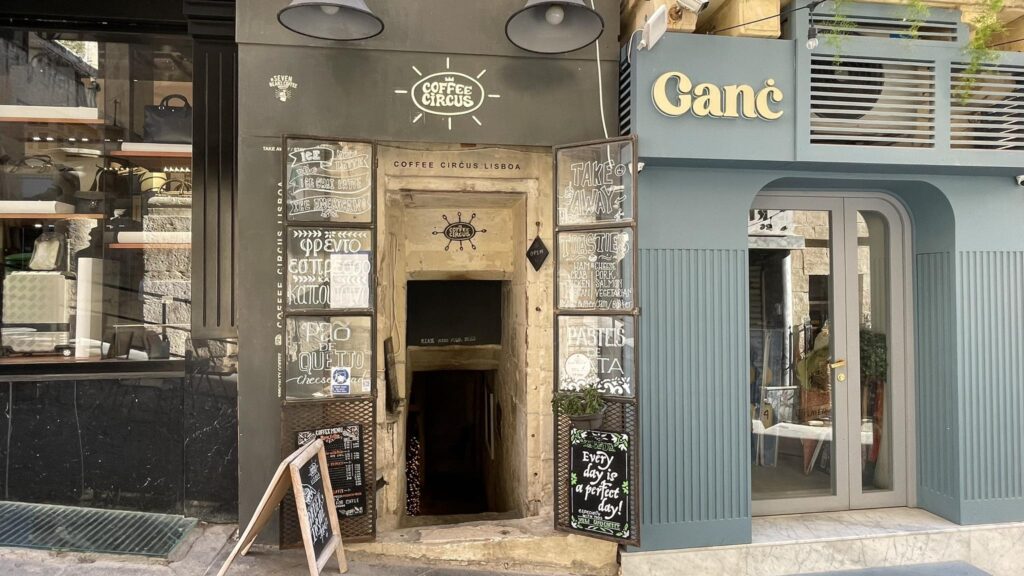
I’m not a big fan of hearty breakfasts, so I went to the following places for good coffee and pastries:
- Lot 61 Coffee Roasters (30 Old Theatre Street Valletta) – good coffee and delicious croissants. A cup of cappuccino costs 2.7 euros.
- Coffee Circus Lisboa (Basement, 106D Triq San Gwann, Il-Belt Valletta) is a Portuguese chain with 3 waves of coffee, traditional pate de nata, outdoor chairs overlooking the bay.
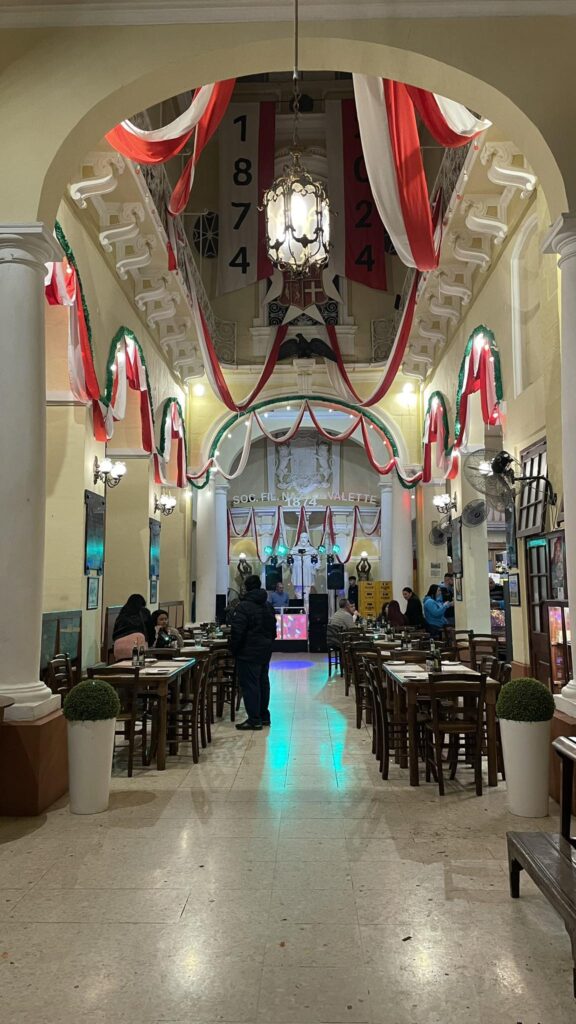
Breakfast in Malta is not necessarily an English classic – scrambled eggs with beans, bacon and sausages. However, the British presence on the islands has kept this tradition alive – English breakfast can be ordered in most establishments open in the morning. If that’s what you want, I advise you to go to a very authentic cafe – La Valette #297 Republic Street (VGW6+R6P, Republic St, Valletta) – an incredible place with a special atmosphere. The huge hall is decorated with Maltese flags, the bar and waiters are all men, the cuisine is delicious and inexpensive – they offer an English breakfast for 5 euros. Interestingly, sitting at the table you can watch local elderly men playing billiards.
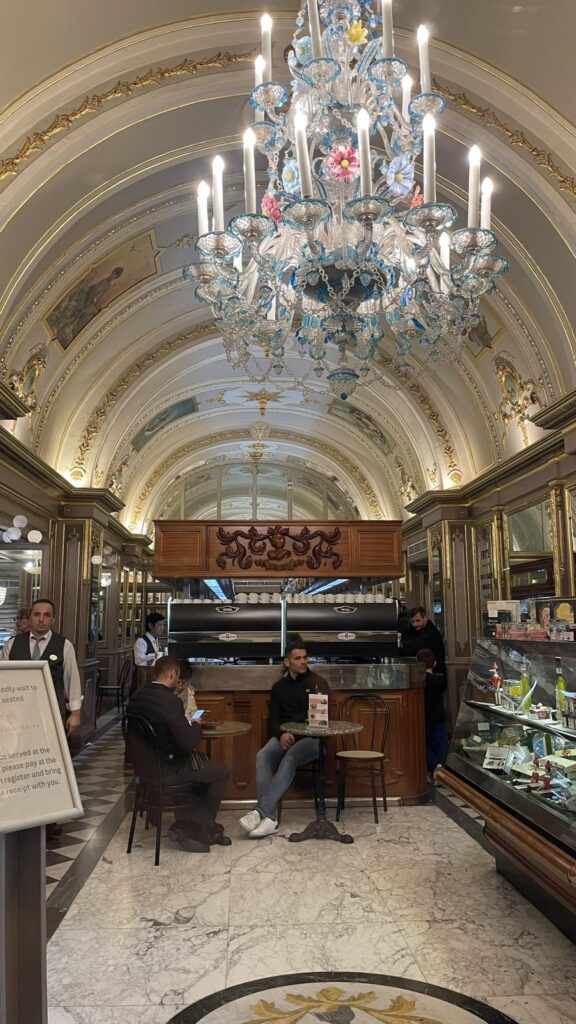
If you want to stay in an old interior and try a variety of cakes and sweets, visit Caffe Cordina. The coffee here is not very good, but the cakes are delicious.
Lunch
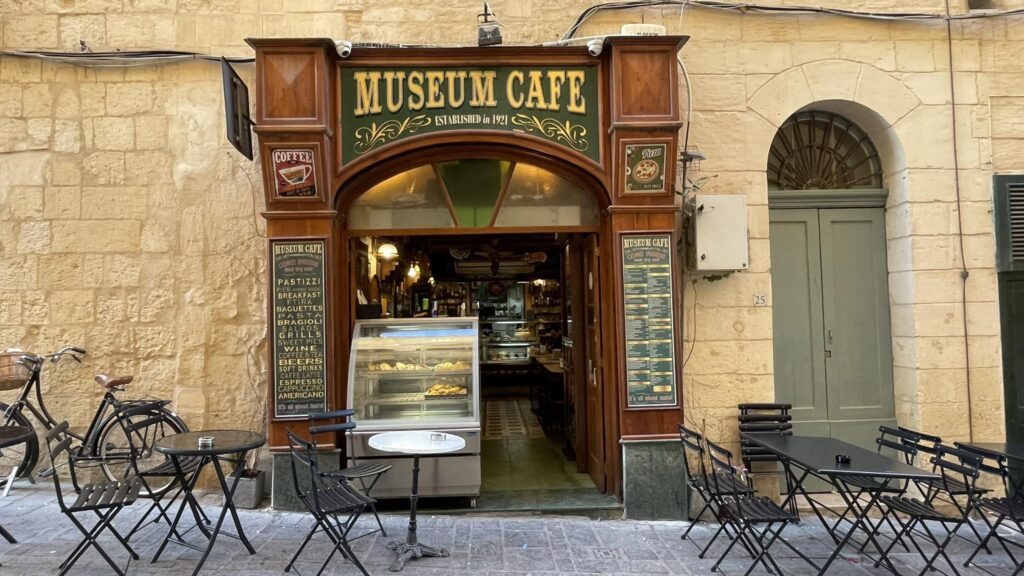
I really liked the Museum Cafe (Melita St., Valletta) – it’s more of a dining room, where all the dishes are simple and ready-made. But it’s atmospheric, cozy and cheap. Maltese pasta with bacon and mushrooms + a can of beer cost 10 euros.
In Valletta, you can also walk to the market. The building of the former Is-Suq market, located opposite the Grand Master’s Palace, now houses the Food Market. The old colonial-style building has a variety of food courts on the ground floor with cuisine from different countries and destinations. You can even taste Nepalese mo-mo here. there is a supermarket on the ground floor (if you need food to cook on your own), and chairs on the first floor – here you can sit and eat what you ordered at the market (by the way, if you need to go to the toilet, it is free at the market, on the second floor).
Dinner
For dinner, it is better to choose one of the Italian restaurants – there are many of them here. I liked Trattoria Romana Zero Sei (75 Old Theatre Street, Il-Belt Valletta). I ordered a classic carbonara – it was unsurpassed here!
I had delicious tuna at Valletta St. Paul’s AFT (VGX8+5X8, Lvant, Il-Belt Valletta) – it’s a small place, but the food is delicious. There is a selection of seafood, fish and Maltese stew with rabbit.
Beaches of Valletta
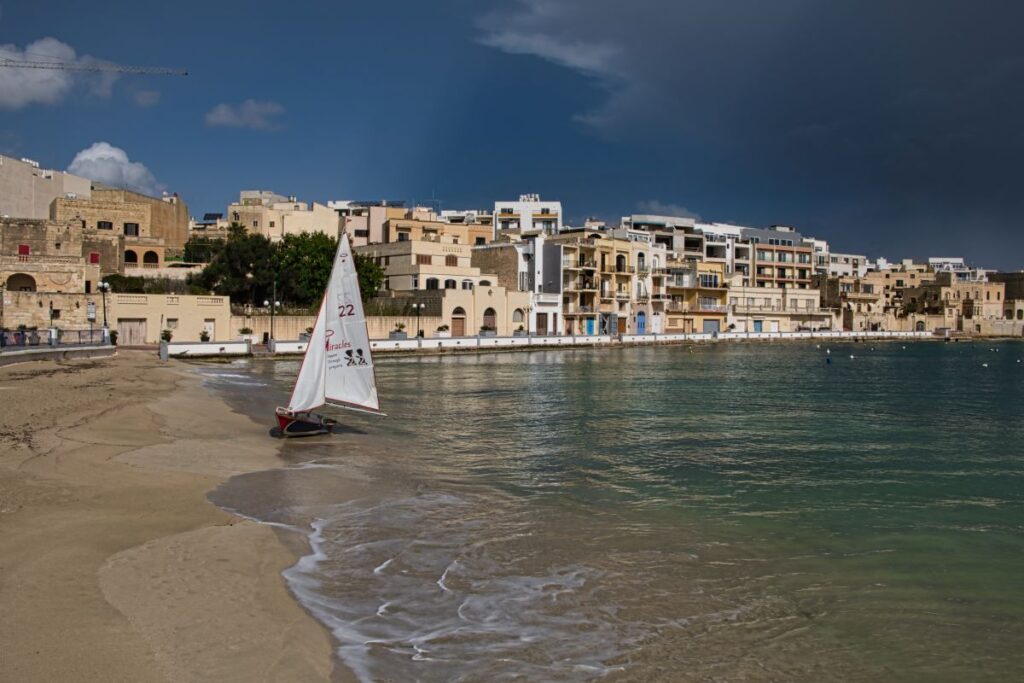
There are no beaches in Valletta. But in the summer, when it’s very hot and the sea warms up to +25-30 ℃, you can go swimming in any place where there is a descent to the water.
The nearest such descent is located on the cape – the stone beach Wuestenwinds beach. A very authentic place with boat houses and traditional blue Luzzu boats. There are handrails for descending to the water, and it is safe to swim here in calm weather without wind.
As for the nearest sandy beaches, they are located in the neighboring towns: the beach in St. Julian ‘s and the beach in Birżebbuġa. It can be reached by bus.
What to see outside Valletta
If you have extra time, I advise you to plan a trip to two or three places that are 30-40 minutes away from Valletta. These are the historic ancient Mdina, the famous fishing town of Marsashlokk and the Blue Grotto.
Mdina – the ancient capital of Malta

Mdina is the most popular day trip destination in Malta. In February, visitors are constantly moving around Mdina, but in general it is very calm. Entrance to the Mdina is free.
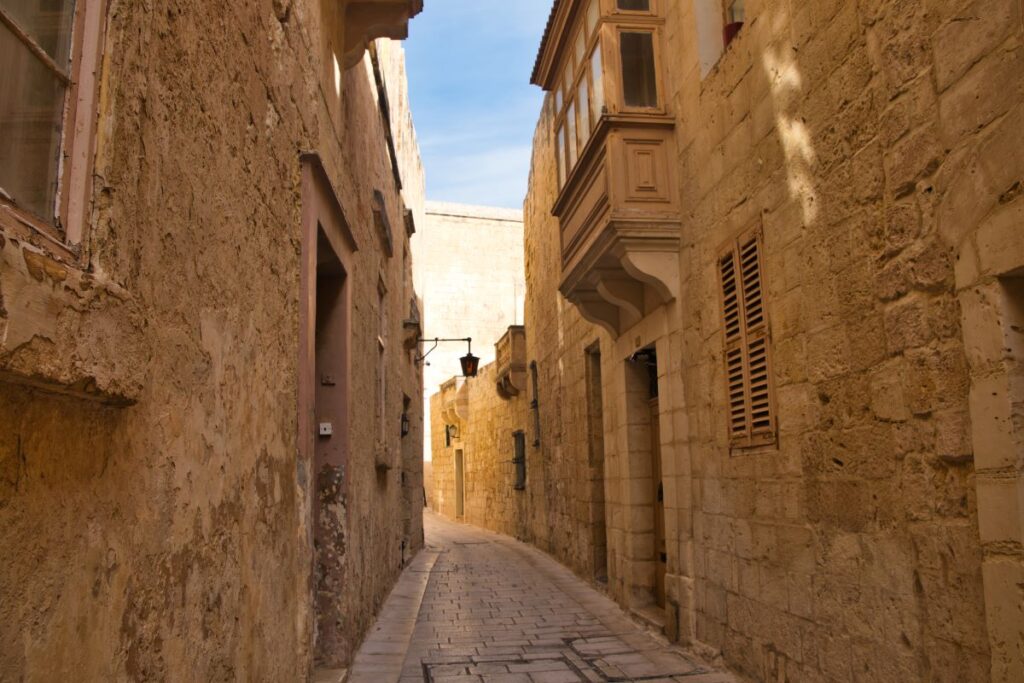
Mdina, the ancient capital of Malta, unlike Valletta, is located in the center of the island, on a small hill. Its history goes back a millennium, and its quiet streets remember the change of epochs and conquerors. The city is protected by the walls of its own fortress, which offers magnificent views of the surrounding area. Even those who have never been to Malta now know about the Main Gate. They were filmed in the Game of Thrones series – the main entrance to King’s Landing.
At first glance, Mdina may seem like a museum city. But this is a misleading impression – the Maltese still live in the mansions, hiding behind the coolness of the stone walls from the summer heat. The whole city is pedestrianized. Only residents of Mdina are allowed to drive and park within the city walls.
The Mdina Dungeon Museum and the National Museum of Natural History are located just behind the entrance. There is no right or wrong way to explore a city. Wind your way through the narrow, maze-like roads, admiring the high limestone walls, the incredible silence (this is truly a “Quiet City”) and various interesting places, including St. Paul’s Cathedral, St. Rock’s Chapel, and the historic Palazzo Felson building. St. Paul’s Cathedral stands out among other buildings, it is the main Maltese shrine.
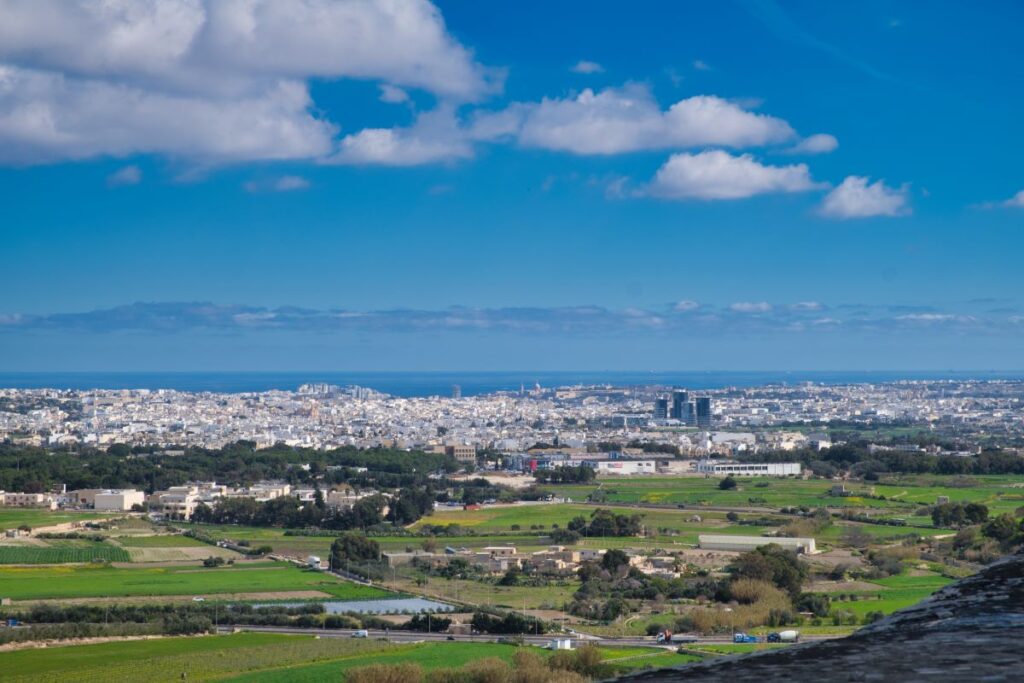
The city walls offer a magnificent view of the coast. From here you can see Valletta, St. Julian’s and other cities adjacent to Valletta.
Getting there from Valletta: buses #51, 52, 53
Rabat
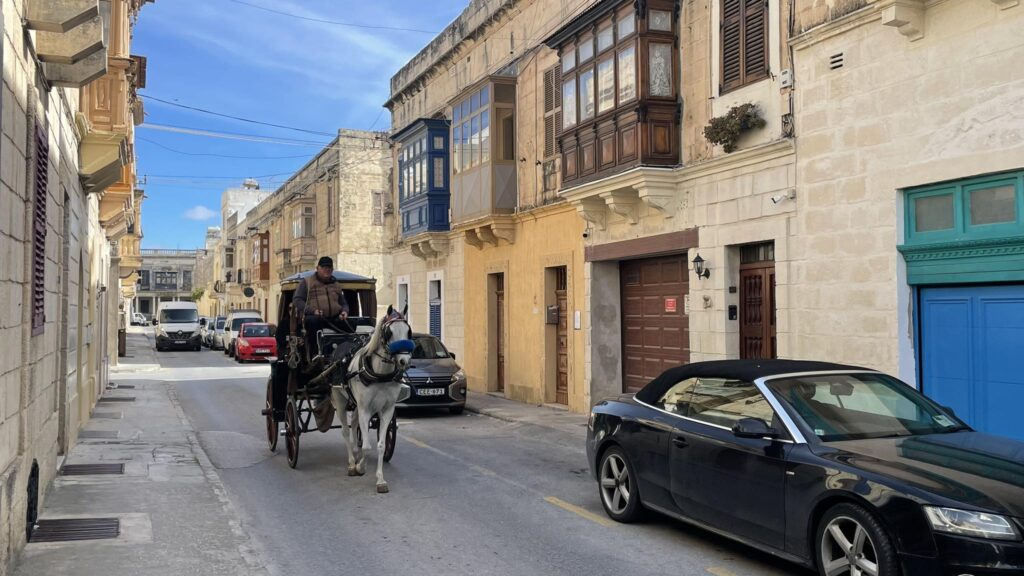
Rabat is a more modern city adjacent to Mdina, and there are interesting places to see here as well. First of all, it is the Catacombs of St. Paul. If you like mystical walks underground, this is the place for you.
The catacombs form a typical complex of interconnected underground Roman cemeteries that were used until the 7th and possibly the 8th centuries AD. They are located in the Khal Bajada district, also known as Tad Dlam. The territory of the catacombs covers an area of more than 2000 square meters. The entrance fee is 6 euros.
Getting to Rabat: buses #50, 51, 52, 53
Dingley cliffs
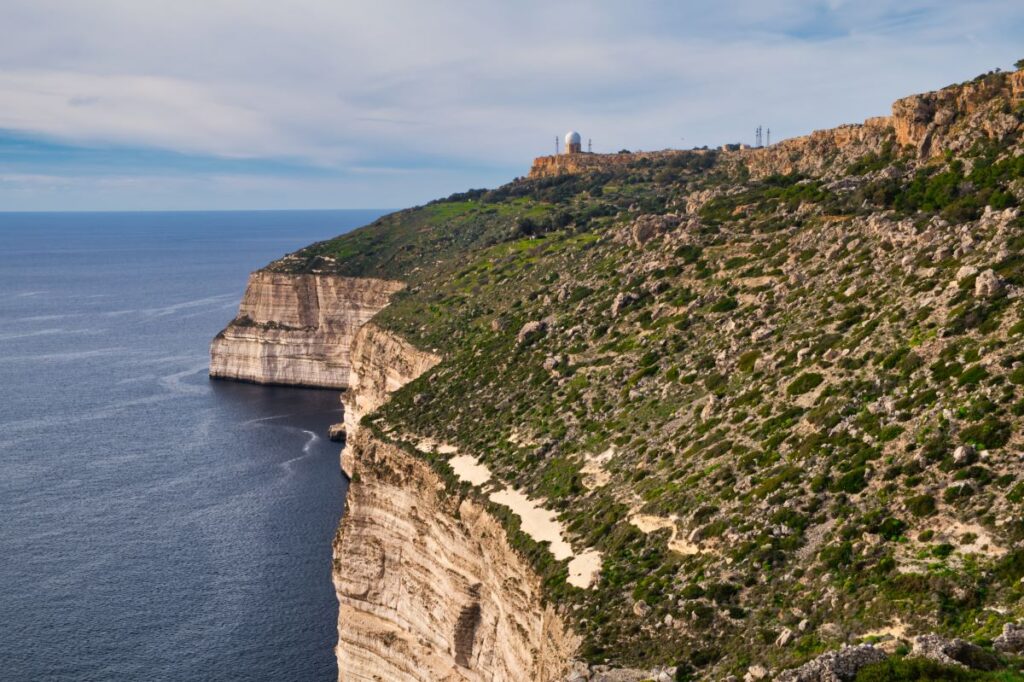
Dingli Cliffs is a natural attraction worth seeing after visiting Rabat. I had a rabbit lunch in one of the cafes in Rabat (14 euros for a portion with potatoes and a bottle of beer), got on a bus and went to the town of Dingli.
The bus will bring you to the cliffs, stopping at the seashore near the tower with the dome (airborne radar), or the next one near the small St. Mary Magdalene Chapel on the cliff. But, as for me, the best view of the rocks can be seen if you walk (or take a bus) to the Zuta bus stop (35°50’39.9 “N 14°23’54.7 “E). Here, on a small promontory, there are ruins from which the Dingley Cliffs are best seen – they are beautiful.
Getting there: bus #201 runs from Rabat
Blue grotto
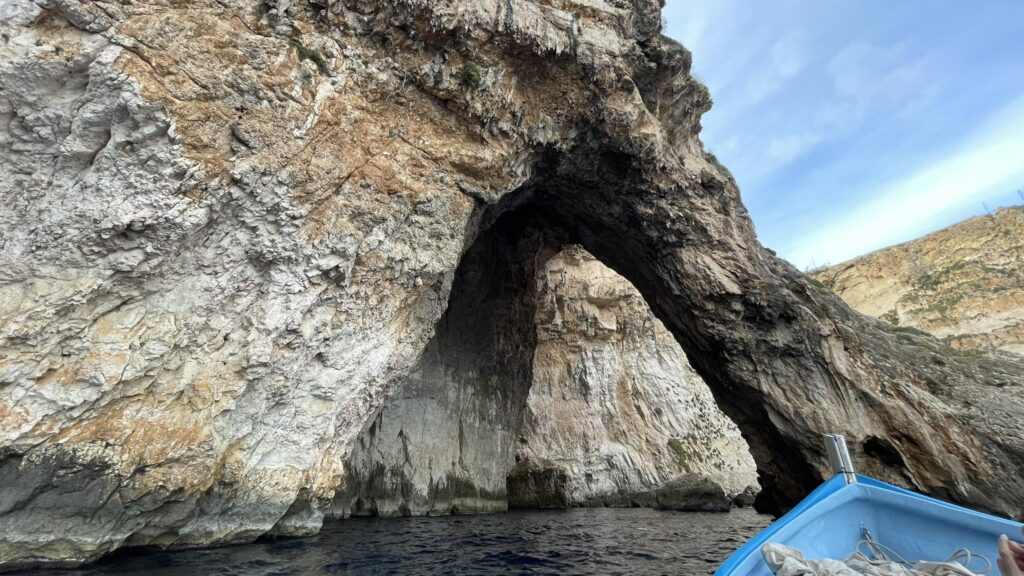
Located along the southern coast of Malta, the Blue Grotto is characterized by a series of sea caves carved into the impressive limestone cliffs. The name “Blue Grotto” aptly comes from the mesmerizing blue hues that illuminate the water in the caves as a result of sunlight filtering through underwater passages.
To experience this phenomenon, take one of the offered boat tours, which will allow visitors to see the caves from the inside, as the colors of the blue water shimmer beautifully in them. The cost of the tour is 10 Euros.
Getting there: bus #201 runs from Rabat
Marshaxlokk
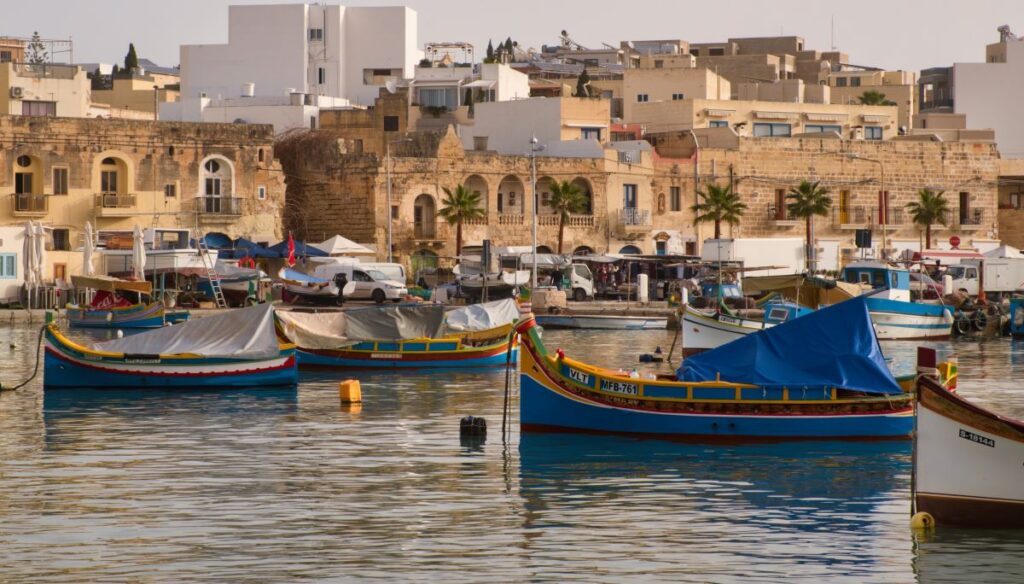
The fishing village of Marsaxlokk, located along the southeastern coast of Malta, has a particularly picturesque atmosphere. Marsashlokk, known for its fishing traditions and colorful boats Luzzu. It is a prime example of a Maltese fishing village where you can experience authentic Maltese culture.
On Sundays, the village comes alive with the famous Marsaxlockk fish market, where fishermen sell their morning catch. But there are not many fishermen here – this market is also for locals who want to buy fresh vegetables, food, clothes, and other household items. That’s why people from neighboring towns come here to buy everything they need at reasonable prices. There are also souvenirs because tourists also come for authenticity.
Getting there: buses #80, 81, 82 run from Rabat
Useful links for traveling to Malta:
Car rental – I am looking for inexpensive options on Rentalcars.com
Booking hotels and apartments – traditionally on Booking.com
Travel insurance with discounts – online on the EKTA
Excursions in Malta – book in advance on GetYourGuide
Buses in Malta and Gozo are on the website of the transport company of Malta.
High-speed ferry from Malta to Gozo – tickets are available at the ticket office or online on the port’s website.
What else to read:
- Gozo Island, Malta – what to do in two full days
- Tropea – beach vacation in Calabria, Italy
- Transportation in Malta – the best way to get around the islands
- Algarve – the best beaches in Portugal
- Malta – how to plan a trip for 7 days