The south of Spain is very different from my favorite north. And even in the south there are significant contrasts of its own. If you compare Catalonia with Andalusia – you’ll see a huuuge difference in architecture, climate, and even cuisine.
I went to Andalusia twice – for two consecutive years my daughter and I set out together to explore the nature, architecture, and beaches of the region. We saw a lot, but not everything we wanted.
If you have the opportunity to go to Andalusia for two weeks – I advise you to combine the most beautiful places and activities. It will be such a bright kaleidoscope that you will remember for your whole life. And you’ll spend less money than flying every year to discover more and more new places.
So, here’s my version of a two-week route through Andalusia. And of course some tips on what to see during this time in this vibrant and sightseeing-rich part of southern Spain.
Why Travel in Andalusia

Andalusia is a place where orange trees shade the sidewalks, white hilltop villages shimmer in the midday sun, and lively cities meet sandy beaches. This is a region of striking contrasts, diverse landscapes, and wonderful people.
Beaches and resorts are often the main focus for travelers coming to southern Spain. However, there is so much more to see in Andalusia – it turns out the beaches are a secondary pleasure compared to the amazing Mozarabic architecture and natural beauty.
My first trip was in the spring, to see Granada, Cordoba, Ronda, and Seville during the spring fair and under already quite warm Spanish sun. The second was in the autumn, to drive through white villages, swim in the still warm sea, hike the Caminito del Rey, and visit Cadiz, Tarifa, Gibraltar, and many coastal towns of Andalusia. I suggest combining all this organically in this two-week route!
This trip is a wonderful opportunity to visit dramatically different worlds in a short time. Here, rural mountain villages contrast with historical cities like Cordoba, Granada, Ronda, which are distinctly different from the bustling beach resorts on the coast.
Centuries of history and ancient civilizations have left their mark, and much of the culture we associate with Spain—flamenco, bullfighting, cuisine—comes from Andalusia. That’s why this route focuses on those important aspects that let you touch the soul of this incredible region.
When is the Best Time to Visit Andalusia
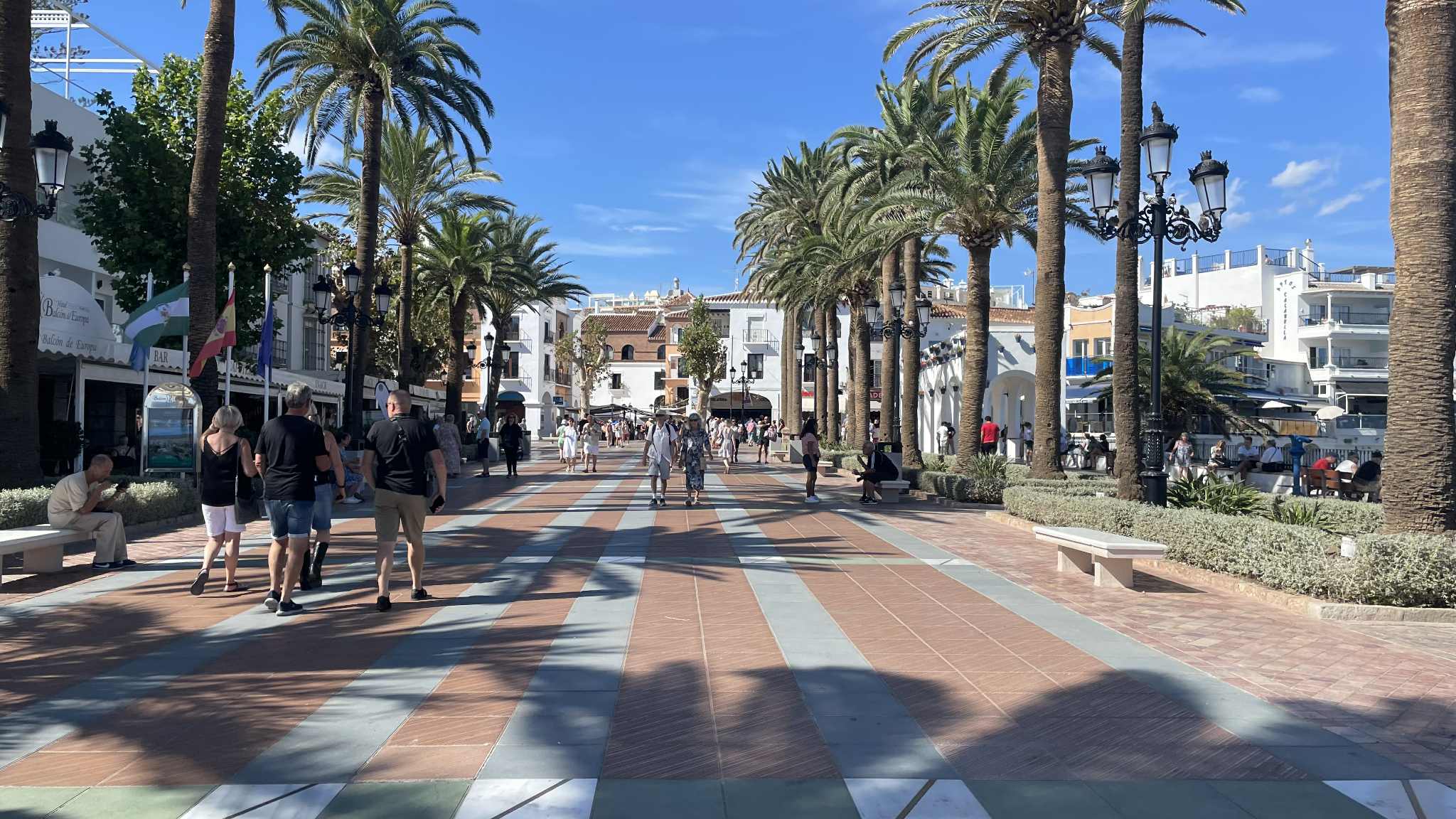
There’s no bad time to visit southern Spain, but keep in mind the weather and the crowds. In summer the mercury rises sharply and the sun is unbearably hot. Especially inland – Seville and Cordoba reach the highest temperatures, up to +45°C.
Winter in Andalusia is the season of orange trees, outdoor lunches, peaceful walks, and days at the beach. For comparison, Andalusia usually has wonderfully warm and sunny days during the winter months (though it is quite cool at night). There is a chance of rain, especially when Atlantic hurricanes arrive bringing wild downpours. But they are almost impossible to predict.
Having traveled Andalusia in the spring and autumn – I recommend these seasons. Ideally, go from March to June and from September to October. Besides the weather, the crowds are also smaller, and it’s much easier to get tickets to main attractions.
Two-week Itinerary for Andalusia
Below is a route for traveling to the main sights of Andalusia. I recommend starting and ending it in Malaga. There are many flights here from any major European cities, including airports closer to the border with Ukraine.
Day 1. Malaga

Arrival in Malaga. Rent a car at the airport and enjoy an evening rest at one of the restaurants with delicious Andalusian cuisine.
Spend a day exploring the old town and its tapas bars clustered around the historic quarter and cathedral.
Where to Stay in Malaga:
- Apartamentos Debambú≫ – A great place to stay, the apartment is very bright, clean, and spacious. Perfect central location in the old town. It’s better to leave the car in a parking lot outside the old town – parking here is very difficult.
- H-A Hotel Trebol≫ – Great location, just a few minutes’ walk from tourist attractions and numerous bars and restaurants. A short distance from the metro station provides easy transfer to and from the airport. Friendly, attentive staff and a simple self-service breakfast. There is an elevator and a rooftop terrace.
Day 2. Beaches of Costa del Sol

You can spend a day on the Costa del Sol coast and enjoy a lazy holiday on the beaches of Fuengirola, Estepona or Marbella. Don’t miss Colomares Castle – a beautiful building above the town of Fuengirola.
Where to Stay:
- Apartamentos Turísticos Casa de La Borrega≫ – Cozy apartment in Estepona with very comfortable beds and a strong shower. Perfect location – just 1 minute walk from Plaza de las Flores and all the streets with restaurants.
- Terrace Costa Hotel≫ – Great boutique hotel in Fuengirola near the train station, shops, and restaurants. Easy, simple self check-in. Room has a fully functional kitchen (microwave, water heater, etc.), good breakfast on the rooftop, 5 minutes from the beach, many restaurants around.
- Senator Marbella≫ – Hotel in Marbella has very clean and spacious rooms and comfortable beds. Nice rooftop bar with beautiful views. Great location, about 5 minutes’ walk to the waterfront and about 15 minutes to the old town.
5 The Best Places for Beach Vacation on Costa del Sol, Spain
Day 3. Caminito del Rey

Take a day trip to El Chorro to walk through the gorge along the Caminito del Rey. Once it was the most dangerous trail in Spain. Today it is an easy 7-kilometer hike among the steep cliffs of the El Chorro canyon. If you plan your hike for the second half of the day, you can visit El Torcal de Antequera Nature Reserve in the morning. Here you will see rocks and unusual weathering formations with wonderful views of the cliffs.
More details on how to buy tickets and walk the route on your own in a separate article:
Caminito del Rey – My Experience, How to Walk the King’s Path
Where to Stay in El Chorro:
- El Charcon Alojamiento Rural – great mountain views + a pool, in my opinion the best hotel near Caminito route.
- Escaladores Caminito del Rey familia amigos paisaje de ensueño – a wonderful place to stay, not far from the end of Caminito del Rey. The house is impeccable and fully equipped with everything you need.
Day 4. Ronda

There is a lot to see in Ronda, but the main attractions are the Puente Nuevo bridge, Jardines De Cuenca, Puente Viejo, La Casa del Rey Moro, Ronda Wine Museum, and Mirador de Ronda.
Where to Stay in Ronda:
- Catalonia Ronda≫ – great hotel in the city center with a rooftop pool. View from the pool of the bullring and fantastic views around Ronda.
- Ronda Hotel Polo≫ – nice hotel with reasonable prices in the city center.
- Apartamentos Avanel≫ – apartments in old town Ronda with their own pool – a great option in summer.
Ronda, Spain – 10 Things to Do in the White Town on the Cliff
Day 5. White Villages – Pueblos Blancos
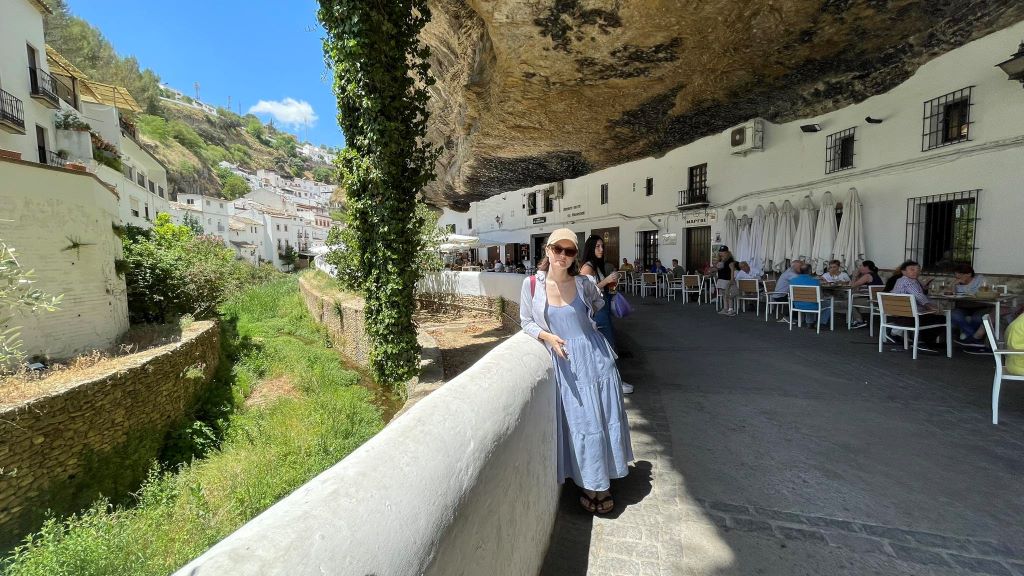
First, I advise you to visit the cave white village near Ronda – Setenil de las Bodegas. Then head north and explore the picturesque pueblo blanco – Olvera with its beautifully preserved Moorish castle on the hill.
Where to Stay:
- Casa Cueva Un Rincón en la Roca≫ – cave apartment with a very well-equipped kitchen and ideal location in the center of Setenil de las Bodegas.
- Casa Cueva El Puente≫ – this is not just a holiday home, it’s a real adventure! Everything is very modern, clean, and beautiful, but the most important thing is the atmosphere! Living in such a house is a wonder not only for kids, but also adults – living in a real cave, but with comfortable beds and all necessary amenities. And in winter there is a cozy fireplace that adds pleasant warmth.
Day 6. Granada

We managed to see a lot in one day in Granada, including the Alhambra. But honestly, one day for this city is not enough – you need at least two. You must definitely see the Alhambra, Generalife, Carrera del Darro, Albaicín and Sacromonte districts.
Where to Stay in Granada:
- La Casa de la Trinidad≫ – nice hotel in the city center with great breakfasts.
- Sercotel Palacio de los Gamboa≫ – hotel with its own cozy Moorish-style patio and reasonable prices.
- Pepa Home≫ – nice aparthotel with rooms that have their own kitchens, located in the city center.
Day 7. Cordoba
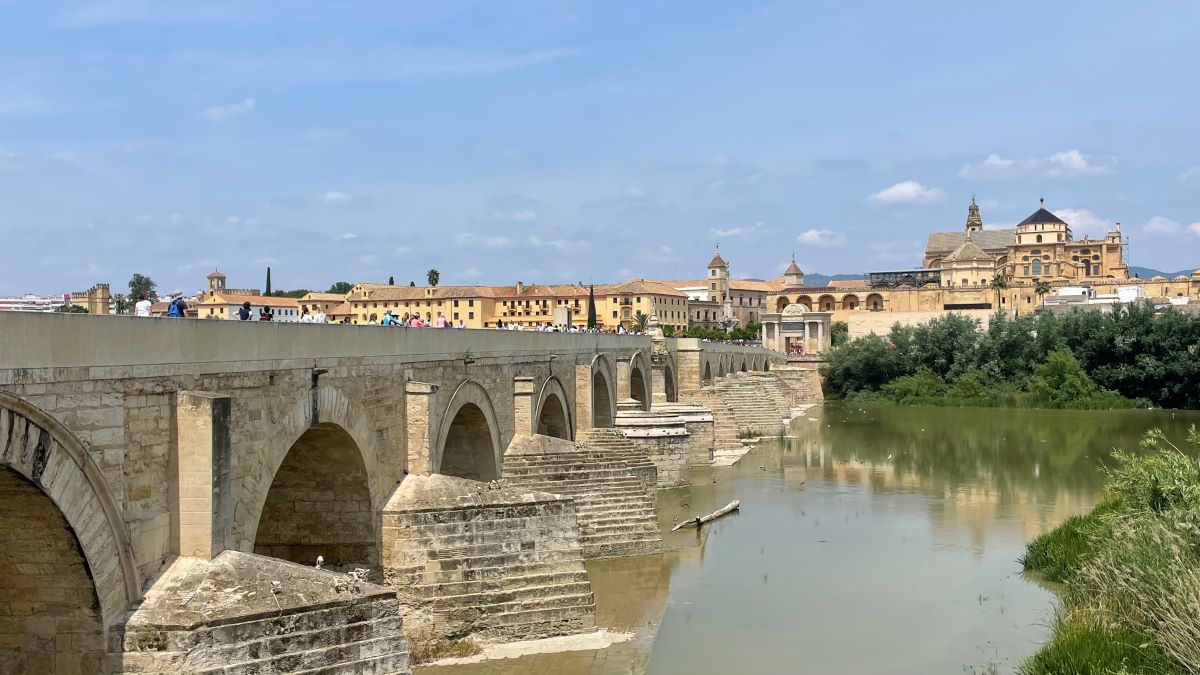
The incredible Mezquita is the main attraction in Cordoba. You must see this unique mosque-cathedral with your own eyes. And also wander the streets of Cordoba’s Jewish quarter, sit in small flower-filled patios, and listen to flamenco. Visit: Mezquita Cathedral, Puente Romano bridge, Baños del Alcázar Califal Arab baths, and the palace complex Alcázar de los Reyes.
Where to Stay in Cordoba:
- Casa Turística San Agustín≫ – nice hotel in Cordoba’s Old Town, with a great rooftop place for breakfasts overlooking the city.
- Hotel Conde de Cárdenas≫ – hotel with an incredibly beautiful patio, room prices are low and quality is excellent.
- H10 Palacio Colomera≫ – hotel in the Old Town with its own pool and patio – a great choice in summer.
Day 8–9. Seville
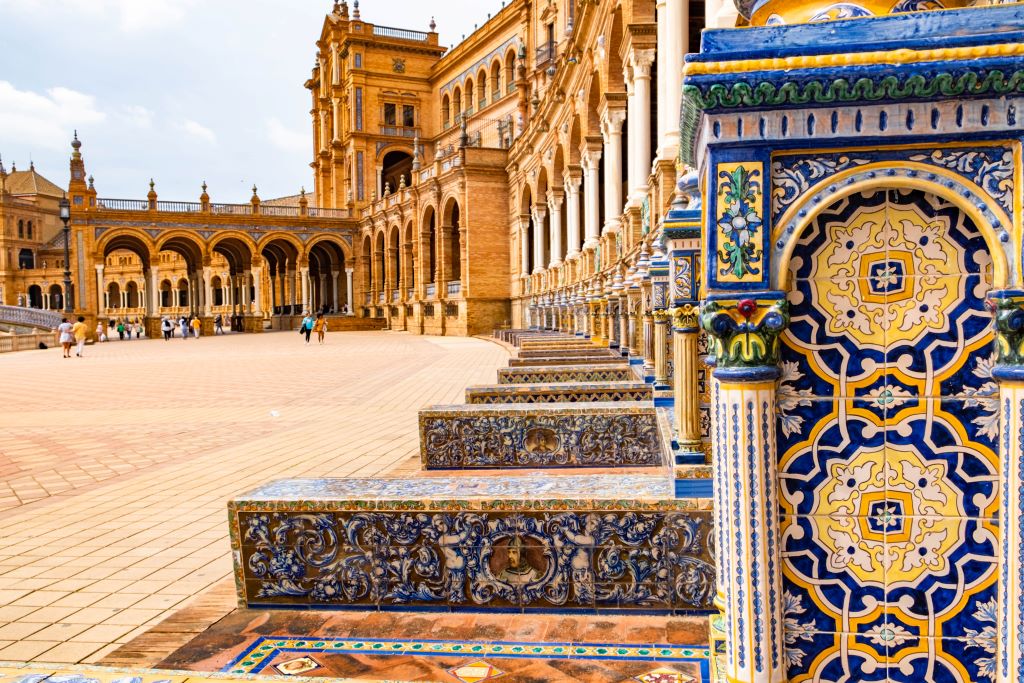
For the capital of Andalusia – Seville you need to set aside at least two days. There’s plenty to see and do in the city. Visit: Seville Cathedral, Royal Alcazar, Jardines del Alcázar, the incredible Plaza Espana, Plaza del Cabildo, and Puerta del León.
Where to Stay in Seville:
- Apartamentos Reyes Catolicos 14≫ – Apartments in central Seville with their own kitchen for those who want to prepare breakfasts and dinners themselves.
- CASA17 Santacruz Suites≫ – excellent hotel with nice rooms and a pleasant price for the center of Old Seville.
- Hotel Alabardero≫ – Hotel in a historic building with a beautiful patio, can be booked with no prepayment in case plans change.
Perfect Weekend in Seville – What to Do in Two Days in the Capital of Andalusia
Day 10. Cadiz
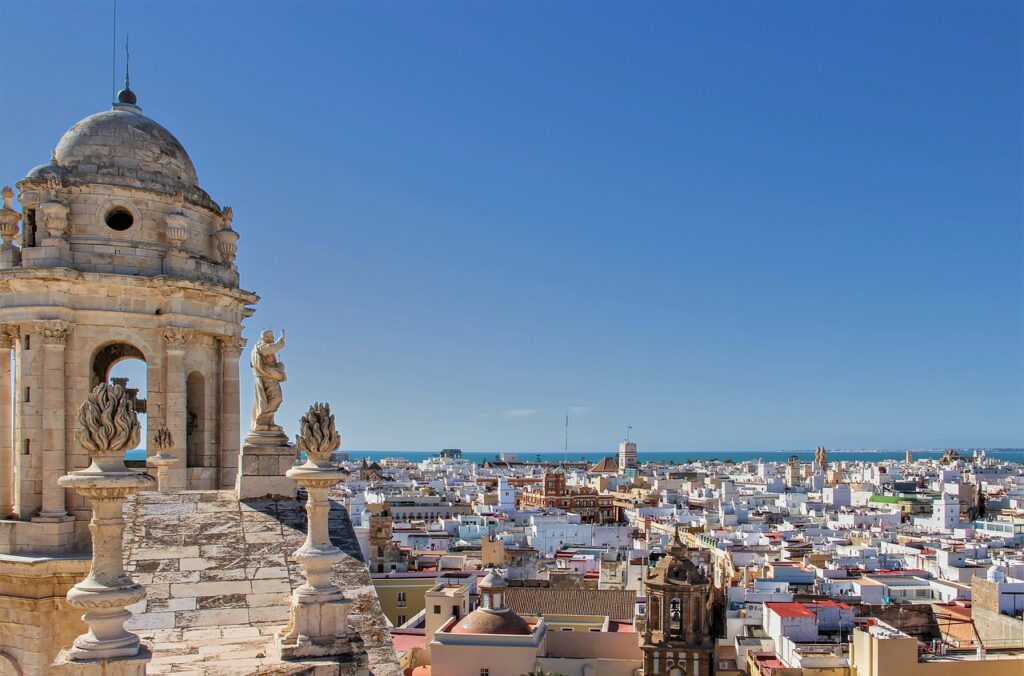
Before returning to the Mediterranean, I highly recommend stopping by the Atlantic port of Cadiz. It’s located on the western coast, and honestly, one day wasn’t enough for me there. I would have stayed a few more days just for its huge ocean beaches.
If you have the possibility, spend a few days enjoying the beach scenery and the relaxed atmosphere. Visit Cadiz Cathedral, Roman theatre ruins, Plaza de las Flores, and Mirador Playa de las Mujeres.
Where to Stay in Cadiz:
- Pensión Cádiz≫ – We stayed for the night in this clean and centrally located pension. It looks like a Moroccan riad, with balconies onto a patio. Very clean and inexpensive.
- Plaza de la Luz Cádiz≫ – Hotel located almost in the center of the old city, very conveniently. Beautiful, clean room, everything needed is there. Spacious double bed, very comfortable. Low price.
- Hotel de Francia y París≫ – excellent hotel in the center of the old city. Rooms with modern repairs, overlooking beautiful San Francisco square with orange trees and great restaurants.
Day 11. Tarifa and Vejer de la Frontera

Driving from Cadiz to Tarifa – make a stop in Vejer de la Frontera, one of the most beautiful villages in Spain. Visit there: Castillo de Vejer, El Jardín del Califa, Arcos de la Judería, Puerta de la Villa, and Plaza de España.
Arriving in Tarifa – the southernmost city of Spain and the southernmost tip of Europe, you’ll see not only long and wide ocean beaches, but also something else no less interesting. This is the place where the Atlantic Ocean meets the Mediterranean Sea. And from Tarifa to Africa it’s almost a stone’s throw – only 14 km, which you can cross by ferry (if you have a Moroccan visa).
Tarifa is a mecca of windsurfing and the atmosphere in the city is very relaxed, you could say awesome. I could hang out here for a week, if I had the time and opportunity.
Where to Stay in Tarifa:
- Hostal Tarifa≫ – actually, it is a hotel and a very good one (the name is strange as there are no dorm rooms here). Very clean, nice beds, cleaning as good as in nice 4-star hotels. I really liked the hotel (there is an elevator by the way), and just a block away there is a large free parking lot where we left the car (the parking spot is mentioned above).
- Hotel-Apart CORTIJO LAS PIÑAS≫ – Excellent location of the apart-hotel. Incredible views, large choice of apartments, very authentic decor, you feel the spirit of history and the family who manages the place.
- Eole Tarifa Rooms≫ – Clean, tidy, cozy. Authentic apartments with all comforts. Lovely inner patio where birds sing. Great location in the heart of historic Tarifa.
Day 12. Nerja
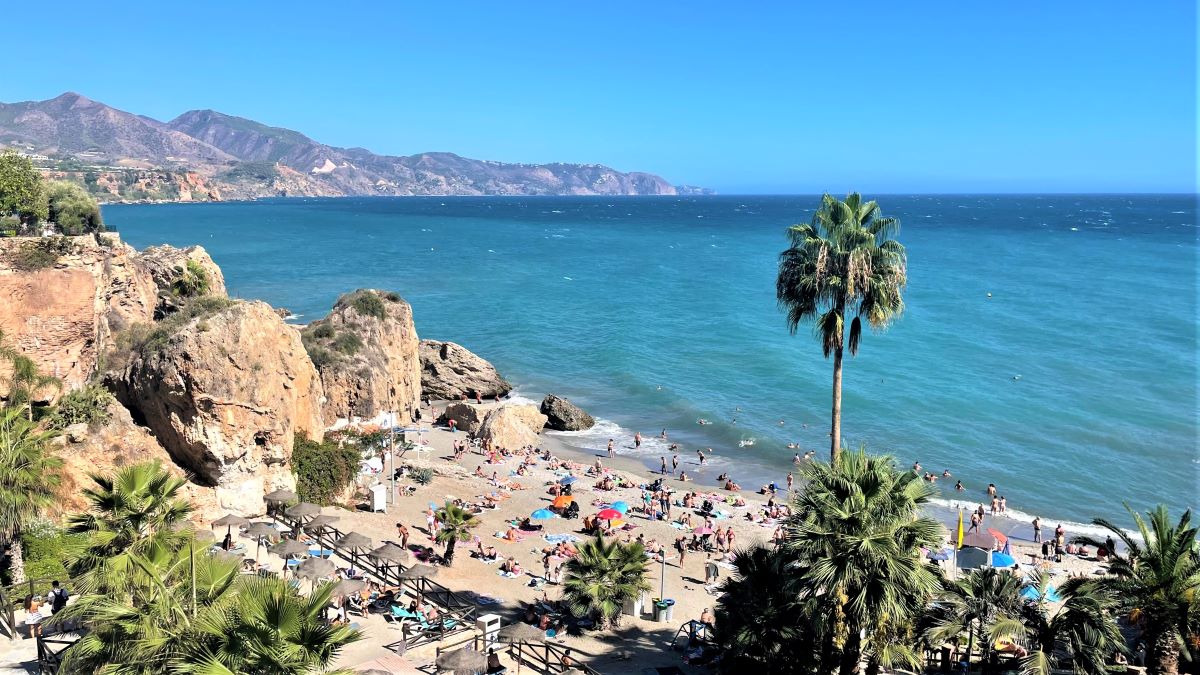
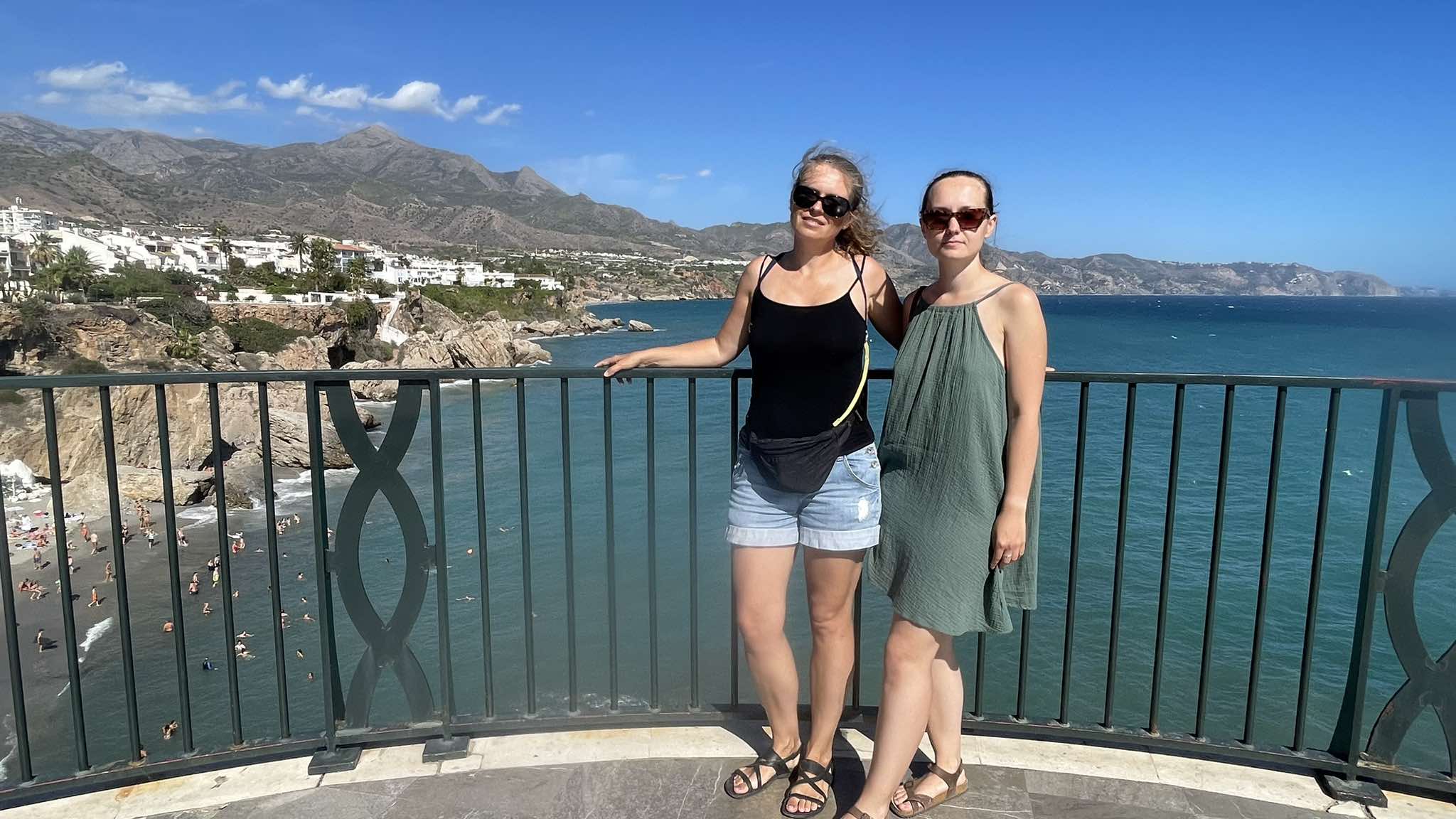
Nerja I liked more than all the other beach resorts on Costa del Sol. Even more than the super-popular Marbella. Nerja has a very pretty old center, and the beaches are very picturesque, with bluer water. Visit in Nerja: Nerja Caves – the largest cave halls in Europe, check out the sea and the town from the natural balcony – Balcón de Europa, relax on the beaches Playa de la Calahonda and Playa el Salón.
Where to Stay in Nerja:
- Hotel Bajamar Centro – nice small hotel in town with a rooftop pool.
- Nerja 1ª linea de Playa de Burriana , terraza grande al mar – hotel, located on the first line near the beach (you need to go down the stairs), with a great view of the sea.
- Nerja VG Hostal Boutique – boutique hotel in the city center.
Day 13–14. Malaga

Depending on how much time you have, complete the circular route and head straight to Malaga. Return the car and walk around the city, relax on Malagueta beach, visit Malaga’s excellent museums, the Old Town, Alcazaba fortress, Gibralfaro Castle, Malaga Cathedral, and the port area.
Planning and Useful Tips

Whether you are planning a road trip or a holiday with day excursions, here are some practical tips I find most useful for getting around Andalusia.
For such a route, you’ll need to rent a car for your stay in southern Spain. Some large cities can be reached by train. However, public transport usually does not connect the smaller coastal towns and mountain villages.
The best way to explore Spain is to drive a car yourself. We use car rentals in Andalusia, choosing full insurance and reliable companies.
Where to Search for Car Rental at Malaga Airport?
Most rental companies are located right opposite the arrivals area on levels 0, 1, and 2 of the car rental parking. Choose any one you like based on the terms and prices. You can compare and book a car in advance on the following sites:
- Economybookings.com – Offers economy deals from the largest international rental companies. And also from many small local agencies, which often have much better prices. You can often find great deals.
- RentalCars – A subsidiary company owned by Booking.com, here you will find the larger companies with reputable brands.
How Much Time Do You Need to Travel in Southern Spain?
Andalusia, the second largest region in Spain, covers a huge area, so there is plenty to explore here. It’s up to you to decide.
So, although this route is designed for two weeks, you can adapt it for seven or ten days. For example, you could visit only three out of five historical cities: Seville, Jerez, Cadiz, Granada, and Cordoba. Or you could focus on the Costa del Sol area and take day trips to the nearest places, such as Ronda.
One-week Route through Andalusia – What to See in Southern Spain
The main landmark of Granada is the Alhambra, but if you are not drawn to the Moorish palace, you can easily skip this part. Although I planned only one day in Granada on this route – we managed to see the palace and walk around the city.
Useful Articles and Links:
- Galicia – Guide to the Green Province of Spain
- Andalusia by Car – Route along Costa del Sol Coast
- Top 7 Cities to Visit in Spain
- Northern Spain on your own – route through the regions of the Basque Country, Navarra, Castile and La Rioja
Travel health insurance – online at HotlineFinance
Hotel and apartment booking – Booking.com