
If you have already visited Barcelona and want to relax on the coast outside the city, I advise you to look toward the Costa Brava coast. This is exactly where we came for the first time when we just started exploring Spain.
After three activity-filled days in Barcelona, we planned a trip along this coast. You can also rent a car and explore these beautiful places. Or choose one base town with a nice beach for a holiday – everything depends on your preference and travel style.
Here I share where it’s best to stay on the Costa Brava coast, what interesting things there are to see, and how to get to these places by car or public transport.
Where the Costa Brava coast is located
Costa Brava – translated as Wild Coast, is a coastline stretching from the town of Blanes (around 60 km northeast of Barcelona) all the way to the French border. Geographically, it belongs to the province of Girona, which is part of Catalonia – capital, Barcelona. From Barcelona to Costa Brava is just 1-2 hours of travel (depending on the type of transport chosen – bus or rented car, and the selected town).
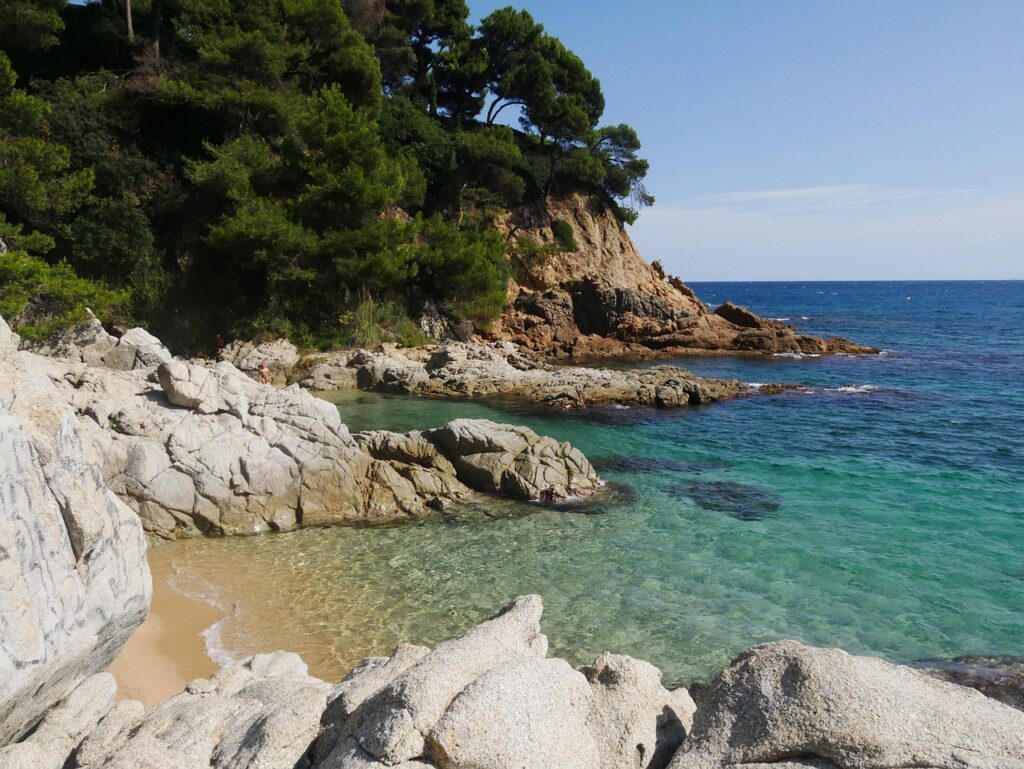
Here, white fishing villages descend to turquoise bays, and narrow pedestrian dirt paths wind through shrub forests scented with salt and rosemary. Costa Brava is very popular and lively during the peak season, but most of the towns still preserve tranquility and Spanish beauty without the extensive tourism development seen along other parts of Spain’s coastline (like Costa del Sol near Malaga or Benidorm on the Alicante coast).
This is a very beautiful coastline thanks to its many rocky coves covered with pines and hidden beaches. There are no hundred-meter-long beaches along which trains from Barcelona run. It’s easier to travel by car to reach the various charming towns, rather than by bus circling the roads among the cliffs, small villages, and ruined castles gazing out to sea.
Note: towns from Barcelona to Blanes are often included in the Costa Brava list, but that’s not correct. The coastline there is different – sand, long beaches along which trains run to Blanes. And it all looks completely different – no cliffs or small beaches in coves. Mostly, these are modern towns with hotels and apartments, very convenient for a holiday, but they lack the beauty and coziness of the Costa Brava villages.
When to go to Costa Brava
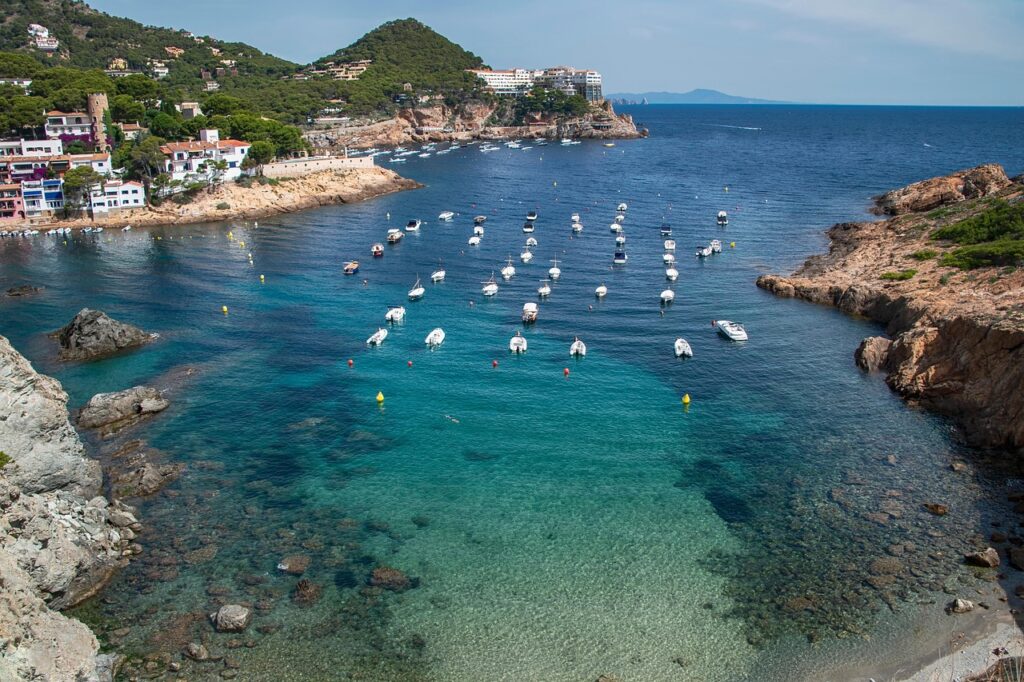
The best time to visit Costa Brava is late May, before the start of the busy summer season. At this time the weather is warm, the water is still cool for swimming, but many people are already swimming. At the same time, there are still not huge crowds of tourists on the beaches.
Also the beginning and middle of September, when the tourist peak has already subsided, but the water has not yet had time to cool down. However, as the season progresses, the likelihood of rainy days and winds increases. Water temperatures also start to drop, which may make it too cold for swimming.
In winter, most of the coastline is closed, since it’s the off-season. However, some infrastructure may still be open, and it’s a great time to find some accommodation deals. And in the restaurants, no need to book a table (provided it’s open, of course).
Winter days in Catalonia are also very sunny, and afternoons are best spent either hiking along the coast or simply basking in the midday sun on a sunny terrace. We went to Barcelona and Costa Brava in January – it’s very beautiful, especially for walking the paths along the sea.
Remember: Costa Brava is the northernmost Mediterranean coastline of Spain. As a result, the sea here warms up later than farther south in Alicante.
How to get to the Costa Brava coast
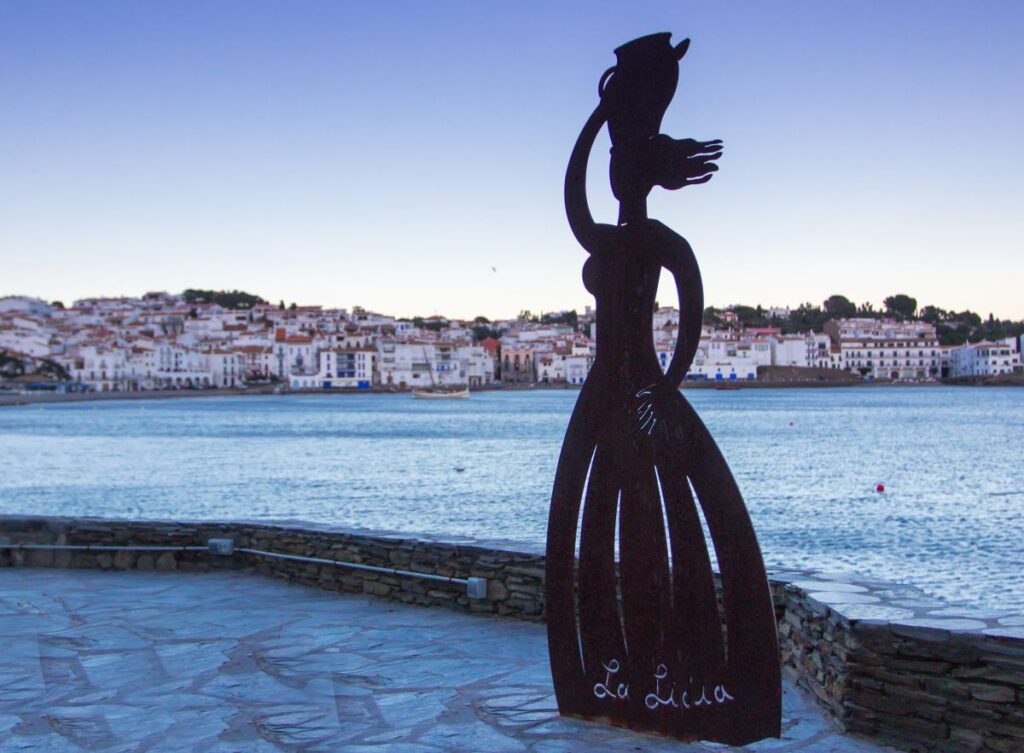
The best way to travel around Costa Brava is by car, since there are no trains from Barcelona (or elsewhere) that go that far along the coast. By renting a car you can also explore the coast at your own pace and not depend on buses.
But if you plan to stay only in one of the seaside towns of Costa Brava, then you probably won’t need a car. So, it’s up to you – as I mentioned above, it depends on your travel style. For example, if you’re traveling with children and are only interested in the sea and beach relaxation – of course, it’s much easier and cheaper to arrive by bus to your holiday destination.
But in order – how tourists can get to Costa Brava:
Flights to the nearest airports near Costa Brava
Girona is the closest international airport, making it easy to get to any place along the coast you decide to visit. The first time, we flew through Girona, so after three days in Barcelona we went to explore the Costa Brava. It made perfect sense.
Ryanair flies to Girona from Wroclaw and Poznan, Nuremberg, Dusseldorf and Memmingen, from many cities in the UK and Ireland, from Paris-Beauvais, Pisa and Bari, and other European cities.
Barcelona Airport is located in the opposite direction from Costa Brava and is also an option, although you will be driving 2–3 hours. But there’s a much wider choice of airlines here, not only from Europe, but also from the US, Canada, and other destinations. Budget airlines Ryanair, Wizzair, EasyJet also fly here.
By bus and train
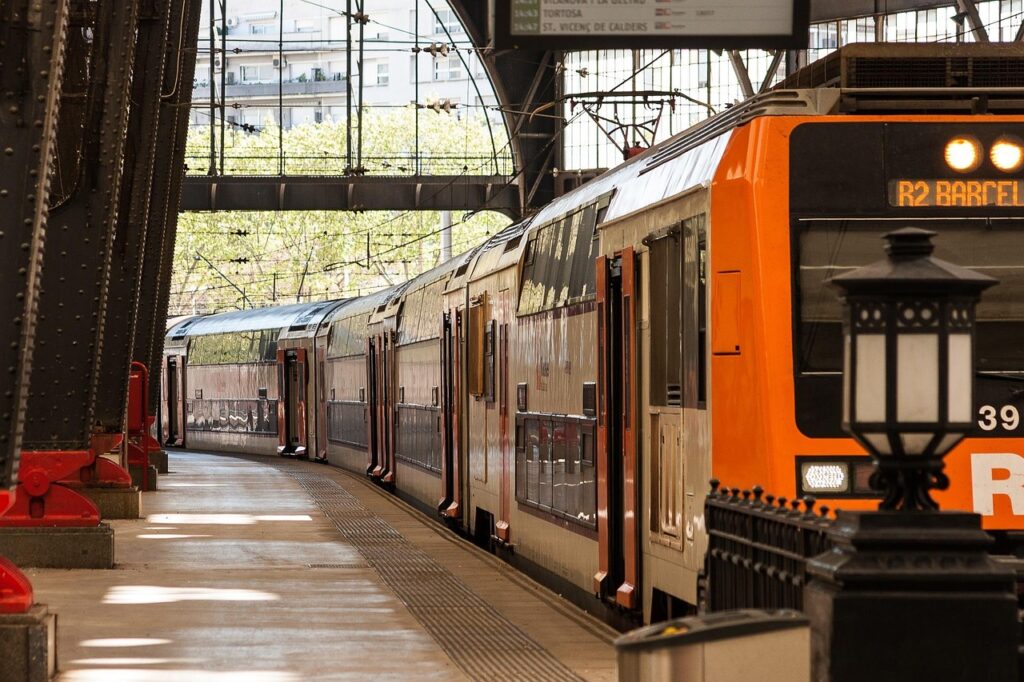
Buses are also available from Barcelona and Girona. But note that they are slow because they stop in many small villages along the way. Also, for some places you need to transfer.
Buses from Barcelona mainly depart from Estació Nord bus station (some routes depart from Barcelona Airport). The company serving this region is Moventis Sarfa. Tickets for Moventis Sarfa Bus must be bought at Moventis Sarfa Bus counters (they cannot be purchased on the bus). The Estació Nord counters are on the first floor of the station building. Moventis Sarfa Bus tickets are sold at offices 2 and 3 – Hall C. Online tickets – on the bus company website.
Trains from Barcelona only go as far as Blanes – further on, transfer to buses (I will write in more detail below for each specific town on how to get there).
It’s convenient to check route schedules on Omio – a public transport aggregator site for different countries.
By car
Having a car for your visit to Costa Brava is practically a necessity. You’ll be able to see much more and visit places you simply can’t get to by bus. The roads are also in very good condition, so driving is easy.
If you plan to rent a car, I also recommend checking prices in Economybooking. This is a car rental website which compiles offers from all major international rental companies. And also from many small local agencies that often have better prices.
Recommended reading: How to rent a car in Spain – personal experience
Read the reviews carefully! That time, we had not the best experience with the rental company – we rented from GoldCar – this is a well-known Spanish rent-a-car, but the service quality, aggressive management (pushing full insurance), and fuel policy (with fuel charged at the rental company’s price) we really didn’t like. I try not to rent from them anymore.
Where to stay on the Costa Brava coast
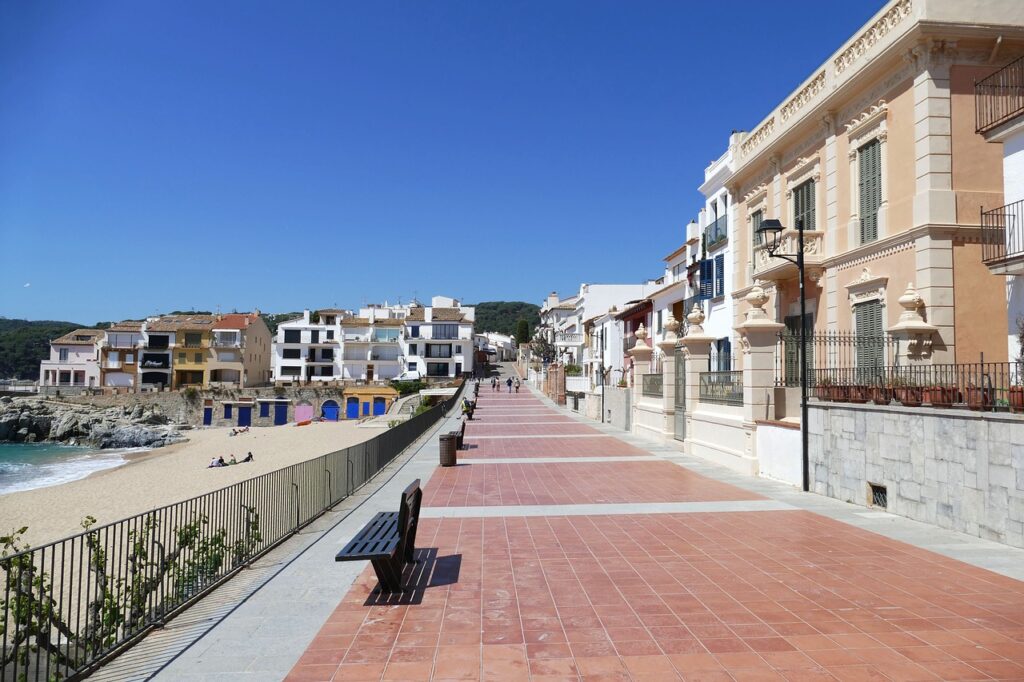
The choice of where to stay along the coast depends on your interests and travel style. Here you can find everything from classic seaside resort towns like Lloret de Mar to quieter, calmer, and more authentic villages nestled in peaceful coves. There are family beaches and rocky coves, places with rich history and towns known for their fine restaurants and artistic heritage.
It’s important to note that although some towns have bus connections to Barcelona and Girona, public transport on Costa Brava has certain limitations, such as fewer services on weekends and holidays (just like in other regions of Spain). That’s why we decided to rent a car to see as much as possible – explore remote coves, small villages, famous towns, as well as nature parks where buses almost never go.
Costa Brava stretches all the way to the French border, but there is an optimal “top five” towns suitable for different types of travelers. Here’s a list from the closest to Barcelona, with a brief description and what to see or do nearby during your vacation.
Blanes
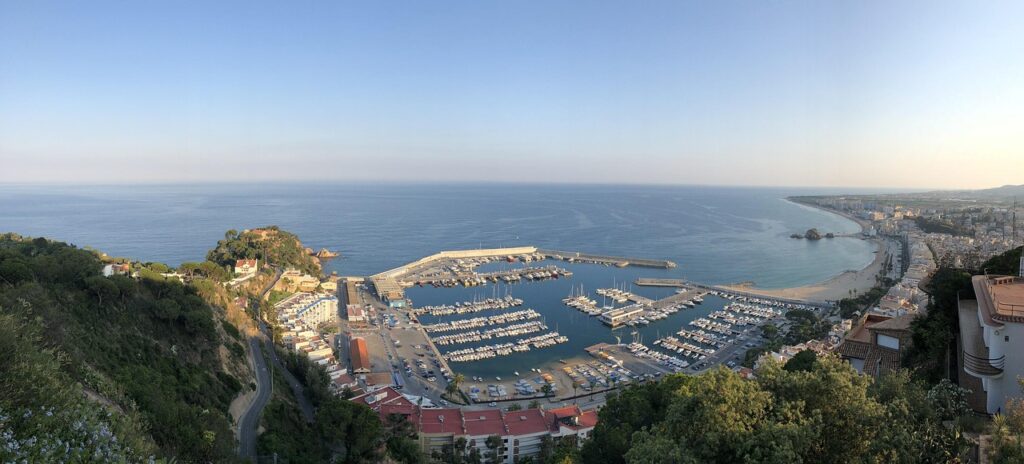
Blanes is the town closest to Barcelona and is officially the starting point of the Costa Brava coast. It’s the only place along this coast that is served by a commuter train from Barcelona. And this is a great advantage of Blanes – it’s the easiest to reach without a car.
But there’s another side – many more people come here for holidays at the height of the season
Blanes is a place with a charming old town worth exploring, and there’s an active fishing port here as well. But this is just the beginning of the rocky coastline, so here wide beaches, capable of accommodating lots of people in season, alternate with cozy coves.
Beaches in Blanes
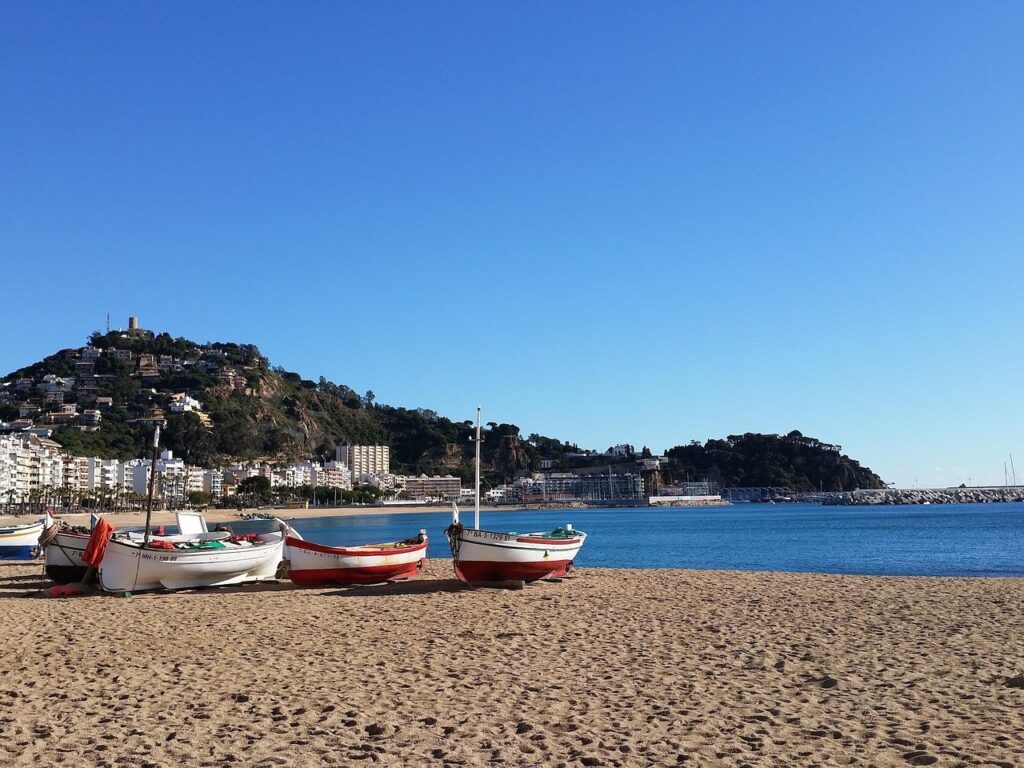
Playa de Blanes – the centrally located city beach, next to the port and to the right of Sa Palomera. In fact, this is the beginning of the Costa Brava. Thanks to its amenities, sand quality, and excellent water, this beach is one of the most popular with visitors. Sant Joan Castle, located on the top of the hill, offers a stunning view of this top-class beach.
Sa Palomera – This is the iconic rock of the town, located between the beaches of Blanes and S’Abanell. It marks the start of La Costa Brava. This is also a natural viewpoint over the town’s beach area. The characteristic silhouette of Sa Palomera is inseparable from the town’s two largest beaches.
S’Abanell – the biggest beach in Blanes, to the left of Sa Palomera rock. It stretches for 2 km to the mouth of the Tordera River, where the most touristy part of Blanes is located. Its large size makes it possible for everyone to feel comfortable, especially during the peak tourist season.
Cala Sant Francesc / Cala Bona – This cove, also surrounded by pines, is considered a great family beach due to its size and easy access. You can reach it from the botanical garden Marimurtra and Sant Joan. The surface of the large cove is made up of sand. Moreover, the cove is between cliffs that shelter it from the wind. Also a good place for snorkeling – there’s a rich underwater world that you can see with your own eyes.
Punta de Santa Anna – this is a very small beach, made up mostly of pebbles rather than sand. It is located just beyond the harbor beneath El Convent. Its small surface is open to the sea and the rocks, making it an ideal spot for diving.
What to see in Blanes
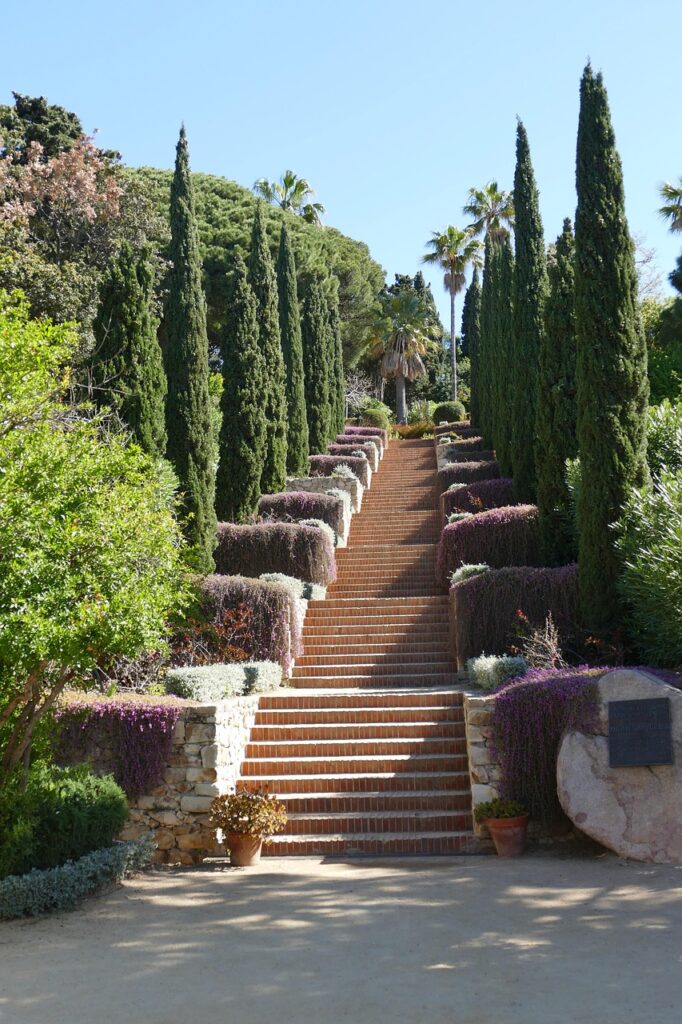
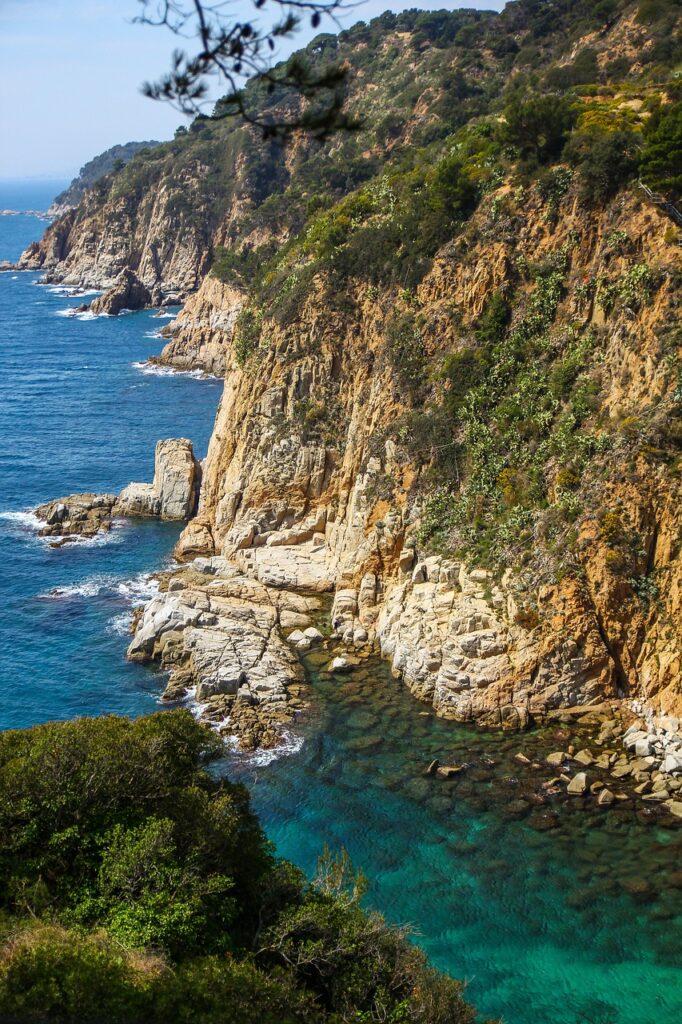
- Botanical Garden – Jardí Botánic Marimurtr, located on the edge of town, a great place for a stroll and exploring the diverse flora.
- The section of coast between Blanes and Lloret de Mar is worth driving (or walking) to see various viewpoints along the route.
- Find secret beaches – Cala sa Forcanera, with white sand and accessible only by sea, and Cala s’Agüia, a very small beach with more pebbles than sand, accessible by boat as well as on foot.
- Visit Blanes Monastery built in 1583. This is a unique place to enjoy a panoramic view of the Costa Brava coastline.
How to get to Blanes:
There is a direct train connection between Blanes and Barcelona. Trains also run from Girona – you just need to transfer at Maçanet-Massanes station. This is a good option if you don’t want to rent a car (if you don’t drive, or don’t want to travel further along the coast). Check train schedules at the railway company website.
To use buses, it’s better to go to the Moventis bus company website and check directions and schedules for bus routes.
Where to stay in Blanes:
- Hotel Horitzó by Pierre & Vacances≫ – Excellent location, friendly staff, comfortable and clean rooms with sea views, good breakfasts, located by S’Abanell beach.
- Antiquari de Blanes Apartamento Boutique en la Costa Brava≫ – A wonderful apartment with great value for money. The location is convenient – near shops, restaurants, and Playa de Blanes beach. The apartment is brand new, has a truly well-equipped kitchen and bathroom, and the well-insulated windows and shutters prevent street noise.
Lloret de Mar
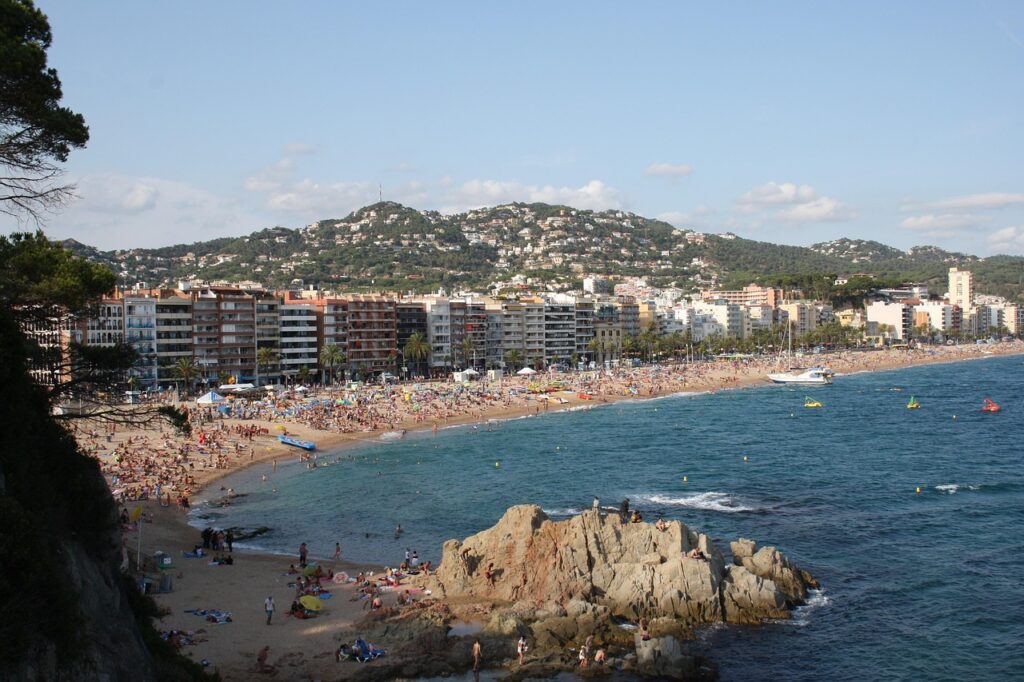
The next town is Lloret de Mar, which is a well-developed tourist resort. It is famous for its nightlife and “package tourists” – the vibe of this city is very reminiscent of towns located near Malaga Costa del Sol in Andalusia.
Lloret de Mar is actually the main party town on the Costa Brava coast. Here you can visit casinos, pubs, clubs, and even party boats. So there is an opportunity (if you have the energy) to have fun all day and all night. The main “strip” for nightlife is Av. Just Marlés Vilarrodona avenue, which leads down to the city’s seafront. But at the same time, there are also great beaches and infrastructure for a good seaside vacation.
Beaches in Lloret de Mar
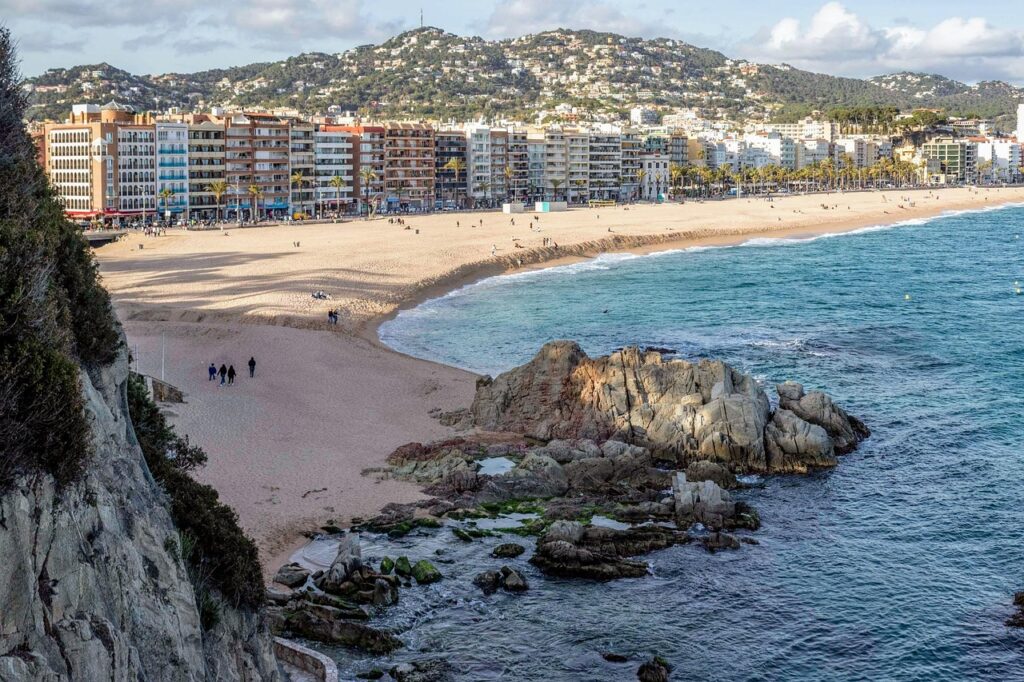
Playa de Lloret de Mar – the main beach, which consists of a mix of sand and fine pebbles. Along it stretches the city promenade, lined with towering palm trees. In addition, it is the largest beach in the city. Being long and very wide, the beach has plenty of space to accommodate everyone who wants to relax here. There are sunbeds that you can pay for if you want a more “comfortable” beach vacation.
Playa de Fenals – a stunning beach located in a bay. It is the second largest beach in Lloret de Mar. The sand here is also a bit coarse, as is usual on the Costa Brava. Like the main beach, it also has sunbeds and umbrellas available for rent. Here you can do some water sports, enjoy a wonderful promenade for walks, nearby bars and cafes, public toilets, etc. – everything you might need.
The difference between these beaches is that Playa de Fenals is a quieter, more relaxed, laid-back beach. This place is more suitable for a family vacation.
Sandy beaches
These are the three sandy beaches that are the easiest to reach from the main city.
If you like a sandy, smaller, and quiet beach, Cala Sa Caleta is a great choice. It is located next to Playa de Lloret de Mar and feels more secluded because it’s in a bay. The place is beautiful, with Castell de Lloret castle overlooking the beach, adding a special touch to this spot.
Cala Treumal – a cove located at the far southern tip of Lloret de Mar. This is a small but beautiful beach with golden sand, surrounded by stunning landscapes. Treumal is Costa Brava in its purest form: with fine sand, pines, and rocks that disappear as you move away from the coast.
Cala Sa Boadella – a stunning beach with fine sand and crystal-clear water. It is located in Lloret de Mar and lies between Cala Santa Cristina and Fenals beach. Set in a natural environment, it has a nudist area.
Things to do in Lloret de Mar:
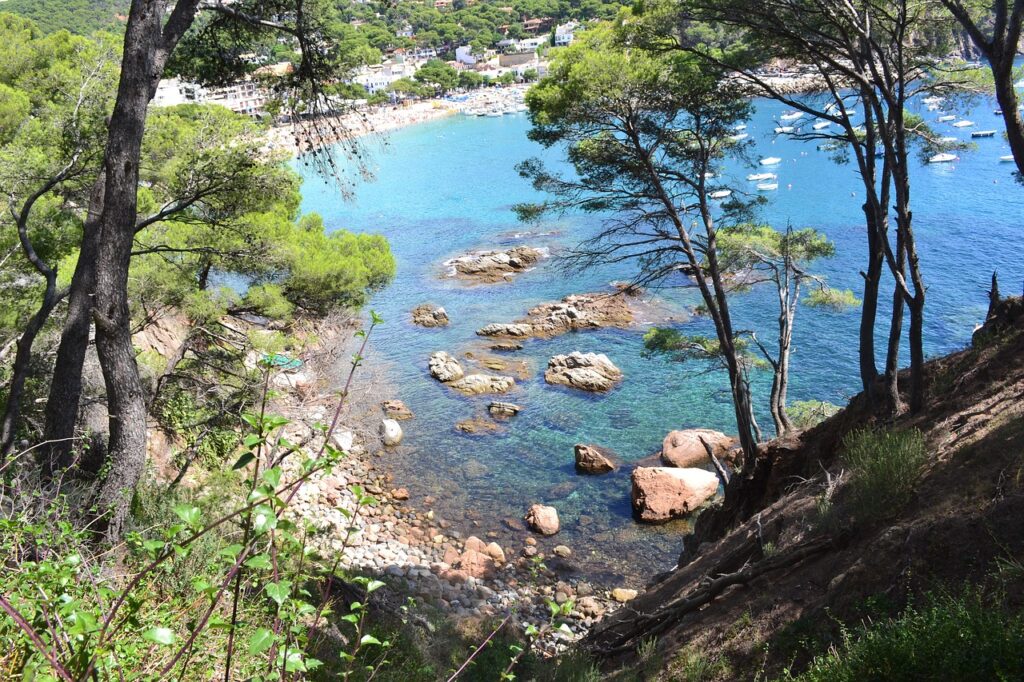
- Visit the viewpoint around Castell de Lloret (d’en Plaja) castle, from which you get views of the Cala Sa Caleta bay and a bit further the Playa de Lloret de Mar beach. You can’t enter this castle, but you can climb up and walk around. There’s an open bar on the terrace with an amazing view of the coastline.
- The city hosts the beautiful parish church Sant Romà (Església de Sant Romà de Lloret de Mar), which is worth admiring.
- Shops – both regular and tourist, bars, restaurants, pubs, clubs, arcades – all this accompanies walks around the city.
- Don’t miss the botanical garden Jardins de Santa Clotilde, which offers a peaceful escape with views over the gorgeous coastline.
- Climb the hill to Castell de Sant Joan, there is a fantastic photo spot. It’s in the opposite direction from the main beach, heading toward Playa de Fenals. The tower stands among the greenery, located on a rocky ledge between Lloret’s main beach and Fenals beach. Another stunning place, again with a view of the coast.
- Lloret’s water attractions – Water world – this water park is smaller than Aventura Park, but there are enough slides for a fun day out.
How to get to Lloret de Mar
- The most convenient way to get to Lloret de Mar is by bus from Barcelona. This option is ideal for those on a tight budget and/or traveling alone or as a couple. Around 1 hour by bus from Barcelona. Bus company Sarfa.
- If you are flying into Girona Airport (the official Costa Brava airport), there is a direct bus running from Girona Airport to Lloret de Mar. Travel time is 1 hour 40 minutes. Bus company Sagalés.
- There is also the alternative of taking a train to Blanes, and then a bus to Lloret de Mar. Very convenient transport connections in Lloret de Mar. There is a bus station from which you can reach all the nearby attractions. At the ticket office, they even write out ready-made bus+train (commuter train) routes, which is very convenient for planning your travel time.
- Public buses also run in the city, they are comfortable, fare is 1.85 euro per person and you can visit Blanes, Tossa de Mar, and other nearby places. And for those who love sea trips, there are small excursions along the entire Costa Brava coast from 25 euros per person.
Where to stay in Lloret de Mar:
- La Habana Apart Hotel≫ – The location of the apartments is really great, just a couple of minutes and you’re on Playa de Lloret de Mar beach. It’s a fairly old building, which adds a certain charm. There are cafes, restaurants, shops, supermarket nearby. The price is very reasonable.
- Apartament Playa Fenals – Great location close to the quiet Fenals beach, the owners offer good service and comfort. Very clean. On the reverse side of the building, there’s a great restaurant.
Tossa de Mar
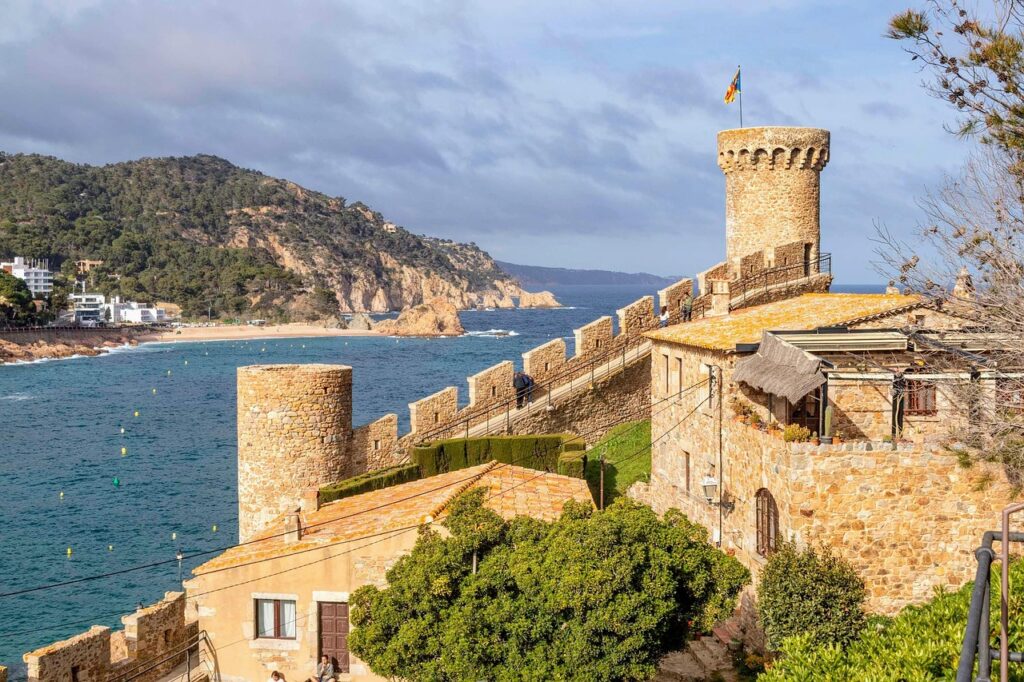
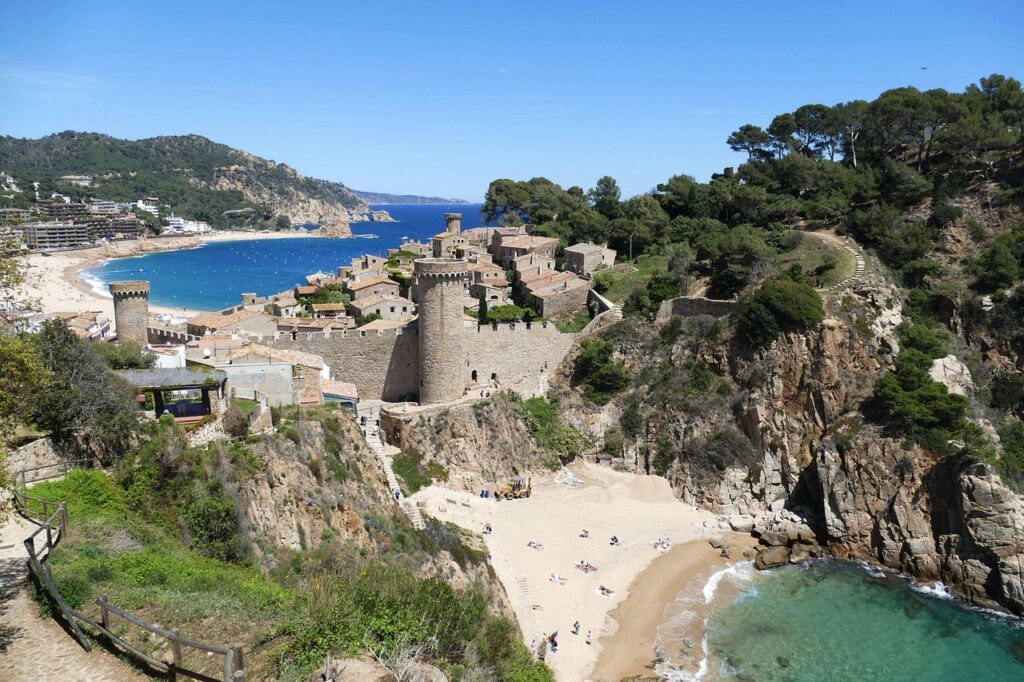
Tossa de Mar is a mid-sized town that offers a wonderful combination of history, beaches, and a charming Mediterranean atmosphere. It is best known for its stunning castle, nestled on one side of the bay. From it, you get views of the sandy bay with a beach and the medieval old town below.
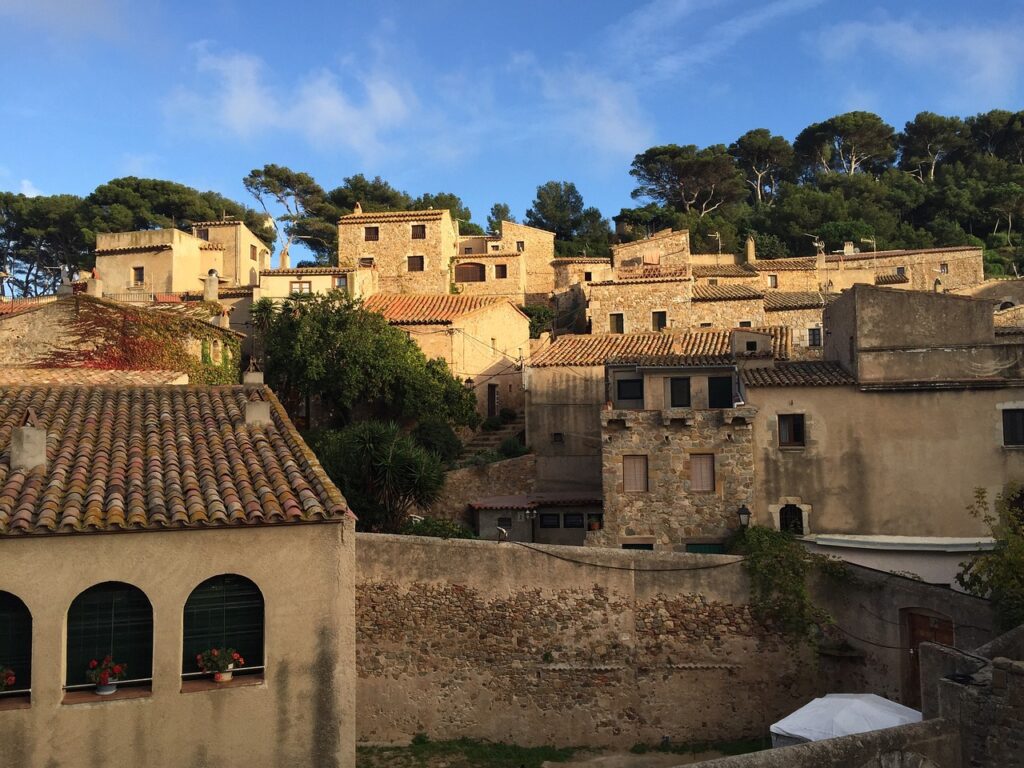
This is an ideal choice for travelers who prefer not to rent a car. Also perfect for families with children – especially if you do not plan to travel a lot along the coast. Thanks to its transport accessibility – buses run here from Barcelona and Girona – in summer there are bigger crowds. So, if choosing a holiday in Tossa de Mar during peak season, book your accommodation in advance.
Beaches of Tossa de Mar
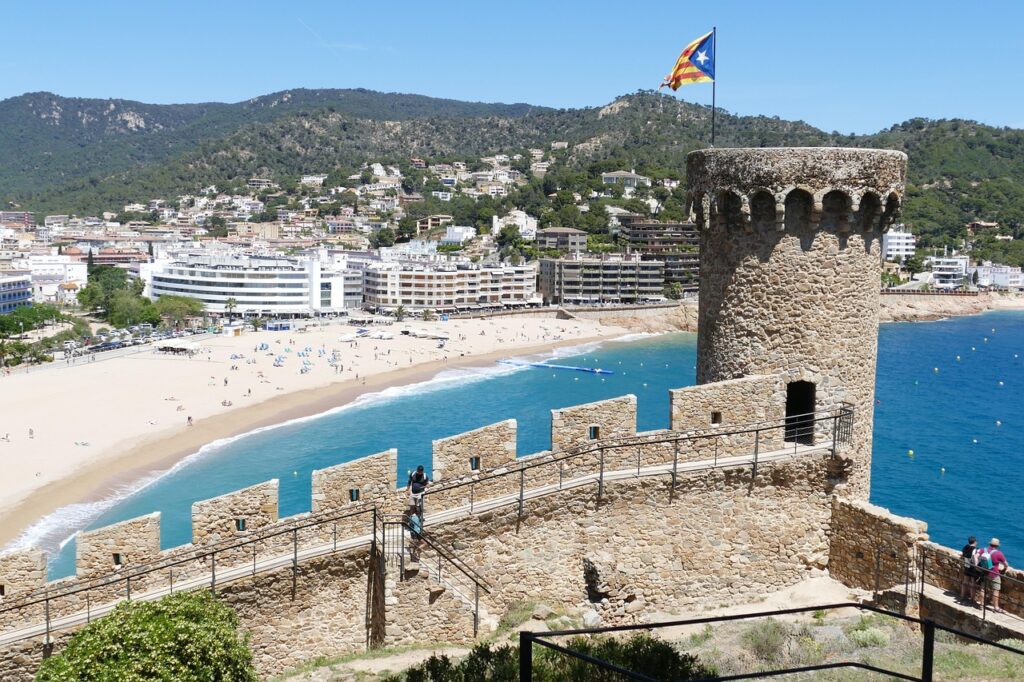
The main beach in Tossa is sandy, crescent-shaped, and one of the most spacious on the Costa Brava coast. It is perfect for a family vacation or for anyone who wants to relax by the sea. The beach is well serviced by seaside cafes, seafood restaurants, and ice cream shops where you can enjoy a leisurely seaside lunch.
Also next to the main beach is Platja Mar Menuda – also sandy, but smaller and not as wide, surrounded by rocks.
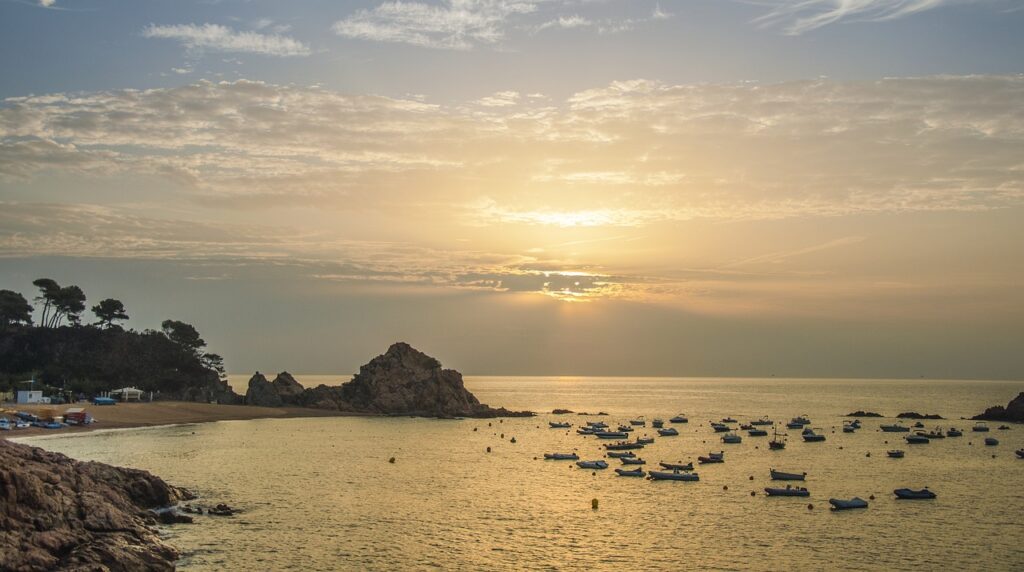
Tossa de Mar also offers easy access to hidden coves and secluded beaches in both directions along scenic coastal trails. If you love hiking, you’ll enjoy the picturesque walking routes along the coast leading to rocky small coves – Cala Pola and Cala Giverola.
What to see in Tossa de Mar and nearby
On or near the beachfront, as well as through the labyrinth of narrow streets, there are many restaurants serving seafood. On the main street you’ll find small shops with souvenirs and clothing – this is standard for a seaside town, as well as boutiques featuring handmade jewelry.
Within the walls of the castle lies a small historic district known as Vila Vella – a wonderful labyrinth of cobblestone streets, stone walls, and watchtowers. Take a walk here, and you’ll hear the clinking of glasses from cozy tapas bars, the chatter of locals socializing over vermouth as the castle’s shadow lengthens in the midday light.
How to get to Tossa de Mar
One of the biggest advantages of Tossa de Mar is its accessibility, primarily thanks to regular bus connections from Barcelona and Girona.
- From Barcelona there are buses compras.moventis.es – from Barcelona airport, the journey takes about 2 hours. Departures from Barcelona Airport (terminals T1 and T2), from Estació del Nord (Pl. Ali Bei, 80), and from Ronda St. Pere in summer.
- From Girona there is a bus compras.moventis.es departing from the bus station at Pl. Espanya
- From Girona there are also buses SAGALÉS – departing from Girona bus station, Pl. Espanya, s/n to Lloret de Mar. Transfer to PUJOL bus – departing from the bus station in Lloret de Mar to continue the journey to Tossa.
- Girona – buses TEISA (from 01/10 to 30/06, Monday – Thursday) – departing from Girona bus station, Pl. Espanya, to Llagostera. In Llagostera, you transfer to the SARFA bus, which goes to Tossa at 07:10, 15:35, and 18:30.
- From Blanes – buses PUJOL – departing from the bus station (C/ Lluís Companys, 32) and from Plaça Catalunya to Lloret de Mar. At Lloret de Mar bus station, transfer to another bus of the same company to reach Tossa. There is a commuter train from Barcelona to Blanes.
Where to stay in Tossa de Mar
- Hotel Delfín≫ – The hotel is conveniently located – three blocks from Tossa’s main beach, right in the city center. There is a nice rooftop pool with beautiful views. The breakfasts are tasty and filling.
- Gran Hotel Reymar 4 Sup≫ – The hotel has an exceptional location. The view of Platja Mar Menuda beach and the sea from the rooms and dining area is wonderful. There is a private pool with a beautiful sea view. It takes 5 minutes to walk down to the beach.
Calella de Palafrugell and Llafranc
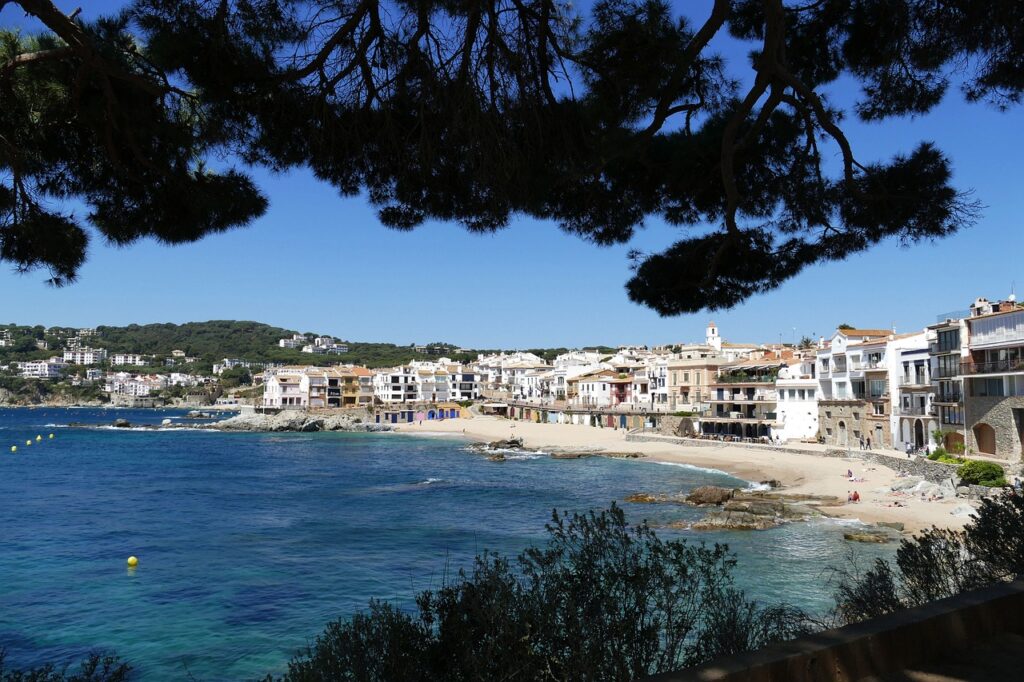
Although technically these are two separate villages, Calella de Palafrugell (not to be confused with Calella, which is closer to Barcelona) and Llafranc look like a single entity on one of the most charming stretches of the Costa Brava coast.
In Calella de Palafrugell, whitewashed houses line the bay, with fishing boats painted in bright blue and red colors anchored along the shore. The air is filled with the aroma of fried fish from beachside restaurants.
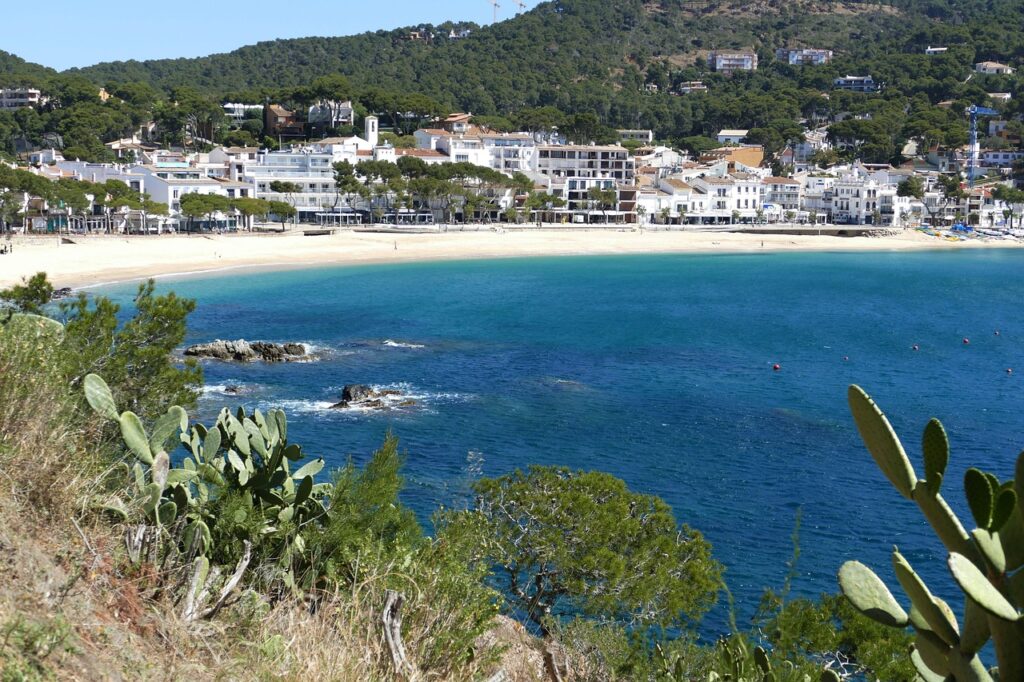
Llafranc, located just a few minutes’ walk along the promenade, swaps the bustle of Calella for a more refined tranquility, where couples linger over wine in seafood restaurants overlooking the bay. Both are classic Costa Brava – intimate, beautiful, and incredibly relaxing.
Both Calella and Llafranc appeal to families and anyone looking for peace and beauty without the bustling tourist scene. It is worth noting that both villages are among the priciest options on the Costa Brava coast, but the idyllic views and atmosphere are worth paying more for such a holiday experience.
Along the promenade and the narrow city streets, there are many cafes and good restaurants, and it was already crowded here even before the high season started.
Things to do in Calella de Palafrugell and Llafranc
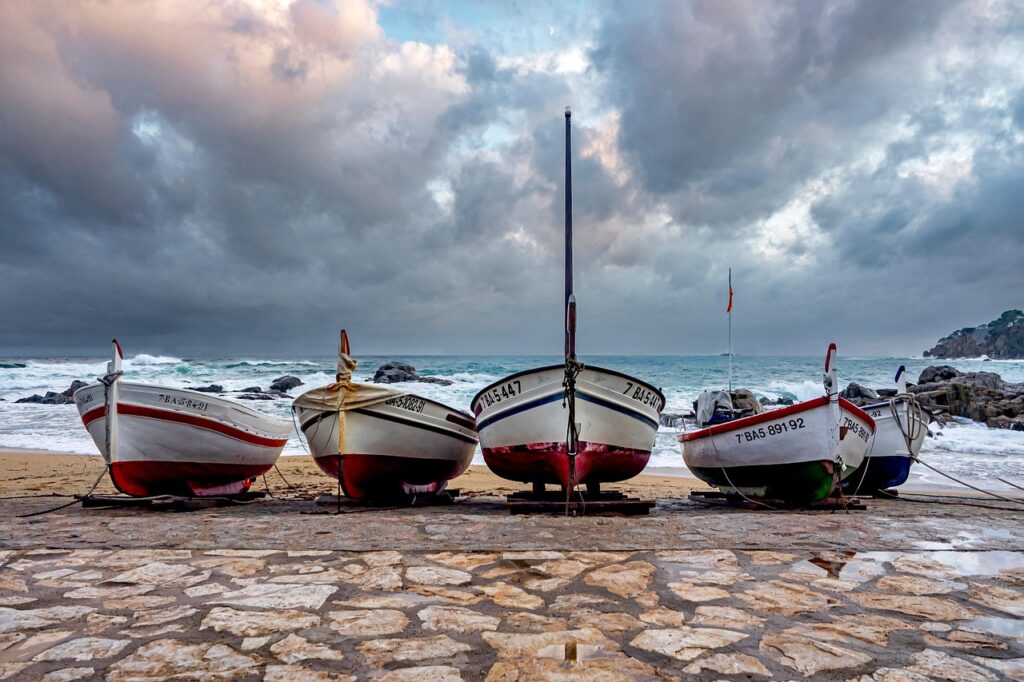
- Safe beaches: small, sheltered beaches with calm water, ideal for young children. Cala El Crit – a sandy cove surrounded by rocks, located near Calella de Palafrugell, and can only be reached on foot.
- Coastal trails: easy walking trails along the coast, offering stunning views and family-friendly hikes.
- Cap Roig Botanical Garden: a beautiful garden to explore with children, featuring a variety of plant species and gorgeous landscapes.
How to get to Calella de Palafrugell
- By bus No. 4242 Girona-Hospital Josep Trueta-Calella de Palafrugell operated by moventis.es departing from the bus station at Pl. Espanya.
- It is best to rent a car and come here on your own wheels. Buses here are rare.
Accommodation in Calella de Palafrugell and Llafranc
- Hotel Port-Bo≫ – very convenient location: 5 minutes’ drive from Calella de Palafrugell bus station and 5 minutes’ walk from the sea. This is a unique, very comfortable hotel with a buffet breakfast. The decor is retro but impeccably maintained. All the walls are covered with tapestries made by the grandmother of the family. There is a nice pool and plenty of loungers.
- Hotel Llafranch≫ – A very peaceful place, with a wonderful beach just a few yards away. Plenty of good restaurants and almost no traffic. Great location near the Llafranc beach.
Cadaqués
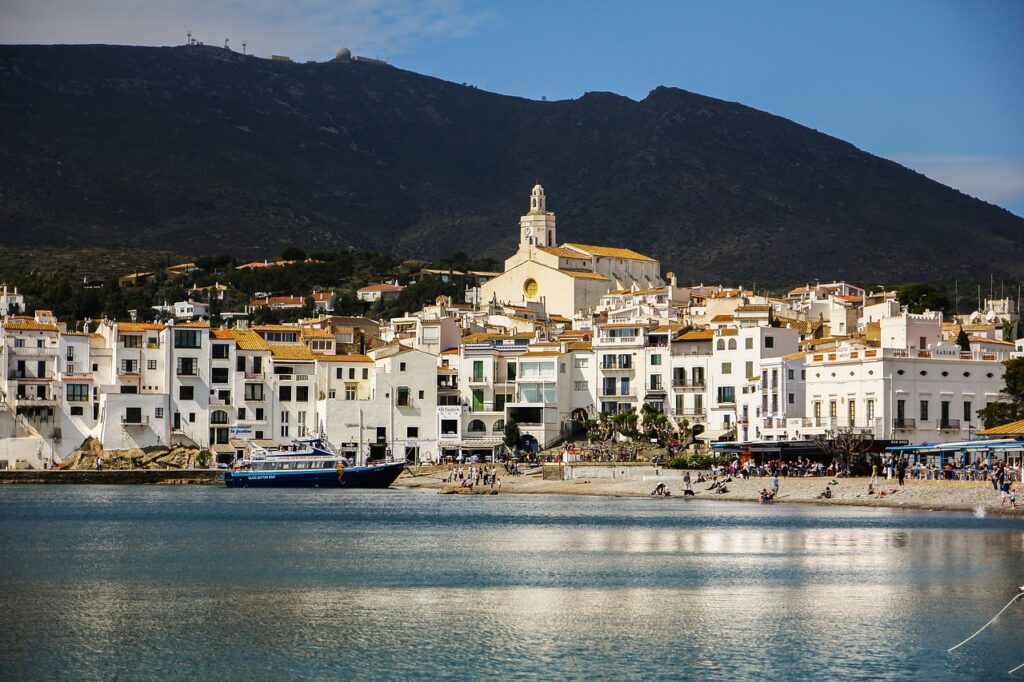
Cadaqués, hidden near the French border, has a character of its own. It very much resembles the white villages of Andalusia – whitewashed buildings, flowers and bougainvillea everywhere, and balconies, colorful seafood taverns — but with a bohemian Catalan flavor. Salvador Dalí once lived just beyond the hill here; his house is located in Portlligat and is open to visitors.
Situated near the French border, Cadaqués is unlike any other town on the Costa Brava coast. There is almost no beach here, and the coastline is very rugged with cliffs. On the shore are multi-colored boats, and the bay is beautiful – it’s incredibly romantic and picturesque. If this is your idea of a seaside holiday – without the typical beach chaos, the opportunity to walk in nature parks, or just sit with a glass of wine overlooking the sea – Cadaqués is perfect for this kind of relaxation.
What to see in Cadaqués
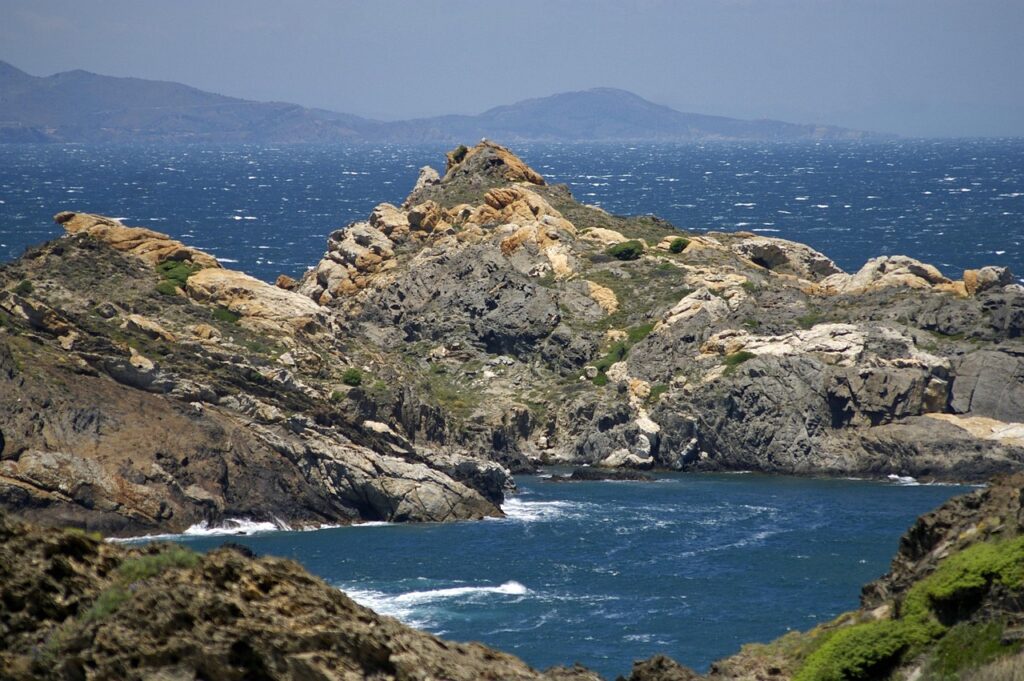
- The former home of Dalí in the nearby Portlligat (a few minutes’ walk from Cadaqués) – now a museum, its eccentric design reflecting the surrealist’s creative spirit.
- Cadaqués is located within the wild natural park Cap de Creus, which offers some of the toughest landscapes of the Costa Brava coast and peaceful hiking trails, some of which are accessible from the town.
- Cala Portaló – a pebbly beach and a shallow bay with turquoise water and rocky cliffs. It is located in the Cap de Creus Natural Park, north of Cadaqués. This place was a source of inspiration for Salvador Dalí’s paintings. It is only accessible by boat.
How to get to Cadaqués
- From Girona there is a bus compras.moventis.es departing from the bus station at Pl. Espanya.
- It is best to rent a car and come here on your own wheels. Buses are rare here, and exploring the hidden bays of the Cap de Creus peninsula is much easier by car. That’s exactly what we did.
Where to stay in Cadaqués
- Hostal Marina Cadaqués≫ – a hotel located on the promenade of Cadaqués. Very simple, completely white decor contrasts with multi-colored paper boats placed throughout the hotel. You can see the sea from the balconies, right across the promenade, which stretches to the beach, there are cafe/restaurant terraces.
- Hotel Calina≫ – a hotel in the Portlligat bay near the Salvador Dalí House-Museum, where he lived with his wife Gala. Wonderful location, with views of the bay and beach. The hotel is very beautiful, with a lovely pool, a building with modern elements and a traditional spirit. Dedicated parking spaces.
Begur
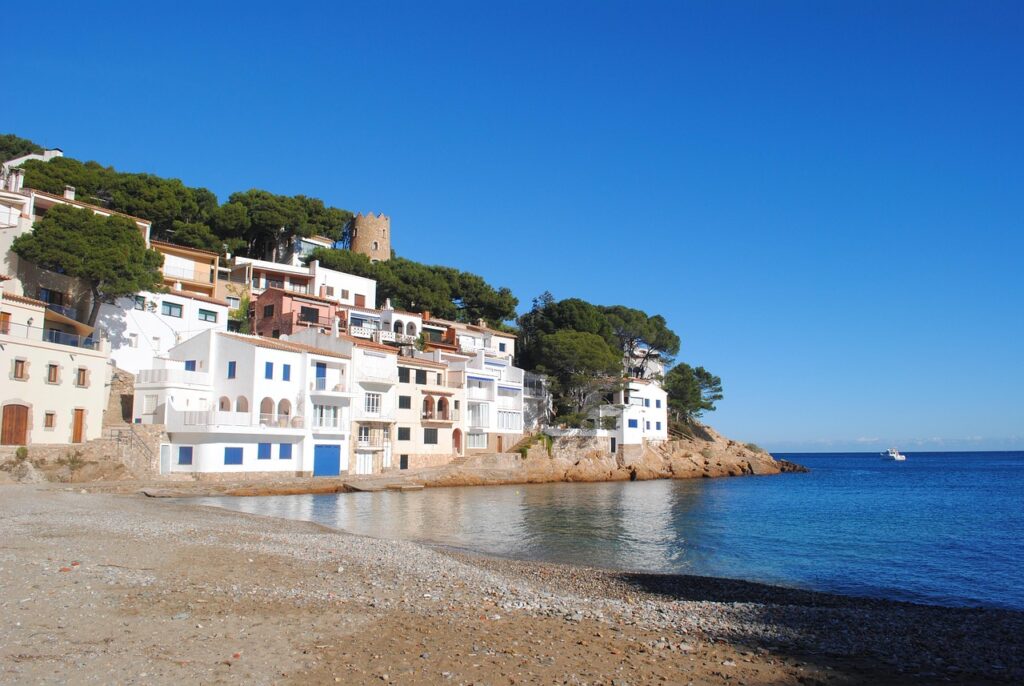
The town of Begur together with the neighboring beach village Fornells is a place that remains largely off the radar of international travelers. Begur has a colorful historic quarter and a hilltop castle, and there are several wonderful squares with cafes and restaurants in the fortified town.
Fornells, just a few minutes’ drive from Begur, is a quiet seaside village with rocky coves and dense pine trees. Together, these two destinations make a good base for a holiday. Unlike Cadaqués, here there is a small sandy-pebble beach where you can combine relaxing in Begur with swimming and relaxing on the beach.
Begur attracts cosmopolitan people interested in staying in boutique hotels built in wonderful natural surroundings. Those who appreciate delicious cuisine, blending culinary treasures from the sea, tapas bars and mountain Catalonia dishes. Here you can visit markets, buy tasty products, enjoy the relaxed atmosphere of bars and the warm sea and sun. This is not your traditional beach resort vacation but about enjoying life.
What to see in Begur
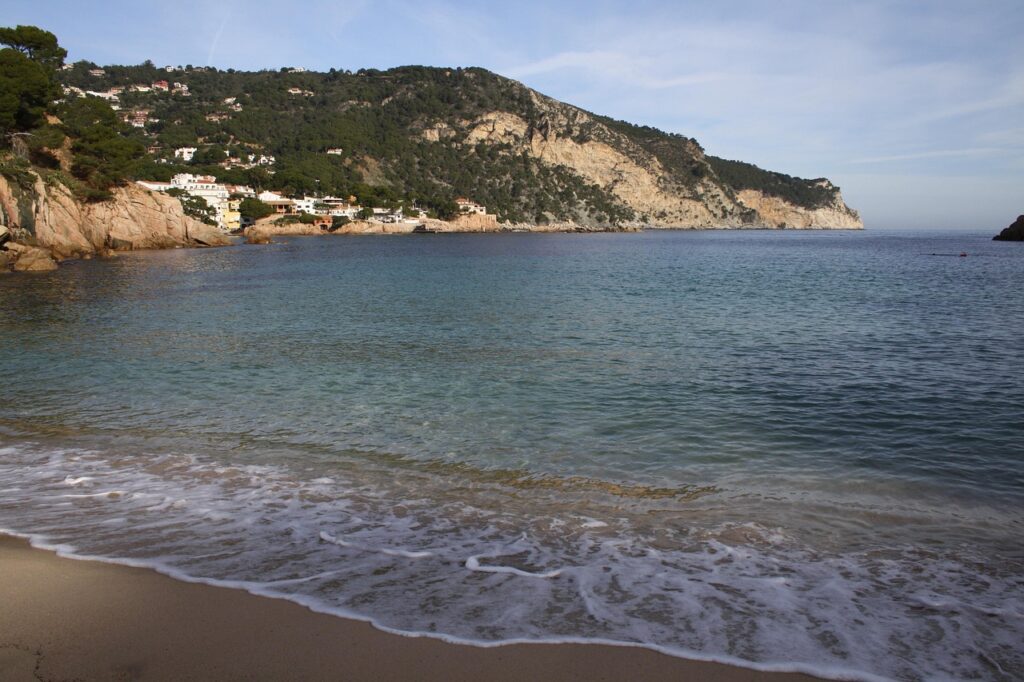
- Begur’s city center — this is a wonderful labyrinth of cobblestone streets lined with historic buildings and several watchtowers built to monitor pirate raids that used to plunder the coast.
- Towering above it all is the 11th-century Begur Castle, which offers incredible views of the town, the sparkling sea, and the surrounding pine-covered hills dotted with charming villas.
- Visit some of the Costa Brava’s most beautiful coves, such as Aiguablava and Sa Tuna. These small and secluded beaches are ideal for visitors who cherish natural beauty and tranquility. However, without a car, it may be difficult to reach these coves.
- Sa Riera – another nearby beach, larger and offering more amenities, making it a good option for families wanting easy access to the sea.
How to get to Begur
- From Girona there is a bus compras.moventis.es departing from the bus station at Pl. Espanya, following the route Girona – Correus – Begur.
- It is best to rent a car and come here on your own wheels.
Where to stay in Begur
- Hotel Eetu – Adults Only≫ – conveniently located near many charming towns in the area: Peratallada, Calella, Palafrugell, access to the Cami de Ronda trail, close to quiet and peaceful little beaches. The breakfasts are incredible and amazing with lots of fresh fruit, and there is a private pool.
- Hostalet de Begur – Adults Only≫ – Comfortable clean suites. The hosts are very hospitable: from preparing a wonderful breakfast to suggesting restaurants, hikes, and giving a general tour of the surroundings to nearby towns.
What to see and do on the Costa Brava
Below are some cities on the Costa Brava coast that we managed to see during our trip. The list is by no means exhaustive, as there are many interesting places here worth visiting. Of course, set aside at least three days for Barcelona – that’s exactly what we did: first we visited Barcelona, and then we explored the Costa Brava by rental car.
Recommended reading: Barcelona – what to see in three days
Girona

Although Girona is not directly on the coast, it is the main city on the Costa Brava. If you plan to fly via Girona airport – I definitely recommend visiting this city. We planned for a day and a night before returning home and didn’t regret it – it’s very pretty here.
The fast train from Barcelona takes just 38 minutes. But there are slower and cheaper options, which take from one to two hours.
The city is divided into two parts, separated by a river – Barri Vell (the old town) and the more modern part. This historic city is home to one of the best-preserved Jewish quarters in Europe, with narrow alleys that were once home to a large number of Jewish citizens before they were expelled from the city.
In addition, in Girona you can see beautiful medieval city walls from the 12th century and, of course, the city’s famous cathedral. There are also nice restaurants and tapas bars where you can enjoy delicious tapas, wine, and beer without the high prices and crowds of Barcelona.
Figueres
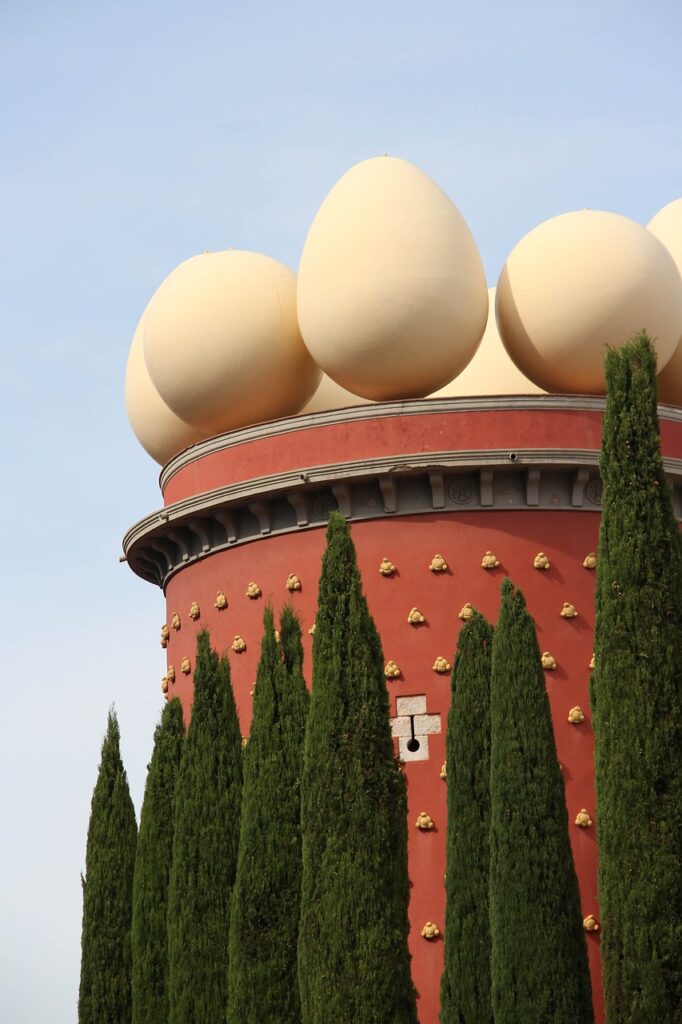
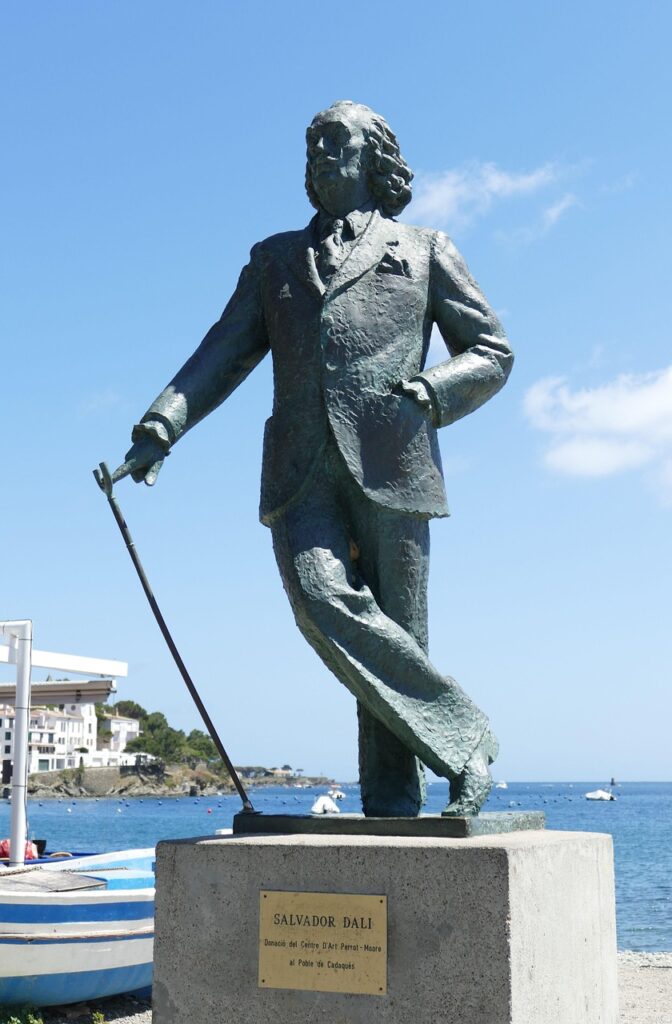
Figueres is the birthplace of the famous Spanish artist Salvador Dalí. We included this city in our route for the sake of visiting the Dalí Theatre and Museum – a quirky red building with huge eggs on the roof, designed by the artist himself.
It houses many of his best works from over the years, many of them inspired by the wild landscapes of Cap de Creus Natural Park. The Dalí Theatre Museum has one of the best collections of his works in the world with more than 1,500 exhibits from sketches and sculptures to furniture and paintings. I recommend allocating at least 2-3 hours for the museum.
Hiking along the sea on the Cami de Ronda trail
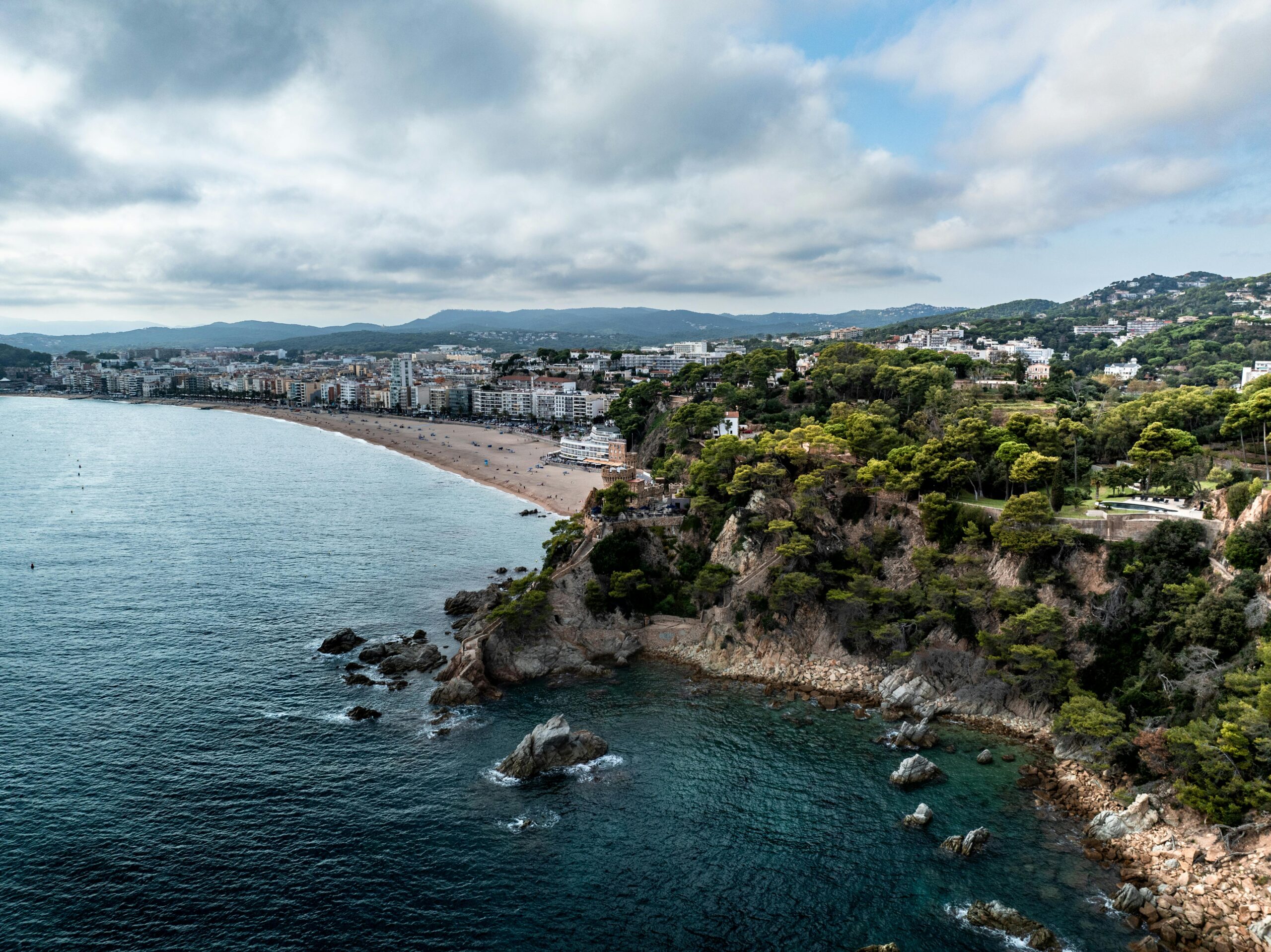
Cami de Ronda is a hiking route that stretches along the entire coastline of the Costa Brava, connecting towns along the way. In the past, it was used as the main means of communication between various towns, and then during the civil war it became a popular smuggling route – a place for boats from France to land, delivering goods and contraband to Spain during Franco’s regime.
Today the hiking trail is a wonderful way to immerse yourself in the region. Sometimes it is a well-defined stone path, sometimes it turns into a dirt track winding between remote headlands of the Costa Brava. Walking this trail in the warm season, you will find many places to swim, and quiet spots where there are no people due to the remoteness. On the official website of the route you can find all the necessary information for planning a hiking trip.
Useful articles and links:
- 5 best places for a beach holiday on the Costa del Sol, Spain
- Andalusia by car – route along the Costa del Sol coast
- Hotels in Barcelona – which neighborhood is best to stay in