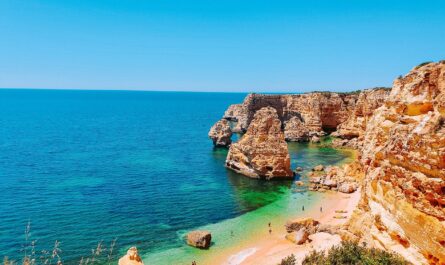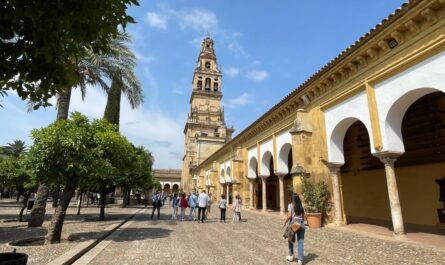
Andalusia is the southernmost region of Spain, where you are instantly immersed in the atmosphere of Moorish architecture to the rhythmic sound of guitar and flamenco. This is a Spain you won’t see in the north – Andalusia is very different from all the northern regions. Here, the sun shines almost all year round; on the mountain slopes, white villages stand out, churches and lofty cathedrals rise high, and at the foot, you can still see remnants of Roman ruins.
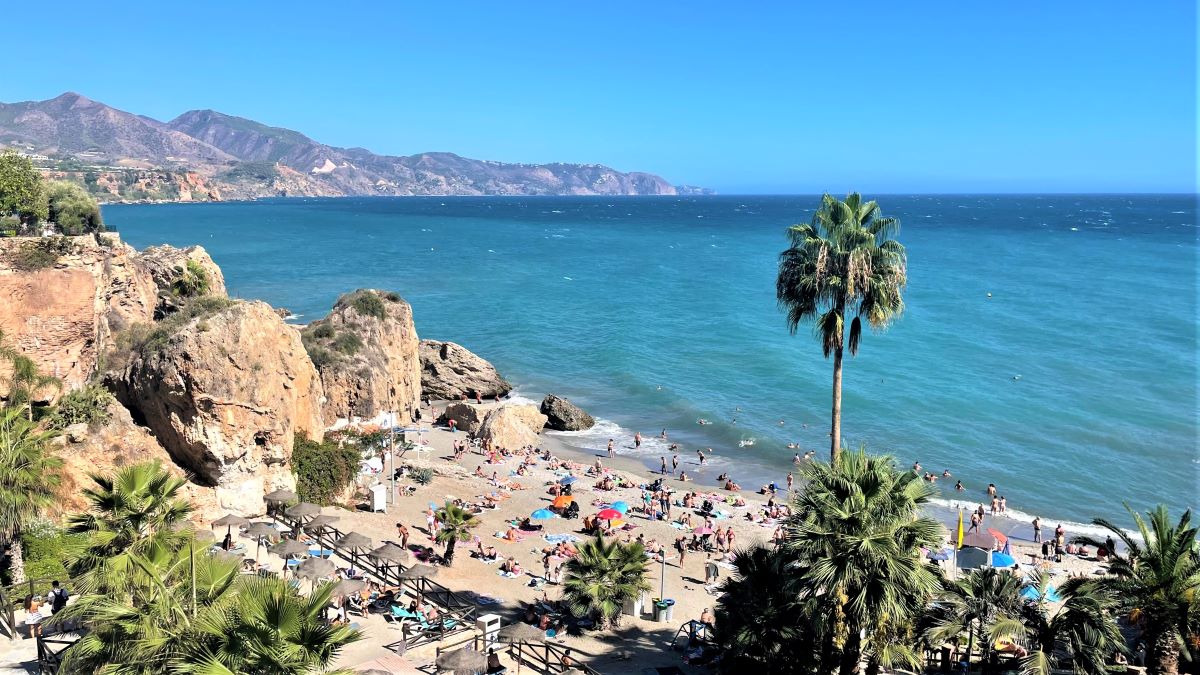
Here there is a sea with palms and beaches and a wild windy ocean, where the atmosphere of freedom prevails. The tourist resorts of Costa del Sol are balanced by rocky mountain towns that seem unchanged for centuries. This is a region of delicious food and wine, flamenco music and bullfighting, modern and traditional cities.
There is a solid reason why this is one of the most popular parts of Spain to visit. That’s why I have traveled to Andalusia several times, and I believe I still haven’t seen everything.
Let me tell you about the nuances of traveling to the south of Spain, what you must see there and how to plan an interesting trip.
I recommend reading: Andalusia by Car – Route along the Costa del Sol
A bit of geography – where exactly is Andalusia located
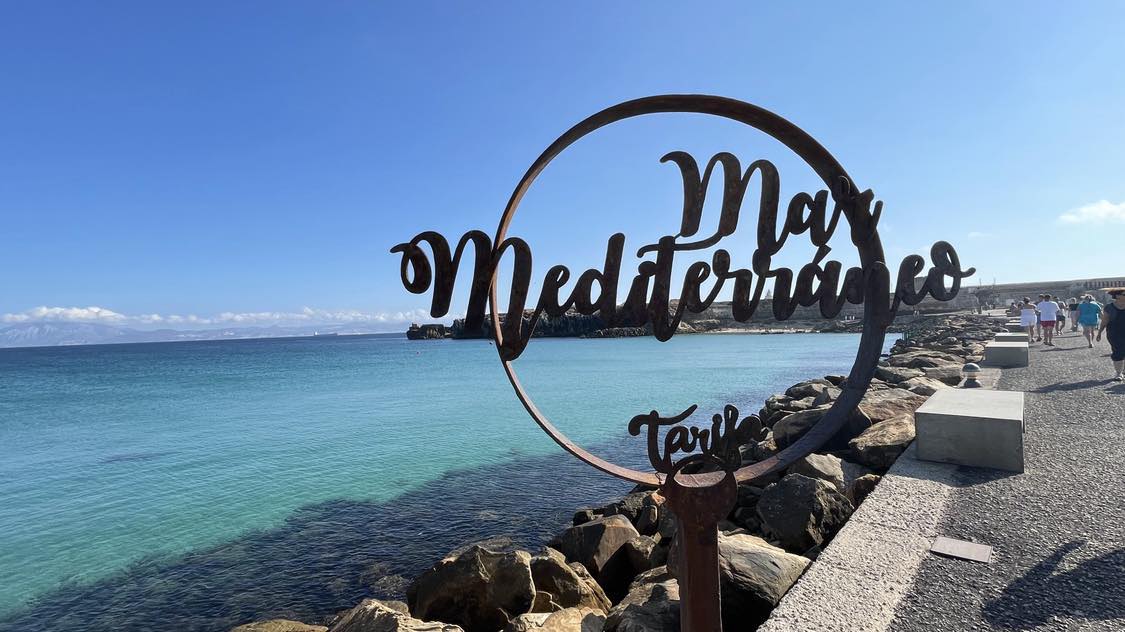
Andalusia is located at the far southern end of mainland Spain, bordering Portugal to the west and the autonomous communities of Extremadura and Castilla-La Mancha to the north. The Mediterranean Sea is also a natural border for this region, offering a vast stretch of beaches.
The capital of Andalusia, Seville, is located about 536 km from Madrid. Thus, it is easily accessible by car, or by air or rail. The region covers eight provinces: Almería, Cádiz, Córdoba, Granada, Huelva, Jaén, Málaga, and Seville. Granada, Málaga, and Seville are well-known tourist destinations with rich history and culture.
How to get to Andalusia

Andalusia is well-connected to the rest of Spain and Europe, making it easily accessible by air, rail, or car. If you plan to fly to Madrid, from there you can use the Spanish train network. The high-speed AVE train, operated by the Spanish national rail company Renfe, will get you to this region in a few hours.
- The trip from Madrid to Córdoba by high-speed AVE train takes an average of 1 hour 40 minutes, and tickets cost around from 30 to 90 euros.
- The journey from Madrid to Seville takes about 2 hours 20 minutes and costs from 40 to 120 euros.
- The trip from Madrid to Málaga takes 2.5 hours, and tickets cost from 50 to 130 euros.
- Madrid to Granada will take about 3 hours 10 minutes, and tickets cost from 60 to 140 euros.
Ticket prices depend on the class of the carriage, as well as the time of purchase – the earlier you book, the cheaper it will be.
Each of these cities also has airports, serviced by frequent domestic flights from Madrid, as well as from Barcelona, the Canary Islands, Bilbao, Santiago de Compostela, and the Balearic Islands.
Airports in Málaga and Seville can also be reached by low-cost carriers Ryanair and Wizz Air, which fly from various European countries.
The best time to visit Andalusia

Autumn in Andalusia
The best time to visit Andalusia is the autumn months from September to November. This is when the weather remains warm enough for swimming, but the summer heat is gone and tourist crowds have significantly decreased. This is also the period with minimum rainfall. Average temperatures in September range from 14-26°C, about 9-23°C in October, and 4-17°C in November.
Note that these are averages for the whole region. The coast is generally much warmer, and you can swim in the sea, while in the high mountain towns and villages it will be a bit colder but perfect for hiking.
In 2024 we were on the coast of Costa del Sol at the end of September and the sea water was about +20-22°C. It’s a bit chilly to get in, but swimming is great once you get used to it.
Spring in Andalusia
The late spring months – April and May – also offer pleasant weather and fewer crowds (except during Easter and Holy Week). But at this time, it rains more often – in May we saw a downpour in Córdoba – for this region, it’s a blessing. Easter in spring means massive crowds of tourists in all big cities, so keep this in mind!
In 2023, I was in Andalusia in mid-May – I was very lucky with the weather to walk the Camino Mozárabe. It wasn’t very hot – maximum +24-27°C. Walking around the cities – Córdoba, Granada, and Seville – was very comfortable.
Summer in Andalusia
The summer months – July and August – can be extremely hot, with temperatures often rising above 40°C. Although it’s a popular time for beach lovers (by the sea and on the beaches it’s much easier in such heat), summer is not the best time for sightseeing, especially in inland areas. You will often have to hide out in the hotel during the hottest part of the day, usually between 3 and 6 pm.
Winter in Andalusia
Winter in Andalusia is mild compared to most of Europe. And thanks to low prices, it’s a great time to explore the area. The crowds are the lowest, but note that not every place in Andalusia has winter sun. In some places like Granada and Ronda, the temperature is significantly lower than in the surrounding towns due to their high altitude. But in the Sierra Nevada mountains there is a winter ski resort. So you can go skiing during the day and spend the evening in the bodegas of Granada, which sits at the foot of the resort.
Transport and how to get around Andalusia

The best way to travel around Andalusia is a combination of public transport (trains and buses) and a rented car. The train network in Spain is one of the best in Europe, thanks to high-speed connections between all the major cities of Andalusia.
However, if you want to get away from the big cities, renting a car is the most practical option. For example, if you want to take a tour of the white villages in the mountains, get to remote beaches or see the big dune of Tarifa.
This combination gives you the best of both worlds: the convenience of frequent trains and the flexibility of your own car when needed.
Car rental
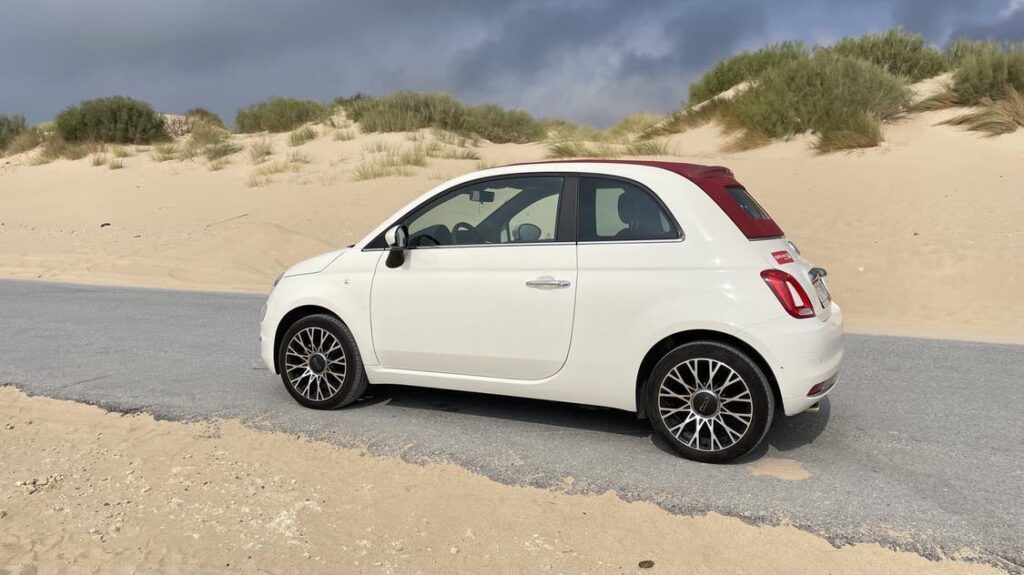
Renting a car for the whole trip is also a great way to explore Andalusia. This is recommended for those travelers who are interested in traveling outside major cities, independently planning their itinerary without relying on buses or train schedules.
The tourist infrastructure in Andalusia is very good, so renting a car is easy. You will find offices of leading brands in all cities, at railway stations, and airports. In autumn and winter, compact cars can cost only 13 euros per day (without full insurance, which is added to the total rate of rental car).
To check prices and book a car, I recommend using DiscoverCars – a car rental website that features offers from all major international car hire companies. As well as many small local agencies that often have much better prices. It is often possible to find great deals – this is tried and tested personally.
Driving in Andalusia
Driving in Andalusia is generally simple and safe. The roads and motorways are good quality and well signposted. However, keep in mind that rural roads can be narrow and winding, especially in mountainous areas.
Parking and its features
Parking can be difficult in cities such as Seville and Granada, where streets are narrow and parking spaces are limited. The same goes for the white villages – Pueblo Blankos, where there is little space for parking and narrow winding roads at a steep angle.
I always searched for parking in advance before traveling to a city or town. Sometimes these were free parking lots, sometimes paid. For example, in Cádiz, where there is nowhere to park in the old town. I had to pay for a day at a car park located near the train station (10 euros). In Marbella, where we were for a day, I used an underground and very expensive parking (1.5 euros per hour). Payment for parking is almost everywhere by bank card (phone), which is very convenient.
In Estepona and Nerja I also planned to use the underground parking, but we were lucky to see a free spot on the street parking.
By the way, if you see parking spaces with a white dashed line, you can leave your car for free (unless there are time restriction signs at the parking lot). Yellow line – stop or parking only for special vehicles. Blue – paid parking.
Always check speed limits on signs – they are posted densely along the roads, so you’ll know what’s allowed. But keep in mind, if there are no cameras, locals drive much faster than allowed. We used Google Navigator, which shows camera spots, and kept the speed matching the main flow of cars.
Public transport

Andalusia offers various options for public transport: buses, trains, and ridesharing apps. You can easily travel between the main cities of the region by bus or train, which run frequently, are comfortable, and have fairly affordable prices for suburban trips.
You can use Bolt and Uber in Seville, Malaga, and on the Costa del Sol coastline. In other places, such as Córdoba, Granada, and Cádiz, you will have to rely on local taxis. Ferries connect the coast with the islands and North Africa.
However, public transport in Andalusia has certain limitations. Especially in rural areas and nature parks, where transport is rare or completely absent. If you want to explore the countryside, villages, or mountains, you may need to rent a car or join a tour.
About prices: generally, buses are cheaper than trains, and local transport is cheaper than intercity. You can buy tickets online, at the station, or on board depending on the service. For example, you can buy a bus ticket from the driver, and a commuter train ticket – only at the ticket office or self-service machine at the station.
You can also use a tourist card such as Tarjeta de Transporte Metropolitano, which offers discounts and conveniences for those who travel frequently in the city. The average price of a bus ticket in Andalusia is 2 euros, and for a train – 15 euros.
Where to buy bus and train tickets
In general, I recommend booking public transport tickets directly from the provider.
- Bus tickets around Spain I buy on the website of the Spanish carrier Alsa. They accept Ukrainian cards without issue.
- Train tickets in Spain – on the website of the Spanish rail company Renfe.
I search for routes in Google, or on the website Omio.com – this is an aggregator that shows public transport route options throughout Europe. By searching, you can see all options for trains, buses, flights, and even ferries, as well as many different companies that provide services. Comparing prices is easy, the website has a great design, and you can keep all your bookings in one place. It’s a bit more expensive than direct booking, but it’s very convenient.
How much time to plan for a route through Andalusia
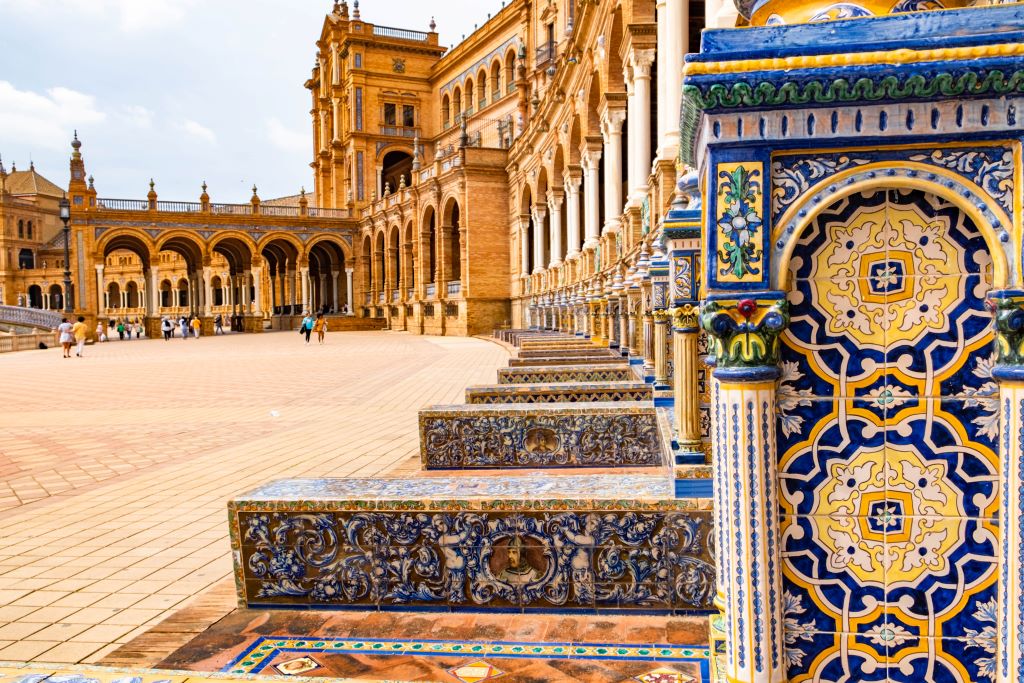
We have already visited these places twice, as we first came in May 2023 to see Granada, Ronda, Córdoba, and Seville. And also to walk the week-long Camino Mozárabe route – from Granada to Córdoba.
The second time – in September 2024, to drive by car from Málaga to Cádiz through Pueblo Blancos (the White Villages of Andalusia), then we saw Tarifa, Gibraltar, Estepona, Marbella, Fuengirola, Nerja, walked the Caminito del Rey, and finished the route in Málaga.
If you don’t walk, each of our routes can be done in 7 days. Accordingly, all the points mentioned – that’s 10–14 days by car, including beach holidays on the sea.
So, plan for at least 7 days if you rent a car to immerse yourself in the beautiful culture and stunning landscapes of Andalusia. If you travel by public transport, you’ll see less, just spend time in cities with the main sights (Seville, Córdoba, Málaga, and Granada).
What you must see on a trip through Andalusia
Andalusia has a wealth of interesting places for lovers of history, nature, and beach holidays.
1. Seville
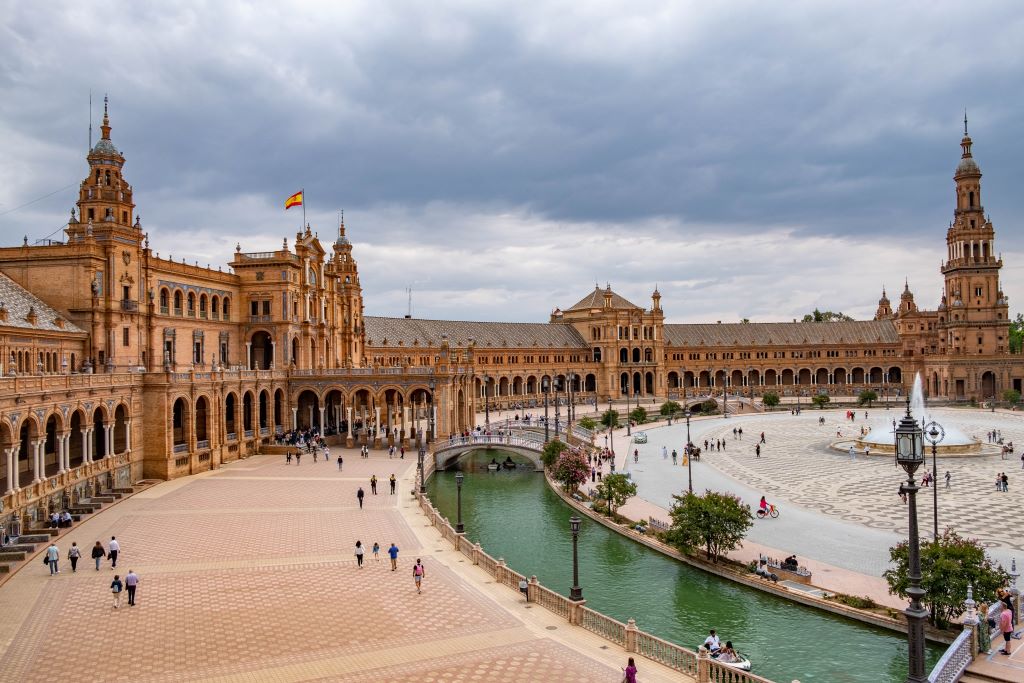
Seville is known for its stunning Moorish architecture, vibrant lively flamenco dancing, and delicious cuisine. The capital is a city that embodies the spirit of Andalusia. Don’t miss the palace complex Real Alcázar, one of the most beautiful buildings in Spain. Or the iconic Seville Cathedral, one of the largest Gothic cathedrals in the world.
In addition, there are city green parks bordering the Guadalquivir River, which flows through the city. The hallmark of the city is the extravagant Plaza de España, built for the Ibero-American Exhibition in 1929.
I recommend reading: Perfect Weekend in Seville – What to do in Two Days in the Capital of Andalusia
2. Granada

Granada, dominated by the magnificent Alhambra palace, is a city where Moorish and Christian cultures blend seamlessly. Walk the narrow streets of the Albaicín district, enjoy tapas in a traditional bar, and admire the breathtaking views of the Sierra Nevada mountains looming above the town. This is a place where you can feel the presence of history, and the Moorish history is so obvious in the city that it’s impossible to ignore.
Alhambra Palace, located on the hill above Granada, is one of Spain’s most famous landmarks. This Moorish palace and fortress were built between the 13th and 15th centuries and was the last bastion of Islamic rule in Andalusia before the end of Spain’s Christian Reconquista. The UNESCO World Heritage Site preserves Moorish art: beautiful architectural details with courtyards, vast halls, and green patios that easily capture your imagination.
3. Córdoba
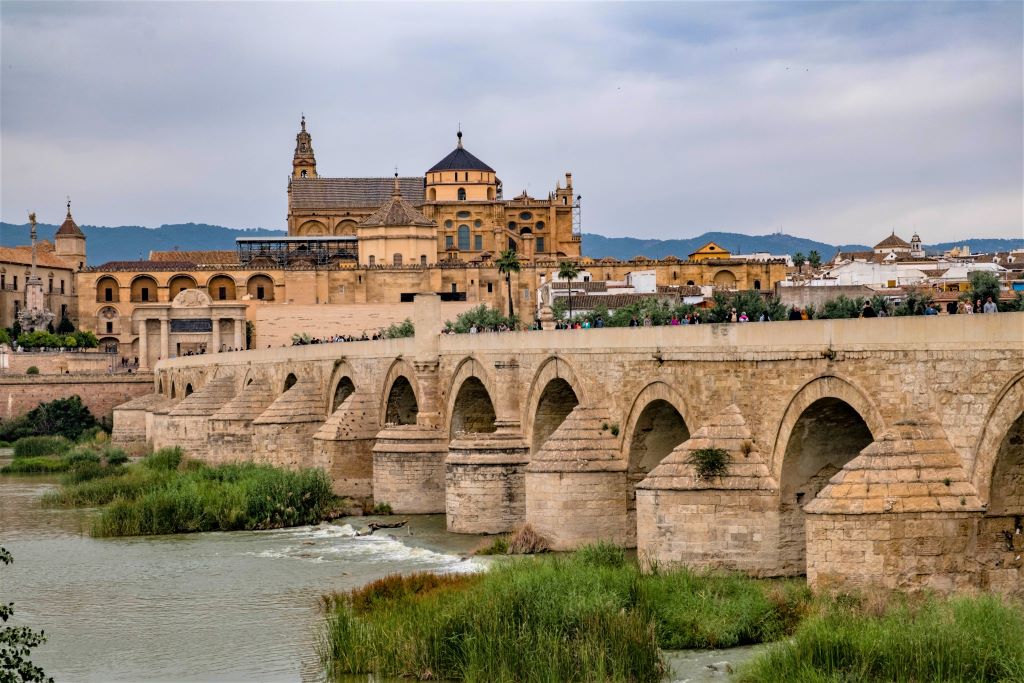
This city, which was once the capital of the Islamic Emirate and later the Caliphate of Córdoba, houses one of the most famous Andalusian treasures. It is the mezquita-cathedral Mezquita, which bears witness to the city’s significant Moorish past.
Mezquita of Córdoba is a unique and unforgettable landmark, a stunning combination of Islamic and Christian art and architecture. The former mosque, converted into a cathedral in the 16th century, is one of the world’s most impressive cultural sites. Inside, it’s spacious and tranquil, an awe-inspiring space filled with columns and arches that create a sense of harmony and infinity.
The mosque was built by Abd al-Rahman I in 784 AD on the site of a Visigothic church and was expanded three times by his successors. The whole building reflects the complex era in Córdoba’s history when the city was a cultural centre where Muslims, Jews, and Christians coexisted peacefully.
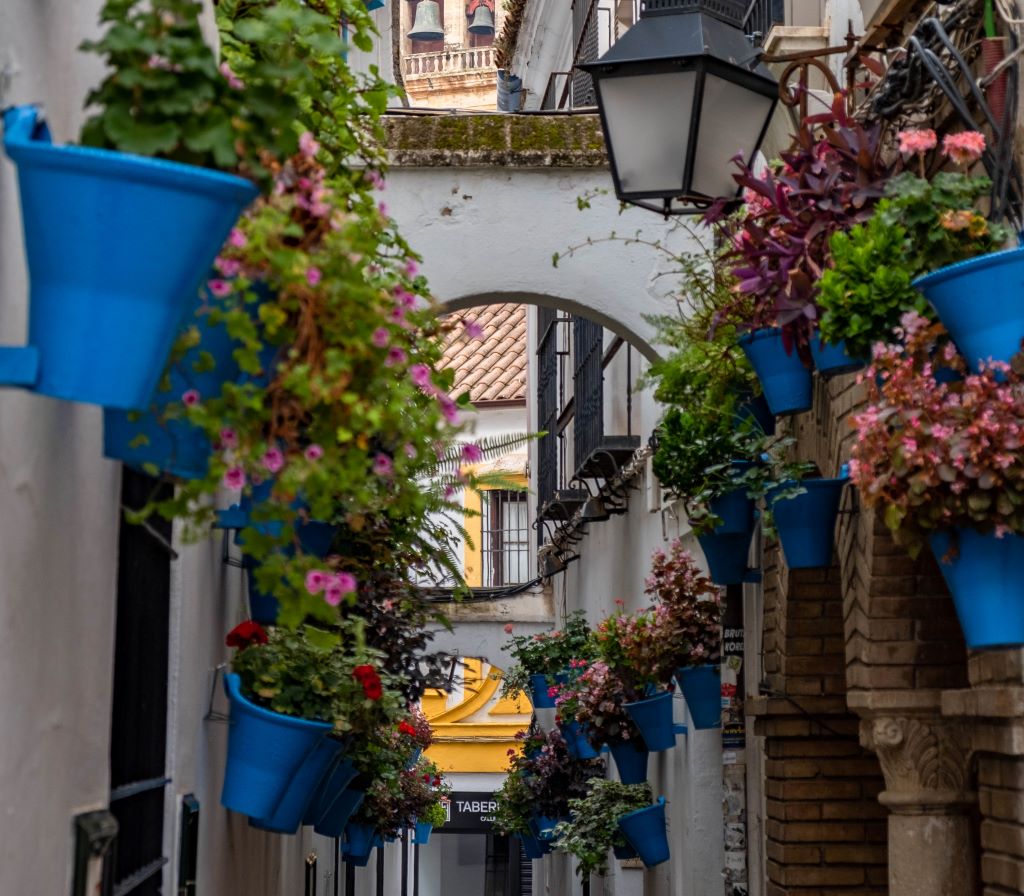
Being one of the most striking examples of Moorish architecture in the world, visitors often focus so much on the Mezquita they forget about Córdoba. But it’s also an amazing place to spend a few days, if possible. Visit the Alcázar de los Reyes Cristianos (Castle of the Christian Monarchs). Walk the Andalusian patios route, filled with plants, hidden squares and restaurants, and the old-world atmosphere.
I recommend reading: Córdoba, Spain – What to Do and See in Two Days
4. Málaga

Birthplace of Pablo Picasso, Málaga offers an abundance of art and culture, from the renowned Picasso Museum to the Centre for Contemporary Art, Centre Pompidou Málaga. One of the best museums in Andalusia is the Picasso Museum, located in Málaga, the city where Pablo Picasso was born. Inside there are a large number of his works from different stages of his life, painting a picture of his colourful life.
The historic city centre is one of the liveliest places in all Spain, not just for tourists who visit the Moorish fortress Alcazaba, the Roman amphitheatre, or the famous cathedral. The bars and restaurants here are packed with incredible tapas, and every lunch and dinner, the historic core turns into a giant street party with drinks and food.
I recommend reading: Málaga – Guide to the Capital of the Costa del Sol
5. Costa del Sol Coast
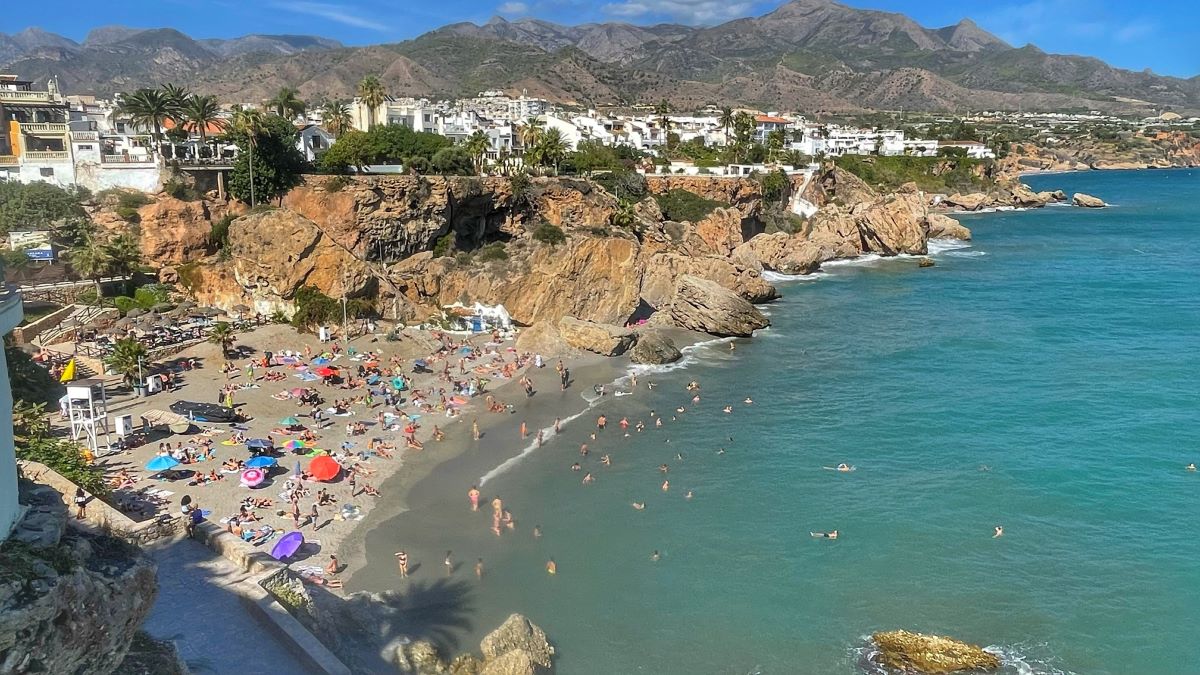
From the fashionable Marbella to the quieter beaches to the south, Costa del Sol is a great destination for those seeking sea and sunshine. And it is also one of the most touristic parts of Spain, with many tourists. However, the further you drive from Málaga, the less crowded and more authentic everything becomes.
- Marbella – is glitz and glamour, with billionaire yachts anchored in the water.
- Estepona, located at the southern end of the coast, is no less beautiful, an old village with a lovely historic centre and a more authentic atmosphere.
- Fuengirola – a modern resort with huge beaches and good transport connections to Málaga and the airport.
- Benalmádena – suburbs of Málaga with good beaches, hotels, and restaurants.
- Nerja – wonderful small lagoons with fine pebbles and turquoise water. In my opinion, the most beautiful on the Costa del Sol coast.
6. Caminito del Rey Walkway

El Caminito del Rey is an exciting walking route. It runs along the steep walls of a narrow gorge in the mountains near Málaga. Originally built at the beginning of the 20th century to provide access for workers and materials for the construction of a hydroelectric power plant. But it became famous for its dangerous conditions and stunning views.
Thrill-seekers from all over the world have come to walk the path, and unfortunately, several tourists have died on the route. Today, after extensive reconstruction, the trail is open again, with new walkways that provide a safe passage along the original route through the dramatic gorge, where the cliffs plunge 700 meters down to the Guadalhorce River.
Details: Caminito del Rey – How to Walk the King’s Pathway on Your Own
7. Ronda

The city, located on the top of a deep gorge, Ronda is incredibly beautiful and has breathtaking views of the surrounding area. Here is the historic bullring, the city has a charming old town and the impressive Puente Nuevo bridge over the gorge, which are among Ronda’s main attractions.
As a historic point on the road between Seville and Granada, it’s a place where everyone left their mark: Romans, Moors, and Christians. It’s also a place where legends abound about bandits and robbers. They hid in the surrounding mountains and raided caravans carrying goods to and from the city.
I recommend reading: Ronda, Spain – 10 Things to Do in the White Town on the Cliff
8. Cádiz
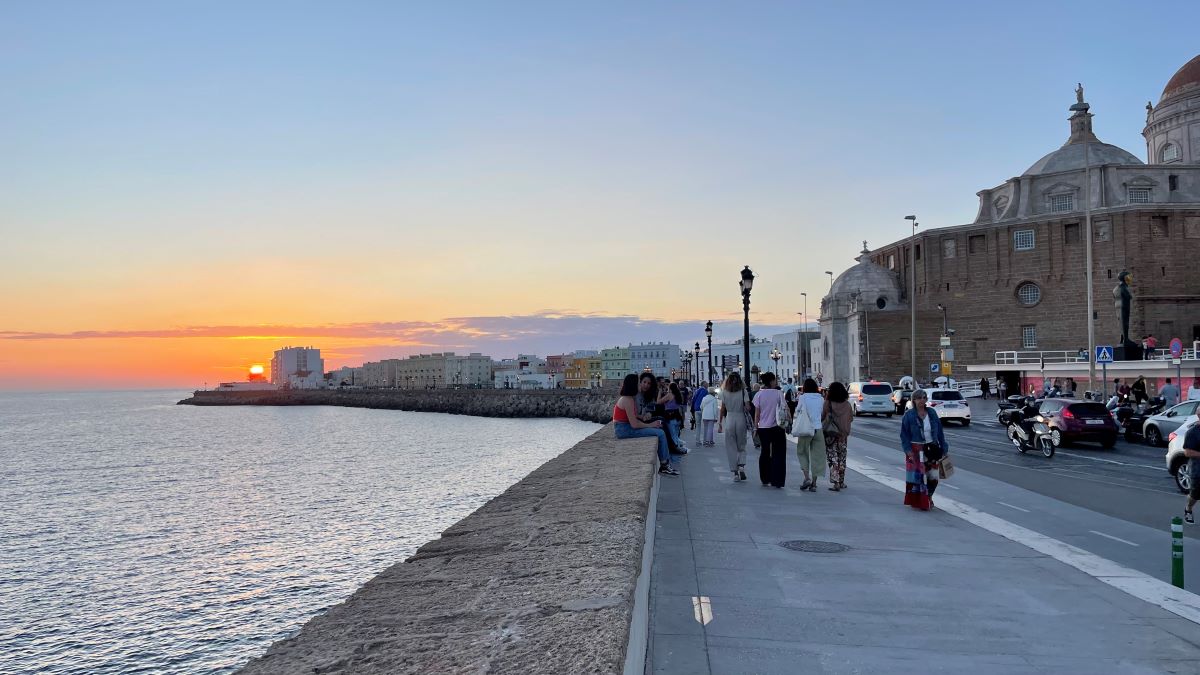
Cádiz is the oldest city in Western Europe and a charming outpost on the western Atlantic coast of Spain. Founded by the Phoenicians as a trading post in 1100 BC, its history is still felt today. But it’s also a modern place with stunning promenades, bustling bars, and friendly locals.
The maritime history of Cádiz is undoubtedly its greatest draw. Here are incredible sandy beaches with dunes and very beautiful sunsets. The city also has a grand cathedral and many old towers atop former merchant’s houses, left from the time when Cádiz was a major port on the trade route to the Americas.
9. Nerja Caves
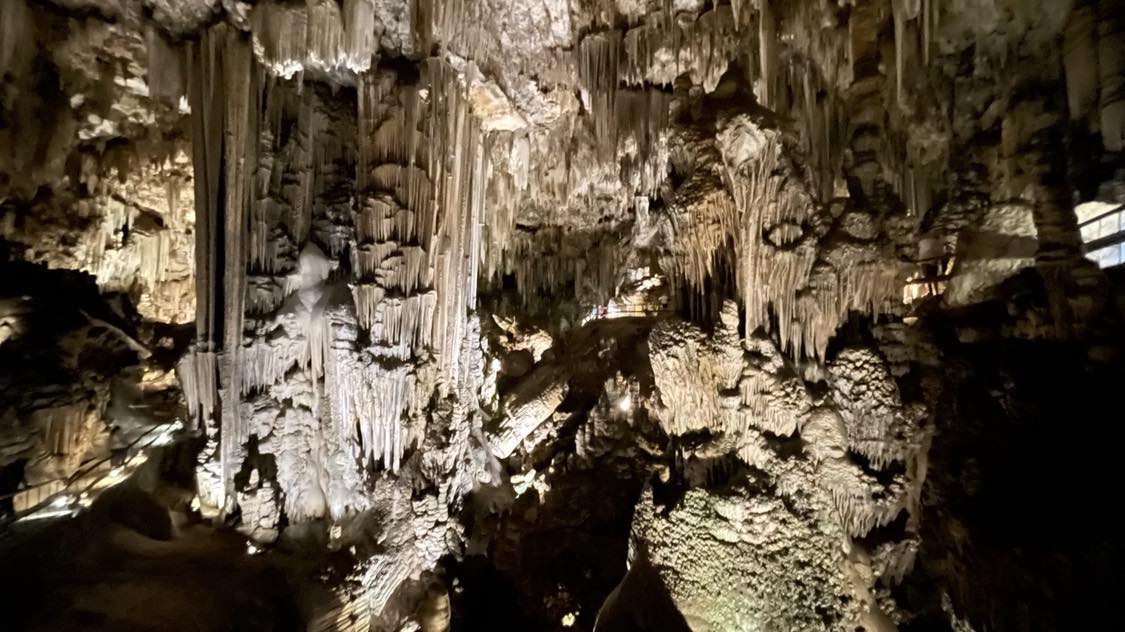
Nerja Caves are a natural attraction near the town of Nerja in the province of Málaga. Discovered in 1959 by a group of young explorers looking for bats, they stretch for a little over 5 km and feature fantastic geological formations as well as ancient paintings dating back to the Paleolithic era.
I recommend reading: Route through the White Villages of Andalusia, Spain
10. Punta Paloma Beach
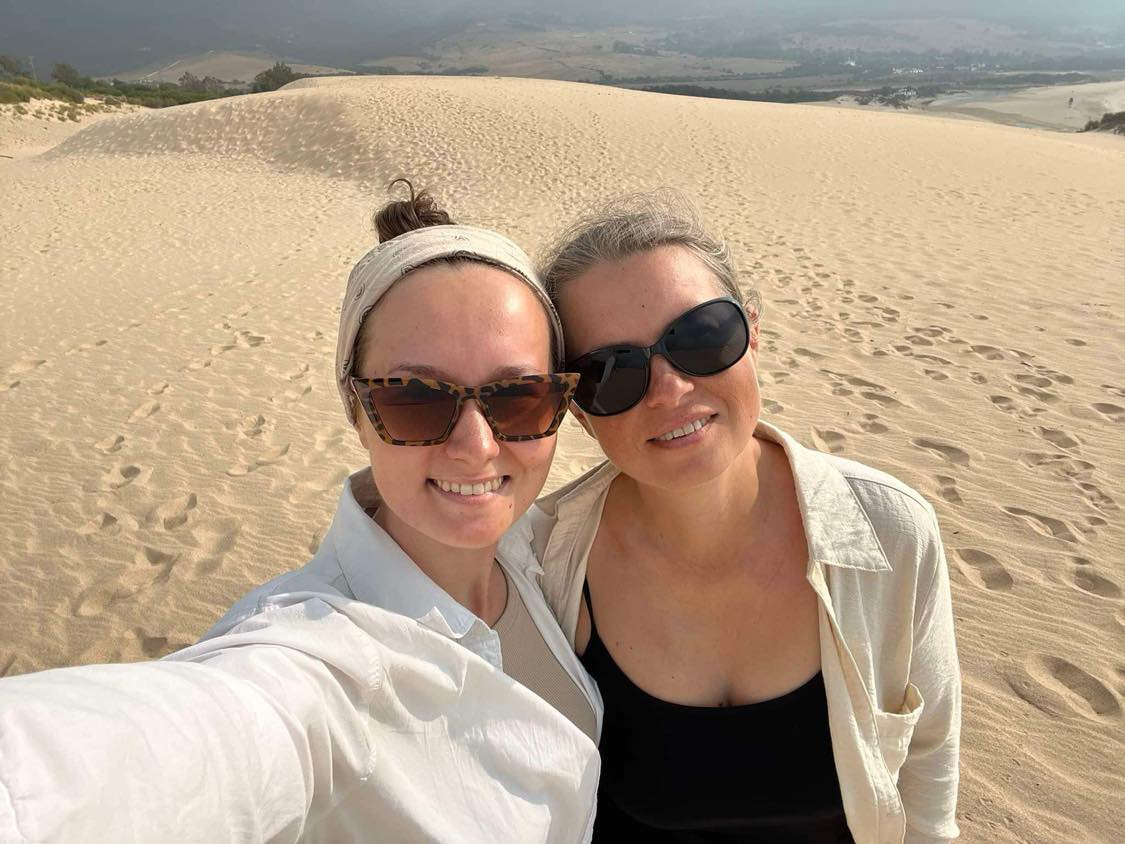
Punta Paloma is a beautiful beach and headland near the town of Tarifa, one of the southernmost points of Spain. It’s famous for its huge sand dunes that rise above the shore. It offering views of the coastline and across the Strait of Gibraltar to the northern edge of Africa.
This is a popular spot for surfing, kitesurfing, and windsurfing. And unlike the Costa del Sol, here you get a natural atmosphere, no buildings nearby and a sense of wild ocean space.
Useful articles and links:
- Top 7 Cities to Visit in Spain
- Hotels in Barcelona – Which Neighborhood is Best to Stay In
- Toledo – a City for a Day Trip from Madrid
Route schedules and tickets for buses and trains – on Omio.com
Car rental – DiscoverCars
Green Card, Auto Liability, and Travel Insurance – online on the portal HotlineFinance
Hotel bookings and apartments – Booking.com