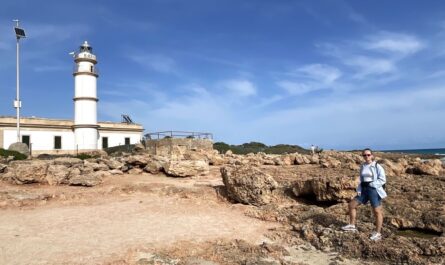
Warm routes for winter hiking in Europe – routes in Portugal, Spain, Malta, Madeira, Cyprus and the Canary Islands.
An active sunny winter holiday in Europe will allow you to feel the warmth in the literal sense of the word. The first thing that comes to mind about winter hikes is mountains and snow. But thanks to the fact that Southern Europe is quite warm even in winter, there are great alternative routes where you won’t need warm clothes.
Although the days can be shorter, the weather in southern Europe is still usually very mild in December, January, and February. Therefore, you don’t have to wait for spring or summer to walk 100-200 km with a backpack.
I first collected for myself these warm routes across the Canary Islands, Portugal, Cyprus, Spain, Madeira, and so on. I’m sharing my own finds – so it will be easier for you to make plans for winter.
1. Hiking trails in Cyprus
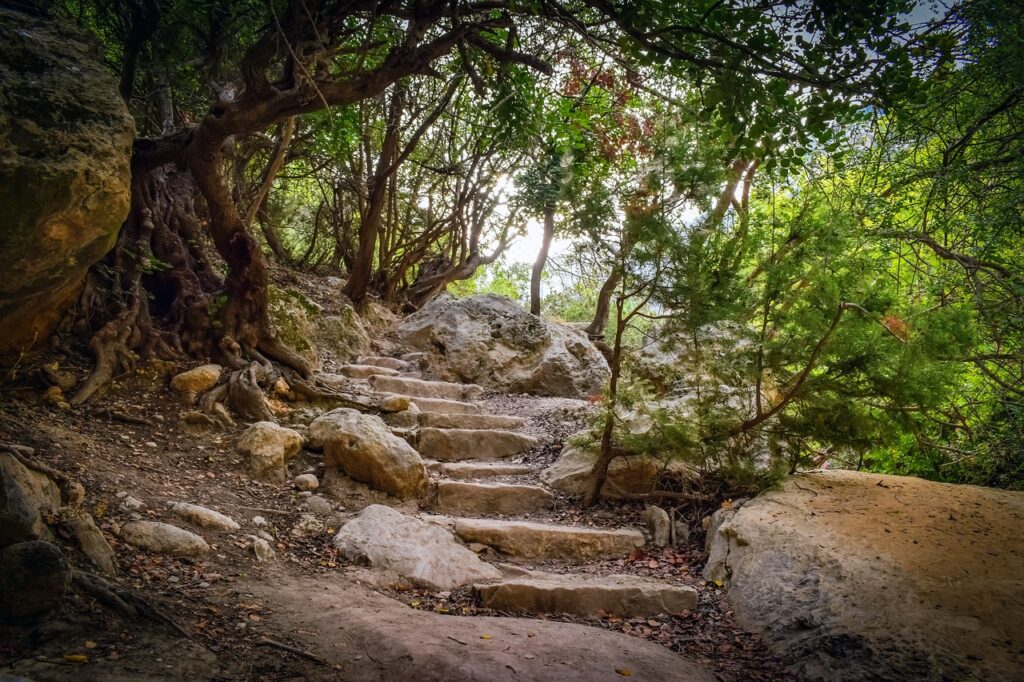
Enjoy the stunning Cypriot Akamas Peninsula during the cool months. Cypriots will welcome you warmly and friendly, and their hospitality will greatly enhance your winter hiking adventure around the island of Cyprus.
There are three official nature trails on the Akamas Peninsula: the Adonis Trail, Aphrodite Trail, and Smigies Trail. Intertwined with rocky hiking paths, these three nature routes offer stunning views of gorges and valleys, amazing rock formations, and a winding coastline. Akamas is famous for its breathtaking beauty and pure ecology.
The trails that start near the Baths of Aphrodite are called the Aphrodite Trail and the Adonis Trail. These two routes can be combined into a hike of about 11 km, which will take you up the hills with a magnificent view over the peninsula. The trails also intersect with another circular route called the Smigies Trail, so you can easily add another 5 km to your hike. The Adonis and Aphrodite trails lead to several points of interest and to beautiful landscapes above the coastline.
The Avakas Gorge Trail is located near Toxeftra Bay, in Paphos province. You’ll find the start of the route when heading toward Agio Georgio (Saint George) Pegia. This specific gorge is an unspeakable grandeur for nature lovers. The final part of the gorge is in a river, whose water does not dry up throughout the year. The difficulty level raises doubts among some nature enthusiasts. Some say this route can be tough due to the height of the gorge and slippery rocks, and there are also concerns about sudden landslides. On the other hand, many say there’s nothing to worry about, and it’s suitable even for small children in tourist groups. More routes in Cyprus here.
2. Camino de Santiago in winter
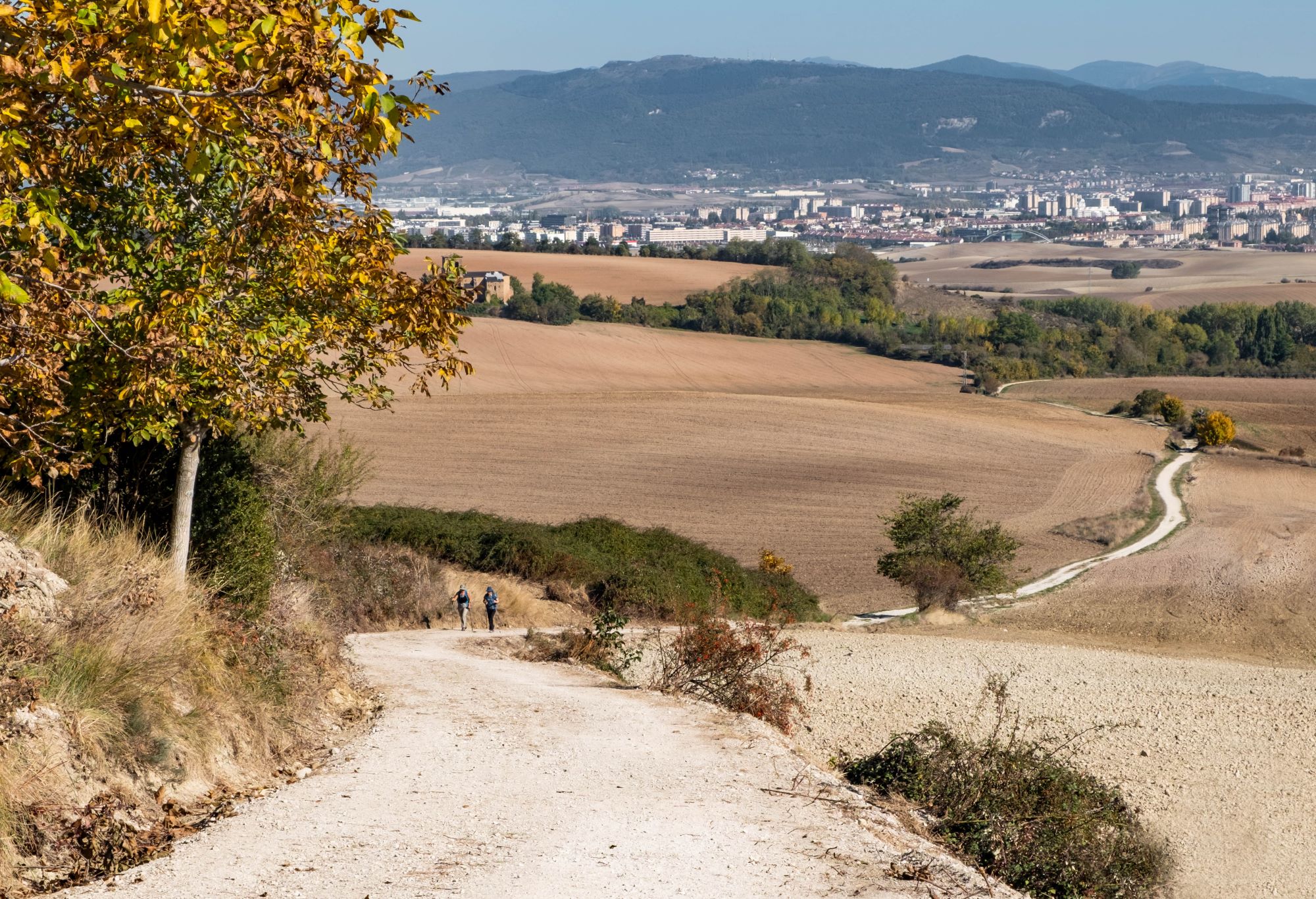
Provided you have the right gear, winter is a magical time to walk the pilgrimage Camino de Santiago trail without the crowds. On the way, enjoy cozy cafes and Galician cuisine. Choose the direction you like best.
Portuguese Camino – from Porto to Santiago:
This route is available all year round – it may rain in winter, but it definitely won’t be cold. Albergues along the way are open – there is always somewhere to stay for the night. On the Camino Portugues, you will experience the beauty of the ocean and the countryside of Galicia along the ten-day Portuguese way from Porto to the cathedral in Santiago de Compostela. And at the end you will be able to see the mass in the cathedral and receive your Compostela certificate when you reach Santiago.
Recommended reading: My Camino Portugues – the Portuguese route from Porto along the ocean
Camino de Invierno – alternative to the Frances:
Camino de Invierno (or Winter Route) is the newest pilgrimage route in Spain, which follows the footsteps of pilgrims who walked to Santiago in winter. It is an alternative section of the Camino Frances, which allows you to bypass the village of O Cebreiro, located at an altitude of 1300m. In winter, there are heavy snowfalls there. The Winter Way is the only Camino route that passes through all 4 provinces of Galicia. So, you will be able to sample the special winter dishes of the regions of A Coruña, Lugo, Pontevedra, and Ourense.
Camino Mozárabe – a week between Granada and Cordoba:

I walked the Camino Mozárabe trail in May – it was very hot! Although I dreamed of walking it in February when the almond trees are blossoming. I recommend this way because you will see the most beautiful cities of Andalusia – Cordoba and Granada.
An exciting walk amid hills and mountains lined with olive groves – you’ll walk through them the whole time. Huge expanses of olive groves, almost endless, covering everything the eye can see. It seems like they never end: tens of thousands, hundreds of thousands, or maybe millions of olive trees all around.
The route length is about 150 km through the gentle hills of Andalusia, except for the steep climb to the village of Moclín (400 meters of elevation gain over 5 km). And at the end of each stage, you are awaited by a white town with the classic Andalusian view: white buildings crowned by a fortress.
Recommended reading: My Camino Mozárabe – The Way of Saint James in Andalusia
3. Hiking trails on Madeira Island

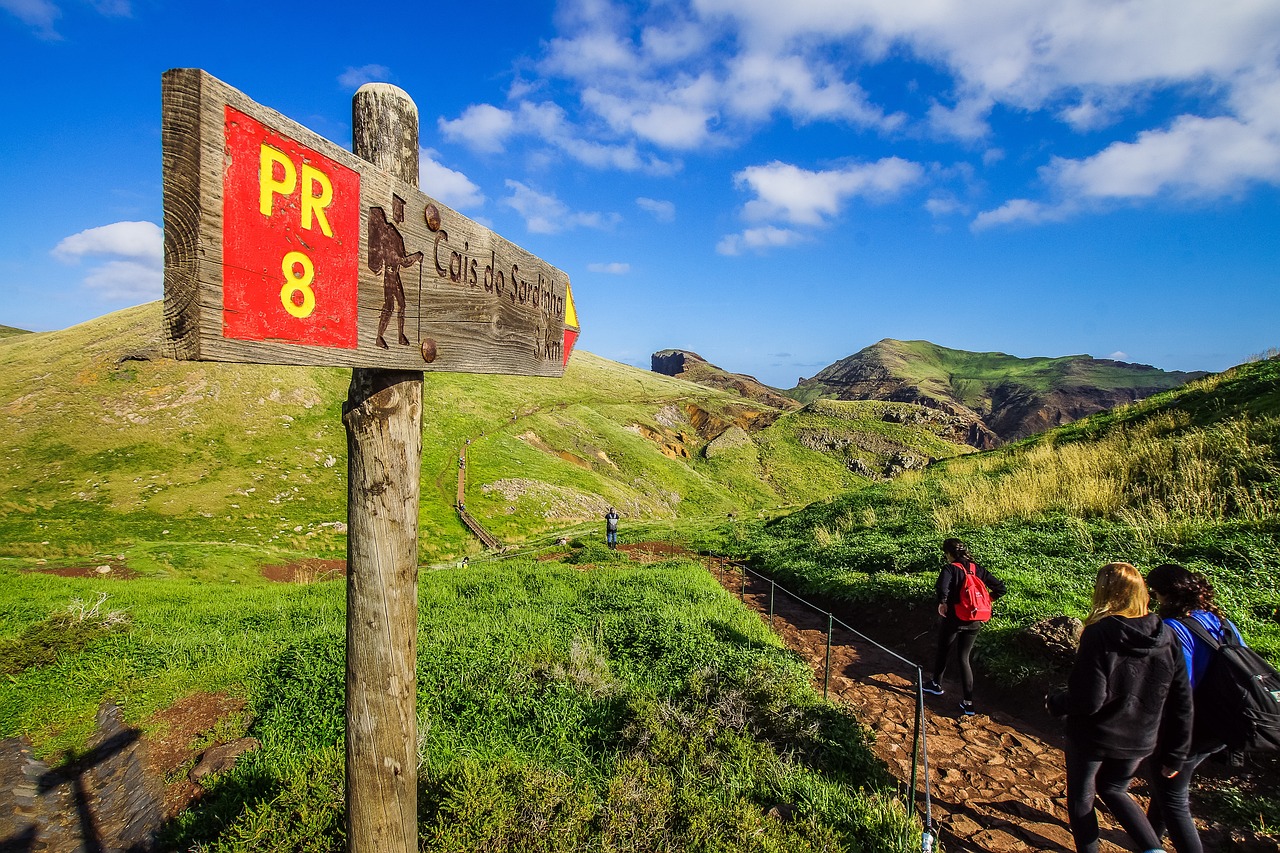
Madeira is one of the best hiking destinations in Europe. This stunning archipelago on the Atlantic Ocean coast boasts incredible scenery, with gorgeous mountains and hikes with breathtaking views.
Walk along the levadas and veredas of Madeira to discover impressive and rugged mountain landscapes on the island, located in the Atlantic Ocean. Madeira is called the island of eternal spring – the Gulf Stream provides a mild and even climate all year round.
Levadas are irrigation channels created to transport rainwater and water from natural springs from the north and west of Madeira (where the climate is wetter and more frequent) southward, where the weather is dry. Every levada is accompanied by a narrow path used for walking and discovering Madeira.
Vereda in Portuguese (also Spanish) means “trail.” This is a general term for a hiking path in Madeira, so every trek that doesn’t follow a levada is called a vereda. You’ll be able to walk all types of vereda in Madeira: along the coast, mountain ridges, hikes in the laurisilva forest, etc. All are stunning and unique in their own way. And most importantly – in winter it’s warm and you can enjoy hiking scenic trails as much as you like.
Recommended reading: Hiking in Madeira – the best routes from personal experience
4. Hiking in the Canary Islands
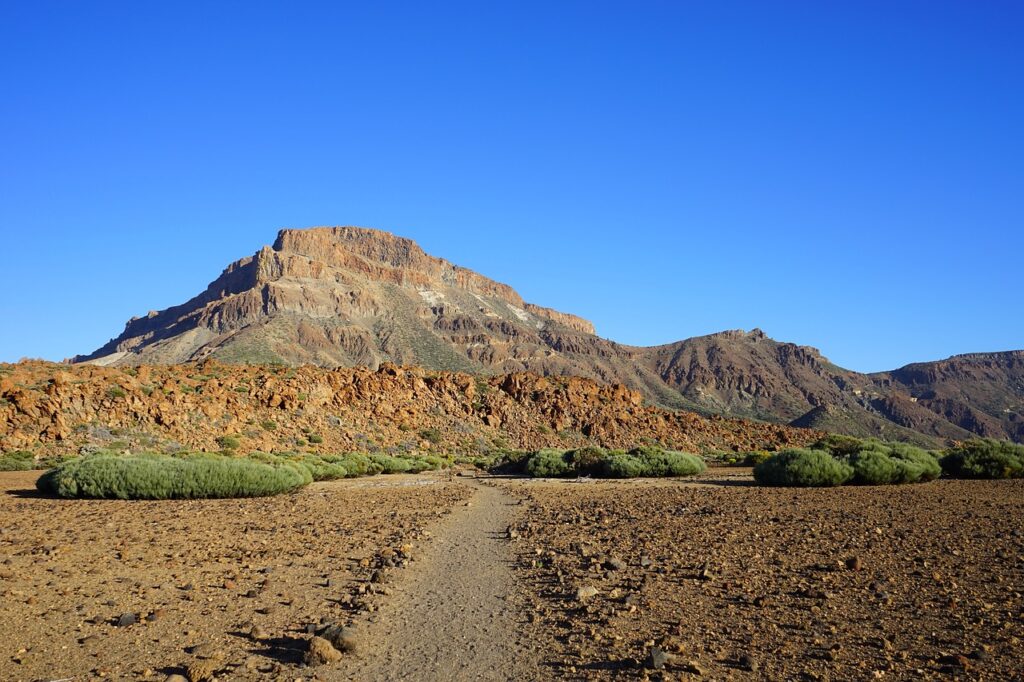
Another group of islands in the Atlantic, where there is eternal spring – the Canary Islands. And of course, in winter there’s great weather for hiking mountain trails. Besides, you can always stay by the ocean shore – swim in natural pools and relax in small towns with nice restaurants.
Tenerife Island – Camino de Santiago without waymarks:
Camino de Santiago de Tenerife, Puerto de Santiago – Santa Cruz de Tenerife, 115 km, 6 days. Tenerife has its own Pilgrimage route. It starts in the port village of Puerto de Santiago on the west coast of Tenerife and goes along the northern slopes of the island’s volcanic centre to the island capital Santa Cruz. It stays away from major settlements, crossing forest at an altitude of 800-1300m. Some parts coincide with the GR131. The downside of this trail is that it leaves out many natural treasures of the island.
Gran Canaria Island – official Camino de Santiago in the Canaries:
The Santiago Road on Gran Canaria stretches 66 kilometres and takes about 3 days. Most of this trail was used by the island’s ancient inhabitants as a communication route from south to north, and later it was used by shepherds practicing transhumance (the seasonal migration of livestock in search of better pastures), as well as pilgrims.
The Way of Saint James on Gran Canaria allows you to explore some of the gorges in the south, delve into the mysteries of two ancient volcanic calderas (in Tirajana and Tejeda) and feel the excitement of panoramic views of some of the youngest volcanoes located on the northern side of the island. All this, listening to the island’s heartbeat. The last and third stretch of this route leads down to the north of the island and runs along some of the youngest volcanoes. It will undoubtedly be an experience that will remain in your heart forever and feel like a warm embrace.
After passing through Puerta Santa – the Holy Door – a jubilee indulgence is granted at the Church of Santiago de los Caballeros, founded in 1482, which became the first shrine outside continental Europe to be part of El Camino. Official information about this Camino route.
La Gomera Island – hiking without tourist crowds:
Experience the lush plantations of La Gomera, mountains, and white-washed villages on a sunny winter walk. La Gomera Island is a peaceful, simple island, and if you want to be alone with nature in winter, this is the place to be. Due to its volcanic origin, the island’s landscapes are impressive, mountainous, and different from any other part of continental Europe.
Prepare to be enchanted by lush green valleys descending to stunning sea cliffs on one of the smallest Canary Islands. La Gomera is a secret paradise for hikers, where the routes follow old donkey trails and forest paths within Garajonay National Park. Hiking highlights here include spectacular cliffs and a variety of plants such as hibiscus, juniper, and papaya. The route has some steep gradients and showcases the island’s culture, homesteads, small vineyards, and grand rock peaks.
5. Rota Vicentina: a walk through Alentejo in winter
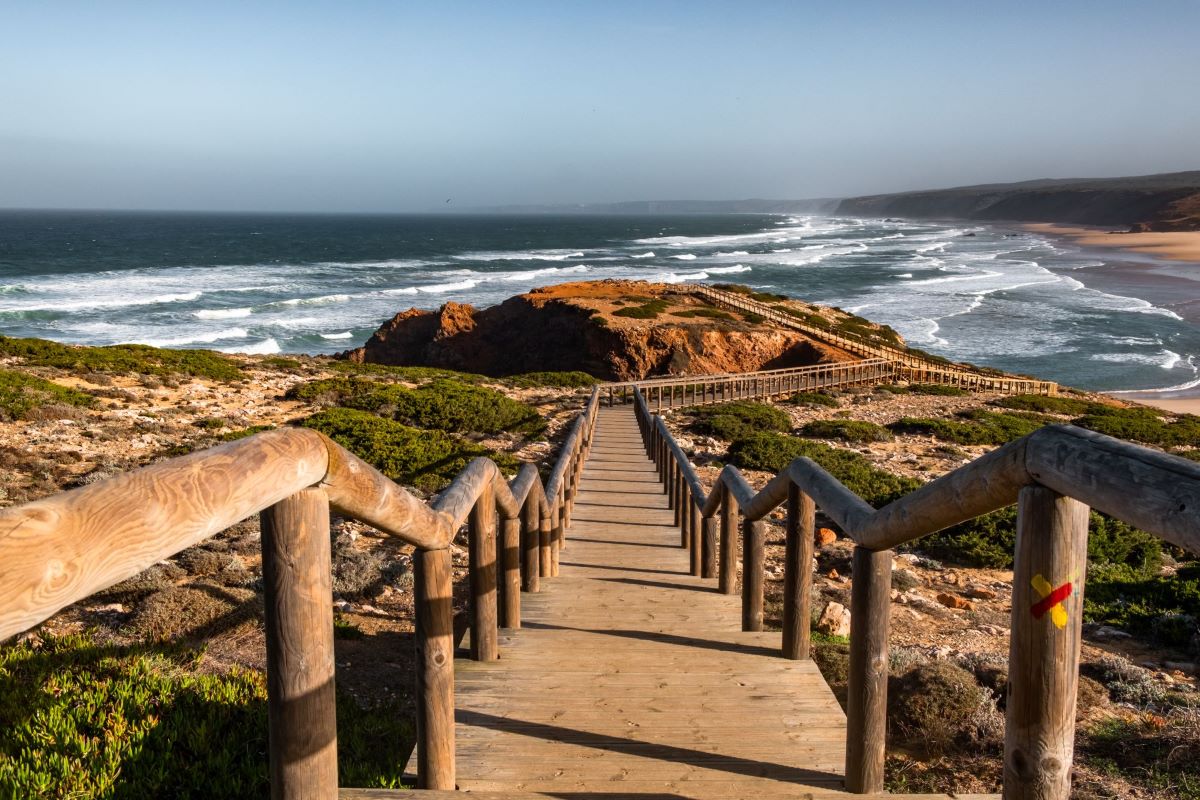
Alentejo is a region on the coast of Portugal, located in the southwest of the country. It is world-famous for its rugged beaches, sandy coves, whitewashed towns, and year-round mild climate. Explore this region during an unforgettable walking holiday by following the Rota Vicentina trail. This is a long hiking trail stretching from Porto Covo to Lagos for 225 km and showcases a relatively untouched part of Portugal.

In winter, you can walk along clean beaches and sandy dunes rising above ocean cliffs. The scenery along this route is stunningly unforgettable – every day I enjoyed views of ocean waves and rocks that reminded me of the spines of prehistoric animals emerging from the ocean. And in the small villages where only surfers stay in winter, riding high Atlantic waves – the atmosphere is calm and quiet, unlike the summer tourist crowds.
Highly recommend reading my Rota Vicentina – walking route in Portugal along the coastline near the Atlantic ocean
6. Malta – walking around the island
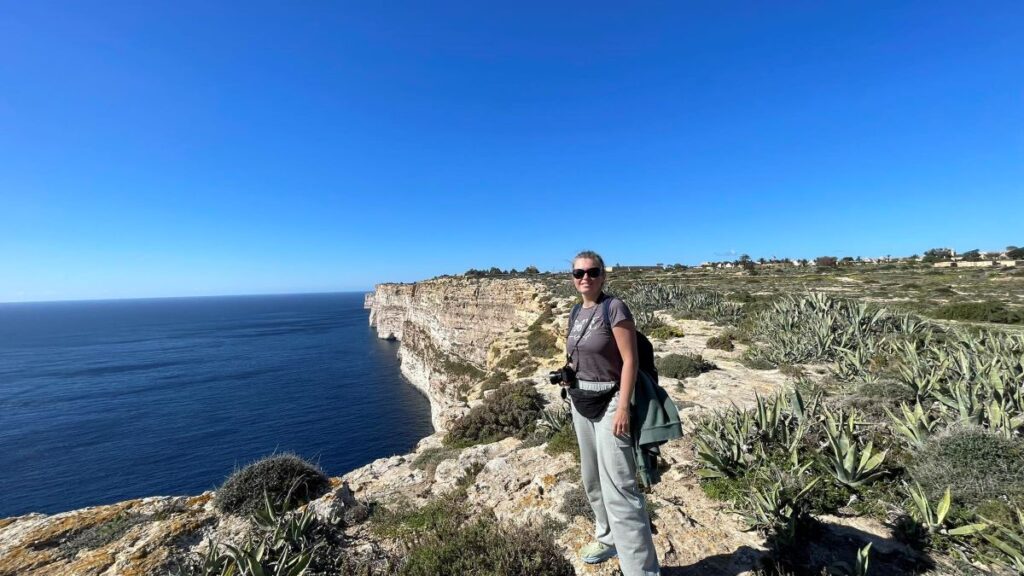
Unlike the hot summer, this small archipelago is quite warm in winter – during the day the temperature can reach +20°C. With centuries of colonial history, the islands of the Maltese archipelago offer walkers some of the most beautiful views in the Mediterranean.
Walking the coast of Malta is the best multi-day trek on Malta. The main island features 155 kilometers of coastline, and you can explore it on foot. Impressive views of cliffs, historical sites, and routes through the countryside – you can literally see it all.
You can even use public transport to connect sections of your route, so you don’t have to camp unless you love survival in the wild. It’s easy to find accommodation on Booking.com – Malta, and there are many towns and villages along the way.

Recommended reading – from personal experience: Hiking in Malta – walking routes along the sea and cliffs
Technically, this is not one long coastal trek – rather, it is a combination of different trails. Each stage takes about five hours — you can make them shorter or longer, as there is a lot to see along the way. Old forts, chapels and churches, Neolithic temples and picturesque beaches with stunning views — it’s a complete tourist package for walkers.
Expect to find rock formations filled with fossils, hidden cave chapels, and mysterious prehistoric sites. Gozo, the second largest island in the group, is crisscrossed with trails and is an excellent area for hiking with moderate terrain. It is especially known for its interesting archaeology and the dramatic Ta’Cenc cliffs.
7. Caminito del Rey route near Malaga, Spain
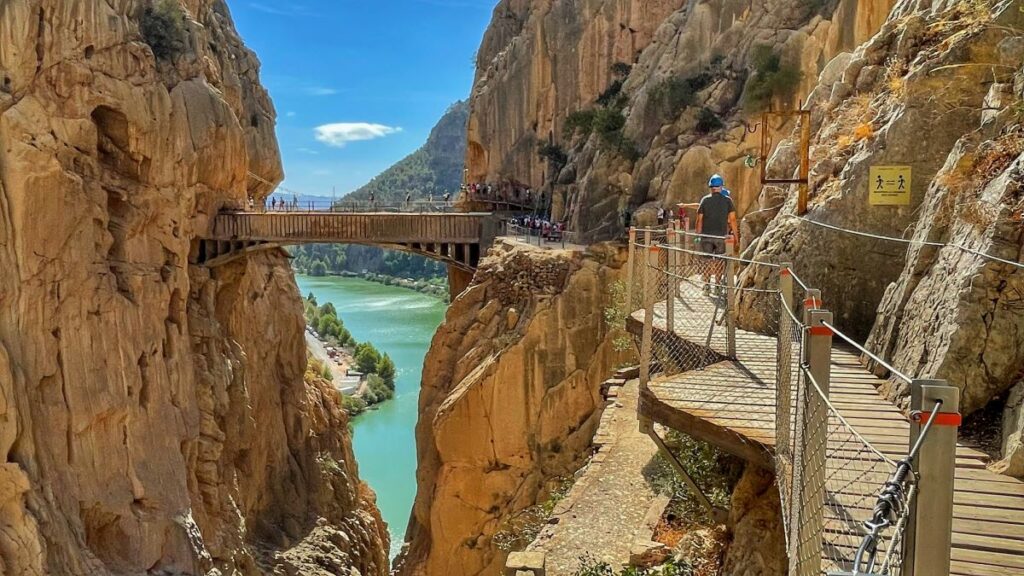
El Caminito del Rey is an exciting hiking path that runs along the steep walls of a narrow gorge in the mountains near Malaga. The route was originally built in the early 20th century to provide access for workers and materials for the construction of a hydroelectric power station. But it became famous for its dangerous conditions and impressive views.
Thrill-seekers from all over the world came to walk the path, and unfortunately, several tourists died on it. Today, after a major reconstruction, the trail is reopened, with new walkways providing a safe way to cross the original route through the spectacular gorge where cliffs plunge 700 meters into the Guadalhorce River.
February is a suitable month to walk this trail, as temperatures begin to rise and rain is less likely than in November or December. Here you can enjoy spring-like weather but without the crowds found in other seasons – so winter could be the best time to walk along Caminito.
Recommended reading: Caminito del Rey – how to walk the King’s Path independently
8. Hiking routes in Algarve, southern Portugal
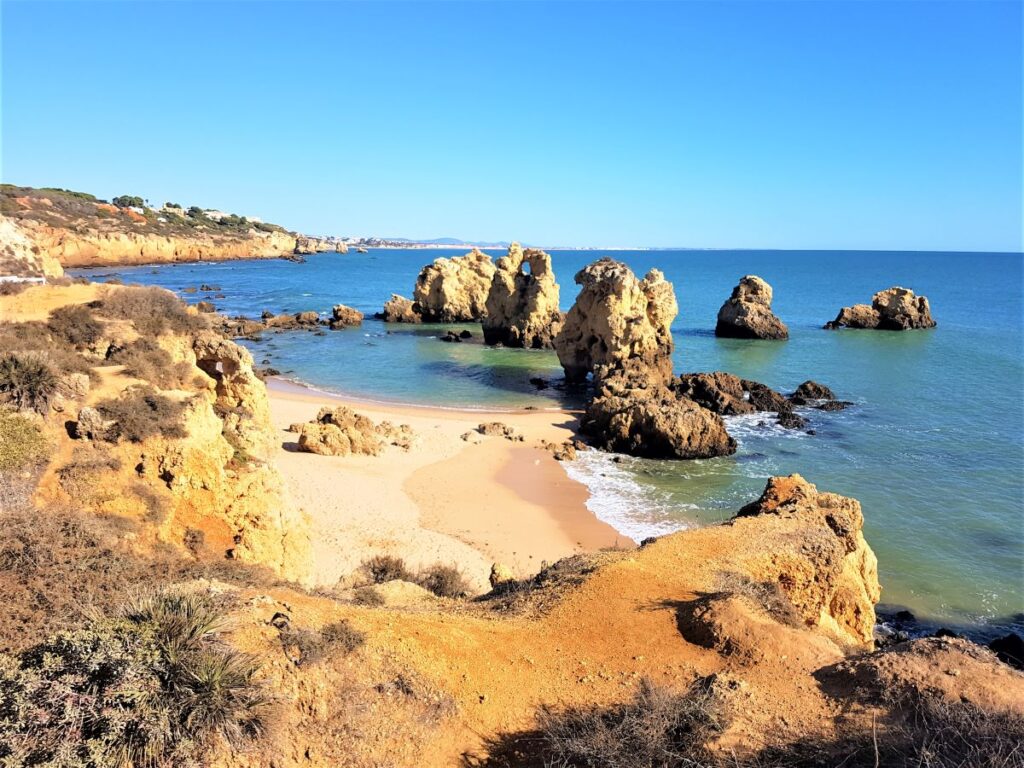
Winter is the perfect time for walking along the Atlantic coast of the Algarve. Since the temperature stays low throughout the day, and parking is not a problem, you can start whenever and wherever you want. There’s no need to get up at 6 AM – you can walk at any time during daylight hours.
One of the most popular hiking routes in Algarve is the Seven Hanging Valleys Trail. This coastal route runs between Praia da Marinha and Praia de Vale Centeanes. This walk is most striking if you start early in the morning or in the afternoon. But frankly, there is no bad time to walk it. Even if you suddenly get hot, you can cool off in the ocean water on the beaches along the way. Or just sit and rest in the beach cafés, which do not close during the low season.
Another fantastic hiking trail in the Algarve is the Capes Trail. The trail follows the coast between the beaches Praia dos Caneiros, Ferragudo and Praia do Carvoeiro.
Recommended reading: Algarve – the best beaches in Portugal
9. Walking along the Budva Riviera, Montenegro

Along the coastline of the Riviera, from Budva to the Sveti Stefan peninsula, there is a walking trail where tourists and locals walk, jog, and cycle. The path runs along beaches, passing through tunnels built under the rocks to avoid the mountains. Often the route meanders between café tables, going into the shade of park alleys. Even if the trail passes through private hotel grounds, everything is open for walks.
- Start of the route on the Budva promenade, along Slovenska Plaža toward the Zavala headland;
- At the Dukley hotel complex, entrance to the underground pedestrian tunnel;
- From the tunnel, the path leads to the Bečići promenade. Then along the coast to the village of Rafailovići and to its very end;
- At the end of the promenade, there is a tunnel that leads to Kamenovo beach, after which stone stairs lead up;
- Climb the stairs onto the grounds of the guesthouse;
- Along the trail by the highway to Pržno;
- Reaching Pržno, go down the steep metal ladder to the beach, continue along and into Miločer park;
- The trail passes through Miločer park, by the hotel and King’s Beach;
- Then the trail climbs through pine groves above the sea cliff;
- Skirting a small headland through the grove, you reach the right part of Sveti Stefan beach.
- You can continue to the opposite side, to the left part of this beach. Access to the island is not possible – it is closed to tourists.
10. Routes in Mallorca
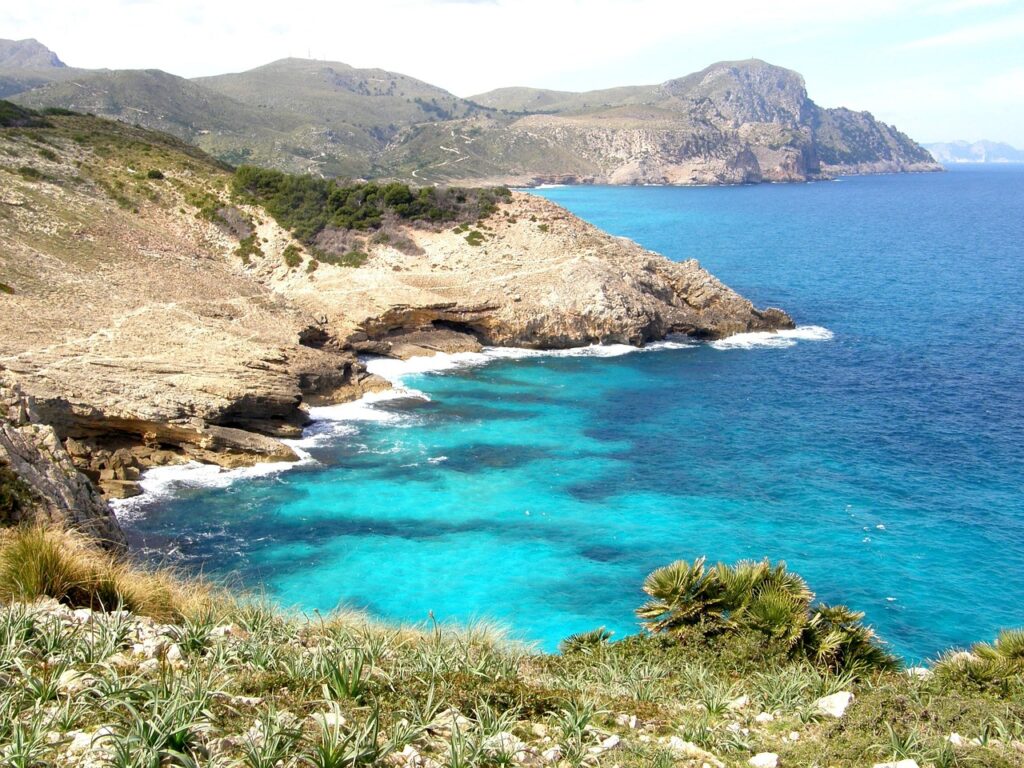
Mallorca: a paradise for hiking enthusiasts. If you think Mallorca is just beaches, you’re mistaken about this island. Hiking in Mallorca offers over 300 official routes, attracting tourists every year. And if you’re traveling with children, don’t worry – there are many easy trails for the whole family.
It’s better not to plan hiking in Mallorca in summer – it’s too hot. Winter is a great option for walks. Temperatures are mild, about +12…+16°C, ideal for long, easy routes without crowds. The best time for hiking: spring (April–May) and autumn (September–October). At this time the weather is comfortable, +20…+25°C, nature is vibrant, and heat is not an annoyance.
Where to go hiking in Mallorca? Here are a few routes to stretch your legs and collect impressions:
For experienced travelers:
1. GR221: Tramuntana Road (Ruta de Pedra en Sec). This is Mallorca’s most famous route, passing through the Tramuntana mountain range. It is split into several stages and you can choose a section or walk the whole way, which takes 7-8 days.
2. Torrent de Pareis (Torrent de Pareis Canyon). One of the most scenic and difficult routes, ending at the Sa Calobra beach. This is for experienced and prepared hikers, but the views are worth every effort.
3. Puig Major summit. The highest mountain in Mallorca, 1445 m high. Even without climbing the peak you can enjoy incredible views while walking around it.
Routes for walks with children:
1. Sa Foradada. An easy route with a view to a rocky cape with a hole in the middle. The walk is picturesque and not too difficult, and the final viewpoint at sunset will impress even the youngest.
2. S’Albufera de Mallorca Nature Park. This is one of Mallorca’s largest reserves. Easy trails among marshes and lakes allow you to see rare birds and enjoy nature. For children, it’s a terrific opportunity to see more than 200 species of animals in their natural habitat.
3. Cúber Reservoir. An ideal spot for hiking with kids. The route around the lake is easy, with minimal climbs. Kids will love the views and the chance to feed the ducks.
4. Cap de Formentor. There are several short and easy routes to viewpoints. Kids get a wow effect from the ocean and huge cliffs.
5. Parc Natural de S’Albufera de Mallorca. This natural park has easy trails where children can get acquainted with local flora and fauna. More than 200 species of birds live here, making the walk interesting even for the youngest explorers.
Useful articles and links:
- Via Francigena – the Italian Camino, route details from Lucca to Rome
- The best hiking routes in Portugal
- Not only Camino de Santiago – alternative pilgrimage routes for pilgrims
- 5 new European walking routes worth trying in 2025
Travel Medical Insurance for traveling abroad – online on the portal HotlineFinance
Hotel and apartment bookings – Booking.com
Car rental – at DiscoverCars