Looking for ideas for a warm vacation in March in Europe? Even at the end of winter, the southern sun is already pleasantly warm, and in some places, you can even swim in the ocean.
Here are the top destinations where a holiday in Europe in March can be comfortable and pleasant: Canary Islands, Malta, Sicily, Cyprus, Madeira, Balearic Islands, Algarve, Turkey, and others. Each of these regions is perfect for a March vacation – set off on your journey in any convenient way for you – tips on how to get there from Poland, Moldova, and Hungary, and accommodation recommendations are also provided for convenient travel planning.
Canary Islands (Spain)
Average temperatures in March: during the day ~22 °C, at night 13–15 °C; water temperature ≈19 °C.

Canaries are the warmest European region in winter. Here you’ll find sand dunes, hidden coves, volcanic beaches, national parks, and picturesque resorts.
On Tenerife and Gran Canaria in March, it’s usually about 22-25 °C during the day and often sunny. The ocean water, depending on the side of the islands, is about 19-22 °C (warmer in the south). That’s why March is an excellent time for swimming and exploring the islands. You can visit the Teide National Park, swim in the Atlantic off the coast, or enjoy the local cuisine in La Laguna or Las Palmas.
Where to stay:
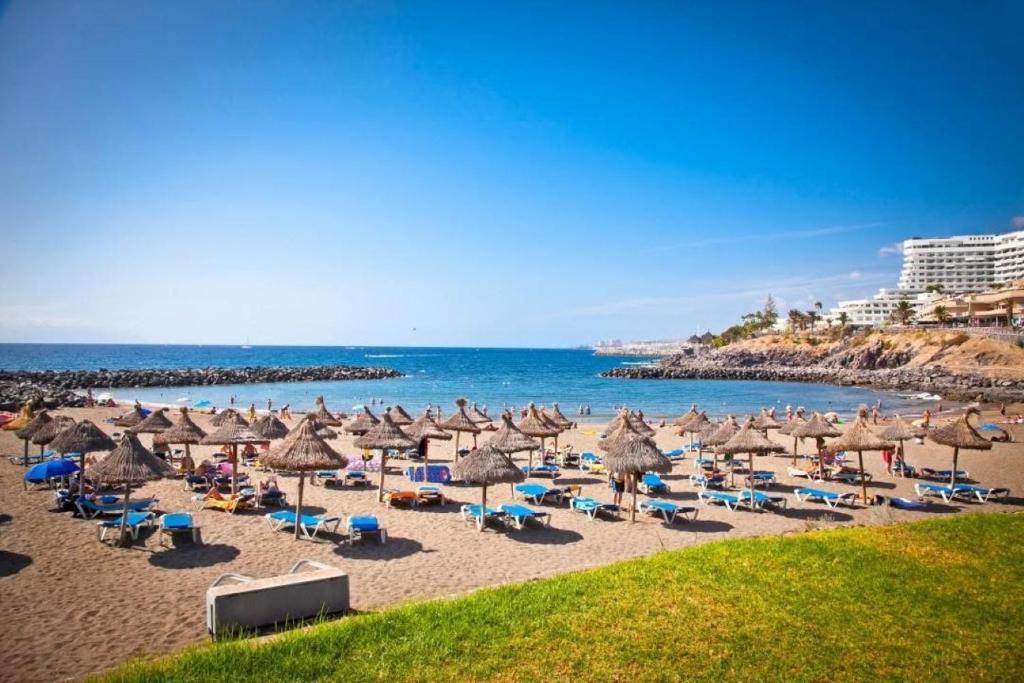
I recommend choosing towns in the south of the islands, where it’s much warmer.
On Tenerife – Playa de las Americas, Costa Adeje or Los Cristianos with great hotels and beaches.
- HD Parque Cristobal Tenerife – all-inclusive hotel with a great location near the beaches and the center of Playa las Americas. Delicious cuisine and great entertainment for adults and children.
- Costa Dreams Costa Adeje – great apartment in Costa Adeje with all amenities, at a good price and not far from the beach.
- Beach House – clean apartment in Los Cristianos, excellent location, just a few minutes’ walk from the beach, restaurants, and shops.
On Gran Canaria – Maspalomas or Playa del Inglés. Here there are both large resort hotels and cozy apartments by the sea.
- El Caramelito 1 – clean and inexpensive apartment in Maspalomas, in a quiet area not far from the beach.
- Hotiday Gran Canaria Maspalomas – resort hotel with its own pools and a well-kept green area. Located near Maspalomas Beach.
- Apartamentos las Góndolas – apartment located close to the beach in Playa del Inglés. Great view from the balcony, convenient parking nearby, shops, delicious restaurants.
Malta
Average temperatures in March: daytime about 18–20 °C, nighttime about 12 °C; sea temperature ≈16 °C.
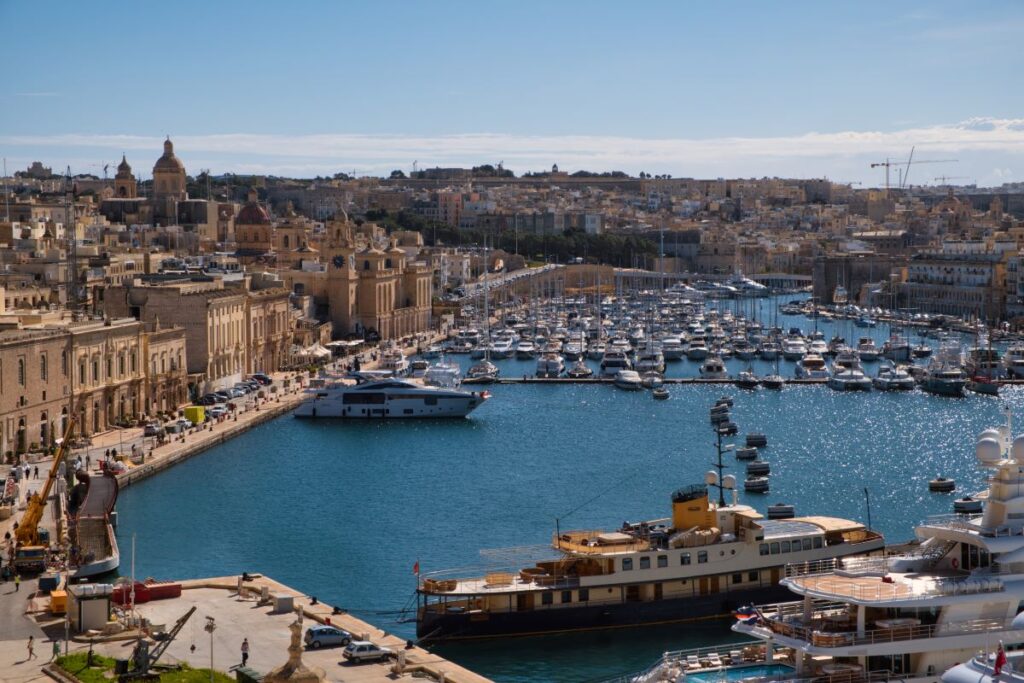
Malta is an archipelago with a rich history and mild winters. In March, there is already hot sun, air does not drop below 10 °C, and during the day it is around 18-20 °C. At this time, you can walk along the coast and explore ancient temple complexes (for example, Hagar Qim) without the summer heat. Swimming is unlikely, but exploring the islands of the archipelago will be quite comfortable. As an option – sunbathing on the beaches and lagoons of the island will definitely be possible.
Where to stay:
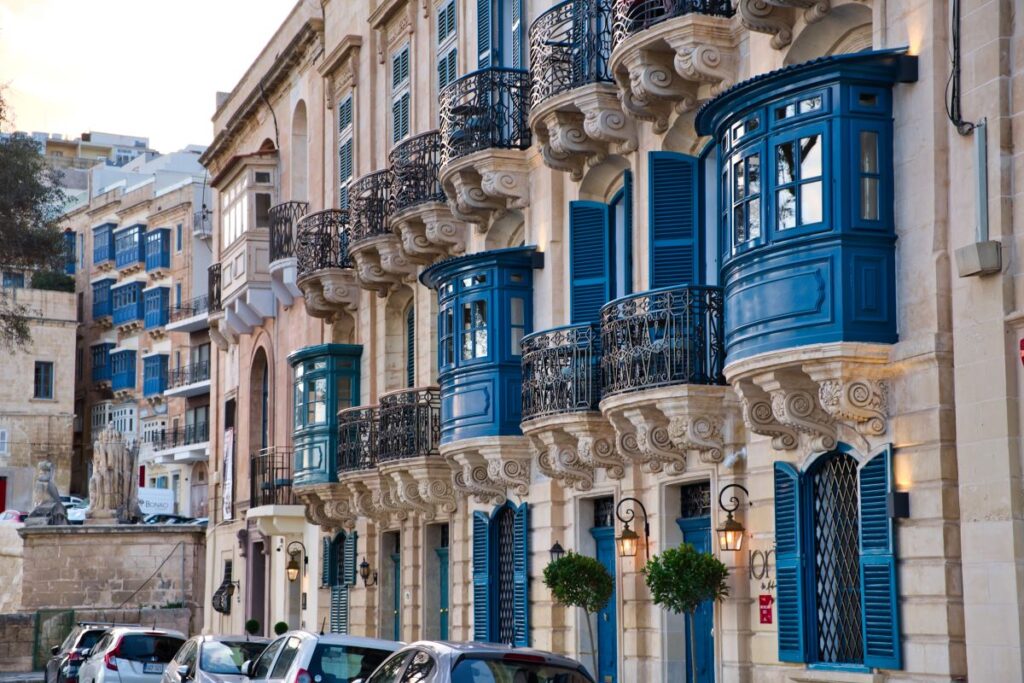
I recommend staying in the resort area of St. Julian’s – very close to the capital and with good transport connections. Valletta and its surroundings are suitable for a cultural holiday. There are many hotels and apartments in Malta with sea or fortress views.
- Tritoni Harbour suites – Valletta≫ – apartment in Valletta with kitchen – small, but very clean and convenient – for those who need to cook themselves.
- Jean de Valette Boutique Living≫ – studio apartments in Valletta with a private balcony.
- Mercure St. Julian’s Malta≫ – great location in the center of St. Julian’s, 100 m to the bus station. Very clean and modern, comfortable beds, great breakfasts.
Recommended reading: Where is the best place to stay in Malta
Sicily (Italy)
Average temperatures in March: during the day ~15–17 °C, at night ~6–11 °C; sea ~15 °C.

Sicily – the largest island in the Mediterranean, warm and sunny in March. The daytime average temperature rises to 14–17 °C, nighttime remains around 6–11 °C. The sea also warms up to ~15 °C. The island gets little precipitation, so you can explore Palermo, Taormina, or Etna without crowds of tourists. We visited Sicily in March – perfect for exploring the island and basking on Cefalu beaches.
Where to stay:

For a beach holiday – Taormina (picturesque slopes with sea views) or the resort of Cefalu, located close to Palermo. The city Palermo has good hotels.
Avoid the mountainous north, where it can be cooler. However, we spent our last days on the southern slopes of Etna in a beautiful agriturismo – a good location and quiet compared to Catania.
- Hotel “La Pensione Svizzera”≫ – Excellent location, a few minutes’ walk from the entrance to Taormina, right next to the funicular to the beach and just above the main bus station. Rooms with huge terraces, sun loungers, and a table. There is also a wonderful garden where breakfast is served.
- CefaLux – Apartments≫ – Wonderful apartment in Cefalu, recently renovated with style and quality. Very convenient location, within walking distance of the beach and the old town center, and despite this, it’s really quiet for a good night’s sleep.
Recommended reading: Spring in Sicily – What to See on the Island by Yourself in a Week
Cyprus
Average temperatures in March: daytime 17–21 °C, nighttime 8–11 °C; sea ~17 °C
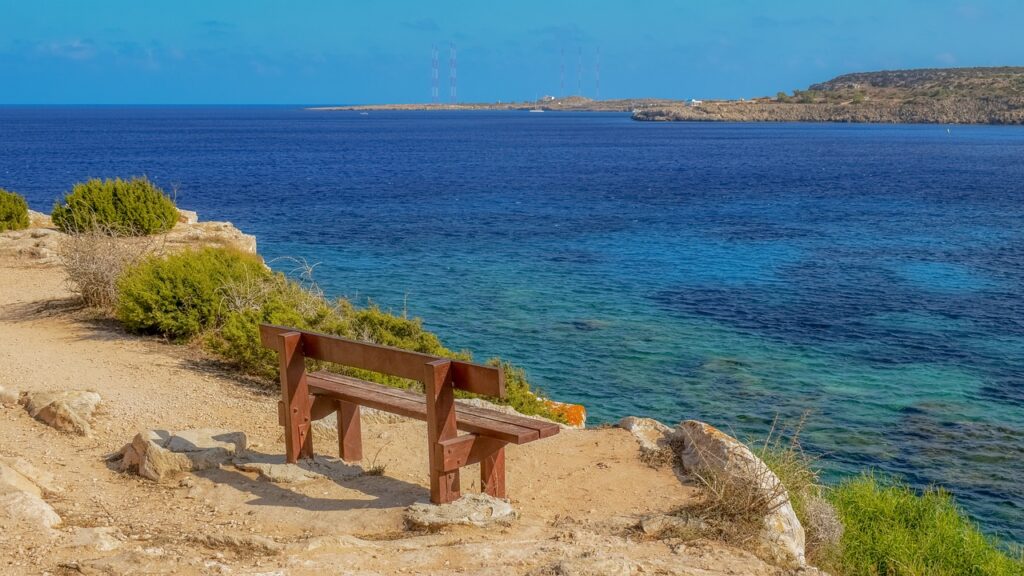
Cyprus is one of the warmest parts of Europe in early spring. In March, daytime temperatures in coastal areas reach 17–21 °C, nighttime ~8–11 °C. The sea temperature is about 17 °C, so for many people, swimming is not yet possible. In Cyprus in March, everything is blooming and the sun shines for 6–7 hours a day. You can confidently set off to explore the island – don’t forget, if you plan to rent a car, they have left-hand traffic here.
Where to stay:
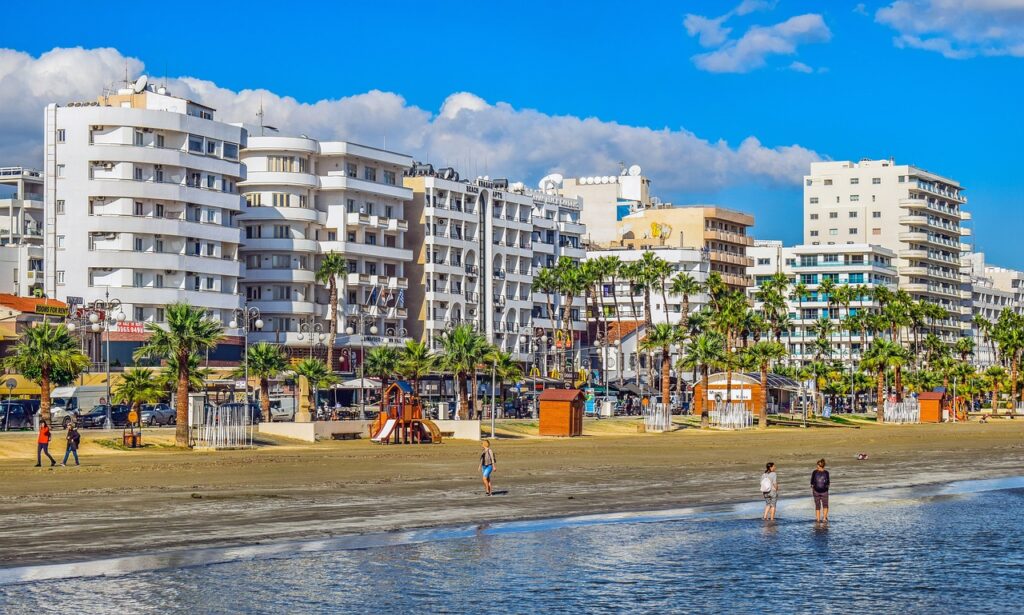
Classic resorts are Paphos (west coast) or Ayia Napa (east). Paphos is a southern city with museums and hotels by the sea. Ayia Napa is famous for its beach holidays and nightlife. Apartment and hotel prices at this time are low, so you can find comfortable options.
- Kefalos Beach Tourist Village≫ – hotel with a pool in Paphos near Aphrodite Beach.
- Vassos Nissi Plage Hotel & Spa≫ – hotel near the famous Nissi Beach in Ayia Napa.
- Flokkas Hotel Apartments≫ very nice aparthotel in Protaras, close to the beach.
Algarve (Portugal)
Average temperatures in March: daytime ~18 °C, nighttime ~10 °C; sea ≈15.6 °C.

Algarve is the south of Portugal with a mild maritime climate. In March, it is dry and warm: the average maximum is about 18 °C, and the minimum is about 10 °C. Although nights can be cool, the sun and sea create comfort. Strong winds are rare, so trips to the beach or historic towns (Faro, Lagos) are pleasant.
Where to stay:

The region offers many hotels and apartments along the coast. For spring, I recommend staying in Lagos – there are beautiful cliffs, lovely beaches. And in Faro you can see a wonderful old town. In the city of Albufeira you’ll find inexpensive hotels near long beaches.
- Alto Mar Inn – Recently renovated hotel in Lagos, a bed-and-breakfast offering air-conditioned rooms and free on-site parking.
- Guest House Dianamar – Wonderful boutique hotel in Albufeira, located close to the beach and great restaurants. Clean and comfortable rooms have balconies with ocean views.
Recommended reading: Algarve – The Best Beaches in Portugal
Madeira (Portugal)
Average temperatures in March: daytime from 15 to 20 °C, at night ~13 °C; ocean ~19 °C.

Madeira is an island in the Atlantic with a mild climate all year round. In March, the daytime air temperature ranges from 13°C to 20°C. At night it’s around 13 °C, so in the evening it’s better to have a light jacket. The island is in bloom, and the gentle air is ideal for walking along the seashore. The sea temperature is ~19-20 °C, so the temptation to swim is already there.
Where to stay:
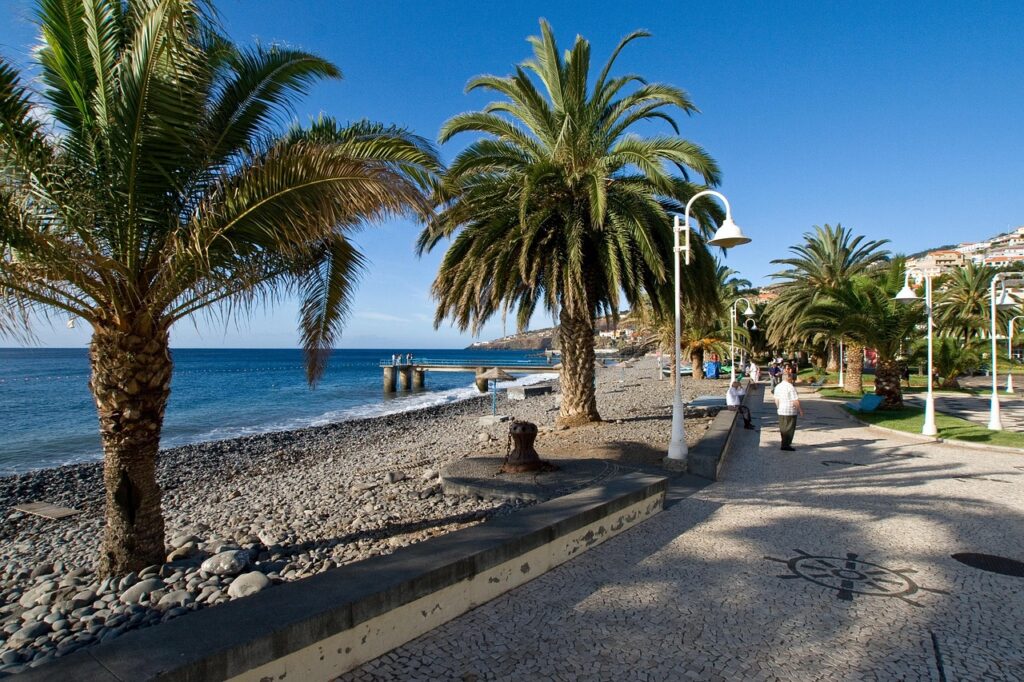
The most popular is Funchal, the capital with a pedestrian promenade, fish restaurants, and a cable car to the mountains. Visit the botanical garden, or rent a car and travel to different parts of the island every day. It’s also worth considering the town of Câmara de Lobos for peace and spectacular views.
- Sea Shell≫ – Apartment in Funchal in a great location with a beautiful view of the ocean from the balcony. Nearby are several good restaurants and a shopping center a few minutes’ walk away. It was good value for money. Free parking available.
- Dom Pedro Madeira≫ – Very cozy place, has its own pool, ocean nearby, and very convenient for an early flight. The hotel is not new, but clean. Located near Machico beaches.
- Room in Studio – Discover Magical Calheta≫ – Studio located 15 minutes from Calheta Beach, equipped with all amenities. There is a garden and terrace for enjoyable evenings.
Recommended reading: Going to Madeira – Island Guide
Antalya (Turkey)
Average temperatures in March: daytime up to 18 °C, at night ~10 °C; sea ≈17 °C.

The southern coast of Turkey (the Antalya area) offers a wonderful early spring. In March, daytime highs up to +18 °C, at night around 12 °C. Many sunny days, and although the sea is cool (~17 °C), it’s excellent weather for walks. The coastal cities of Antalya or Alanya offer old towns, markets, while the mountains allow for hiking. This month is also great for taking the Lycian Way, starting not far from Antalya.
Where to stay:

Optimal – Antalya, a city by the sea with a large old part – Kaleici. Or Side – a tourist city with a preserved amphitheater and ruins. Here you’ll find all kinds of hotels: from large all-inclusive on the coast to hotels in the city center with sea views.
- M-ODA OTEL – Great location in the center of Antalya. Very comfortable beds, clean, great location of the hotel! Rather nice breakfast included in the price.
- La Paloma Hotel – in the heart of Antalya’s old town, and at the same time quiet with no noisy restaurants nearby. Very nice courtyard where lemons and oranges grow, you don’t want to leave. Great breakfast and smiling staff.
Majorca (Spain)
Average temperatures in March: daytime ~16–18 °C, nighttime ~5–7 °C; sea ≈14 °C.
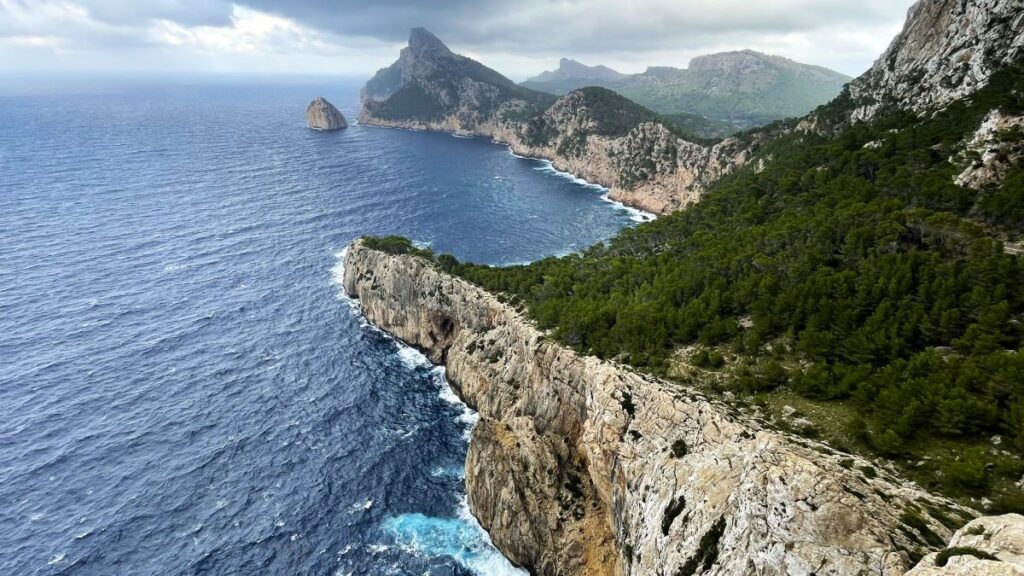
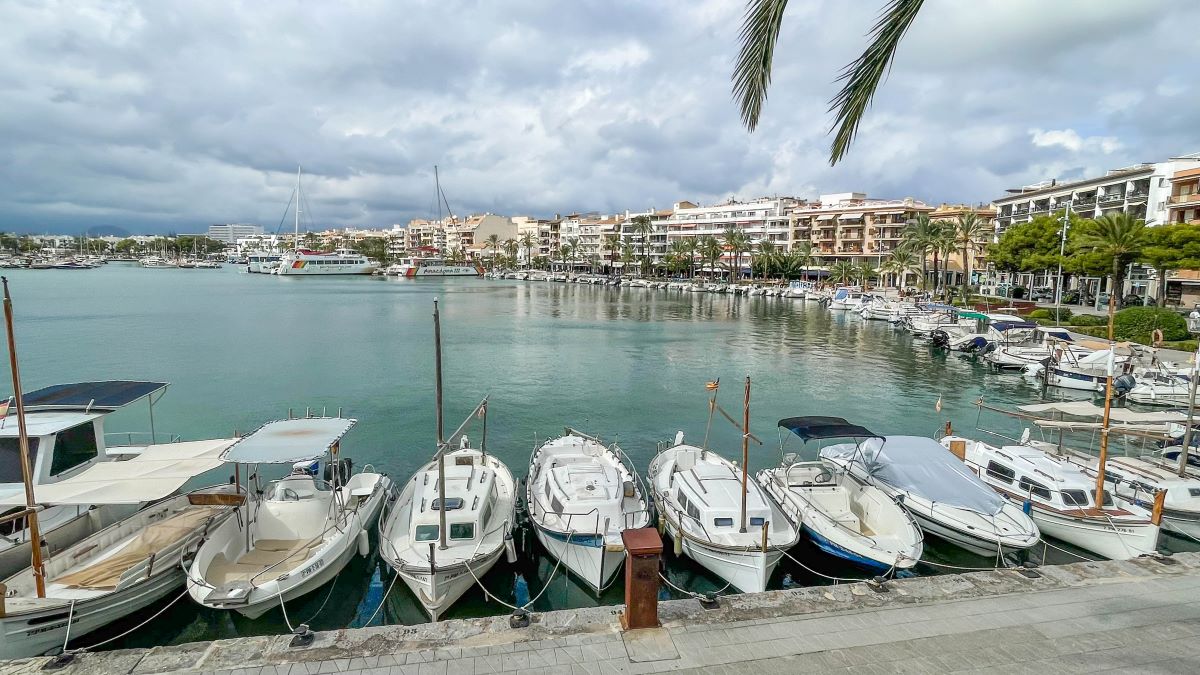
Majorca is the largest of the Balearic Islands (there are also Ibiza and Menorca), and in March it’s already quite warm: daytime about 16–18 °C, night 5–7 °C. Although the sea is still a little chilly (~14 °C), the March days are great for sightseeing without the summer heat and crowds. For example, you can watch the regatta in colonial Marbella or stroll the narrow streets of Palma de Mallorca.
Recommended reading: Majorca Itinerary – What We Managed in a Week by Car
Where to stay:
In Majorca during the low season, it’s better to stay in big cities where all infrastructure works. For example – Palma, the capital with a great cultural program and good transport system connecting it to different parts of the island. In the suburbs, there is a wide choice of hotels by the sea. Or Alcudia – a resort with sandy beaches, an old part, and a wide range of hotels, including all-inclusive.
- Iberostar Waves Ciudad Blanca – all-inclusive hotel with friendly and helpful staff. Huge variety of food. Lots of programs for children and adults, beach very close and clean. There is a bike rental with a child seat. There is a wonderful little pool with slides for kids up to about 6-7 years old, as well as a decent size pool with a nice shallow entrance for babies. Many activities for kids of different ages and a fantastic staff that organizes everything.
- Planet Hotels ONE – hotel located by the sea and close to the bus stop from the airport (A2), near the beach in Palma suburb – S’Arenal.
Tips for Organizing an Independent Journey
The simplest and most effective way to travel through any country or island is a rental car. I recommend the following resources for booking vehicles:
- Economybookings.com – offers budget deals from the largest international car rental companies. Also from many small local agencies that often have much better prices. Often you can find great offers.
- RentalCars – a subsidiary company owned by Booking.com, here are larger companies with reputable brands. Their prices are very good too.
Look for hotels and apartments on Booking.com – here are real reviews from travelers who stayed at the hotels. Read not only the good reviews but also those with low scores to understand the reality.
Don’t forget about travel insurance. Firstly, having insurance is an official requirement for visa-free travel with the EU. Secondly, it’s a way to avoid headaches if an insured event occurs. Choose insurance at HotlineFinance – here you can read insurance conditions, what is included in the insurance policy, and which company provides assistance in each country.
Useful Articles and Links:
- One-week itinerary in Andalusia – what to definitely see in southern Spain
- Where to stay in Mallorca – beaches and active adventures
- 6 destinations for a beach holiday in Europe in April
- Tropea – Beach Vacation in Calabria, Italy