
Where to stay in Madrid for tourists – eight of the best areas in the city center, nearby attractions, and good hotels nearby.
Madrid, the capital of Spain, is one of the European cities that you definitely need to see. I try to buy tickets to Spain and fly through Madrid. And I always set aside 2-3 days in the city to walk around its parks and squares, visit one of the art galleries or museums, enjoy the cuisine of tapas bars. And on the way back, be sure to go shopping, because there is good shopping here and even chain stores look like examples of magnificent architecture.
I have been to Madrid many times while traveling in Spain. And every time I found something new and interesting in this place. Despite the fact that Madrid is a large metropolis, it is great for walking and has good public transport connections.
But when you start deciding where to stay in the city, I suggest you first think about whether you want a quieter place to relax after a day spent traveling. Or do you want to be right in the bustling city center. Or do you prefer to be close to museums and cultural centers or do you prefer places with lots of green parks and green streets.
So, below are detailed descriptions of several areas that, in my opinion, are ideal for most tourists. Especially for those visiting Madrid for the first time or on a short trip.
As a bonus, here are a couple of areas where you can settle if this is not your first time in Madrid.
Where is the best place to stay in Madrid?
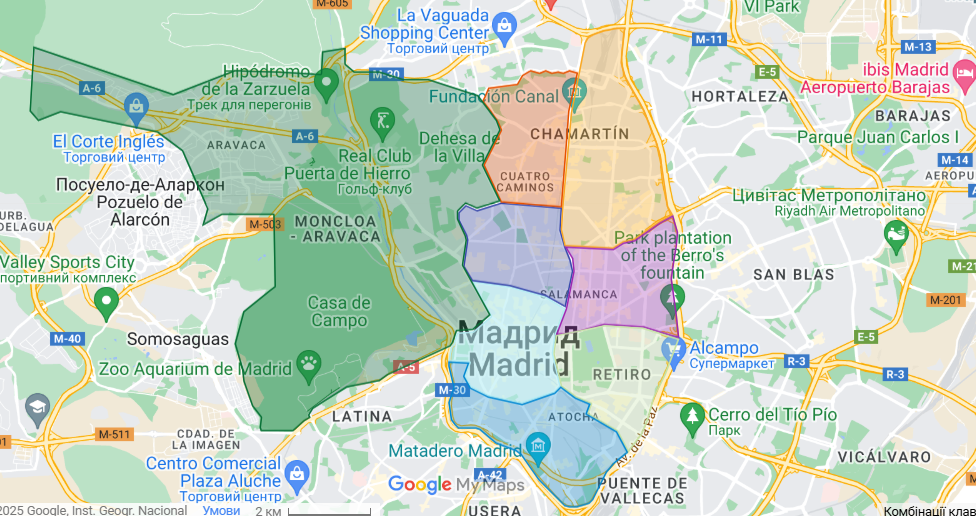
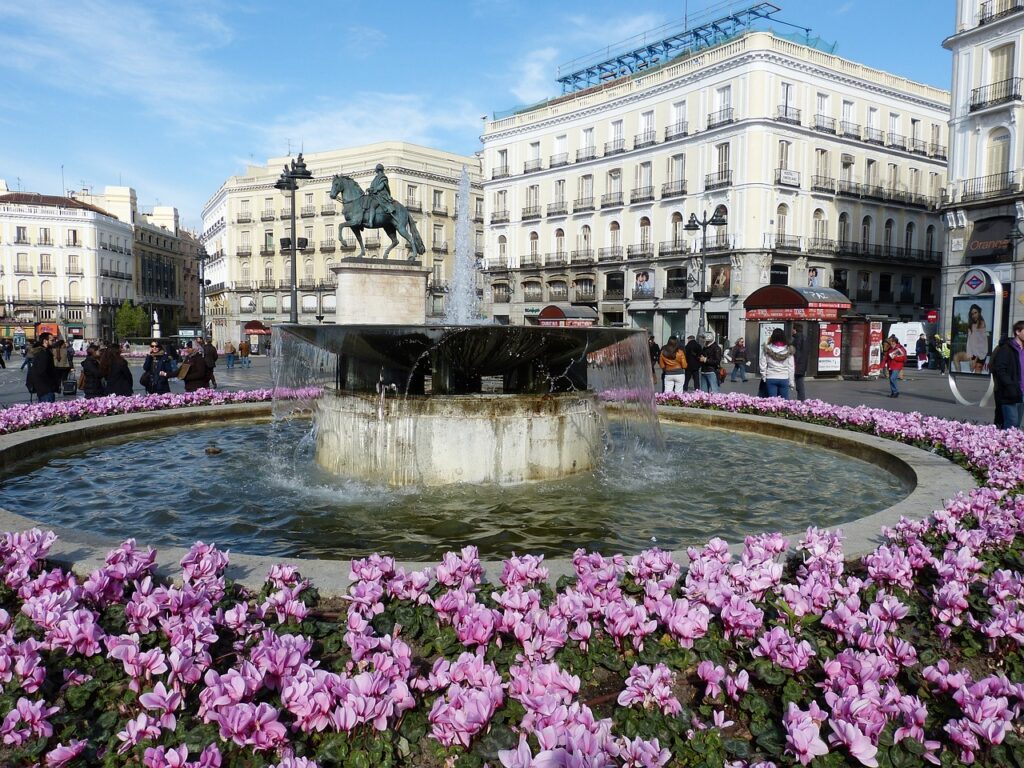
The historic center of Madrid doesn’t have a very clear outline. It gradually developed from the old medieval part around the Puerta del Sol. Here, narrow, winding streets radiate outward in an almost radial direction. Puerta del Sol is a public square that is the symbolic center of Madrid and its historic heart. Here is the most important landmark is located – Kilometer Zero, which serves as the official starting point for all roads in Spain.
Incredibly well served by public transport and quite close to many of the city’s main attractions. From here you can quickly walk or take the metro to almost any area of the city. You will usually find a stop every couple of blocks. There are also buses here, giving you plenty of additional transport options. The square is also just one stop from Madrid’s Atocha train station, which connects you to the rest of Spain.
And now details about parts of the historic center.
La Latina

It’s a central area with lots of historic charm, with neoclassical and Gothic streets. And it has an unbeatable location, just a 15-minute walk from Puerta del Sol.
If you want to get an authentic feel of the old Madrid, you need to order a caña (a glass of beer) and a some pinchos or tapas. The oldest district in the city, staying here will make you feel like you’ve visited Madrid in the 1500s. Its origins go back even further, as it was here that the medieval Islamic citadel and the ancient city walls from the Moorish era stood.
When the capital of Spain was moved to Madrid in the 16th century, La Latina became the epicentre of social life and it still feels that way today. During the day you will find it a quieter residential area that is great for strolling, but at night or on weekends people fill the squares and tiny streets to enjoy tapas in the restaurant. There are an incredible number of fantastic bars and terraces here, open all year round.
Despite its beautiful architecture and proximity to Madrid’s main attractions, this area is surprisingly local. You will of course find other tourists, but it definitely feels like the real Madrid, and there is not much attention paid to visitors, and there are very few tourist traps.
What to do in La Latina
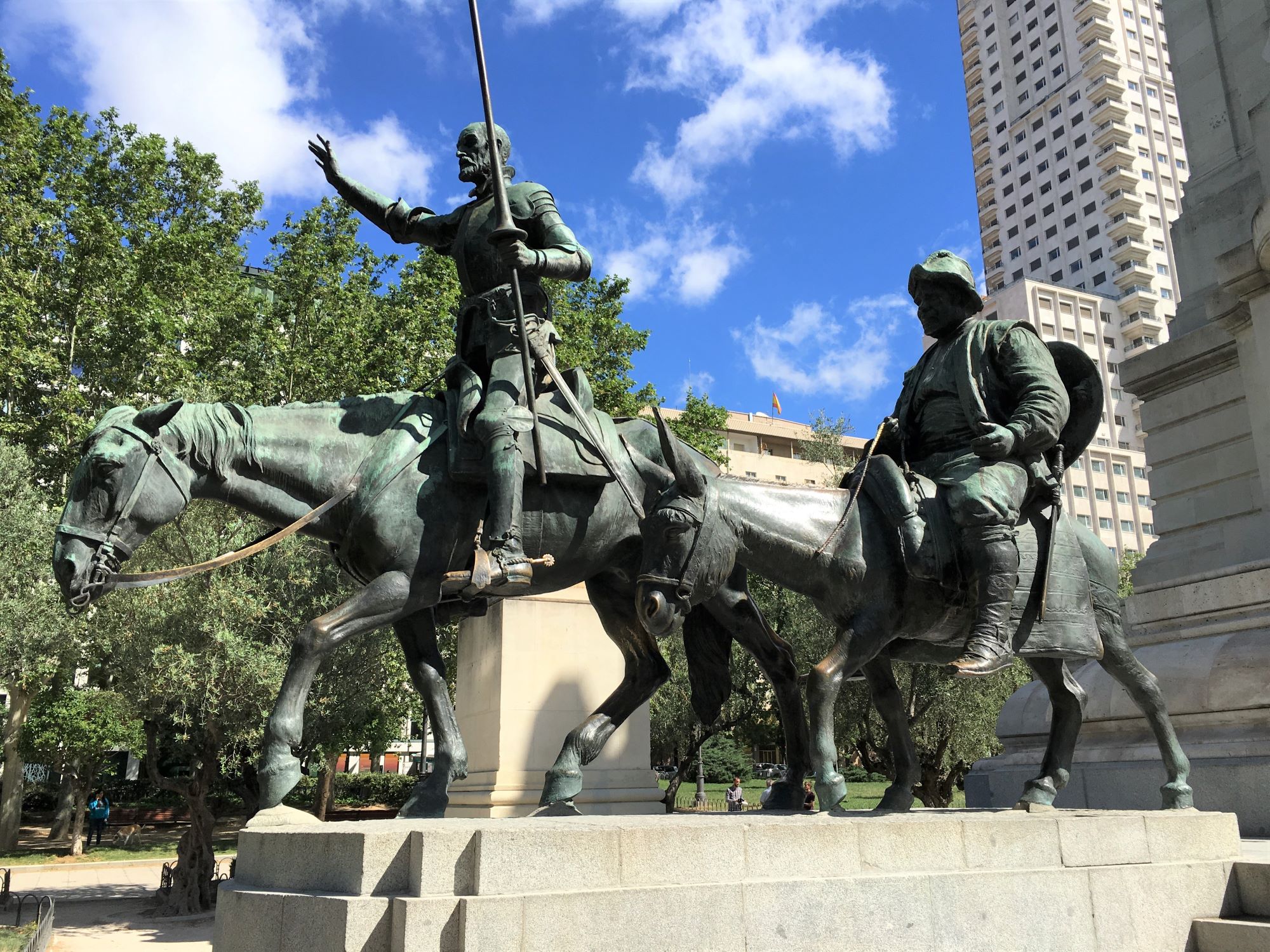
Although few ancient buildings remain, the layout of the area still looks very medieval, with narrow streets leading to charming squares.
- The Plaza de Puerta de Moros (Moorish Gate Square), the central square of the district and the former city gate, is a testament to this. It is surrounded by other historic squares and notable streets that branch off from it.
- La Latina also has several beautiful churches/ There are the Basílica de San Francisco el Grande, the Iglesia de San Andrés and the Iglesia de San Pedro.
- The El Rastro flea market and the Mercado de la Cebada food market, where you can see interesting old things and buy delicious products
- The monumental arch of the Puerta del Toledo is the last of the city gates built in the 19th century.
- Calle de la Cava Baja, once a resting place for visiting merchants, is now home to more than fifty bars and restaurants – many of which serve excellent food.
- Plaza de la Cebada and Plaza de la Paja are traditional historic centers of commerce, named after the barley (cebada) and hay (paja) that merchants who came here to sell centuries ago.
Transportation in La Latina:
As for getting around the city, there are 3 metro stations nearby – La Latina, Tirso de Molina and Embajadores, which make getting anywhere extremely quick and easy.
Where to stay in La Latina:
- Posada del León de Oro – This 4-star 19th-century boutique hotel-turned-tavern is very modern, but it has beautifully preserved its traditional charm. It’s right on Calle de la Cava Baja and about a 10-minute walk from Puerta del Sol.
- Posada del Dragon – a boutique hotel with a contemporary design. In the northern part of the area you are just a few minutes walk to the city center and close to Calle de la Cava Baja and all its bars and restaurants.
- L&H La Latina – A clean and modern 3-star hotel, 300 metres from Puerta de Toledo Metro Station. Rooms or suites with kitchenettes are available. It is located in the heart of La Latina, a 5-minute walk from Plaza de la Cebada and El Rastro Market.
Sol
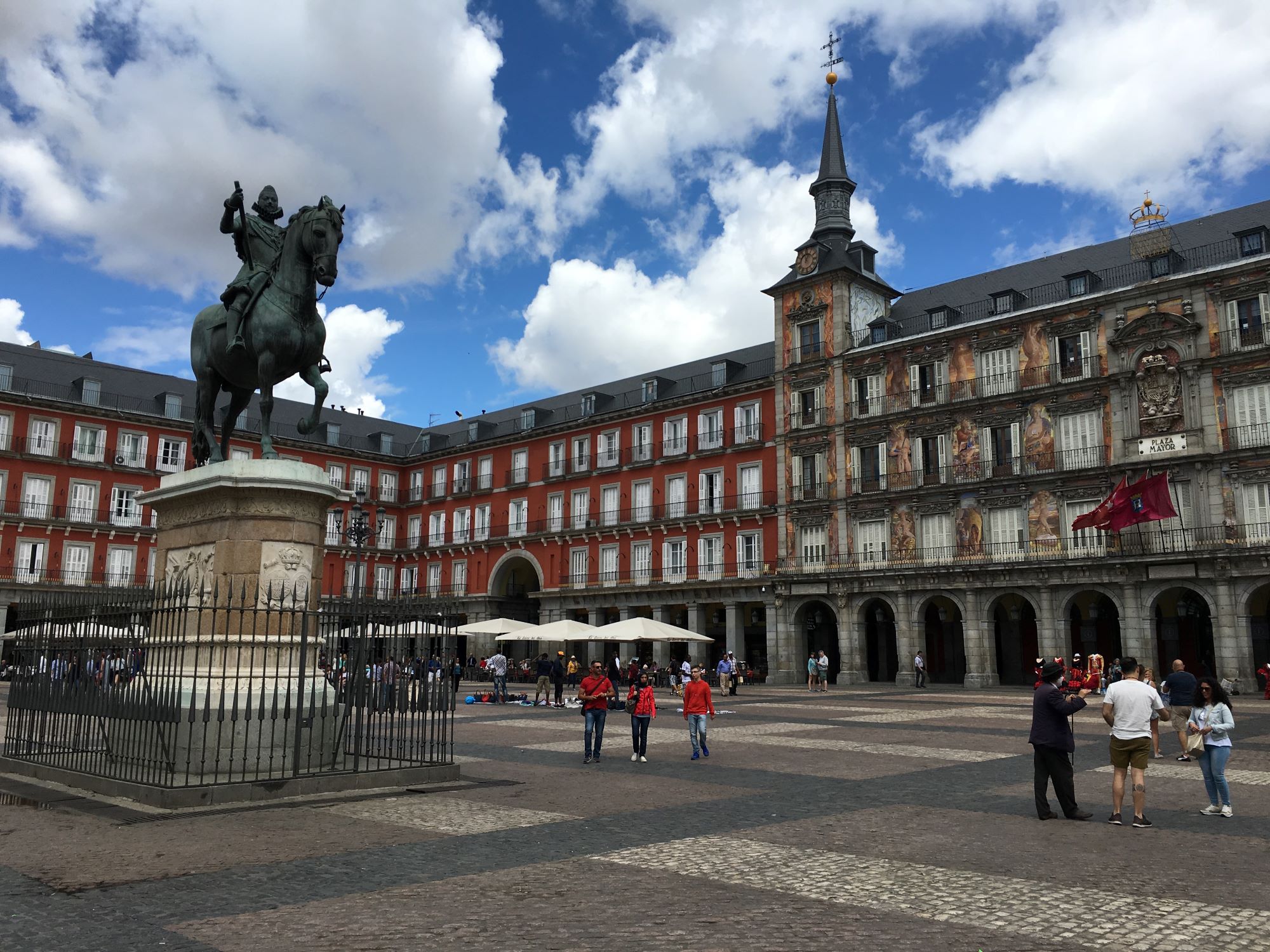
If easy access to Madrid’s most famous attractions is your priority, stay in the Sol district. It’s literally the heart of the city and a historic gem, filled with monuments, monuments, and landmarks. Just be aware that it’s an extremely touristy area, so it won’t give you a real feel for local life. If you’re in Madrid for a couple of days, you’ll be very busy trying to fit in all the attractions. Most of which are located here.
Tip: I don’t recommend staying in this area on public holidays – it gets very crowded and prices go up. I stayed on Gran Via on Columbus Day in 2022 – the crowds were crazy!
This is the most touristic part of the city. And it can sometimes seem like there are more tourists than locals, especially during peak times. Many restaurants cater to tourists, so prices are high and food is mediocre. You’ll also find all the usual tacky souvenir shops and pushy street vendors.
Despite the main attractions, wandering the narrow, ancient streets is such a pleasure. And if you let yourself get lost, you’ll be delighted to keep coming across one lovely square and garden after another.
What to see in the Sol district:
Below are some of the main attractions in and around Sol.
- The Puerta del Sol, with its iconic El Oso and El Madrono statues, is the symbolic and literal heart of the city. If you choose to stay here, you’ll be right in the heart of the city, where Madrid’s energy, culture and history come together. There’s always something going on here, from street markets to Christmas ice rinks, food and craft markets.
- Stroll along the pedestrian street that connects the square directly to the Royal Palace and the Templo de Debod. By the way, is the best place to watch the sunset in the city.
- It’s also home to the majestic Plaza Mayor, surrounded by beautiful buildings and filled with cafes and restaurants.
- The magnificent Teatro Real opera house is just a couple of minutes’ walk away. From here you can go straight to Madrid’s most magnificent building: the Palacio Real (Royal Palace).
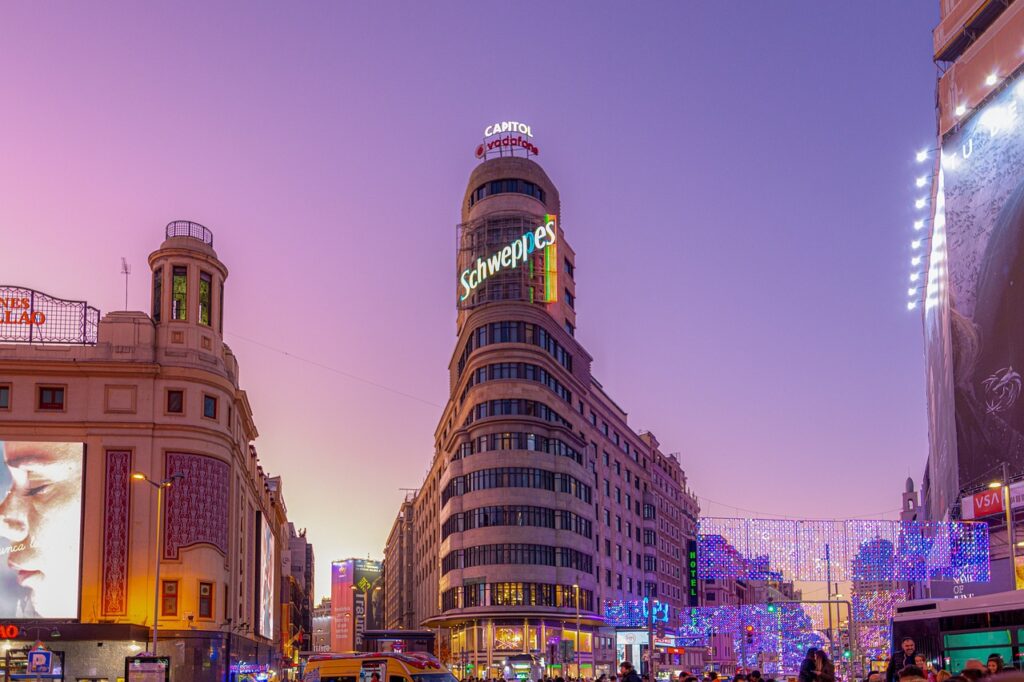
- Just below it is the beautiful Cathedral of Santa María la Real de la Almudena, and to the north, along Gran Via, you’ll find the neon-lit Plaza del Callao – Madrid’s version of Times Square.
- Whenever you want a break from the crowds, you have large parks on either side. These are Parque de el Retiro to the east. And Parque del Oeste, home to a lovely rosary – just to the northwest.
- It’s also home to many of Madrid’s most famous streets and boulevards. Such as Gran Via – the city’s main commercial street. Calle Mayor, which leads to Plaza Mayor and the Royal Palace. And Calle de Alcalá, which leads to the Cibeles Fountain, the neoclassical Puerta de Alcalá arch, the Prado Museum and El Retiro Park.
The public transportation in Sol:
As for getting around the city, there are metro stations nearby – Sol, Gran Via, Sevilla, Callao, Opera, whith them you can get anywhere extremely quickly and easily.
Where to stay in Sol:
- Hotel Riu Plaza España – A modern and new hotel, its magnificent rooftop offers exceptional 360-degree views of the city. The hotel is located just off Gran Via, a 10-minute walk from Sol and close to the Opera and the Royal Palace.A modern and new hotel, its magnificent rooftop offers exceptional 360-degree views of the city. The hotel is located just off Gran Via, a 10-minute walk from Sol and close to the Opera and the Royal Palace.
- Готель Vincci Capitol – A magnificent hotel on Gran Via, right on top of the iconic Capitol Cinemas (which hosts many film premieres), the Vincci Capitol’s location is simply unbeatable.
- Готель Regente – Located in the city centre right on Gran Via, a 5-minute walk from Puerta del Sol and a little further from the Royal Palace, this clean, modern and comfortable 3-star hotel is a great place to stay between shopping or busy days exploring the city.
Barrio de las Letras
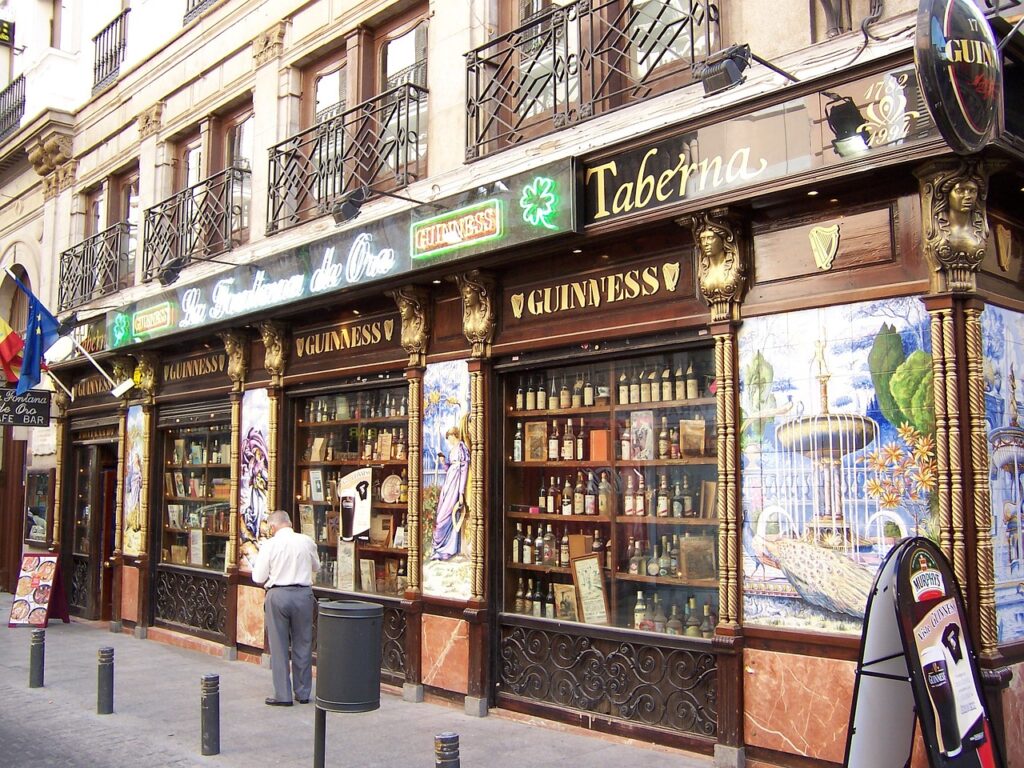
Known as Madrid’s literary quarter. This historic district is full of beautiful squares filled with great restaurants (many of which Ernest Hemingway frequented). It’s also close to some of the city’s best museums. And just a few minutes’ walk east of Sol and Plaza Mayor. Long a favorite with wealthy Spaniards, expats, and tourists, you’ll find a mix of local and tourist life here.
Here, you’ll feel like you’ve stepped back in time into the world of the great writers of the past. You’ll drink in the same historic bars they frequented, wander the same cobblestone streets they did on their late-night strolls. You’ll eat traditional Spanish food in the same centuries-old restaurants. Even the hotel you’re staying in may have once been the guesthouse where they stayed.
What to do in Barrio de las Letras:

- Calle de las Huertas is the main artery of the area, running right through the middle of it. Alongside the colorful old palaces, you’ll find a variety of second-hand shops, quirky little boutiques, cozy cafes and restaurants, popular with locals and visitors alike. It’s also the main nightlife street, with bars open until late.
- One of the most fun places to hang out in the area is Plaza de Santa Ana. It’s a lively square with outdoor terraces and the famous Teatro Español (a state theater that stages many classic Spanish plays). The square has been a popular meeting place for centuries and is a true reflection of the area’s social scene. Hemingway hung out here in the 1950s, most notably at the Cervecería Alemana bar.
- From Plaza de Santa Ana you have some very interesting streets like Calle de León, Calle del Prado, Calle Lope de Vega and Calle Príncipe, each with boutiques, shops and famous places.
- Nearby is the Thyssen-Bornemisza National Museum, where you can see art and paintings by famous artists.
Public transportation in Barrio de las Letras:
As for getting around the city, there are 2 metro stations nearby – Sevilla, Antón Martín, which make getting anywhere extremely quick and easy.
Where to stay in Barrio de las Letras:
- Melia ME Madrid Reina Victoria –hotel with great views of Plaza Santa Ana. This hotel, converted from a 19th century palace, gives you an urban feel with modernist décor. Just a 6-minute walk from Sol Metro.
- Vincci Soho – If you’re looking to splurge, this modern 4-star hotel is set in beautiful historic buildings in the area. A traditional façade with refined and elegant rooms. It’s the heart of the Barrio de las Letras and very close to the Prado.
- Ibis Style Madrid Prado – A large 3 star modern hotel with modern comfortable and clean rooms. Great location, just 5 minutes walk from Sol.
Salamanca
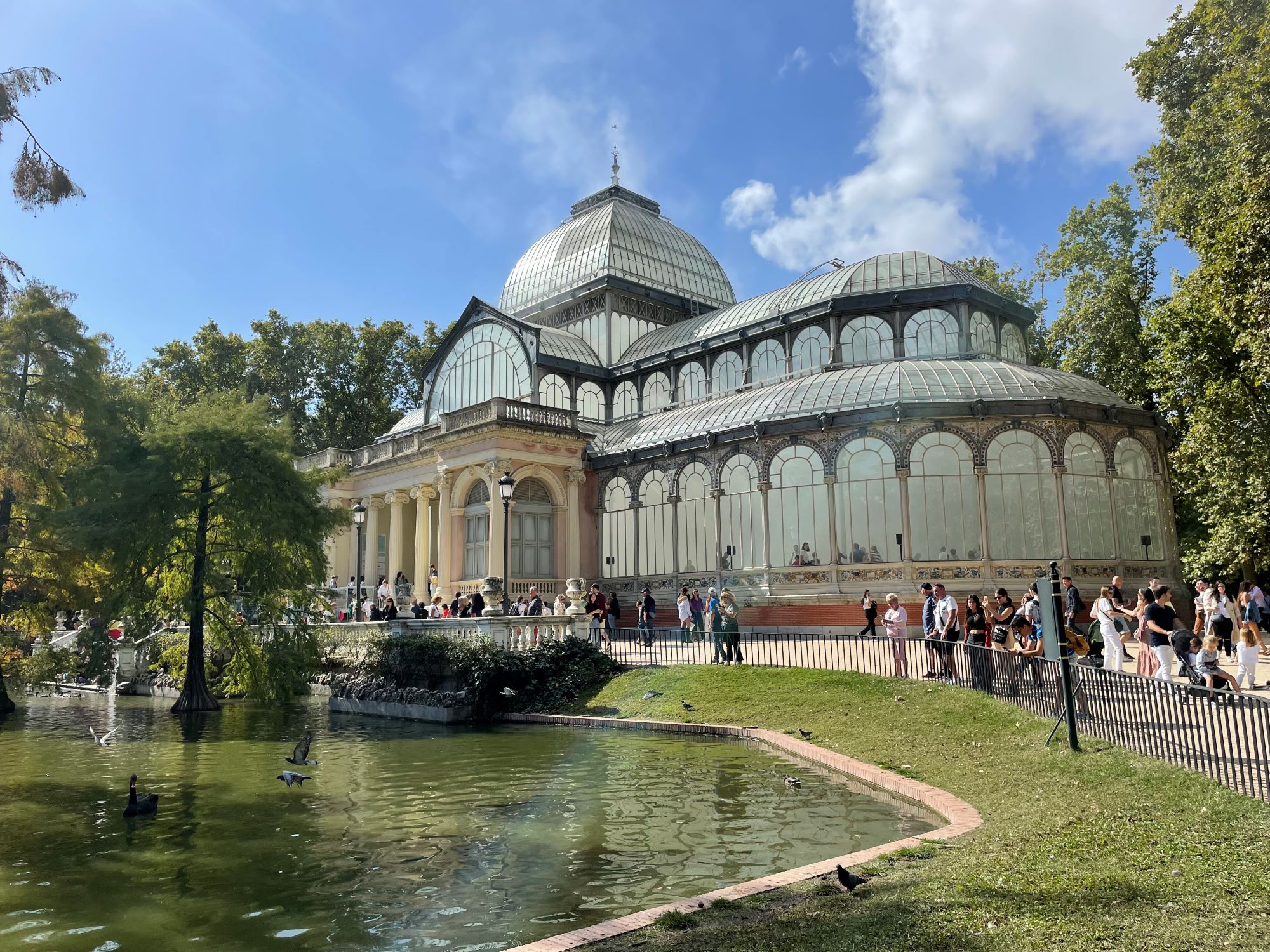
The most elegant district of the city, home to Madrid’s upper class, it’s the perfect place to enjoy luxury. The green and sophisticated area is located about a 20-minute metro ride from Puerta del Sol. About a 20-30-minute walk northeast of the city center and starting above El Retiro Park, this area has attracted the city’s elite for generations.
Just take a stroll here and you’ll be amazed by the beauty of its 19th-century neoclassical and modernist buildings, all with elegant facades, grand entrances, and opulent details on windows and balconies. You might even spot artwork by Joan Miró during your stroll.
What to see and do in the Salamanca area:
- The heart of the district revolves around four of Madrid’s main streets: Calle Serrano, Calle Velázquez and Calle de Goya, which run parallel to each other, and Calle Ortega y Gasset, which runs perpendicular to the other three. These streets are home to high-end boutiques and designer stores. There are also many local Spanish designers.
- This part of the district is so famous for its luxury that it has been nicknamed “La Milla de Oro”. Shopping is of course the main attraction, but all these streets also have wonderful architecture, ranging from neoclassical to modern skyscrapers. There are also plenty of chic cafes, many quieter green streets and some of the city’s most exquisite restaurants, which really come alive in the evening.
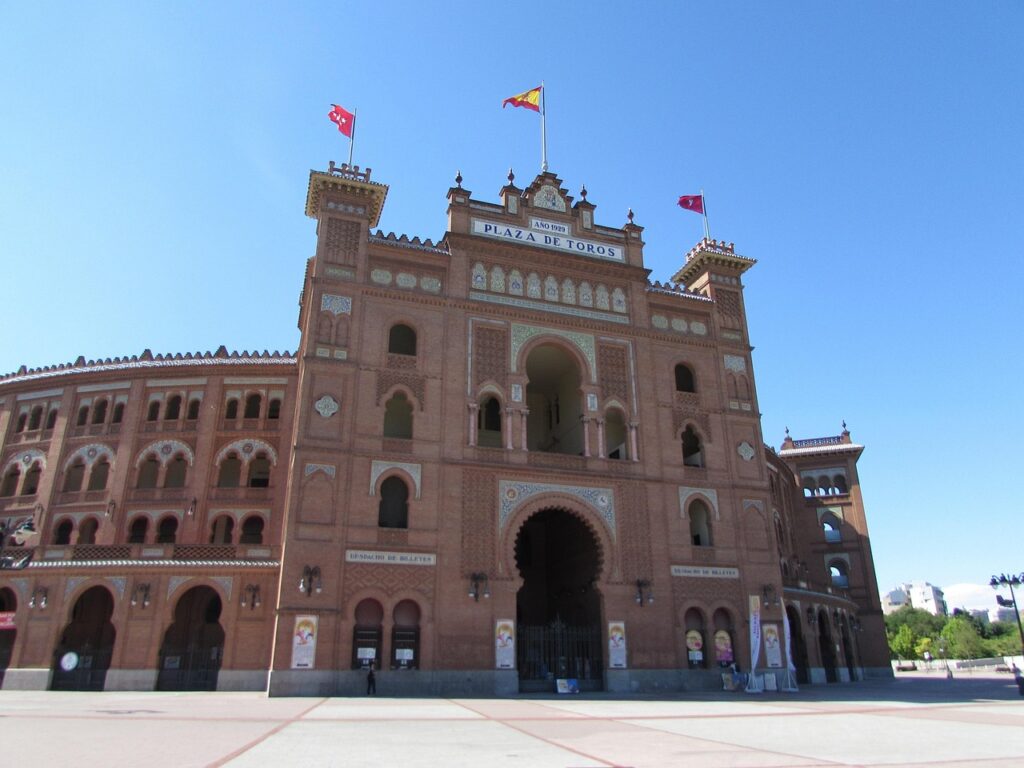
- It is also home to the Plaza de Toros Las Ventas, Madrid’s largest bull fighting arena with a capacity of 20,000.
- Casa Árabe , the Fernán Gómez Centro Cultural de la Villa – for contemporary art exhibitions and performances.
- Palacio de Amboage, a magnificent 20th-century palace that now houses the Italian Embassy.
- There are many other attractions nearby, although a bit outside the area: you are only a 15-minute walk from Plaza de Colón, the main square dedicated to Christopher Columbus, and the National Library of Spain.
- Puerta de Alcalá is one of the main gates of the city.
- Retiro Park is the most beautiful green area in Madrid. On your way to the park, check out the incredibly beautiful church of San Miguel y San Benito.
Public transportation in Salamanca:
The nearest metro stations are Puerta de Retiro, Serrano and Velázquez, from where you can quickly take the metro directly to Puerta del Sol and other city center attractions.
Where to stay in Salamanca:
- Totém Madrid – A boutique hotel in a restored 19th-century building on the Golden Mile. The rooms are surprisingly spacious and comfortable, with the coziness of a real bedroom. The location is unbeatable, in the center of Salamanca and a block or two from several metro stops.
- Catalonia Goya – A hotel with a beautiful entrance and spacious, bright, lively rooms, many with very large windows. Exclusive location right on Goya Street and next to Velazquez Metro Station, about 20 minutes from Sol.
- Hotel Serrano – A modern 4-star hotel with a great location in a very quiet area. The hotel has a classic atmosphere and great attention to detail. 5 minutes walk to the nearest metro station, Ruben Darío.
Bonus – other nice areas to stay for 2-3 days in Madrid

The 4 main tourist areas described above are very convenient for exploring the city’s attractions. They are the ones that the vast majority choose and are actually a good choice. But if you are looking for something different or just want to consider a few more options, here are alternative central areas, a few of which I have stayed in and which I also like.
2 of them, Retiro and Chamberi, are more residential and local, while the other 2, Malasaña and Lavapies, are alternative areas that are well known and popular with travelers. They are all very nice, but each has its drawbacks, so you need to think carefully when thinking about staying there.
Malasaña
Just north of Sol, Plaza Mayor and other city center attractions, this historic area of Madrid has a particularly bohemian feel. A hub for creatives and artists, it is what many would probably call “hipster town”. Wandering its narrow streets, you will pass quirky bars, private boutiques, cool murals, interesting statues and unique cafes. It all has a very eclectic, artistic charm.
Malasaña is also a major party spot for young people who gather here in the evenings to eat, drink and party. I stayed here the first time I was in Madrid – I loved it, I even stayed in a hostel so I had company – someone to go to the bar with.
Who is the Malasaña district suitable for?
For travelers who enjoy a good mix of culture, nightlife (there’s plenty of live music), and historic charm, this is a great place to stay. On the other hand, if you’re looking for peace and quiet, or if you simply don’t want to be around rowdy youth, this might not be for you.
Retiro
Probably the most picturesque and peaceful area in Madrid, Retiro is located southeast of the center, on the opposite side of the Parque de el Retiro. The main advantage of staying here is the access to the park with its lakes, gardens and paths. It is really great to start or end your day with a walk in this wonderful green area.
As for the area itself, it has a relaxed atmosphere, with plenty of good cafes and places to eat. As well as a surprising number of other smaller parks scattered throughout it.
There are few major attractions in this area (apart from the park). But the charming Salamanca is nearby to the north, Lavapies is not far away (to the west), and Atocha train station is located to the south of you. There are also several metro stops (along Calle del Dr. Esquerdo), so you have good public transport options.
Being on the other side of the park has one major drawback: long walk to the center (about 40 minutes).
Lavapiés
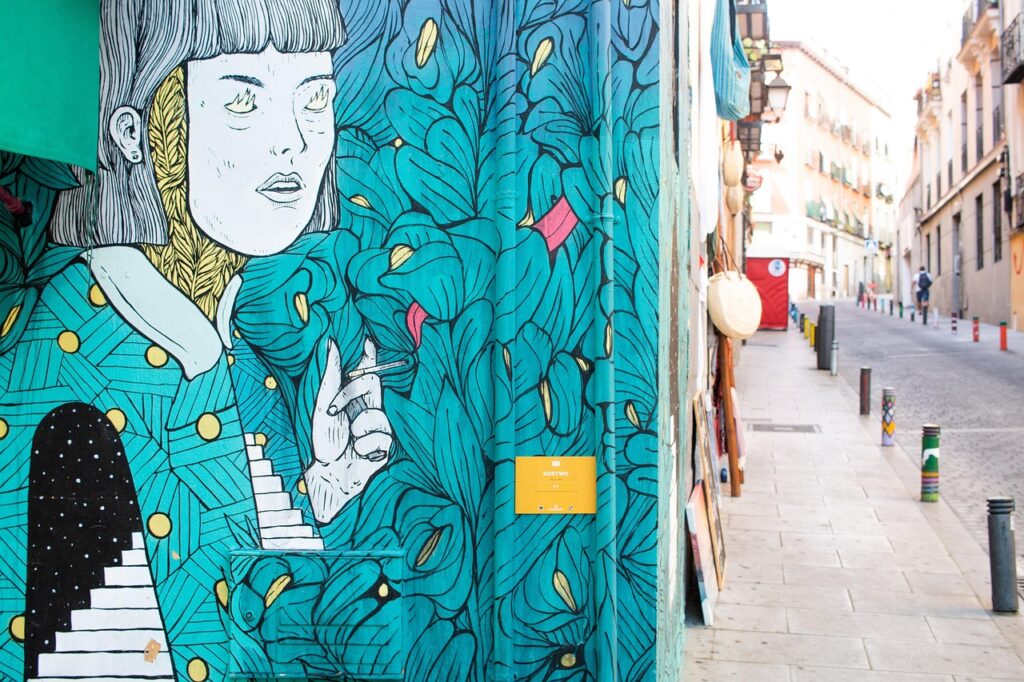
Southeast of Sol and all the main tourist attractions, Lavapies is a rapidly gentrifying area that was once a hub for immigrants. Over the years, it has finally transformed into a lively and fun area filled with restaurants, bars and cafes.
Its location is also excellent, about a 15-minute walk from Puerta del Sol. And just a few steps from the Prado Museum, Retiro Park, Reina Sofia Museum and Atocha train station.
However, there are two major drawbacks: the area is down a steep hill from many of the main tourist attractions, so you will regularly be walking up and down. It can also be noisy until late at night, as people hang out on the streets near the bars and restaurants.
Chamberí
Similar in some ways to Salamanca, Chambery is a little less ostentatiously wealthy. A little further north-west from the city centre, it is very local and the crowd is quite cultured. As such, you will find plenty of great restaurants, theatres and arts/cultural venues.
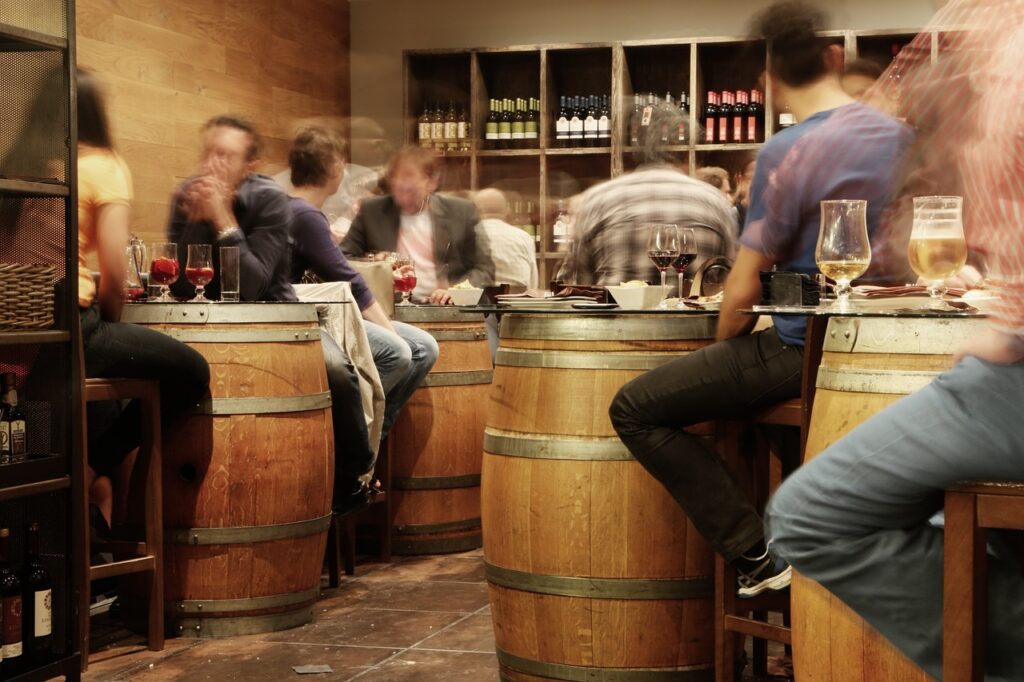
This charming residential area has a very laid-back atmosphere. You will find tree-lined streets, quirky cafes and old Spanish bars where locals hang out and chat over tapas. It is a peaceful escape from the hustle and bustle of the city, but is only a 10-minute metro ride to Sol (there are a bunch of metro stations nearby).
With its slow pace of life, it is ideal for those who want to experience Madrid like a local. To enjoy the peace and quiet, and still be only a few minutes away from all the action.
The downside is that you will have to take the metro every time you want to get into the center.
Useful articles and links:
- Top 7 cities worth visiting in Spain
- Barcelona neighborhoods – where to stay for tourists
- Barcelona – what to do in three days
- Seven districts of Rome – where it is best for tourists to stay
Travel medical insurance with discounts can be purchased from HotlineFinance
Hotel and apartment bookings – Booking.com
Timetable and train tickets in Europe – Trainline