Top 7 cities worth visiting in Spain: Madrid, Seville, Toledo, Santiago-de-Compostela, Granada, Barcelona, San-Sebastian.
Spain is a sun-drenched country with beautiful Mediterranean beaches, World Heritage cities, incredible cuisine and a diverse culture. Few countries in the world can boast such a diverse mix of attractions as Spain.
It is truly a unique country – perhaps that is why I love it so much that I have been there 7 times and will go again.
Given the country’s historical past. which consisted of Catholic monarchies, Muslim caliphates and conquistadors of the New World, all regions are very different. One region can have a completely different character and appearance from another. Here is a short list of the best places that I recommend visiting in the Iberian Peninsula.
1. Madrid

The capital of Spain is a bustling city with clear blue skies and beautiful weather almost all year round (except for the heat of summer). There is a wide range of places to walk, green parks, architectural monuments and world-famous art museums. There is even an ancient Egyptian temple right in the center of Madrid – Templo de Debod.
Art lovers can spend a few days exploring Madrid’s “Golden Triangle of Art,” which consists of three world-famous museums: the Prado, Reina Sofia, and Thyssen-Bornemisza, which house some of the world’s most valuable art collections. They are located along Madrid’s Paseo del Prado (Promenade of the Arts), which was recently declared a UNESCO World Heritage Site.
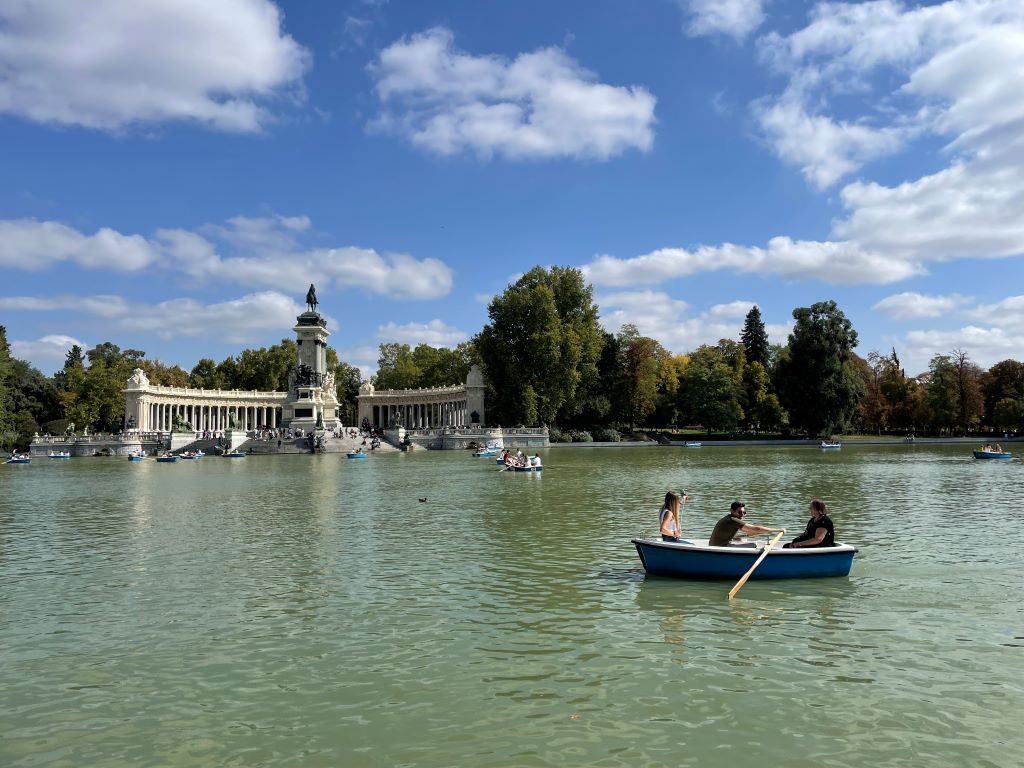
Planning tip: Madrid has a vibrant tapas street culture. Cáva Baja and Cáva Alta are streets of taverns and inns with centuries of history in the historic La Latina district. Here, quaint little bars and taverns are nestled together, where locals surf from one bar to the next to sample a variety of Iberian ham, cured meats and cheeses.
Раджу почитати: Безкоштовний Мадрид
2. Barcelona
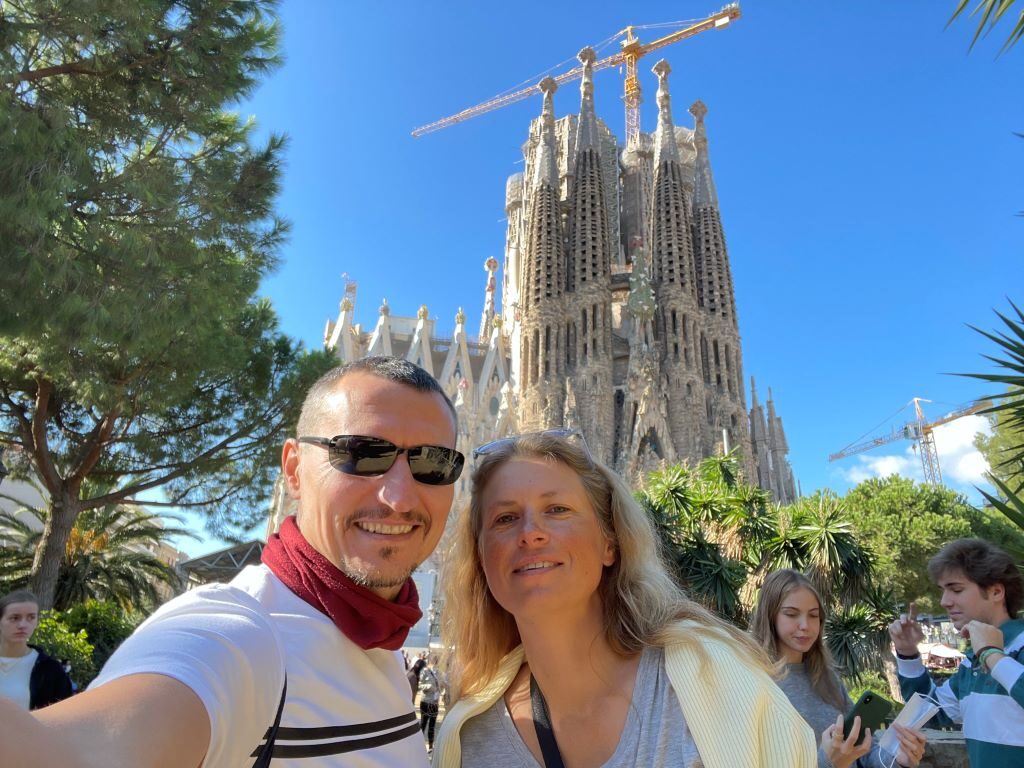
The capital of Catalonia, located on the Mediterranean coast near the Pyrenees Mountains, is a visually stunning metropolis known for its avant-garde Gaudí architecture, urban beaches and Gothic Quarter, which is over 2,000 years old.
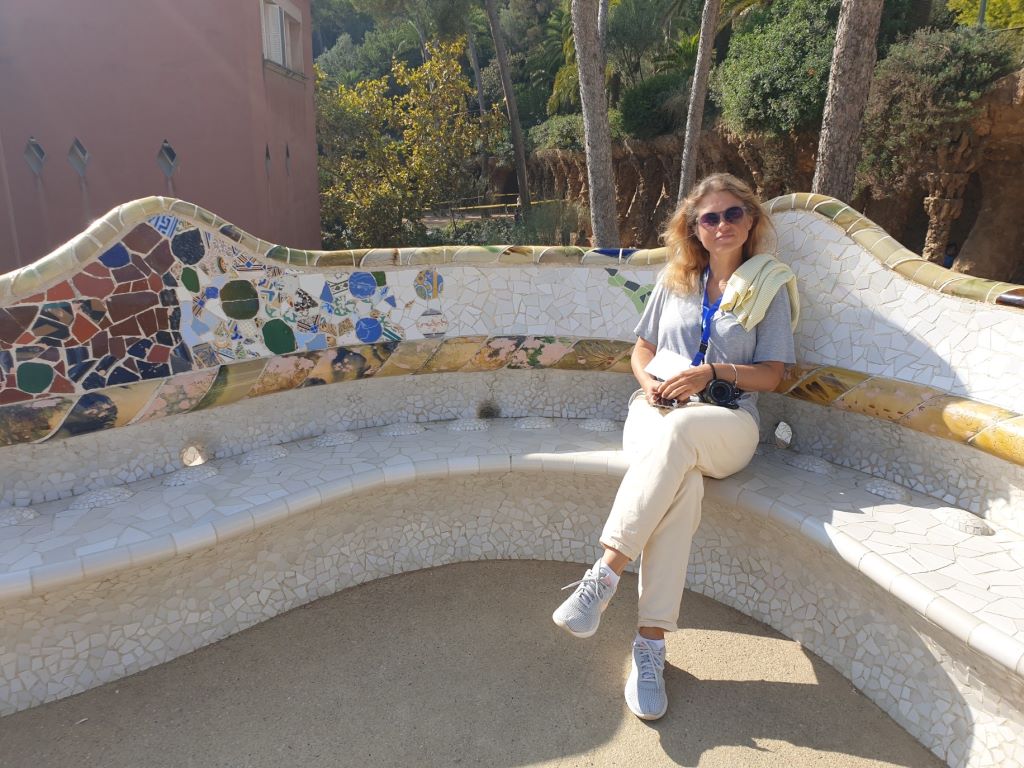
No one visit to Barcelona would be complete without spending time at the Sagrada Familia, the monumental work of the great Catalan architect and modernist Antonio Gaudí. His influence on the city is felt everywhere, and it is worth taking the time to visit its other architectural gems: Casa Batlló, La Pedrera and Park Güell (it is better to buy tickets in advance online to avoid waiting in line).
Another place where Gaudí left his legacy is the Plaza de la Reina, located in the heart of the Gothic Quarter (Barri). The public square is illuminated by decorative street lamps, which were Gaudí’s first commissioned public work. This historic district is also home to the majestic Cathedral of the Holy Cross and Saint Eulalia, which was built over two centuries from the 13th to the 15th centuries. On the edge of the quarter is the Mercat de la Boqueria, one of the oldest markets in Europe.
Planning tip: Visit the Mercat de la Boqueria at lunchtime, when the unpretentious eateries run by charismatic owners start to open. Try the jamón and cheeses, and for dessert, try the delicious fruit platters.
I advise you to read: Barcelona neighborhoods – where to stay for tourists
3. San-Sebastian

This attractive Basque coastal city in northern Spain is home to Belle Époque architecture. It has miles of white-sand beaches, and the azure waters of the Bay of Biscay. On a clear day, stroll along the boulevard near La Concha Beach to experience the culture of locals who walk, jog, and simply love the sea.
San Sebastian, or Donostia in Basque, has evolved from a traditional whaling town to a world-renowned gastronomic capital. It has the highest number of Michelin restaurants per square meter in Europe and is the second city in the world with the most Michelin stars (after Tokyo).

Planning tip: You don’t have to have a Michelin-starred budget to enjoy San Sebastian’s food culture. Head to the Old Quarter, or Parte Vieja, specifically along Calle 31 de Agosto. The street is lined with restaurants and bars serving a dizzying array of pinchos. The name describes how these snacks are served on skewers or toothpicks, making them easy to pick up. And the variety of flavors will amaze you.
I advise you to read: Barcelona – what to do in three days
4. Seville
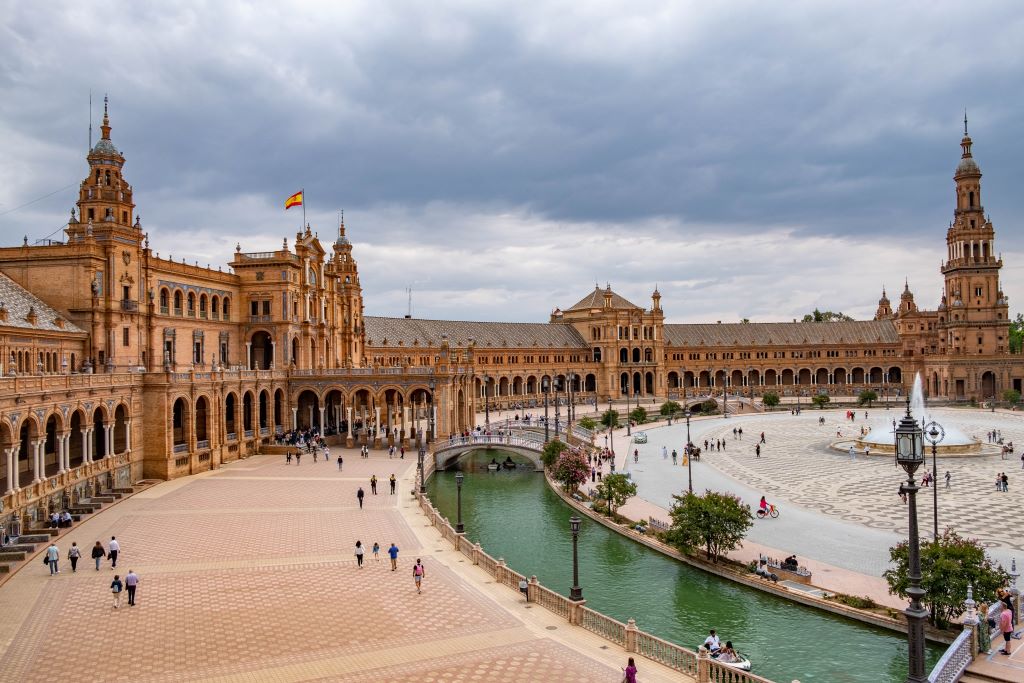
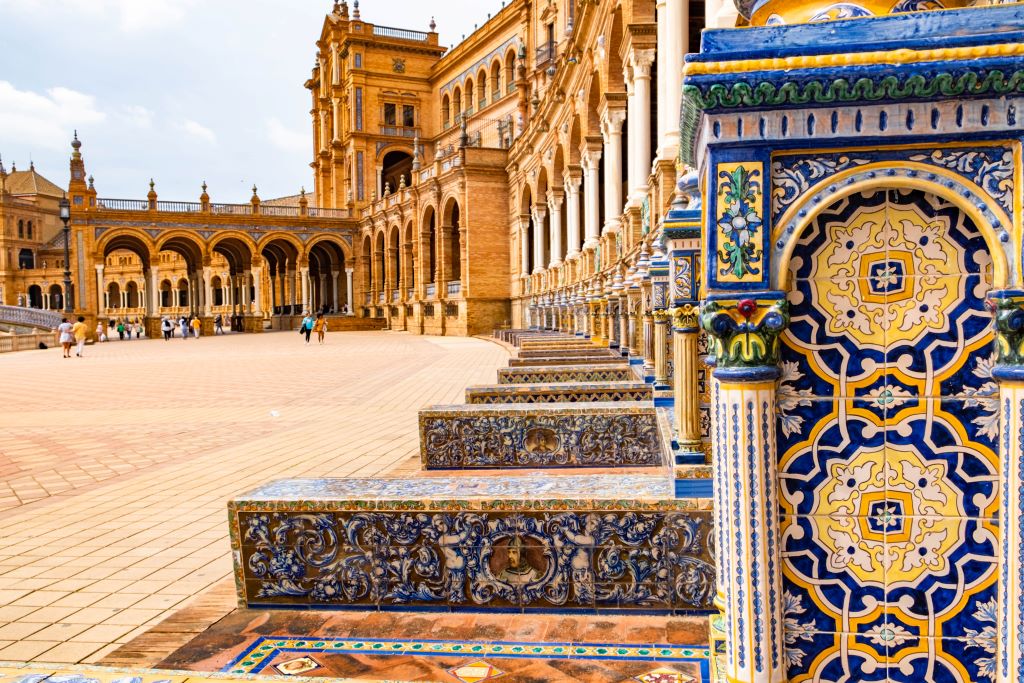
Seville’s beauty is in the details – this charming Andalusian capital may give you a sense of déjà vu. Perhaps that’s because its year-round sunshine, sparkling gardens and intricately carved palaces have made it a favourite filming location for major films from Star Wars to Game of Thrones.
Its appeal lies in its unique blend of eras and cultures – horse-drawn carriages, flamenco tablaos (stages for the flamenco dance), colossal Gothic buildings and Islamic stylistic details – all combine to create this multi-layered landscape of a sunny city.
Seville’s rich cultural tapestry is a legacy of its long and varied history. Once a Moorish capital, later the seat of the Castilian aristocracy, and then the European gateway to the Americas after Columbus’ voyage in 1492.
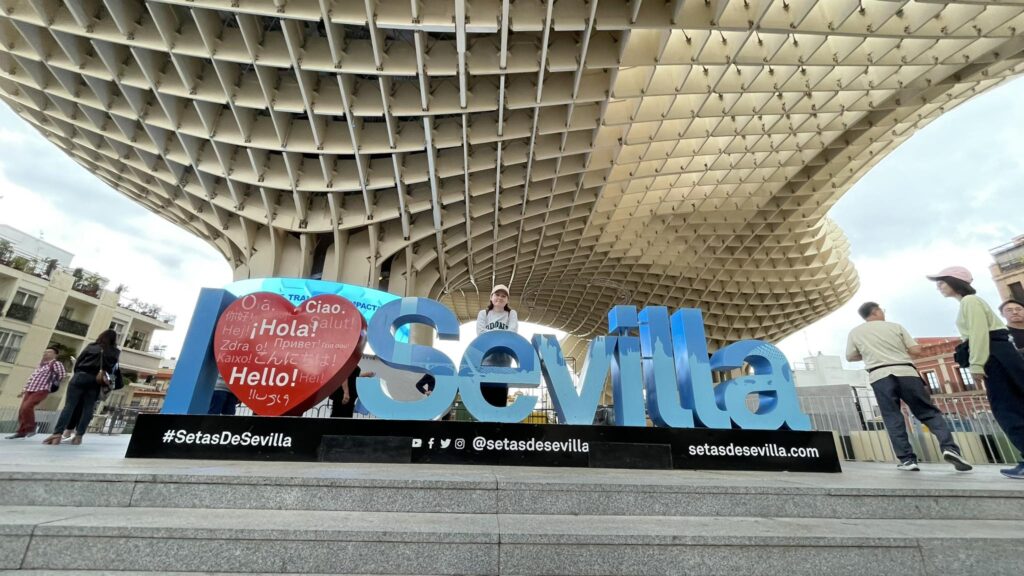
Visit Seville Cathedral – the largest Gothic cathedral in the world and the final resting place of Columbus. And then, just a few meters away, the real Alcázar. It is showcases the splendor of Mudejar architecture with elements of Islam, Baroque, Gothic and Renaissance.
Planning Tip: Want to experience a big celebration? Plan your visit during one of the city’s biggest annual festivals – Semana Santa and Feria de Abril, which takes place during Catholic Easter.
I advise you to read: Perfect weekend in Seville – what to do in two days in the capital of Andalusia
5. Toledo

This 2,000-year-old walled city holds an important place in Spanish history. It was the former capital of the Visigothic Kingdom, a fortress of the Emirate of Cordoba, a Roman municipium, the seat of power of King Charles V. And the former capital of Spain until 1560. It is now a UNESCO World Heritage Site.
Toledo’s Jewish, Christian, and Islamic influences have earned it the nickname “The City of Three Cultures.” Wander its narrow, cobbled streets to see remnants of this unique cultural mix: an ancient Roman structures, Moorish architectural styles, Toledo Cathedral, El Transito Synagogue, and Cristo de la Luz Mosque.

Planning tip: Head to Mirador del Valle for spectacular panoramic views. And to capture the perfect photo of this historic city on the banks of the Tagus River.
I advise you to read: Ronda, Spain – 10 things to do in the white city on a cliff
6. Granada
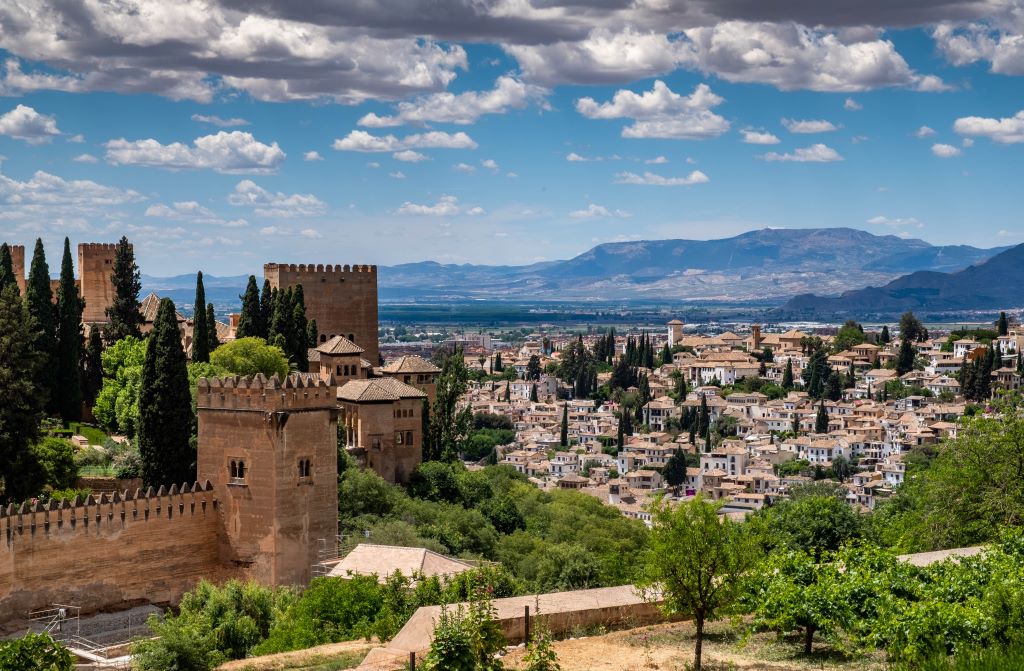
At the foot of the snow-capped Sierra Nevada mountain range, the Andalusian city of Granada is ideal for immersing yourself in Spain’s Arab history. It is home to the Alhambra palace complex and the ancient citadel of the Nasrid dynasty. These palaces belonged to the last Muslim dynasty on the Iberian Peninsula, which ruled until the 15th century.
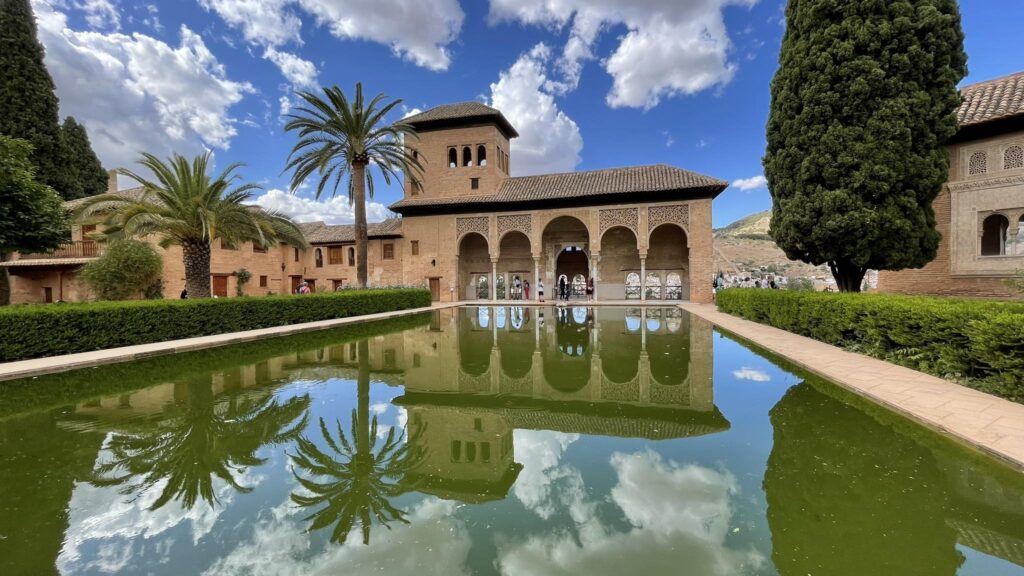
Translated as “The Red One,” the Alhambra is a stunning architectural masterpiece that combines Moorish and Christian elements of decor. Once inside this beauty, you feel transported to a fantasy world with intricately carved walls and arches, reflecting pools, and colorful mosaics.
Planning tip: continue your walk to the Palacio de Generalife right next to the Alhambra, a summer palace whose gardens and perfectly orchestrated fountains provided a retreat for the ancient Nasrid sultans.
I advise you to read: What to see for one or two days in Granada, Spain
7. Santiago-de-Compostela
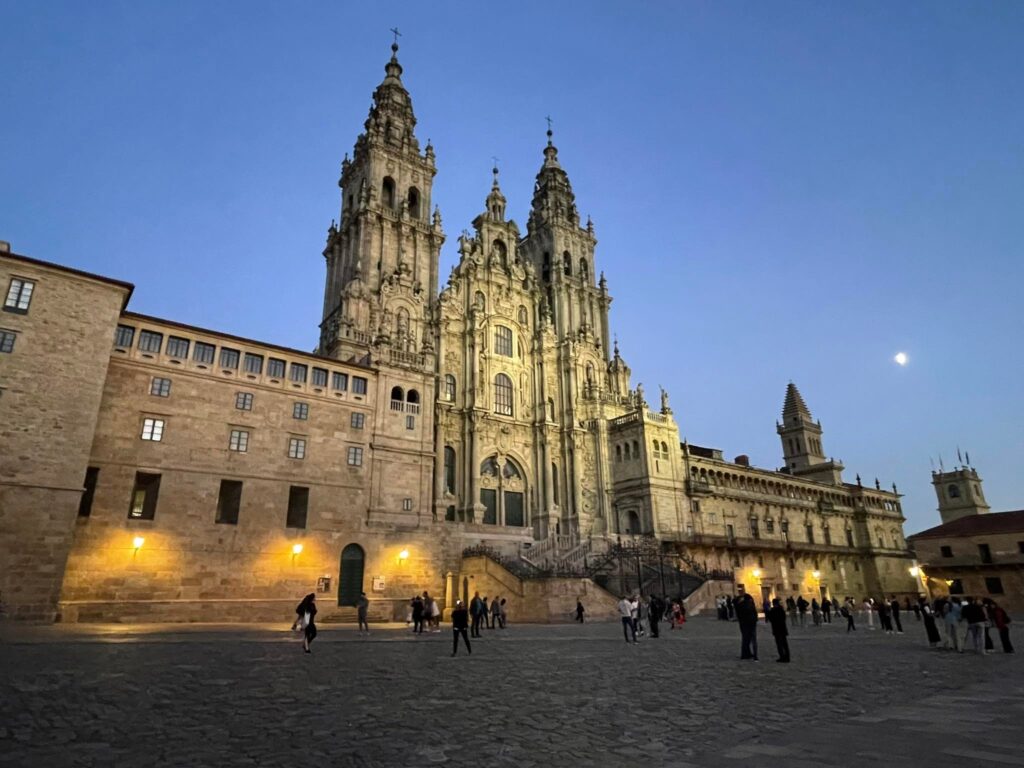
Santiago de Compostela is the capital of Galicia and the final destination of the Camino de Santiago (Way of Saint James), a pilgrimage that is over 1,000 years old. On any day of the week, you will see pilgrims from all over the world, coming from different parts of Spain to the Cathedral of Santiago de Compostela.
Even non-pilgrims can enjoy the mystical beauty of this northern Spanish city with a distinct Celtic heritage. Its beating heart is the Plaza del Obradoiro, where the luxurious Hostal dos Reis Católicos stands. This hotel is considered the oldest hotel in the world that was once a hostel for pilgrims. By the way, I dream of spending the night there after the Camino )))
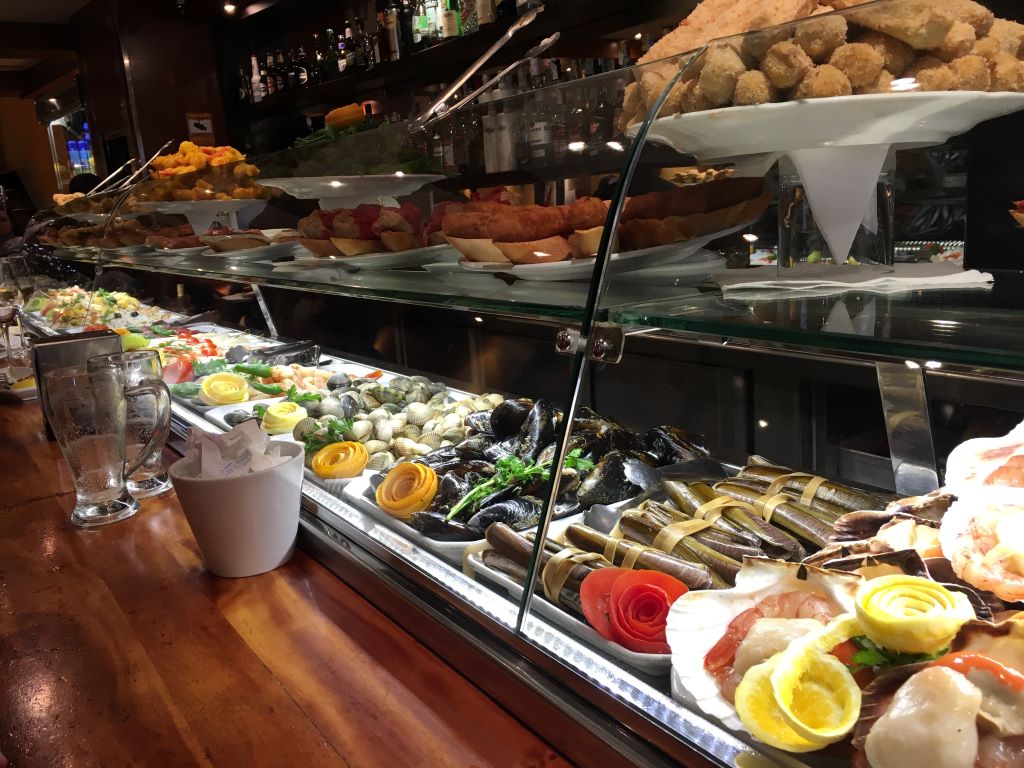
Planning tip: Santiago has a rich gastronomic tradition, highlighted by its excellent seafood. So come hungry when you visit the city’s second most popular attraction after the cathedral. First, there’s the Mercado de Abastos food market, or Rúa do Franco, home to some of the city’s best tapas bars.
What you will need to travel to Spain
- First, it’s a car that will help you drive this entire route, and maybe more, across Spain. Rent a car right after your arrival and travel the beautiful roads of this country. By the way, expressways are tolled, with the same payment system as in Italy. That is, before entering the toll road, you take a ticket in front of the barrier, and at the exit, you pay for the kilometers you have traveled. I recommend looking for a car on Rentalcars.com – here you can find budget and more comfortable car options.
- Book your accommodation in advance – prices in high season in Spain, as in other countries, rise. Booking.com allows you to find discounted options, as well as book accommodation with the possibility of free cancellation.
- In order to get to Andalusia, I advise you to look for flights. The closest airports are Malaga or Seville. Or fly with cheap tickets to Madrid and from there you can get by car or train to Malaga or Seville (depending on where you start your trip).
- I buy bus tickets in Spain on the website of the Spanish carrier Alsa.
- Train tickets in Spain – on the website of the Spanish railway company Renfe.
Useful articles and links:
- Setenil de las Bodegas, Spain – the most beautiful white village in Andalusia
- The 7-day route in Andalusia – what to see in the south of Spain
- Cordoba, Spain – Andalusian city for two days
- Andalusia by car – Costa del Sol route