
What things to know before traveling to the UAE: rules of entry to Dubai, Abu Dhabi, documents, peculiarities of the Emirates, what not to do in Dubai during Ramadan, and other subtleties of this country.
1.Visa to the UAE
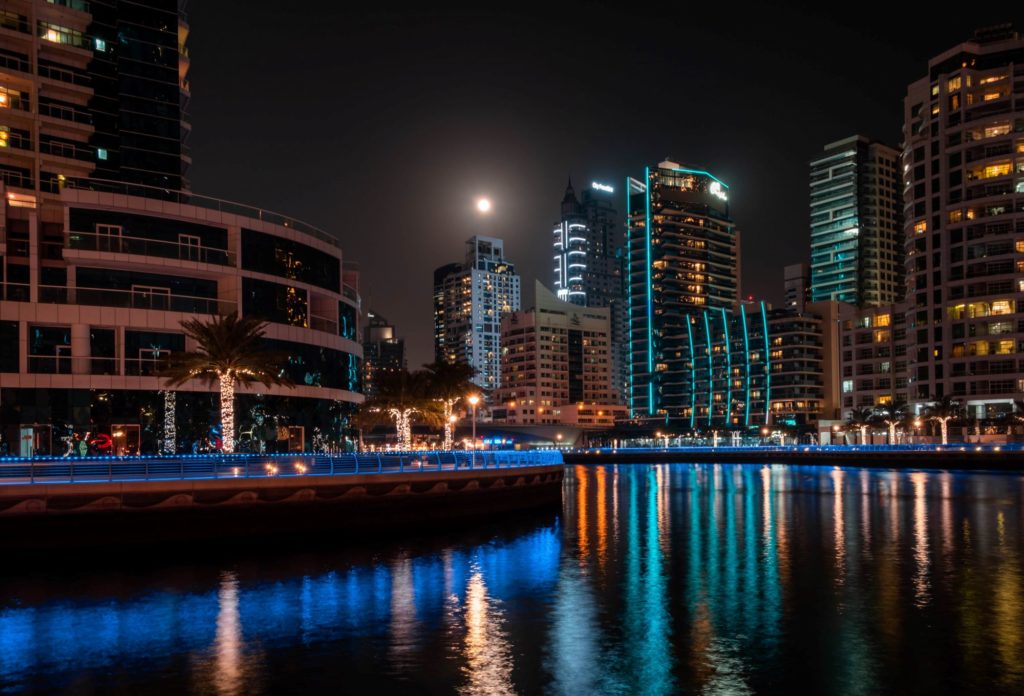
Before traveling you have to check if you need a visa of the United Arabian Emirates. The residents of the most European countries or USA can arrival at the airport of Dubai, Abu Dhabi, or Sharjah and receive a visa of arrival and stay in the country for 30 days (with the possibility of extending the period in migration institutions up to 90 days).
Check your visa terms on the site Emirates aircraft company.
Documents:
– a regular or biometric passport with a validity period of at least 6 months from the date of crossing the border,
– travel health insurance.
A separate topic is the visa for nomads, or remote workers. Dubai has announced a long-term visa scheme for remote workers and their families.
The largest city in the UAE will allow you to stay for up to a year while continuing to work for foreign firms. The visa costs $287, plus health insurance. However, this visa is not for everyone – you need to earn at least $5000 per month to qualify.
2. The best time to visit UAE
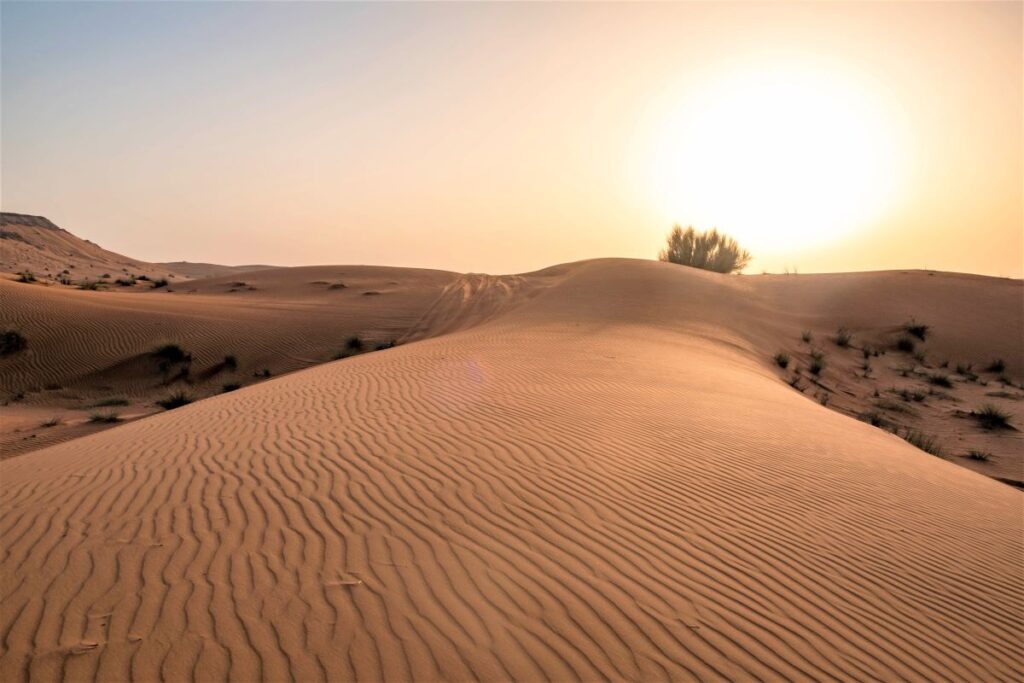
The best time to visit the Emirates is from November to March, when the temperature is around 30°C.
The best time for beaches and swimming on the beaches of the Persian Gulf is November-December and March. The water here is very warm during these months – +25°C.
In January and February, the air becomes a little cooler – a pleasant +27°C, and the water in the bay is +20-22°C. But as for me, this is also a pleasant temperature for relaxation, not too hot to be on the beach all day. And for walking around the city, it’s just perfect.
If you do go to this country in the summer, don’t expect a beach vacation or even daytime walks in the city. Summer temperatures in the Emirates reach up to +50°C.
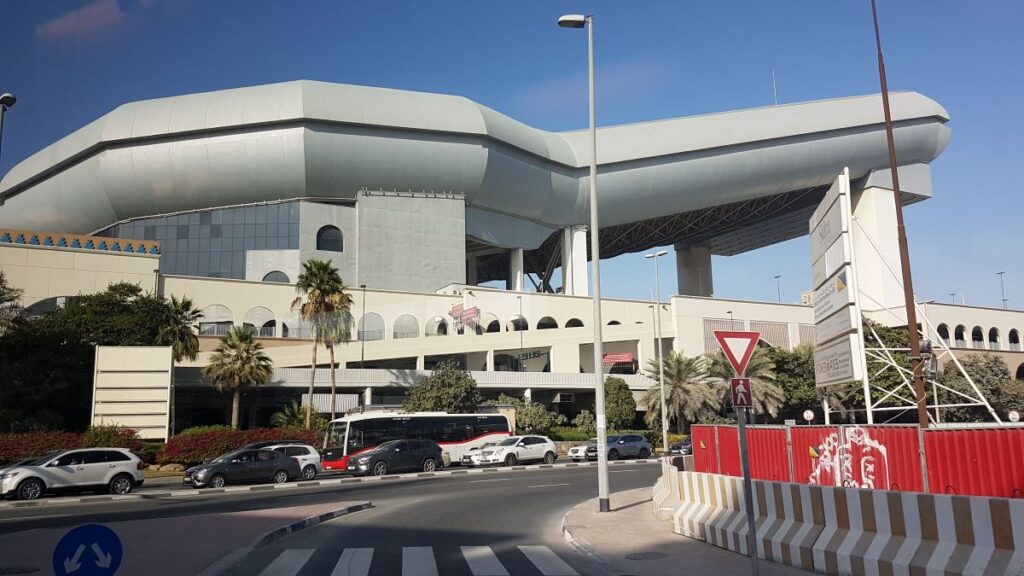
But if you are interested in shopping, it is quite possible, because all shopping centers, including Dubai Mall or Mall of the Emirates, have good air conditioning. Or you can cool off at the IMG Worlds of Adventure indoor theme park. Or even go skiing on the indoor slopes of Ski Dubai.
3. Currency
The national currency of the UAE is the dirham (AED). The dirham exchange rate pegged to the dollar is stable at 3.67 dirhams per $1.
But as for cash, you will almost don’t need it for payments. Exceptions – cash may be needed in the markets, in small cafes in the Deira district(Dubai), or if you want to tip someone (although this can also be done by card).
4. Weekend – Friday and Saturday
In most Muslim countries, Friday is the day off, when Muslims gather for prayer. And also on Saturday (instead of the usual Sunday for Europeans). All of this does not greatly affect the rhythm of life in the Emirates, but it is worth knowing about.
For example, the Dubai Metro starts operating at 10 am on Fridays. Businesses traditionally close for a few hours in the afternoon, although many continue to work throughout the day.
If you want to go out to a party, the busiest nights of the week are Thursday and Friday. The same shopping centers are also crowded with shoppers until midnight on these days.
5. Security

According the information of the World Economic Forum, the UAE ranks second among the safest countries in the world. Dubai is very safe compared to other major cities around the world, and street crime is very rare. Taxis are safe at night, and in most areas you can walk on your own.
Dubai is also on the list of cities where women can safely travel alone. There are no requirements that Europeans cover their heads with headscarves or cover their entire bodies. On the contrary, Dubai is a cosmopolitan city where expats make up almost 85% of the population. Therefore, in many places, you can wear shorts, short skirts and T-shirts, and on the beach or by the pool, you can wear a bikini.
But in shopping malls, mosques and bazaars, you should respect the local Islamic culture by dressing modestly, which means covered shoulders and knees.
The biggest danger in the Emirates is careless driving and crossing the street. Because the most drivers ignore pedestrian crossings.
6. Ramadan in Dubai

Emirates, in particular Dubai, is focused on tourists from non-Muslim countries. Therefore, by and large, there is not much discomfort here during Ramadan.
Of course, tourists are not allowed to eat, drink, or smoke on the street or the beach. But cafes and restaurants are open, only those located in shopping centers, and panoramic windows and shop windows are covered with special screens. You can eat in peace without annoying the locals.
Transport during Ramadan runs on schedule, and taxi drivers usually sacrifice their evening meals to earn money from passengers.
During Ramadan, there are no restrictions on visiting public beaches – you can also sunbathe and swim as you would on normal days. But it is advisable to wear clothes over your swimsuit when leaving the beach.
In addition, hotel prices in Dubai are reduced during Ramadan. There are no such discounts and special offers as during Ramadan in other periods (the exception is summer as a low season). Check on Booking.com.
In 2024, Ramadan is from March 10 to April 9.
7. Alcohol is expensive, but it is here
Alcohol is not as readily available as in Europe, and it is also expensive. It is available only in licensed stores and hotels that have permission to serve it in their bars and restaurants. And this is only in some emirates, such as Dubai and Abu Dhabi. In more conservative emirates, such as Sharjah, alcohol is completely banned.
You can buy alcohol cheaper in duty-free shops at the airport. So, if you need to have a glass of wine or something stronger in the evening, stock up on alcohol in advance.
8. No tips in UAE
There is no need to leave a tip, and this will pleasantly surprise many travelers. This is because tipping is not mandatory in the UAE, and it is already included in the 10% service charge for restaurants and hotels. However, you can leave small change if you want to.
9. Emirates are not just about shopping and entertainment

Contrary to popular stereotypes, there is much more to Dubai, Abu Dhabi and Sharjah than shopping and skyscrapers. Look beyond this prejudice to discover a rich cultural heritage that blends Bedouin, Arab and Islamic traditions.
In Dubai, visit the Etihad Museum and the Dubai Museum to learn about history. Or go to the La Perle show, which tells the story of the emergence and development of the United Arab Emirates. And then head to the Sheikh Mohammed Center for Cultural Understanding to learn more about the culture of the Emirates. Meanwhile, check out the contemporary art scene on Alserkal Avenue and watch a performance at the ship-shaped Dubai Opera House. In addition, plan a visit to the Museum of the Future (MOTF). The museum building is located on the main thoroughfare of the city – Sheikh Zayed Road. The exhibition is dedicated to the potential of technology development in the coming decades.
I advise you to read it: In winter in Dubai – a review of an independent trip
In Abu Dhabi, be sure to visit the largest Sheikh Zayed Mosque, see the masterpiece of modern architecture – the luxurious five-star Emirates Palace Hotel, and visit the Louvre Abu Dhabi Museum. Plan a visit to the ethnographic village, the ancient residence of the Sheikh of Abu Dhabi – the white fort of Al Hosn.
There is also a lot to see in Sharzha. Head to the Al Majaz cultural and entertainment complex, built on a mounded island in the Khalid Lagoon. The central attraction of the complex and the pride of the emirate is an analogue of the ancient Roman open-air amphitheater, which can accommodate more than 4000 spectators. The amphitheater is equipped with a large stage with modern audio systems and terraces from where the audience can admire the surrounding panorama of the lagoon.
10. No demonstration of feelings in public
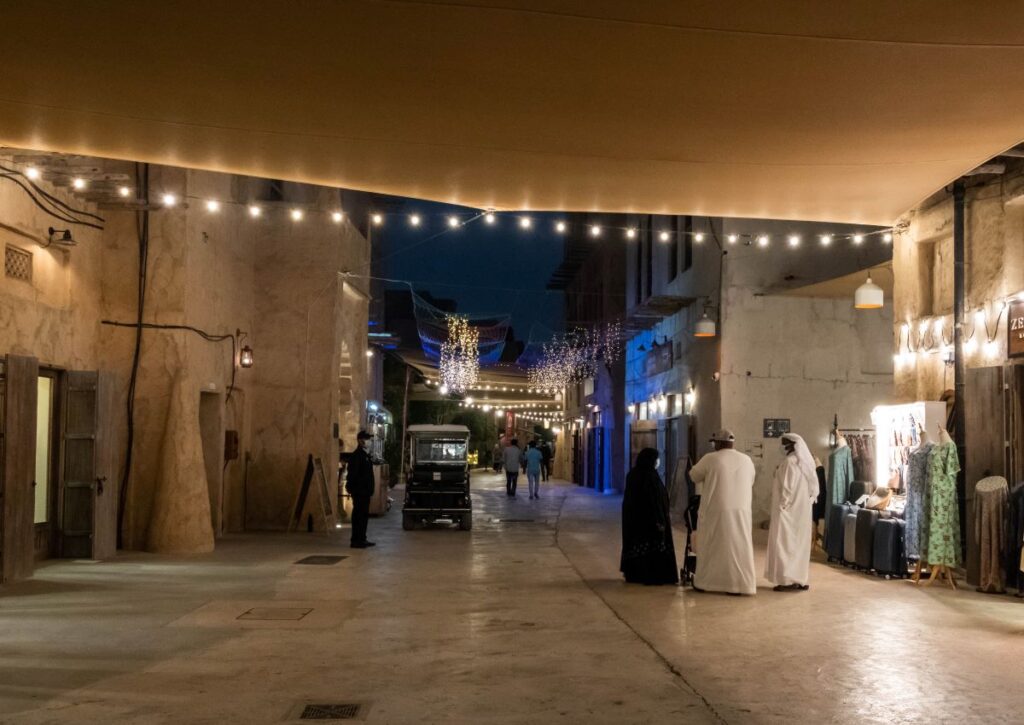
The UAE is rooted in Islamic traditions, so even in cosmopolitan Dubai, do as the longtime immigrants do and respect the culture. Therefore, public displays of affection in the UAE are not just unacceptable, they are illegal. Sexual relations outside of marriage are also illegal. Whether you are married or not, avoid holding hands, hugging, or kissing in public.
In theory, unmarried couples cannot share a hotel room, although many hotels ignore this rule. If you are single, refer to your partner as your wife or husband, not your girlfriend or boyfriend.
How to get to the UAE
You can fly to the Emirates from various countries. Most often, these are large cities, such as capitals, from which major airlines operate regular flights. But there are also charter flights that cater to package tourists.
Let’s look at all the options for getting to the Emirates from the nearest airports.
Useful articles and links:
- Emirates – where to rest near the sea, but not in Dubai
- Winter in Dubai – a review of my trip
- Rent a car in Jordan – prices, features, personal experience
- Road trip in Jordan – route, main sights and costs of the trip
Car rental – I am looking for inexpensive options on Rentalcars.com
Car rental – I am looking for inexpensive options on Rentalcars.com
Booking of hotels and apartments – Booking.com