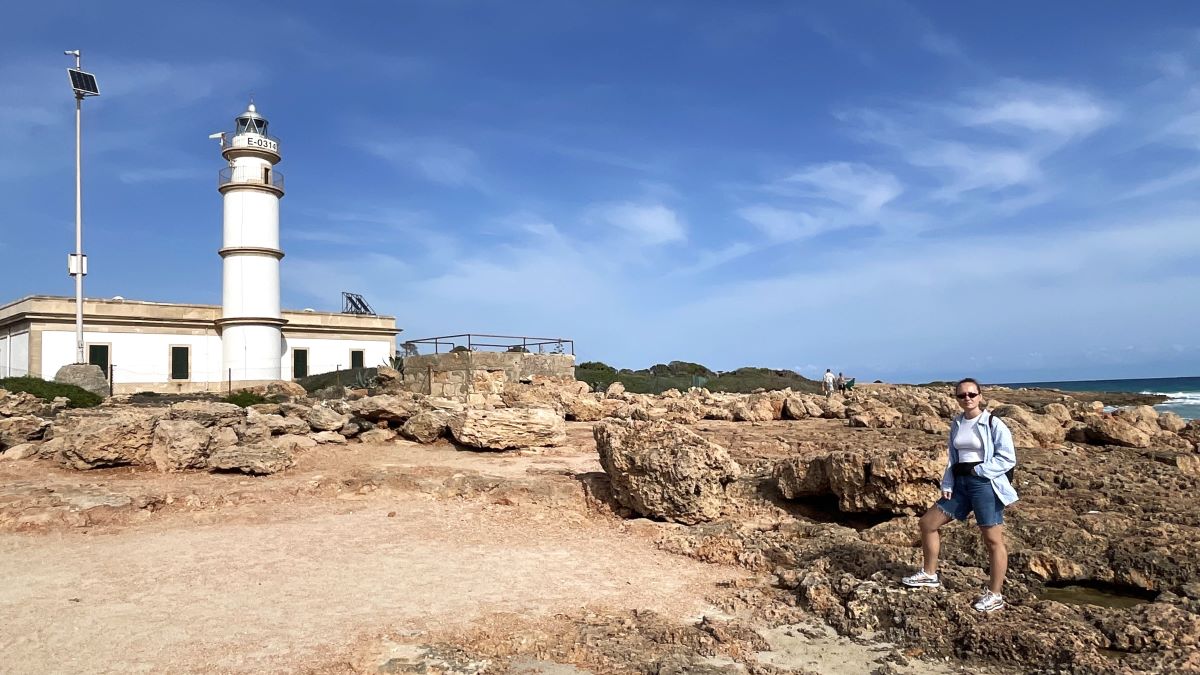
Majorca (Mallorca) is one of the Balearic Islands in the Mediterranean, part of Spain. Here you’ll find wonderful climate, seaside resorts and beaches, blue bays ideal for snorkeling and diving. The tourist season in Mallorca lasts from late March to late October.
Mallorca is a small island, but a week is not enough to visit all the towns and villages, and you’re unlikely to explore all the beaches. But that’s the good thing about Mallorca—its contrasts and the diversity of locations and opportunities mean you’ll never get bored: beaches, mountains, coves, old towns, and turquoise sea all await you in this paradise.
Mallorca itinerary – what we managed to see in a week by car
How to get to Mallorca
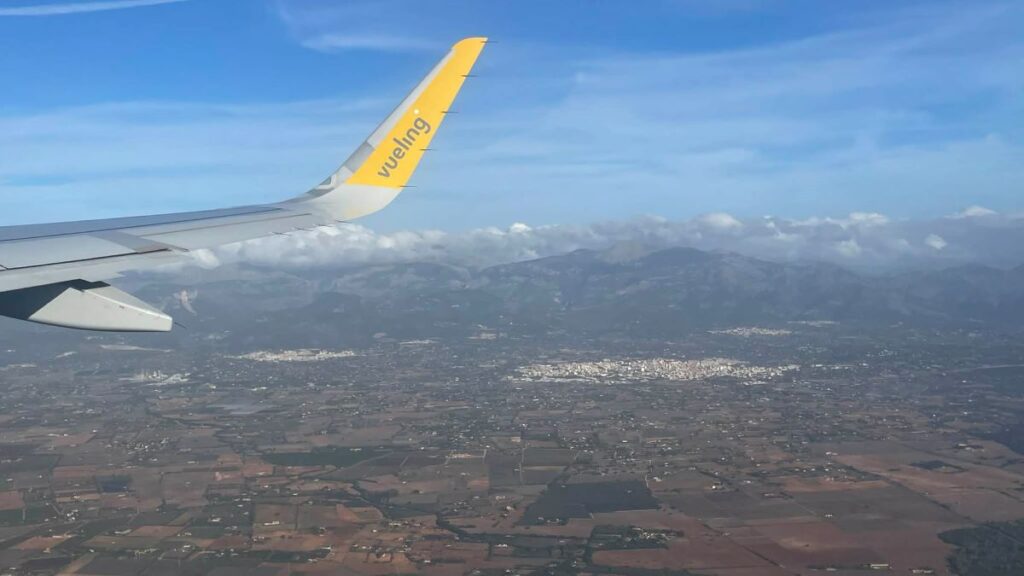
Mallorca is a popular destination for Ukrainian tourists. Getting here is quite easy:
- Low-cost carriers like Ryanair and Wizzair fly to Mallorca from Warsaw, Prague, Budapest, Berlin, and other cities near the Ukrainian border—flight time is 2–2.5 hours.
- From Chișinău there are flights by SkyUp—sign up for their newsletter, they often have promotions on tickets.
- Alternative: drive your own car + ferry from Barcelona or Valencia. Good option for those living in Spain or not afraid to road trip Europe in their own car.
When to go to Mallorca
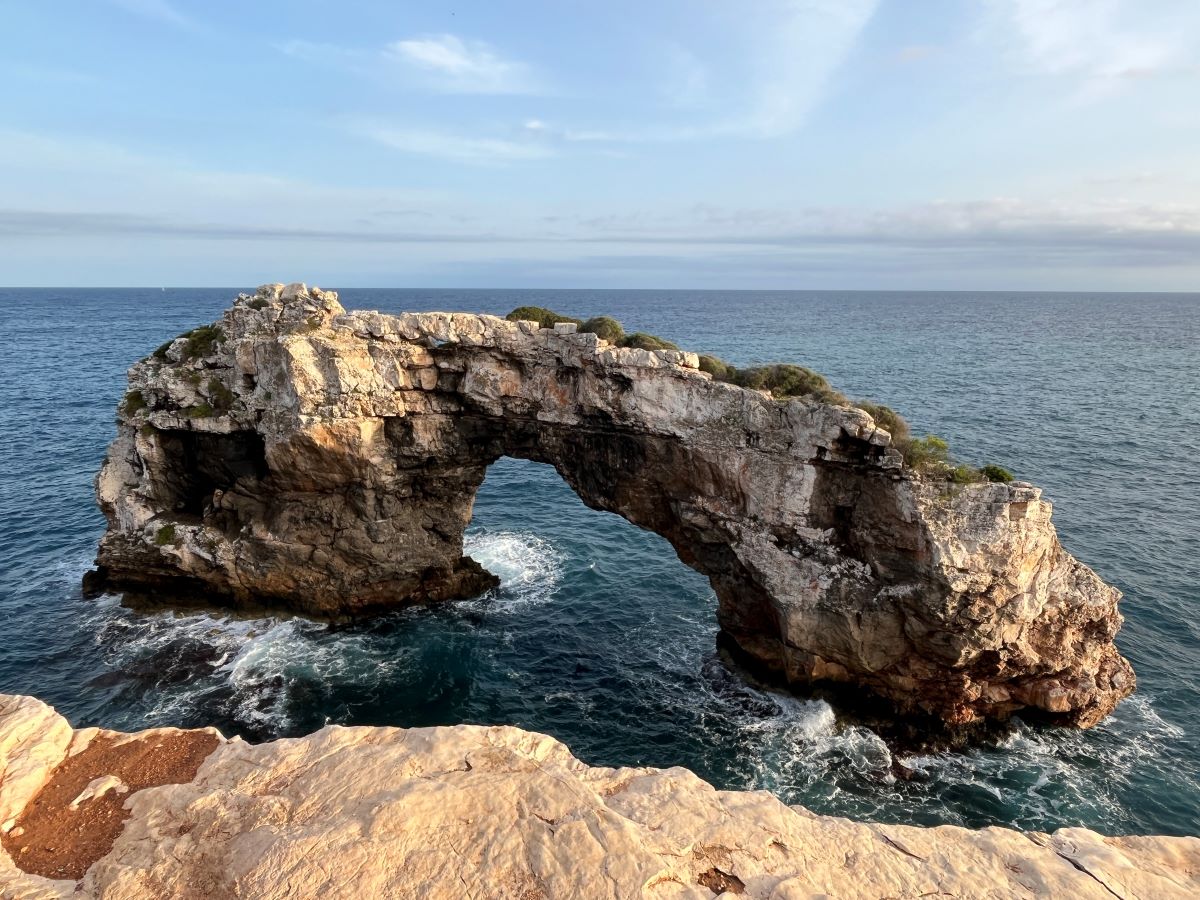
All year round! Not a joke—it’s great in summer during the peak season, when you can enjoy the blue warm water in coves (only this bright in summer). Other seasons have their own advantages too.
Ideal season
Spring and autumn—it’s quieter, but all the tourist infrastructure is fully working. In autumn, the sea is still warm. In May the water is cooler, but the sun can be strong. Beaches are uncrowded—great time to enjoy clean, peaceful sand.
Already in April–May the busy season gradually starts, the air gets up to +25 °C, the sun shines, flowers start blooming. In mid-April not everyone will swim, but by May you can sunbathe and swim in the clear sea.
Autumn—September and first half of October is a wonderful time: no more heat, but the sea is still very warm and clean. In October there are fewer people, but the season is so pleasant you won’t want to return to a cold home autumn.
By the way, in October we swam when there was no rain (5 out of 7 days). The water was very warm (23–24 °C), the air about the same—in sheltered coves it was just right!
Summer in Mallorca
Summer—peak season and prices, resorts are crowded, good hotels book up 4–6 months out. If you want to see the perfect turquoise sea with boats “levitating” in warm water—this is when you go.
Mallorca in winter
If you want to spend winter in a warm country, where you can walk the streets in a sweater by day and put on a light jacket in the evening—Mallorca is perfect. And winter is great for hiking the mountains or coastline. No heat, but sometimes you might want a raincoat.
The mild climate from October to April is ideal for cycling and hiking. Hikers will enjoy Mallorca’s scenic trails, like the GR221, which runs along the Serra de Tramuntana mountains, a UNESCO World Heritage Site.
Car rental in Mallorca
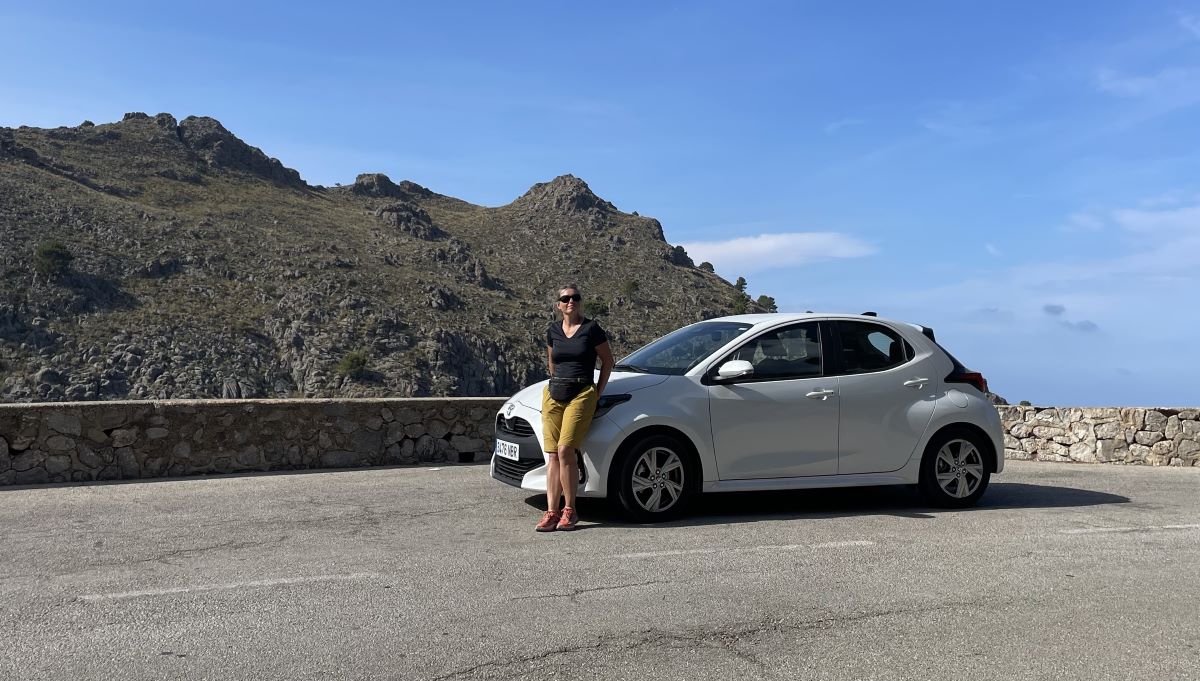
Ideally, the best way to explore Mallorca is with a rental car. As usual, I searched for a car on Rentalcars.com—I picked a small Toyota Yaris automatic hybrid for mountain driving. If you don’t plan to go to the mountains (but you should!)—get the cheapest manual, as on the rest of the island the roads are straight and you don’t really need an automatic.
At Palma airport—Son Sant Joan—you can get a car from €35 per day (including full insurance). With a car you can include even the farthest corners of the island in your trip. That’s what we did—rented for a week and never regretted it. The flexibility, especially with changeable weather (we were in Mallorca in October), allowed us to dodge rain by moving between parts of the island.
Tips for driving Mallorca
- Take a small car—parking in towns and villages is quite tight.
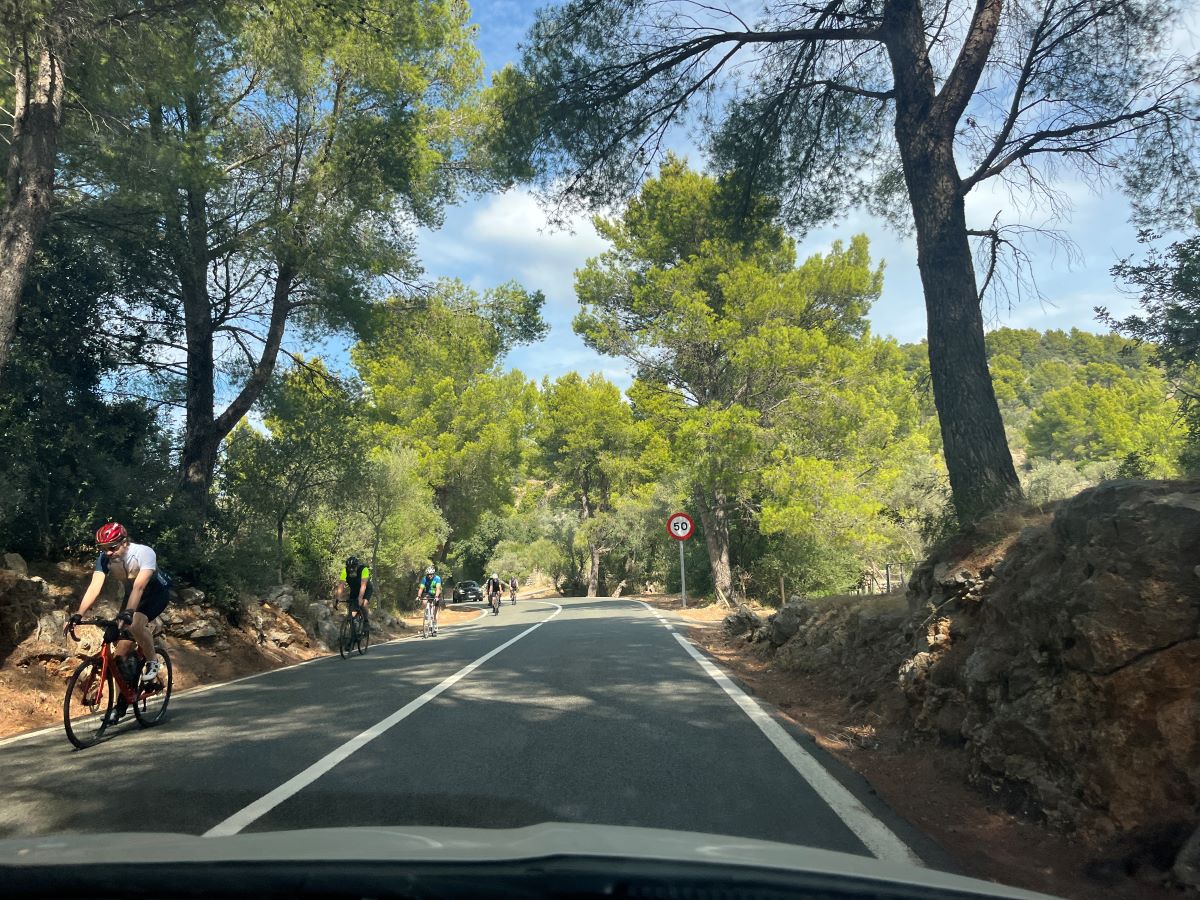
- Don’t plan your drives “by time”—hairpins seem short on the map but take longer, especially if you get stuck behind cyclists.
- Bring cash for parking and small beaches.
- In high season, arrive at popular coves by 9 a.m.—you’ll definitely find a space, maybe even for free.
- Fill up your tank in advance when going to the mountains—gas stations there are rare.
- In October–November, watch the wind forecast and change coasts if it gets gusty.
- Parking near old towns is usually best outside the walls. Don’t drive inside.
- Don’t leave things in the car at the beach—not even “for five minutes.”
- Remember, Mallorca is cyclists’ favorite island—be prepared to “find your zen” following big groups pedaling uphill. Be patient—think of it as a chance to focus on the views that accompany your trip.
- Get a car with full insurance—mountain roads are winding, city parking is very tight, and your car could get scratched.
Public transport in Mallorca
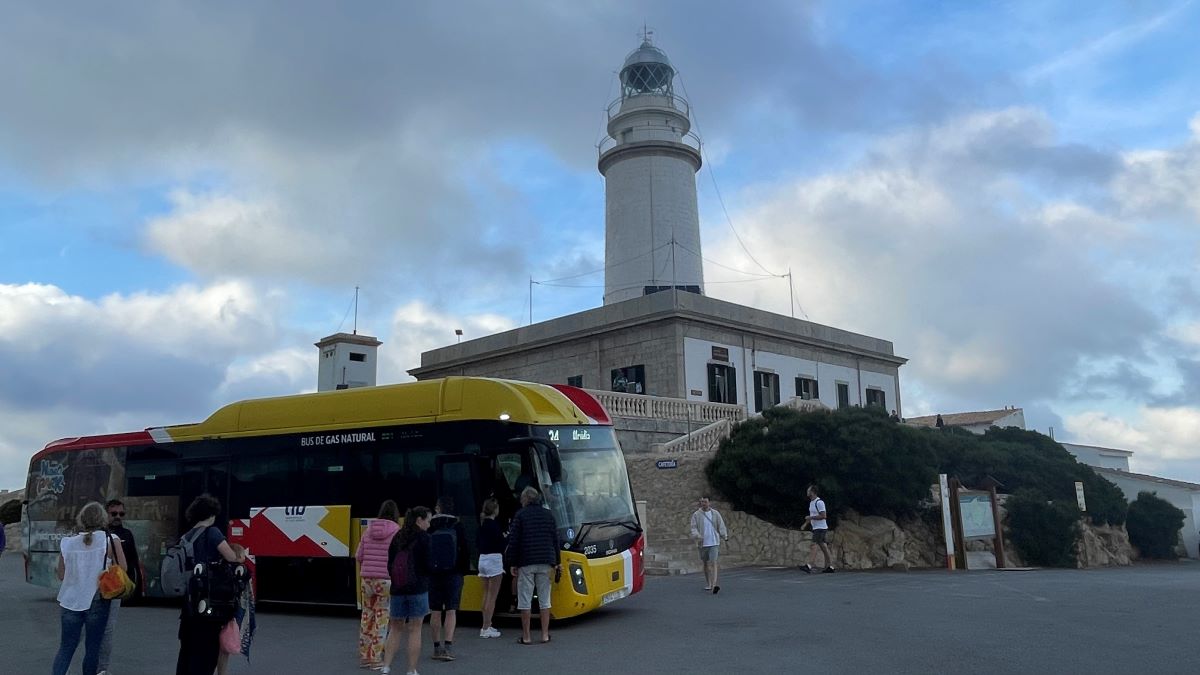
But for those without a driver’s license, or who are afraid of mountain driving, the island has public transport—buses and trains that connect all towns on the island. There are urban and intercity bus routes, and trains.
There are 29 city bus routes in Palma and connecting to nearby towns—Llucmajor and Calvià. The company EMT runs city buses in Palma de Mallorca (just Palma from here), costing €2 per ride. You can save money with a pack of 10 tickets for €15 (€1.5 per ride). For those who plan to use buses a lot, there are intermodal cards T20 and T40—buy in bulk, and each trip is at least one-third cheaper.
Palma also has a tourist Hop-On Hop-Off bus—buy a day pass and ride between all city’s major sights, hopping on and off at any of 18 stops, with departures every half hour.
How to get to Mallorca airport
Buses also run to the airport: from Palma, routes 1 and 17; from El Arenal, bus A2. (Cost: €5 one way, €8 round trip).
Note that buses don’t run at night to the airport. If your flight’s early in the morning, you’ll need to order a taxi. That’s what we did—from El Arenal it was €23.
Night buses
On Friday and Saturday from 10 pm to 6 am, night buses (“bus de nit”) run every half hour. Children under 5 ride free. Tickets are sold in machines at stops and from the driver. Check routes/timetables at www.emtpalma.cat. City buses have screens showing current and next stops. Stops also have signs listing passing lines and expected times.
Intercity buses
The main transport hub in Palma is Estacion Intermodal at Plaça d’Espanya—actually under the square. All intercity buses go from here, including those to the suburbs (e.g., El Arenal).
Intercity buses connect Palma with most towns on the island. TIB is the company running these buses. Price depends on distance—€1.8–6. You can buy a return ticket—no discount, just twice the price.
Note: Schedules differ for weekdays, weekends, and holidays.
Interesting payment method: on intercity buses, you scan your bank card on entry and again on exit—the system charges for the number of stops you ride. If you don’t scan out, you’re charged the maximum fare—about €10. On average, a ride costs €2–5 depending on route and distance.
Metro in Palma
There are two lines—M1 and M2. M1 goes to the University of the Balearic Islands (popular with students), M2 goes to Marratxí (good for outlet shoppers). Metro prices are like city buses—€2 per trip.
You can take the train from the island capital to big cities—Inca, Sa Pobla (towards Alcúdia), and Manacor (towards Porto Cristo). It’s handy for all intermediate stops along these lines.
Where to stay in Mallorca
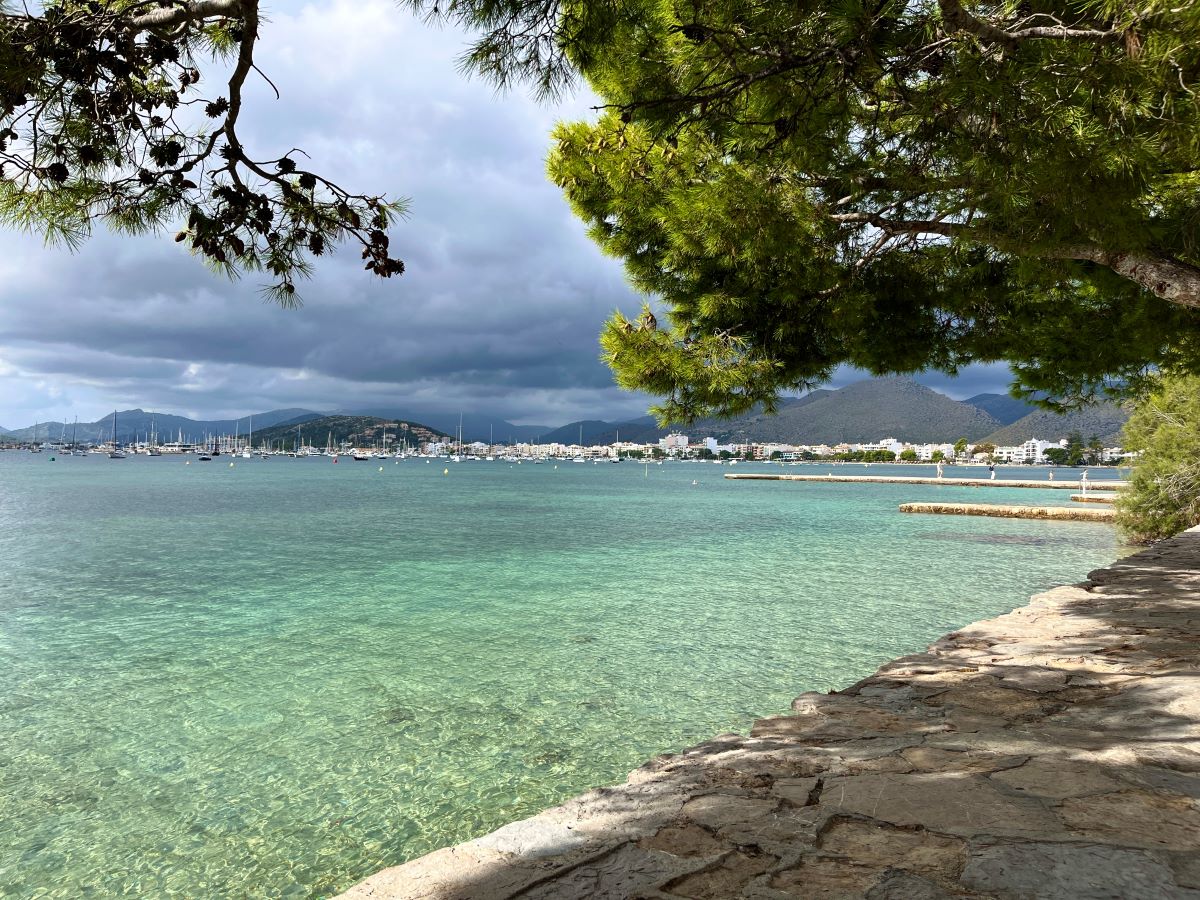
Accommodation in Mallorca is one of the biggest travel expenses on the island. In the capital, Palma, a double room starts at €100/night. There are hostels, but even those are steep—€45 for a bunk in a mixed dorm. Palma is a good off-season base when bay hotels are closed and beaches are sleeping. From Palma you can reach the top sights anywhere, but there are no nice beaches in the city itself. In winter, no one cares anyway.
If you want to be near the capital, have access to the island’s public transport, and be by beaches—look at the suburb of El Arenal. Great beaches, lots of hotels. There’s a high-speed bus to Palma and its transit hub.
If you come during beach season, my advice is to choose one of the beautiful bays for your vacation. Day trips around the island—by car. That’s what we did in fall 2025—stayed in beautiful towns Cala d’Or, Santa Ponsa, Port Pollenca, enjoyed the sea and beaches, drove somewhere every day.
Hotels where we stayed during the trip:
- In Port de Pollenca we stayed at the apartment hotel Taiko, to have option to make breakfast. If you’re staying long in Port de Pollensa, these are very handy apartments. But, honestly, the town has so many good restaurants we rarely cooked ourselves.
- In Santa Ponsa we chose a family holiday complex Aparthotel Holiday Center –mostly British families with children rest here. There are several swimming pools, a restaurant, a bar with evening karaoke (for amateurs). The prices are quite adequate compared to the level of service. We chose an apartment with a separate bedroom, balcony, kitchen to cook our own breakfasts and dinners. The complex is located 5 minutes walk from the beach.
- In Cala d’Or we stayed in apartments Sol Cala d´Or Apartamentos, which are located two minutes from the beach, but a little away from the noisy bars and restaurants. There is a private pool if you don’t want to go to the beach, but we were interested in swimming in the sea water.
When you choosing a resort in Mallorca, be clear about what holiday you want: family-beach, active, or party. You’ll find all these options on the island, in dedicated towns.
I wrote more about this: Where to stay in Mallorca – beaches and active adventures
Food and Drinks
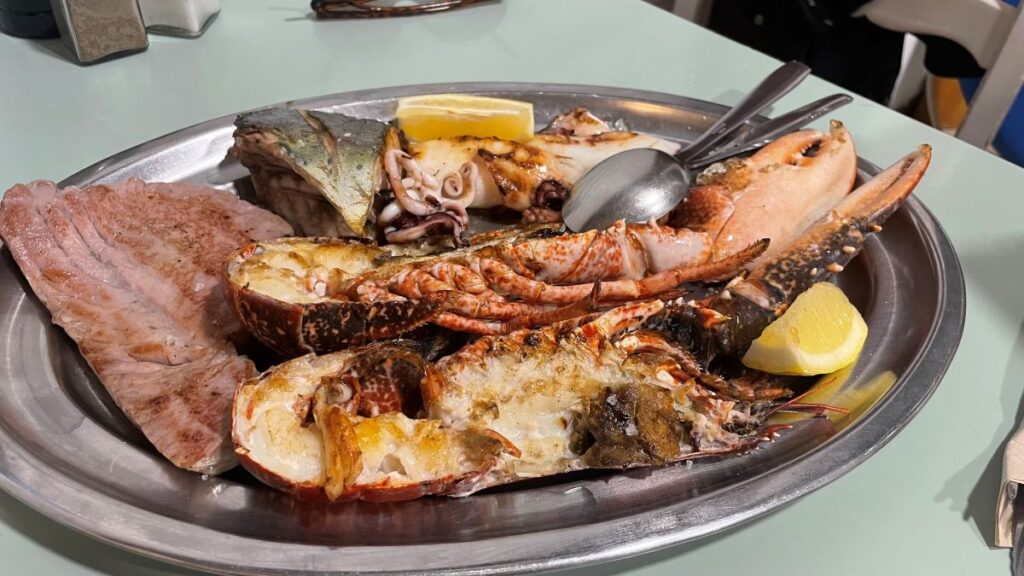
The cuisine of Mallorca has absorbed the culinary traditions of Catalonia, North African countries, and the Mediterranean. You’ll find pork and seafood dishes, traditional jamon, and local sausages sobrasada—spicy sausages from pork and bacon, with paprika.
For breakfast, instead of the usual croissant, try the local pastry ensaimada—a Majorcan dessert, essentially a puff pastry with a filling made from the green Mediterranean pumpkin, turned into a jam known as “angel’s golden hair.”
Sopa Mallorquina is a rich broth with vegetables and pork, served with sliced bread. Mallorcans love vegetables—one classic dish is tombet—braised potatoes, eggplant, and onion.
Popular local drinks include the liqueurs: Herbas secas (dry) and Herbas dulces (sweet)—anise-based infusions with various aromatic herbs. Another favorite is Palo, made by combining sweet caramel with the bitter bark of the cinchona tree.
Among local wines, the indigenous varieties Manto Negro and Callet stand out for their unique flavor. But I was the driver, so at most I drank nonalcoholic beer :)
Mallorca’s Beaches

Mallorca is foremost an island—and that means it’s a beach destination. Over 200 sandy beaches, framed by rocky coves and pine groves, make up some of the best in Spain.
More than 30 Mallorca beaches have the Blue Flag, confirming the coast’s cleanliness and safety. Even in high season, Mallorca’s beaches are a model of cleanliness, and in secluded coves it’s peaceful and cozy.
Beach access is free everywhere, but there’s a fee for amenities: sunbeds, umbrellas, watersports. The best beaches are in the resort zones Cala Major, Cala San Vicente, and San Agusti, but there are countless less-known but beautiful beaches scattered around the coast too.
Cala Mondragó Beach
The beach is within the namesake natural park: a turquoise lagoon with white sand amid pine trees and rocks. Despite the cliffs, the water is shallow—great for families with kids. You can rent umbrellas and loungers here, and there’s a café for drinks and snacks. It’s crowded only in peak season; in spring it’s much quieter and more secluded.
Cala Major Beach
Cala Major is 4 km west of the capital, Palma. A sandy beach is split by a small rocky breakwater; a high cliff, crowned by the royal Marivent Palace, protects it from east winds; tall hotels line the shore, sheltering it from the west. The beach is small but cozy, with sunbeds, umbrellas, cafés, and bars.
Es Trenc Beach
This beach has won “Best Beach in Spain” multiple times. Its sand strip stretches for two kilometers. What makes it special is the lack of hotels or development around it. Es Trenc is framed by sand dunes, tall grasses, and salt ponds where salt is harvested and pink flamingos gather. In high season it’s not so empty, but you can rent a sunbed or umbrella, and the water is as clear as ever.
Playa de Formentor Beach
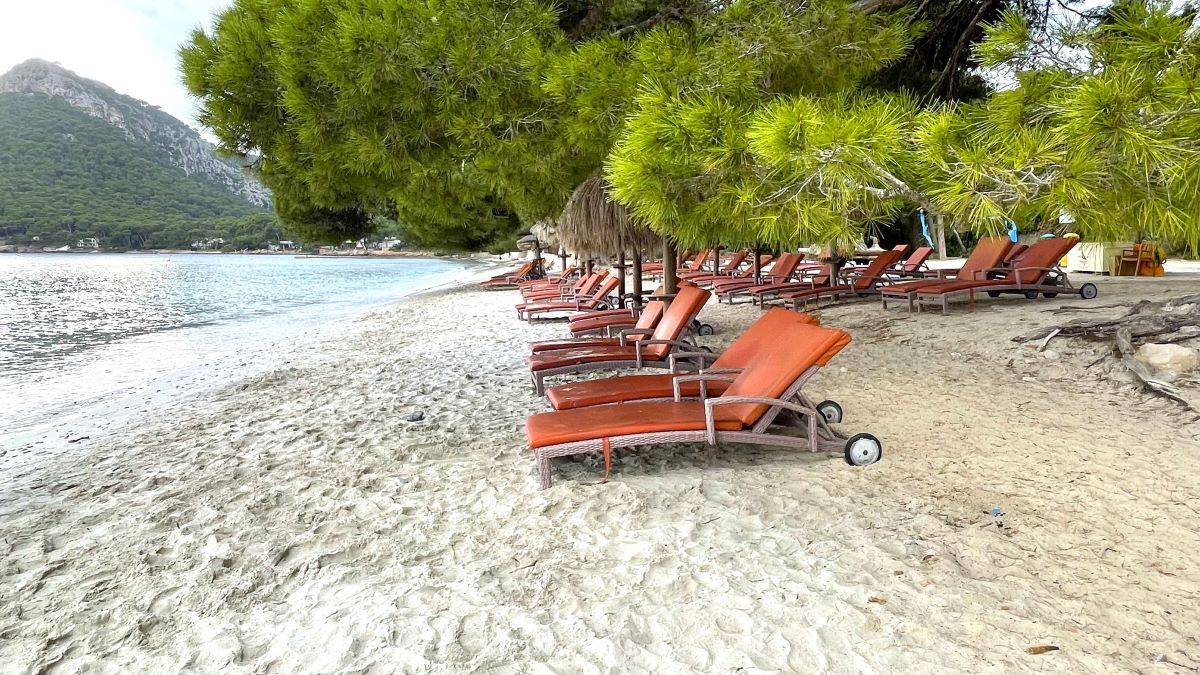
On Mallorca’s north coast you’ll find Formentor Beach. It’s very scenic—a 1.5 km stretch of sand, shaded by pines, perfect for hot days. The sea is shallow and very clear—great for families with kids, even toddlers. Cafés and restaurants by the beach are ideal for lunch, and you can rent sunbeds and umbrellas.
Cala S’Almunia Beach
Cala S’Almunia is in the Santanyí cove, surrounded by cliffs. It’s semi-wild—no sunbeds or umbrellas, but perfect for diving in turquoise water. Since it’s pebbly, the water is always clear and there are far fewer people than at beaches with restaurants and bars.
Cala Ferrera Beach
Cala Ferrera is near the Porto Colom resort, in a wide bay surrounded by cliffs. This small beach, hidden from the wind, is very popular with tourists thanks to its beautiful cove and sandy gentle entry. You can rent umbrellas and sunbeds, pedal boats, there’s a bar and lifeguards. The sea is virtually always calm, the water throughout the island is a beautiful turquoise.
Port d’Alcúdia Beach
This is one of Mallorca’s longest beaches—over 7 km of fine white sand. The water is clear and blue, shallow and calm—ideal for families with kids. Along the shore is a promenade with restaurants, bars, shops, and a marina. Big range of accommodation—from budget to premium.
The ultimate pleasure is driving the road through the Tramuntana—a mountain range where you’ll want to stop for photos every 10 minutes. If you want guaranteed sea and mountain views, head for the viewpoint at this restaurant for a perfect sunset. It doesn’t matter whether it’s open—the lookout is accessible even when it’s closed. If it’s open, definitely stop for a coffee with an incredible view.
If you’re traveling the Tramuntana mountains by car, I recommend putting a marker for Cúber Lake. It’s gorgeous! Like stepping onto the Moon—rocky landscapes, silence, elevation. Bring a sweater—it’s chilly and windy here even in summer.
Sóller
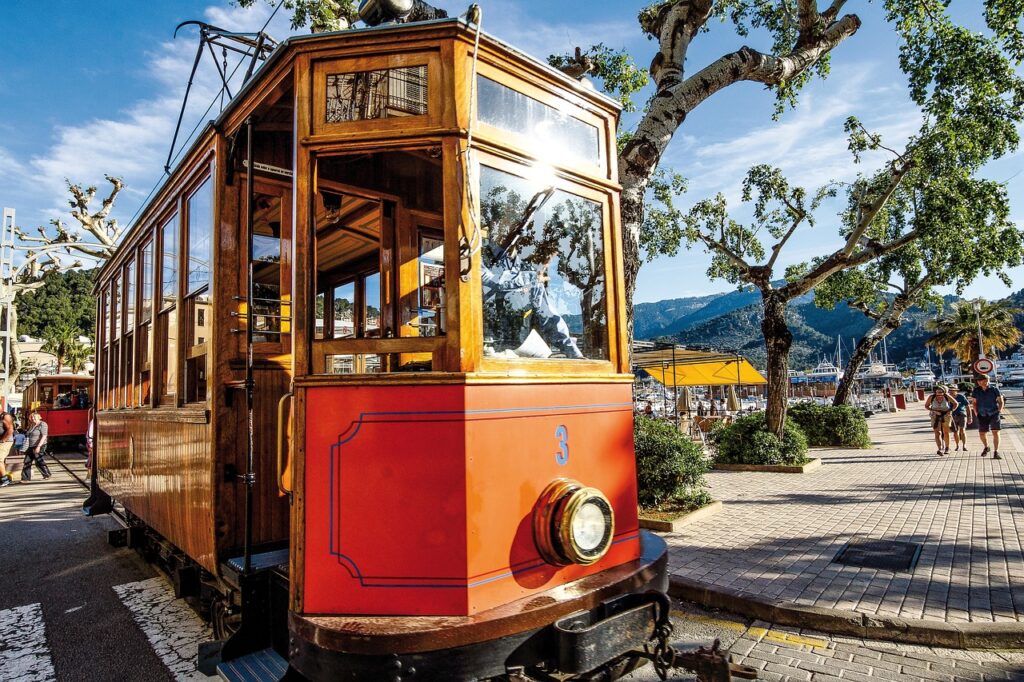
Another romantic town on the northwestern coast, surrounded by orange groves—this is Sóller, reached by the famous vintage Sóller train with wooden carriages. Thanks to this old train and the early 20th-century narrow-gauge railway, tourists can reach Sóller from the capital smoothly.
The train goes through scenic mountains, tunnels, and bridges—a journey worth it just for the beauty. Don’t miss Port de Sóller, a pleasant town with a horseshoe bay and a 3 km promenade by the water. There’s also the island’s only vintage tram “town–port” (20 € round trip). One-way ticket Palma–Sóller is €18, a full round Palma–Port de Sóller–Palma €32. Timetables and tickets for train and tram at trendesoller.com.
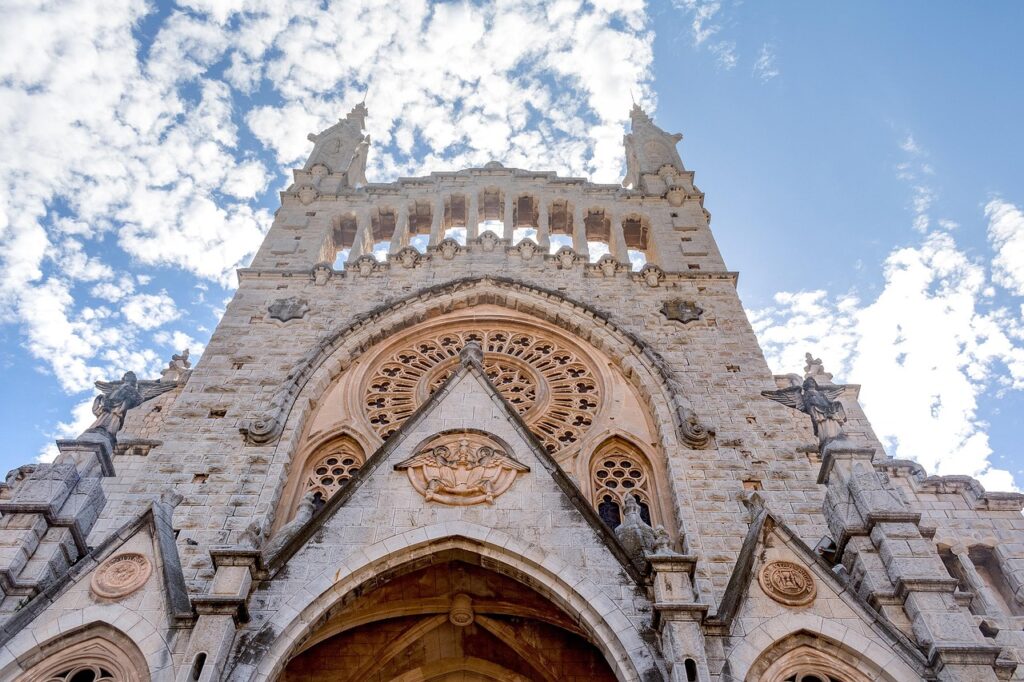
There are several large (paid, about €1.5/hour) parking lots on the outskirts of Sóller. Park, catch the vintage tram, and roll into the historic center—a little adventure in itself. Stroll, have coffee, go back to the port for lunch. Then head to Fornalutx, officially considered the most beautiful village on the island.
Alcúdia and Port de Pollença

These two incredibly beautiful neighboring towns are in Mallorca’s northeast. Each resort feels different—different vibe, style of rest, but both have great beaches and hotels. They’re also close to Cape Formentor, easy to visit while staying here.
Alcúdia is one of the most atmospheric spots in northern Mallorca. This old town is fully encircled by fortress walls, with stone streets, courtyards, little cafés, and shops selling local products. It’s nice to wander without a set route, peeking into courtyards and climbing lookout points on the walls. Twice a week there’s a market with locals from all around. Alcúdia is perfect for slow walks, family relaxation, and as a base for beaches in the north. Its beaches are among the prettiest and most accessible for families with children.
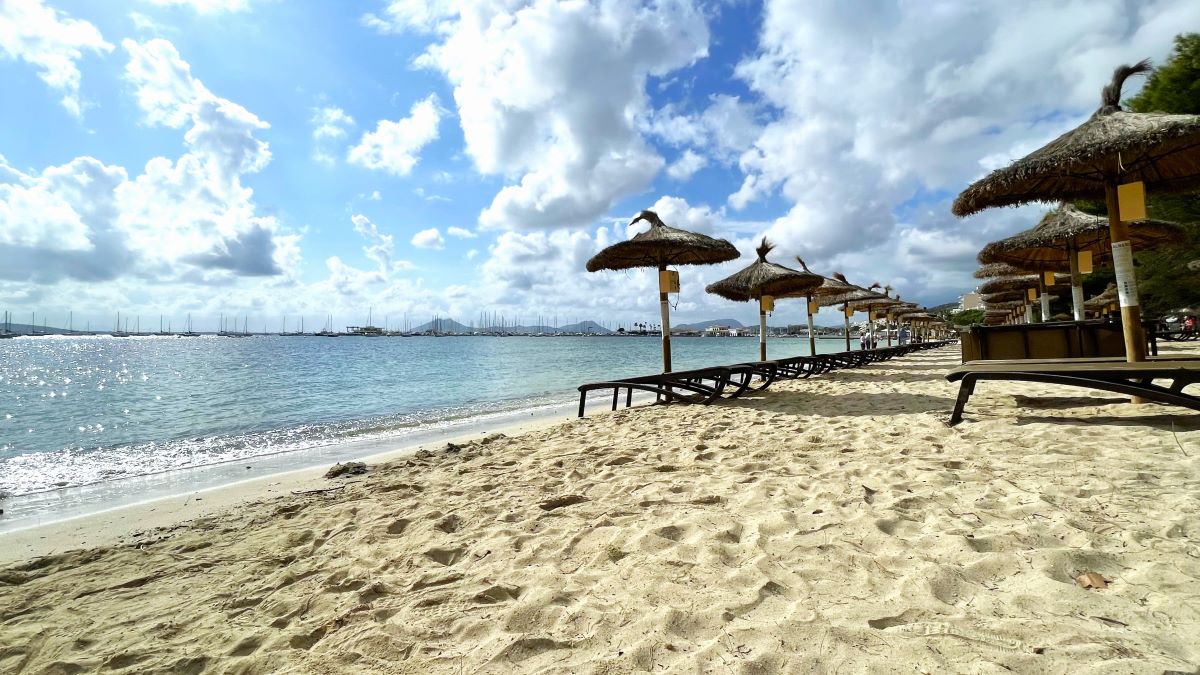
Port de Pollença is a laid-back resort in a large, sheltered bay in northern Mallorca. People love it for the long promenade, wide sandy beach, and sense of space—no high rises or noisy clubs. The sea is calm, no big waves, and the Serra de Tramuntana mountains block the bay from wind. It’s one of the best family, cycling, and quiet-rest resorts, with sunsets to remember. From here, it’s easy to visit Formentor, the mountains, or Alcúdia.
Cape Formentor
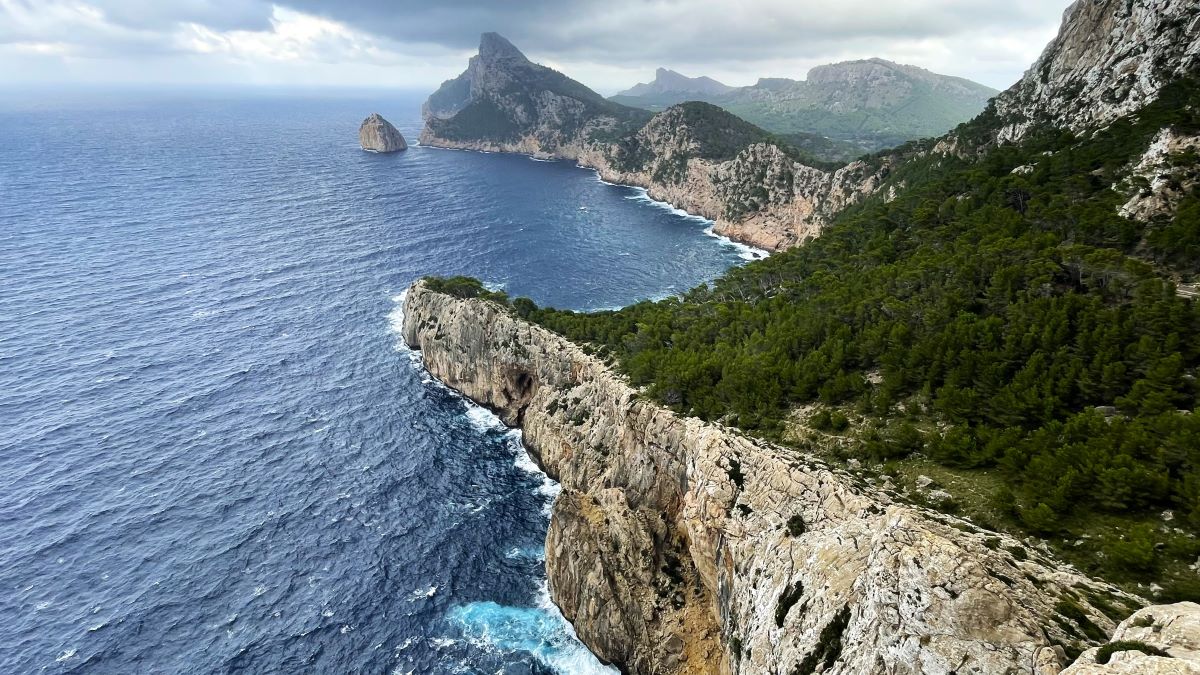
The northernmost point of Mallorca is Cape Formentor—a spectacular spot with views of Menorca. It’s difficult to get to without a car—during high season, buses run 8 am to 8 pm only. You’ll have to leave your car at this parking lot, or in Port de Pollença, and then take a bus on the mountain switchbacks. Or pay for a water taxi and see the cape from the sea. The views are a reward for the journey.
The rocky headland is shadowed by pines climbing down toward the steep shore. On top is a viewpoint where you see Colomer Island, the mountains, and endless sea. The parking is here.
Hiking in Mallorca
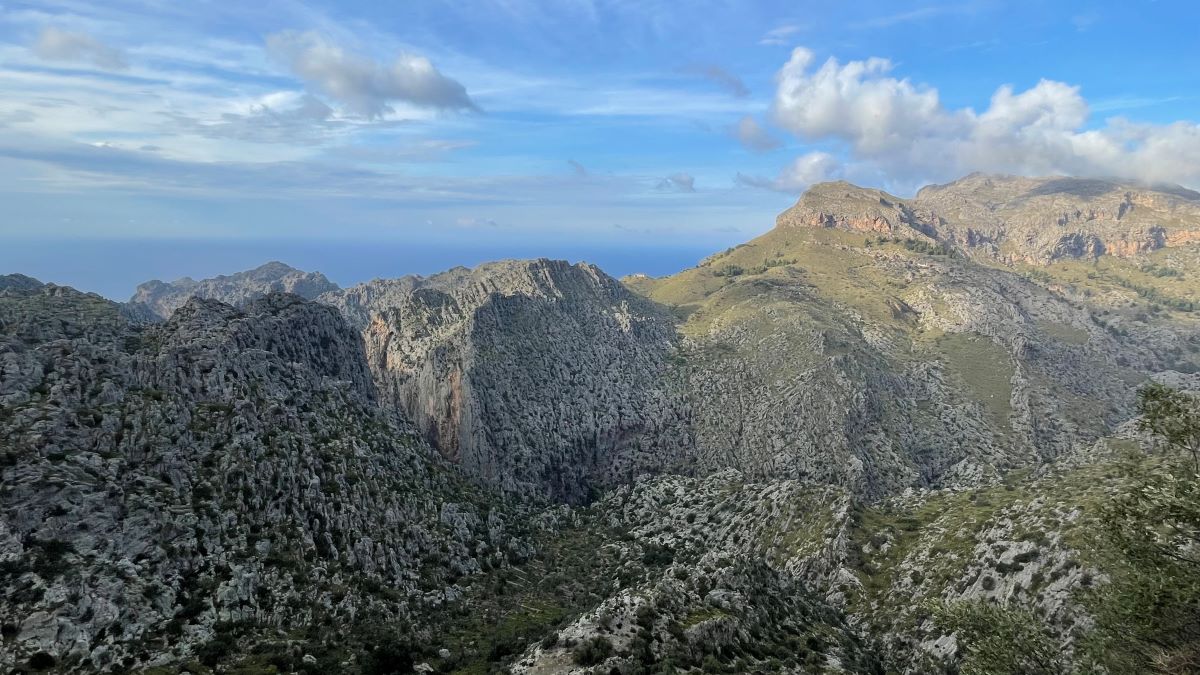
If you plan to hike, there are countless eco-trails in the La Reserva Puig de Galatzó park. There’s, for example, a 2.5–3 hour route for a calm-paced walk. You can try the zip-line for €14, or the ropes trail with ladders, hanging bridges, and three zip-lines for €28.
Another free hiking route runs between Deià and Valldemossa—about 4 hours starting at Es Moli Hotel, via terraces, groves, and limestone plateau. Well-marked, and hard to get lost. Bring water, snacks, and hats—it can get hot. The finish is at Valldemossa, where you can catch the bus to Palma.
Mallorca’s Coves
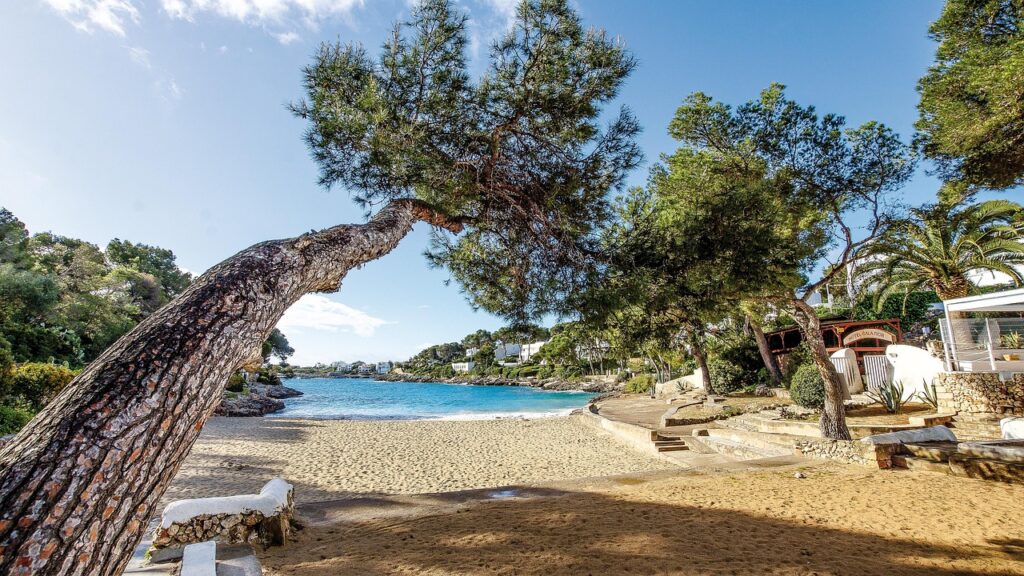
Coves or calas are Mallorca’s treasure and the reason why you want to return. Narrow sandy or pebbly beaches squeezed between cliffs, turquoise waters, and pines nearly touching the sea. The prettiest are on the east and northwest; they’re often hard to reach without a car. The coves are the best for snorkeling and that “Mediterranean calm” so many come for.
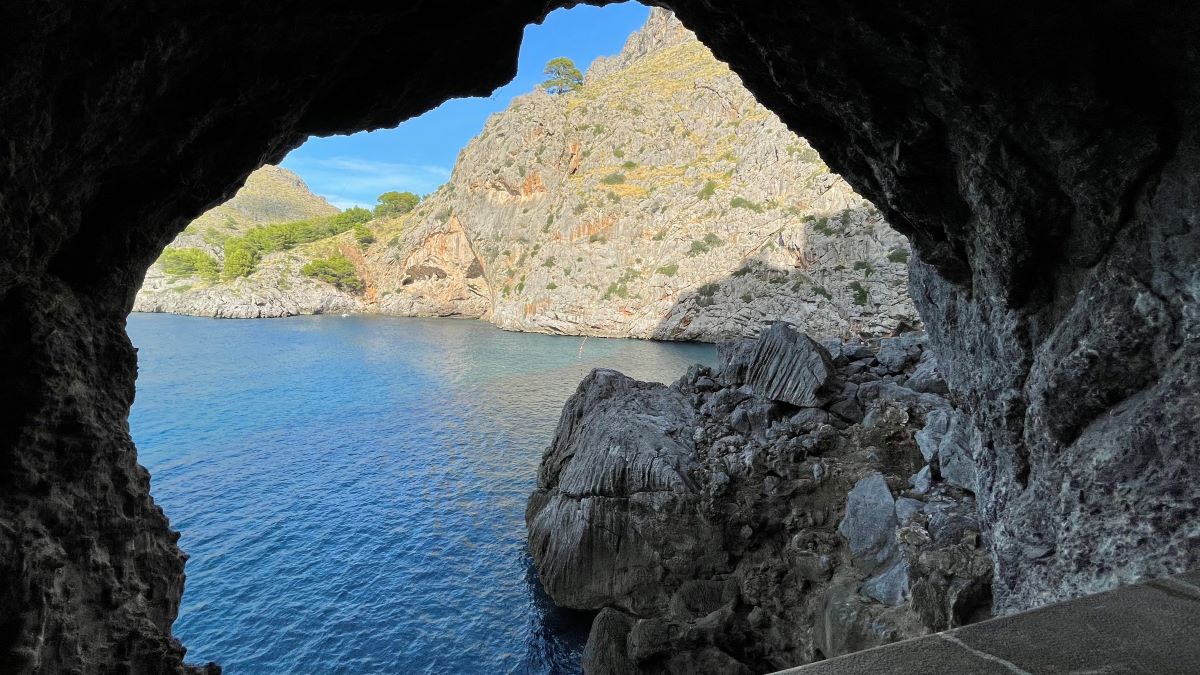
One of the best known is Sa Calobra—hard to reach. The road winds through mountains (you’ll need a car, or take a bus tour). To get to Sa Calobra and its beach, first drive the switchbacks (not for the faint of heart, but stunning), then go through a tunnel in the cliffs, and you’re in another world. There’s also a narrow canyon—walk 15 minutes and you’ll reach a breathtaking gorge and beach among the rocks. If you have time, before Sa Calobra take a turn to Tuent beach.
On the other side of the island there are also many beautiful coves, but—unlike those on the west—these have a touch of civilization. Towns and resorts, hotels line them, so you can stay for several days. For example, the coves of Cala d’Or—like a string of beads along the shore. You can wander from cove to cove, swim, and eat ice cream. Located here.
If you want to reach a cove near Palma and use public transport, check out Portal Vells cove—quiet, photogenic, turquoise water and rocks. Perfect if you want peace.
Mallorca’s Caves
Another highlight—go underground, which can be just as beautiful as the surface. Mallorca has over 200 caves, some accessible on a tour, such as Hams’ Caves and Coves del Drach. Admission for Coves del Drach is €17.5, for Coves Hams it’s €40. In the first you walk among stalactites and stalagmites, in the second there’s an underground lake with boat rides—impressive!
Arta Caves (Caves of Artà) are wilder, more natural, with fewer people. Ticket — €16, located here.
Diving in Mallorca
Diving in Mallorca is another fantastic activity, drawing divers from all over Europe. The island’s isolation means Mallorca’s waters are crystal clear. Thanks to marine reserves and countless underwater sites, the island is extremely popular with diving fans. There are sunbeams in the underwater caves, many species of fish and coral, and you can explore labyrinths where moray eels and octopuses live.
Menorca – the quiet island next to Mallorca
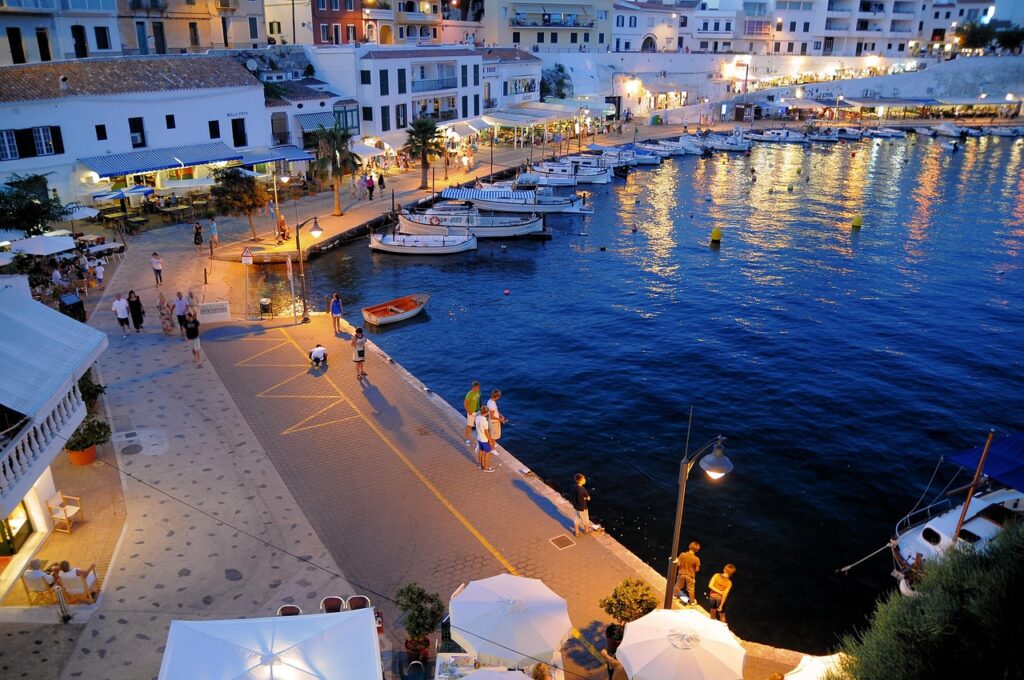
If you feel that Mallorca isn’t enough for a “full” Balearic experience—head next door to Menorca. UNESCO designated this island a biosphere reserve. You can’t build above three floors or paint houses anything but pure white—the roofs must be classic terracotta tile.
There aren’t many people—and those who come are well-off types who avoid crowds. Menorca has beautiful lighthouses, and you can enjoy the blend of colors, cliffs, and sea. They raise horses here, and tourists can ride along the shore—romance with a sea view?
What to bring back from Mallorca
Shopping in Mallorca is a total pleasure.
First, you can buy genuine products made here, not imported from China.
Second, for brand lovers, there are outlets for bargain shopping, especially in sale season. Most are in or near the capital. The largest is Festival Park, 7 km from Palma. You’ll find past-season stock 30–70% off all year.
So what must you bring back from Mallorca?
- Excellent leather shoes, which are relatively inexpensive. Average for autumn boots—€70–100, leather sandals from €50. Top makers: Camper, Bestard, Jaime Mascaro. Look for traditional summer sandals—avarcas (menorquinas), made on Menorca in genuine leather, either solid color or beads/prints.
- Mallorca is known for its local cultured pearls—great quality and stylish design. Charming bracelets start at €30, pearl earrings from €40.
- Take home a bottle of Palo or Hierbas de Mallorca liqueur—made with almonds and healing herbs. Starts at €10.
Useful articles and links:
- Weekly itinerary for Andalusia – must-sees in southern Spain
- Where to stay in Malaga – 5 best areas for tourists
- Malaga – guide to the Costa del Sol’s capital
- Nerja – the most beautiful beaches of Andalusia
Car rental – Rentalcars.com
Travel health insurance – online at HotlineFinance
Hotel & apartment bookings – Booking.com