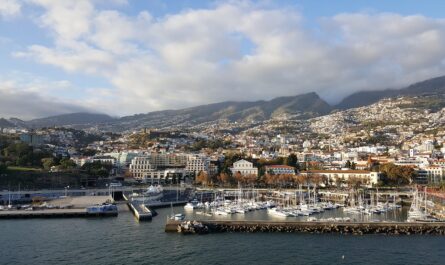

Road trip through Portugal. It runs through the central part of Portugal – from Lisbon to Porto.
Did you know that Portugal is one of the most affordable countries for road trips? What does affordable mean?
- Firstly, car rental prices in Portugal are among the lowest. Spain is at the same level in the low season.
- Secondly, there are excellent roads and highways.
- Thirdly, the country is small, and you can visit all the iconic places and attractions in ten days.
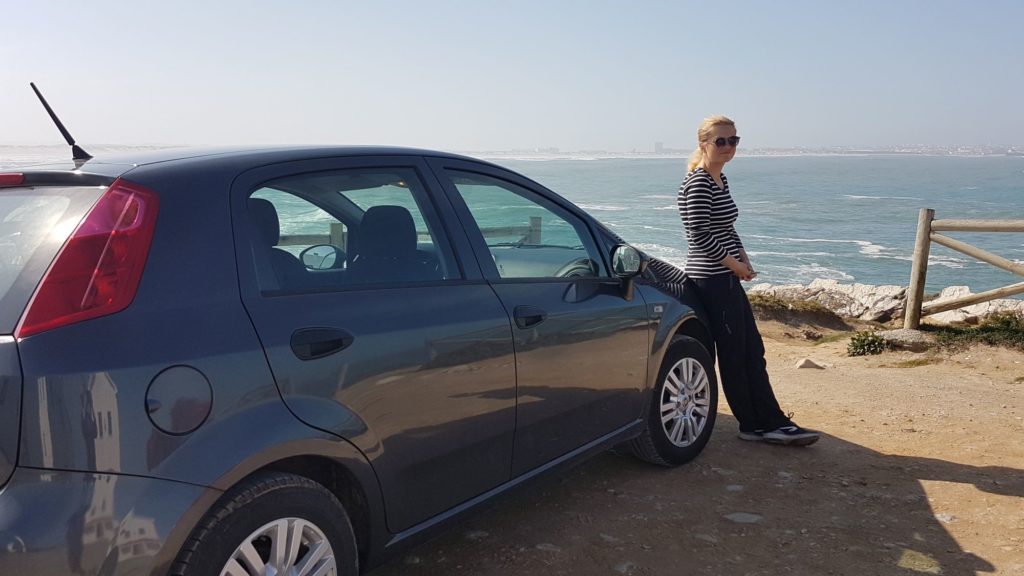
But Portugal deserves to be slowed down, to savor every beach and town, to sit for hours staring at the ocean surf. Divide “tasty” countries into several visits. Believe me, Portugal is worth it!
Route from Lisbon to the center of Portugal
Itinerary: Lisbon – Cascais – Cape Cabo de Roca – Magoito Beach – Sintra – Mafra – Peniche – Obidos – Nazare – Aveiro – Porto.
Features of renting and driving rules in Portugal
Before delving into the route, I’ll talk about renting and Portuguese roads. This is important because my experience of driving in this country is not a one-time thing. We took different cars several times and, believe me, I have a lot to tell.
You can rent a car in advance or immediately upon arrival. At Lisbon Airport, all rental counters are located in the arrival and departure area of the international terminal. Both times we rented a car in advance at the Lisbon airport, because it makes no sense to go to the city by car – public transportation is excellent.
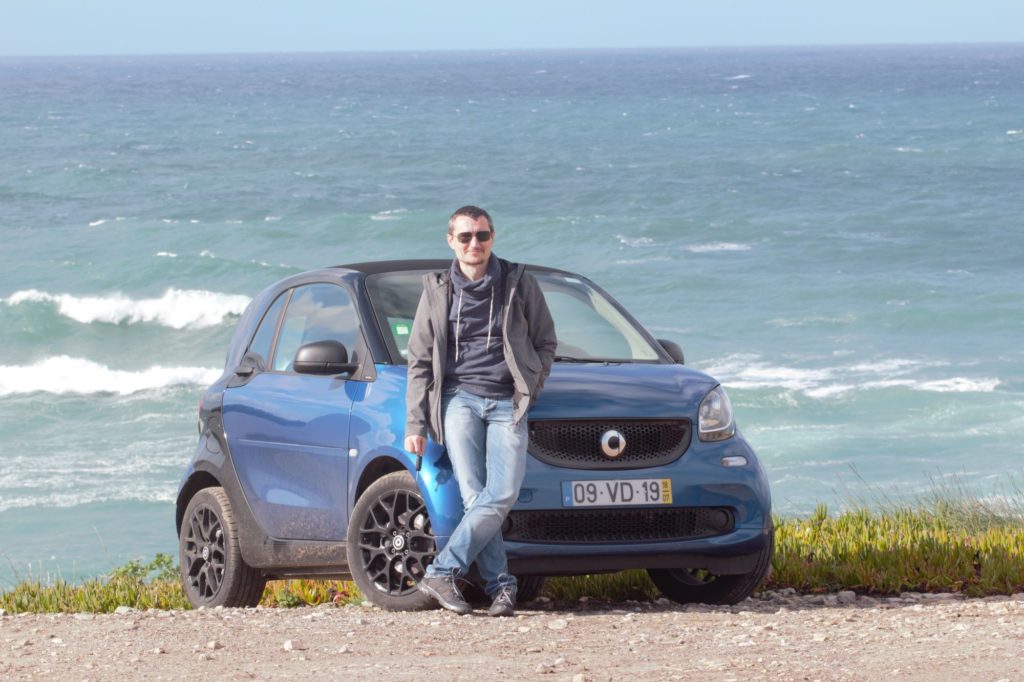
I was looking for a car on the aggregator Rentalcars and both times I found the cheapest option at Europcar. The first time we rented a Smart, it cost us 20 euros per day. I really wanted to drive a two-seater car.
The second time I traveled with my mother and sister, we rented an inexpensive Fiat Punto for 14 euros per day. By the way, if you are planning to go to Sintra, I do not recommend this car at all – it has a weak engine (1.2 liters) and is not the best friend on serpentine roads.
Toll roads

If you are planning a long trip along the ocean beaches, you can take secondary roads, avoiding toll highways. But if you need to quickly skip a section of the road, it’s better to take the highway. There are quite a few of them in Portugal, and they are of excellent quality – you can get from Porto to Lisbon by this road in 4 hours. But it’s better to explore Portugal slowly – sorry to repeat myself, but you can’t take the words out of a song.
There are several types of road tolls in Portugal. I encountered two – on the A8 highway, there were periodically barriers that could be paid for with cash or a card. And there were passages without a barrier right next to it – the automatic contactless Viaverde system worked here.
Viaverde – an electronic contactless road payment system
Viaverde is a really handy thing that allows you to drive without stopping through a special passage. To do this, when renting a car, ask to install a device under the front mirror that records every passage on Portuguese toll roads. It seems to me that these things are already automatically installed on rental cars, but still check with the rental company before making a reservation.
The cost of renting a Viaverde electronic receiver is 6 euros for the first week and 1.5 euros in the following weeks. The card will also be charged an initial deposit of €27.50 (refunded when the car is returned).
We already had a Viaverde electronic alarm system installed and included in the rental price (6 euros). No additional deposit was charged, as the car was booked for five days. The payment for the toll sections of the highway was charged to the credit card specified in the rental agreement a few days after the car was returned. We got about 7 euros for 150 km on the highway.
If your car is not equipped with a Viaverde sensor, but you have driven on a toll road with an electronic type of payment, you can pay for the toll at the post office ctt.pt . Payment must be made within 5 days from the end of the trip. The countdown starts 48 hours after passing the last toll section (the time required for the system to process the information).
Please note that not all highways in Portugal are equipped with the Viaverde system. By this link you can see a map of toll roads in Portugal to understand where and what payment method to expect.
Difference of roads in Portugal
- Red – toll roads that can only be paid electronically (for options other than Viaverde, you can read PortugalTolls. There is also a calculator toll roads – you can calculate in advance how much it will cost to drive on toll roads (from Lisbon to Porto is about 25 euros).
- Gray are toll roads that can be paid with cash or a bank card + Viaverde. To pay in cash, it is better to have iron change or bills up to 20 Euros.
For those planning to travel to the south of Portugal, get ready for the Vasco da Gama and the Bridge on April 25.
Penalties
Do not exceed the speed limit by more than 5-10% of the maximum permitted speed. Especially in populated areas, you should not exceed the speed limit – cameras will detect violations, and fines here are draconian – from 150 to 2500 Euros.
Portugal is a wine country – you can drink, but not much. One glass of wine or beer – up to 0.5 ppm.
Gasoline in Portugal
Fuel can be paid for by card or in cash. I have hardly ever seen automatic gas stations – they are mostly operated by operators. Once I encountered an operator who absolutely did not want to serve me – I tried to speak to him in English. It was strange because many Portuguese people know him. If not, they try to understand what you want from them. A local woman who was standing in line behind me came to my aid. She translated my order into Portuguese, and the operator, looking unhappy, arranged for refueling and payment. It was very unusual – I still don’t understand why he didn’t like me.
Fuel in Portugal is not cheap: diesel from 1.55 euros, gasoline – 1.8 euros
Do not confuse the names of fuel:
Gasoleo is diesel,
Gasolina is petrol.
Parking in Portugal
If you plan to drive to Lisbon or Porto, look for parking. And then by public transport and walking. Don’t spoil your impression of these beautiful cities by endlessly circling the city in search of free parking every time you want to see a particular attraction. You will waste not only time but also nerves. And there is also a reason to get a fine for the wrong parking spot.
But there are paid parking lots in small towns as well, and you should take this into account before planning your trip. How I did it: when choosing the next destination where we plan to go by car, I looked for a paid parking lot within walking distance. I would put the car on it, estimate how much time we would need (an hour or two for a walk, a visit to the castle, lunch – take your pick), pay for it, and put the ticket under the window.
Please note that you cannot pay 50 euro cents and go about your business for the whole day – expect a fine!
Parking lots
There are parking lots where you can park your car for free in the evening (from 20:00 to 8:00). We had such a parking lot under our hotel in Sintra – I parked my car there at 6 pm and paid for only 2 hours. In the morning we left before 8:00. By the way, in Sintra, near the main attractions – Quinta de Rigoleira or near the Pena Palace – finding a free parking space in the middle of the day is a quest. Plus, there are serpentines and slides – it’s better to take a tourist bus that runs through Sintra on schedule.
There are also free parking lots in Portugal. So we parked in Pinhas, Nazar, on Cape Cabo de Roca. But still, before parking on the street or near the hotel, look carefully at the signs and look for a parking meter in sight. By the way, there is also good news – you can find free parking spaces. However, you need to be very careful, if there is no parking meter nearby, it does not mean that it is free.
In large cities, there are parking zones where only local residents can park their cars. In general, be careful!
Cascais is a respectable resort in the suburbs of Lisbon
We spent a few wonderful days in Lisbon. And then they rented a small Fiat and drove along the winding roads of Portugal, carefully avoiding the highways. After all, all the beauty is hidden on narrow winding free roads! The highway was saved for the return trip.
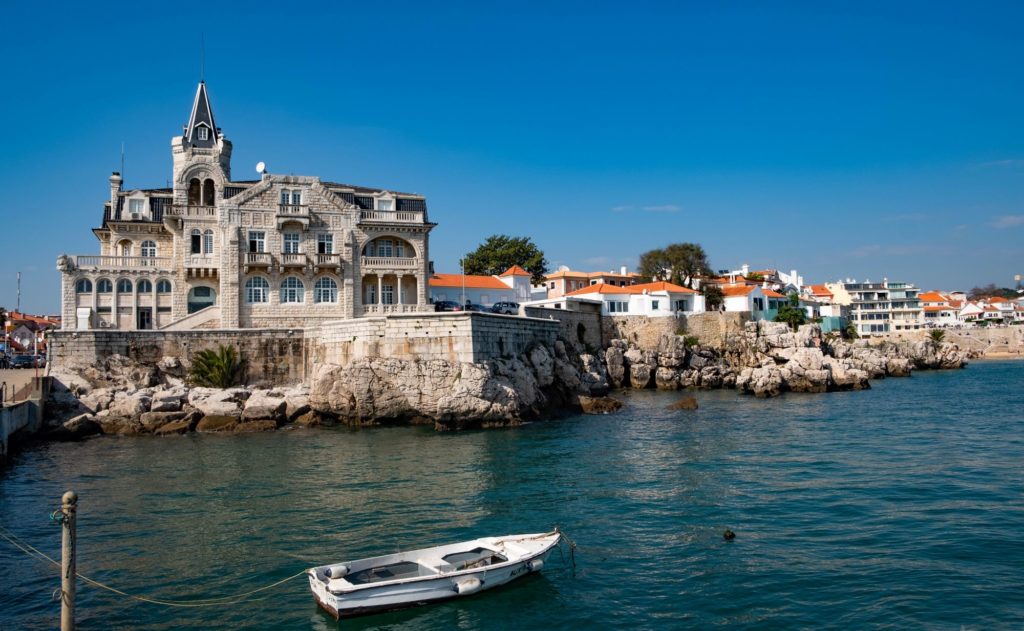
Cascais – is a small town in the suburbs of Lisbon. My niece once liked him, and we decided to stop by for a few hours to find out what made Cascais so fascinating to our Sasha. The town is really very nice and cute. It is very different from its neighbor, Lisbon. In fact, Cascais is a vacation spot and residence for rich Portuguese. But in addition to villas, there are also small apartment buildings where you can rent apartments for a few days if you wish. Why?
What to do in Cascais?
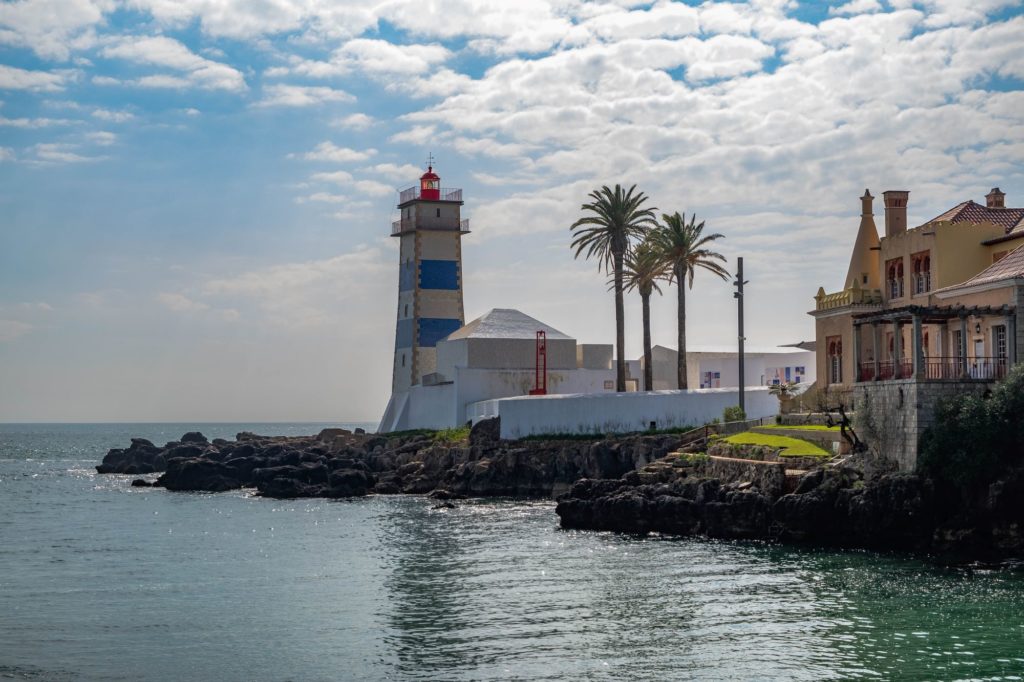
- To swim on the city beaches of Cascais – the water is quite warm in summer, there are rescue services, the beach is sandy, well-groomed and beautiful. And yet it is the ocean – be careful!
- Walk along the promenade connecting Cascais and Estoril.
- Visit the city park of Cascais – here we were surprised by chickens, roosters and ducks walking along the paths along with visitors. Chickens are raising chickens, roosters are crowing like in the countryside – it’s a miracle for me to see this in Europe. The park is free and has picnic tables and benches, so we had an impromptu lunch there.
- To look into the Devil’s Mouth – Boca de Inferno. It’s a cave among the rocks that you can’t get into without breaking on the stones. but there is an observation deck from which you can perfectly see this beautiful place on the ocean.
- Visit the Casa de Santa Maria lighthouse – the entrance to the area where the lighthouse stands is free. If you wish, you can visit the Lighthouse Museum of Santa Marta.
Cape Cabo da Roca – the romance of sunsets, waves and winds
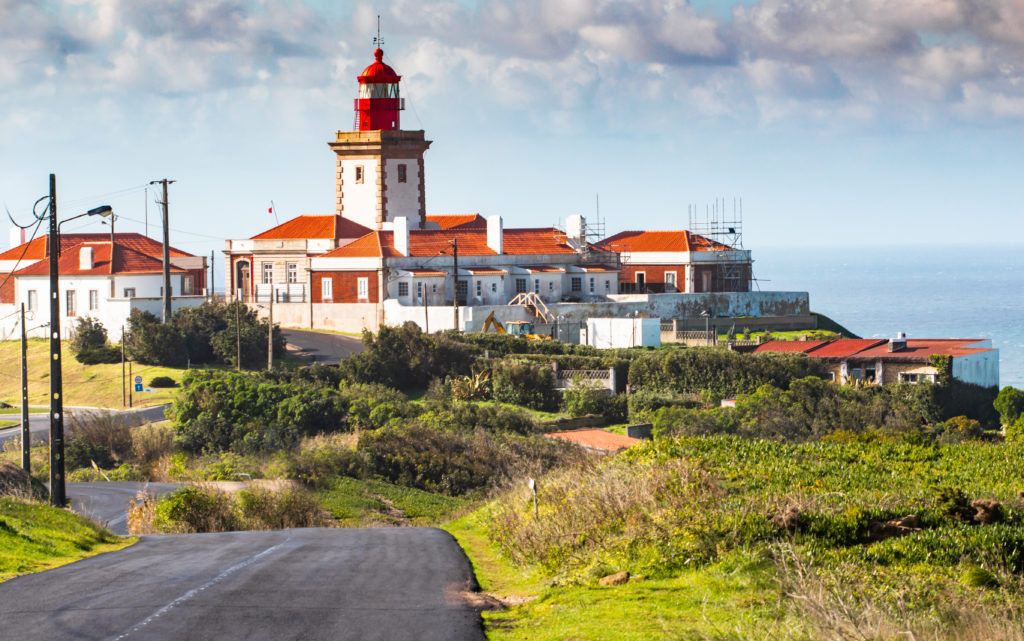
The ocean, rocks, wind and waves are the real edge of the Earth. To be a little more precise, Cape Cabo da Roca is the extreme point of Europe. This fantastically beautiful place will not leave indifferent even those who are used to keeping their emotions deep inside. There is a lighthouse on the cape and a memorial sign marking the westernmost point of Europe. There are no other buildings around, only rocks, crashing ocean waves and stunning sunsets.
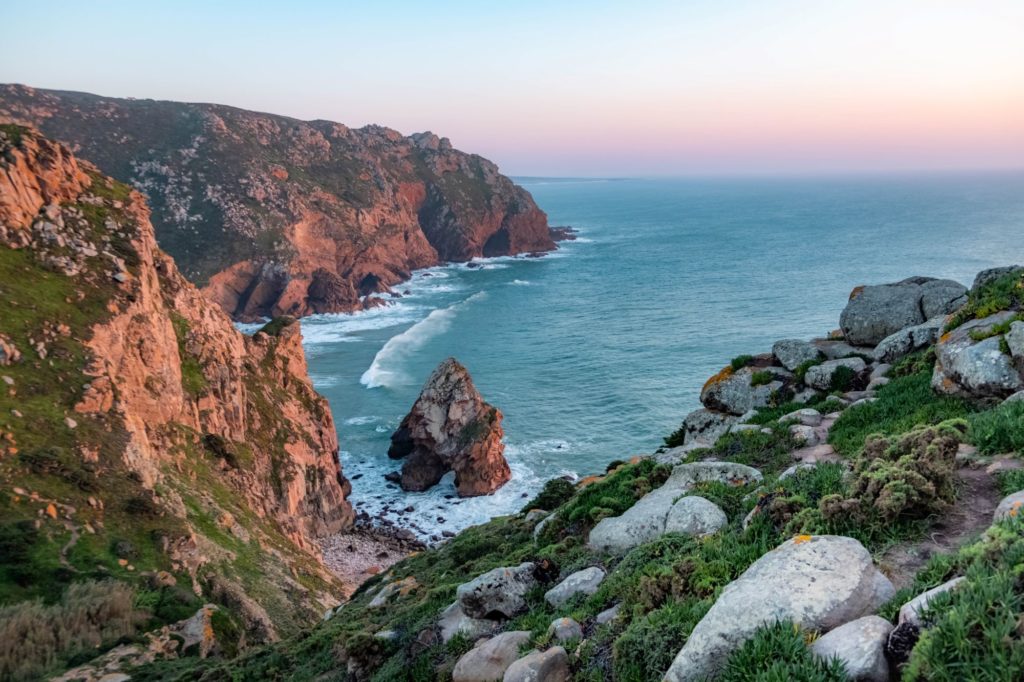
Cape Cabo da Roca is a two-hour drive from Lisbon. There are several equally beautiful places near it that you should definitely add to your visit list:
- Ursa Beach – Praia da Ursa
- Ardaga Beach – Praia da Adraga
- An observation deck over the Praia das Azenhas do Mar beach. Next to him, we watched fishermen catching fish right off the rocks in the stormy ocean, an interesting sight.
- Magoito Beach – Praia Magoito – is monumental, huge and so charming. There is a nice cafe near the free parking lot. Drinking coffee overlooking the ocean is priceless!
Recommended to read: Sintra – a complete guide: what to do, what to see
Sintra – fabulous palaces and castles
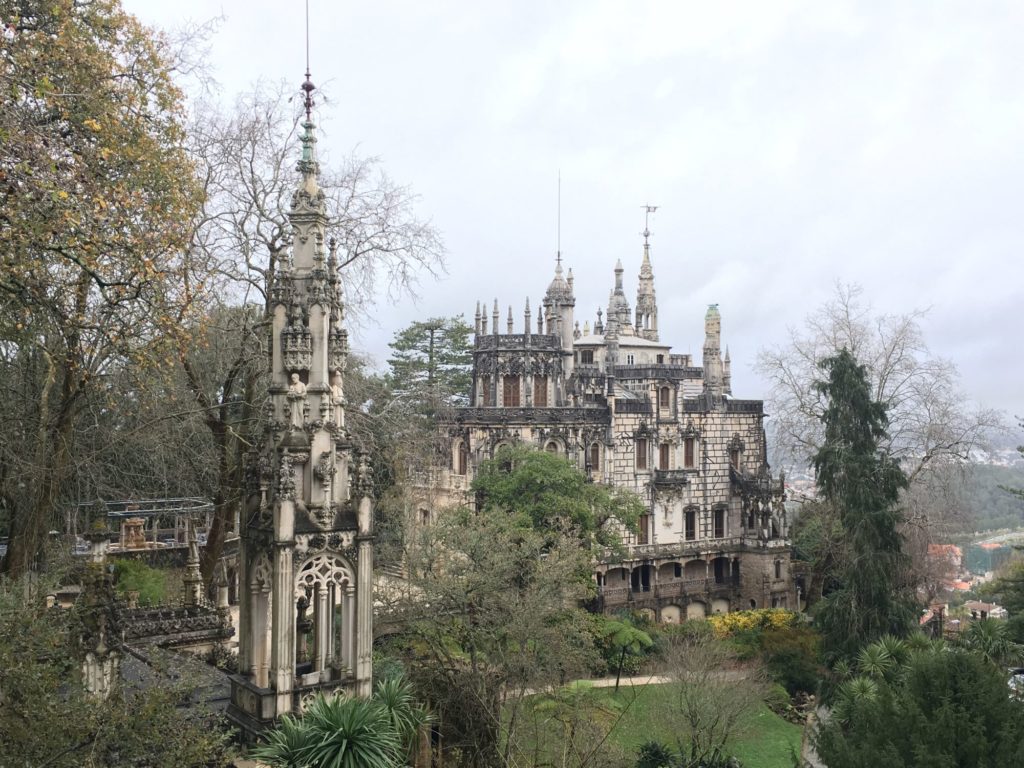
Sintra – is a former royal country residence with stunningly beautiful parks and palaces. Located 30 km from Lisbon on a wooded serpentine rocky hill. You need to come here for at least two days. And even then, you won’t have time to see all the beauty and sights.
I’ve been to Sintra twice, but we didn’t have time to see much because of the changeable winter weather. Keep in mind that it can rain in Sintra even in summer. It has a special microclimate, created by amazing tropical forests growing on the mountains, which seem to hold back the clouds with their mighty tops.
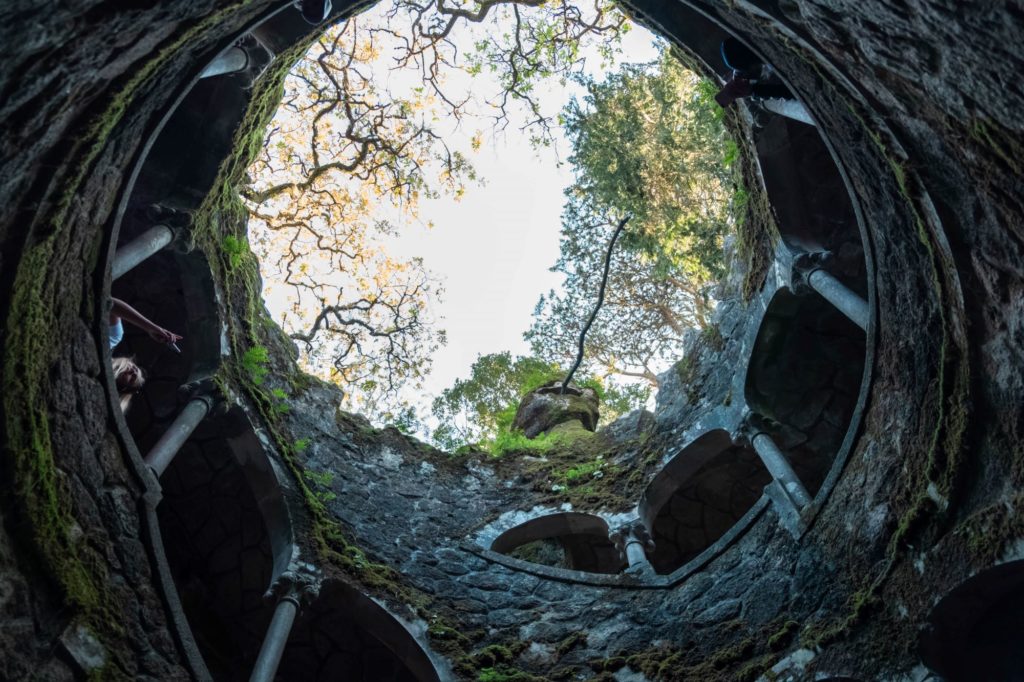
What is a must-see in Sintra?
- The multi-colored Pena Palace is somewhat reminiscent of Snow White’s castle: red and yellow crenellated towers, high walls and a huge park (entrance fee is 14 euros for the park + palace).
- Quinta da Regaleira Castle and Landscape Park with mystical underground wells, Freemasons’ towers and grottoes (entrance to the park is 10 euros).
- Moorish Castle – located at the highest point in Sintra (adult ticket – 8 euros).
- National Palace in Sintra (adult ticket – 9.5 euros)
- Palace of Montserrat (adult ticket – 7.6 euros)
- Capuchin Monastery (adult ticket – 6.65 euros)
- Current prices and schedule are on the website
- You can buy tickets online to avoid wasting time standing in line at Tiqets.
To Peniche via Mafra
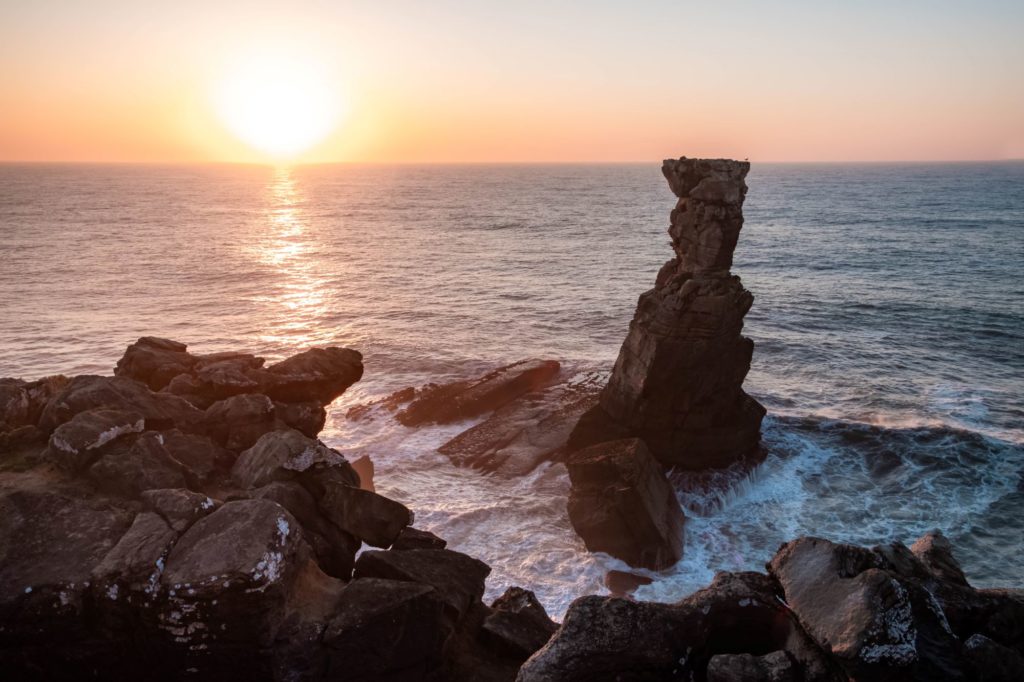
After spending a few days in Sintra, we went to see the ocean waves, lighthouses and sunsets. First of all, we decided to see the city of Peniche. On the way, we stopped at the ocean beaches, at the Marisqueira de Ribamar seafood restaurant near the Praia dos Coxos beach. Here, for 45 euros, we ordered a huge seafood dish that the three of us could barely manage.
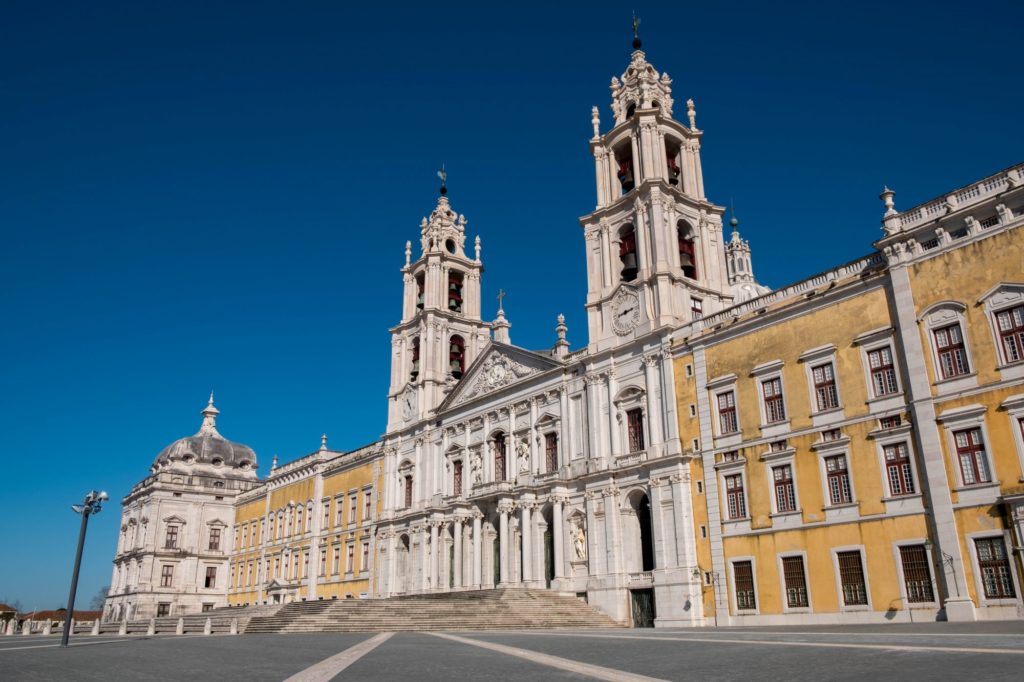
We didn’t plan to stop here, but the views of the palace from the hill drew us to this town like a magnet. In itself, it is no different from other Portuguese villages. But the building of the largest residence of the Portuguese monarchs is located here. We didn’t go inside, but from the outside the building is stunning in its scale and grandeur.
Peniche – there are not many historical and cultural attractions here. People come here for the ocean, walks, and scenery. What did we do here for half a day and one evening?
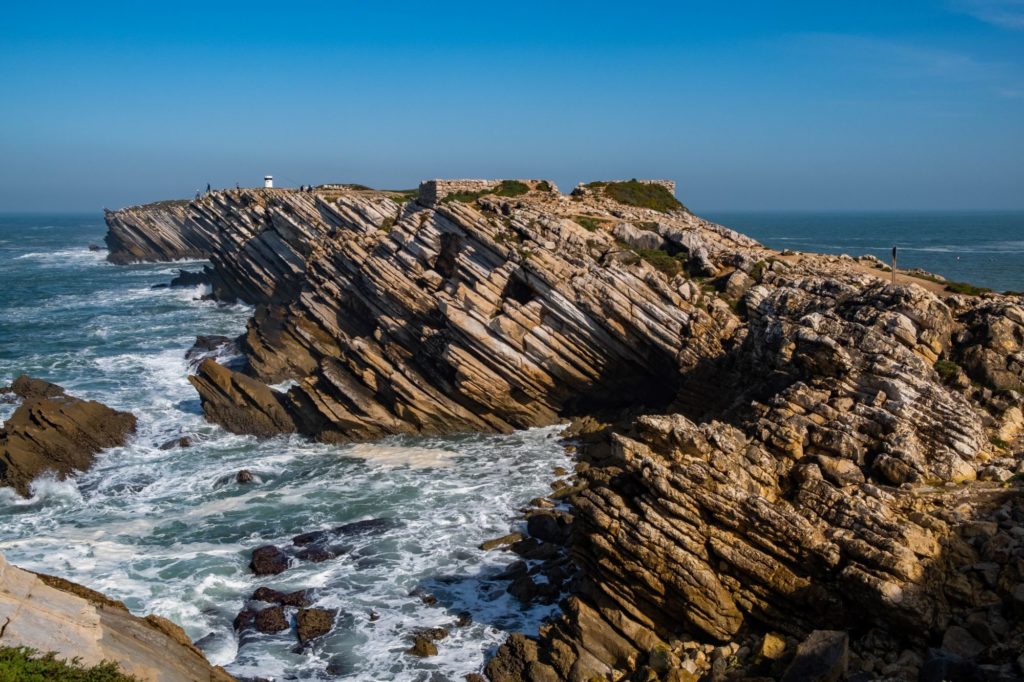
- Visit Cape Cabo Carvoeiro. There is a lighthouse here, but the main attraction is the incredibly shaped rocks, as if weathered by wind swirls. I’ve never met anyone like that anywhere else.
- Not far from Peniche there is another natural point – the Baleal Peninsula, although it is called Baleal Island. The island is separated from the mainland by a sandy spit, through which a one-way concrete road leads. There are stunning beaches around the peninsula, with surfers playing on the waves. There are several houses on the island, and on the edge there are some unusual folded rocks where fishermen catch fish in the ocean abyss.
Obidos is the birthplace of Ginjinha
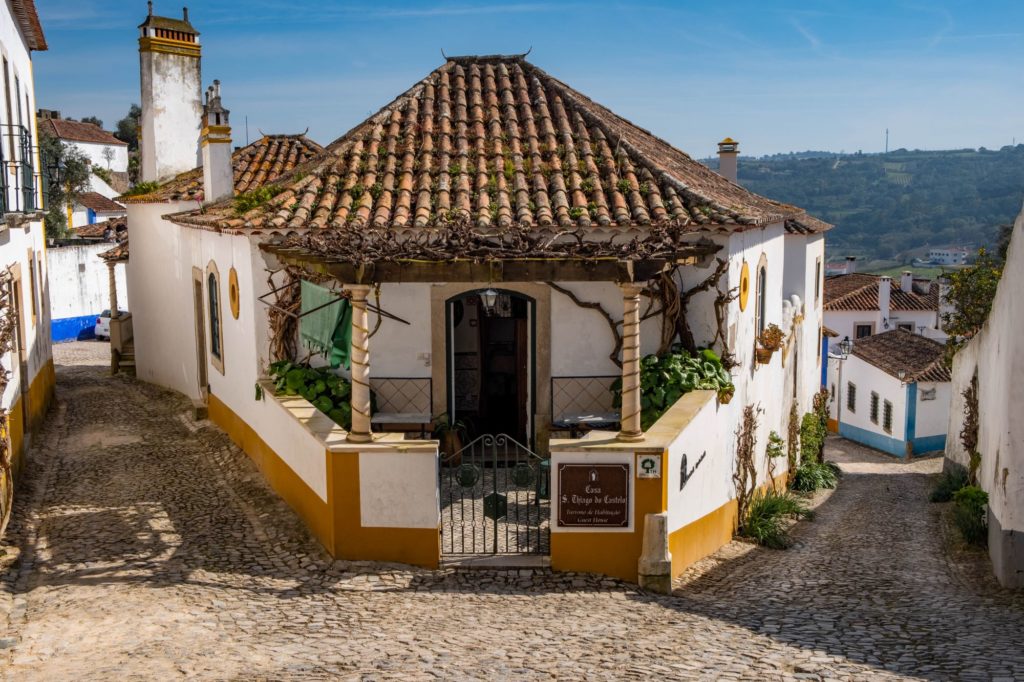
This town is not located on the ocean, but I highly recommend it to anyone who loves narrow streets, old buildings, and fortress walls. I really liked Obidos.
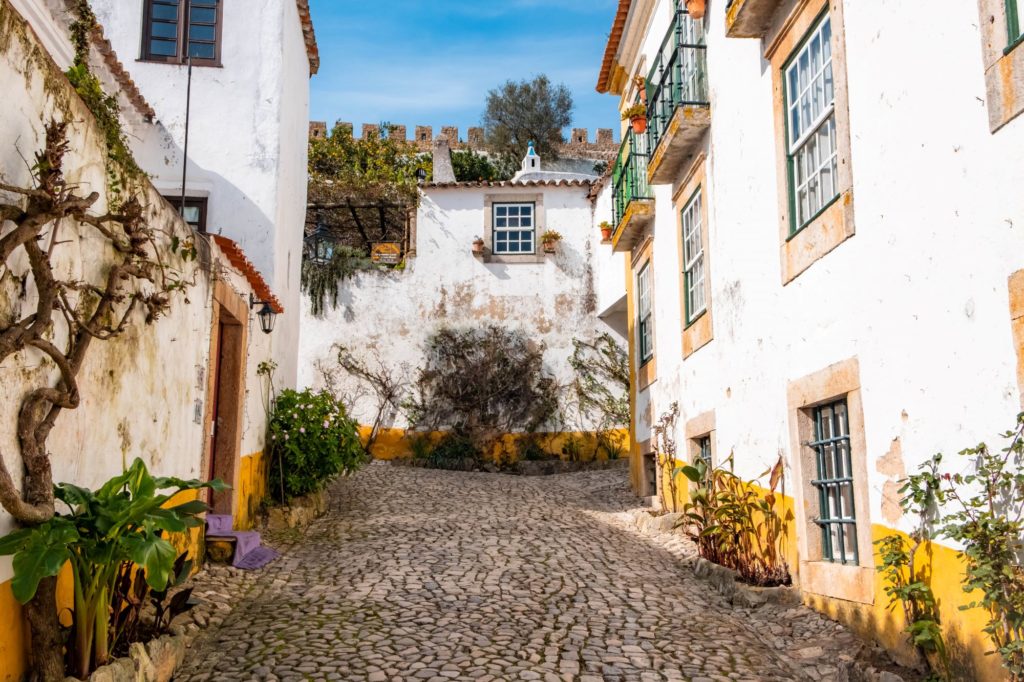
It seems that time has stood still in Obidos, and it is, everything here looks almost exactly the same as it did in the 13th century. When the knight walked down the street, I thought I was starting to ride the cuckoo. But it was a local guide.
What to do in Obidos?
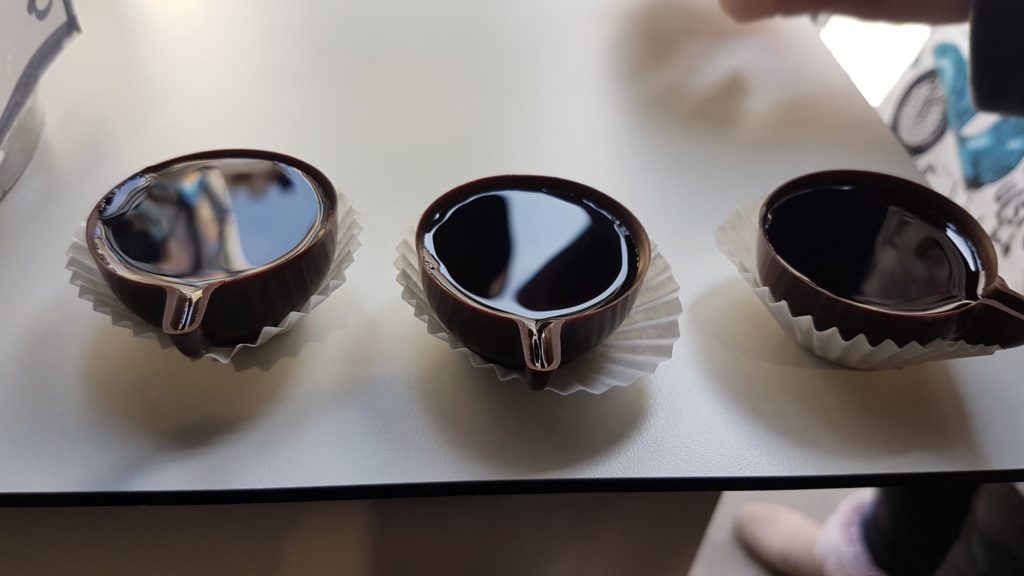
- Taste Ginjinho, a Portuguese cherry liqueur infused with aguardiente or brandy with added sugar. It is made at a distillery a couple of kilometers from Obidos. The ginseng is sold on draft, poured into chocolate cups. The price of the question is 1 Euro. Don’t forget to buy a Ginha as a souvenir – it will be more expensive in Lisbon. And here they sell it in different containers – there are even 100 ml bottles that you can take in your hand luggage. And don’t forget a set of chocolate cups!
- Climb the walls of the castle – they are perfectly preserved and you can even walk along them.
- Take a walk through the narrow streets. Walk away from the main street to see how the locals live. They still live in old houses that are more than 700 years old.
- Have a coffee in a cafe near the Santa Maria Church.
More information: Obidos, Portugal – 10 reasons to go to this wonderful place
Nazare – the highest waves in the world
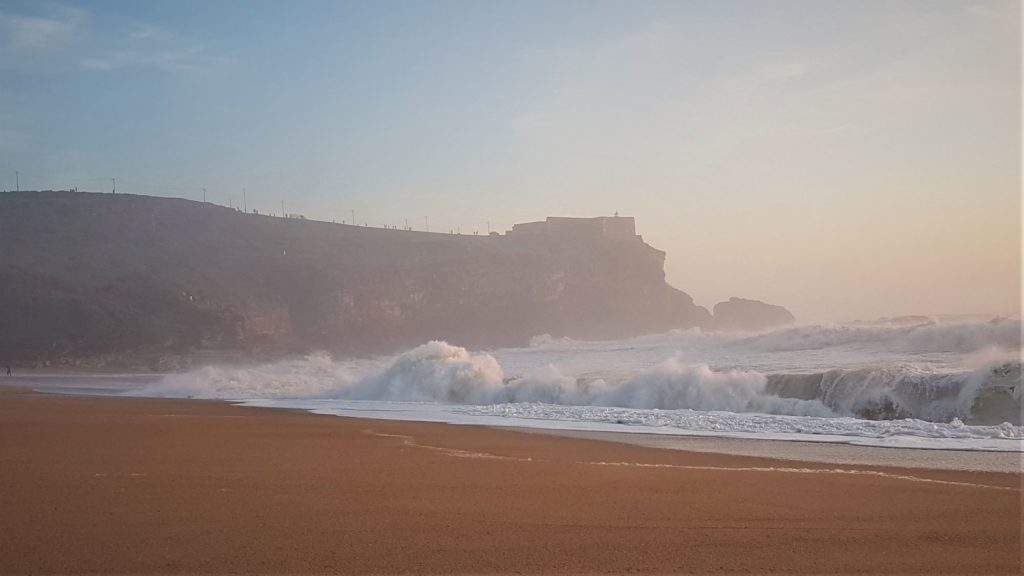
Everyone has probably seen photos of huge waves against the backdrop of a lighthouse. Yeah, I saw them too and dreamed of getting to Nazare. The dream has come true! We arrived at this stunningly beautiful and powerful place.
There will be no photos of the waves above the skyscraper – I don’t have the appropriate equipment for this. But they are really gigantic there. When you stand on the roof of a lighthouse and a wave hits the rocks, it seems that both the rock and the building are shaking.
Why are there such huge waves in Nazare? The fact is that it is in the area of Nazareth that the seabed is a huge canyon 5000 meters deep and 230 kilometers long. This means that ocean waves do not change as they approach the shore. They reach the continent, crashing down on the coastal cliffs with all their might. The waves in Nazare are up to 30 meters high.
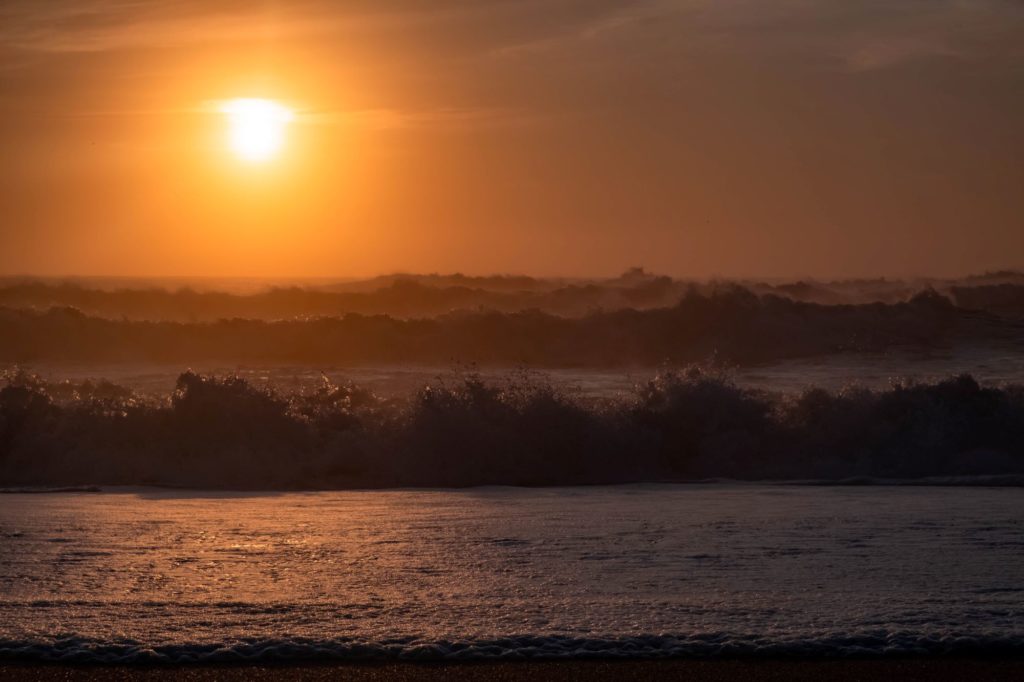
Big waves in Nazare
We came to Nazare for one day for these waves. And it turned out that it is also a very beautiful town, divided into the Old Town and the New Modern Part with a huge promenade. We settled in the Old Town of Nazaré, closer to the Farol da Nazaré lighthouse. We immediately went to look at the waves and the surrounding shores. The lighthouse is located on a high cliff, with a path leading to it – you can drive up by car, or you can leave the car near the hotel and walk on foot.
The same evening, Nazar was hosting a carnival, and we were happy to attend the bright, colorful event. The carnival takes place on the waterfront in the lower part of Nazareth, where a long staircase from the Old Town leads to the festival. And late at night we returned to the top by cable car (cost 1.5 euros). I highly recommend eating or at least drinking coffee at the Taberna Afficion restaurant – the view from here is just fantastic!
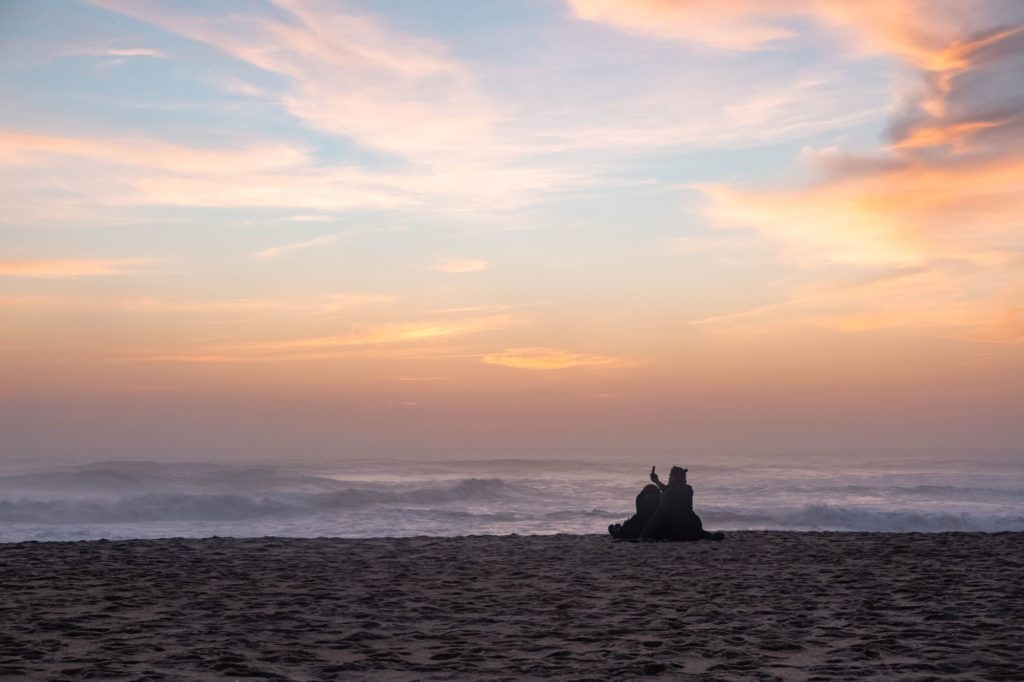
Another must-see place is Nazare North Beach. It is located on the opposite side of the city beach and promenade. It is here that the same giant waves roll in. We saw off the setting sun on North Beach, watching it hiss into the ocean abyss. The place is a nightmare!
Guide of Nazaré – where to see the biggest waves and beaches in Portugal
Aveiro – by boat through the canals
Next, head north and if you have enough time, plan to visit Comibra. It is the cultural capital of Portugal, home to the oldest university in the country and an ancient library. We went on to Aveiro, which is located 70 kilometers from Porto.
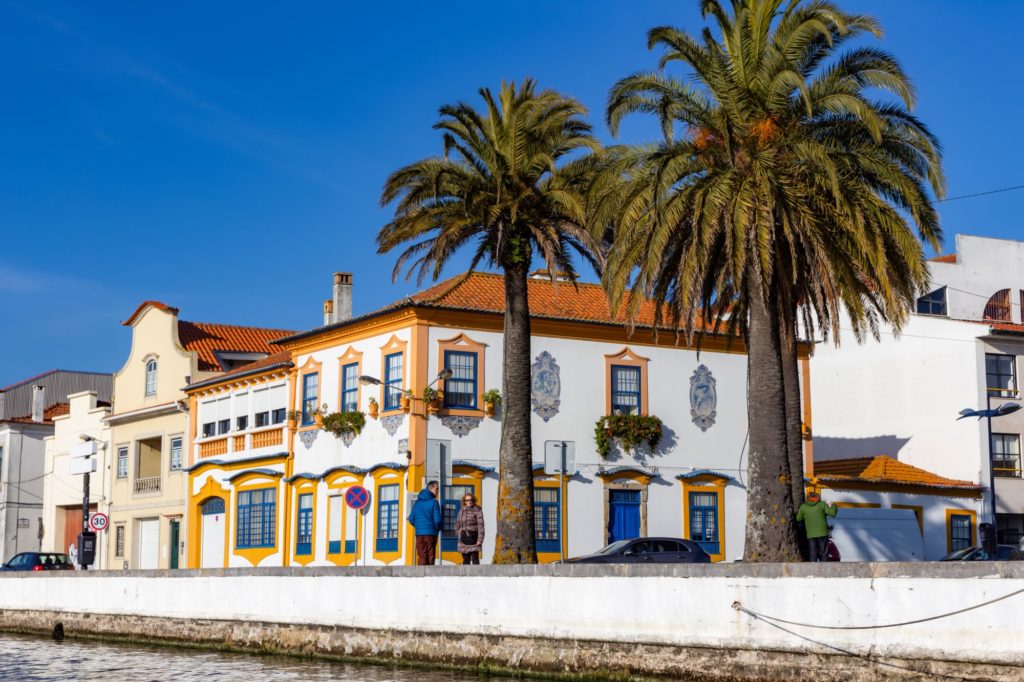
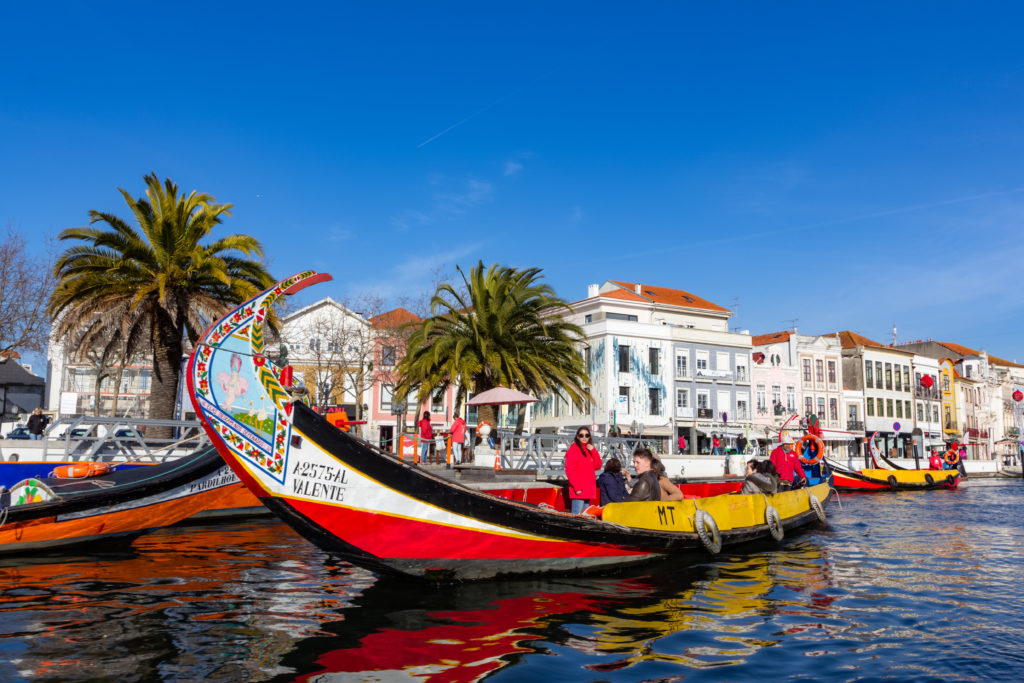
Aveiro is an unusual city – it is located a few kilometers from the ocean and is built on several canals. Here, like in Venice, you can take a canal boat ride on gondola-like boats. But it costs ten times less than in Venice – only 10 euros for an hour-long walk.
Salt has long been mined in Aveiro, and it is still mined on the neighboring lakes adjacent to the city.
Be sure to go to Costa Nova do Prado beach – there is not only a beautiful ocean, but also striped houses that have become a kind of business card of this place.
Porto is the most romantic city in Europe
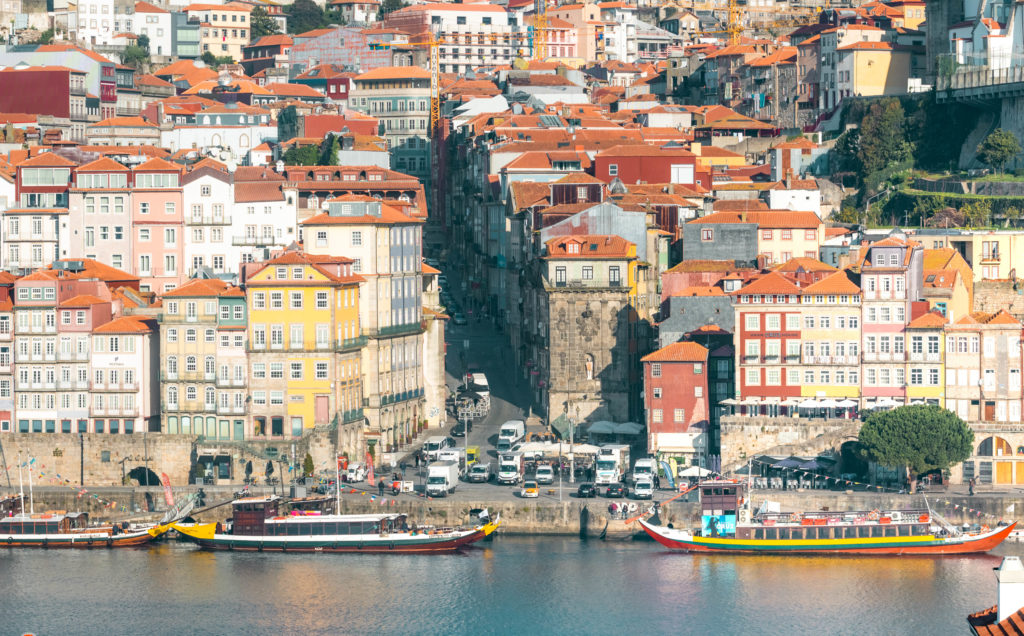
I have already written about my favorite Porto written in detail and more than once. I recommend reading it before you go there.
Before entering the Porto and if it’s also at sunset, I just really recommend stopping in the suburb of Viana do Castelo. This is the opposite side of the Douro River, which offers the most enchanting view of the romantic city, decorated with hundreds of tiled roofs. If this is your first encounter with Porto, you will definitely find love for life!
I sincerely wish that Portugal will happen in your life someday ! Believe me, you will leave a piece of your heart there. It’s a beautiful, inexpensive and tasty country that makes it hard to return home from.
I hope that my experience has been useful to you.
As a token of gratitude, you can support this site for further development:
Useful links for travelers:
Car rental – inexpensive options can always be found on the aggregator Rentalcars.com
Hotels – I traditionally book through – Booking
Read also:
- Cheap accommodation in Porto
- The best beaches of the Algarve
- 10 destinations for a day trip from Lisbon
Subscribe to my Telegram channel – the latest travel news here
Follow us on Facebook and Instagram