In November, you want to brighten up the gloomy weather with the colors of vibrant cities. And add bold flavors and exciting travel experiences. We set off in search of a kaleidoscope of moods to five of the most colorful cities – Riomaggiore, Colmar, Istanbul, Copenhagen, and Chefchaouen.
Riomaggiore, Italy

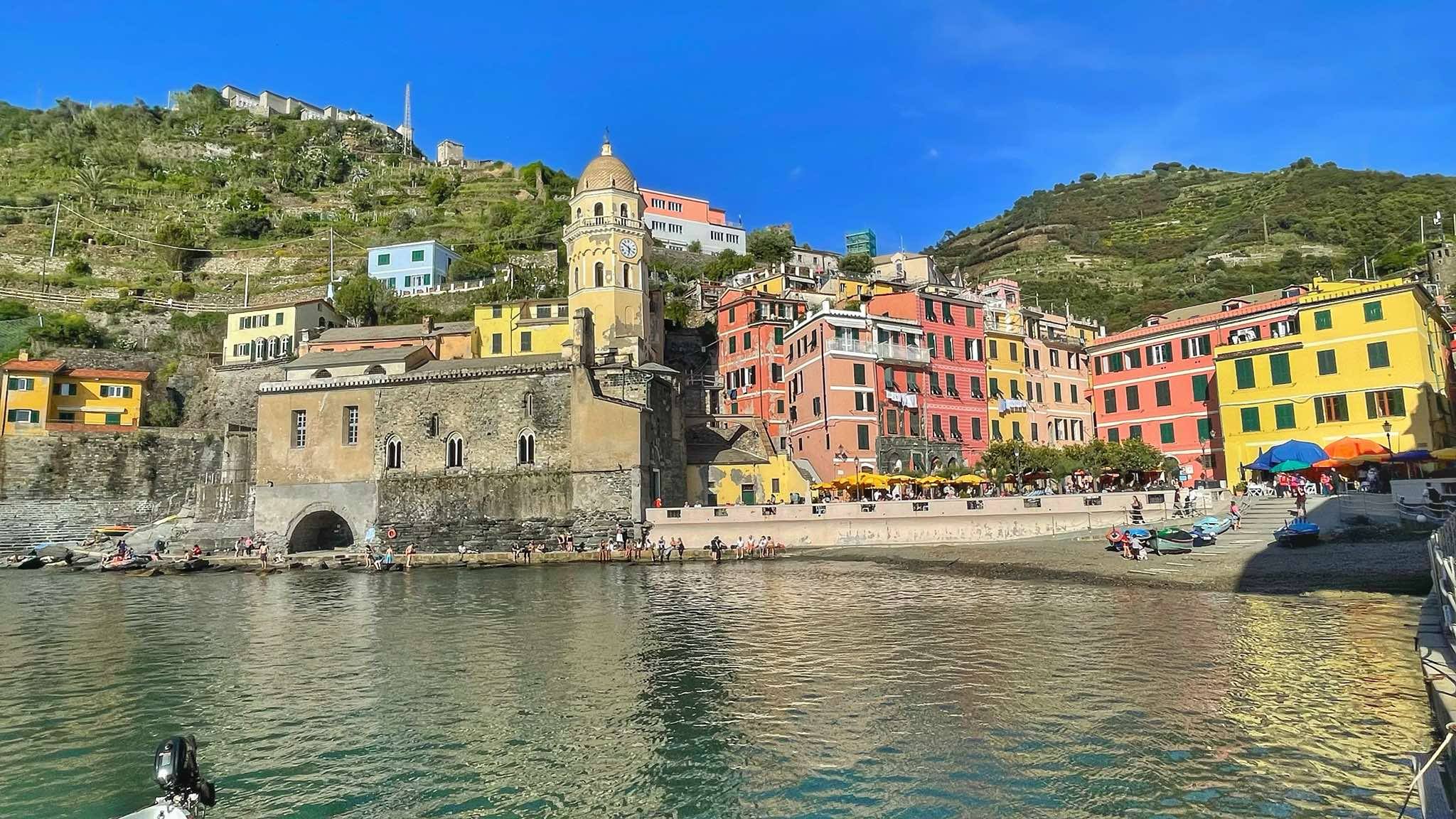
Riomaggiore – a multicolored village nestled on the edge of the cliffs in the Cinque Terre (Five Lands). It is located on Italy’s Ligurian coast. Only about 1.5 thousand people live in the town, so it is no wonder that it is quiet and peaceful here in November.
Cinque Terre also includes four similar settlements: Monterosso al Mare, Vernazza, Corniglia, Manarola. The commune of Riomaggiore was founded in the distant 13th century, but the flow of tourists only surged here at the end of the 20th century. The main attraction is the colorful houses shimmering in the western rays of the sun against the backdrop of the mountains and blue sea.
More details: Where to stay in Cinque Terre
What to do in Riomaggiore in November:
- Take a walk along “Lovers’ Lane”, which leads from Riomaggiore to the neighboring village of Manarola. The pedestrian path is an easy route, about a kilometer long, running above a rocky cliff along the sea. A walk above the coastal cliffs offers the chance to see the colorful houses from the side and enjoy panoramic views of the sea and mountains.
- Visit the Church of St. John the Baptist – Ciesa di San Giovanni Battista di Riomaggiore, located in the upper part of the town. It was founded in 1340, but was renovated in 1870, giving it a Neo-Gothic façade. However, the original 14th-century elements have been preserved. In particular, the rose window made of Carrara marble and the side entrances decorated with zoomorphic and anthropomorphic images. Inside the church is a wooden crucifix carved by Anton Maria Maragliano, and a triptych depicting the Madonna and Child with Saints Roch and Sebastian, dating back to the 15th century.
- In good, windless weather, it is worth seeing Riomaggiore from the sea by taking a sea excursion and travelling along all five villages of Cinque Terre. A boat ticket costs €40 per person for 2.5 hours.
- Go down to Fossola Beach, where in summer it is packed with tourists. But in November, no one will disturb the silence—only the sound of waves washing over the rocks. This small pebble beach is located southeast of the Riomaggiore marina. The beach with its rugged shoreline is a wonderful secluded place to watch the sunset, whose rays make the town glow even more brightly in all the colors of the rainbow.
- Be sure to try the local white wine “Costa de Sera“. It pairs well with Ligurian cuisine. Rio Bistrot —one of the best restaurants in Riomaggiore, serving wonderful seafood dishes: langoustines, shrimp, shellfish, fish, and, of course, pasta. The selection of dishes changes daily depending on the local catch. Prices are quite high (the average bill is €60–70 for two). But the service, elegant setting, and wonderful view of the waterfront are all at the highest level.
- Do some shopping before heading home—truffles, balsamic vinegar, olive oil, wine, or other typical Italian products sold in the shops of Riomaggiore, located along streets that plunge steeply toward the turquoise sea.
To get to Riomaggiore, you need to fly to the nearest major airport, in Genoa. Then take a train to La Spezia (the journey takes 2 hours), then take a local train to Riomaggiore. www.trenitalia.com.
Where to stay in Riomaggiore:
- Affittacamere Le Giare – A picturesque place for a wonderful stay in Cinque Terre. The rooms are located not far from the railway station (10–12 minutes on foot). A beautiful view from the room.
- Hotel Due Gemelli – Sea view. Newly renovated rooms with a private terrace.
- The beds are comfortable, and many thoughtful details make everything convenient; there is a kettle and cups, as well as wine glasses. There is also parking for those arriving by car.
Chefchaouen, Morocco
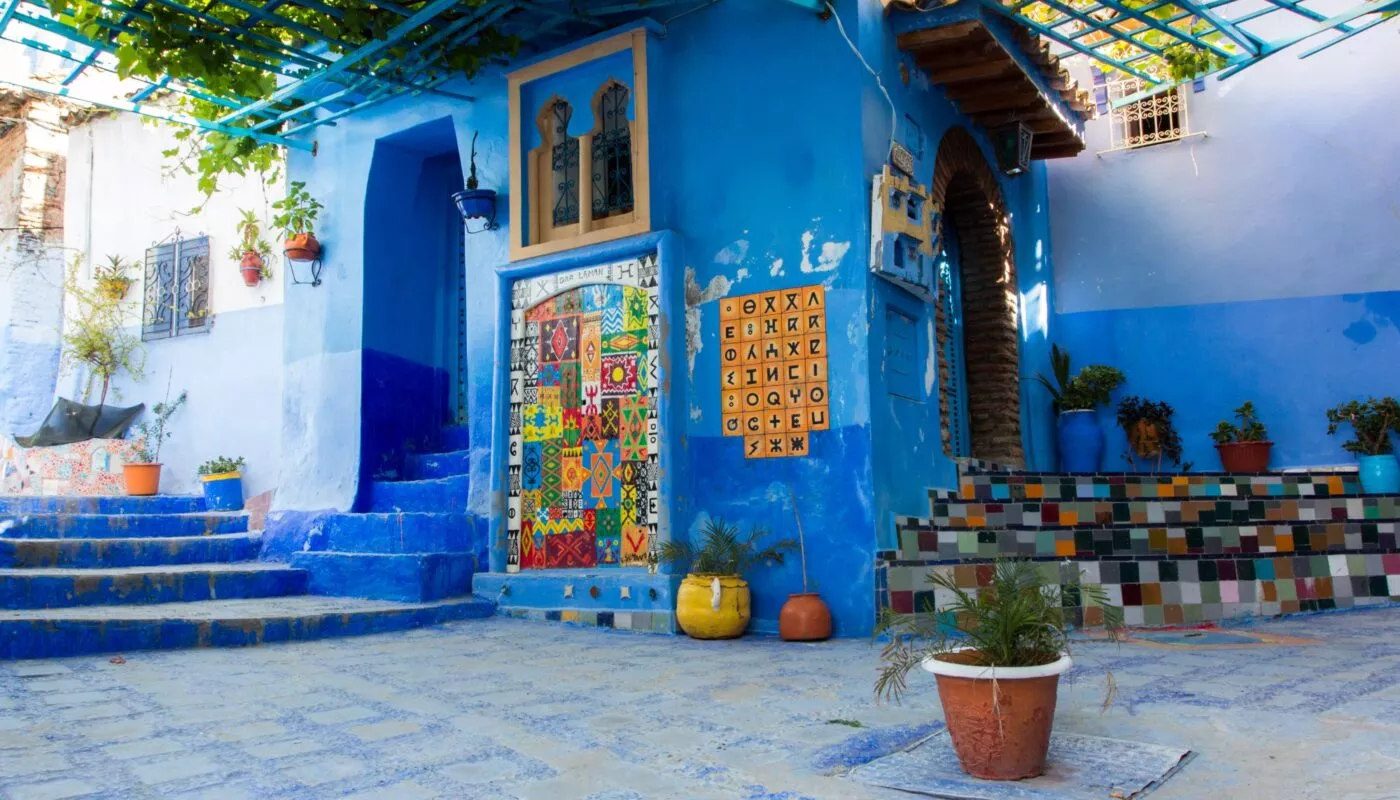
Morocco is home to the bluest city on Earth — Chefchaouen (or Chaouen). The blue color appeared here after Jews from Andalusia in Spain relocated here in the 15th century. They came to Morocco and settled in the small fortress of Chefchaouen.
Blue and light-blue shades symbolize a prayer shawl tallit (tales) and reminded Jews of God. There is also a belief that this color protects against evil spirits.
There are no Jews left in modern-day Chefchaouen. But local residents continue to paint the walls a bright cobalt blue, claiming that it is an excellent mosquito repellent.
Things to do in Chefchaouen:
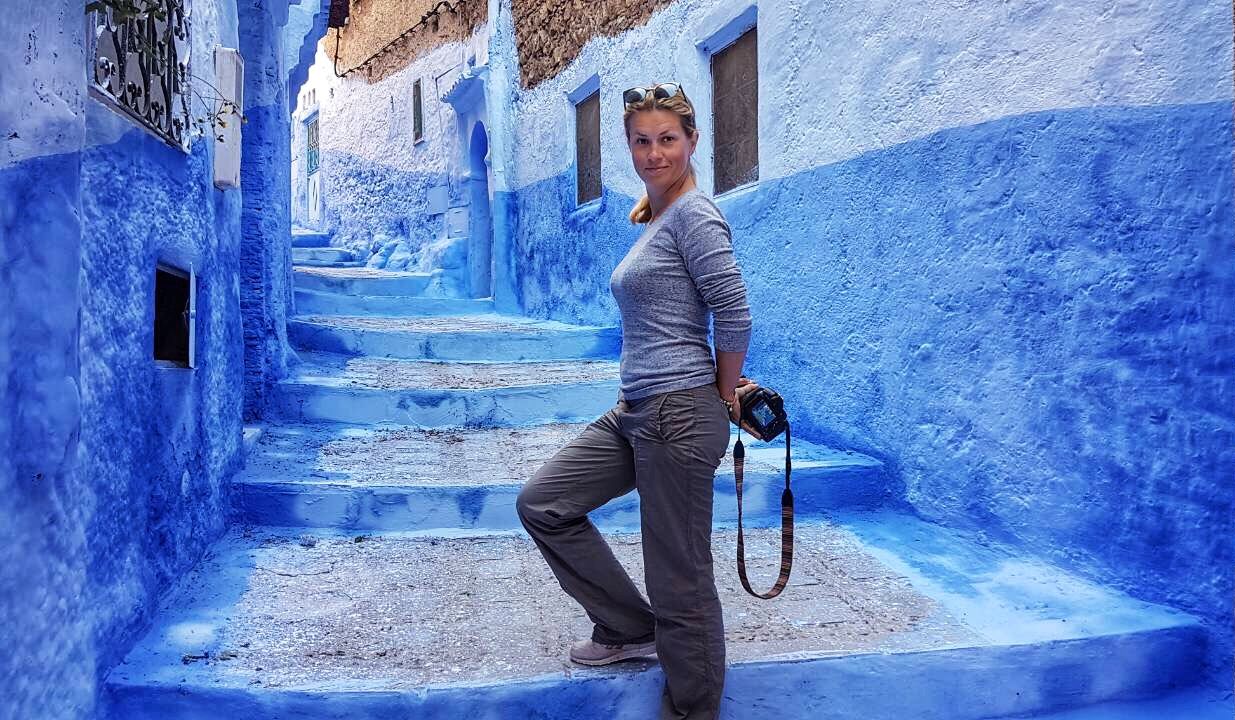
- Take a stroll through the blue labyrinths of the old city, count all the flower pots with which locals decorate the stairways and cozy courtyards. Find the most popular Instagram spots—you will recognize them immediately by the number of people waiting in line for a photo session. To avoid wasting time in queues, plan your walk early in the morning—the streets of Chefchaouen will be empty and exclusively yours.
- In the heart of the old medina is a small fortress Kasbah, which was built to fight Portuguese invasions in northern Morocco. Inside is an ethnographic museum with a beautiful garden filled with flowering plants and trees. The museum’s tower offers a magnificent panorama of the city’s rooftops.
- In sunny weather, head to the waterfall Ras el-Maa, located beneath the bridge leading to the medina from the upper road into the city. A concrete platform has been built over a small waterfall and is used as a café, where visitors sit on chairs with their feet dangling in the cool water and drink fresh orange juice for €1.
- Try the famous tagine—a Moroccan dish prepared in a special clay pot (also called a tagine). The pot has a distinctive shape that allows vegetables and meat to simmer for several hours. It is very tasty and filling; one portion is enough for two—€7–10.
More details: Chefchaouen – 10 things to do in Morocco’s blue city
- Visit all the stalls selling carpets and straw and especially leather bags, which are made in Morocco using an age-old technique. Just as hundreds of years ago, the leather is soaked in urea. Amazing—exquisite trays and teapots, and you can even buy forged shot glasses. A straw bag costs €10–15, a leather backpack €30–35, and a teapot €20. Buy argan oil to take home (€3 per 50 grams)—it is the best cosmetic product for hair and skin, made from the kernels of the fruit of the argan tree. This tree is very rare—it grows only in Morocco.
- At sunset, climb to the viewpoint located on a nearby hill by the Spanish Mosque. From here, a magnificent panorama of Shven. Wait until the sun sets to see the orange and yellow lights come on above the blue buildings. This is the best view of the bright blue city.
You can get to Chefchaouen via Tangier, which is served by Ryanair flights from Milan. To Milan, fly with UIA. Buses operated by the company run from Tangier to Chefchaouen www.ctm.ma
Where to stay in Chefchaouen
- We chose what seemed to me at the time to be the bluest hotel – Hotel Molino Garden. Everything in it was blue: the walls, ceilings, and bedding on the bed. Only the local cat was ginger, but this beautifully highlighted the blue. This hotel has its own garden with a pond inhabited by goldfish. Breakfast is included in the price—very delicious and filling.
- Casa El Haouta – the rooms are simple and comfortable, with a large bed and good lighting. The hotel is easy to find in a safe, very quiet area. The breakfast is delicious and filling.
- Dar Kisania – the hotel is beautiful, immaculate, quiet, and ideally located in Chefchaouen.
Colmar, France
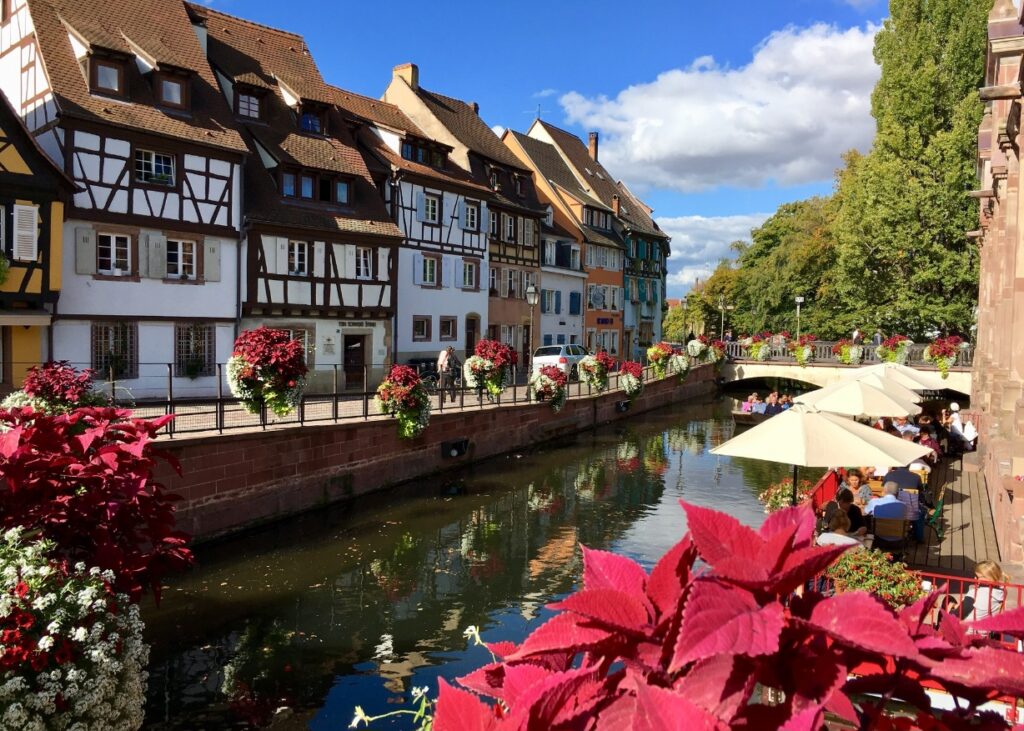
The French town of Colmar is famous for its bright half-timbered houses along the river, which will lift your spirits in gloomy weather. Colmar is an open-air museum city showcasing every architectural style, from late Gothic to Baroque, Classicism, and the Renaissance. When you arrive here, your mood inevitably lifts—as if you had stepped into a puppet cartoon, where the sets are unassuming houses of various colors. Colmar has an extraordinary concentration of beauty that even autumn weather cannot spoil.
- One of the most picturesque districts of Colmar is the Fishermen’s Quarter, where professional fishermen lived in the 16th century. Even the waterfront here is called Quai de la Poissonnerie —translated from French as “Fish Quay.” In 1706, a fire destroyed more than 40 houses in this district. But at the end of the 1970s, the quarter was restored, and today its houses are Colmar’s hallmark. Stuffed fish caught by fortunate fishermen still hang on the façades of the houses here.
- The pearl and hallmark of Colmar is “Little Venice” – a quarter with small canals and footbridges, lined with colorful houses immersed in geranium flowers. The quarter takes its name from the picturesque Turenne and Saint-Pierre bridges and the Lauch Canal, around which bright little houses decorated with pots of geraniums are clustered. Boats sometimes glide along the canal, evoking the Venetian style in this small French town.
- As you stroll around Colmar, look for its most unusual houses. First, the Pfister House, built for the wealthy hatmaker Ludwig Schurer in 1537 – a building adorned with staircases and towers. The Pfister House is both charming and grand thanks to its Renaissance architecture. Second, look for “House of Heads» – La Maison des Têtes, a beautiful palace built in the German Renaissance style, named after the 106 carved stone heads placed on its façade. Note that the building’s windows are of different widths and asymmetrically arranged on the façade.
- While enjoying the beauty of the architecture, do not forget about your daily bread. You absolutely must try Alsatian cuisine. Alsatian cuisine is somewhat similar to German cuisine—meat, sausages, stewed cabbage, and Riesling wines. Baeckeoffe is a roast made from three to five types of meat: pork, beef, and lamb. Or Civet – rabbit (hare) stewed in white wine. Braised duck magret – duck breast baked and marinated in Pinot noir red wine. To avoid making a mistake and taste local dishes, go to a Winstub — traditional Alsatian taverns where the menu of 5–6 dishes is written simply on a chalkboard. The average bill for two starts at €60.
- Along the way, stop by the Colmar covered market – to buy Alsatian delicacies. The covered market (Marché couvert) is like a small island surrounded by three streets and a canal. Local farmers bring their produce here in small boats. For example, Munster cheese, which has a distinctive, “unforgettable” smell and a consistency reminiscent of a pastry — a soft, creamy substance inside. Don’t forget to buy a few jars of foie gras pâté and various terrines (something between pâté and a casserole made of meat and vegetables). And buy a souvenir stork — a symbol of Alsace. They can be found as soft toys or magnets, as well as on plates and kitchen towels that will remind you of your trip to vibrant Colmar.
The easiest way to get to Colmar is via Switzerland’s capital, Geneva, which is served by Swiss — Swiss International Air Lines. An alternative is via Paris, which you can reach with the airline MAU. From there, take trains www.sncf.com
Where to stay in Colmar
- Les Bateliers – located close to the beautiful center of Colmar, in the heart of the little Venice district. A clean, spacious apartment with all amenities, located on the second floor without an elevator. An ideal place to stay during the Christmas market.
- Le Victor Hugo – A wonderful apartment with all the amenities you may need during your stay. The owner provides clear instructions for self-check-in. Comfortable beds and pillows. Located near the Old Town, with parking nearby.
- Un petit Vintage à Colmar – the location is incredible. Literally stepping out the door, you will find yourself on the main street, yet it is quite quiet here. One of the best places to stay in Colmar if you want to explore the city thoroughly.
Istanbul – Balat district
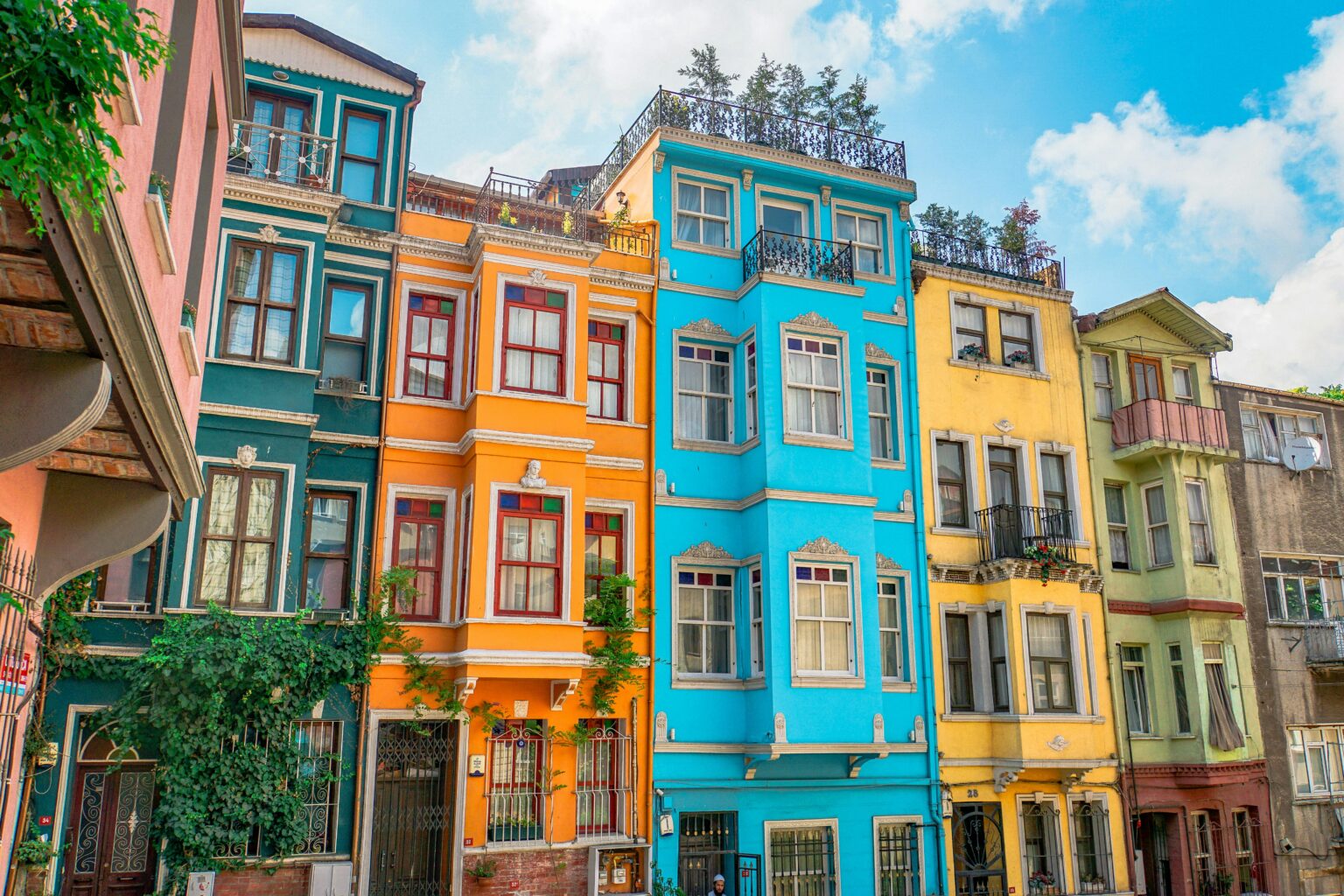
In November, Istanbul puts on clouds through which the bright sun often shines. Sometimes it rains, but that is not a problem at all, because there is always somewhere to take shelter—whether in a museum or in one of the cozy restaurants and tea houses.
And if you head to the colorful district Balat – you can completely forget that this is the grayest month of the year. Balat is located on the shore of the Golden Horn, beyond the Atatürk Bridge, adjoining the old Greek district of Fener.
Travelers do not often visit this former Jewish quarter in the European part of Istanbul. Balat is one of the oldest districts of Istanbul, where a Jewish community lived. After the earthquake that occurred in the late 1800s, most of the Jewish residents fled the district, causing it to fall into neglect.
Today, it is one of the most vibrant districts of bustling, multifaceted Istanbul. Colorful houses Balat is not a backdrop, but ordinary people’s houses painted in different colors. Walking along the steep, winding streets, you can observe their lives. The neighborhood is constantly being renewed and is becoming popular among travelers. There are colorful cafés here, as well as plenty of grocery shops, tailors’ and shoemakers’ workshops.
More details: Six Unusual Neighborhoods of Istanbul That Most Tourists Don’t Know About
What to Do in Balat
- Begin exploring Balat by walking up the slope leading to the Red Castle—the imposing Greek Orthodox Phanar Lyceum. The red-brick building stands on the border between two districts but is well worth special attention. It was built in the 1880s and still operates as a lyceum, with only 50 students enrolled.
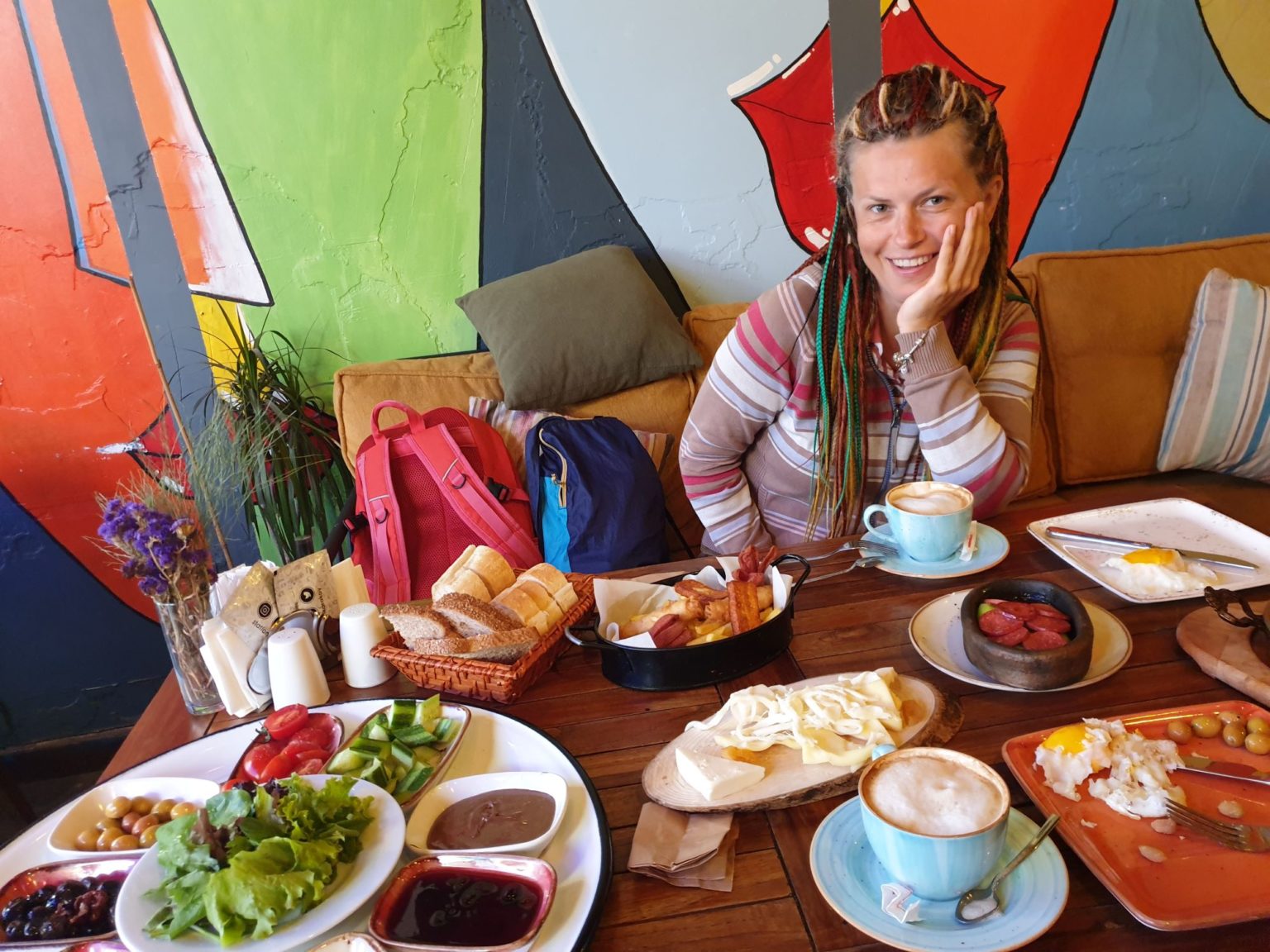
- Visit İncir Ağacı Kahvesi —a wonderfully hospitable establishment with rainbow-colored stairs where groups of Istanbul families and tourists gather. Coffee for 5 lira (€0.8) and a great Instagram-worthy atmosphere are guaranteed. For lunch, head to the excellent Balat Sahil café, where you should try meze—a traditional Mediterranean selection of appetizers to choose from, difficult for 2–3 people to finish.
- Visit the religious sites that are open to the public. For example, the magnificent 16th-century Church of St. George, or the Yanbol Synagogue, built in the 18th century by Sephardic Jews who moved to Istanbul from Bulgaria. The imperial Yavuz Selim Mosque, dating from the 16th century, is also located here, offering views of Istanbul and the Golden Horn from its inner courtyard.
- Take a look at Chora Monastery (Kariye Museum) is one of the few places where the original ancient Byzantine mosaics have been preserved. The main adornments of its interior are frescoes and mosaics depicting the life and deeds of Jesus Christ and the Virgin Mary.
- Take a stroll along the historic street Vodina Caddesi among low-rise old houses, then turn onto the parallel Yıldırım Caddesi, lined with restaurants and small designer shops selling clothing, jewelry, works of art, and handicrafts.
- Go for a walk the Golden Horn: to look at the undersides of bridges, feed cheeky seagulls a simit, breathe fresh air, and sip hot, strong black tea. Buy tea for 2 lira (€0.5) on the boat and a simit bagel (€0.5)—while warming up with tea, immerse yourself in the soul of bustling port-side Istanbul.
It is convenient to get to Istanbul via Chisinau—many airlines operate flights from there, including Turkish Airlines and Pegasus. You can take a boat to the Balat district from Eminönü (the water transport stop near Galata Bridge on the Suleymaniye side) to the Ayvansaray stop. Then take a walk along the waterfront through the park area. Or take the tram: T1 to Topkapı, transfer to line T4, and from there to Edirnekapı.
Atmospheric hotels and apartments in the Balat district:
- Balat Historical Luxury House≫ – the hotel has an excellent location in an area with many restaurants and a local community, where you can observe the real life of Balat. The apartments are conveniently located near bus and tram stops. Guests are offered a varied breakfast, and there is also a fully equipped kitchen, making it an excellent choice for families or couples visiting Istanbul.
- Waterfront Apartment – Stunning Terrace & Bosphorus View≫ – an apartment in Balat with its own rooftop terrace offering stunning views and romantic lighting. There is a public transport stop in front of the building and a ferry stop nearby. It is very easy and quick to get to any part of the city.
- Historic Greek Pavilion Golden Horn Istanbul≫ – an apartment in a historic building with an excellent renovation, right in the city center. It is located just a few minutes’ walk from a tram stop and a large park. The apartment is very clean, elegantly furnished in keeping with the historic architecture, comfortable, and equipped with everything you may need.
Copenhagen, Denmark
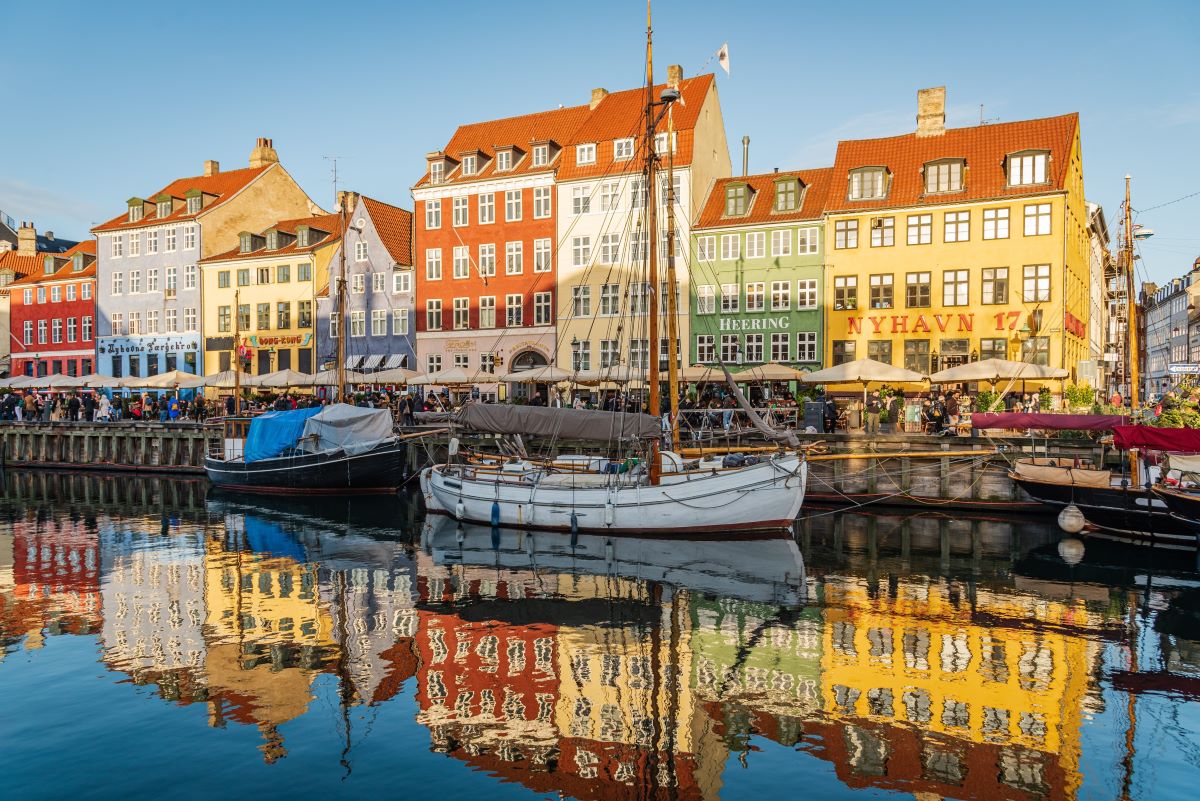
Despite its northern location, November in Copenhagen is not as harsh as in our latitudes thanks to the influence of the warm Gulf Stream. In Copenhagen Harbour, it is sunny and festive in any weather, thanks to the bright, colorful houses that instantly lift your spirits. A riot of colors is reflected in the water between the vessels lined up in the harbor. Nyhavn is the part of Copenhagen where Hans Christian Andersen lived for a long time.
Visit a “state within a state” – the island of Christianshavn, home to the freetown of Christiania. The two streets—Overgaden neden Vandet and Overgaden oven Vandet—located on opposite sides of the canal, are filled with small, whimsical floating houses.
It is a genuine pleasure to stroll along the Nyhavn waterfront, or sit here in a café and soak up its wonderful rainbow-like atmosphere. A canal was once dug from the main bay, later becoming a harbor. Today, it is home to boats, motorboats, yachts, and sailboats, while musicians play on their decks. Along the banks are numerous restaurants with open terraces where you can sample seafood, drink beer, listen to music, and enjoy good old jazz.
What to Do and See in Copenhagen
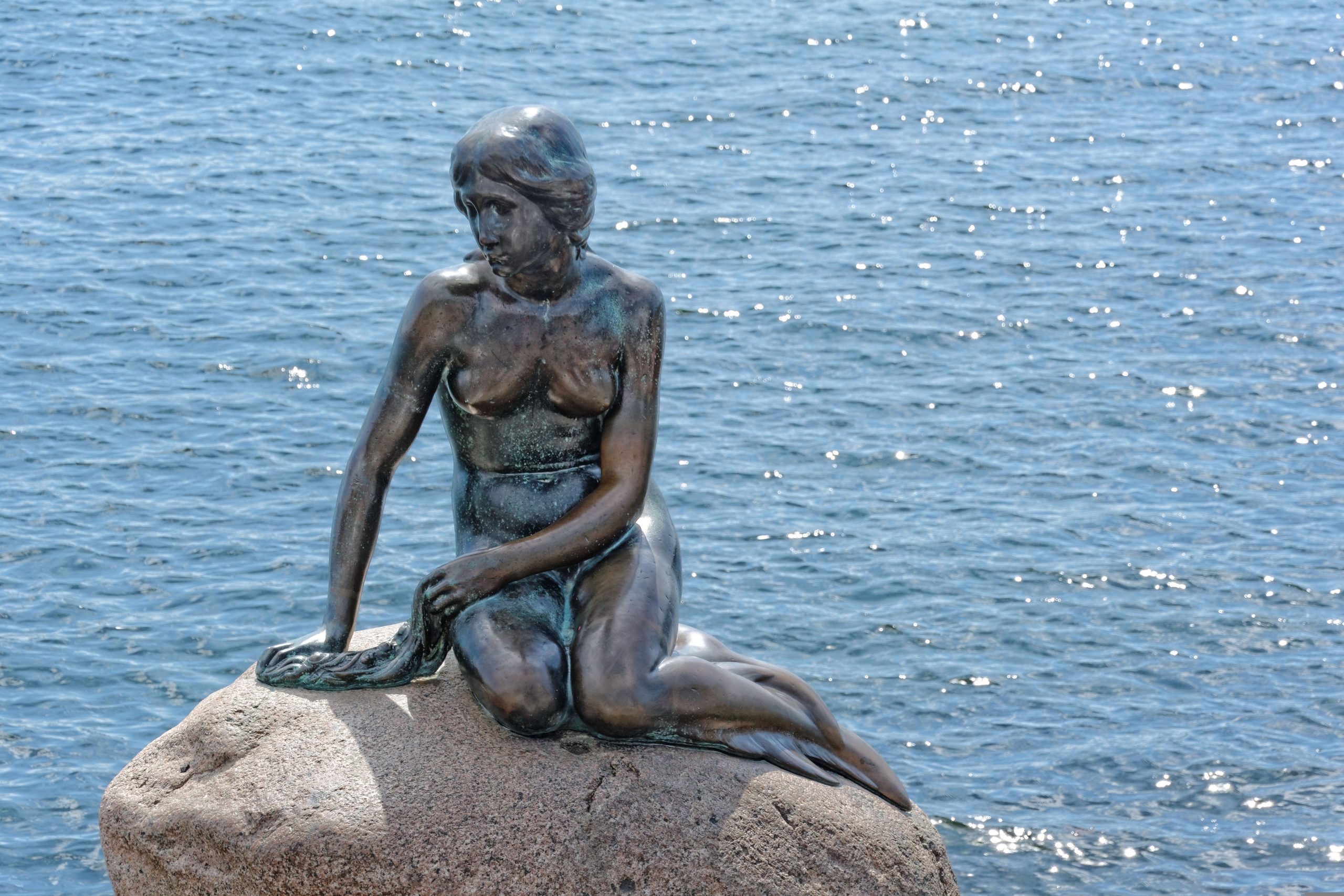
While in Copenhagen, it is worth paying a visit to “The Little Mermaid”, although behind the crowd of tourists, the monument may be completely impossible to see. Therefore, it is better to stroll around the city, collecting a collection of other—unusual—landmarks located in the capital of Denmark.
Find the “Iron Thinker Zinkglobal”, a huge sculpture Artemis, which unexpectedly lies, an underwater sculpture “The Waterman and the Seven Sons».
The houses in Christiania are no less colorful, than those on the waterfront, but the spirit of this free city is completely different – the opposite of tidy Copenhagen. By the way, in Christiania you may only look at everything around you – taking photographs is strictly prohibited.
- Visit Copenhagen’s Ripley’s museums, where you can see unusual and curious items from the collection of eccentric Robert Ripley. In Copenhagen, Mr. Ripley’s name is associated with as many as two museums: “Believe It or Not!” and the “Guinness World Records Museum”—the latter features installations of records entered in the Guinness Book of Records.
- Or visit the mirror house, which was built in 2011 in the Central City Park. Its creators—the MLRP design and architecture studio—set themselves the task of creating a building that would blend organically into the park landscape. They succeeded—the mirrored walls and entrance doors are not so easy to find among the reflections of the trees.
- Visit one of the best food markets— Torvehallarne, where you can enjoy a great snack. For example, Ma Poule café serves the best sandwiches in Copenhagen—a famous huge sandwich with duck, arugula, and hot mustard (from €13). Gorm’s pizzeria has the best pizza in the city (from €14). The famous smørrebrød are worth trying at Hallernes Smørrebrød gastro bar—smørrebrød with smoked eel and liver pâté, and, of course, with classic herring (from €9).
- Enjoy the rides Tivoli Gardens, where the carousel lights come on in the evening—another vivid impression that Copenhagen will leave you with. And if you come in the last week of November, the whole city will be covered in Christmas illuminations.
Getting to Copenhagen is easy—direct Wizz Air flights operate there from Warsaw, Kraków, and Chișinău.
Where to stay in Copenhagen:
- Danhostel Copenhagen City & Apartments – we stayed right here in a private room – a really great hostel. It has a fantastic location in the city center. There are terraces with views of the city; inside, it is very beautiful, with many areas for relaxing and pleasant, friendly staff. Everything is clean, it is regularly cleaned, and the bed linen and towels are clean.
- There is a café, a kitchen, and everything needed for a comfortable stay.
- Locke Copenhagen – The rooms are spacious, with a kitchenette and a wonderful view of the city. Excellent location, within easy walking distance of the town hall and shopping streets. The metro, bus, and train were also not far from the hotel. Friendly and professional reception staff.
Useful articles and links:
- Top 7 Cities Worth Visiting in Spain
- 10 Must-See European Cities in Autumn 2026 and Why You Should Visit Them
- Paris in One Day — A Walking Route Through Montmartre
Route Schedule and tickets for buses – for InfoBus.ua
Travel medical insurance and Green Card for traveling abroad by car – online on the portal HotlineFinance
Hotel and apartment bookings and apartments – Booking.com