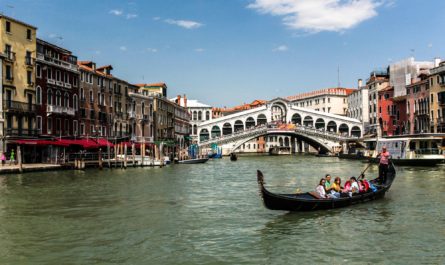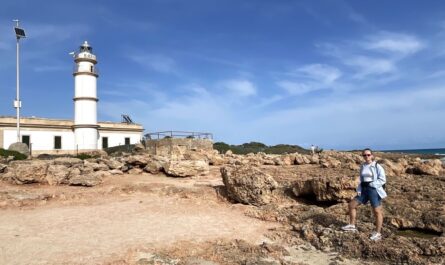
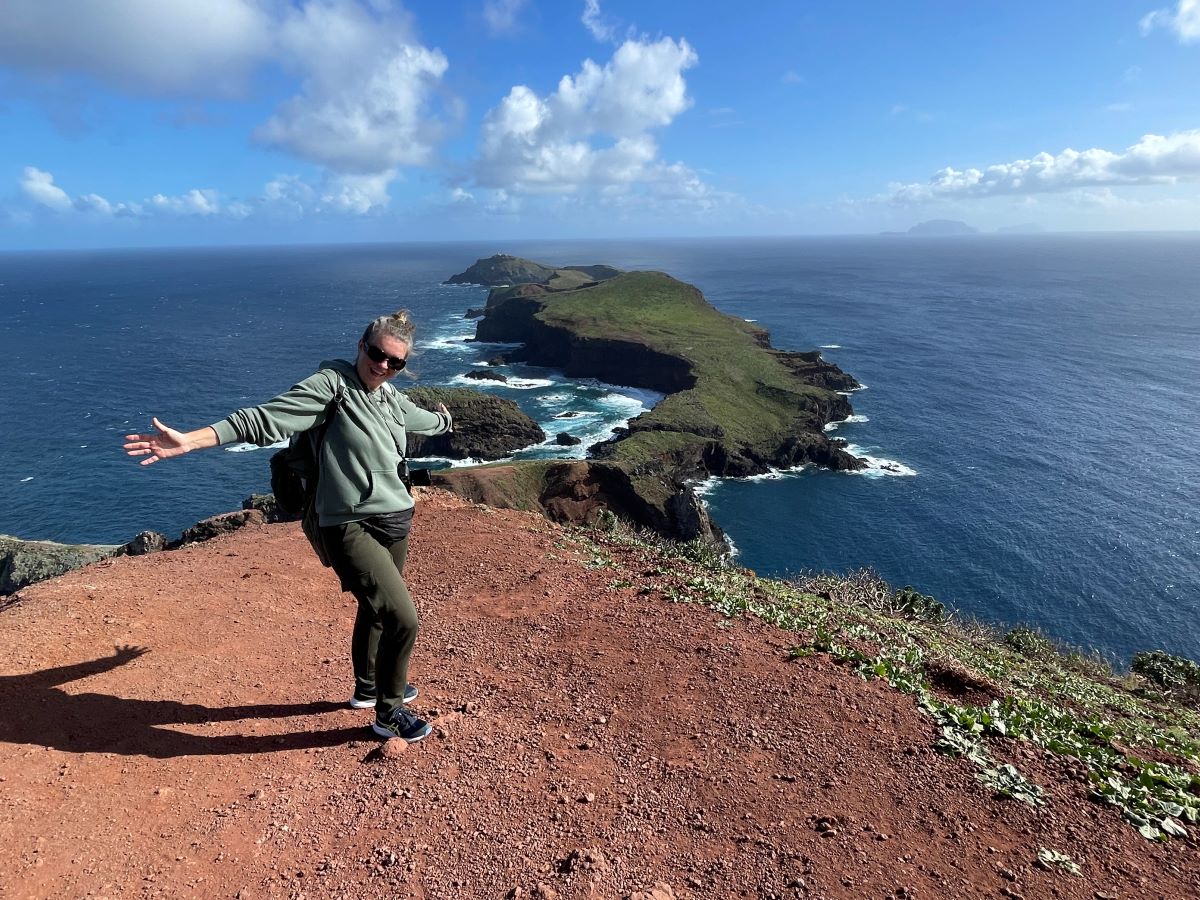
About 1,000 kilometers from mainland Portugal, in the Atlantic Ocean off the coast of North Africa, lies the archipelago of Madeira.
Madeira consists of four islands: Madeira (the largest and most populated), Porto Santo (a charming beach destination), Desertas (consisting of three uninhabited islands), and Selvagens (a collection of smaller, also uninhabited islands).
The archipelago is very mountainous, with many dense forests and banana trees growing here along the streets of the towns. Madeira is also well urbanized, with good infrastructure, tourist locations and hotels, and a fair number of lovely, relatively isolated small towns.
Along with the Azores (another Portuguese archipelago), Madeira is one of the two autonomous regions of Portugal.
How to get to Madeira

Several regular and low-cost airlines fly here from different European countries: Ryanair, Wizz Air, Finnair, EasyJet and others. Charters of many tour operators also fly, but the prices for flights there are not very interesting.
Direct flights to Funchal airport:
- Budapest-Funchal – Wizz Air
- Berlin-Funchal – EasyJet
- Warsaw-Funchal – Wizz Air
- Vienna-Funchal – Wizz Air
There are several daily flights from Lisbon and Porto to Funchal. Some of them are operated by Ryanair, others by the Portuguese airline TAP. Non-Portuguese tourists can save money by first booking a flight to Porto or Lisbon. During the stopover, you can see one of these wonderful places and only then fly to Madeira.
The approximate price from Lisbon or Porto to Funchal is 30-50 Euros one way.
Tickets from Berlin, Budapest – from 80 Euros one way (in winter).
How to get from the airport to Funchal

If you are not going to rent a car at the airport upon arrival, use public transport. This is the Aerobus shuttle bus, which departs from the arrivals area in the direction of Praia Formosa, which also makes stops near several hotels. The shuttle bus schedule can be viewed on the transportation company’s website. The ticket costs – 6.4 Euros for adults, 3.2 Euros for children.
Taxis are the alternative to the shuttle, but they are quite expensive and not always available.
We booked a car in advance on DiscoverCars and picked it up at the airport. That’s why we didn’t need to take the bus, and we could go to research the island immediately.
Common information about Madeira
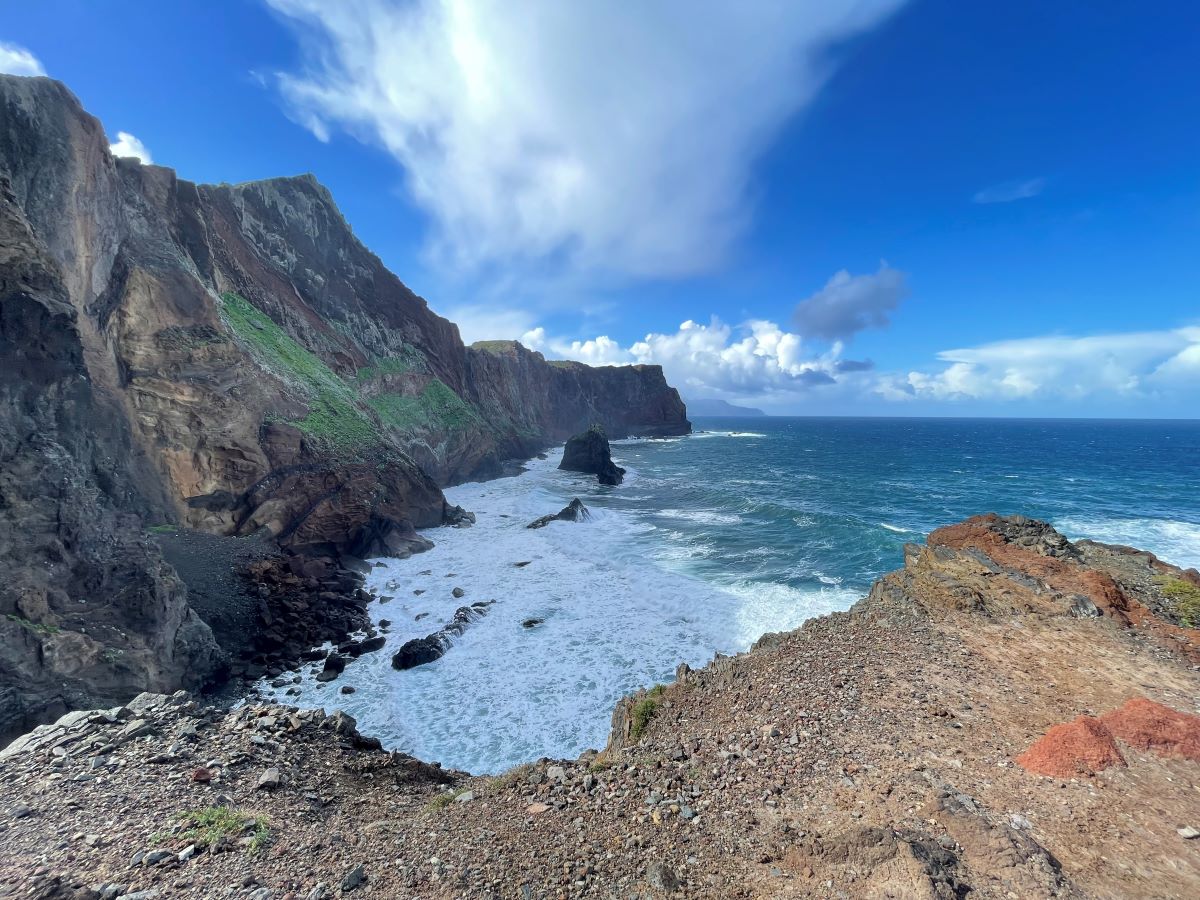
The area of Madeira is only 741 km2, and the island has approximately the following dimensions:
- Length of Madeira Island: about 57 km;
- Width of Madeira Island: about 27 km at its widest point;
- Length of Madeira Island along the coast: 183 km (if you go around the island in a circle).
Google says that this distance can be covered in 3 hours and 53 minutes. And I really believe it, because there are tunnels dug around the circumference of the island, from which you can hardly leave at times. But the road through the serpentines and mountains will take much longer.
Landscapes of Madeira
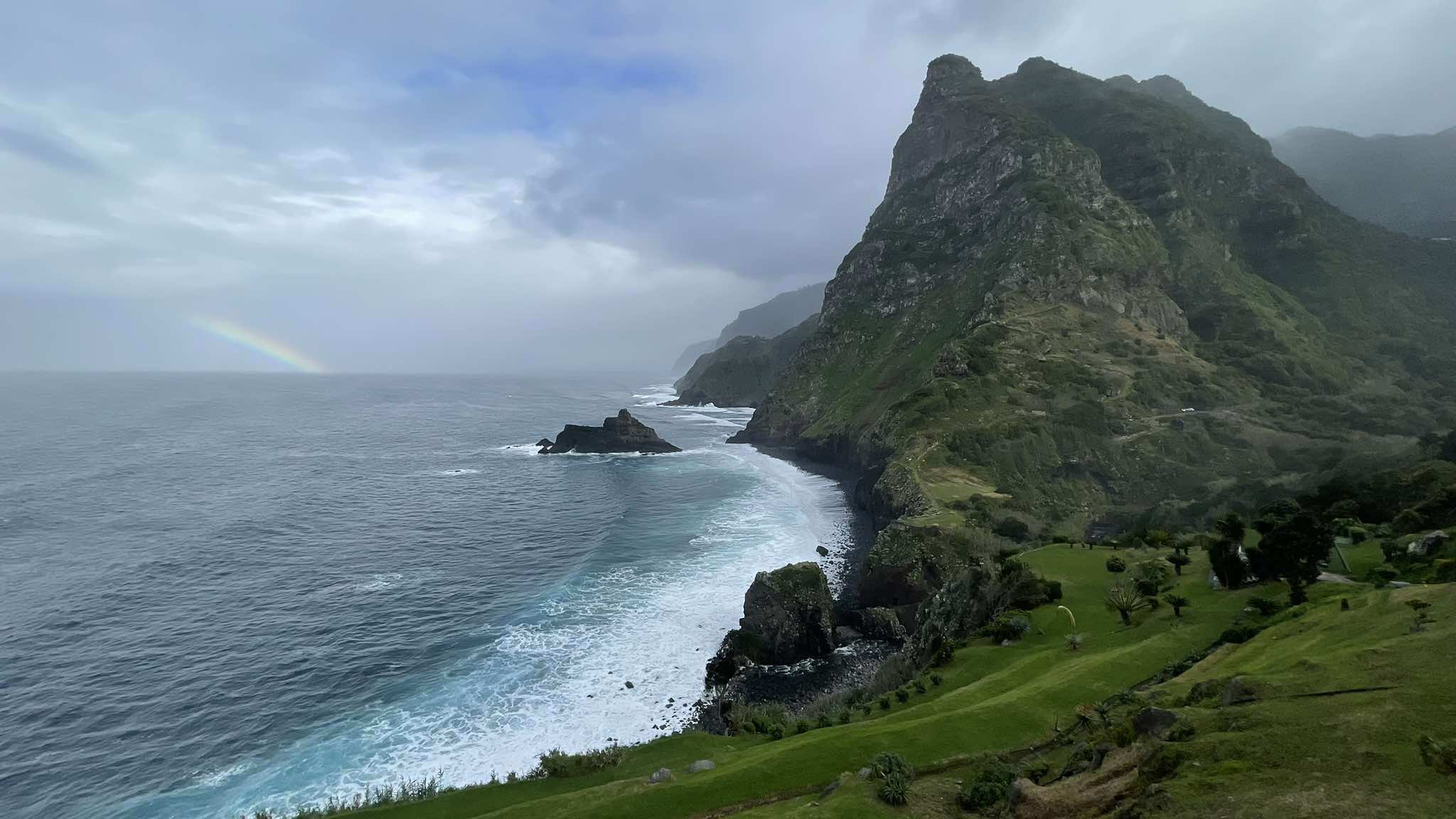
The island has a very mountainous and rocky landscape, because Madeira is an island of volcanic origin. In terms of steepness of climbs, this island is still in first place for me out of all the European countries where I have driven a car. Maybe it is similar in comparison with small White Villages in Andalusia, where we rode in a not very powerful car.
The highest point of the island is Pico Ruivo, 1862 meters above sea level. But it is very easy to climb – there is a parking lot at the foot, which we arrived at by car and there was about 300 meters of walking.
The island is very green at any time of the year. The vegetation is rich and diverse in species composition. In general, it feels like you are traveling through a large botanical garden!
A famous ancient forest grows in Madeira Laurissilva Forest (in the translation “Laurel Forest”). This forest was declared a UNESCO World Heritage Site in 1999. Laurisilva is also preserved in Cape Verde, the Azores and the Canary Islands.
In the south, locals grow bananas on the slopes of the mountains, and in the north, vineyards.
Language
The native language of the island’s inhabitants is Portuguese. English is spoken in all tourist areas.
Safety
Madeira has a low crime rate. Madeira is considered one of the safest places in the world for tourists. At least I found it safer in Madeira than mainland Portugal, which is still very safe and I have walked long distances there alone many times.
Infrastructure
The island has a very developed infrastructure. Lots of hotels, houses, apartments for every taste and in different places. Good roads, even those built long ago in the mountains. Many tunnels have been laid through the mountains, which speeds up movement from point “A” to point “B”. All roads and tunnels are free. Public transport runs throughout the island.
There is public transport to almost every viewing platform. Or if there is none, there is a parking lot – you can get there by car!
Driving is safe – the only thing you need to adapt to is the short entry lane (or none at all) to the expressway. You have to stop, let cars pass, and then start off sharply to fit into the stream of cars traveling at a speed of 90 km per hour.
Food and dishes worth trying in Madeira

Bolo do Caco: A round sweet potato bread, usually cooked on traditional stone stoves. Bolo do Caco is usually served with garlic butter, another classic Madeira dish. Locals eat it for breakfast, lunch and as a side dish. We were often served this bread as a snack while we waited for the main course to be prepared.
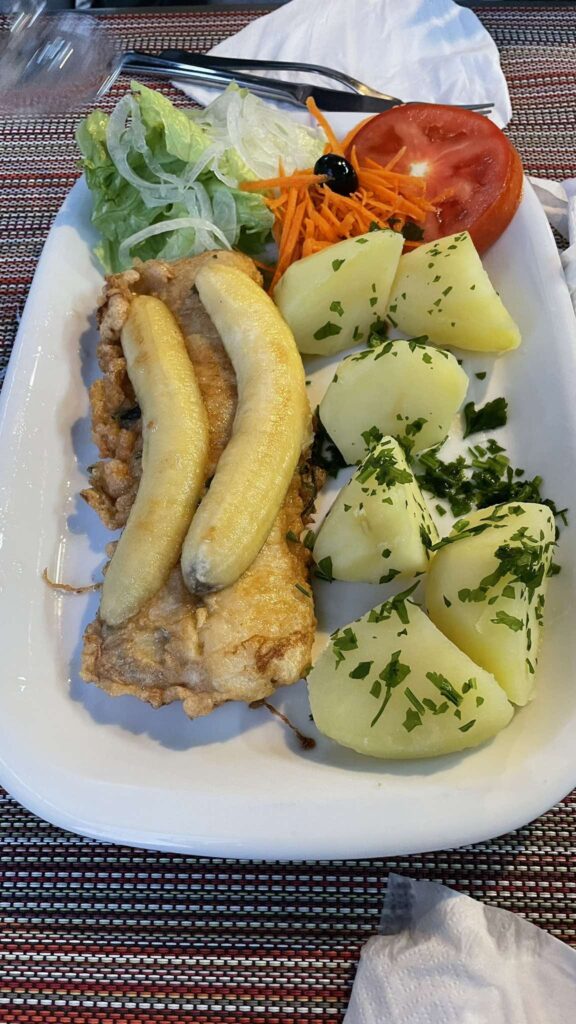
Peixe-espada com banana: Translated as swordfish with banana, this is a local specialty that combines freshly caught swordfish with fried banana. This strange dish probably wouldn’t exist if Madeira didn’t have an abundance of fish and bananas. But what’s even stranger is that the two ingredients go together quite well. This is one of those dishes that you have to try at least once.
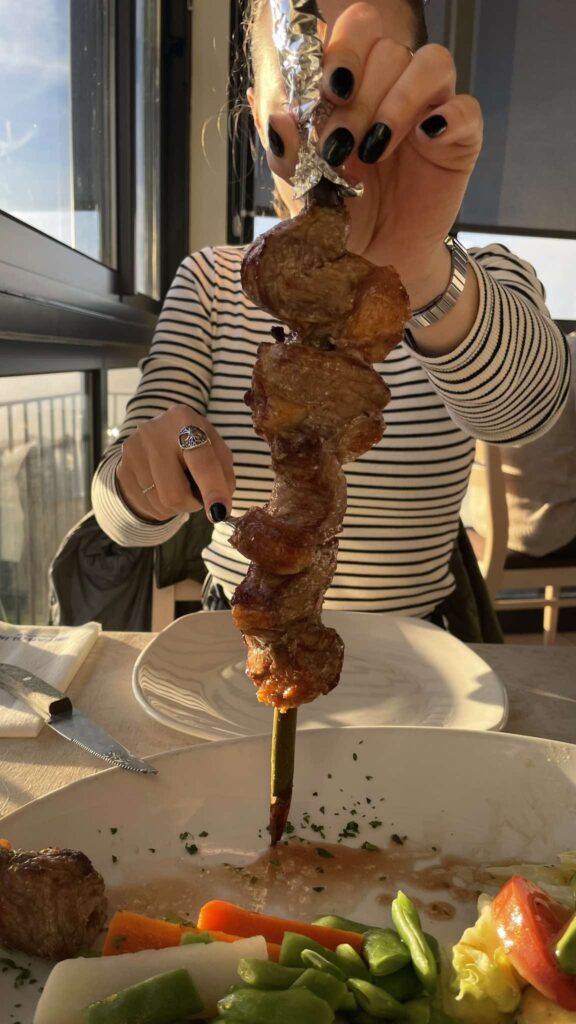
Espetada: Espetada is marinated beef, cut into pieces and grilled on skewers. This is a very juicy beef skewer that is an integral part of Madeiran tradition. It is served suspended by a skewer from an iron structure that I have never seen outside the island, and that is what gives it its unique appeal.
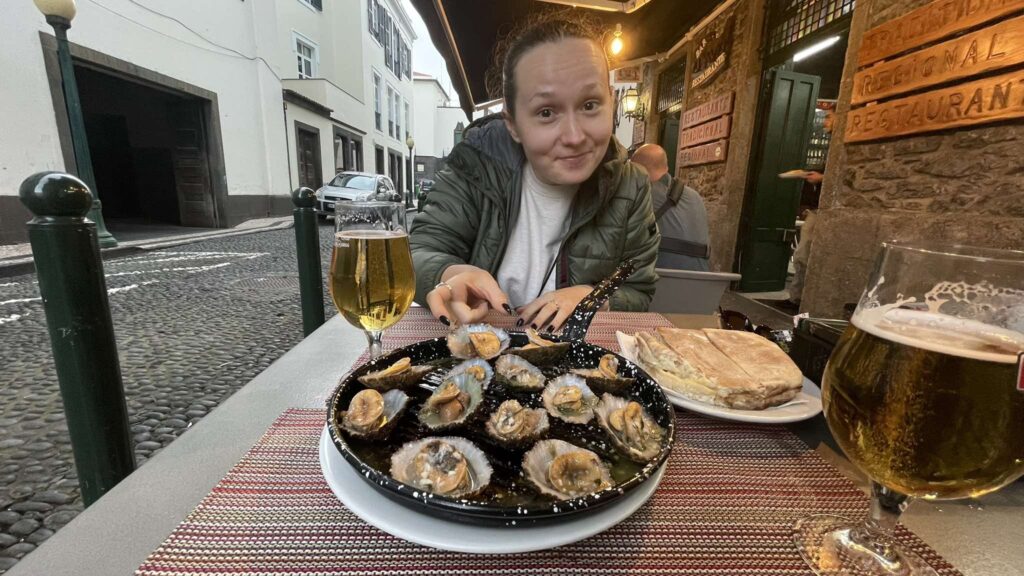
Lapas: Limpet mussels are very common in Madeira, and locals have been eating them baked with a salty butter sauce for generations. The perfect midday snack (especially when served with Bolo do Caco), they are so delicious that they are addictive. The taste is a cross between mussels and baked oysters.
Milho Frito: Another amazing side dish from Madeira is fried cubes of corn with a crispy crust and a soft interior.
Octopus – It is prepared in different countries. In Portugal, octopus is served with boiled or baked potatoes. Very tasty.

Local drinks
Ponha: Ponha is the number one alcoholic drink in Madeira, made with aguardente de cana (an alcoholic drink similar to rum) and fruit juice. Traditionally, the fruit in Ponha was lemon, but now you can find Ponha in any fruit flavor. Ponha is so sweet that it doesn’t taste like alcohol, so please drink consciously.
Nikita: Named after the Elton John song of the same name, Nikita is a cocktail drink from Madeira that consists of beer, pilsner/white wine, and – believe it or not – coconut ice cream.
The best time to visit Madeira
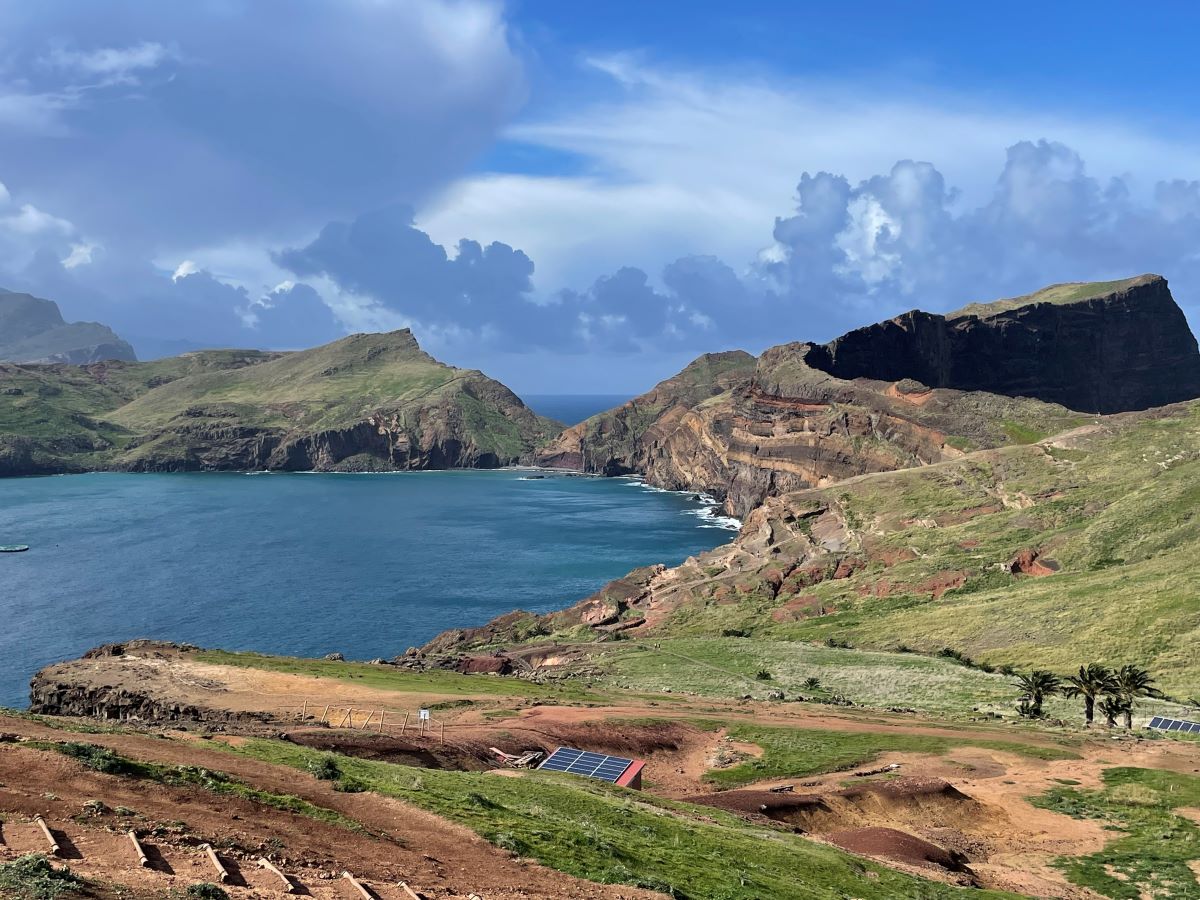
Madeira’s charm is that it is one of the best holiday destinations in the world.
Madeira is nicknamed the “Island of Eternal Spring” for good reason, as temperatures range between 18-27℃ year-round. However, it can be much cooler in the mountains, making it ideal for hiking.
When planning a trip to Madeira, bring an umbrella and, ideally, a raincoat, as the weather can be unpredictable at times. Part of the fun of exploring this small island is that one minute you can be walking in pouring rain, and the next you can be swimming in the warm ocean under clear blue skies.
Most of the island’s activities, including outdoor activities and swimming, can be enjoyed year-round. Wind and storms can ruin your diving or boat trip to uninhabited islands. But other interesting activities – hiking, walks through towns, Funchal and the levadas, and even beaches and swimming in ocean pools – are possible to visit even in winter.
Seasonal weather in Madeira:
- In general, April to October is the perfect time to visit, with guaranteed sunny weather.
- Since the weather is good all year round, the crowds in Madeira don’t vary much from month to month or season to season. So, it’s almost impossible to completely escape other tourists or crowds. But there weren’t many people in late January.
- For those on a budget, it’s best to avoid traveling to Madeira in July and August, as these are the busiest months. During this time, nice hotels are more likely to be booked and prices tend to skyrocket.
- The weather is great throughout late spring, summer, and early fall, so there’s no need to come during peak season if you can avoid it. Even winter is better than the peak summer months in my opinion.
- Be prepared for unpredictable weather: it’s not uncommon to experience completely different weather conditions on the same day. It can be sunny and warm in the morning, and then raining and windy in the evening.
- In the colder months – from late October to early April – there are often short but regular rains. It won’t rain all the time and it’s unlikely to ruin your vacation, but rain during this period is a common occurrence. We were on the island from January 22 to 28 – we got rained on twice. But if you look at the forecast for different parts of the island, you can easily avoid bad weather.
- I advise you to check the weather on the website IPMA-Мадейра.
Visiting Madeira in winter and during the winter holidays
If money is not an issue for you, you can go to Madeira in December – during Christmas and New Year. The New Year celebrations on the main island are especially attractive, and the fireworks here are truly world-class.
And at the end of winter here (as in other places in Europe) they hold Carnival. It is also interesting in Madeira (better than on the mainland – we saw the carnival in Nazaré, very fun, but a bit designed for locals). So if you want to take part in the fun celebration – plan Madeira, following the dates of the carnival (every year different, but in the range from mid-February to mid-March).
Another thing that makes it incredibly worth visiting Madeira during this period is the weather. When you come from a cold place, it is a wonderful feeling to come to Madeira in winter and walk around in just a T-shirt and shorts.
Enjoying winter swimming in the ocean is also possible in Madeira. We swam in the ocean on January 25, even in the north of the island. The water and air were warm. Rains on the island are short-lived, and in sunny weather, relaxation is simply perfect.
I recommend you to read: Madeira in winter
Clothing for Madeira
I flew to Madeira in January with a small carry-on bag – a backpack measuring 40x30x25. Plus, I had a belt bag on me, which I hid under my jacket. What exactly did I need on the island for hiking, relaxing at sea, and traveling by car?
The most necessary things are extra shoes and a compact raincoat. I took extra sneakers with a good non-slip tread. The raincoat is very small and fits in my pocket. I needed all this for hiking and walking along the levadas, where it is often quite wet due to fog and waterfalls.
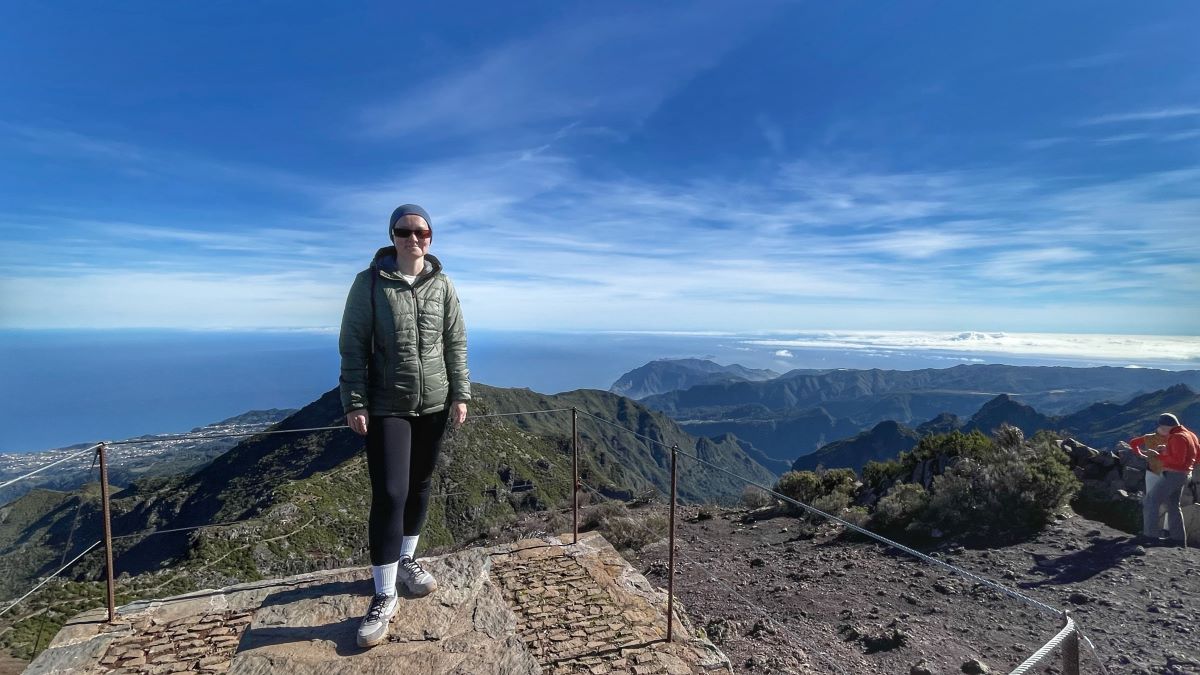
The most demanding route in terms of clothing and shoes, in my opinion, is PR1 Pico do Areeiro – Pico Ruivo. Different sections of this route can have different temperatures: normal where there are no gusts of wind, even hot in closed areas, and sometimes cold where it is very windy.
Also, although the route is very civilized (with a paved path and fences), it has many climbs and descents. Personally, I walked it in sneakers, which I walked on the Camino de Santiago. Some advise going here in trekking boots – you can fly in them so that they do not take up space in your hand luggage, if you are planning a trip to Madeira in spring, autumn and winter.
Waterproof shoes and clothes
While walking the levadas and other routes, it can rain. Therefore, if the weather is cloudy, it is better to walk them in waterproof clothing (preferably shoes, but a change of sneakers solves the problem – you can dry everything). When we walked the PR8 route – along Cape Lorenzo, it was sunny all the time. But at the end, when we almost reached the end, it suddenly started to rain and the trail immediately got wet and became very slippery. This is a problem on this route, as there are many areas that are covered with clay.
Raincoats on the levadas are a must. And if it is frankly hot and sunny outside, regular sneakers will be enough for most routes. Although light trekking shoes will not hurt (if you have them). On the levadas, small waterfalls sometimes fall from the mountains onto the road, and you will have to walk under them. It is quite slippery there – keep that in mind.
Based on this, I recommend bringing the following clothes and shoes with you (this is the minimum necessary for winter):
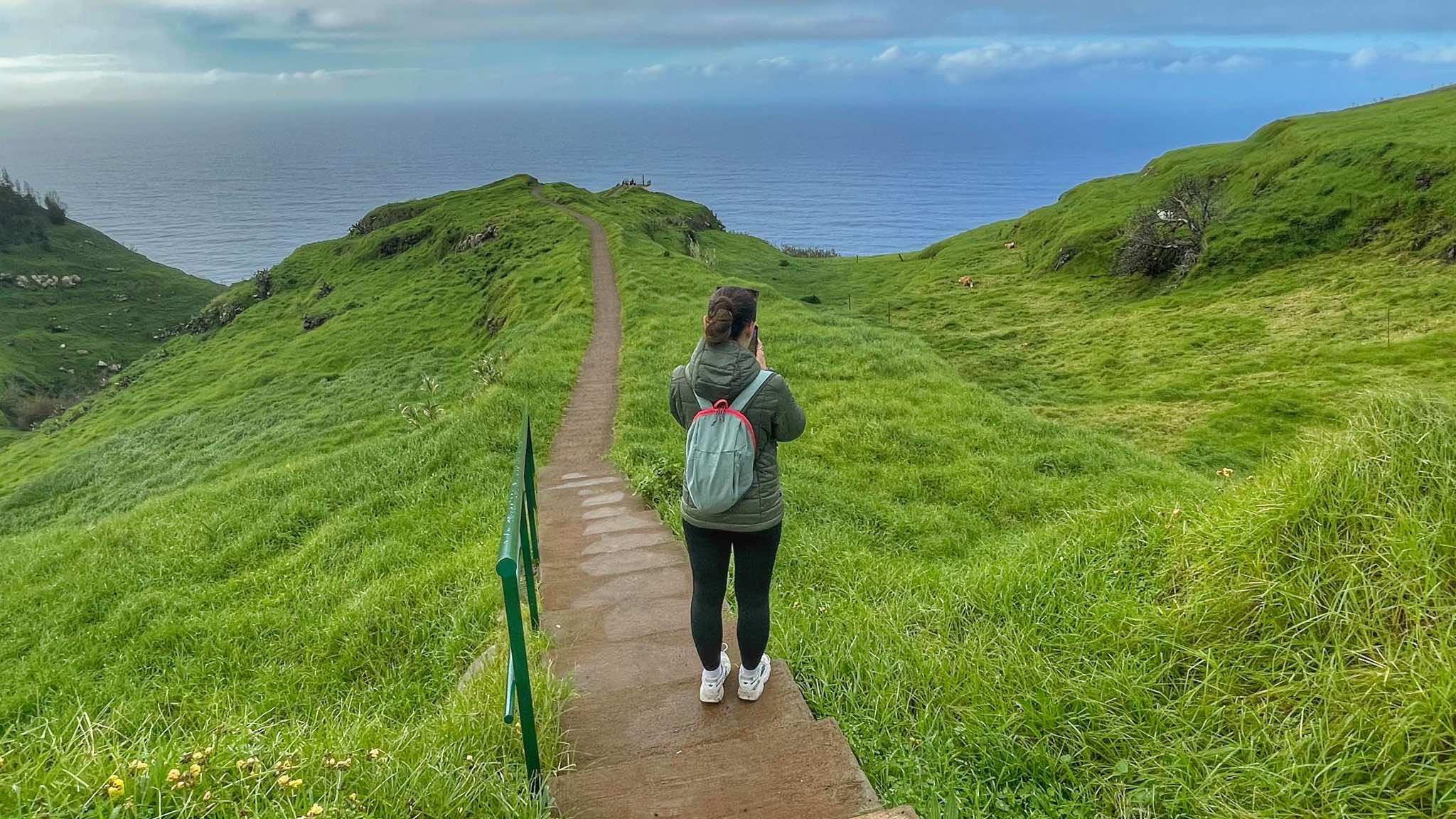
- Extra shoes – in my case, it was sneakers with good tread, which I constantly carried in the car and changed shoes before starting hiking if necessary. In cities and other points, I wore regular sneakers, which I flew to Madeira in.
- A raincoat, which I wore in the rain, or fog, or on levadas.
- Even in winter, you need sunscreen and a cap.
- Comfortable clothes for warm and cool weather. This time I wore a hoodie, my daughter wore a fleece. The main thing is that the clothes dry quickly. We flew in like this, were able to wash them in one of the apartments where we lived (there was also a dryer there – which is really great, because the next morning we were already leaving for another apartment).
- A swimsuit, shorts, flip-flops, a towel – we used all of this, because even in January you can swim in the ocean if you want (the water was +19 degrees, the air is the same).
- Three T-shirts – one of them with long sleeves. I changed them every day, because even in winter you sweat. I washed clothes in the apartments, I dried them on the street – they dried in two days without a dryer.
- Additional trekking pants and leggings – I walked in the mountains in pants, in leggings through cities, including.
- I also took a down vest, which folds into a small bag, takes up almost no space. It is very convenient to wear under a jacket when you fly from a winter country to a warmer one.
Tip: If you are flying to Madeira in winter or autumn, dress like a cabbage, so that you can take off or put on extra layers of clothing. Then you will be ready for any weather and any routes. And no random rain or wind will be able to spoil your mood and pleasure from the walk.
How many days are enough to travel to Madeira?

When I first started preparing for the trip, it seemed to me that a maximum of 5 days would be enough for such a small island. But I still decided to set aside a full 7 days for the trip. And now I understand that they were a bit too short for me. In my opinion, going to Madeira for 10 days is ideal
The island is really small, but it has a huge concentration of interesting locations and hiking routes. There are so many beautiful, fascinating places and routes on the island that even two weeks may not be enough to see them all. And it is much more pleasant to enjoy this island without rushing, relaxing and unwinding in the places you like. Moreover, this is not an island where every day of stay will cost a lot.
Therefore, 4-5 days in Madeira is not enough. I recommend going there for at least 10 days or more.
Madeira by car – car rental and driving nuances you need to know
What to do in Madeira in 10 days:

- Walk the levadas – in 7 days we managed to walk two routes and to be honest, this was not enough for me. This is a very interesting and beautiful hiking along the canals – you will not see this anywhere else than in Madeira. So plan to walk at least 3-4 of the most beautiful levadas. To do this, you need to allocate half a day for each – you can mix it with additional viewing platforms and some other locations along the way
- To see Porto Moniz and São Vicente and their surroundings (Fanal Forest, Ribeira da Janela Rock, Seixal) – you need 1 more day.
- To see the Valley of the Nuns (Curral das Freiras) and its surroundings, or to climb Pico do Arieiro together, plus 1 more day.
- To relax at least one day on the beach – plus 1 more day.
- To walk the PR8 route – along Cape São Lorenzo – 1 day.
- Santana and surroundings – to follow the route to Pico do Ruivo – 1 day.
- If the PR1 route opens, which was closed in the winter of 2025 due to fires, then it will take another day.
- To just ride around the island, visit various viewpoints, visit the town of Câmara de Lobos, where Winston Churchill lived, visit the Cascata dos Anjos waterfall – plus 1 more day.
- To see Funchal – 1 more day.
Total: 10 days and this is the minimum program
To be honest, we packed it all into 6 days (1 day was taken away by a storm and landing in Tenerife instead of Madeira – I mentioned this above). And I can say that these days were so busy that we were just falling off our feet from fatigue!
Somehow I managed to cover about 500 km on such a small island – because I wanted to catch everything, and because we constantly changed plans based on the weather in different parts of the island.
We managed because I am an experienced traveler plus I have been driving for a long time. Will you see the same things that we saw, will it be comfortable for you to drive a car on serpentines, and in general – whether you will rent a car, depends on what you will have time to see.
Where to stay in Madeira – the best cities to base yourself

Where to stay during your visit to Madeira depends on how long you plan to spend there and what you plan to do on the islands. If you are going to be in Madeira for less than 4 days, it makes sense to stay in the capital Funchal for the entire time, as it is located in the center of the island. There is a lot of interesting things to see and do here, and it is also the easiest way to get to the neighboring locations that you can manage in such a short time.
However, if you are going to stay here for 5 days or more, it is better to choose several bases so that you can see and do as much as possible without having to constantly travel to and from Funchal. Although this is also possible, as the island is small and you can plan to explore different parts on different days.
Hotels and apartments in Funchal:
- Sea Shell≫ – Apartment in Funchal in a great location with a nice view of the ocean from the balcony. There are some good restaurants nearby and a shopping mall within walking distance. It was good value for money. Free parking available.
- Social Lodge – Happiness≫ – The accommodation is in a very convenient location, next to a shopping center with everything you need. The bus stop, which you can take from the airport or back, is right across the street. The room is clean, the beds are comfortable.
- Theos Apartment by LovelyStay≫ – Great location. Near the transport stop, shopping center across the street. The apartment has a large living room and a small bedroom with a comfortable bed. Kitchen with everything you need. Bathroom with bidet and all toiletries. Balcony with ocean view. There is a private parking under the house.
Hotels in Santana:
If you have a lot of time to explore the island, I recommend spending a few days in the north of the island. This will make it easier to explore this part of the island. There is a fairly large city – Santana, from which buses go to different parts of the island.
- Casas de Campo do Pomar B&B – Self Check-in≫ – We stayed in this wonderful bungalow complex, located on one of the picturesque slopes of Santana. The room has its own terrace and kitchen, the price includes a hearty breakfast. There is a parking space at the entrance to the complex. Very nice and clean.
- Casa do Ribeiro Frio≫ – Very nice guesthouse, with cleanliness, the smell of fresh linen, a perfect kitchen and a comfortable lounge. There is an observation deck 15 minutes from the hotel, the view is simply incredible.
- Green Valley Cruzinhas House with Fireplace & BBQ – incredible house overlooking the valley, the terrace offers a stunning view of the mountains and forests. The two-bedroom apartment has a kitchen and all the necessary appliances, a washing machine and a barbecue.
Porto Santo hotels:
Also, if you plan to spend some time (1-2 days) on the neighboring island of Porto Santo, it is better to stay there at least one night.
- Charming Beach Villa Porto Santo≫ – Large apartment in excellent condition. Clean and equipped. 10 minutes walk from the center and not far from the beach (by stairs).
- Sotavento Guest House≫ – The location is fantastic, less than 100 meters from the beach and waves, less than 100 meters from a great supermarket and right in the center of the main town. The penthouse apartment has a stunning 30+ meter long balcony facing south with great views of the sea and mountains. The apartment contains everything you need for cooking, sleeping and doing laundry.
I recommend you to read: Where to stay in Madeira
How to get around Madeira
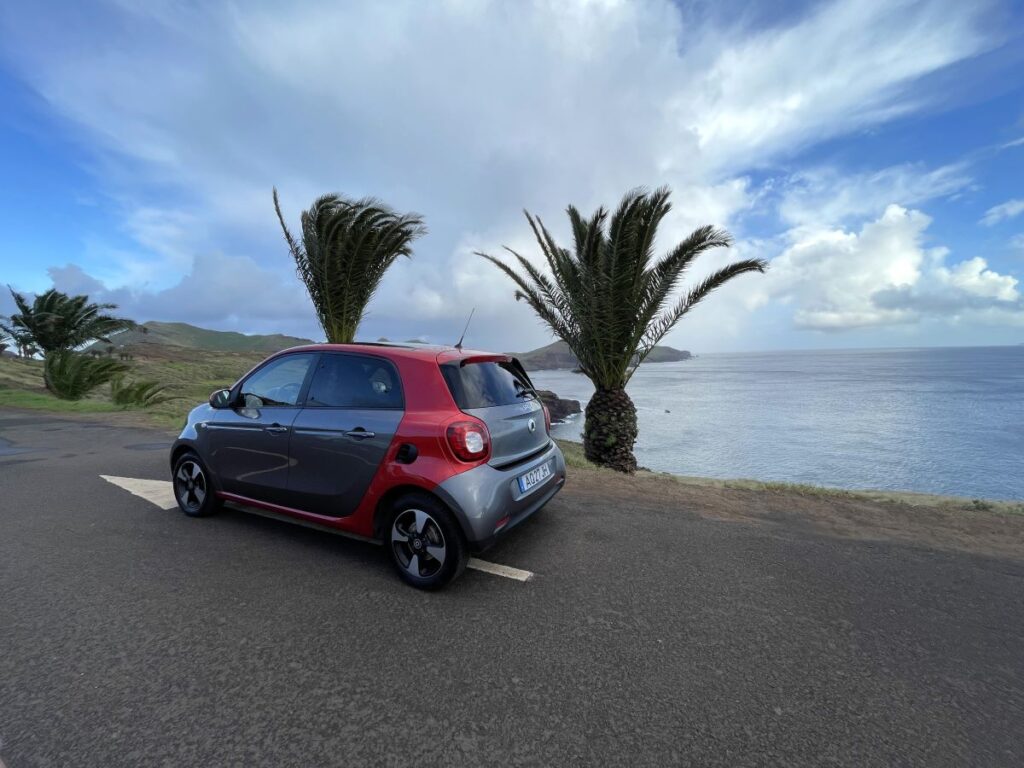
The best way to get around Madeira is by car. Most tourists who visit the island rent a car, and I recommend doing the same (if you have a driver’s license – Ukrainian plastic is enough). Renting a car is a convenient option for travelers anywhere, but in Madeira it’s different: it’s more than an option, it’s practically a requirement.
Fortunately, the island has a lot of car rental companies, some of which are located right at the airport.
The best way to find a suitable car is on DiscoverCars – here is a large selection of rental companies, you can read reviews and compare conditions and prices.
Features of booking a car in Madeira:
Very high deposits – from 1100 euros. Therefore, most often everyone pays additionally for insurance with zero deductible and zero deposit. There, the insurance came out to 105 euros per week, plus car rental – 215 euros per week.
In 6 days we managed to drive 500 km on such a small island – and I spent about 65 euros on gasoline.
Be sure to rent a car with an automatic transmission. The roads here are very steep and winding – you just get bored of changing gears and you will get tired after the first hour of driving.
Driving in Madeira
The cities and towns on the main island of Madeira are connected by one main road that circles the entire island. This main road is the best alternative to the old city roads, which are steeper and narrower.
Fortunately, the new main road is comparatively safer. It is known for its numerous tunnels that pass through mountains and other natural obstacles, such as gorges – as well as many bridges and flyovers. The main road connects not only the cities and towns of the island, but also the main natural attractions.
Madeiran locals are generally smart drivers due to the unique geography of the island, but they also have a habit of exceeding the speed limit in some areas. They especially do not try to change to the left lane to let those drivers who are coming from the right.
If you are new to driving on the island, I advise you to be careful – even on the main road.
Traveling by public transport
The public transport system in Madeira is a bus system of several companies that run all over the island. However, those who have used them say that it was sometimes difficult to connect different destinations to reach the remote parts of Madeira from Funchal.
It sometimes takes more than two hours to get from the south to the north of the island. While by car the journey can take a maximum of 40 minutes.
However, if necessary, you can use public transport:
- Green buses SAM will help you get to and from the airport, and also serve the eastern and northeastern directions.
- Yellow buses Horarios do Funchal – good for traveling around the main city of Funchal, as well as routes to the center and northeast of the island.
- Red buses Rodoeste – serving the center, west, north and northwest of the island.
- Purple buses Eacl – suitable for moving around the eastern suburbs of Funchal.
Omio — A useful website for checking routes and schedules. Install the app and you can view the schedule and buy tickets online.
SAM і Rodoeste are the two busiest bus companies on the island, and buses are available daily to and from Funchal.
Regular buses usually cost less than €2 per trip, while hop-on-hop-off tourist buses cost an average of €20 to €30.
Where is the easiest place to look for timetables and combinations of different routes?
Google Maps shows the time and place of the stop more or less normally.
Good to know:
All buses in Madeira stop on demand. Inside – you need to press a button, warning the driver. At the stop – raise your hand, having voted.Each bus company has its own stops, even within the same settlement. You can find the one you need by the company logos.
Things to do in Madeira – the most popular places
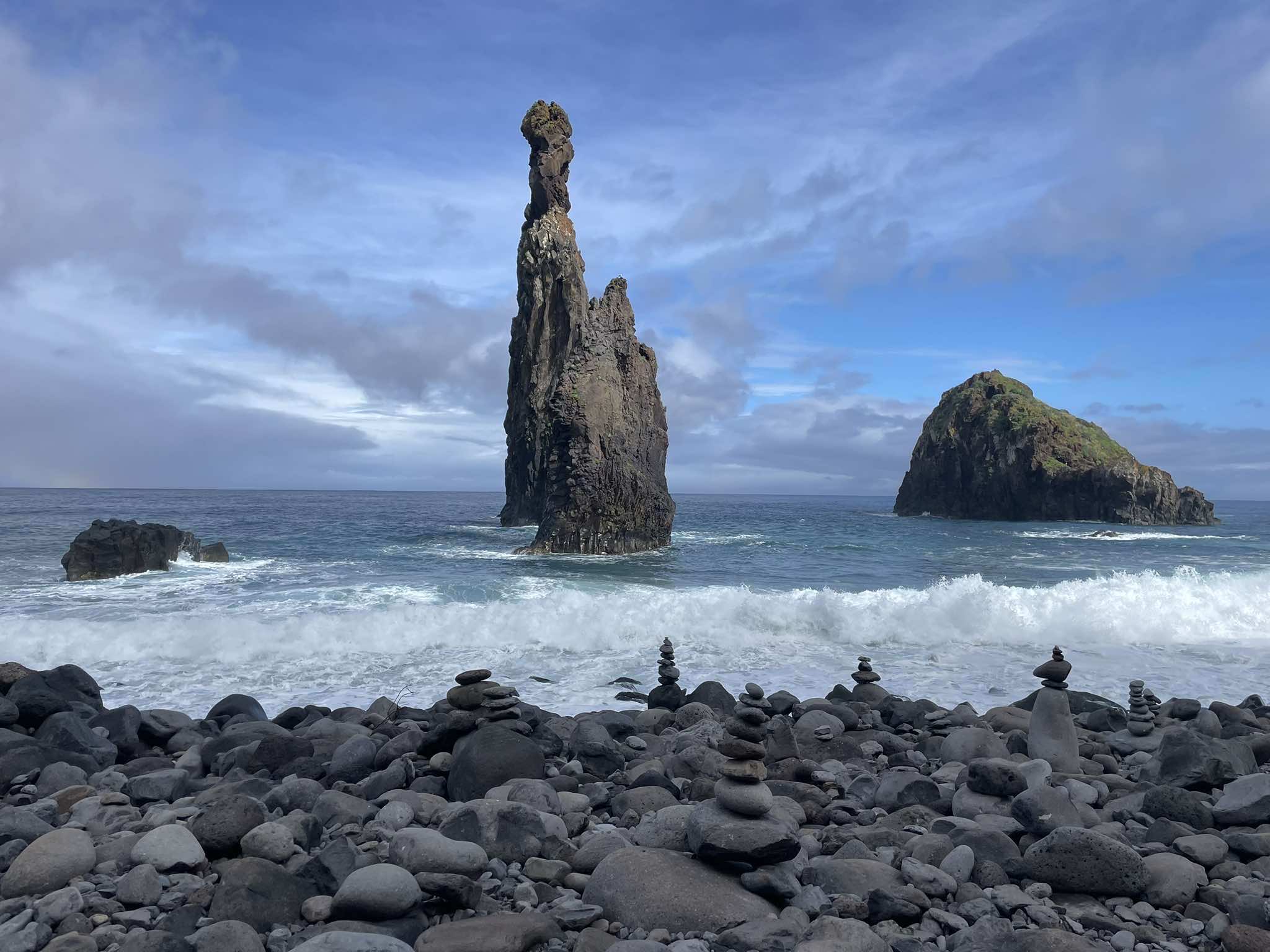
Here I will briefly describe everything that you can see in a week on the island. And then, under the Madeira tag, you can read separate articles with details about routes, interesting cities, and in general what to see on the island.
Madeira is an ideal place for active travel, as it combines incredibly beautiful nature with good infrastructure. Traditional Levadas (a type of irrigation canal that is native to Madeira), incredible hiking in the mountains – you need to go through several mountain routes to enjoy the nature of mountainous Madeira. Or lie on the beach or swim in lava pools, and you can do this all year round.
Madeira differs from the rest of Portugal with its unique climate and flora, but the local culture is undoubtedly Portuguese. Although the cuisine in Madeira is similar to mainland Portugal, it has its own dishes that are unique to this island.
The delicious poncha (a typical alcoholic drink made from agurante de cana and fruit), the quaint houses of Santana and Cristiano Ronaldo (one of the most famous athletes in the world, born on the main island) are some of the other things that Madeira is known for.
The activities suggested below do not cover everything there is to see in Madeira, but they certainly show that there is always something to do in the archipelago.
Your plan for the 10 days on Madeira
- Explore the nature with the PR6 25 Fontes hike and Levada do Risco, some of the easiest hikes on the main island.
- Relax on the beautiful beaches of Seixal and Ribeira Brava.
- Sip a traditional poncho at one of Funchal’s restaurants.
- Try all the local dishes at the local restaurants, including the traditional espetada, milho frito (fried cornmeal), octopus and bolo do caco toasted with garlic.
- Explore the uninhabited tiny archipelagos of Desertas and Selvagens by boat, and spot whales and dolphins along the way.
- Fall in love with the scenery as you hike from Pico do Areiro to Pico Ruivo (the highest point on the main island).
- Swim in the natural pools of Porto Moniz or Seixal.
- Admire the amazing waterfalls along the road from Porto Moniz to São Vicente.
- Discover a fabulous view of the main island from the Funchal-Monte cable car.
- Explore cultural attractions such as the Santana Houses, Porto Moniz Aquarium, Camacha Vine Factory and the CR7 Museum.
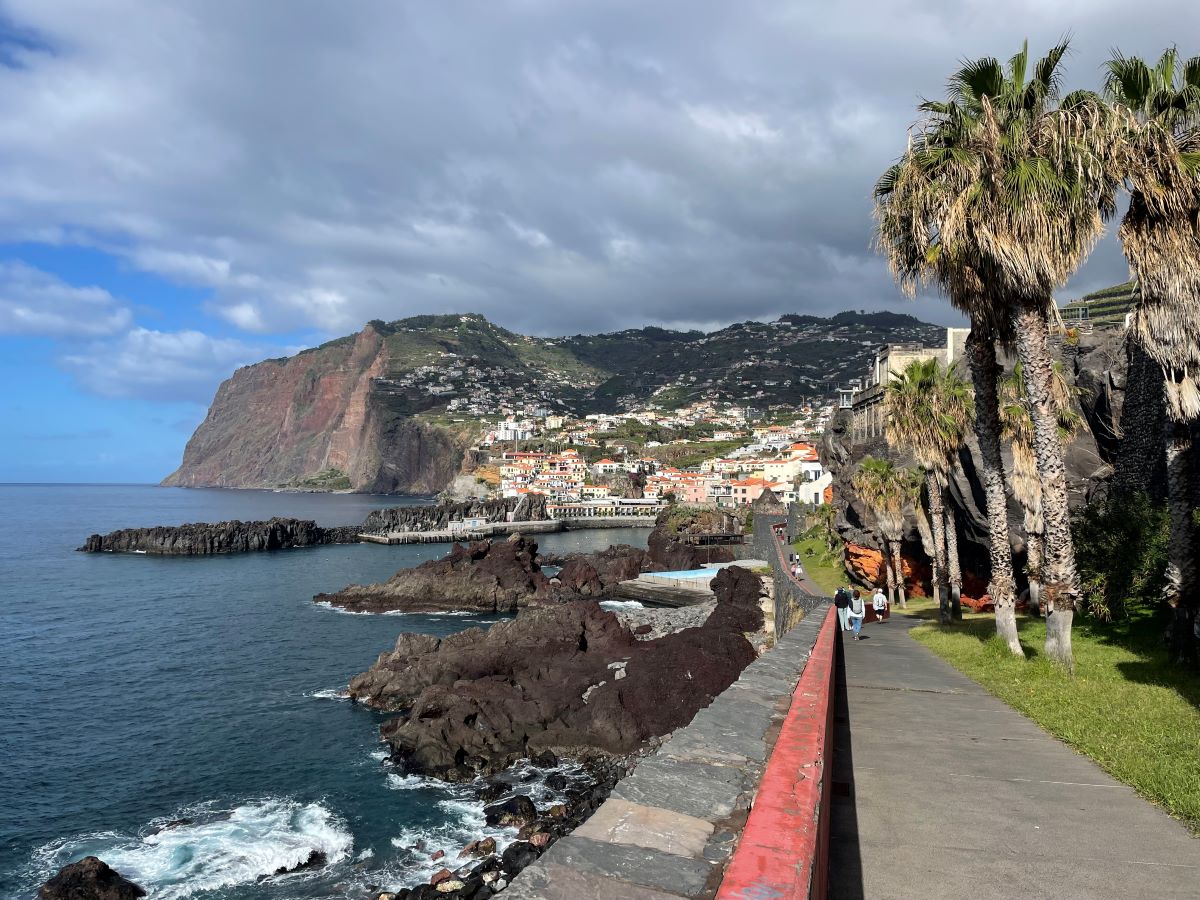
- Visit the Cabo Girão Skywalk, located on one of the highest cliffs in Europe (580 meters high).
- Take a funicular ride to the lost world of Achadas da Cruz – there are no roads here, you can only reach it by cable car.
Best places to visit in Madeira
1. Funchal
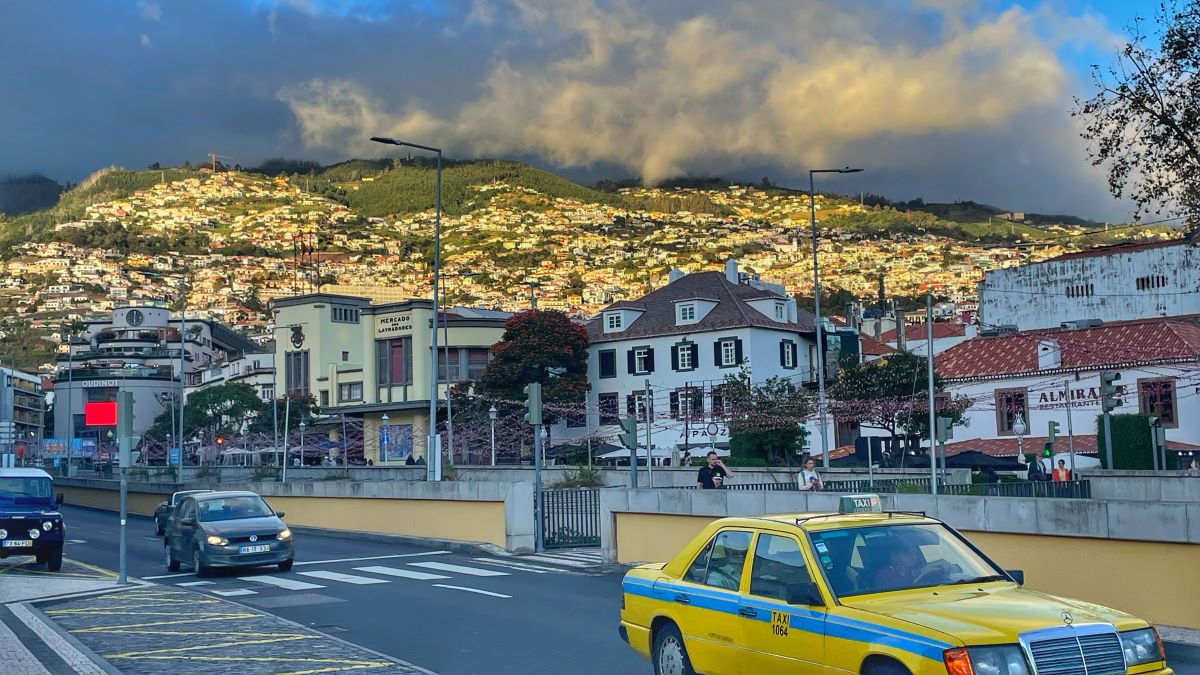
Funchal is the main city in Madeira if you want to have fun, visit many great restaurants and chat with the locals. The trick of the city is that although there are many tourists and hotels here, there are also many locals who dilute the tourist atmosphere with normal modern life.
Located in a natural valley in the southwest of the main island of Madeira, Funchal’s architecture is a mix of modern buildings, beautifully renovated colonial-style mansions and charming old fishermen’s houses, which are frankly barely holding up, although some of them house bars and restaurants.

To see and taste most of the exotic fruits, go to the Funchal market. Although most of them can be bought in small shops, where all this costs much less than in the market (and even than in supermarkets).
Walking or running along the promenade is a special pleasure. Alternatively, you can swim in the ocean, for which Barreirinha beach is a good option. From the Funchal promenade, you can go up on the fascinating Funchal-Monte cable car. Near the upper station of the funicular is the Funchal Botanical Garden, which is impressive with the number of exotic plants.
Interesting street art can be seen throughout Santa Maria Street 3617, in the center of the old part of Funchal.
2. Caniçal and Ponta de São Lourenço
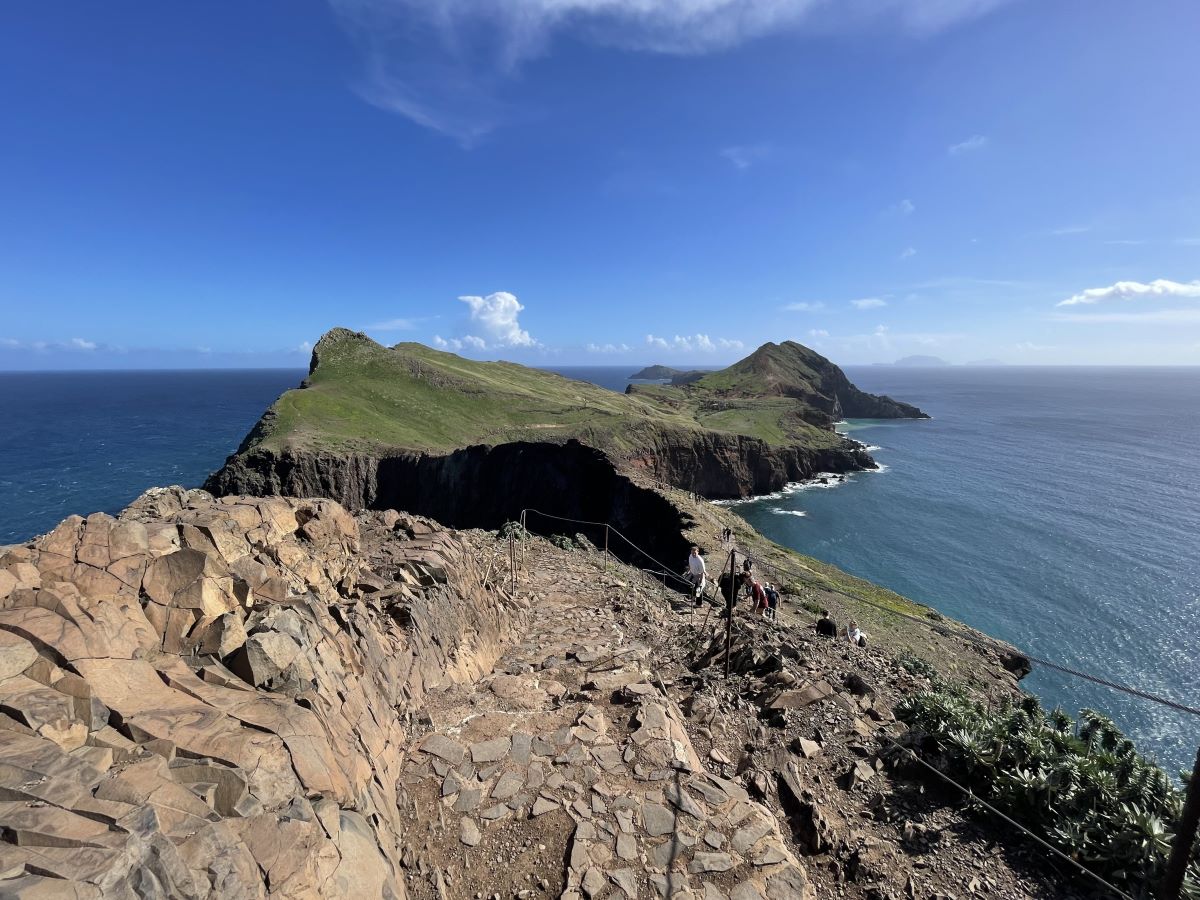
Located half an hour by car from Funchal, Caniçal is a must-see destination in Madeira. A civil parish of the municipality of Machico, Caniçal is located near the westernmost point of the main island of Madeira. Despite being very small with less than 4,000 inhabitants, Caniçal is a tourist destination known for its local cuisine and its fascinating islets on the ocean shore.
The main attractions are located close to each other. These are the Ponta de São Lourenço route, which ends with a huge cliff with stunning views of the ocean, and the Praínha beach (literally meaning “little beach”).
You can also enjoy seafood in Caniçal at the many affordable restaurants.
3. Levadas
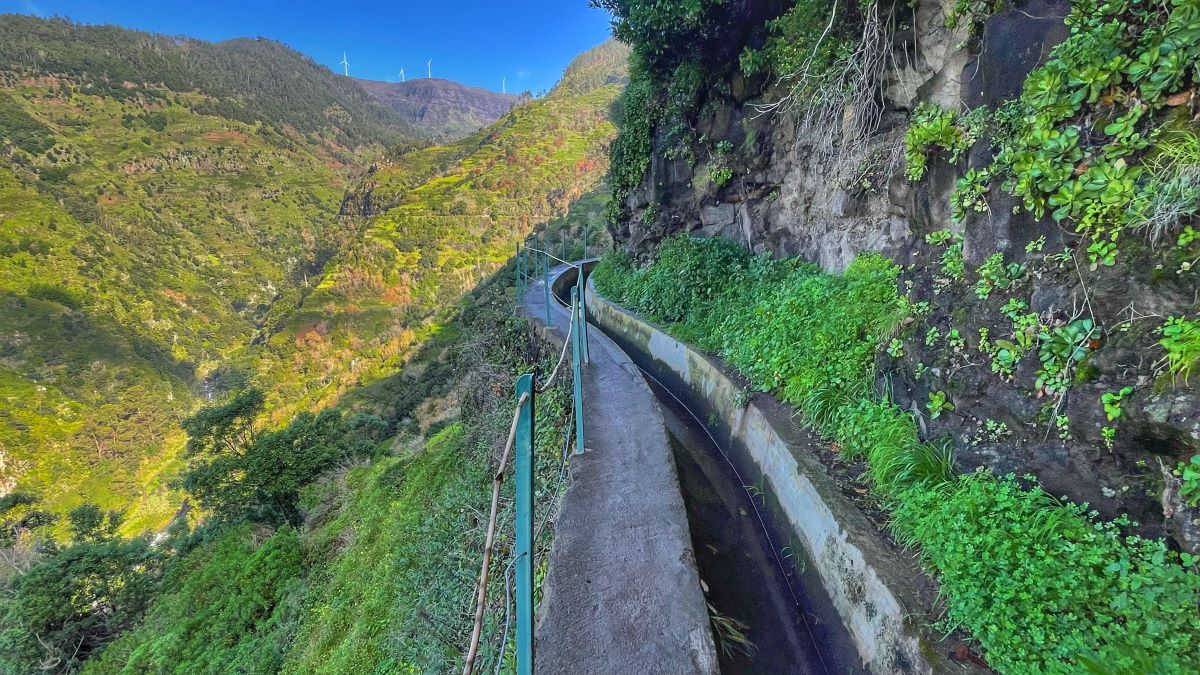
Levada is the name of a type of irrigation canal that is native to Madeira. Levadas were traditionally used to transport water to remote areas of the island. They are now explored by many locals and tourists for hiking.
A levada walk is similar to a regular hike, but it follows narrow paths laid alongside the old irrigation canals mentioned above. There are many accessible experiences on a levada, such as seeing waterfalls – on the PR6 25 Fontes hike and the Levada do Risco or on the Levada Nova. The latter is probably the best – it is not very physically demanding and runs along the side of a mountain and has amazing views and powerful waterfalls.
4. Porto Moniz
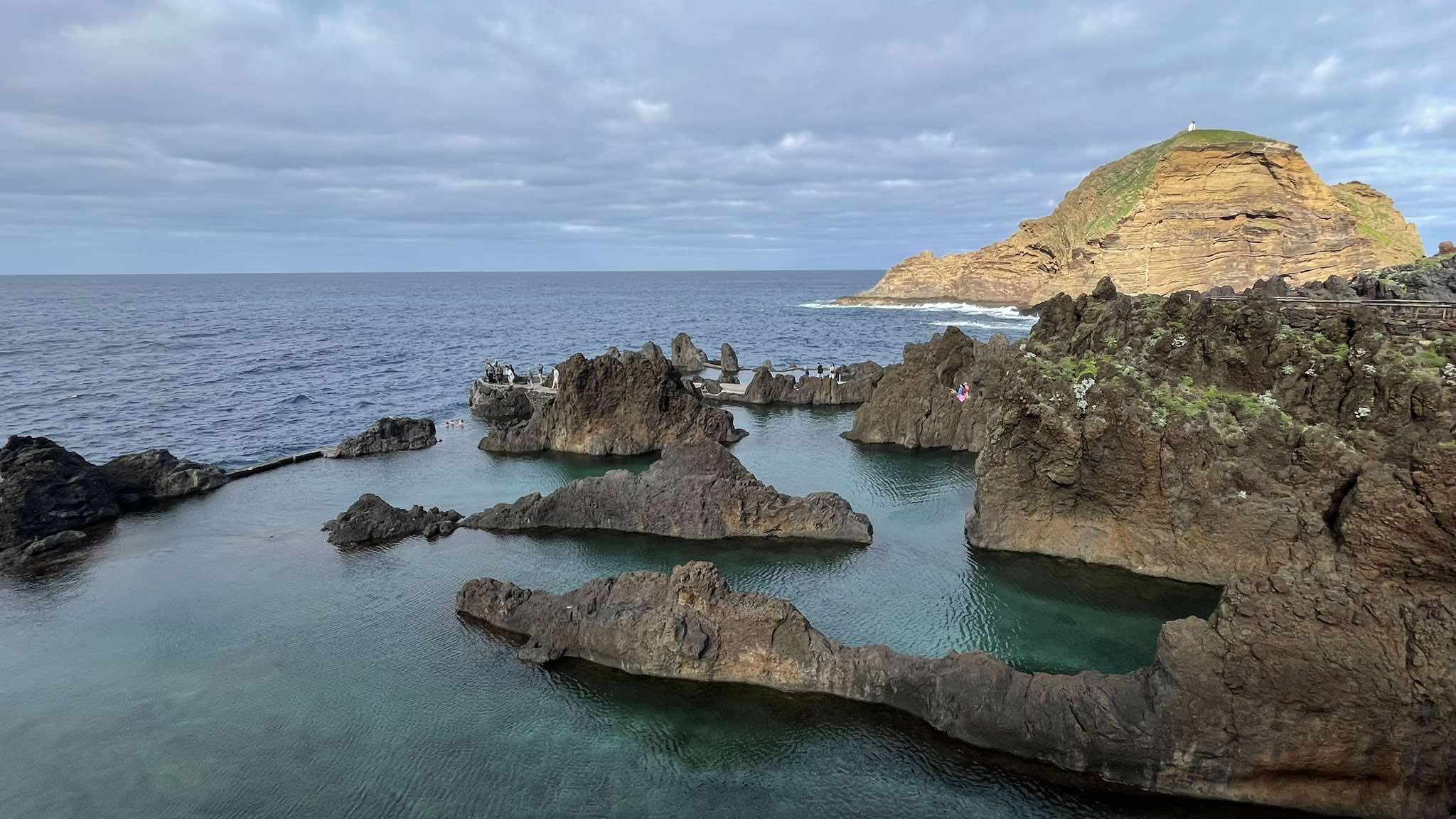
About an hour’s drive from Funchal is Porto Moniz, a charming town in Madeira known for the Porto Moniz Natural Pools, which are arguably the best swimming spot on the main island.
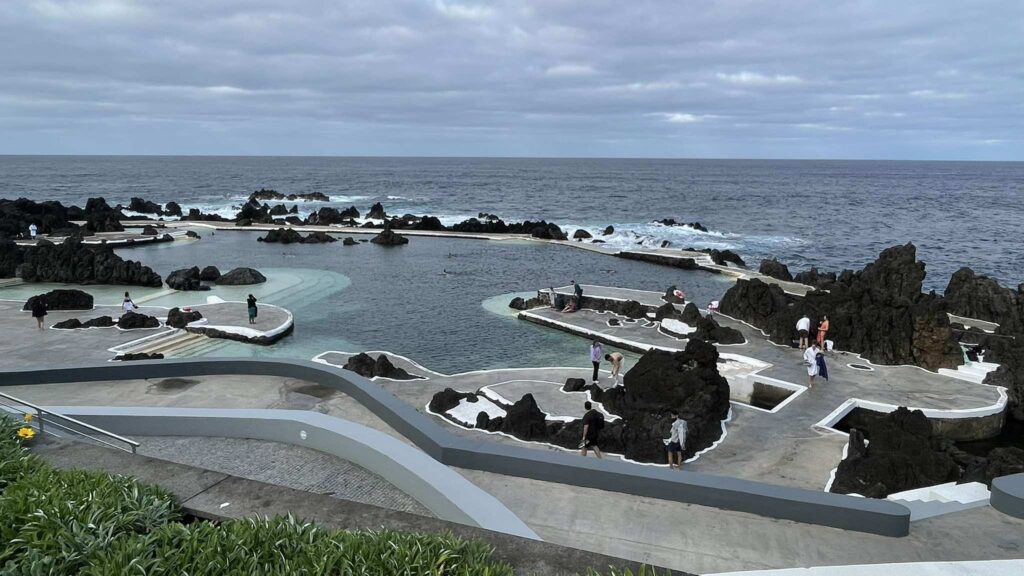
These natural pools have been renovated to make them safer, but they are constantly fed by waves coming directly from the ocean. For this reason, the water is always fresh and clean. There are free pools and paid ones (entry costs only 3 Euros). In the paid ones, the surrounding infrastructure (with bathrooms, showers and food services) is also quite cool.
Porto Moniz is also known for its many local restaurants and the Aquarium, a small but interesting oceanarium. A ticket usually costs around 8 Euros. Outside the coastal area (where you can find the natural pools and the oceanarium), there is not much to see in Porto Moniz.
5. Santana
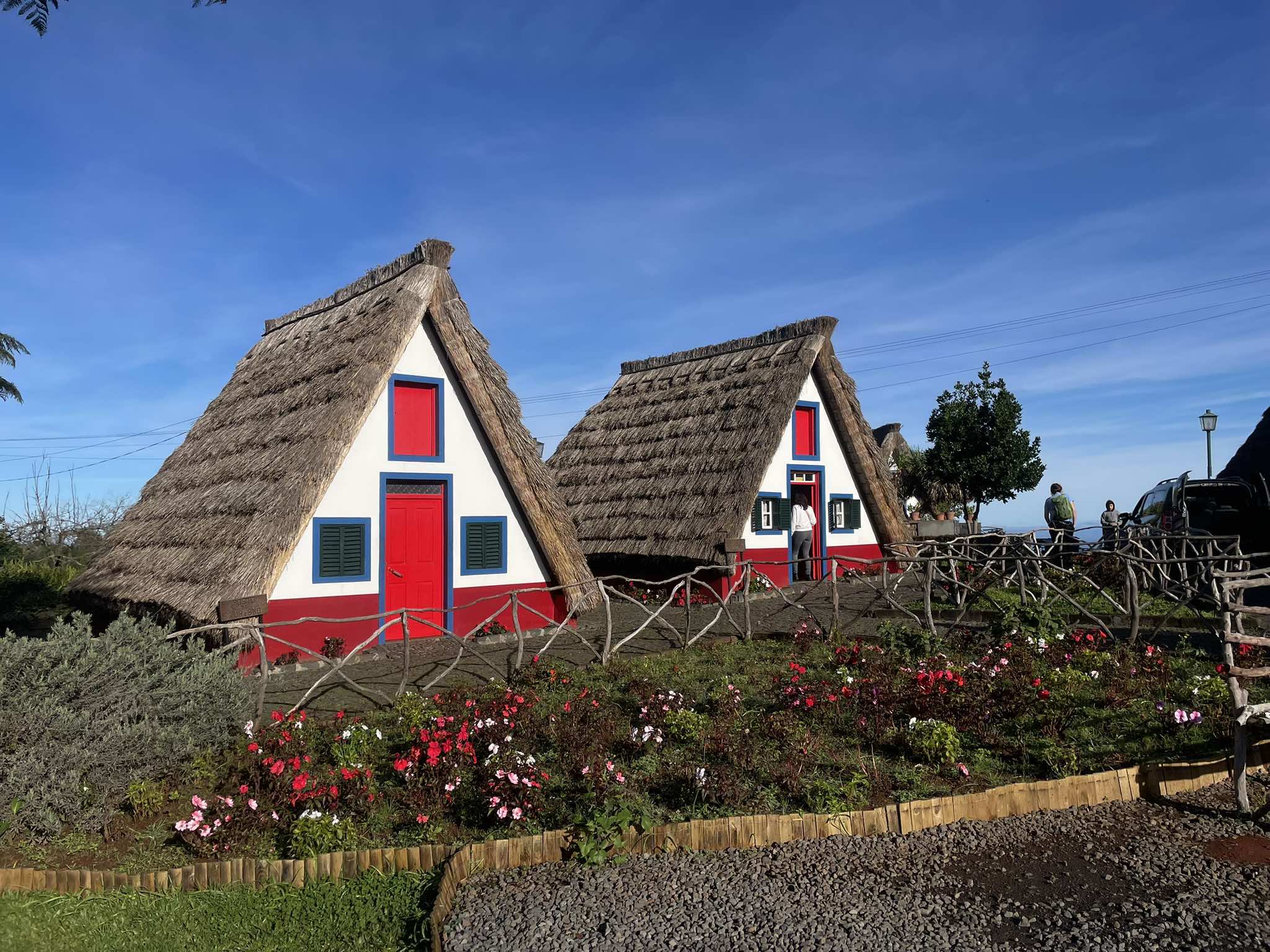
Santana is another fascinating municipality on the main island of Madeira, best known for its typical Madeirense houses. They are one of the most famous tourist attractions in Madeira.
The houses are painted in red and blue, and consist of a triangular structure with a characteristic thatched roof. They can be seen in the town center (free of charge near the town hall), and in the Madeira Theme Park, which fully represents the traditions, history and unique culture of Madeira.

Madeira Theme Park is more of a beautiful garden that functions as a living open-air museum showcasing the best of Madeiran culture, including the aforementioned Santana houses, traditional crafts, local food shops, a playground, a small sheep farm, and a lake.
6. Curral das Freiras
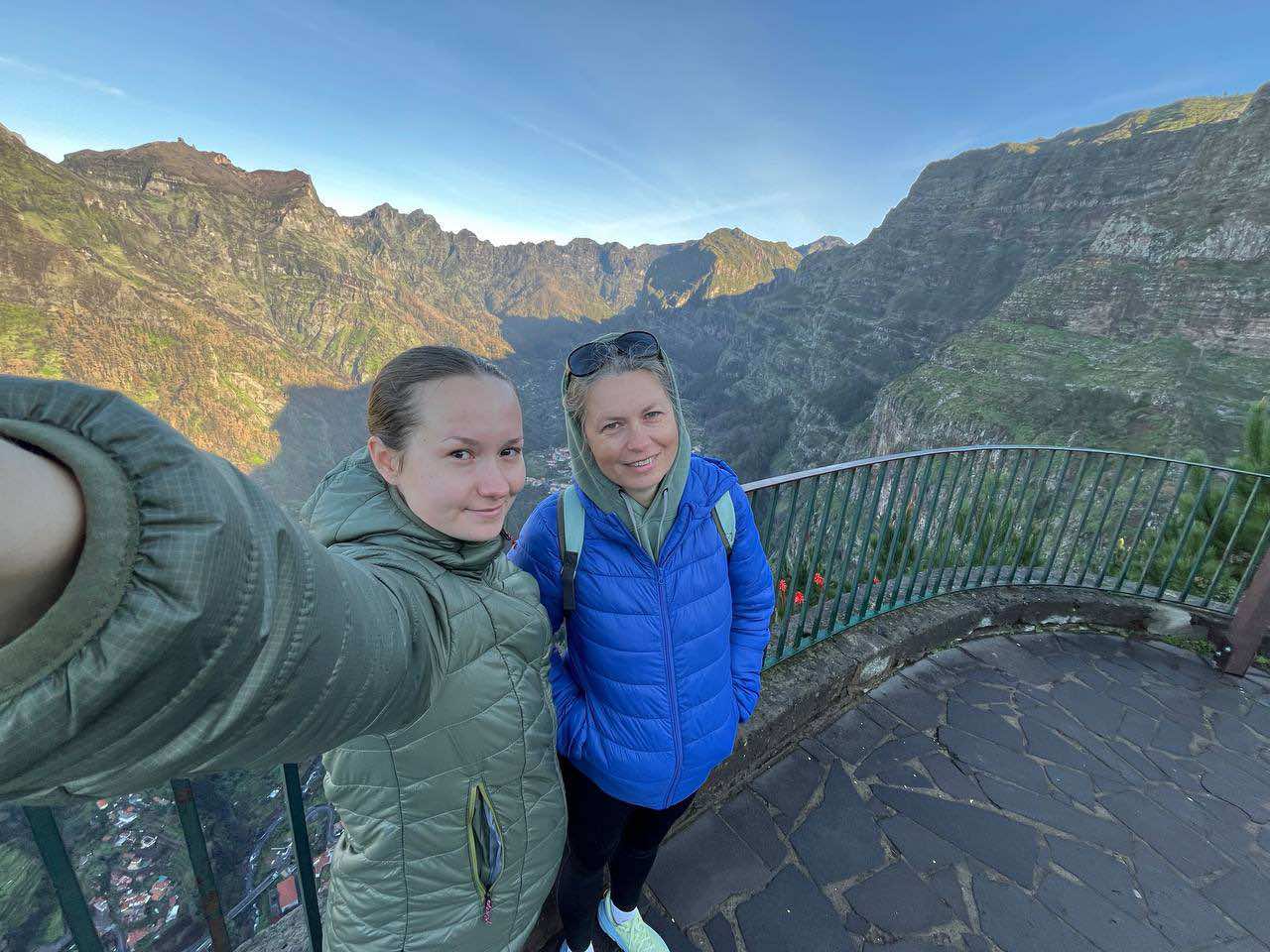
Curral das Freiras, which means “Valley of Nuns,” is a small and somewhat isolated village located in a valley in the middle of the mountains surrounding the municipality of Câmara de Lobos.
Despite its name, the village was not originally founded by nuns, but rather by runaway slaves who built small houses in this isolated area during the 15th century.
Today, Curral das Freiras is a great place to hike along the Nuns Path hiking route. You can drive to the viewpoint above the valley, leave your car there (or take a bus from Funchal) and hike into the valley for the whole day. This hike is quite strenuous – all the way down at first, and very high up again, but it’s worth it.
7. Cascata dos Anjos
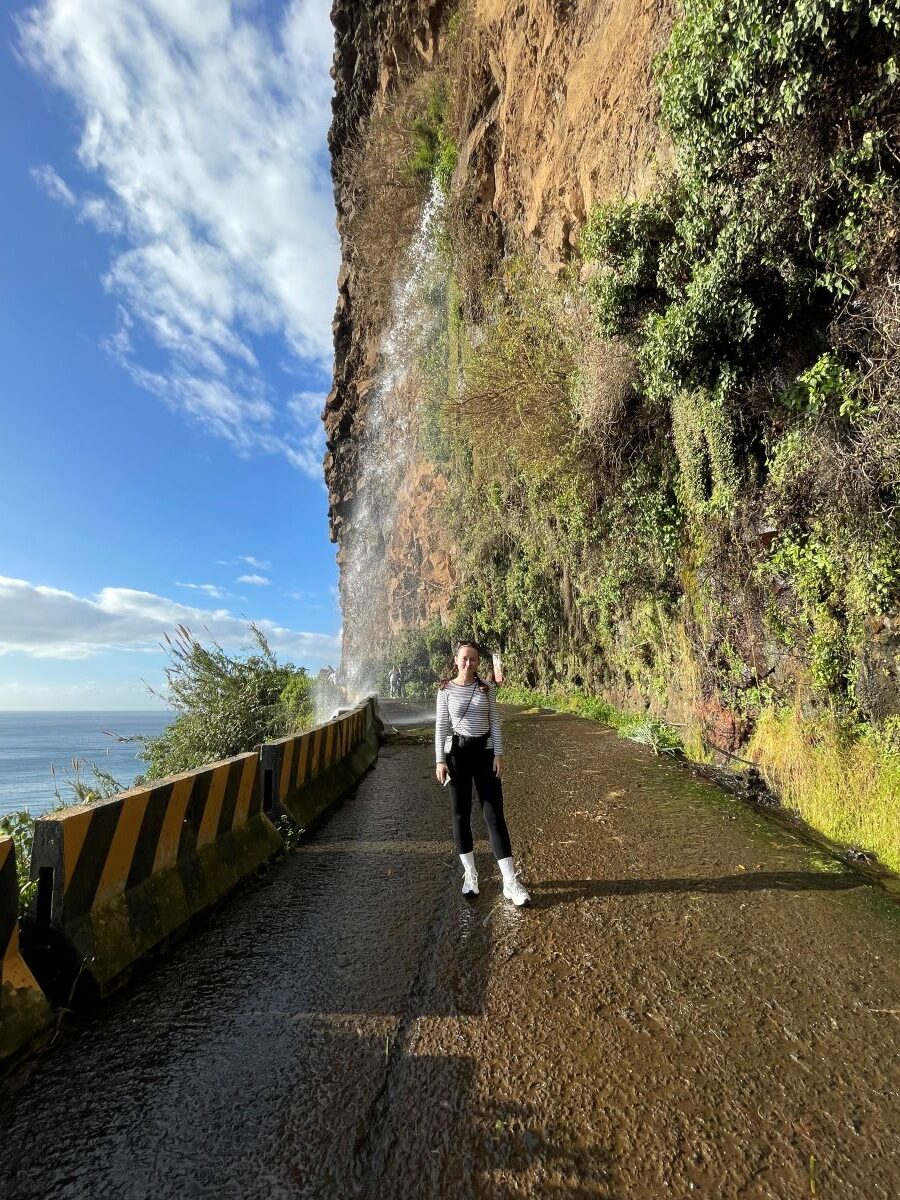
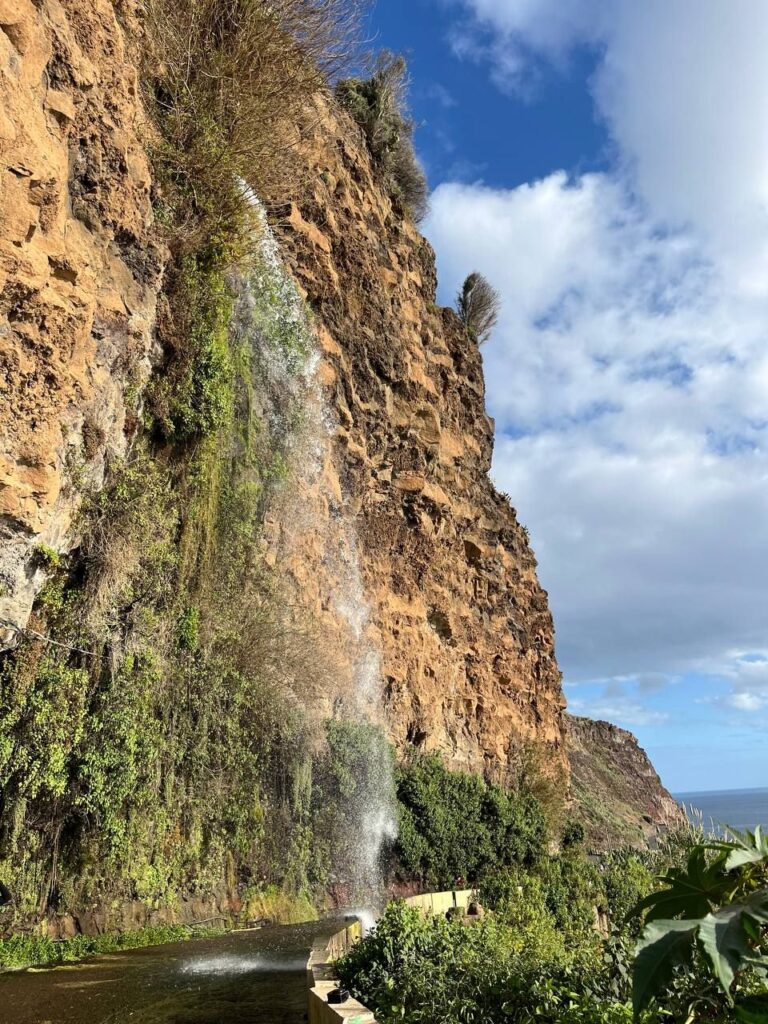
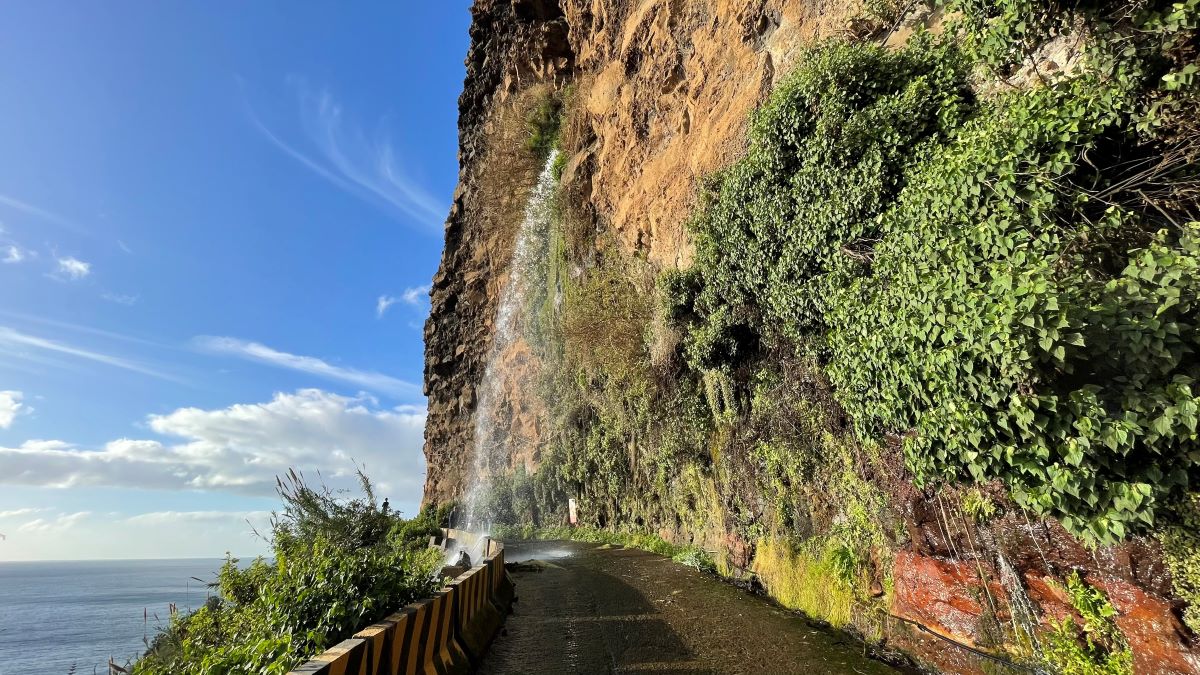
Near the town of Ponta do Sol is one of the island’s coolest secrets: Cascata dos Anjos, which means “Angels’ Falls.” The waterfall spills its waters onto the old EP 101 road, which runs along the ocean coast. A few years ago, you could drive here by car, but now the road is closed due to landslides and landslides. But you can drive quite close to the waterfall and walk under it or near it.
8. Cabo Girão
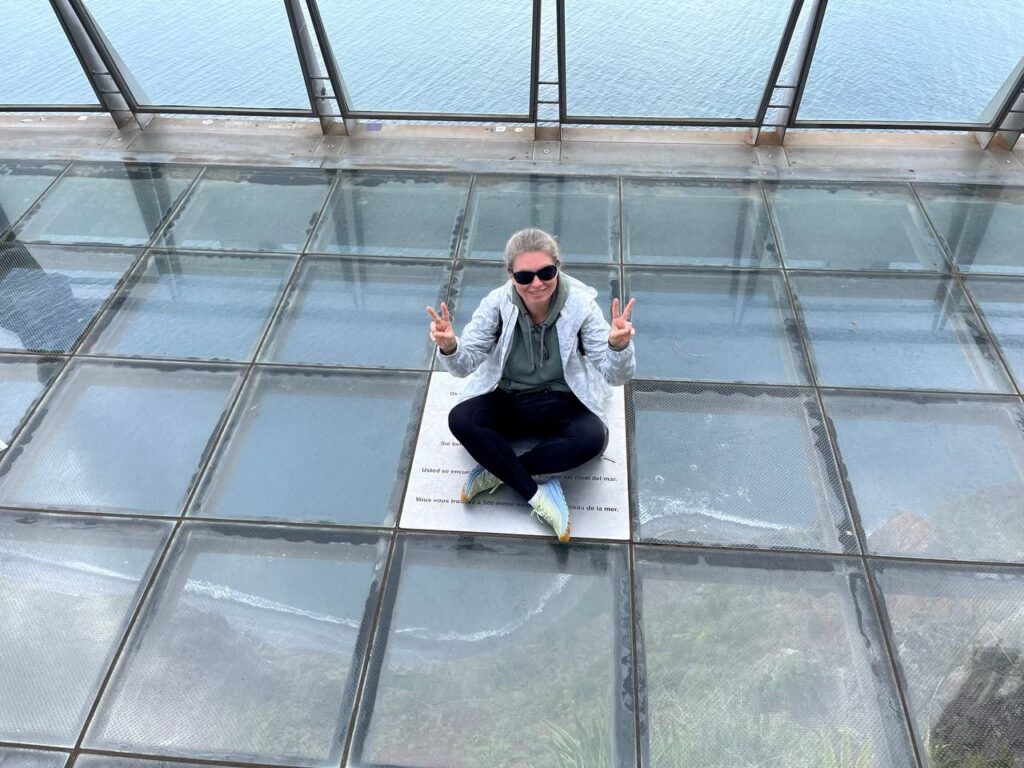
Cabo Girãoн — another natural attraction in Madeira worth visiting, it is one of the highest cliffs in Europe. Cabo Girão may be intimidating for those who are afraid of heights, but it offers one of the most spectacular views you will ever see. There is a glass observation deck on the cape – standing on it, you will see the ocean and the beach right under your feet. Entrance to the observation deck costs 3 Euros.
9. Hike from Pico do Arieiro to Pico Ruivo
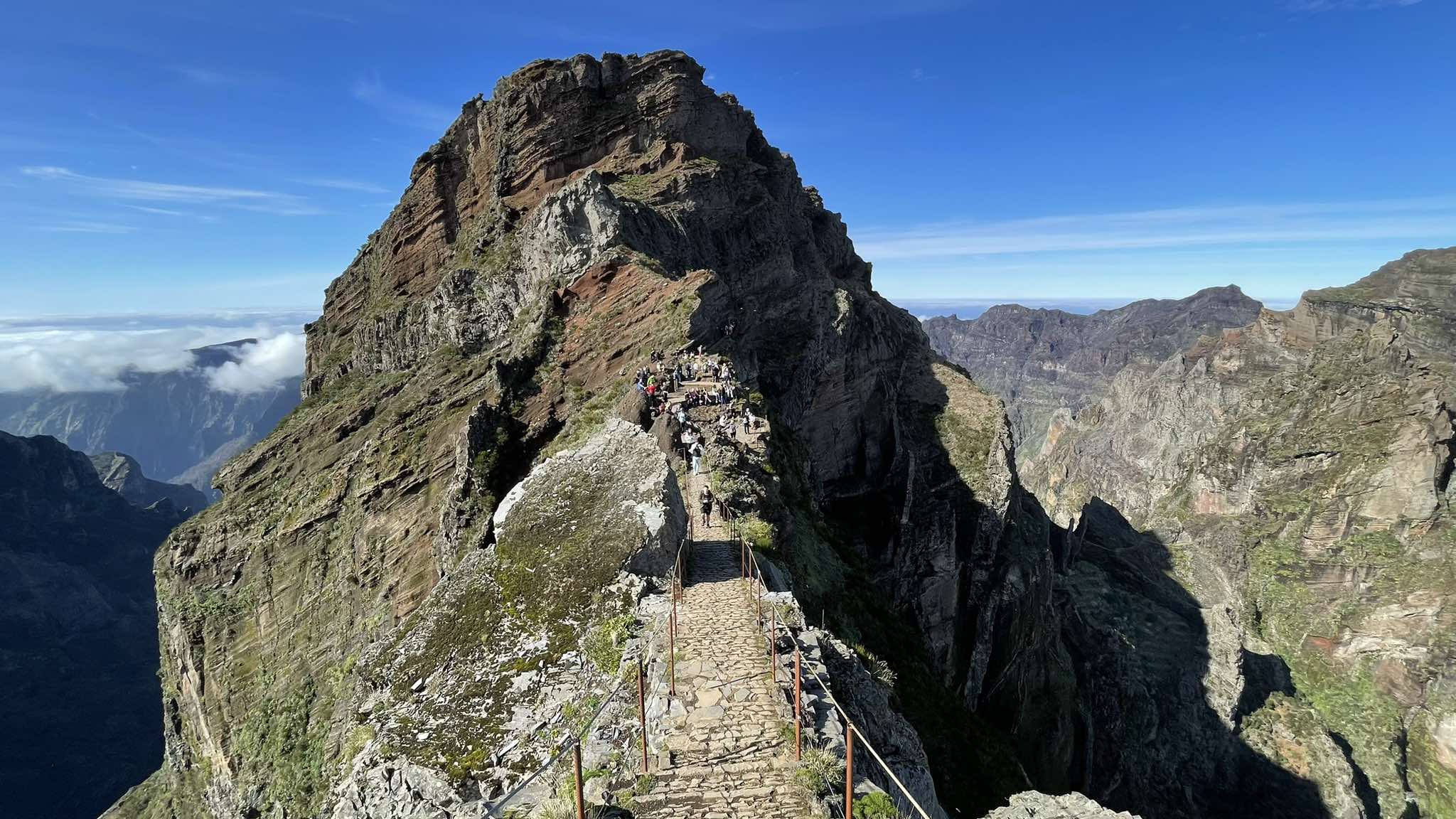
Unlike the relatively easy hikes along the levadas, the path that connects Pico do Arieiro to Pico Ruivo (Madeira’s highest point) can be quite challenging. But if you enjoy hiking and feel in good physical condition, this is the kind of Madeira experience you shouldn’t miss.
The hike is 11 kilometers long and can be completed in less than four hours.
Unfortunately, during my stay in Madeira (January 2025), this route was closed due to fires that occurred along the trail in 2024. But we managed to climb and walk 1.2 km to Pico do Ari,eiro. And then two days later we climbed Pico Ruivo separately.
10. Fanal Forest
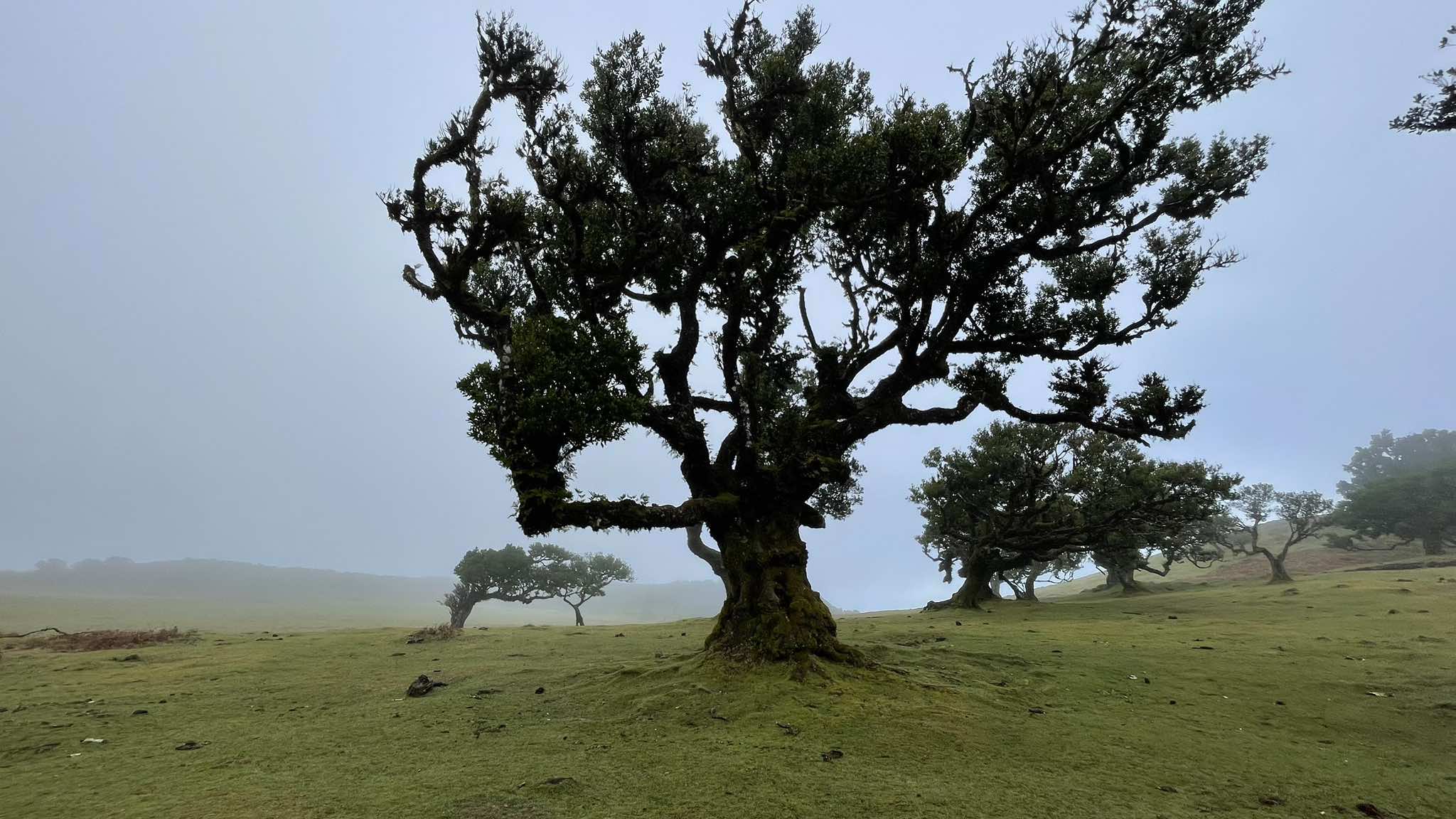
Fanal is a high mountain forest located near Porto Moniz and Seychellois. Fanal is perfectly accessible by car – the road to it is actually very beautiful. It is nice to walk here in the summer, but in the winter it is also wonderful and looks incredibly mystical.
Sometimes there is such an unbearable wind that it seems that the wind is about to knock it to the ground!. It is because of this crazy wind that the centuries-old laurels that grow here have very bizarre shapes. Fanal looks like the Shire from the Lord of the Rings saga.
Instead of conclusions
I will supplement this mini-guide with separate articles with details about different places and features of a trip to Madeira. Therefore, it is simply impossible to cram everything into one text. I will add separate links.
My impressions of the island – it is awesome and worth returning and exploring everything that I did not have time to do. And these are many routes along the levadas, finally going through the track between the peaks of the island – Pico do Areeiro and Pico Ruivo. I hope it will be repaired and reopened. I really want to get to the neighboring islands of the archipelago – the wild Desertas and Selvagens, and to the huge beach of the island of Porto Santo.
Madeira sets such a high bar for future trips that I already understand how I will compare other islands with this incredibly beautiful island. I will have to restrain myself so as not to be disappointed after what I saw on Madeira ))))
Useful articles and links:
- Sintra – a great guide to the city and beaches
- Beaches near Lisbon – where to relax, walk and play sports
- Top 20 places for visit in Lisbon
- Portugal Travel 2026: Beaches, Cities, Routes & Expert Tips
Find train tickets in Europe conveniently on Trainline
Hire a car – on DiscoverCars
Travel Medical Insurance – online on the portal HotlineFinance
Booking of hotels and apartments – Booking.com