What to see in Vienna in three days: palaces, museums, parks, Viennese opera, delicious cafes, river cruises, hotels, and airport transfers.
Vienna is an exciting city, filled with grand, lavishly decorated palaces, picturesque parks and gardens, magnificent statues, and fountains. It also houses museums with rooms full of historical and royal artifacts.
Visitors to Vienna are attracted not only by the sights but also by the world-renowned food. From appetizing schnitzel to exquisite chocolate cakes and pastries served in traditional cafes and magnificent restaurants. It’s no wonder people flock there to try the delicacies offered, even despite the crazy entrance queues.
There are many places worth exploring and seeing in Vienna – so here’s a guide to help you spend three days in Austria’s capital.
TOP 5 districts in Vienna – where it is better to book a hotel for tourists
When is the Best Time to Visit Vienna
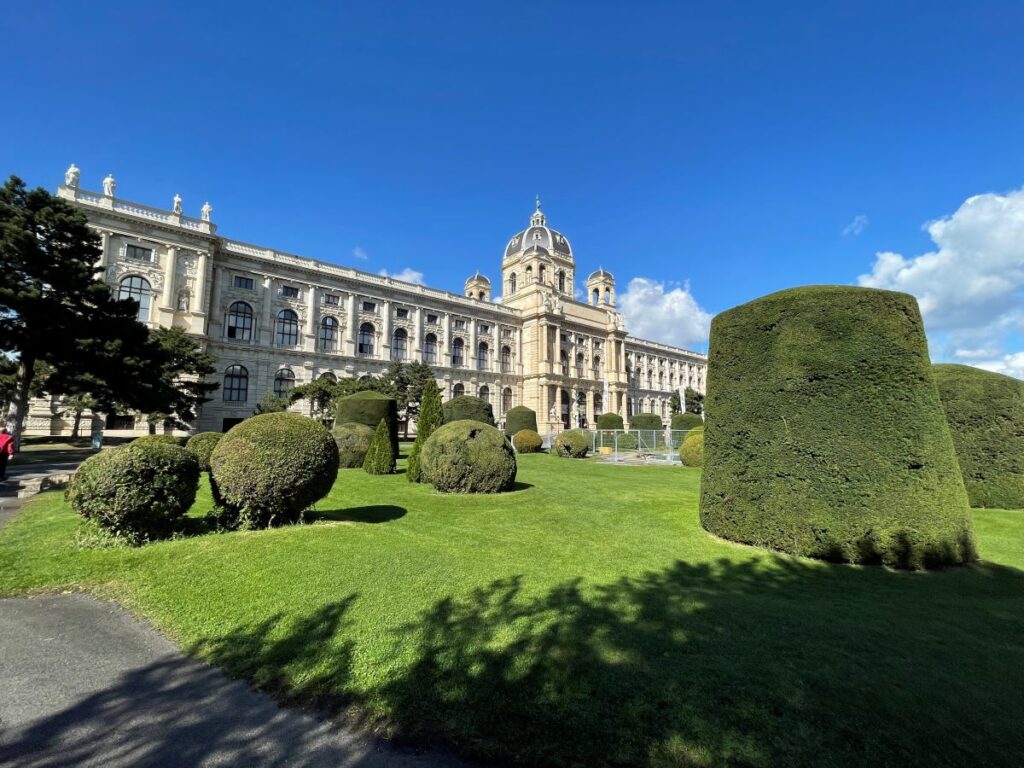
April-May and September-October are the best times to visit Vienna in terms of mild weather and fewer people.
Summer
Summer – in my opinion, is the worst time to visit Vienna. Although Vienna has many parks, the center is all stone. In June-August, the city becomes very crowded due to vacations and holidays. Plus, in summer, there are high accommodation prices and high temperatures reaching +27-30℃. Add humidity, and you get less than ideal weather for exploring the city.
My first trip to Vienna was in June 2019 – it was +40℃ and we, with my elderly mother, took refuge in museums – it was hard to walk even in the evening. To slightly reduce the temperatures, the city authorities turned on improvised fountains – laying out fire hoses and turning them on in various places. Children bathed in streams of water, and adults could breathe a little.
Spring
Spring is the time when the city is at its most beautiful with flowers and Easter festivities, and in May, the Vienna Festival begins. Daytime temperatures in spring reach +15-20℃, with April being drier than May.
Autumn
Autumn is also pleasant in terms of weather, with warm days lasting until the beginning of October. This is also the driest month of the year, although a cold wind might make you want to go indoors. But this is not a problem, as in October you can visit the Long Night of Museums.
Winter
Despite the cold winter (maximum daytime temperature reaches +4℃), December is another peak season for visiting Vienna. Tourists come for the holidays and Christmas markets. And this is also the time when the winter ball season and Christmas lights begin everywhere.
Very beautiful and romantic, but do not expect a white Christmas in Vienna, as snow usually does not fall until January-February.
How to Get to/from Vienna International Airport
From Vienna airport, you can reach the city center both during the day and at night. The difference will be that at night you will have to switch from one transport to another – that is if you plan to use public transport. And it is very diverse.
Train:
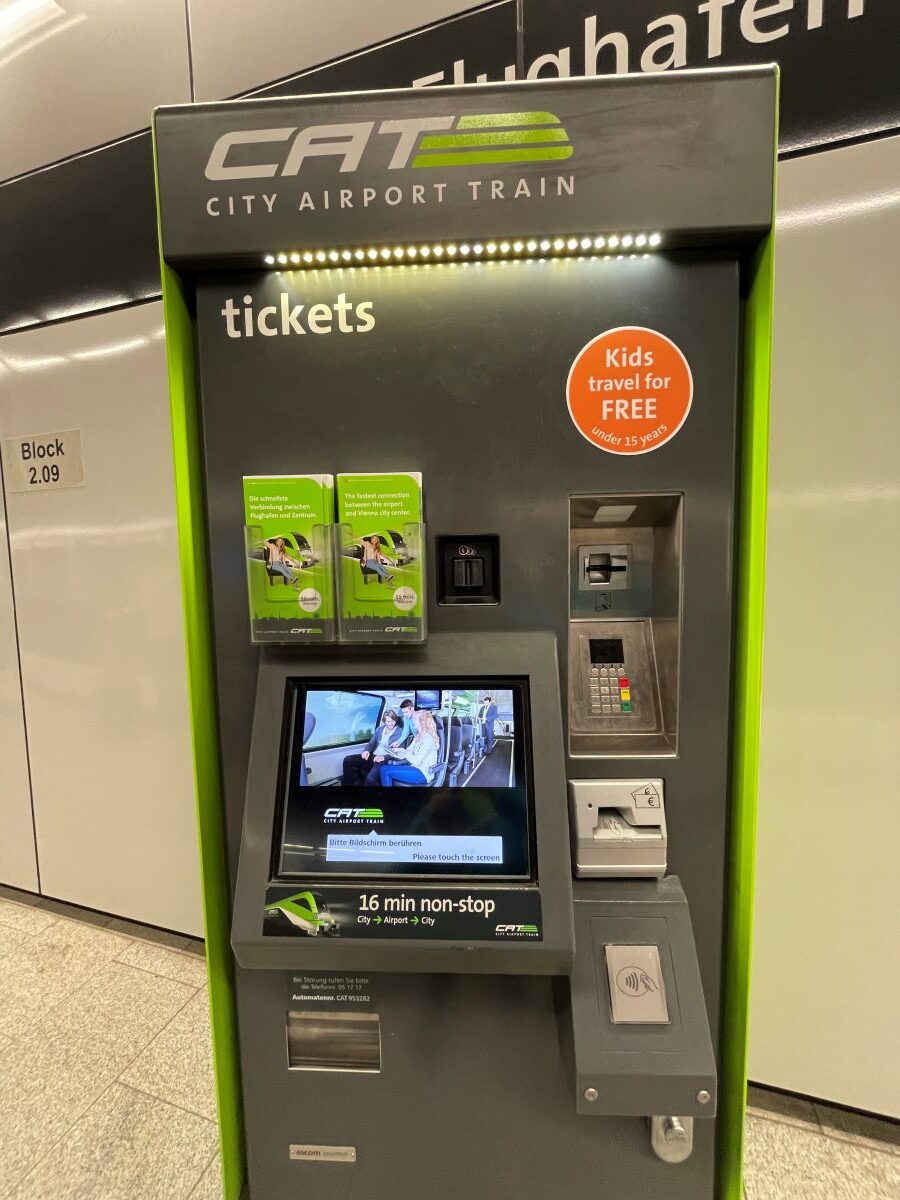
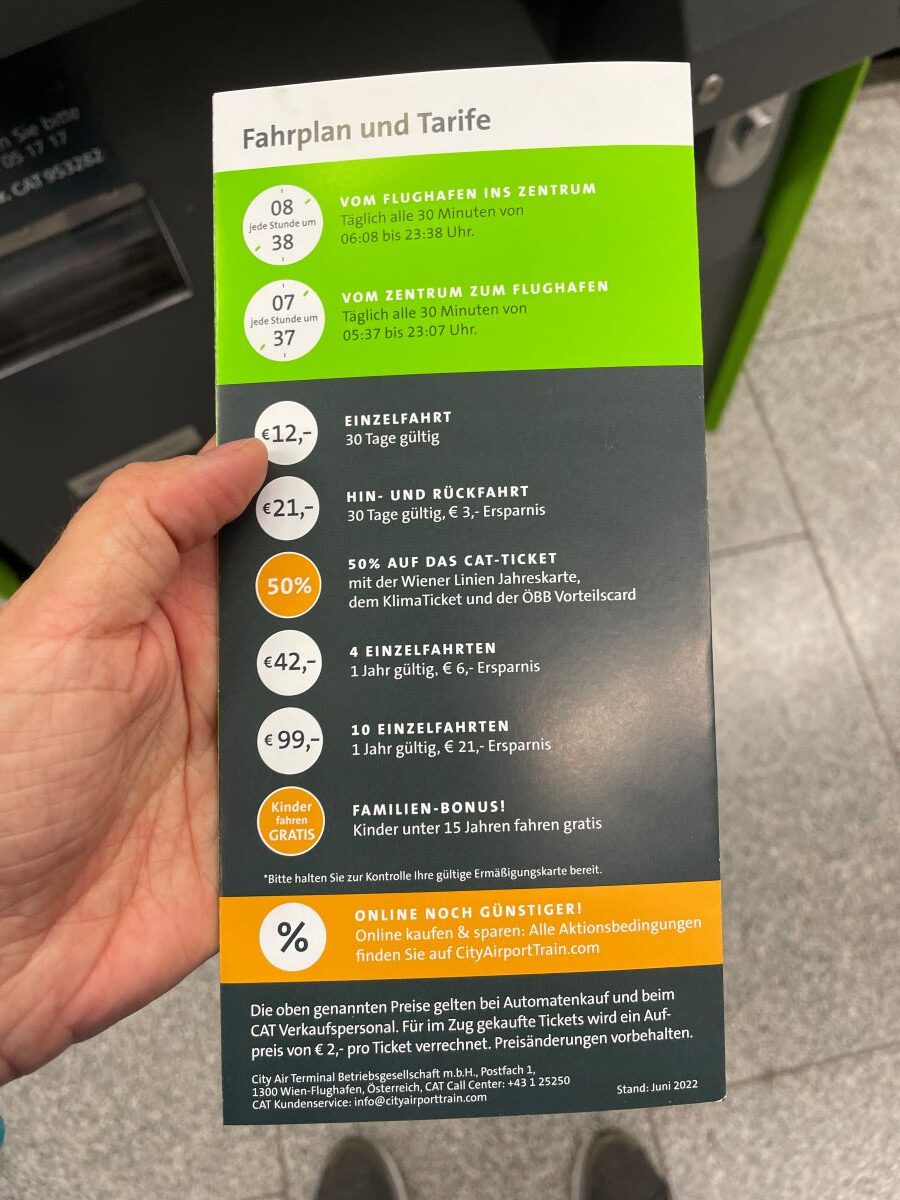
There is a city express train to the airport (CAT) that runs directly from the airport platform #3 to the Wien Mitte station every 30 minutes daily from 08:08 to 23:38, costing €14.9. Travel time is 16 minutes, current round-trip ticket prices can be found on the CAT website.
Another express, S7, also runs every 30 minutes from the airport, stopping at Wien Mitte and Wien Praterstern stations. This train is cheaper at €4.5, with travel times of 25 and 30 minutes respectively, the first train leaving the airport at 04:49, and the last one at 01:19. Details on the OBB railway company website.
If you need to get to the Wien Meidling station, you can take the slower suburban train ÖBB Railjet, which also departs every 30 minutes.
Bus:
There are 2 main bus options. The Air-Liner Bus Service (airport shuttle) runs every 1-2 hours from the airport to the international bus station and the central train station (Wien Hauptbahnhof). Travel time is 15 minutes.
At the same time, the Vienna Airport line (Postbus) has 3 routes covering different city areas:
VAL1: Airport > Westbahnhof station through Hauptbahnhof station. Every hour from 04:30-20:30.
VAL2: Airport > Morzinplatz/Schwedenplatz 24/7 every 30 minutes.
VAL3: Airport > Donauzentrum through Kagraner Brücke, Hotel NH Danube City, VIC/Kaisermühlen, Krieau (Messe Wien), and Donaumarina. Daily at 06:28, 08:28, 10:28, 12:28, 15:28, 17:28. More information on the airport website.
How to Get Around Vienna
Vienna is a great city for walking, as it is one of the best pedestrian-friendly cities in the world.
You can easily stroll around the Old Town, which is inside the main ring road. But to reach the outer districts, which include, among others, Schönbrunn Palace and Gardens, the Vienna Woods (Wienerwald), and vineyards, you will need public transport: buses, U-Bahn (metro), or trams.
You can also use the hop-on-hop-off sightseeing bus, which has unlimited 24-hour or 48-hour ride tickets.
Where to Stay in Vienna?
- Ibis Wien Hauptbahnhof≫ The Ibis hotel offers great value for money, and it is conveniently located for sightseeing. It’s a new hotel but has already received some very good reviews. It’s modern and clean, and they serve a good breakfast.
- NH Collection Wien Zentrum≫ This modern hotel features elegant décor and spacious rooms with city views. Enjoy a delicious breakfast on the stunning rooftop terrace. There are many restaurants, shops, and museums nearby.
- Hotel Sacher Wien : Luxuriously decorated, Hotel Sacher combines comfort with elegant furnishings, antiques, and paintings. It’s like stepping back in time. A high-quality hotel serving traditional Viennese dishes.
- Wombat’s City Hostel Vienna Naschmarkt≫ – A cool hostel in the center where I stayed during one of my visits to Vienna. Rooms are clean, bed linen, and towels are free, there is a hairdryer, a locker with a magnetic lock. Wi-Fi is excellent throughout the territory. There’s also a storage room with a key. There is even a shower for guests. At the reception, you can get a city map, daily free city tours, and in the evening you definitely won’t be bored: a bar is open, you can take a guitar, people play board games, quizzes or concerts are held from time to time. There are 2 supermarkets, a market, 2 metro lines near the hostel, and the center is a 15-minute walk away.
What to Do in Vienna in Three Days
This aristocratic city has a lot to offer, but with this guide, you can experience the best Vienna has to offer, from world-class museums and palaces to chic cafes, all in 3 days.
Rathaus – Viennese City Hall

Rathaus (City Hall) is the landmark of Rathausplatz with its 5 towers rising upward, many arched windows, and a large clock on the central tower. It is a splendid example of neo-Gothic architecture. Rathaus serves as the venue for many celebrations and events such as the Vienna Festival, and free tours are available for you.
Austrian Parliament Building
The impressive parliament building is one of Vienna’s most visited landmarks. Guided tours are available to explore the elegantly decorated interior with chandeliers, columns, and marble walls, and statues of Greek gods, which are true works of art.
Albertina Museum
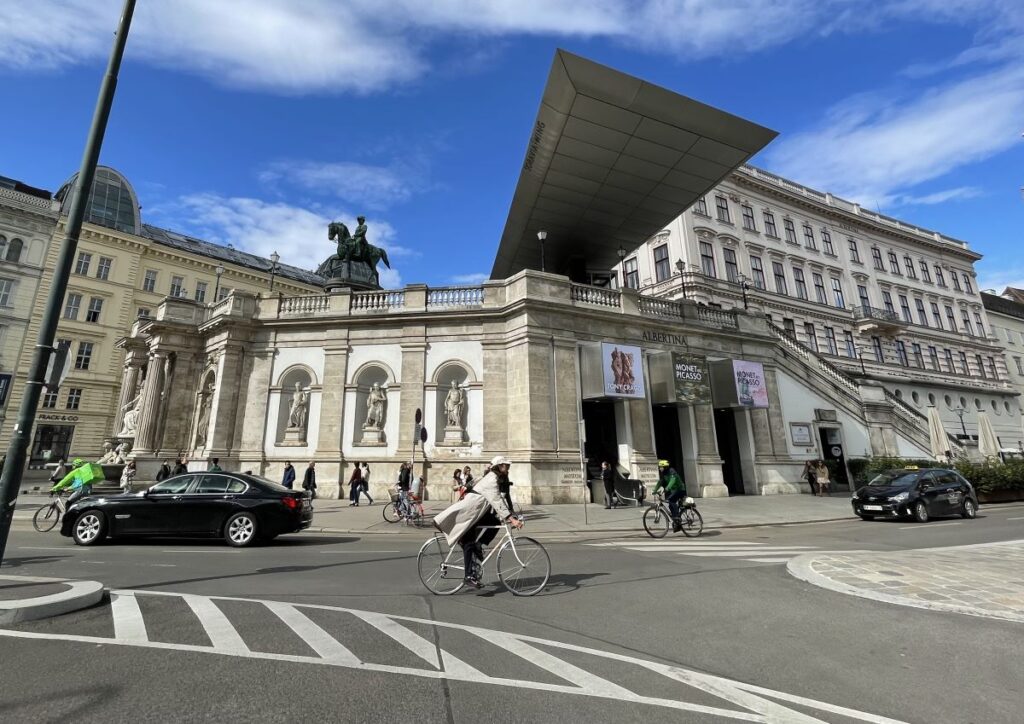
Take a self-guided tour to the Albertina to see over 65,000 drawings, photographs, and paintings by old masters. Satisfy your artistic appetite and roam the halls among breathtaking exhibitions and splendid artworks from Picasso to Monet. An interesting museum with lots of information on the exhibits.
Art History Museum
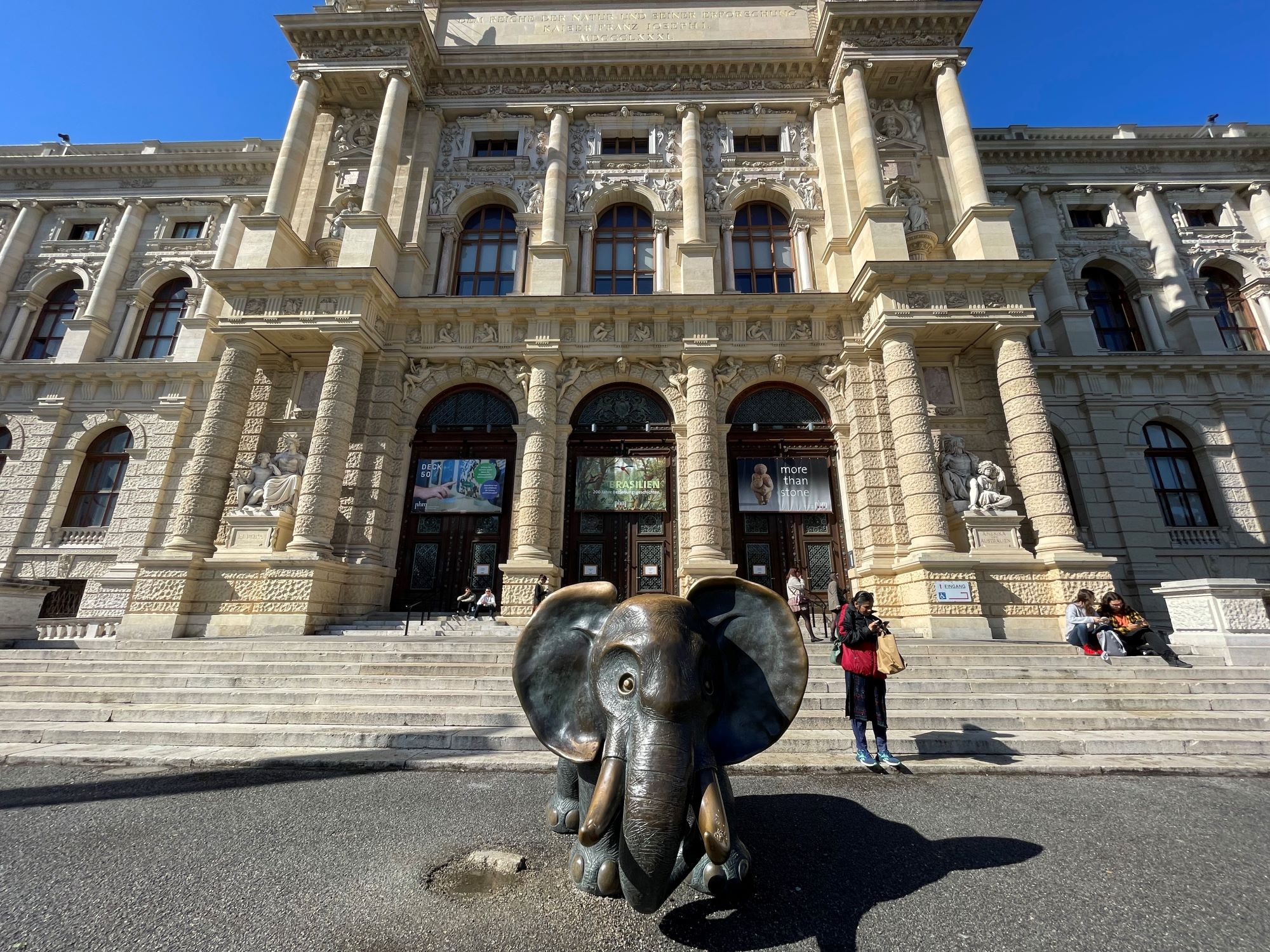
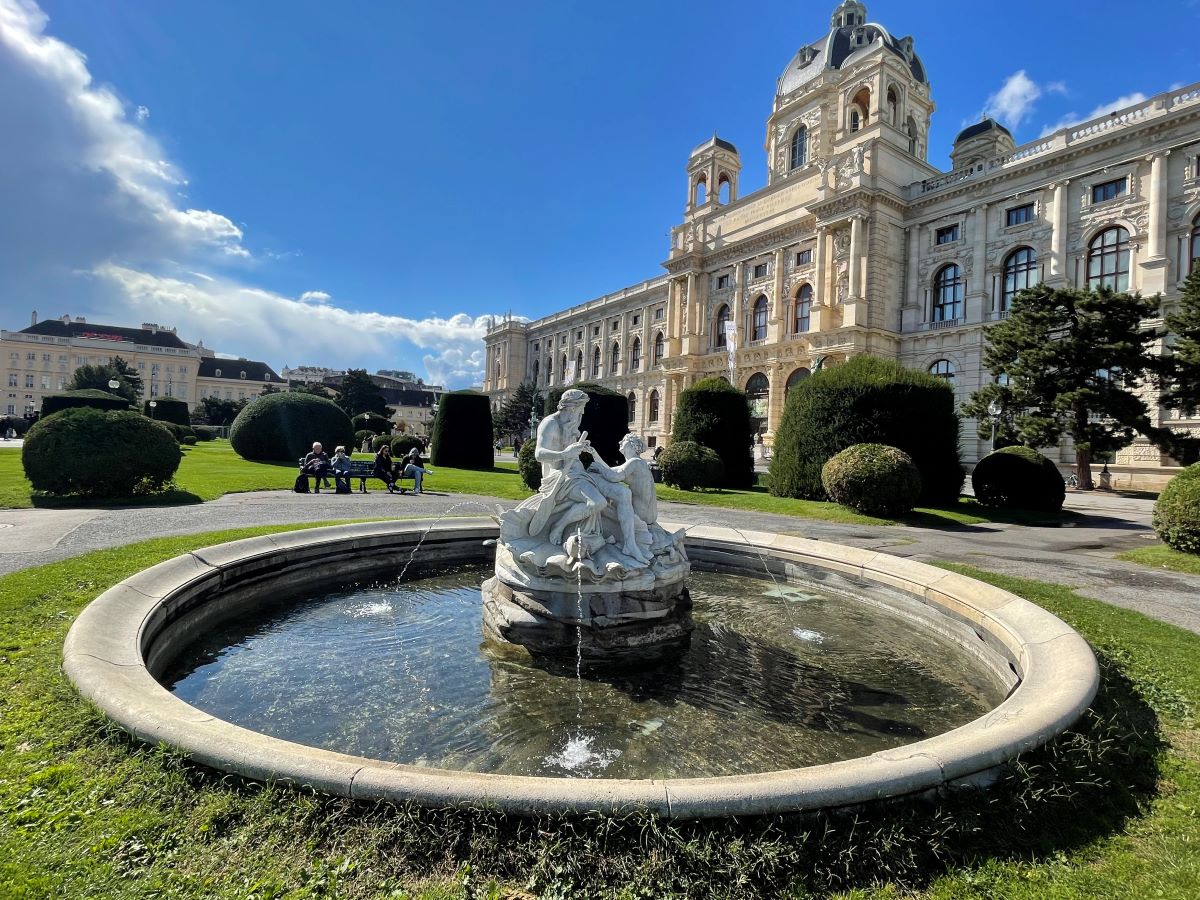
The country’s largest art museum houses a collection of Habsburg era paintings, Egyptian, Greek, and Roman relics. There are wonderful sofas in the halls to sit and marvel at the masterpieces.
Museum District
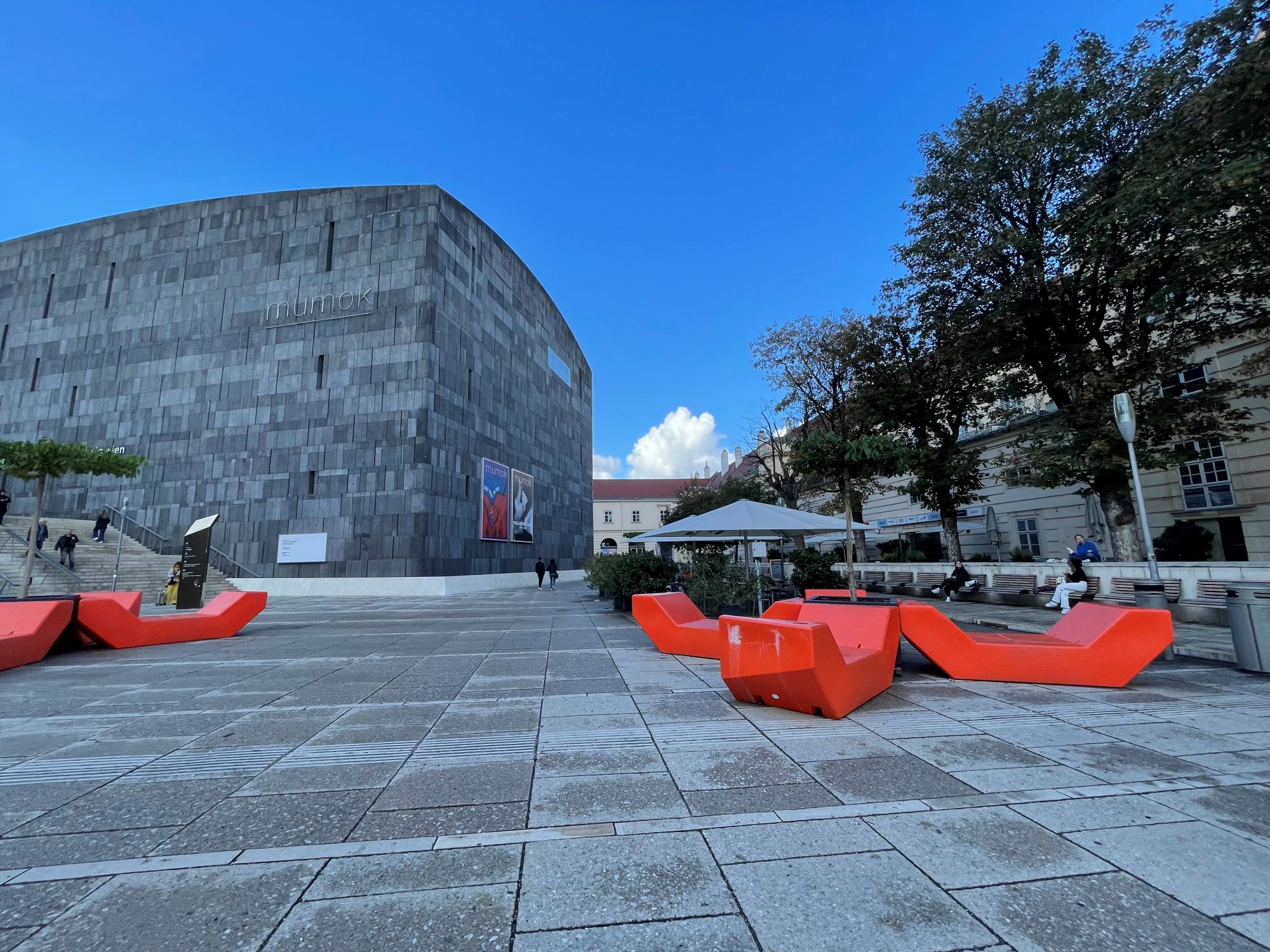
Museum District – is a place for art, here you can find many cafes and gardens to spend a few hours relaxing. Visit the Leopold Museum to see a fascinating collection of Austrian art, or the MUMOK (Museum of Modern Art), the largest of its kind in Europe.
St. Stephen’s Cathedral
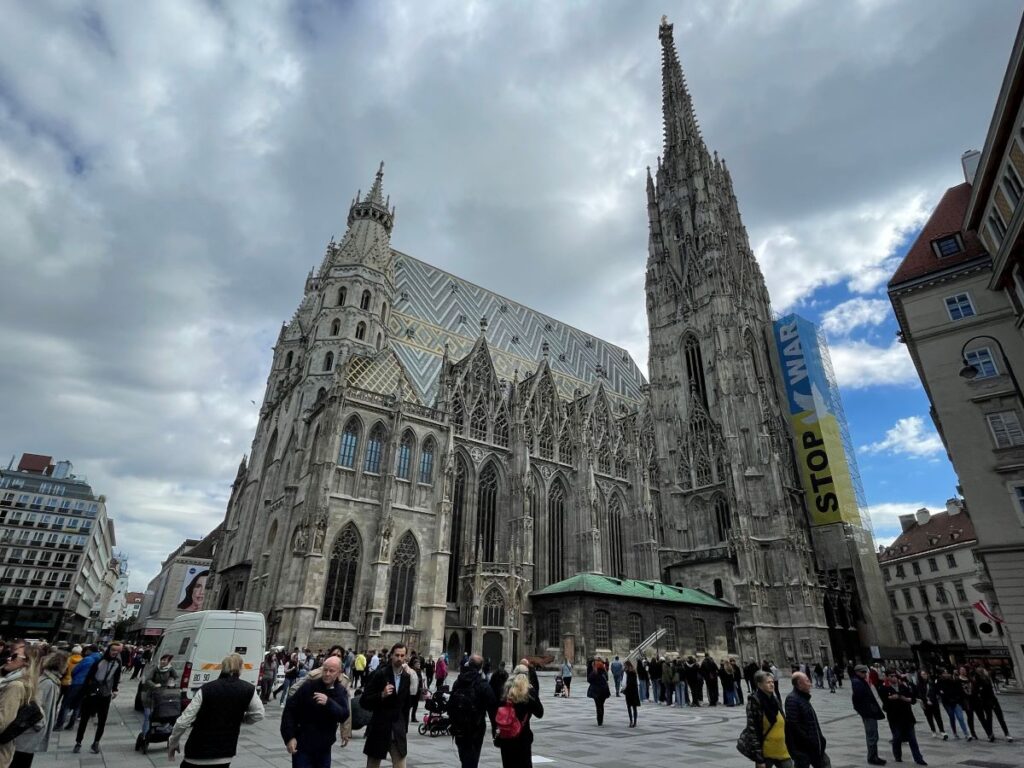
St. Stephen’s Cathedral is one of the most famous landmarks in Vienna and can be seen from miles around. You can climb to the top to see the city view or take a tour to the crypt for an interesting dive into the past.
The cathedral has four towers, two of which are accessible, offering beautiful views of the city. The north tower also houses the Pummerin – the second-largest hanging bell in Europe. What will catch your attention at first glance is the characteristic colorful roof with the eagle’s emblem.
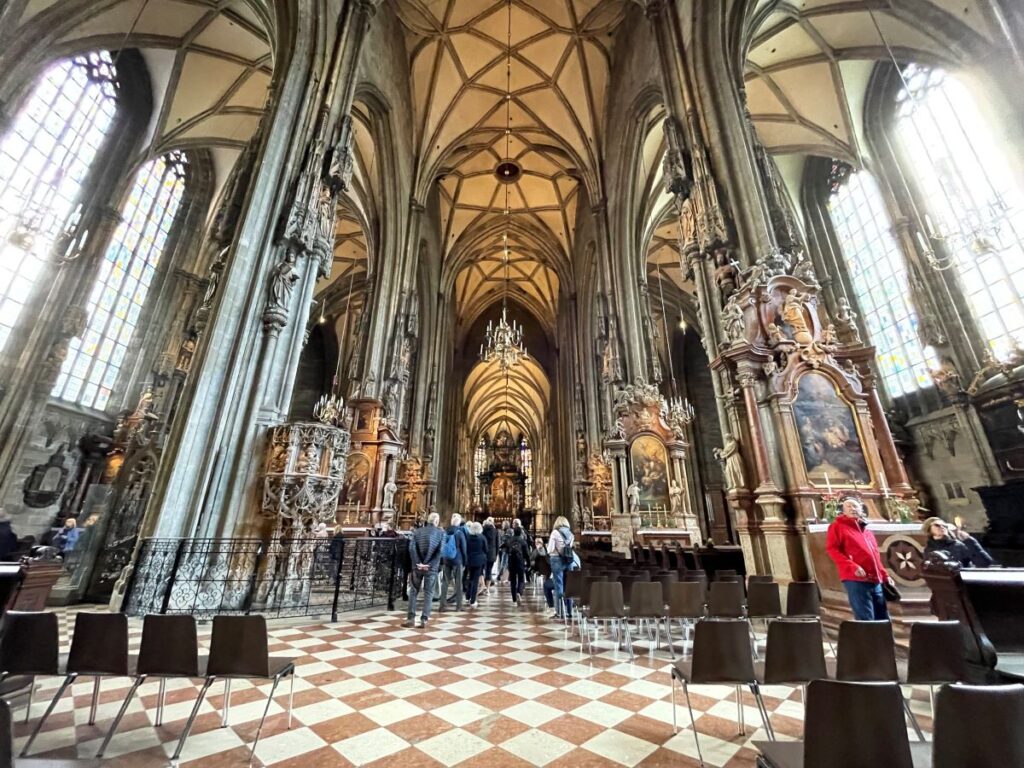
Visitor Information:
- Opening hours: Open daily.
- Admission: Entrance to the main part of the cathedral is free. There is a fee for an audio guide tour, entrance to the towers, and catacombs.
- How to get there: Metro: U1 and U3 lines (Stephanplatz station)
If you have any interest in architecture, you will be impressed by this Gothic masterpiece. There are cafes and restaurants around the cathedral if you want to sit down and gaze at the grandeur while enjoying a refreshing drink.
Ferris Wheel and Prater Park
This is definitely one of the symbols of Vienna – a Ferris wheel rising into the sky at 65 meters. You’re in for entertainment and fantastic views, and you’ll definitely see some of the best vistas of Vienna. It’s definitely a cultural and architectural gem you just can’t miss.
Hofburg Palace
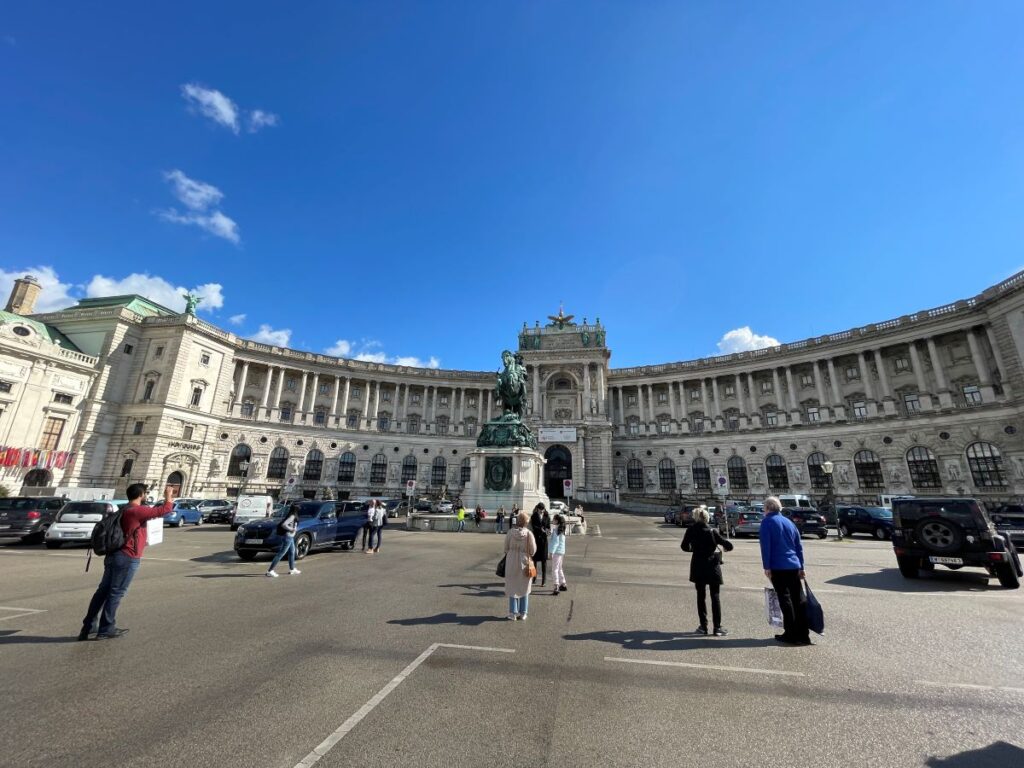
The imperial apartments are lavishly decorated, providing insight into the luxury enjoyed by the Habsburg family. The palace can be very crowded, so if you don’t want to go inside, it’s equally enjoyable to sit in the courtyard or enjoy the view of the palace from the garden.
What to See in Hofburg:
- Sisi Museum – the ticket includes viewing the clothing and personal items of Empress Sisi, a visit to the imperial rooms, and the collection of silverware, with an audio guide.
- Imperial Treasury (Kaiserliche Schatzkammer) – you will see not only the lavishly decorated imperial crown and golden apple but also the treasure and chalice believed to be the Holy Grail.
- Austrian National Library (Österreichische Nationalbibliothek) – Visit the largest Baroque-style library in Europe. Its highlight is the so-called Ceremonial Hall (Prunksaal), which houses over 200,000 volumes. When passing through, look up. The dome is adorned with beautiful frescoes.
- Spanish Riding School (Spanische Hofreitschule) – The Spanish Riding School is known worldwide. Magnificent Lipizzaners have been demonstrating their art here for centuries. Their exquisite dressage has also been included in the UNESCO list of Intangible Cultural Heritage. Come and watch training or a classic performance, or take a guided tour of the entire school and peek into the stables. Book tickets online in advance as interest is huge.
- Albertina – a world-famous art gallery full of paintings by great masters.
- Butterfly House – In the Burggarten Park, adjacent to the Hofburg, you’ll find the Palm House – one of the most beautiful Art Nouveau greenhouses in the world. In one part of it, there’s an amazing world filled with plants and vibrant butterflies. Leave behind the city hustle and enjoy the view of this beauty.
Vienna State Opera

The grand state opera house is worth visiting for guided tours to access behind the scenes and the orchestra pit, as well as to learn about its history from experienced guides. The interior of the opera house is lavishly decorated with wall paintings, statues, and marble staircases.
But if you came for entertainment, you won’t be disappointed by the variety of opera and ballet performances, and, if you are satisfied with standing, they offer cheap tickets available 80 minutes before each show. You can also buy standing tickets directly before a concert or performance (they are the cheapest). For more information, click here.
Hundertwasser’s Architectural Heritage
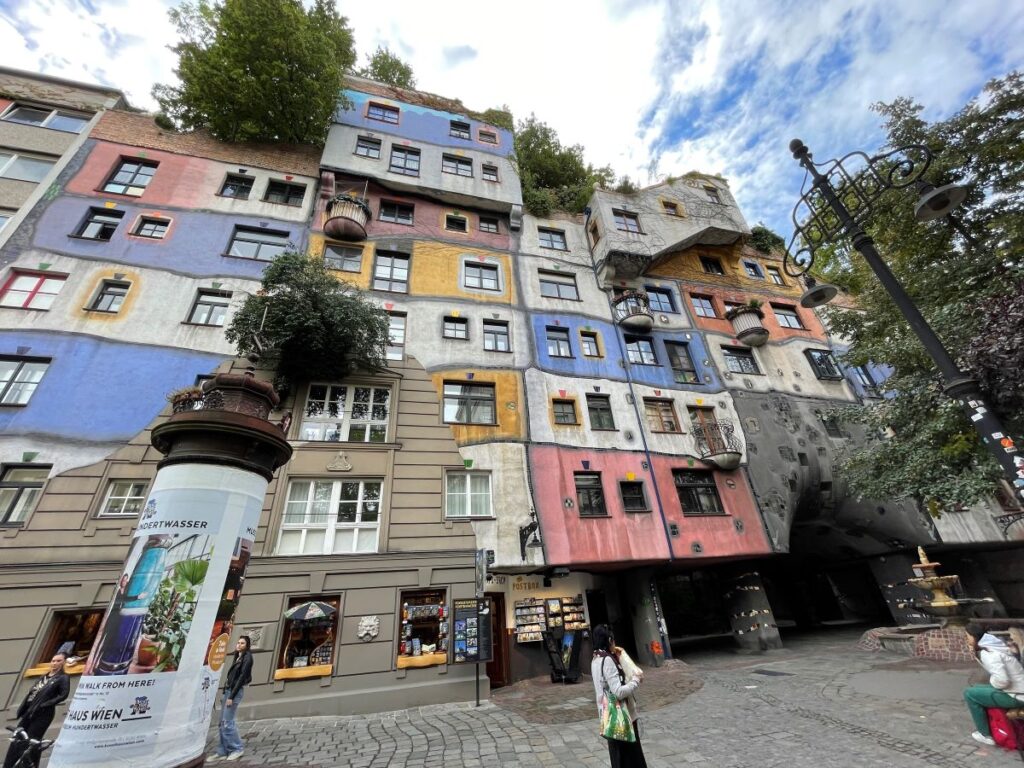
- Hundertwasserhaus – a residential building located in Vienna’s 3rd district at Kegelgasse, 36-38, at the corner of Lowengasse 41-43. The building features 52 apartments with colorful facades, 4 offices, 16 private and three communal terraces.
- Vienna House of Arts. Non-uniform surfaces, irregular shapes, a lot of greenery. It is a slightly more conservative project by the same architect – Hundertwasser. He designed it as an exhibition center, showcasing Hundertwasser’s work and holding the most interesting contemporary art exhibitions. Address: Untere Weißgerberstraße 13.
- Spittelau Waste Incineration Plant – the most unexpected building on this list as it is a waste processing plant. But it was designed by the same Friedensreich Hundertwasser. The building features unusually straight walls for his style, yet it is still the world’s most colorful factory. Address: Spittelauer Lände 45.
- Gasometers. These four unique structures are located in the Simmering district of Vienna. The massive gas tanks were built between 1896 and 1999 to store liquefied (coke) gas for household needs and street lighting. But in the second half of the 20th century, Vienna switched to natural gas and no longer needed them. However, it was decided not to demolish the gasometers but to transform them into residential complexes. Address: Guglgasse 6.
Schönbrunn Palace
Another imperial residence of ancient monarchs, Schönbrunn Palace, is a fine example of Baroque architecture. Inside are cabins and apartments typical of the royal lifestyle of the 18th century. Outside, there’s a large park with fountains and a botanical garden, a labyrinth to wander through, and at certain times of the year, you can see blooming flowers. Audio guides are available to learn about the history of the building and gardens, and there’s a café offering the tastiest strudels and coffee.
Belvedere Museum
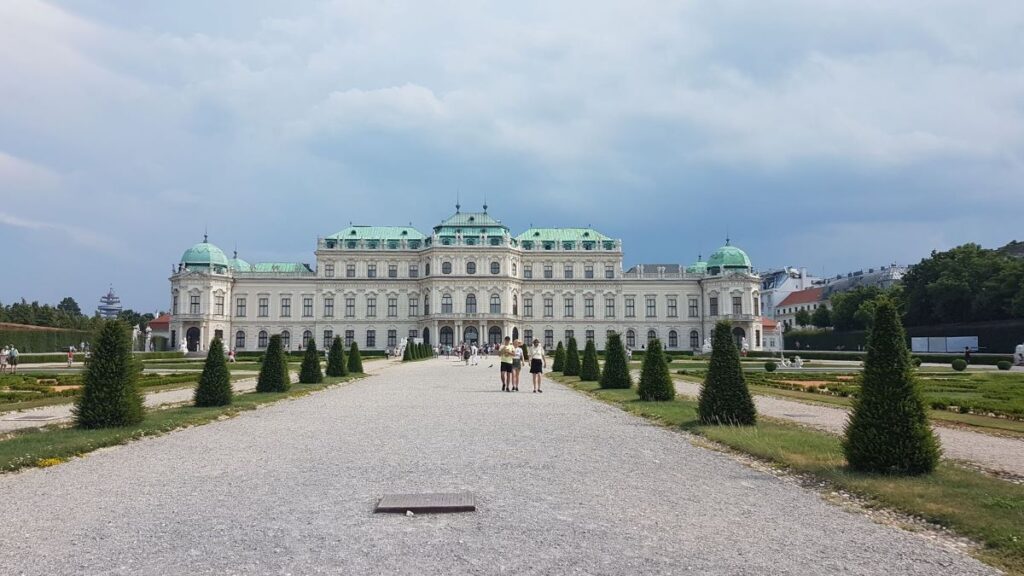
Located in the southeast of the city, the Belvedere Museum is an impressive structure on its own, but the gardens alone are worth the trip due to the fountains and waterfalls, sculptures and iron gates, and it’s a peaceful place to enjoy the surroundings. There are two Baroque palaces housing an impressive collection of artworks, including a diverse and stunning exhibit of Gustav Klimt.
Naschmarkt
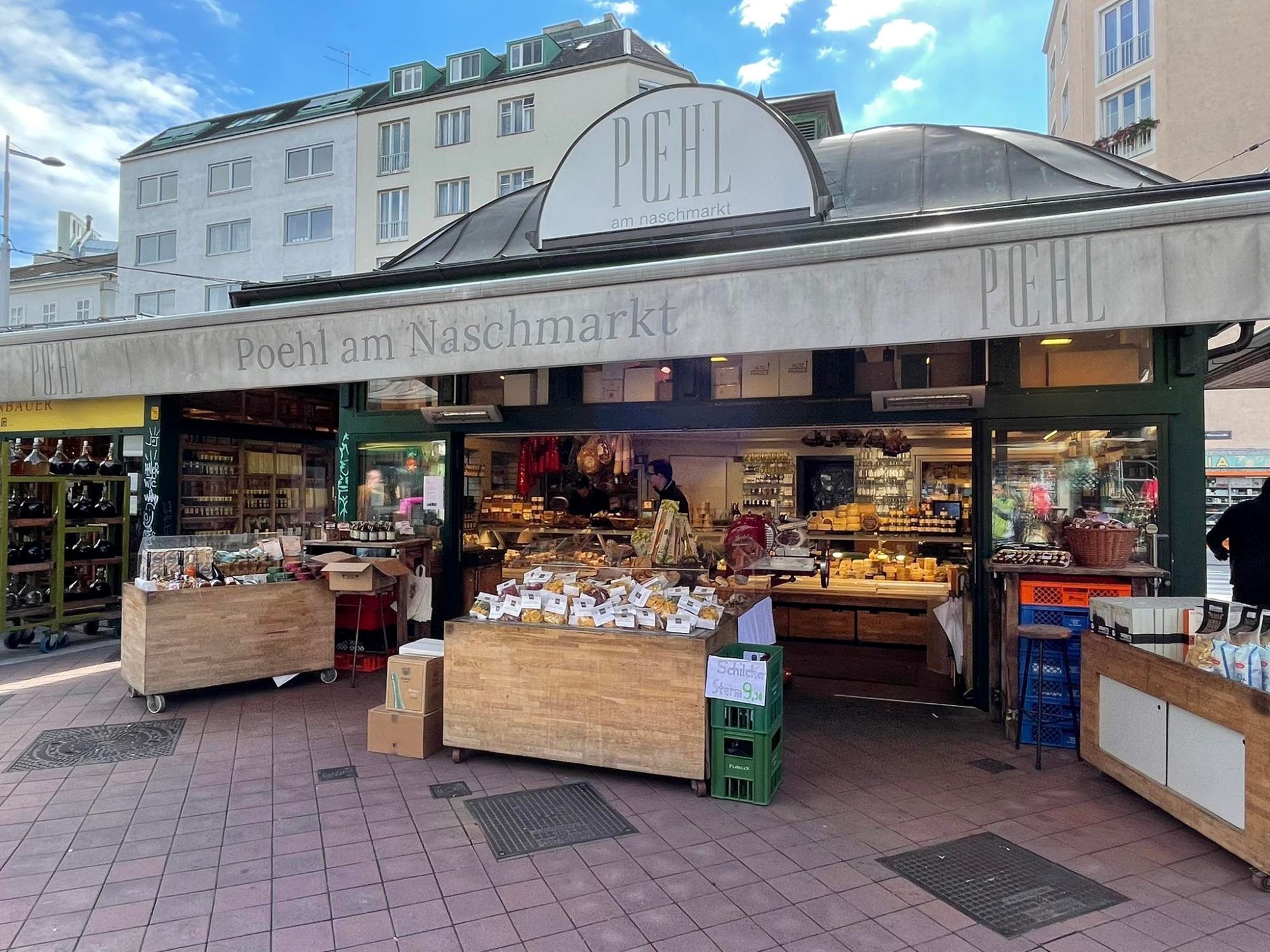
At the city center is the market – Naschmarkt, a colorful Viennese attraction where you can enjoy delicious food and buy tasty gifts. There are over 100 stalls offering an excellent assortment of meats, cheeses, herbs, spices, and more. It’s an amazing atmosphere filled with locals and tourists buying groceries or just strolling and tasting what’s on offer.

There are cafes and restaurants to relax and escape the hustle and bustle. Every Saturday, there’s a flea market where everything from records to clothing is sold.
City River Cruise

Another cool way to see Vienna is to take a boat and go on a river cruise, which will reveal a different perspective and you can enjoy the views from the water. As the boat leisurely sails along the Danube, you’ll see the city light up in the evening, twinkling lights reflecting in the water, while enjoying dinner and traditional music. It’s a romantic and perfect way to end a day in Vienna.
Where to Drink Viennese Coffee and Enjoy Treats
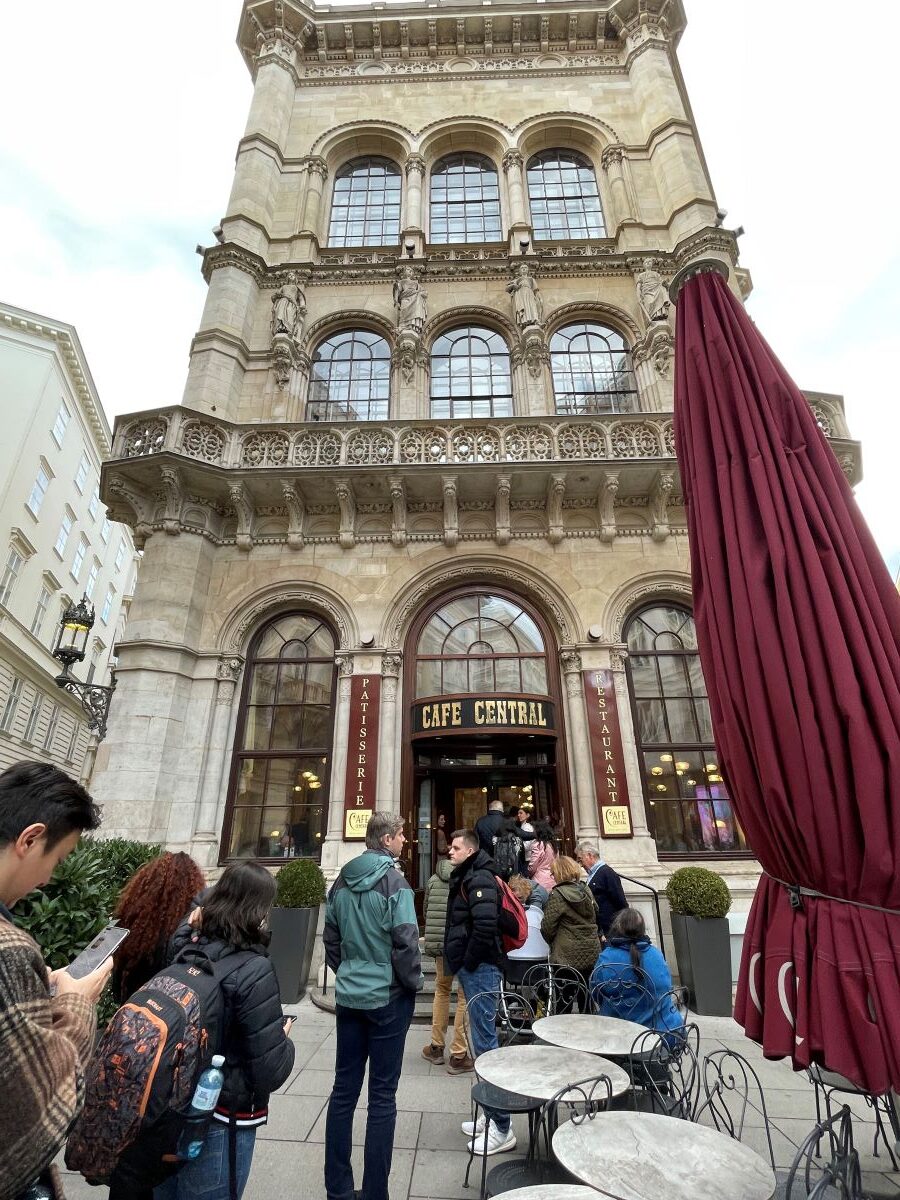
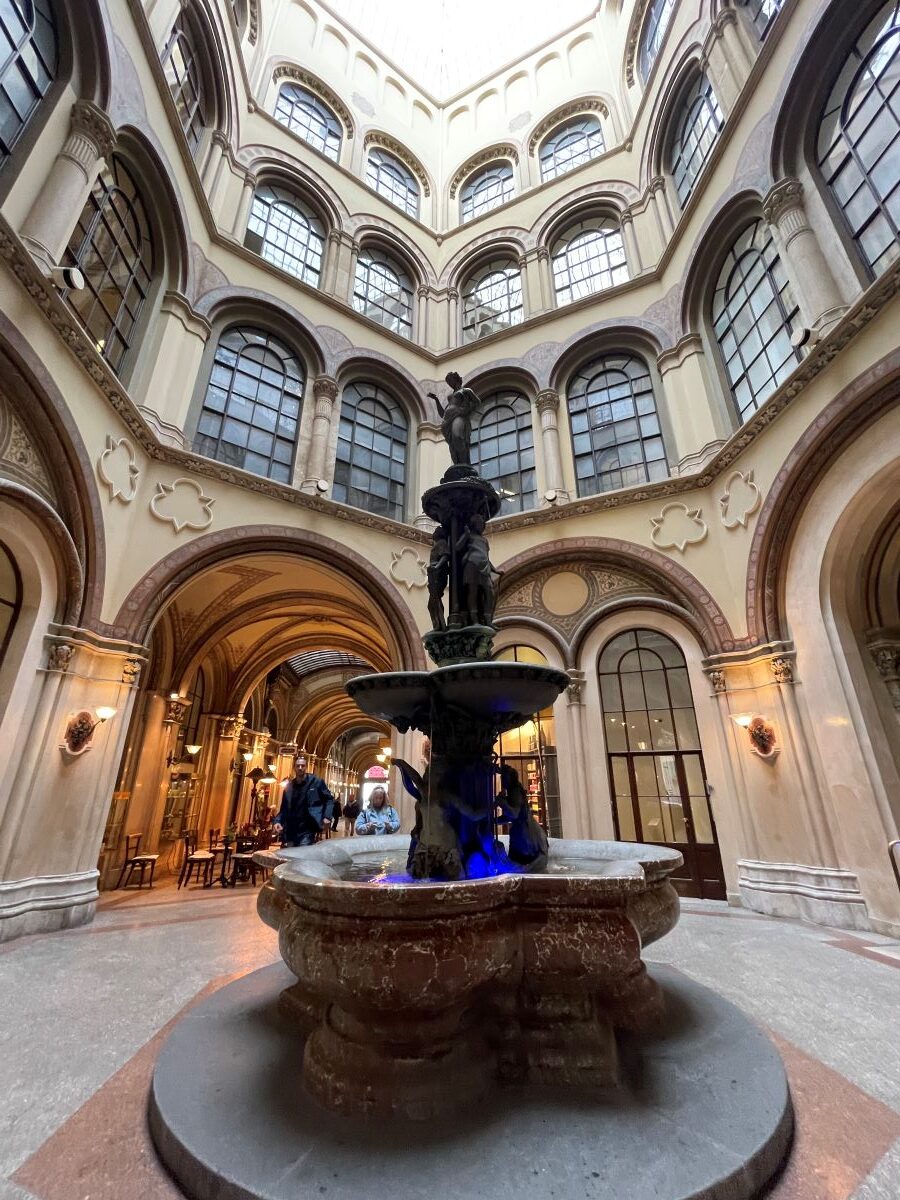
Tourists typically head to the most publicized places like Cafe Central, ending up in lines to have coffee and see the interior of this cafe. There are many other places where the service is delicious and luxurious – they are worth your attention.
The restaurant Figlmüller is famous for its cuisine, often called the “home of schnitzel” because this dish is not only huge in size but also truly appetizing. It can be very crowded here, so it’s better to book a table in advance on the restaurant’s website.
Restaurant at the Hotel Sacher: If you’re seeking an authentic Viennese experience, try the exquisite restaurant at the Hotel Sacher with its luxurious green and red-toned dining room, paneled walls, and chandeliers. The atmosphere is superb, and the luxurious food is delicious. Treat yourself to a slice of Original Sacher-Torte. Only here do they know the true recipe for this chocolate cake. For more information, click here.
Cafe Demel: One of the oldest cafes in Vienna, known for producing some of the city’s best pastries. You can watch the chefs at work as they create delicious chocolate delights. It’s advisable to reserve a table on the cafe website, as there are many people eager to visit.
Useful Articles and Links:
- 15 things must do in Budapest
- Budapest in winter – what to see in three days in the capital of Hungary
- First time in Prague – what to see in Prague in two to three days
Timetable of Routes and tickets for buses – available on InfoBus.ua
Tourist Insurance with discounts can be found on the portal HotlineFinance.
Booking Hotels and apartments – Booking.com