
One-day trip from Lisbon – historic cities, beaches, suburbs – Cascais and Sintra, Cape Cabo de Roca, Alentejo National Park.
Lisbon, the capital of Portugal, is an ideal city not only for walking and relaxing, but also for day trips to neighboring interesting places. In just an hour or two, you will see stunning medieval cities, fabulous beaches, national parks with stunning ocean views.
In this list, I have included some obvious tourist destinations, such as Sintra, Cascais and Cabo da Roca. There are also many lesser-known places that offer their own special charm and much smaller crowds.
To do this, you can rent a car or use the good public rail and bus transportation. However, having a car will reduce travel time to some places and give you more flexibility to include several particularly remote locations in one day trip.
Rent a car in Portugal: my experience, tips and nuances you should know about
1.Sintra
Distance from Lisbon: 40-45 minutes
Getting there: direct train or car
The cost of public transportation tickets: 3 euros one way.
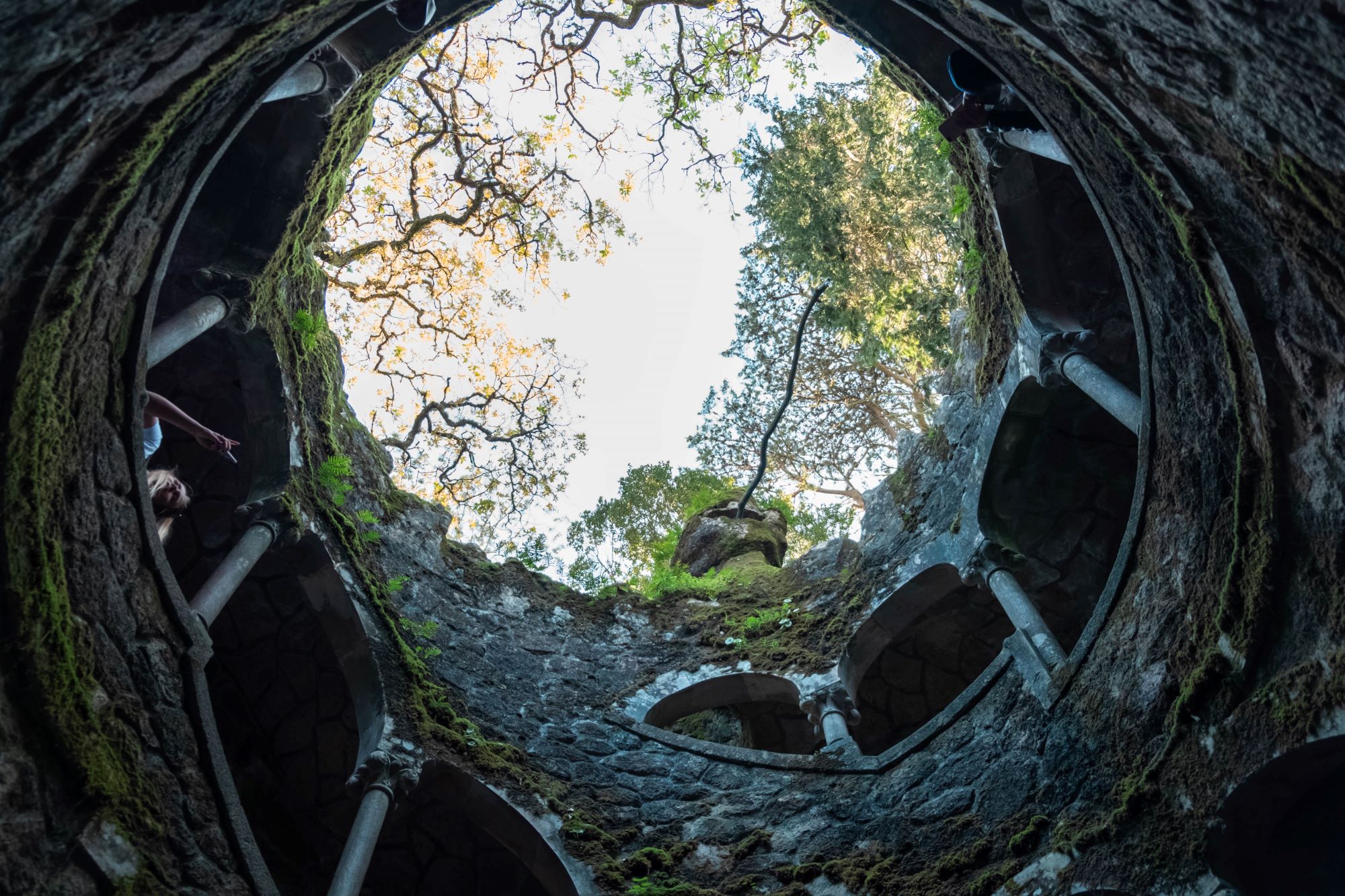
Sintra is considered one of the most beautiful cities in Portugal. It is located just 30 km from Lisbon among the forests and mountains of the Serra de Sintra. It is almost the most popular place to visit during a day trip from the capital.
Sintra has many interesting locations to keep you busy all day. We spent two full days in Sintra – we managed to visit most of the palaces and traveled along the coast – the beaches and cafes overlooking the ocean are something amazing!
I advise you to read it: Sintra – a great guide to the city and beaches
But most people spend about 4 hours on Sintra and then add a visit to Cape Cabo da Roca, or the neighboring beach town of Cascais.
In Sintra, the main attractions are the National Palace of Sintra, Castle dos Muros, Pena National Palace, Quinta da Regaleira and Monserrate Palace.

In addition to the magnificent city and beautiful palaces and castles, there are also unspoiled natural areas to explore in the mountains, the mystical Sintra forest, and fantastic beaches along the coast. If you are traveling with a car, you can combine a little nature, beaches and culture in one day.
I advise you to read it: Road trip in Portugal – from Lisbon to Porto
How to get from Lisbon to Sintra
Direct trains from Lisbon Rossio train station to Sintra depart 3-4 times an hour from early morning until 20:00. The trip takes about 40 minutes and tickets cost 3 euros one way.
The easiest and fastest way to get around Sintra is by bus 434, which stops near the train station. This is a hop-on hop-off bus that runs between the Pena Palace, the Moorish Castle, and the city. Bus 434 has up to four departures per hour and tickets are available on board.
2. Cascais and Estoril
Distance from Lisbon: 35-40 minutes to Cascais, an additional 15 minutes to Guincho Beach.
Getting there: by train to Estoril or Cascais. Take a bus (or bike!) from Cascais to Guincho.
The cost of public transportation tickets: 3-5 euros.

In the 1870s, the coastal Cascais became the summer residence of the Portuguese royal family and other nobles. To this day, it remains a summer playground for tourists and residents of the Portuguese capital.
Located on the edge of the Portuguese Riviera, Cascais has beautiful beaches with calm waters in the south. And wild ocean beaches in the north along the Serra de Sintra coast.
Cascais is a bustling summer resort filled with shops, restaurants, museums and a quaint historic center that will appeal to lovers of the architecture of majestic old mansions.
I advise you to read it: Cascais – a beach resort near Lisbon

The neighboring town of Estoril is similar to Cascais, but it has a casino and several famous golf courses.
If you have more time to explore, just a few kilometers north of Cascais, Guincho Beach is another of Portugal’s most popular destinations. Fully open to the Atlantic Ocean, Guincho is famous for its huge waves and fantastic surfing. Although surfers come for the waves, on calm days you can also swim here.
The best way to combine all three places into a day trip is to start in Cascais, then head to Guincho Beach, and then finish the day in Estoril on your way back to Lisbon.
Getting from Lisbon to Cascais
To get to Cascais from Lisbon, you need to take a commuter train line that departs from the central station Cais do Sodré. Get off at the last stop – Cascais. Trains depart from Lisbon up to 3 times an hour, starting in the morning and running until late at night. Tickets cost 3 euros one way.
If you want to add a visit to Guincho Beach before going to Estoril, you need to take the 405 or 415 bus, each of which departs once an hour from the center of Cascais. The ride takes 15 minutes.
To visit Estoril from Cascais, you can simply take any train heading in the direction of Lisbon. Get off at the stop appropriately named “Estoril” (the trip only takes a few minutes) and then walk a few steps into town.
Better yet (if you have the strength), walk from Cascais to Estoril. The two cities are connected by a magnificent 3-kilometer promenade that stretches along the beaches. It’s a very pleasant way to spend 30-50 minutes if you have enough time.
3. Cape Cabo da Roca
Distance from Lisbon: approximately 2 hours
Getting there: by train and then by local bus
Transportation cost: about 5 euros

Cabo da Roca, the westernmost point of continental Europe, is a stunning cape jutting into the sea. About 40 kilometers west of Lisbon, it is an area with a rugged coastline, breathtaking views and majestic cliffs that rise more than 100 meters above the Atlantic Ocean.
If you want to spend a day outdoors, this is a great choice. The landscapes and views are the reason to come here, and taking a hike or two is the best way to experience this beauty. For example, the walk from Cabo da Roca to Praia da Ursa beach is a very popular hiking route, as it combines majestic coastal views with a wonderful beach. It is a 4-kilometer round trip hike of moderate difficulty that takes approximately 2 hours.
If you are planning multiple or long hikes, Cabo da Roca is already a full-day trip. However, if you just want to do a shorter hike, you can still turn it into a full day.
Getting to Cabo da Roca from Lisbon

There are two options to get to Cabo da Roca from Lisbon, and both require you to first take a train and then transfer to a bus.
The first option is to take the train from the Cais do Sodre station in Lisbon to Cascais, and then take the 403 bus (operated by the local company Scott URB) to Cabo da Roca. The train to Cascais departs every 15-20 minutes and the trip takes 40 minutes. The bus to Cabo da Roca departs once an hour and the trip takes 30 minutes.
The second option is to get to Cabo da Roca via Sintra. In this case, you should take the train from Rossio station in Lisbon and get off at the Sintra stop. Then take the same bus 403 (which stops at Sintra train station) and head to Cabo da Roca. Cabo da Roca is a 30-minute drive from Sintra.
In both cases, one-way tickets cost about 5 euros.
4. Costa da Caparica beach
Distance from Lisbon: 1 hour
Getting there: direct bus
Transportation cost: 4 euros one way.

During the summer months, the Costa da Caparica coast is the perfect beach day trip from Lisbon. The beach is located about 12 km south of the Portuguese capital near the Costa da Caparica resort with many restaurants, bars and cafes.
During the high season, beachfront cafes often host late-night beach parties. But if you go further south, you should be able to find yourself on a pristine beach that stretches along the coast for almost 26 kilometers.
I advise you to read it: Beaches near Lisbon – where to relax, walk and play sports
To the south of Costa da Caparica is Fonte da Tella, a small fishing village. There are several good restaurants and cafes in town, but the beach is the star here. Surrounded by dunes, the 5-kilometer sandy beach is completely open to the Atlantic Ocean and unprotected from the winds, making it a popular destination for surfers and kitesurfers.
How to get from Lisbon to Costa da Caparica:

To get to Costa da Caparicafrom Lisbon using public transportation, you can take bus number 123 from Sete Rios station in Lisbon and get off at Costa da Caparicastation. The bus ride takes about 45 minutes and a one-way ticket costs about 4 euros.
Buses from Lisbon to Costa da Caparica start running at about 5:45 and run until 23:45, departing 2-3 times an hour during the busiest part of the day. The bus is operated by Carris Metropolitana, and the full schedule is available here: Carris Metropolitana.
In the summer, there is a local train, the Transpraia Beach Train, which connects Costa da Caparica with the center of the town.
5. Obidos
Distance from Lisbon: 1 hour
Getting there: direct bus
The cost of transportation: 8 euros.

Obidos is located 90 kilometers northwest of Lisbon, on a hilltop. This walled town is a perfect example of a medieval Portuguese city. So much so that it is probably the most beautiful ancient city that exists near Lisbon.
The obidush is extremely well preserved. Wandering through its cobblestone streets and admiring the ancient architecture will take you back in time. The city often hosts themed festivals: in the summer, a medieval festival is held here, and at Christmas 2023, a holiday in the style of Harry Potter books was organized here.

If you enter the city through Porta da Vila, you can stroll along the main street of the city, past the historic, whitewashed buildings, until you reach the majestic 12th century castle.
After seeing the castle, anyone in relatively good shape should definitely take a walk along the city’s stone walls. They offer magnificent views of the surrounding area. The 13th-century Igreja de Santa Maria Church is another attraction worth visiting during your stay in the city.
You will need two to three hours to see the main attractions of Obidos. Have a coffee or a drink, stop to eat, sit on the square for people-watching, and just enjoy your surroundings. But if you plan to come to the festival, it’s worth staying overnight in one of the hotels in Obidos.
How to get to Obidos from Lisbon:
Express buses from Campo Grande station in Lisbon take about an hour to get there. Buses start running at 7:00 am and run until about 23:00. They depart about once an hour, but more often at busier times of the day. The line is operated by the company Rodoviária do Tejo. One-way tickets cost about 8 euros. The bus will drop you off right next to the medieval walls of Obidos, and you will take the return bus from the same place.
6. Setubal
Distance from Lisbon: 1 hour
Getting there: by train, bus or car
Transportation cost: 5-7 euros one way.
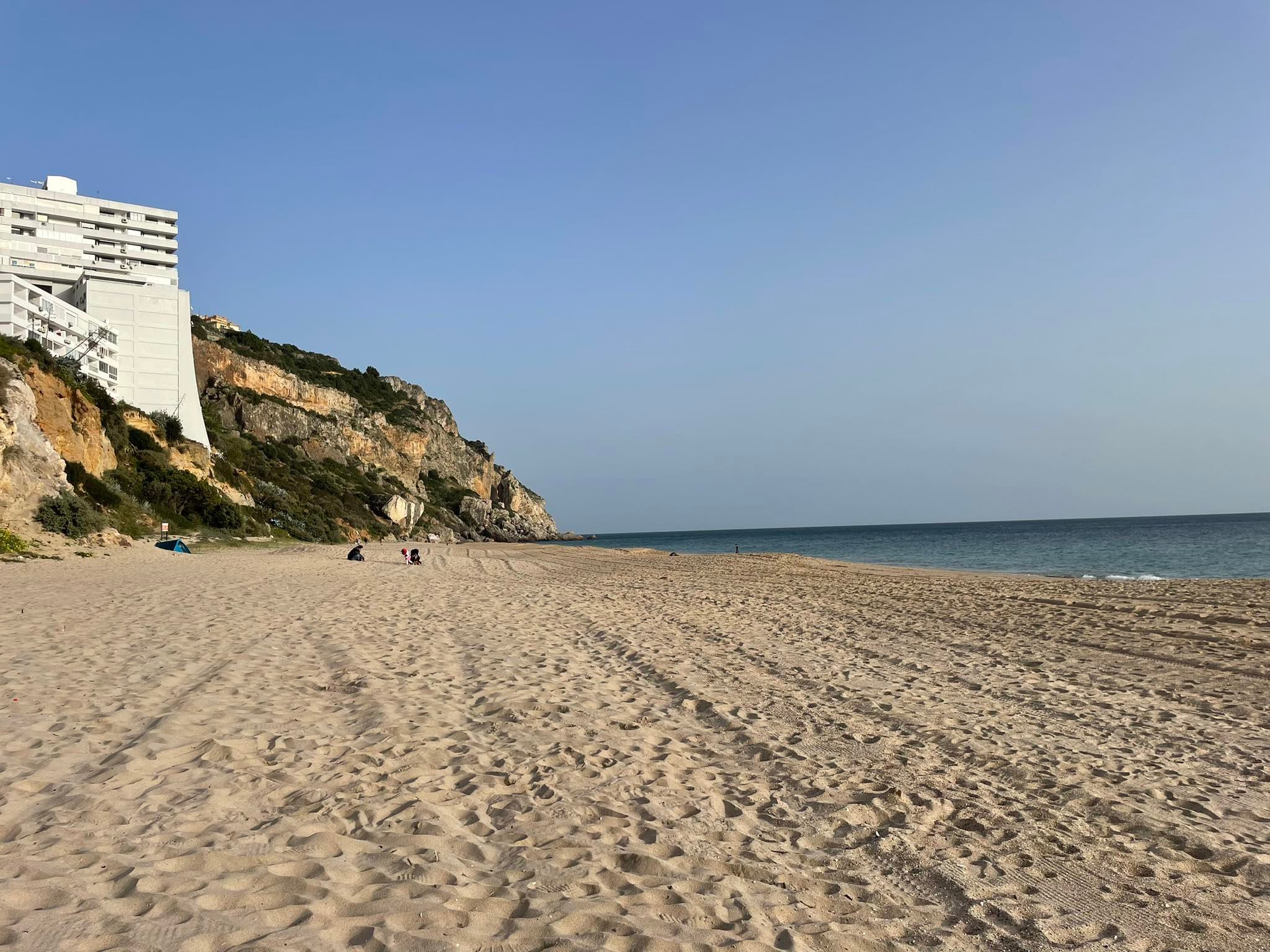
Setubal is a bustling city, but most international tourists overlook it. Although Setubal has a historic center, it is quite pleasant for walking. Walking through it you can admire many green squares, historic buildings and ancient churches.
If you get here, you should definitely visit Forte de São Felipe, a fortress with stunning ocean views. There is also the Mercado do Livramento, a huge indoor market where you can buy freshly caught fish, as well as fruits, vegetables, and other goods. If you’re in town for lunch or dinner, don’t forget to head down to the harbor, where there are many great restaurants offering seafood cuisine.
If you have a car, you can also visit the nearby town of Serra do Arrabida or the white sand beaches of the Troy Peninsula.
How to get from Lisbon to Setúbal:
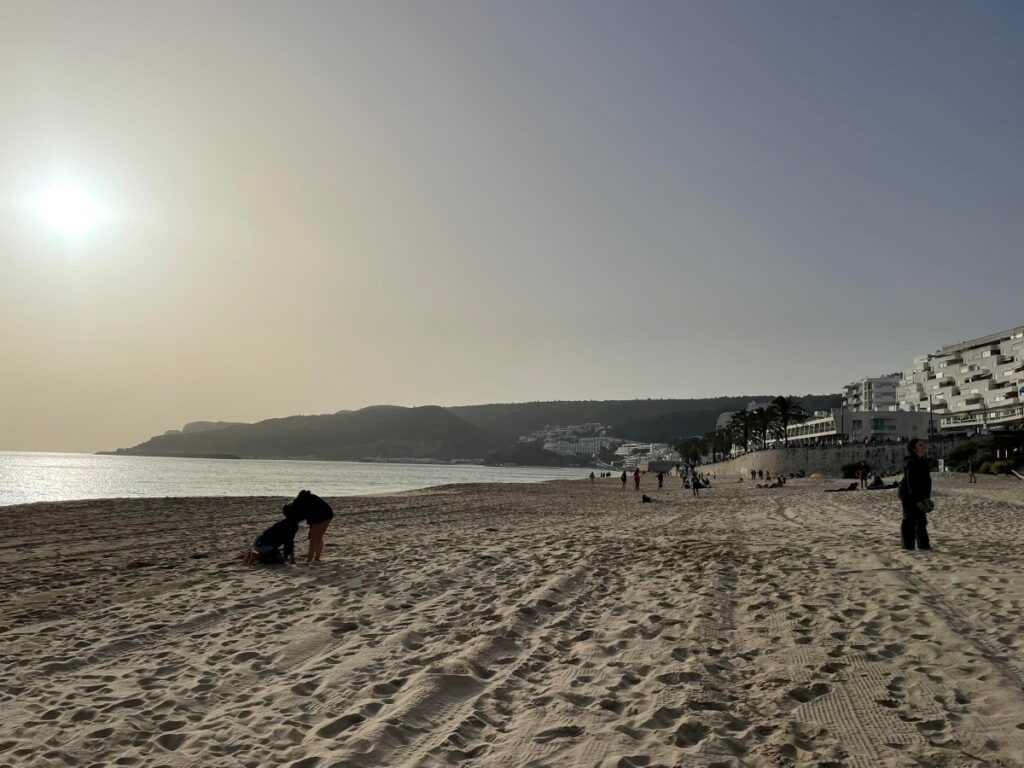
There are direct trains to Setúbal from morning to evening, departing about once an hour from Lisbon’s Campolide and Sete Rios stations. The trip takes about an hour and the ticket will cost about 5 euros. You can view the full schedule here. Once you arrive in Setubal, you’ll be about 1 km from the city center, so it’s only a short walk to the town center.
You can also get to Setúbal from Lisbon by bus. Buses depart from Lisbon’s Sete Rios and Gare do Oriente stations from morning to late evening. There are various companies that serve this route, including Carris Metropolitana and Rede Expresos. Carris Metropolitana has the most daily departures and is also the cheaper option. The bus ride to Setubal takes about 45 minutes and costs about 7 euros. The bus station is located much closer to the city center than the railway station, so it is quite convenient to get to the city center.
7. Nazare
Distance from Lisbon: approx. 1.5 hours
Getting there: by intercity bus to Nazareth
The cost of transportation: 10-15 euros one way/

Nazare is a beautiful coastal town that used to be a fishing village before becoming a surfer’s mecca. There are no major attractions in the city itself, but it’s nice to wander around and see traditional fishermen’s houses. The cliff-top monastery of Nossa Senhora da Nezare is also a great place to visit.
Nazare is now known as a surfing destination thanks to the huge waves on Praia do Norte beach. A quick Google image search will show you why. For those who do not want to fight huge waves, the 7-kilometer-long Praia da Nazaré beach is more relaxed and perfect for swimming in the summer.
How to get from Lisbon to Nazare:

To get from Lisbon to Nazare, use Flixbus buses. The direct bus departs from Oriente station in Lisbon and arrives at Nazaré station, which is located right next to the waterfront. The first bus departs at 8:00 a.m. and travels for 1 hour and 30 minutes. Tickets will cost approximately 10-15 euros.
Rede Expresos one of the other major intercity bus companies in the region, also operates buses to Nazareth. Departures from Lisbon’s Sete Rios station are made every hour, starting at 7:45 am. The trip takes about 1 hour and 45 minutes and tickets cost between 8 and 12 euros.
8. Peniche
Distance from Lisbon: 1 hour 30 minutes
Getting there: direct bus
Transportation cost: from 9 euros.
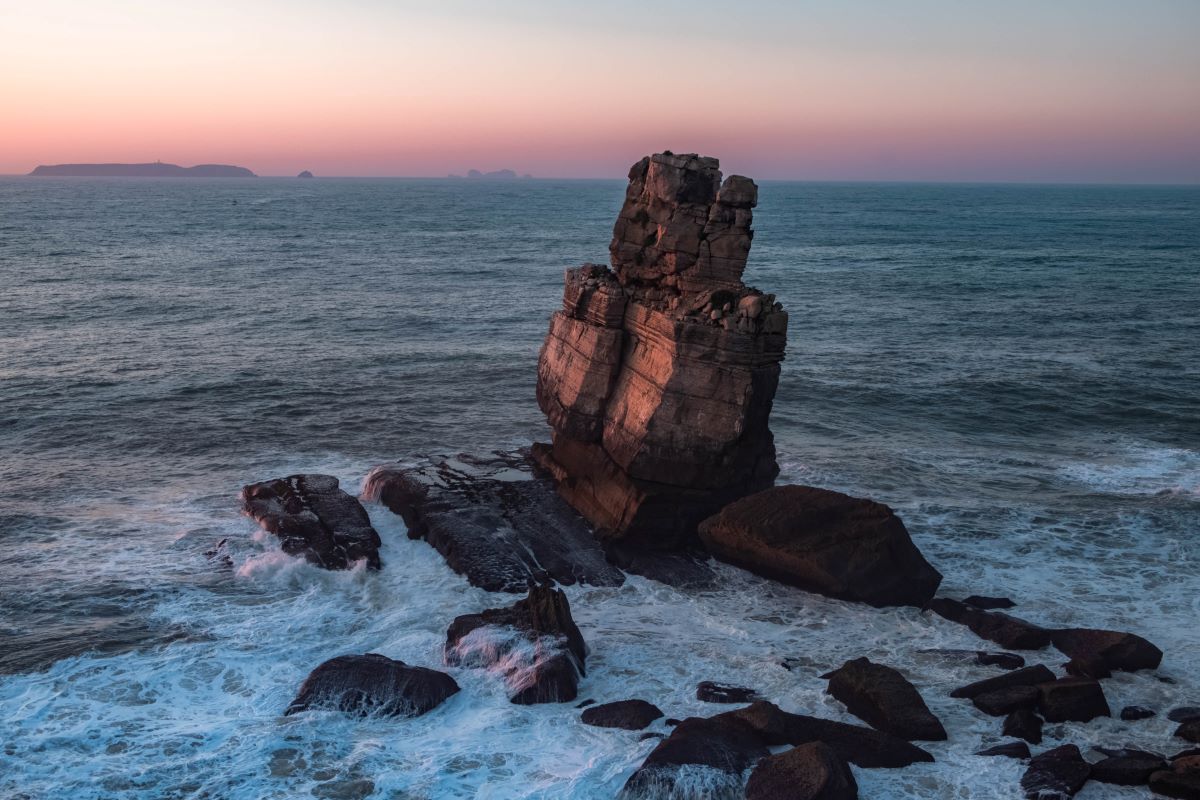
About an hour and a half north of Lisbon is the working-class fishing town of Peniche. This city, home to many beautiful and pristine beaches, is popular with surfers who come here because of the characteristic “superturbo” waves, which are fast, powerful waves that look like pipes.
Thanks to the numerous beaches in the area that face in different directions, surfers can almost always find a beach with a good wave. Due to its popularity as a surfing destination, there are several surf schools here, so beginners can try it.
The city itself is not an architectural marvel, but it is a pleasant place where you can experience real Portuguese life. As a fishing town, the seafood is fresh and excellent, and the prices will be more reasonable than in some of the upscale cities/resorts along the coast.
Peniche Fortress, which is located high on a cliff-top overlooking the ocean, is also worth checking out. Built-in the 1500s to protect against pirate attacks, it most recently served as a political prison in the 1950s during the Estado Novo regime.
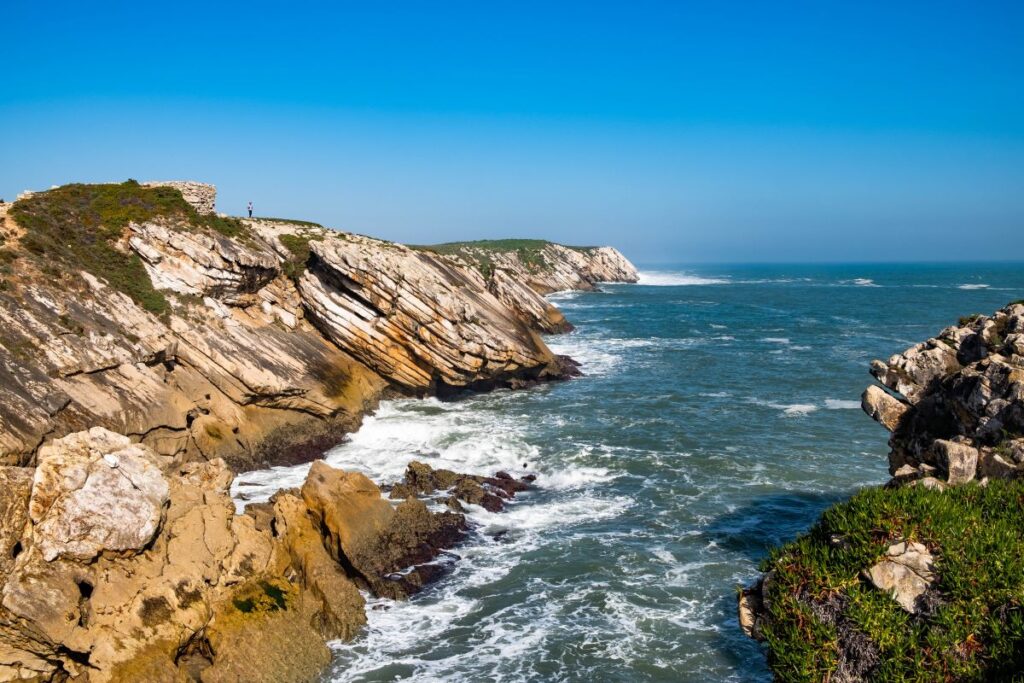
If you plan a full day in Peniche, you should definitely consider visiting the neighboring Berlengas Islands. Located just a few kilometers off the coast from Peniche, several ferries run daily between the city and the islands.
Berlenga Grande is the largest of the islands open to visitors. Here you can walk along the island’s hiking trails, visit the Fort of San Juan Batista, relax on the beach, and take a boat tour to explore caves and grottoes.
Getting to Peniche from Lisbon
The bus is by far the easiest, cheapest and best way to get to Peniche from Lisbon. Departures depart approximately once an hour from Sete Rios bus station in Lisbon from early morning to evening (approximately 8:00 to 21:30). Buses are operated by the company Rede Expressos , the travel time between Lisbon and Peniche is about 1.5 hours, and a one-way ticket will cost about 9 euros.
For a walk to the Berlengas Islands, you should be in Peniche at 10:00 am – the first ferry leaves at this time. The ferry ride takes 20-45 minutes (depending on whether you take a regular or high-speed ferry) and costs about 20 euros for a round-trip ticket.
Ferries depart from Peniche at 10:00, 10:30, 14:30 and 15:00. To get back to Peniche, ferries depart at 14:00, 17:30 and 18:00, so be sure to stick to your schedule.
9. Nature Park Sudoeste Alentejano e Costa Vicentina
Distance from Lisbon: 2-3 hours
How to get there: car rental
Transportation costs: the cost of renting a car and fuel.
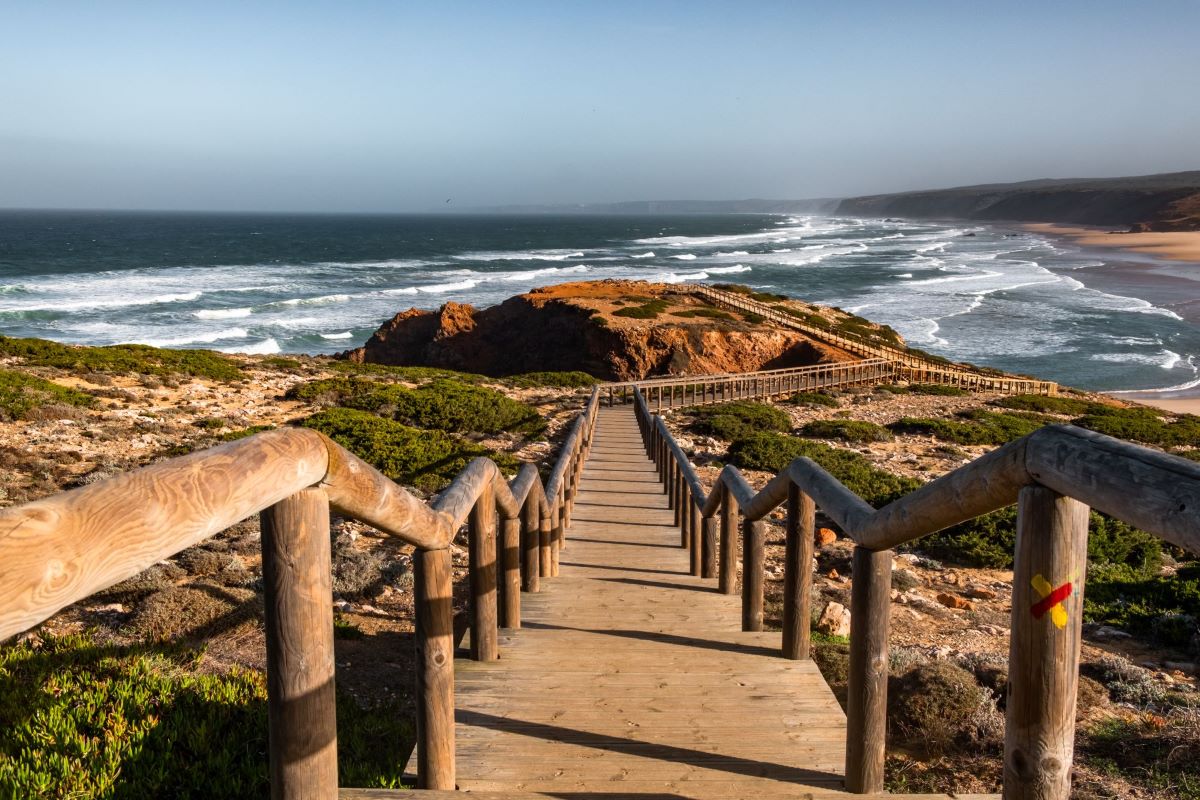
The Alentejo Natural Park and Costa Vicentina, which begins in Porto Covo in the Portuguese region of Alentejo and stretches 100 kilometers south to the Algarve, is one of the most beautiful coastal areas in Europe.
The park has beautiful wild beaches, sand dunes, high cliffs and hills. It is also a protected nature reserve and home to rare species of birds and other wildlife.
If you have a desire to spend a day in unspoiled nature, this is probably the best decision to go here. Go for a short hike, surf, swim, and explore nature in this park.
The beaches within the park are among the best in the country. Since they are far from any major urban areas, they are unspoiled and free from crowds. The variety of beaches is impressive, there is everything from long sandy beaches with calm water to small coves hidden between the rocks of the park.
I advise you to read: Alentejo Coast – where to find the most beautiful wild beaches in Portugal

There are also areas with large dunes, as well as beaches with rough water and big waves that are ideal for surfing. There are too many to name them all, but a few particularly beautiful beaches are Vila Nova de Milfontes, Arrifana, Porto Covo, Praia do Amado, and Malhão.
The park also has a huge number of hiking trails – one of them, and quite fascinating, is the Rota Vicentina hiking route.
You can read about in a separate post – from my own experience: Rota Vicentina – walking along the ocean.
How to get from Lisbon to Parque Natural do Sudoeste Alentejano e Costa Vicentina
The Sudoest Alentejano and Costa Vicentina Natural Parks are not accessible by public transportation. There are intercity buses that depart from Lisbon to some cities near the park, such as Porto Cova. But once you get there, you won’t have any transportation to get to the park.
So, to get the most out of your visit here, you will need to have a rented car.
10. Fatima
Distance from Lisbon: 1 hour 30 minutes
Getting there: direct bus
The cost of transportation: 7-10 euros.

It will be interesting to visit this small city in the center of Portugal primarily for believers. Here in 1917, the Virgin appeared six times to local children – little Lucia and her relatives Francisco and Jacinta. At first, the children did not believe that the Virgin Mary had come to them, but later a crowd of thousands gathered to see the miracle. People saw how the Virgin Mary stopped the downpour – the sky was cleared. Soon, only Lucia was left alive, and the other two died, just as the Virgin had predicted. Lucia lived a long life and became a nun. She also wrote down three revelations of the Virgin Mary, all of which came true. In particular, this applies to the terrible wars that Europe has experienced.
Since then, millions of pilgrims from all over the world have flocked to Fatima. This led to the construction of an architectural complex that includes a basilica, a church, and a chapel. Because so many people come, Fatima has a square that can accommodate about 200,000 people at a time. The priest’s speech is broadcast through loudspeakers. Once in Lisbon, do not miss the opportunity to go and venerate Our Lady of Fatima.
There is a pilgrimage path along which believers walk on their knees. The path is a kilometer of road that ends at the Chapel of the Phenomenon in the city center. Those who walk along this road carry wax figures of people or “diseased” body parts (kidneys, hands, eyes-everything is made of wax and sold here). Then all of this is thrown into special melting furnaces located to the left of the temple-a strange and unusual ritual that is interesting to see with your own eyes. The peak of the pilgrimage to Fatima is on May 13 and October 13.
How to get to Fatima from Lisbon:
The easiest way to buy a bus ticket is Flixbus – buses depart from Lisbon (Oriente) bus station almost every hour. The ticket costs about 9-10 euros. Also runs between Lisbon and Fatima – Red Express Rede Expressos which departs every hour from Lisboa station, Terminal Rodoviário De Sete Rios.
Useful articles and links:
- 10 tips for those traveling to Portugal for the first time
- Top 20 places to see in Lisbon
- Life hacks for finding tourist accommodation in Lisbon
- The best beaches near Porto
Find train tickets in Europe conveniently on Trainline
Booking of hotels and apartments – Booking.com